Top 20 Natural Monuments around Obersinn
Best natural monuments around Obersinn include diverse natural features within Lower Franconia, Bavaria. The region is characterized by its river valleys and forested areas. The Sinngrund Nature Reserve is notable for its extensive meadows of the endangered Schachblume (snake's head fritillary), which blooms from late April to early May. This area also supports various rare plant and animal species due to traditional water meadow management practices.
Best natural monuments around Obersinn
- The most popular natural monuments is Beilstein Trail,…
Last updated: June 24, 2026
Beilstein Trail
Highlight • Trail
Showing Translation
Tip by

Hirschborn Ponds
Highlight • Lake
Translated by Google •
Tip by

Sign up now to discover places like this
Get recommendations on the best single tracks, peaks, & plenty of other exciting outdoor places.
Sign up for free
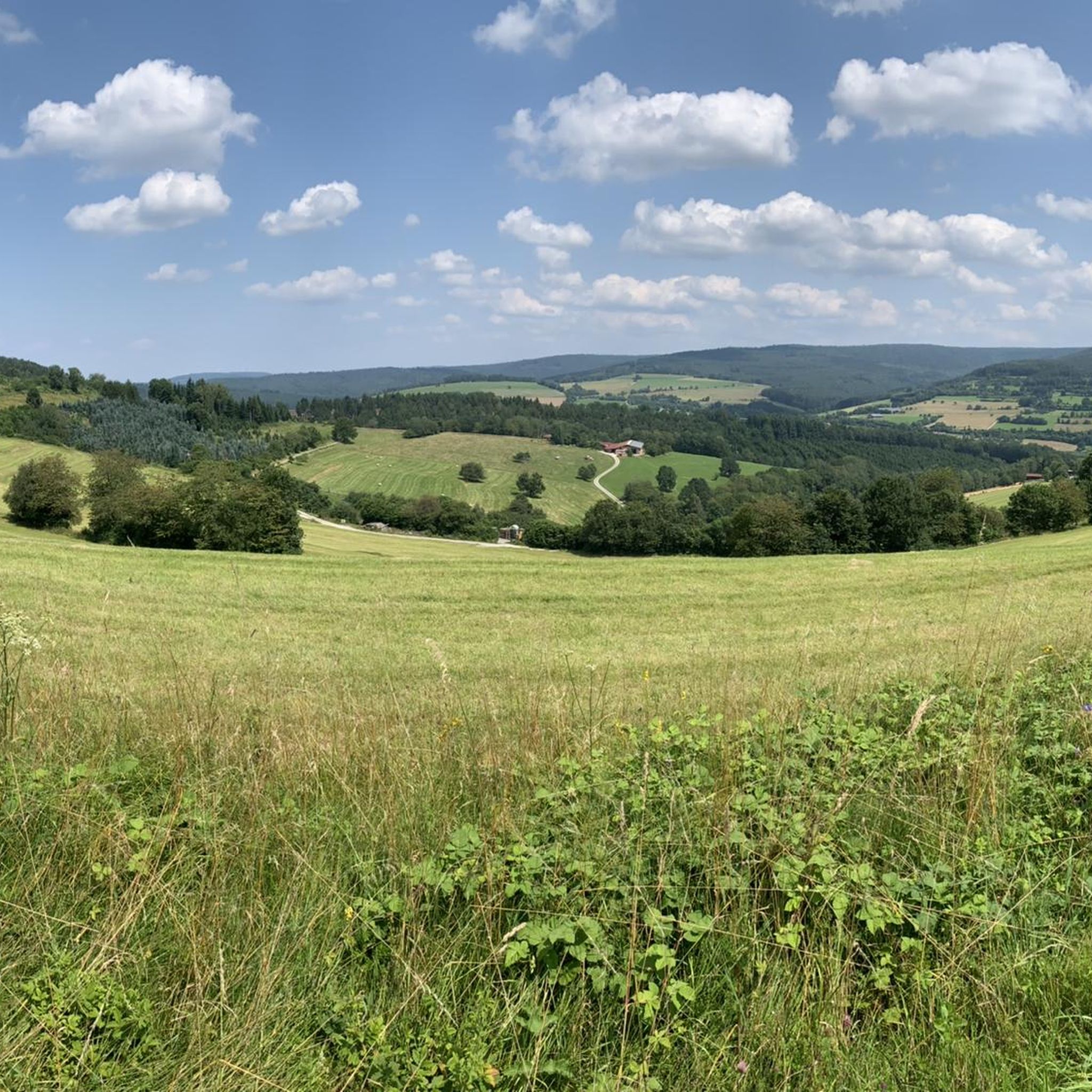
Juniper heath in Naturpark Hessischer Spessart
Highlight • Natural
Translated by Google •
Tip by

Erbsgrund Pond in Ratzerod
Highlight • Lake
Translated by Google •
Tip by

Beilstein Basalt Formation
Highlight • Natural Monument
Translated by Google •
Tip by
Sign up for free to discover even more natural monuments around Obersinn.
Sign up for free
Already have an account?
Start today with a free account
Your next adventure awaits.
Login or Signup
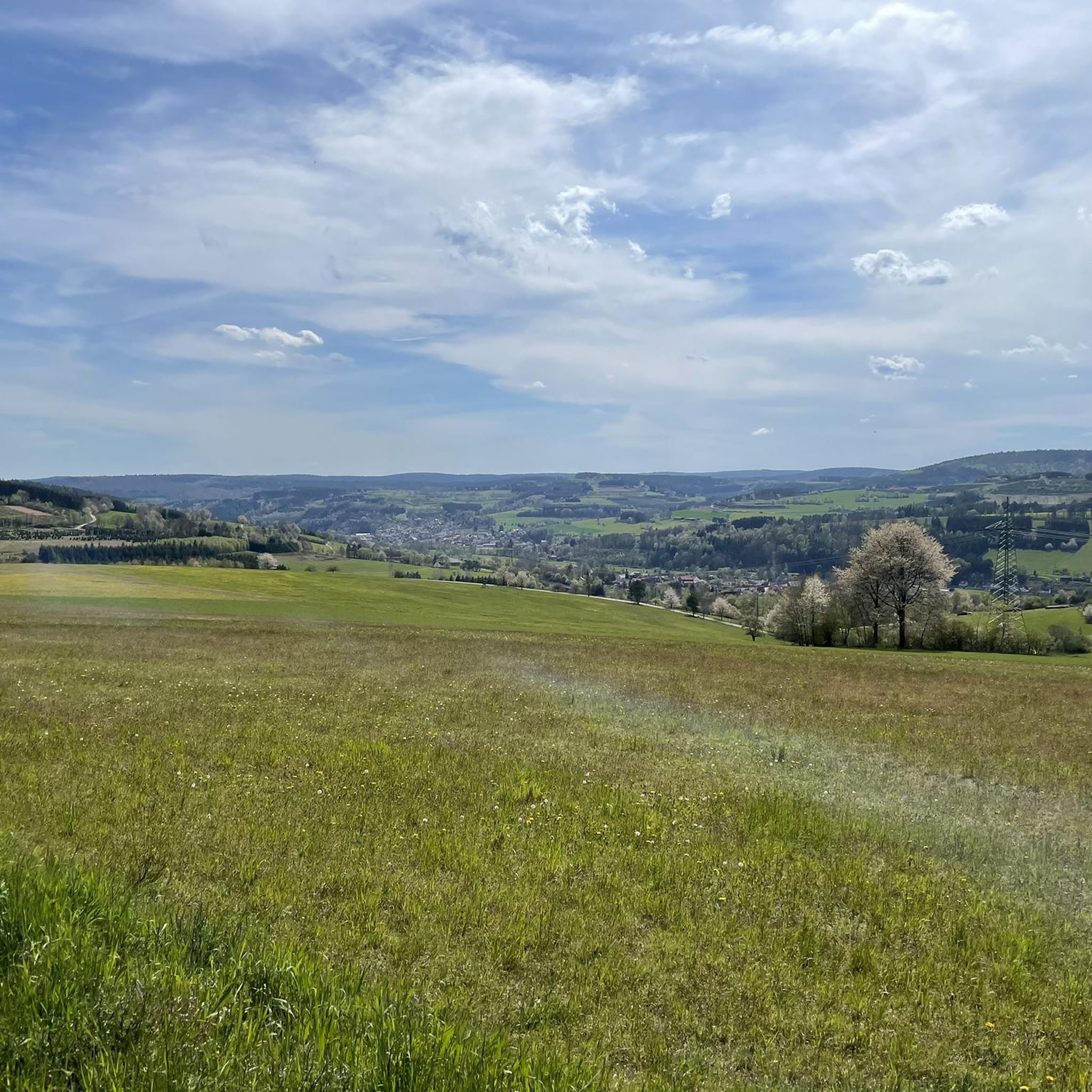
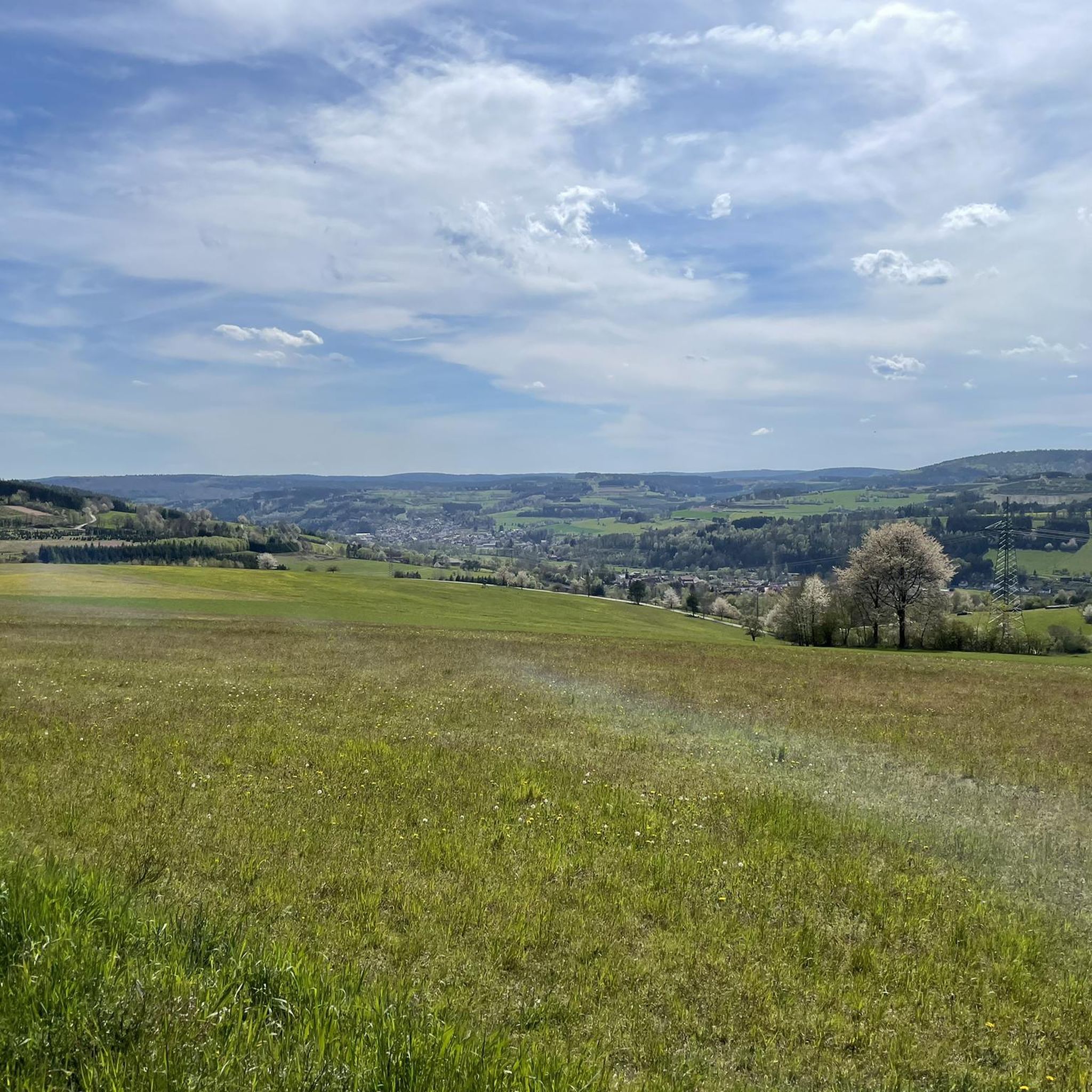
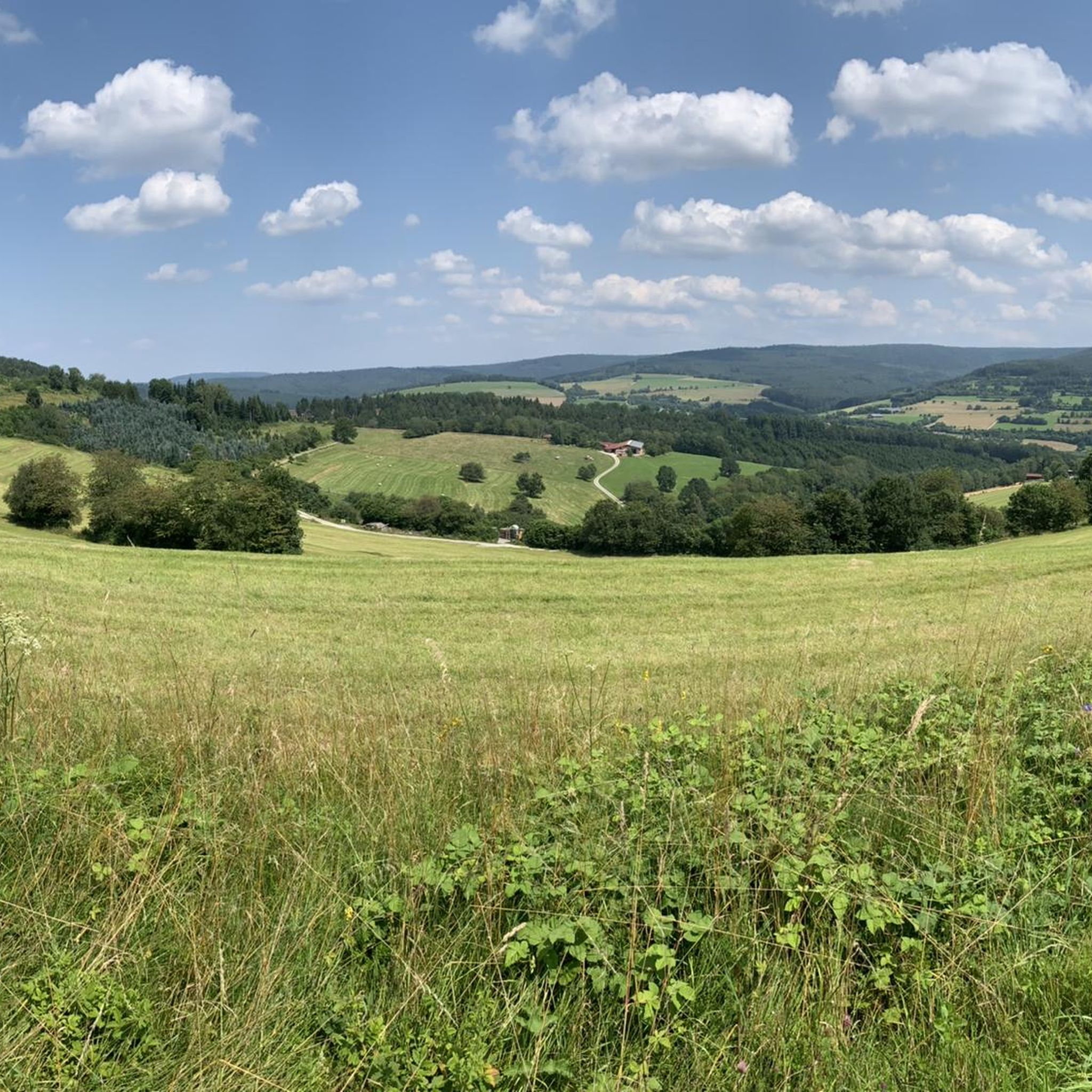
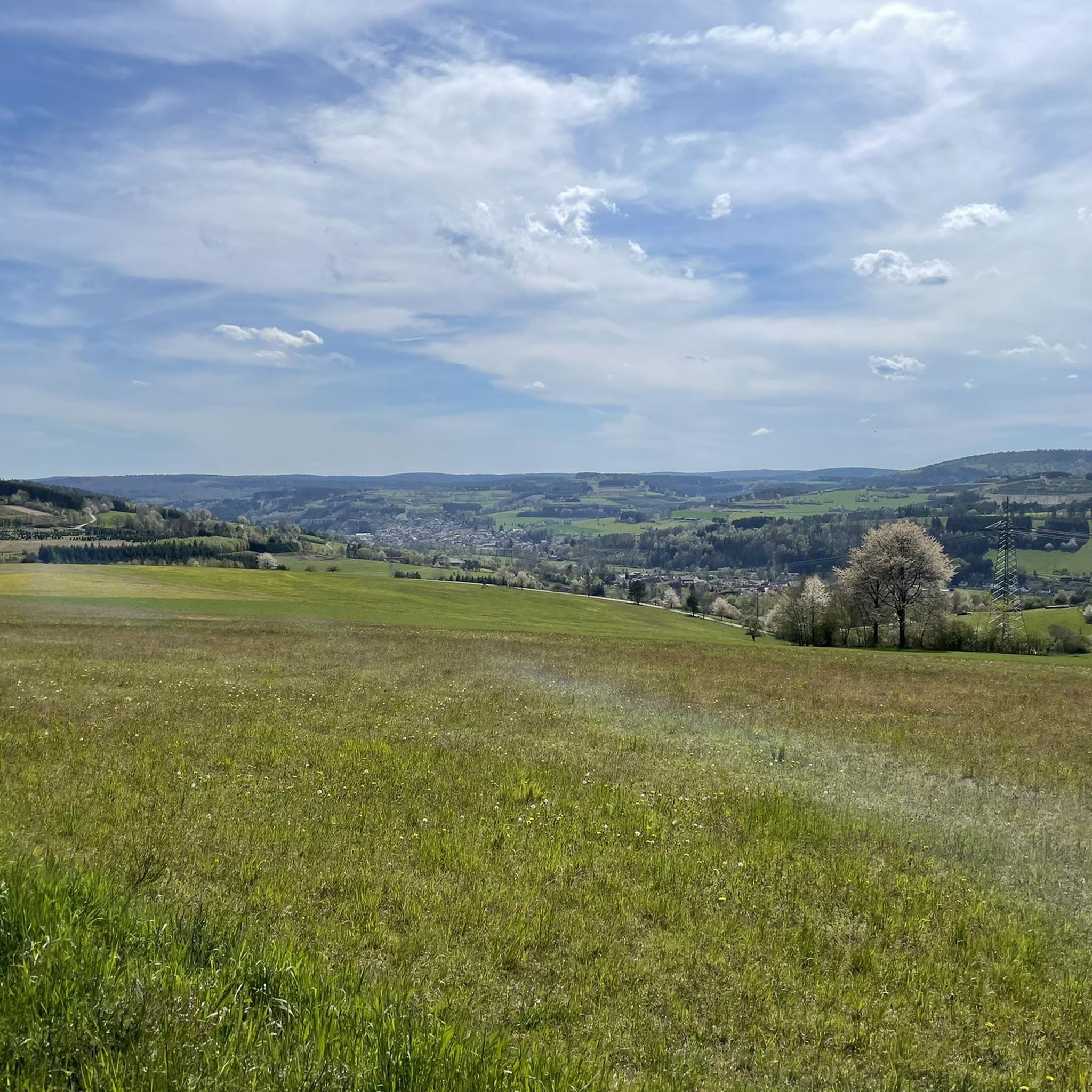

Tips from the Community

Unfortunately, the Wacholderheide is becoming increasingly overgrown here.
0
0

idyllic resting place.... ideal for a great picnic with an amazing view of the pond..🤗
3
0

Currently well cleared of young trees... nice view of a quite unexpected basalt formation in the otherwise existing federal sandstone
17
0

In any case, go up to the rock and enjoy the distant view from Beilstein!🤩 Playful trail.😊 Increasingly overgrown towards the end - "enchanted character"😉
5
1

The Beilstein is a basalt cone with the largest basalt cave in the Main-Kinzig district. The formation was formed by volcanic eruptions 10 to 20 million years ago; the surrounding red sandstone, which otherwise characterizes the Spessart, is around 200 million years older. The basalt breach was exposed by erosion; The typical basalt columns and smaller, spherical structures can be seen on the rock walls. On the mountain, which was first mentioned in a document in 1059, are the remains of the small, medieval hilltop castle of Beilstein. It was built to protect the possessions of the archbishopric of Mainz and to control an old road, and was first mentioned in 1343. It was also intended to protect the first glassworks that were established. When rule passed to the Counts of Hanau, the castle probably lost its importance and has since fallen into disrepair. Due to the poor source situation, little is known about the castle. Source: Wikipedia
5
1
The Beilstein is a mountain in the Spessart, 499.5 m above sea level (NHN). It lies east of the road from Bad Orb to Jossatal, between Villbach and Lettgenbrunn, within the municipality of Jossgrund in the Main-Kinzig district of Hesse. The Beilstein is a basalt cone with the largest basalt cave in the Main-Kinzig district. The formation originated 10 to 20 million years ago through volcanic eruptions; the surrounding Bunter sandstone, which otherwise characterizes the Spessart, is around 200 million years older. The basalt breakthrough was exposed by erosion; the rock faces show the typical basalt columns as well as smaller, spherical formations. On the mountain, first documented in 1059, are the remains of the small, high medieval hilltop castle Beilstein. It was built to protect the possessions of the Archbishopric of Mainz and to control an old road, and was first mentioned in 1343. Furthermore, it was intended to protect the first glassworks that were established. When the lordship passed to the Counts of Hanau, the castle presumably lost its importance and fell into ruin thereafter. Due to the scarce sources, little is known about the castle. Today, the complex consists only of a ring wall about 12 meters long. Source: Wikipedia
6
1

A beautiful heathland in the Spessart is more of an exception. An important place for our (species) nature conservation
2
0
Frequently Asked Questions
What are some of the most unique natural monuments to visit around Obersinn?
The region offers several distinctive natural monuments. Don't miss the Beilstein Trail, known for its unusual basalt rock formation and partly steep paths. Another highlight is the Sinngrund Nature Reserve, particularly famous for its extensive meadows of the endangered Schachblume (snake's head fritillary) which blooms from late April to early May. You can find more information about the reserve on Wikipedia.
When is the best time to visit the natural monuments in Obersinn?
The best time to visit largely depends on what you wish to see. For the spectacular blooming of the Schachblume in the Sinngrund Nature Reserve, late April to early May is ideal. Generally, spring and autumn offer pleasant temperatures for hiking and exploring the various natural features.
Are there family-friendly natural monuments around Obersinn?
Yes, several spots are great for families. The Hirschborn Ponds offer a tranquil setting with benches, perfect for a short breather amidst nature. Similarly, the Erbsgrund Pond in Ratzerod is a cozy spot with seating and a view over the water, ideal for a relaxing break with children.
What kind of wildlife can be observed in the Sinngrund Nature Reserve?
The Sinngrund Nature Reserve is a significant habitat for diverse wildlife. Beyond the famous Schachblume, you might spot rare animals such as beavers, kingfishers, various dragonfly species, and unique fish like brown trout, bullhead, and burbot. The traditional water meadow management practices have created a rich ecosystem supporting this biodiversity.
What types of outdoor activities can I do near Obersinn's natural monuments?
The region around Obersinn is excellent for various outdoor activities. You can find numerous routes for mountain biking, gravel biking, and hiking. For example, there are many MTB Trails around Obersinn, Gravel biking routes around Obersinn, and Easy hikes around Obersinn, catering to different skill levels.
Are there any natural monuments with unique geological features?
Absolutely. The Beilstein Basalt Formation is a prime example. This imposing rock formation showcases basalt prisms, which are quite rare in the Spessart region, offering a fascinating geological insight along the hiking trails.
What do visitors enjoy most about the natural monuments around Obersinn?
Visitors frequently appreciate the tranquility and natural beauty. Many enjoy the opportunity for relaxation at spots like the Hirschborn Ponds, while others are drawn to the unique geological formations such as the Beilstein basalt. The natural spectacle of the Schachblume blooming in the Sinngrund is also a highly praised experience.
Are there any natural monuments that are also nature reserves?
Yes, the Sinngrund Nature Reserve is a prominent example. It's not just a natural monument due to the Schachblume meadows but also a protected area vital for its ecological significance, preserving rare plant and animal species and traditional water meadow management practices.
Can I bring my dog to the natural monuments?
While many natural areas in Germany are dog-friendly, it's always best to check specific regulations for each site. For nature reserves like the Sinngrund, dogs are generally permitted on designated paths, but must be kept on a leash to protect wildlife and sensitive flora. Always ensure to clean up after your pet.
Are there any natural monuments that offer viewpoints?
Yes, several natural monuments provide excellent viewpoints. The Beilstein Trail and the Beilstein Basalt Formation offer rewarding views, especially after navigating the partly steep terrain. The Juniper heath in Naturpark Hessischer Spessart also provides scenic vistas, reminiscent of the Lüneburg Heath.
How long should I plan for a visit to the natural monuments?
The duration of your visit can vary. For a quick stop at a tranquil spot like the Hirschborn Ponds or Erbsgrund Pond, 30 minutes to an hour might suffice. Exploring the Beilstein Trail or the Sinngrund Nature Reserve, especially during the Schachblume bloom, could easily take a few hours, particularly if you combine it with a hike.
Are there any hidden natural gems in the Obersinn region?
Beyond the well-known sites, the region's charm lies in its diverse landscapes. The Juniper heath in Naturpark Hessischer Spessart, though small, is a unique natural reserve with vegetation distinct from the surrounding forests, offering a different kind of natural beauty that some might consider a hidden gem.
Most popular routes around Obersinn
Most popular attractions around Obersinn

Get inspired with the komoot mobile app


Explore more
Extend your search for the best caves by checking out these guides of the top ones around Obersinn:
