Top 20 Natural Monuments around Wittighausen
Best natural monuments around Wittighausen are found in the Main-Tauber-Kreis district of Baden-Württemberg, Germany. This municipality is home to seven designated natural monuments, including both area-based and individual natural formations. The region offers diverse natural landscapes, from significant wetland areas to semi-dry grasslands on Muschelkalk soil. These sites provide habitats for varied flora and fauna, making them points of interest for nature observation.
Best natural monuments around Wittighausen
- The most popular natural monuments is Blutsee-Moor Nature Reserve, an other…
Last updated: July 8, 2026
Rose and Japanese Gardens in the Kurpark, Bad Mergentheim
Highlight • Natural
Translated by Google •
Tip by

Blutsee-Moor Nature Reserve
Highlight • Natural
Translated by Google •
Tip by

Sign up now to discover places like this
Get recommendations on the best single tracks, peaks, & plenty of other exciting outdoor places.
Sign up for free
Karl's Spring (Karlsquelle) – Bad Mergentheim
Highlight • Natural Monument
Translated by Google •
Tip by

Bismarck Column
Highlight • Monument
Translated by Google •
Tip by

Wilhelmsquelle
Highlight • Natural Monument
Translated by Google •
Tip by

Sign up for free to discover even more natural monuments around Wittighausen.
Sign up for free
Already have an account?
Start today with a free account
Your next adventure awaits.
Login or Signup
Popular around Wittighausen
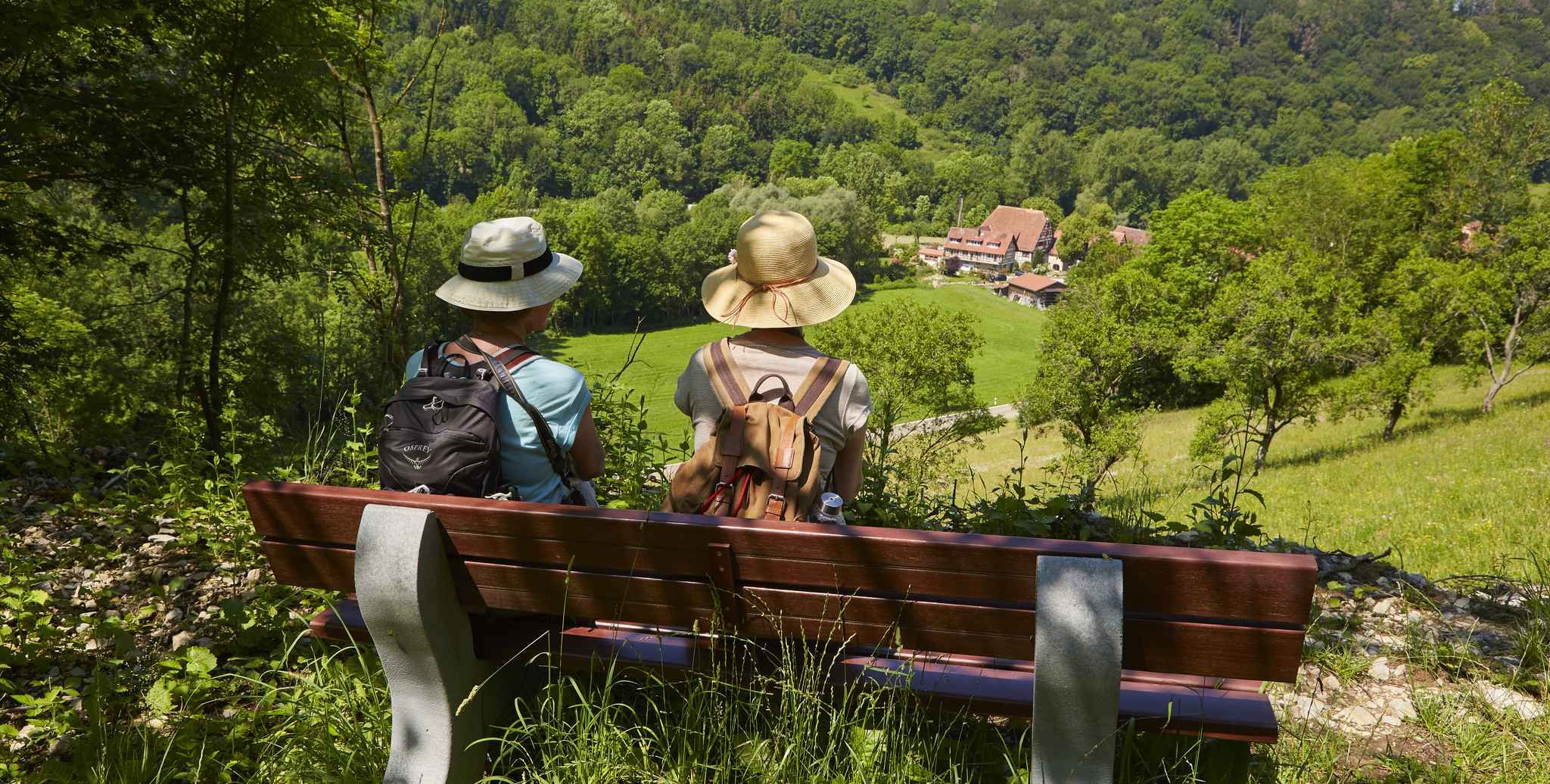
Gentle hills & wide forests – day Tours in the Lovely Tauber Valley
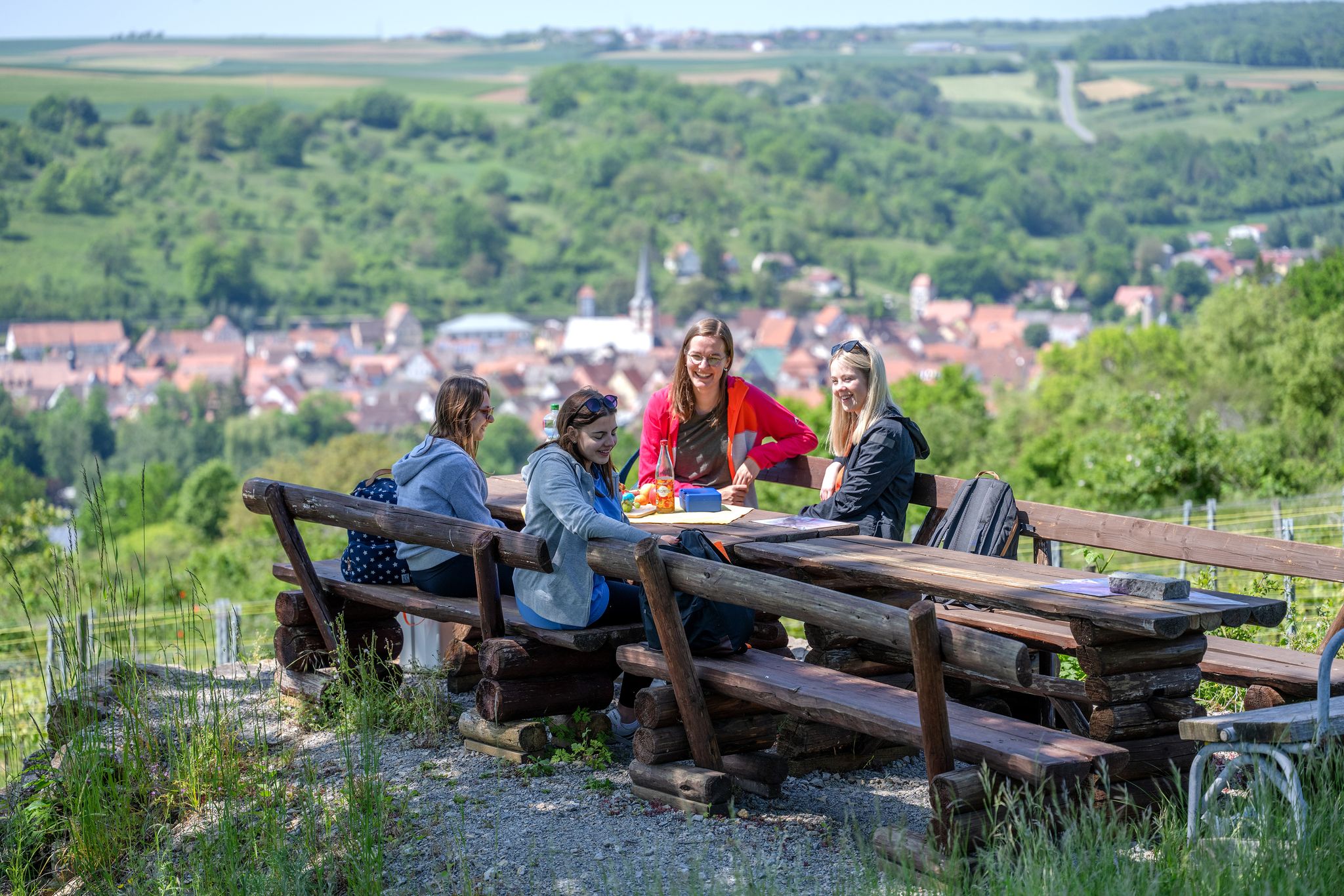
29 Rundwanderwege durch die Ferienlandschaft „Liebliches Taubertal“
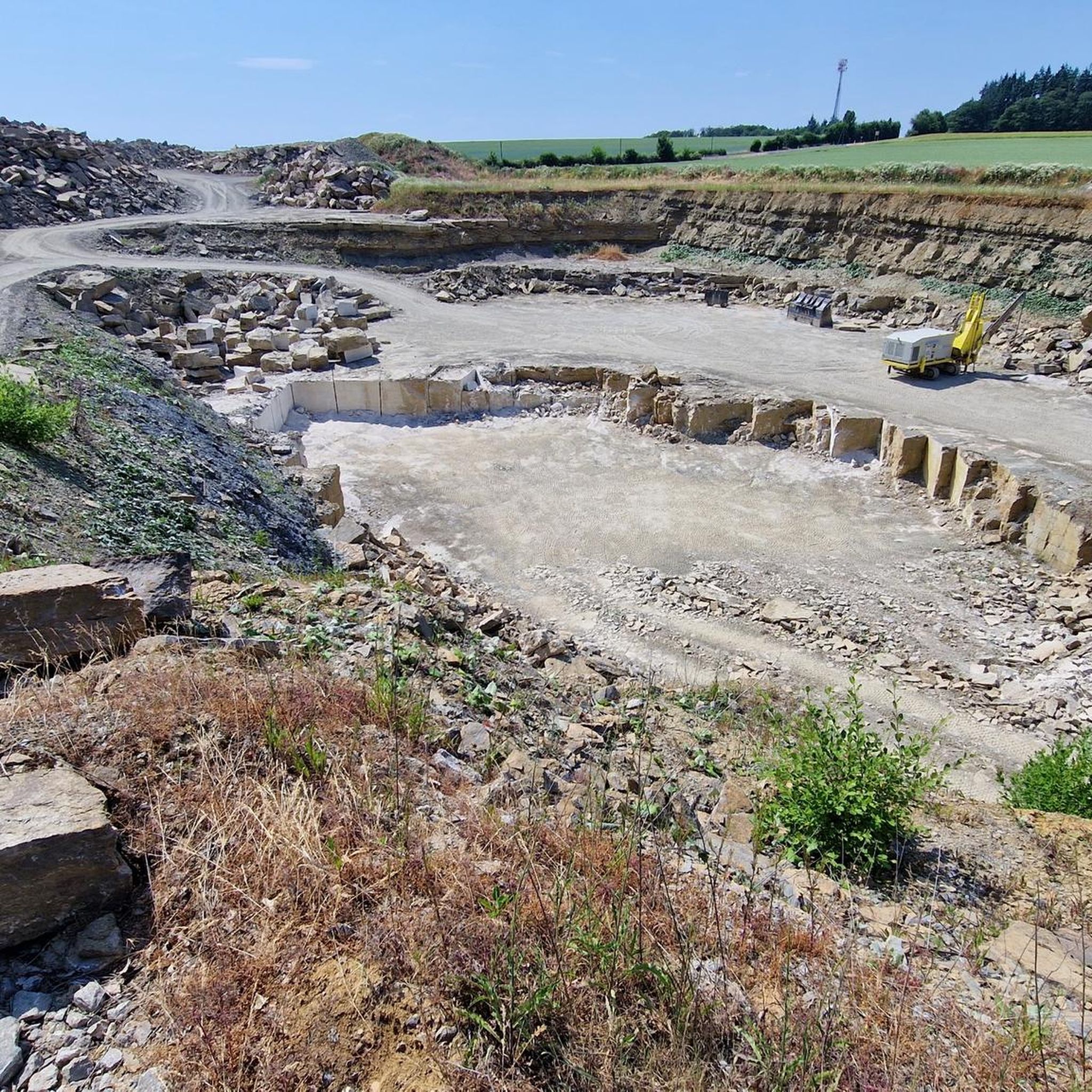
Cycling around Wittighausen
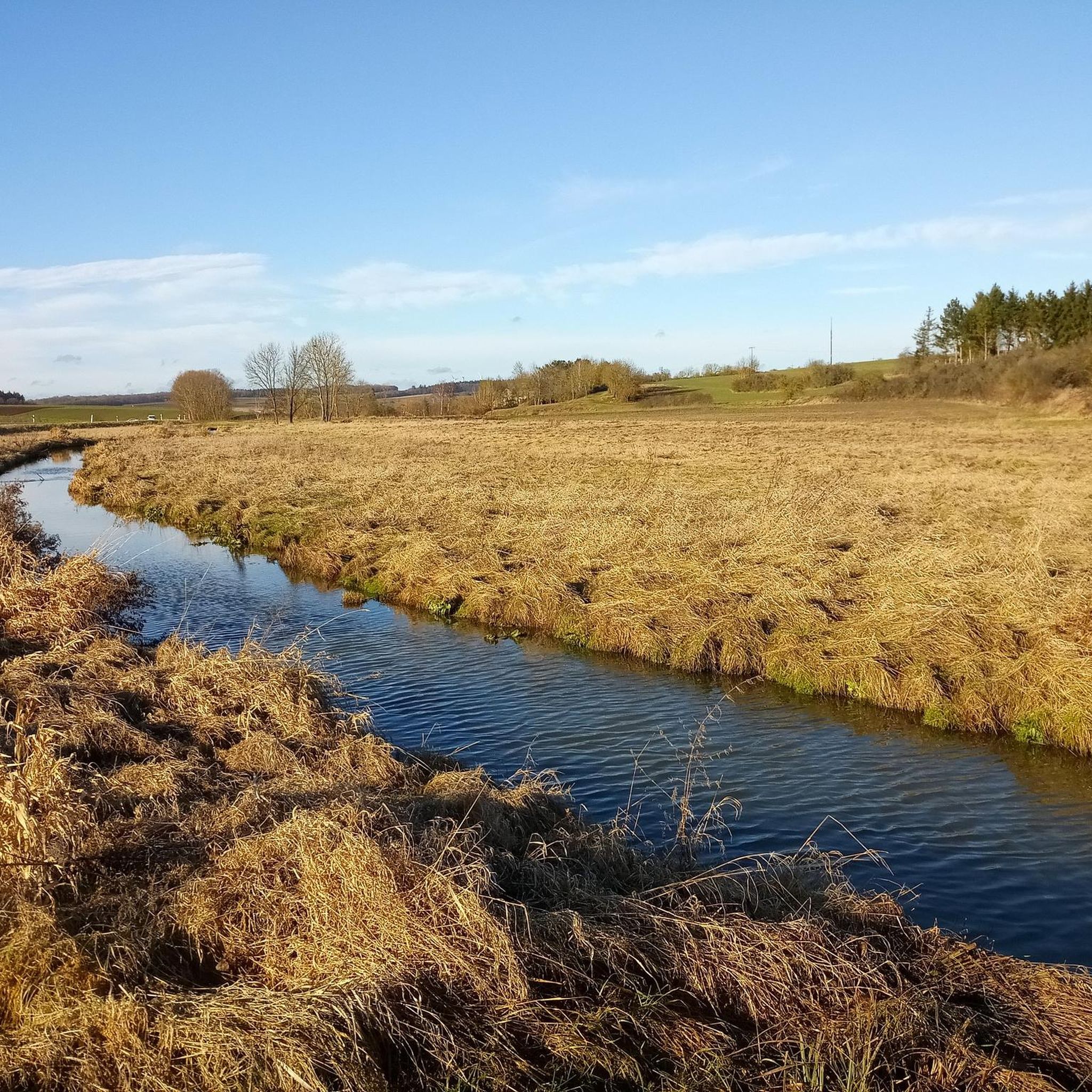
Hiking around Wittighausen
Road Cycling Routes around Wittighausen
MTB Trails around Wittighausen
Running Trails around Wittighausen

Gravel biking around Wittighausen

Tips from the Community

The view of Tauberbischofsheim reveals the charming old town with its half-timbered houses, the Türmersturm (Tower Tower) and the parish church of St. Martin – nestled in the green Tauber Valley.
8
0
The Bismarck Tower stands on the Höhberg and was ceremoniously inaugurated on October 4, 1903. Erected by the Academic Holiday Association Tuberania, it is a 9-meter-high granite column with a plaque and fire bowl at the top.
6
0

Spiritual places: Places of reflection and inner peace. Cultural treasures: Impressive architecture and often beautiful works of art.
0
0

The existing bench makes it possible to take a lunch break there even on hot days.
0
0

The springs formed the basis for Bad Mergentheim as a spa town and international health resort. The decisive event was the discovery of salty water by a shepherd and his sheep in 1826.
0
0
Three of the four springs, Albertquelle, Karlsquelle and Wilhelmsquelle, are drinking springs based on their mineral composition, whereas the Paulsquelle, which is unsuitable for drinking, is a bathing spring.
0
0

The Blutseemoor near Kist is a nature reserve in the Irtenberger Forest, which is part of the fauna-flora-habitat areas (FFH). It is known for its swinging lawn, which is the largest in Lower Franconia and floats on an underground body of water. The name Blutsee comes from a type of algae that sometimes turns the water red. The moor is not allowed to be entered as it is life-threatening.
11
0

By the way, the Wilhelmsquelle has a very special meaning for Bad Mergentheim: it is our “original source”. In 1826, a shepherd discovered the spring by accident and thus initiated the development of Bad Mergentheim into a spa town. It was then named after King Wilhelm I, who personally came to Bad Mergentheim for the inauguration. Source: https://visit.bad-mergentheim.de/de/gesundheit-erholung/trinkquelle/die-wilhelmsquelle-id_4978/
1
0
Frequently Asked Questions
What are some of the most popular natural monuments to visit around Wittighausen?
Visitors frequently enjoy the Blutsee-Moor Nature Reserve, known for its unique swinging lawn and the algae that can turn the water red. Another popular spot is the Bismarck Column, which offers historical significance and panoramic views into the Tauber Valley. The Rose and Japanese Gardens in the Kurpark, Bad Mergentheim, are also highly appreciated for their beautifully maintained landscapes.
Are there family-friendly natural monuments in Wittighausen?
Yes, several natural monuments are suitable for families. The Rose and Japanese Gardens in the Kurpark, Bad Mergentheim, are freely accessible and offer a pleasant environment for all ages. The Bismarck Column is also considered family-friendly, combining a historical site with a viewpoint. Additionally, the Karl's Spring (Karlsquelle) – Bad Mergentheim and Wilhelmsquelle are part of beautifully landscaped gardens, offering a relaxed experience.
What kind of unique natural features can I expect to see in Wittighausen's natural monuments?
Wittighausen boasts diverse natural features. The Feuchtgebiet an der Riedquelle (Ried Wetland) is a significant wetland area with a thick peat layer, home to diverse flora and fauna, including a beaver population and numerous bird species. The Naturdenkmal Mühlberg features semi-dry grasslands on lean Muschelkalk soil, supporting over 360 plant species, including rare orchids and a variety of butterflies. The Blutsee-Moor Nature Reserve is famous for its swinging lawn, the largest in Lower Franconia, and a unique type of algae that can turn the water red.
Are there specific hiking trails that pass by these natural monuments?
Yes, the Naturdenkmal Mühlberg is located along the 'Chapel and Shrine Hiking Trail' of Wittighausen, offering a chance to combine nature appreciation with cultural exploration. For more general hiking opportunities, you can explore various running trails around Wittighausen, some of which might lead you near these natural areas.
What outdoor activities can I do near Wittighausen's natural monuments?
Beyond observing the natural monuments themselves, the region offers various outdoor activities. You can find numerous cycling routes around Wittighausen, including the 'Taubertal Cycle Path'. For those who prefer off-road adventures, there are also gravel biking trails. If you enjoy running, several running trails are available, such as the 'Obere Mühle Gaubüttelbrunn – Equatorial Sundial loop'.
What is the best time of year to visit the natural monuments in Wittighausen?
The best time to visit depends on your interest. For birdwatching and observing wetland biodiversity, spring and autumn are ideal at the Feuchtgebiet an der Riedquelle, especially during migratory periods. For botany enthusiasts, late spring and early summer (April to June) are perfect for seeing the Pasque flowers and orchids in bloom at Naturdenkmal Mühlberg. The Rose and Japanese Gardens are beautiful from spring through autumn when flowers are in full bloom.
Are there any natural monuments in Wittighausen that are particularly good for birdwatching?
Yes, the Feuchtgebiet an der Riedquelle (Ried Wetland) is an exceptional spot for birdwatching. It provides a crucial habitat for endangered bird species like the Reed Bunting and Great Reed Warbler. Regular sightings include Garganey, Common Teal, Grey Herons, and Great Egrets, with rarer visitors like the Black Stork and Osprey also observed. An observation tower, erected in 2018, allows for discreet wildlife viewing.
Can I bring my dog to the natural monuments around Wittighausen?
While many outdoor areas in Wittighausen are dog-friendly, it's always best to keep dogs on a leash, especially in nature reserves like the Feuchtgebiet an der Riedquelle and Naturdenkmal Mühlberg, to protect the sensitive flora and fauna. Some areas, like the Blutsee-Moor Nature Reserve, have strict rules against entering the moor itself due to its delicate ecosystem and potential dangers.
What historical or cultural sites are integrated with the natural monuments?
The Bismarck Column is a notable example, combining a man-made monument with natural monument status, offering both historical context and scenic views. The Naturdenkmal Mühlberg is also part of the 'Chapel and Shrine Hiking Trail', linking natural beauty with local cultural heritage. Additionally, the healing springs like Karl's Spring and Wilhelmsquelle in Bad Mergentheim have historical significance as the basis for the spa town.
What makes the <em>Naturdenkmal Mühlberg</em> unique?
The Naturdenkmal Mühlberg is unique due to its semi-dry grassland ecosystem on a south-facing slope with lean Muschelkalk soil. This specific environment supports an extraordinary biodiversity, with over 360 identified plant species, including rare Pasque flowers and various orchids like the Man Orchid and Military Orchid. It's also a haven for numerous butterfly and insect species, making it a fascinating site for botanical and entomological observation.
Are there any accessible natural sights near Wittighausen for visitors with mobility considerations?
The Rose and Japanese Gardens in the Kurpark, Bad Mergentheim, are generally well-maintained and freely accessible, making them suitable for visitors with mobility considerations. Similarly, the Wilhelmsquelle, located within the spa gardens, is also noted as wheelchair accessible, offering a pleasant natural experience.
What do visitors enjoy most about the natural monuments around Wittighausen?
Visitors particularly appreciate the tranquility and natural beauty. Many enjoy the well-cared-for landscapes of the Rose and Japanese Gardens. The Bismarck Column is loved for its combination of culture, history, and wonderful views. The unique atmosphere of the Blutsee-Moor Nature Reserve, with its foggy moods and distinct ecosystem, also leaves a lasting impression on visitors.
Most popular routes around Wittighausen
Most popular attractions around Wittighausen

Get inspired with the komoot mobile app


Explore more
Extend your search for the best caves by checking out these guides of the top ones around Wittighausen:
