Top 20 Natural Monuments around Brackel
Best natural monuments around Brackel, a district within Dortmund, Germany, are primarily significant trees and tree groups. These natural landmarks are protected for their scientific, historical, and aesthetic value. The area features natural monuments showcasing remarkable age, size, or unique characteristics, often found within serene cemetery settings or along local paths. Brackel's natural attractions contribute to its green, residential atmosphere.
Best natural monuments around Brackel
- The most popular natural monuments is Fairy Tale Forest Pond (Märchenwaldteich), a lake that features a 3.2 km long hiking trail. This trail includes 15 stations with panels telling a story and hand-sawn artworks.
- Another must-see spot is Lüneburg Heath Nature Reserve, a natural monument characterized by extensive heath areas, moors, and near-natural forests. It is known for its unique landscape, particularly the dwarf shrub and juniper heaths.
- Visitors also love Wesel Heath, a natural monument covering around 350 hectares with panoramic views. This area features nutrient-poor sandy soils where plants like birch, pine, juniper, and heather thrive.
- Brackel is known for its significant trees, tree groups, and protected natural areas. Visitors can explore a variety of natural monuments, including ancient plane trees, field maples, weeping beeches, and copper beeches.
- The natural monuments around Brackel are appreciated by the komoot community, with more than 1200 upvotes and over 120 photos shared.
Last updated: June 24, 2026
Wesel Heath
Highlight • Structure
Typical are nutrient-poor sandy soils on which only a few plants such as birch, pine, juniper and of course the heather thrive.
With a little luck, you may come across a herd of heather sheep here that is used to maintain the heather.
Incidentally, the "Heidschnuckenweg" long-distance hiking trail runs here.
Translated by Google •
Tip by

Junkernfeld chess flower meadow in the Lower Seeve Lowlands
Highlight (Segment) • Natural Monument
Translated by Google •
Tip by

Sign up now to discover places like this
Get recommendations on the best single tracks, peaks, & plenty of other exciting outdoor places.
Sign up for free
Pastor's Pond in the Hanstedt Hills
Highlight • Lake
Translated by Google •
Tip by

Fairy Tale Forest Pond (Märchenwaldteich)
Highlight (Segment) • Lake
Translated by Google •
Tip by

Lake Junkernfeld
Highlight • Lake
Translated by Google •
Tip by

Sign up for free to discover even more natural monuments around Brackel.
Sign up for free
Already have an account?
Start today with a free account
Your next adventure awaits.
Login or Signup
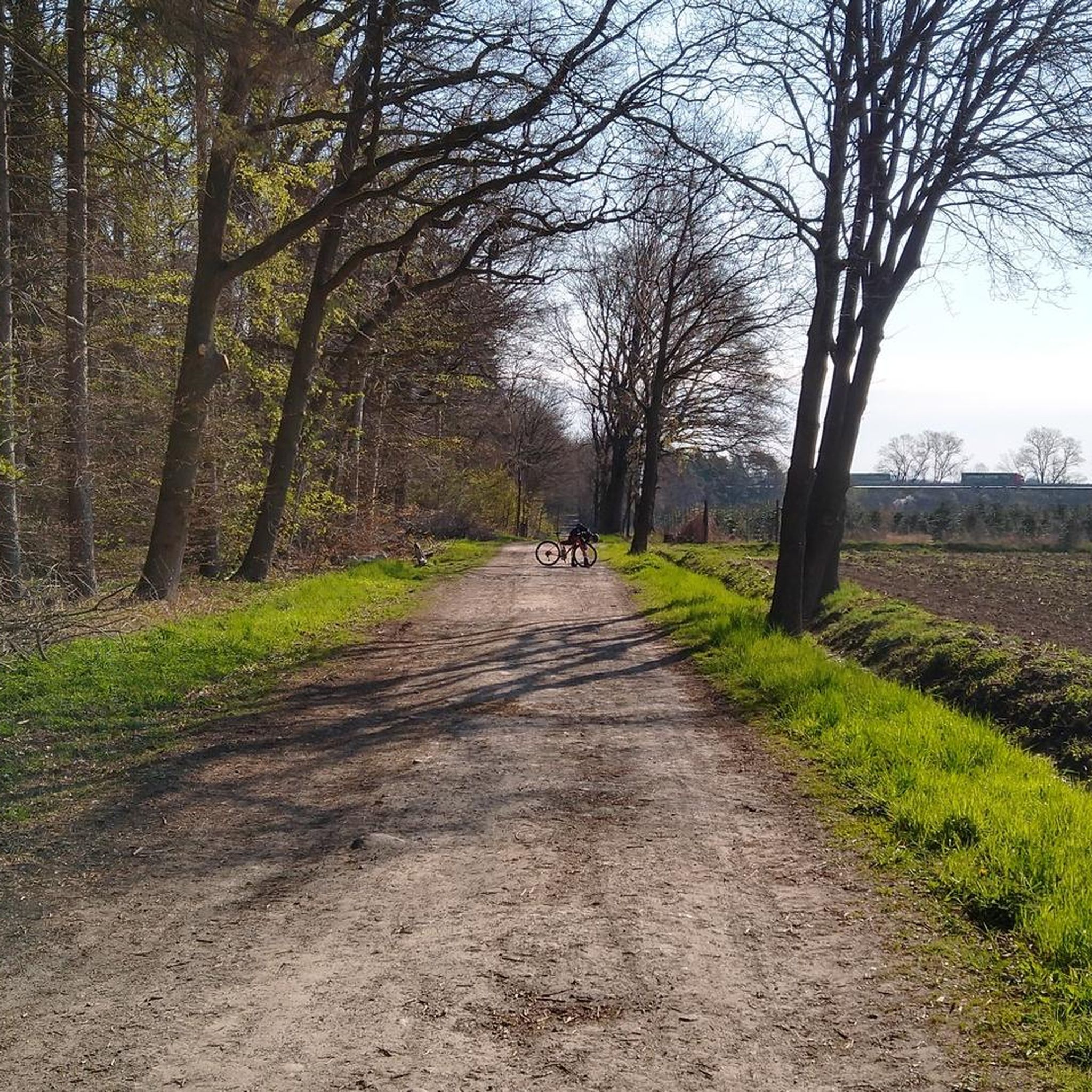
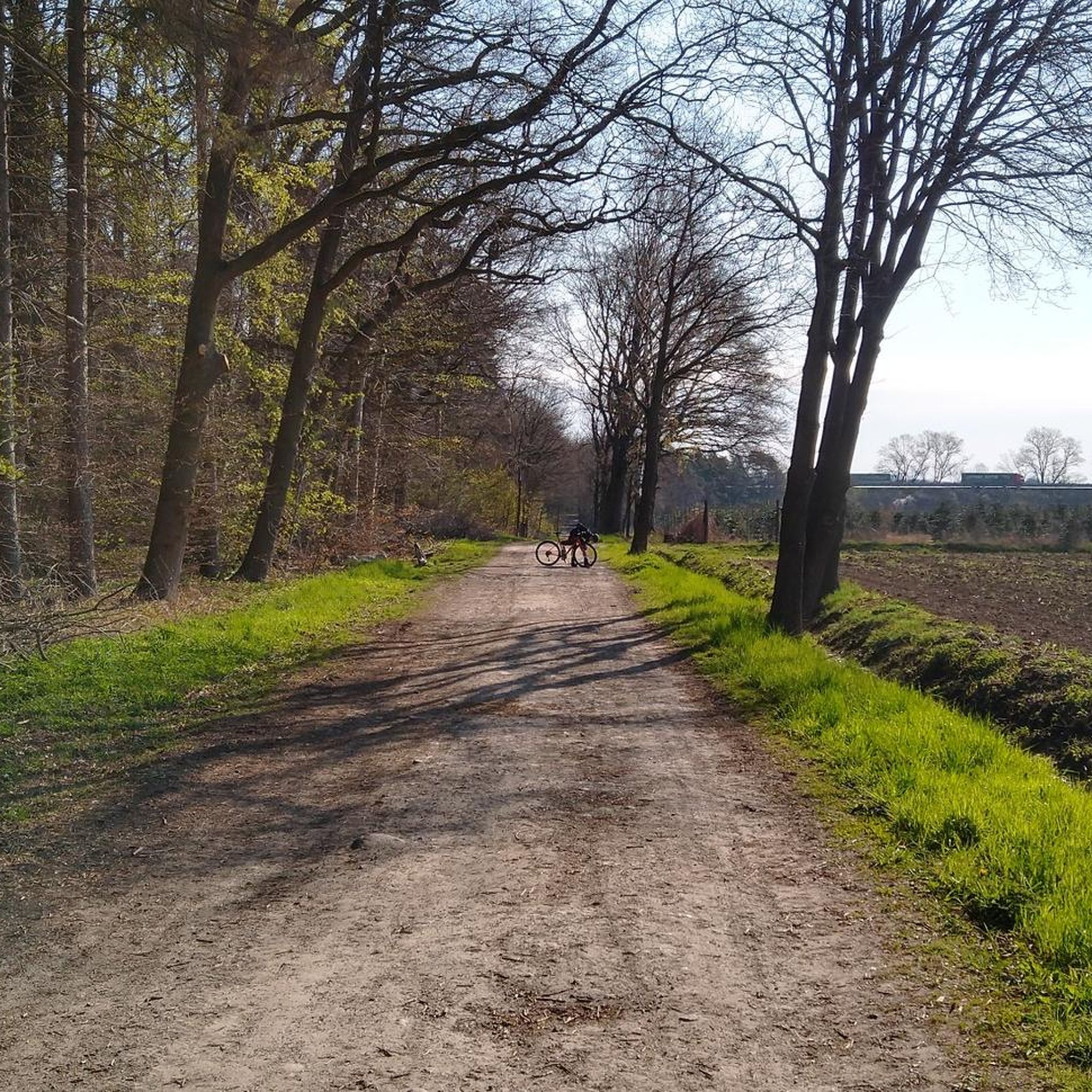
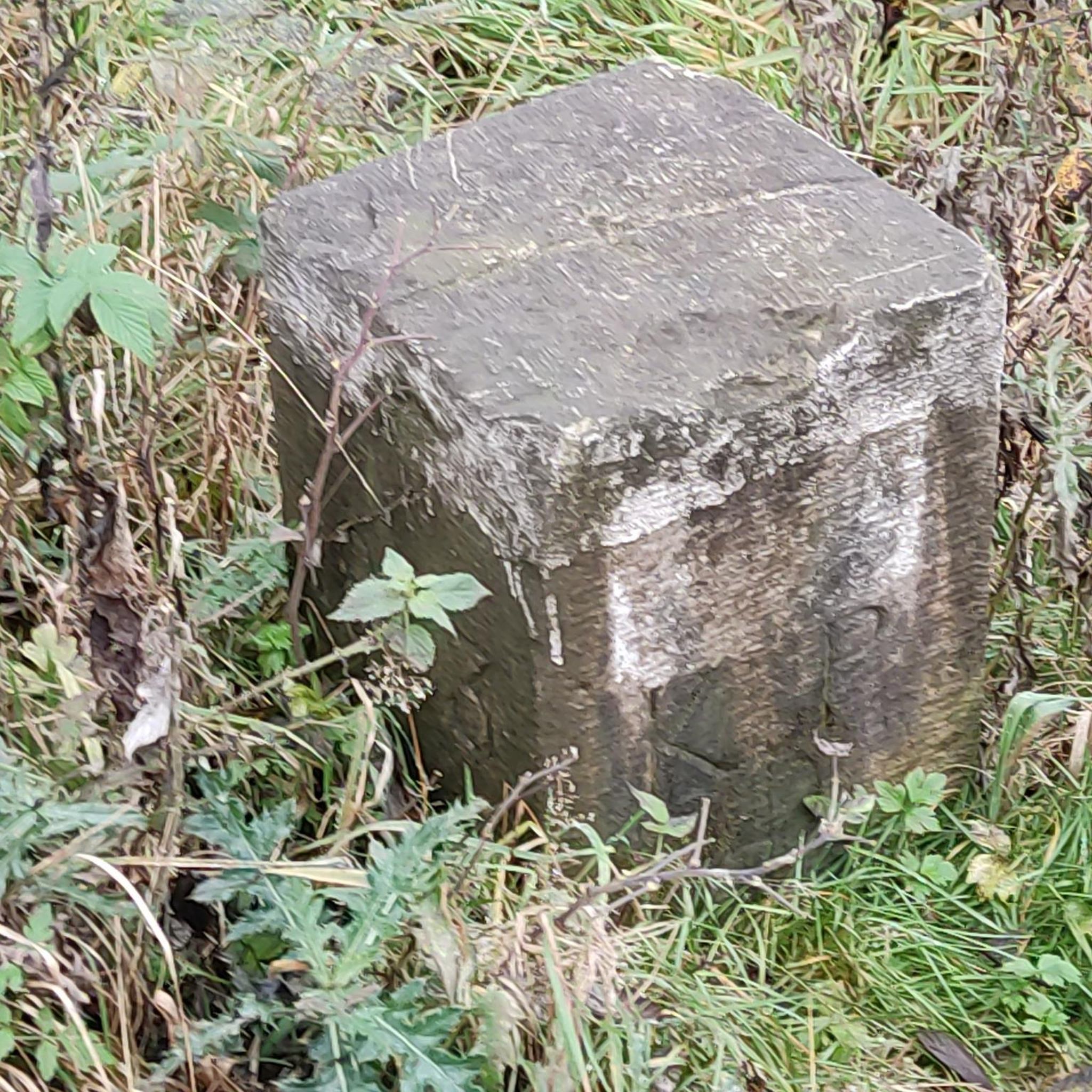
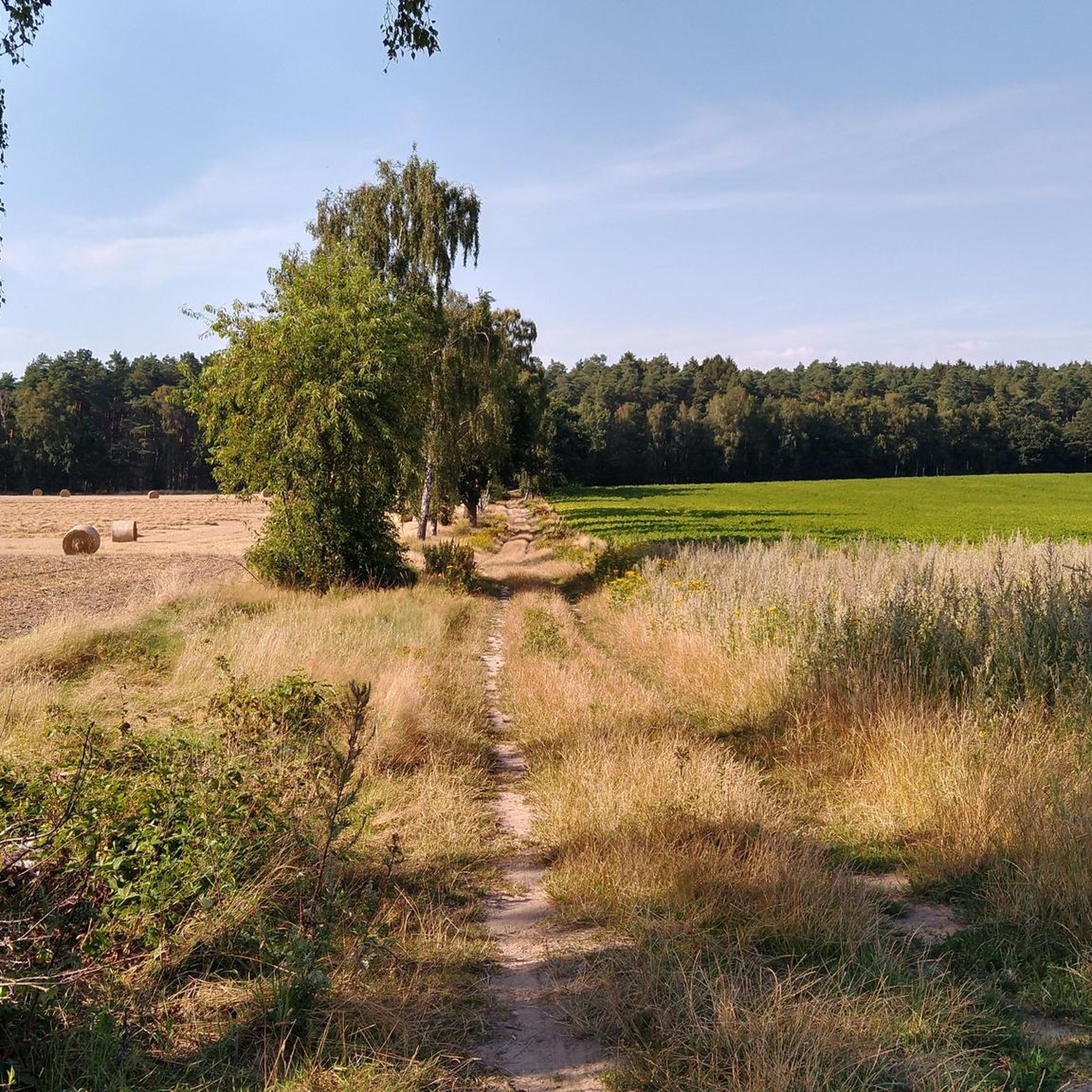
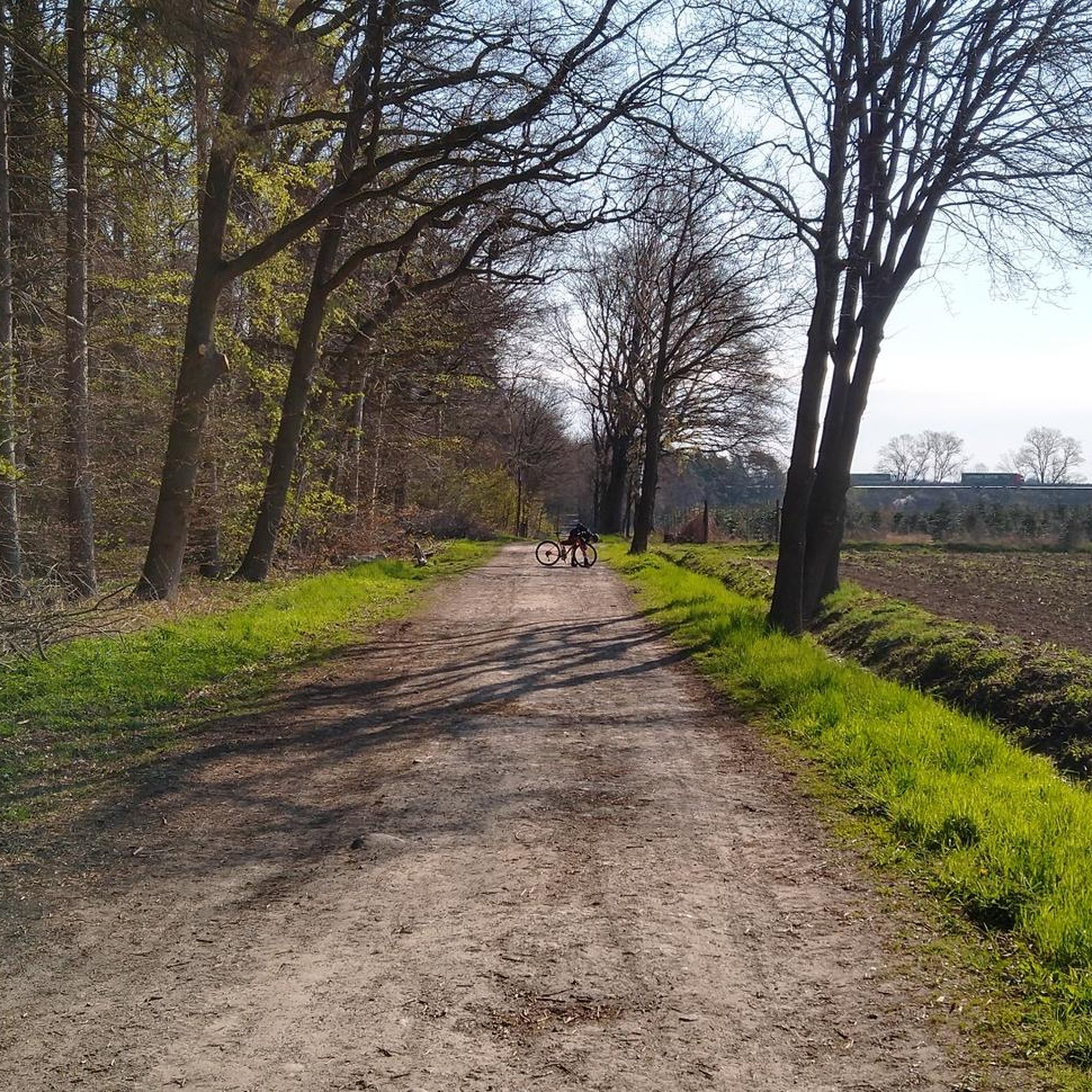
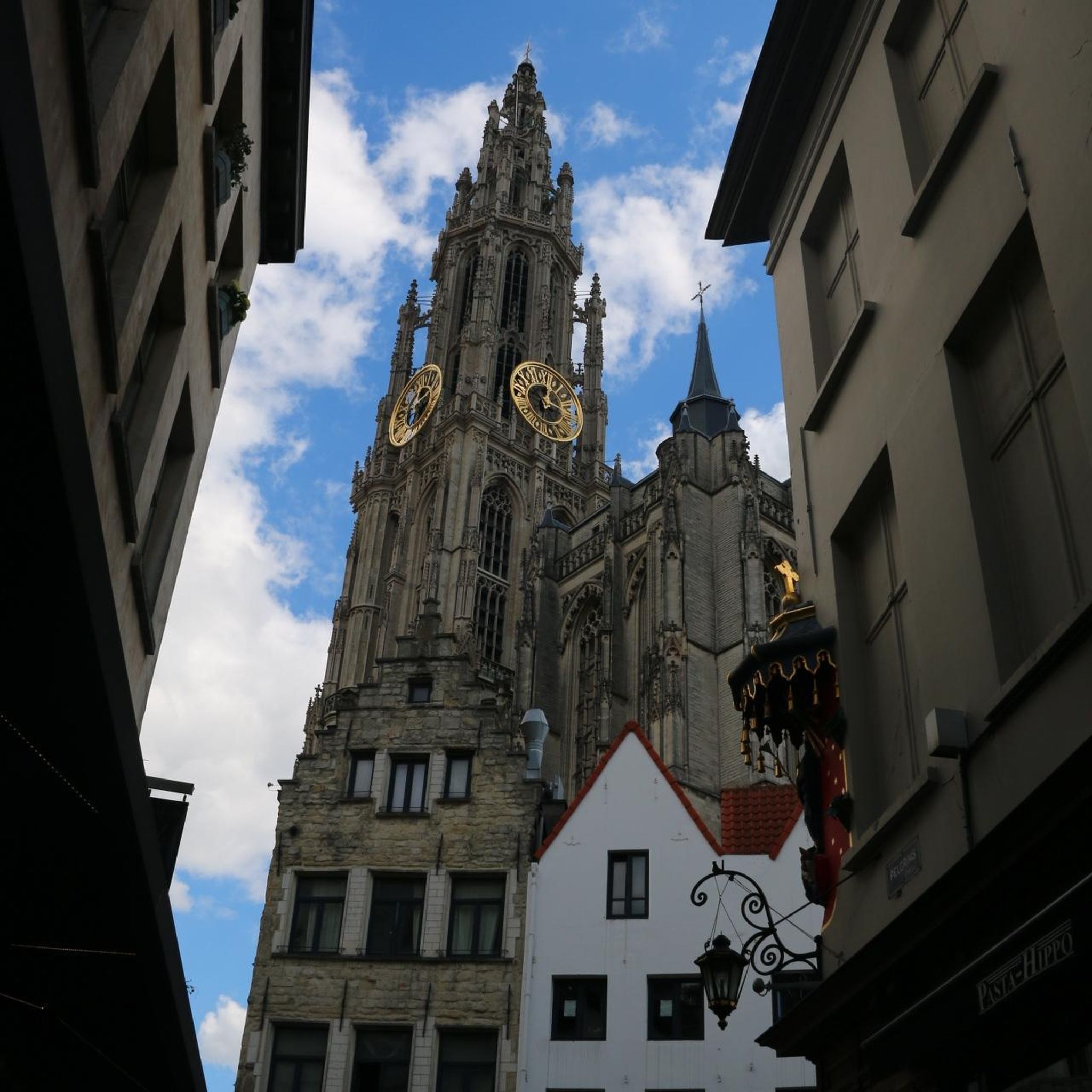
Tips from the Community

I liked the restaurant a few meters before the fairytale forest the best. It's so beautifully quiet and beautiful. I've been there several times. The first time, unfortunately, was for a sad reason. A good friend of my wife and me is buried there in the Ruhewald. We had known each other for almost 50 years.
0
0

Really cute forest with lots of hidden highlights and an ongoing story.
0
0

The Pastorenteiche are a popular entry point into the Wesel Heath, a popular resting place or end point of a tour.
2
0
The Pastorenteiche are a popular starting or ending point for a hike and are also popular as a rest stop on a hike through the Wesel Heath.
3
1
When the Pastorenteiche ponds open up before you and the Wesel Heath beyond, it's always a beautiful sight. No wonder Pastor Wilhelm Bode liked to linger here. Especially since the Pastorenteiche ponds are located directly on the Kerkstieg.
3
1

The well-known heathland areas were created as a result of agricultural use in earlier centuries. Typical of the areas that are now protected are the nutrient-poor sandy soils on which only a few plants thrive, such as birch and pine forests, but of course also heather, the common heather (Calluna vulgaris). The hiking trails lead past isolated juniper bushes, bee fences and an old sheep barn through the characteristic hills and valleys of the Wesel Heath. With a bit of luck, you might also come across a herd of hardworking Heidschnucken sheep, which have been used to look after the heathland for several centuries. There are also a few lakes in the Wesel Heath. Heath pastor Wilhelm Bode, the founder of the nature reserve, is said to have often sat at the "Pastorenteiche" to prepare his sermons in God's great outdoors. Hence the name Pastorenteiche. https://www.lueneburger-heide.de/natur/sehenswuerdigkeit/9137/undeloh-weseler-heide.html
2
0

Simply wonderful, especially with children. Funny stations, great area, relaxing and beautiful.
2
1

A trip to the fairytale forest is definitely worthwhile with smaller children up to primary school age.
4
0
Frequently Asked Questions
What types of natural monuments can I find in Brackel?
Brackel is primarily known for its significant trees and tree groups, which are protected for their scientific, historical, and aesthetic value. You'll find impressive examples like ancient plane trees, field maples, weeping beeches, and copper beeches, often located within serene cemetery settings or along local paths. Additionally, the broader area features natural reserves with extensive heathlands and unique flora.
Are there any natural monuments suitable for families with children?
Yes, the Fairy Tale Forest Pond (Märchenwaldteich) is an excellent choice for families. It features a 3.2 km long hiking trail with 15 stations that tell a story, complete with hand-sawn artworks. The Lüneburg Heath Nature Reserve and Wesel Heath also offer family-friendly environments to explore the unique landscape.
What are some of the most popular natural monuments in the Brackel area?
Among the most popular natural monuments are the Fairy Tale Forest Pond (Märchenwaldteich), known for its themed hiking trail, and the expansive Lüneburg Heath Nature Reserve, celebrated for its unique heath and forest landscapes. Visitors also highly appreciate Wesel Heath, offering panoramic views over 350 hectares of nutrient-poor sandy soils where heather, birch, and juniper thrive.
Can I go hiking near the natural monuments in Brackel?
Absolutely. There are several hiking opportunities around Brackel. For instance, you can explore trails like the 'Pasture in Lüneburg Heath loop' or the 'Mini Garden loop'. You can find more details and routes in the Hiking around Brackel guide.
Are there cycling routes available near Brackel's natural monuments?
Yes, Brackel offers various cycling routes that allow you to explore the surrounding natural beauty. Options include the 'Dorfkrug at the Mill Pond – Village Pond Reindorf loop' or the shorter 'Memorial stone 700 years Brackel – Village Pond Brackel loop'. Discover more routes in the Cycling around Brackel guide.
What is the best time of year to visit the natural monuments in Brackel?
The natural monuments in Brackel, particularly the heathlands, offer unique charm throughout the year. While late summer is popular for the heather bloom, spring brings blooming junipers and meadow flowers, and autumn transforms the landscape with vibrant leaf colors. Even in winter, a delicate hoarfrost creates a serene atmosphere, making any season a good time to visit depending on your preference.
Are there any natural monuments that are wheelchair accessible?
The Junkernfeld chess flower meadow in the Lower Seeve Lowlands is noted as wheelchair accessible, offering an idyllic natural paradise with many water birds and the unique checkerboard flowers. When visiting, please stick to marked paths to protect the sensitive area.
What historical context do these natural monuments have?
Many of Brackel's natural monuments, especially the significant trees, are protected due to their historical value, often dating back centuries. For example, the Plane Tree at Hauptfriedhof dates back to 1832, and a Copper Beech at the Evangelical Community Cemetery is estimated to be around 1750. These trees serve as living testaments to the passage of time and are integrated into the community's history, often found within historic cemetery grounds.
What unique flora can be observed in the natural monuments around Brackel?
The region boasts diverse flora. In the heathlands like Wesel Heath, you'll find plants adapted to nutrient-poor sandy soils, such as birch, pine, juniper, and heather. The Junkernfeld chess flower meadow is particularly famous for its rare and protected checkerboard flowers, which bloom towards the end of April.
Are dogs allowed on trails near the natural monuments?
While many natural areas are dog-friendly, it's important to keep dogs on a leash, especially in protected areas like the Junkernfeld chess flower meadow, to avoid disturbing wildlife and sensitive plant species. Always check local signage for specific regulations regarding dogs.
What kind of views can I expect from Brackel's natural monuments?
Many natural monuments offer scenic views. Wesel Heath provides panoramic views over its extensive landscape. The Ilmenau-Luhe Lowlands Nature Reserve offers elevated views over the Ilmenau river and the flat countryside from its dikes and bridges, allowing you to see far into the land.
Where can I find more information about the natural monuments in Dortmund?
For a comprehensive list and further details on natural monuments within Dortmund, including those in Brackel, you can refer to resources like the Wikipedia page on Natural Monuments in Dortmund.
Most popular routes around Brackel
Most popular attractions around Brackel

Get inspired with the komoot mobile app


Explore more
Extend your search for the best caves by checking out these guides of the top ones around Brackel:
