Top 20 Natural Monuments around Gersdorf
Best natural monuments around Gersdorf are found in a municipality within the Zwickau district of Saxony, Germany. The area features a diverse landscape, including significant ecological sites and historical landmarks. Its natural features contribute to the region's appeal for outdoor activities. The terrain offers a mix of woodland, water bodies, and elevated viewpoints.
Best natural monuments around Gersdorf
- The most popular natural monument is Maria Josepha Tower (Totenstein) Observation Tower, a viewpoint that offers views of the surrounding area. It serves as a destination for hiking and cycling tours.
- Another must-see spot is Karl May cave with rest area, a cave and historical site. Visitors can explore this former mine tunnel, which was used as a shelter and is associated with the author Karl May.
- Visitors also love Stollberg Reservoir (Querenbach Reservoir), a lake and man-made monument. This drinking water dam provides access to the water and offers a route for circumnavigation.
- Gersdorf is known for its caves, lakes, and viewpoints. The region offers a variety of natural monuments to see and explore.
- The natural monuments around Gersdorf are appreciated by the komoot community, with more than 1700 upvotes and over 900 photos shared.
Last updated: June 24, 2026
Maria Josepha Tower (Totenstein) Observation Tower
Highlight • Viewpoint
Translated by Google •
Tip by

Stollberg Reservoir (Querenbach Reservoir)
Highlight • Lake
Translated by Google •
Tip by

Sign up now to discover places like this
Get recommendations on the best single tracks, peaks, & plenty of other exciting outdoor places.
Sign up for free
Karl May cave with rest area
Highlight • Cave
Translated by Google •
Tip by

Querenbach Dam
Highlight • Lake
Translated by Google •
Tip by

Grünfelder Park Monuments and Gothic Bridge, Waldenburg
Highlight (Segment) • Monument
It was supposed to be the summer residence on the outskirts of the city, they called it "Greenfield" because it was created after impressions the Count got while traveling through England.
Special features are the classical buildings and the garden design with grotto, rock passage, health source and more.
Walking through the Grünfelder Park, I have been inspired by the beauty of the landscaped landscape since my childhood, as well as the gorgeous love that Henriette ("the best wife") and Otto ("the unforgotten") must have fulfilled.
You walk through this beautiful park and feel how it does body and soul well.
Translated by Google •
Tip by

Sign up for free to discover even more natural monuments around Gersdorf.
Sign up for free
Already have an account?
Start today with a free account
Your next adventure awaits.
Login or Signup

Tips from the Community

The Karl May Cave, also known as the Little Iron Cave, is located in the Waldenburg Upper Forest near Hohenstein-Ernstthal. Originally a mine tunnel dating back to 1620, it was later used as a shelter. In 1869, Karl May hid here when he was wanted for theft. Five years later, he mentioned the cave in his story "The Rose of Ernstthal." It was officially named after him in 1933. During the GDR era, it was closed to the public. Today, however, it can be easily visited again and serves as a reminder of the famous author.
2
2

The Stollberg Dam (also called the Querenbach Dam or Querenbach Dam) was built between 1949 and 1954 in the Ore Mountains near Stollberg. The Querenbach Dam supplies Stollberg in Saxony and its surroundings with drinking water and provides flood protection. The water is extracted via a so-called extraction tower in the reservoir.
1
1
The Stollberg Dam (also called the Querenbach Dam or Querenbach Dam) was built between 1949 and 1954 in the Ore Mountains near Stollberg. The Querenbach Dam supplies Stollberg in Saxony and its surroundings with drinking water and provides flood protection. The water is extracted via a so-called extraction tower in the reservoir.
2
1

The Stollberg dam dams the water of the Querenbach and is therefore often referred to as the "Querenbach dam". The reservoir, built between 1949 and 1954, went into operation in 1954 and will therefore celebrate its 70th birthday in 2024. The catchment area of the dam, which contains extraordinarily clear water with visibility often reaching the bottom at a depth of 15 meters, is located in a sparsely populated forest area. The total catchment area covers 5.29 square kilometers and the average annual inflow is 2.18 million cubic meters. The reservoir has a total storage capacity of 1.129 million cubic meters and the capacity for raw water discharge is 0.97 million cubic meters per year. The water is used to supply drinking water to Stollberg and the neighboring communities. ... (https://www.google.com/amp/s/www.blick.de/erzgebirge/querenbachtalsperre-im-erzgebirge-ist-seit-70-jahren-in-betrieb-amp13566094)
1
1


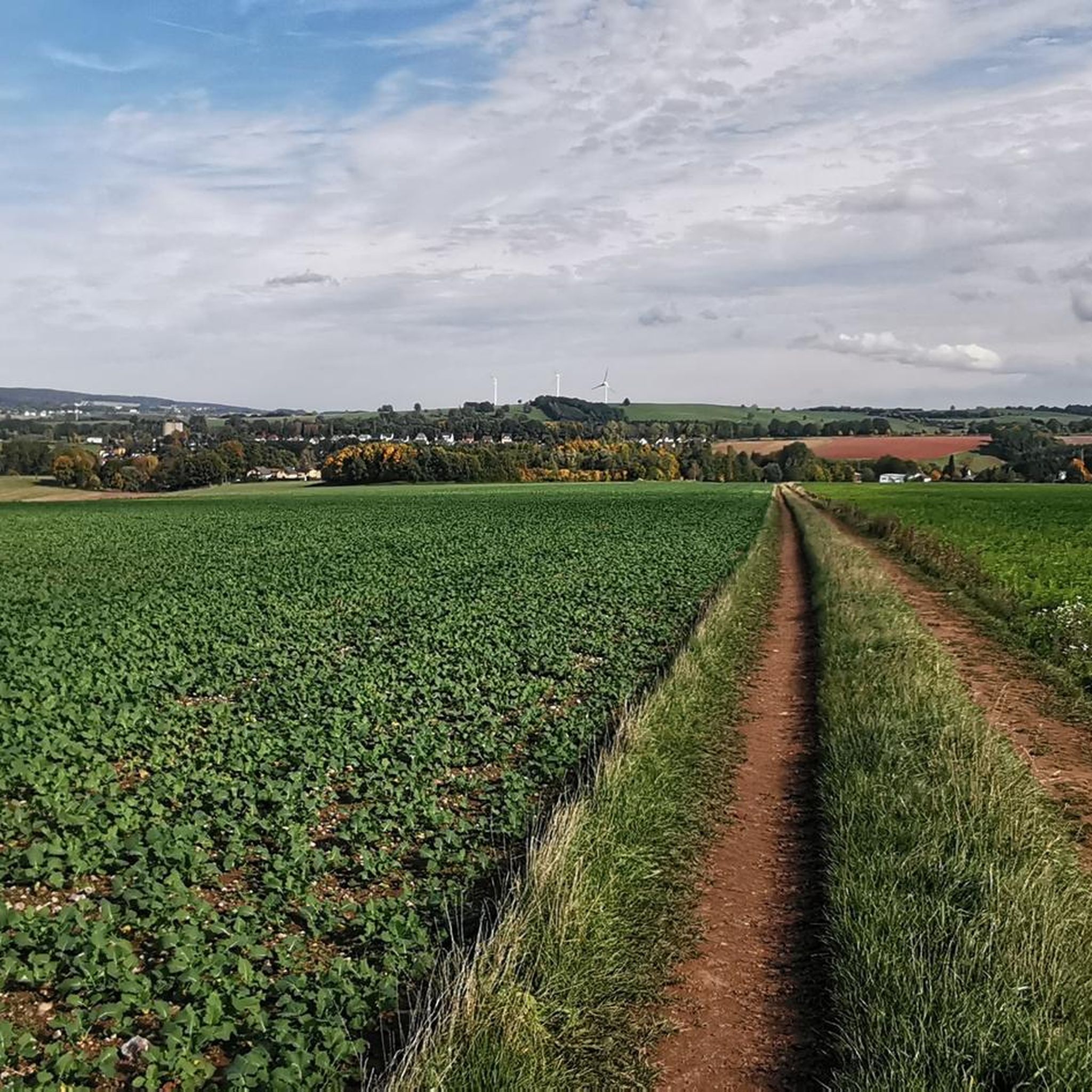
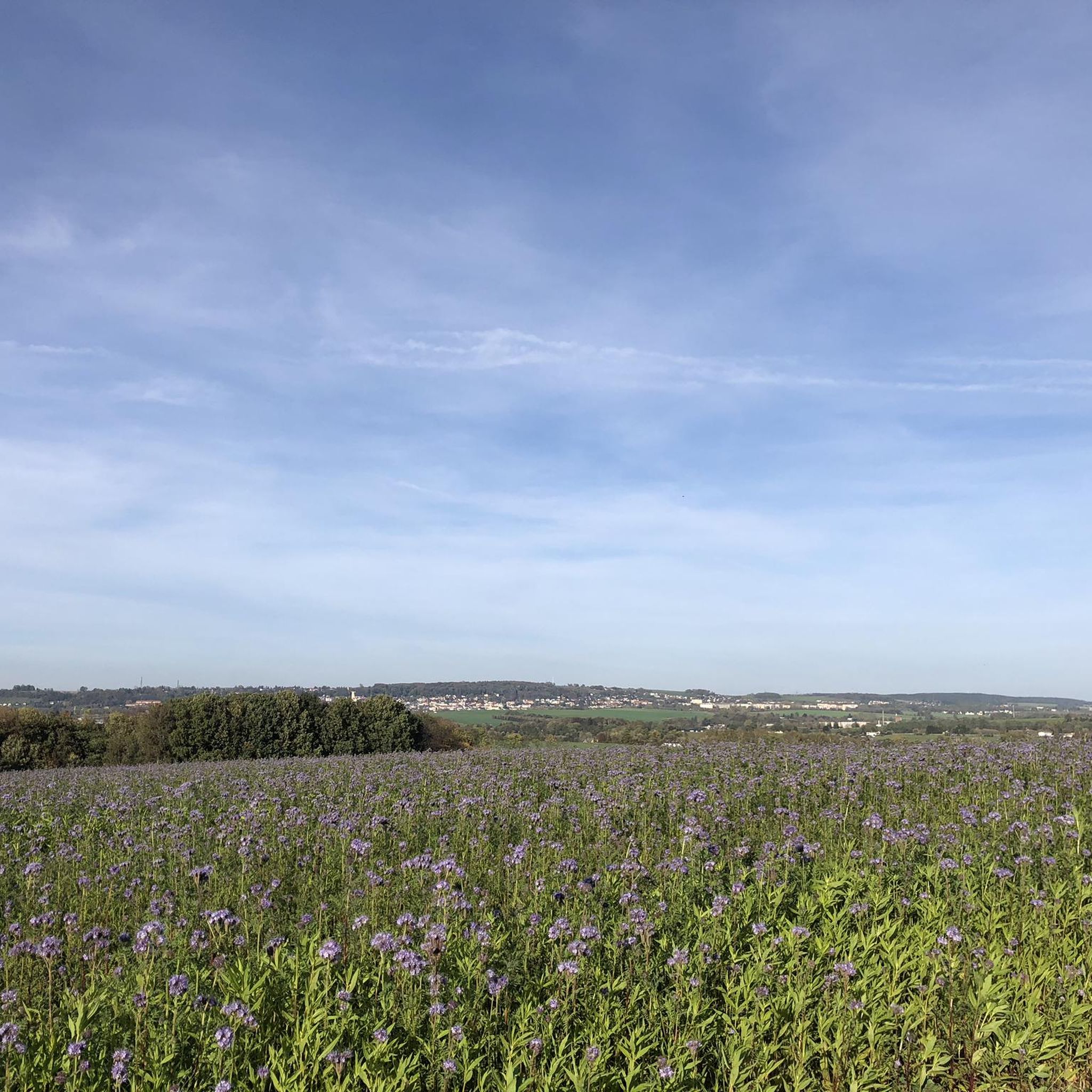
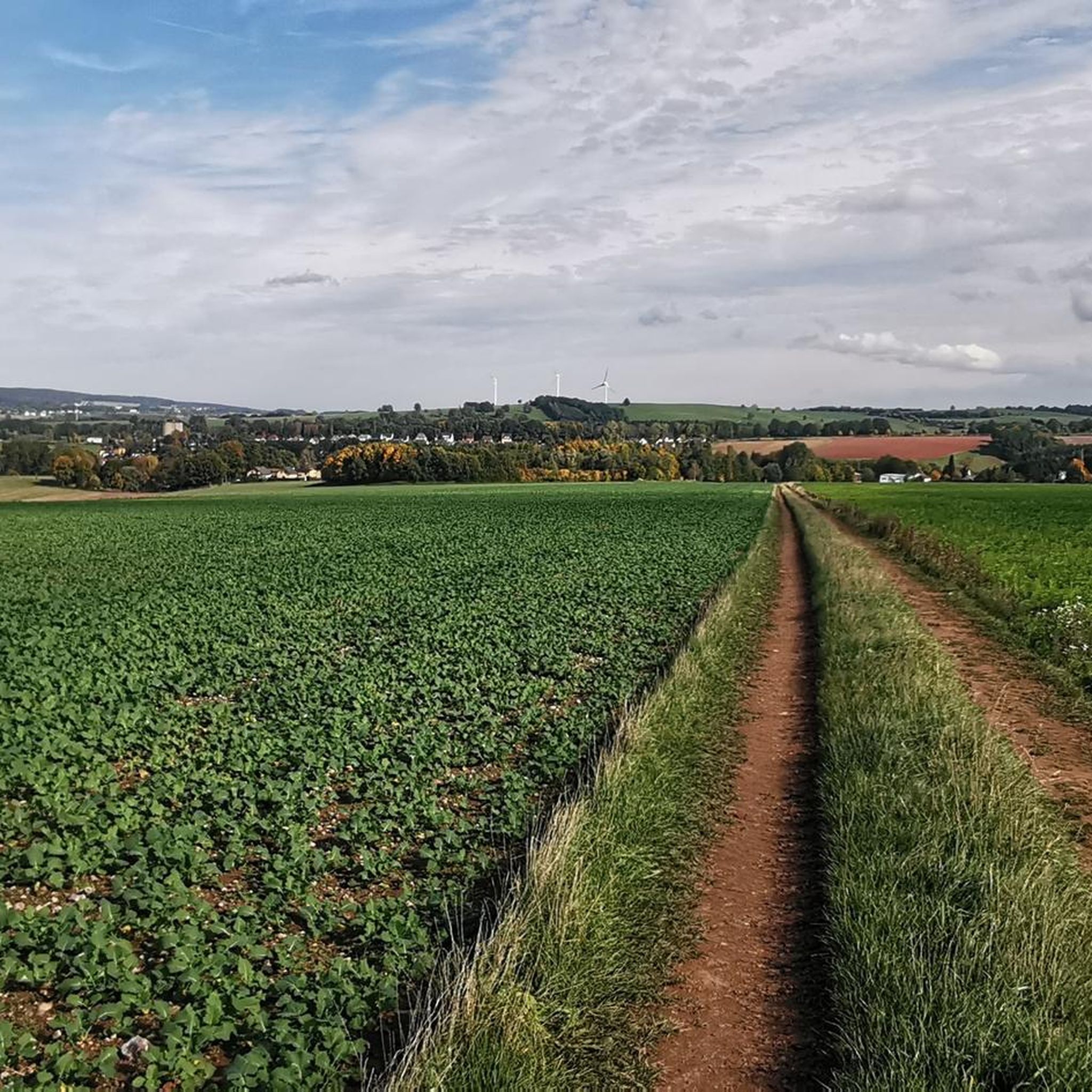
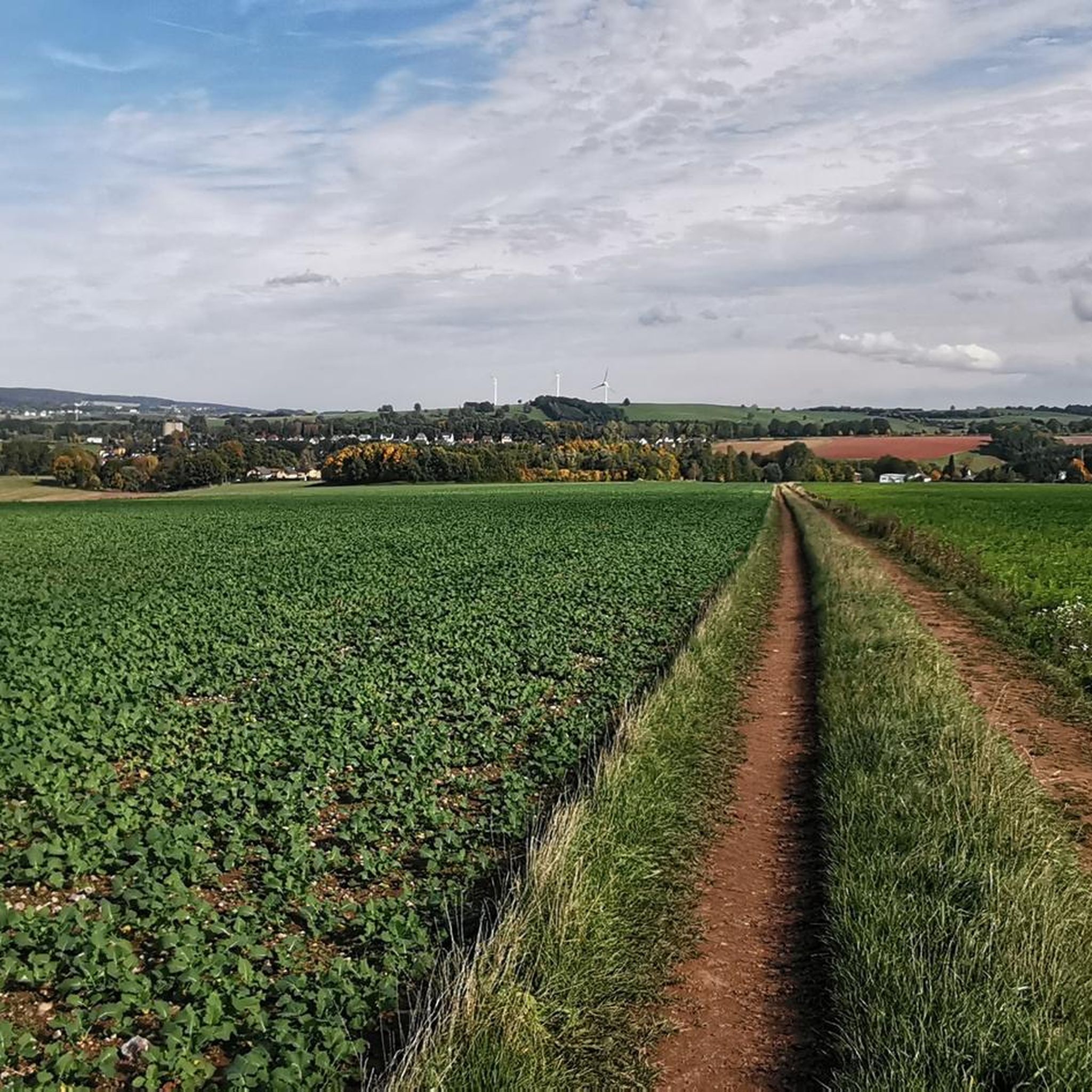
You have to go all around, the play of colors is unique
0
1

Nice destination, above Grüna.
8
0

A drinking water dam with a lot of access to the water!
0
0
Frequently Asked Questions
What unique natural features can I discover around Gersdorf?
Gersdorf is home to diverse natural features. The Stollberg Reservoir (Querenbach Reservoir), a drinking water dam, offers access to water and a scenic route for circumnavigation. Additionally, the Mühlenholz area is a significant natural monument, preserving five protected woodland sections known for their rich biodiversity and unique flora like the tall cowslip.
Are there any historical natural monuments in the Gersdorf area?
Yes, the region combines natural beauty with historical significance. The Karl May cave with rest area is a former mine tunnel from 1620, famously used as a shelter by author Karl May. It's now a well-prepared rest area, especially suitable for families. Another historical site is the Maria Josepha Tower (Totenstein) Observation Tower, which offers panoramic views and serves as a destination for hiking and cycling tours.
What natural monuments are suitable for families with children?
Several natural monuments around Gersdorf are family-friendly. The Karl May cave with rest area is a great destination, offering an interesting historical experience with a prepared rest area. The Stollberg Reservoir (Querenbach Reservoir) provides a pleasant circumnavigation route that families can enjoy. Also, the Grünfelder Park Monuments and Gothic Bridge, Waldenburg, with its classical buildings and garden design, is a beautiful park for a family stroll.
Where can I find the best viewpoints among Gersdorf's natural monuments?
For stunning views, head to the Maria Josepha Tower (Totenstein) Observation Tower. It offers expansive views of the surrounding area, though be prepared for a spiral staircase. The Stollberg Reservoir (Querenbach Reservoir) also provides scenic viewpoints along its circumnavigation route, offering a 'magic of colors' and a feeling of being in the Caribbean.
Are there hiking trails near the natural monuments in Gersdorf?
Yes, the region offers various hiking opportunities. You can find easy hikes around Gersdorf, such as the 'Ore Mountains Viewpoint – Community and Family Park loop from Gersdorf' or the 'Pluto Shaft (Pluto-Schacht) – Schachtteich Gersdorf loop from Gersdorf'. For more options, explore the Easy hikes around Gersdorf guide.
What kind of wildlife can I expect to see at Gersdorf's natural monuments?
The Mühlenholz natural monument is a biodiversity hotspot. It's home to over 30 confirmed breeding bird species, making it excellent for birdwatching. You might also spot protected species like water frogs, common toads, newts, and sand lizards, as the area provides a vital habitat for amphibians and reptiles.
What outdoor activities can I do near these natural monuments?
Beyond hiking, you can enjoy mountain biking and running. There are numerous MTB trails, including routes like 'Neuwürschnitz forest pool – Forest Stage at the Waldbad loop from Hohndorf Mitte'. For runners, options like the 'Running loop from Gersdorf' are available. You can find more details in the MTB Trails around Gersdorf and Running Trails around Gersdorf guides.
What do visitors enjoy most about the natural monuments around Gersdorf?
Visitors appreciate the diverse experiences offered. Many enjoy the panoramic views from the Maria Josepha Tower and the historical intrigue of the Karl May cave, especially with children. The serene beauty and the opportunity to circumnavigate the Stollberg Reservoir are also highly valued, often described as a 'magic of colors'.
Are there any specific recommendations for visiting the Karl May cave?
When visiting the Karl May cave, it's recommended to wear waterproof shoes and bring a flashlight, as it is a former mine tunnel. The area also features an excellent prepared rest area, making it a comfortable stop, especially for families.
What should I know about hiking around the Querenbach Dam?
A hiking trail leads to and around the Querenbach Dam. Be aware that in many places, the trail goes over 'Stock and Steimn' (uneven terrain), so fixed footwear is appropriate. The dam, also known as Stollberg Reservoir, supplies drinking water and offers clear water with visibility often reaching 15 meters deep.
Is there a good time of year to visit the natural monuments in Gersdorf?
While specific seasonal tips for all monuments aren't provided, the Mühlenholz area, with its diverse bird species, would be particularly interesting during spring and early summer for birdwatching. The reservoirs and parks are generally pleasant for visits during warmer months, offering scenic walks and outdoor activities.
Are there any natural monuments that are also historical sites?
Yes, several natural monuments in the region have historical significance. The Karl May cave is a former mine tunnel with a connection to the famous author. The Maria Josepha Tower is an observation tower with historical roots. Additionally, the Grünfelder Park Monuments and Gothic Bridge, Waldenburg, is a historical landscaped park created in the late 18th century.
Most popular routes around Gersdorf
Most popular attractions around Gersdorf

Get inspired with the komoot mobile app


Explore more
Extend your search for the best caves by checking out these guides of the top ones around Gersdorf:
