Top 20 Natural Monuments around Rastorf
Natural monuments around Rastorf feature a landscape shaped by the Schwentine River and its protected natural areas. The region offers diverse natural features, including river valleys, ponds, and ancient trees. These areas provide opportunities for outdoor activities and observing local flora and fauna. The natural landmarks and viewpoints contribute to the scenic beauty of the area.
Best natural monuments around Rastorf
- The most popular natural monuments is Schwentine Oxbow Nature Reserve Trail, a trail that is a designated part…
Last updated: June 24, 2026
Schwentine Oxbow Nature Reserve Trail
Highlight (Segment) • Trail
Translated by Google •
Tip by

Kührener Pond
Highlight • Lake
Translated by Google •
Tip by

Sign up now to discover places like this
Get recommendations on the best single tracks, peaks, & plenty of other exciting outdoor places.
Sign up for free
Fish ladder at the mouth of the Schwentine
Highlight • Structure
Duration approx. 1 hour, cost for round trip 7 Euro per person.
Unfortunately, no bicycles are taken.
Translated by Google •
Tip by

Raisdorf Toad Ponds
Highlight • Lake
Translated by Google •
Tip by

Preetz Monastery
Highlight • Religious Site
The monastery church was built between 1325 and 1340.
The old oak in front of the church is 450-500 years old!
Further information:
de.wikipedia.org/wiki/Kloster_Preetz
Translated by Google •
Tip by

Sign up for free to discover even more natural monuments around Rastorf.
Sign up for free
Already have an account?
Start today with a free account
Your next adventure awaits.
Login or Signup

Tips from the Community

The former Benedictine convent with its church in Preetz is one of the region's most important cultural monuments. It was founded in 1210/11. Since the Reformation (1542), the convent has been under the care of the Schleswig-Holstein knighthood, who transformed it into a women's foundation, which still exists today and is administered by the convent council. Further details: https://klosterpreetz.de
2
0

The former Benedictine monastery with the Preetz monastery church is one of the most important cultural monuments in our country and a gem in the Plön district. It was founded in 1210/11 by Albrecht von Orlamünde in honor of the Virgin Mary and John the Baptist. With the motto ora et labora, nuns of the Benedictine order led the monastery to economic, intellectual and cultural prosperity. Since the Reformation (1542), the monastery has been in the care of the Schleswig-Holstein knights, who converted it into a women's convent that still exists today and is managed by the monastery board - the monastery provost and prioress. The Preetz Noble Monastery is located 16 km southeast of Kiel in the Plön district, on the B76 - nestled in the idyllic Holstein Switzerland. The grounds of the Preetz Noble Monastery are accessible at any time, so feel free to come along for an exploratory walk. However, please understand that the grounds of the houses cannot be entered as they are all privately owned or rented out. The monastery church can only be visited with a guide.
2
0

The monastery church can only be visited with a guided tour. You can find detailed information about the monastery/events/guided tours at this link: https://klosterpreetz.de/
3
0

In the church of the former Benedictine monastery from the 14th century. The impressive baroque high altar, the choir stalls with 70 seats and behind them the picture Bible from 1490 with 137 panel paintings.
2
0
In the monastery church of the former Benedictine monastery from the 14th century. The impressive baroque high altar, the choir stalls with 70 seats and behind them the picture Bible from 1490 with 137 panel paintings.
5
0
In the monastery church of the former Benedictine monastery from 1210/11 The impressive baroque high altar, the choir stalls with 70 seats and behind them the picture Bible from 1490 with 137 panel paintings.
5
0

Here we were able to observe the sea eagle 🦅
3
0

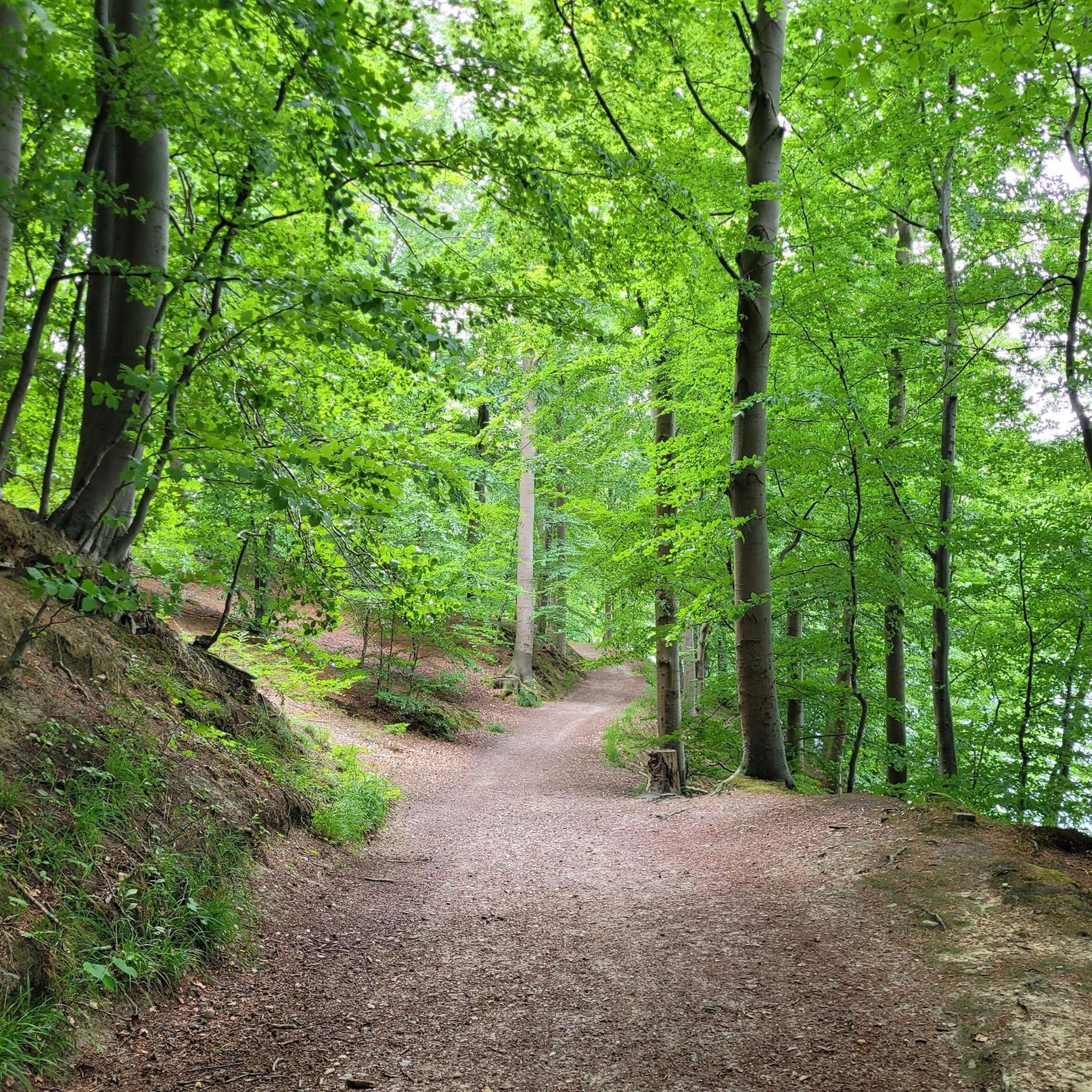
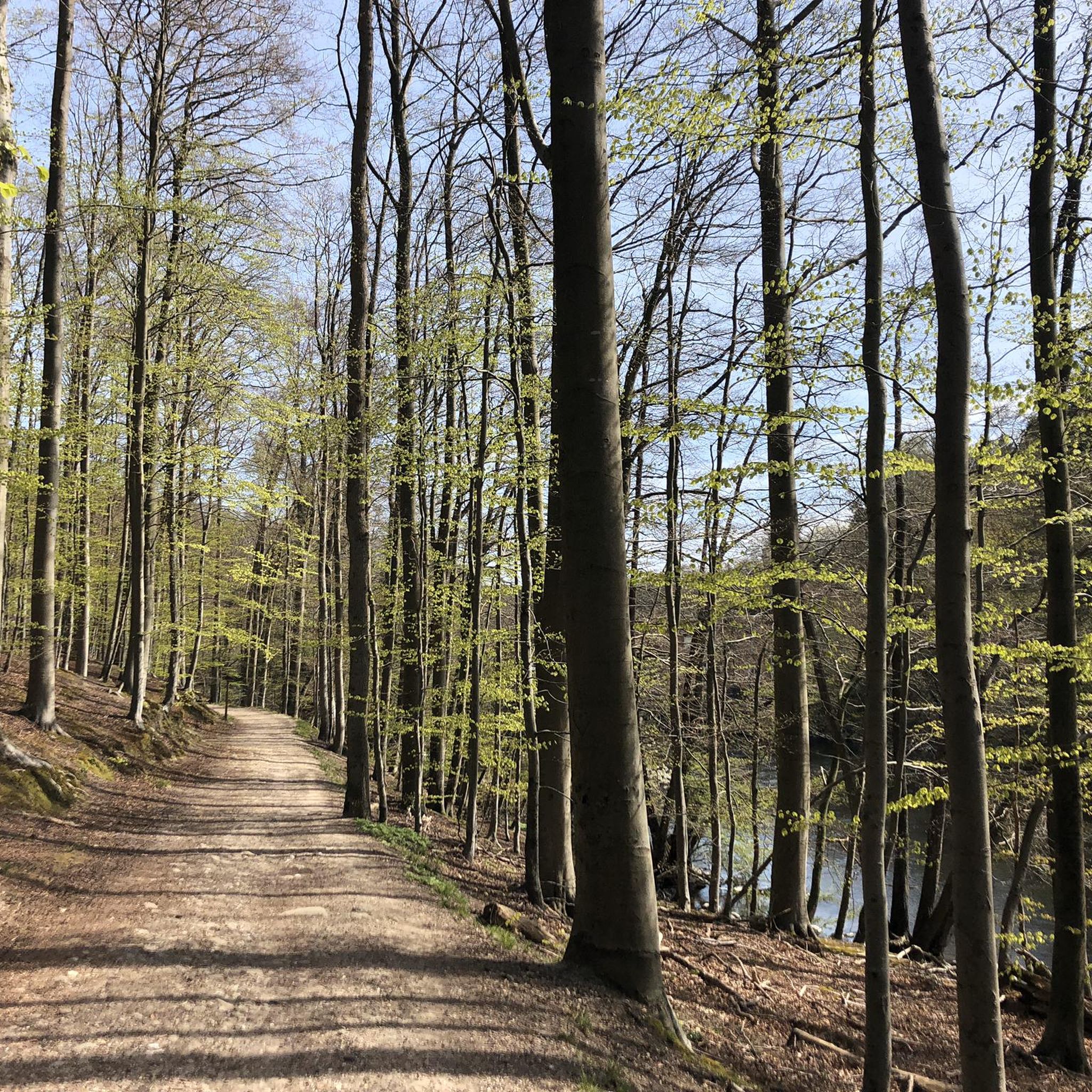
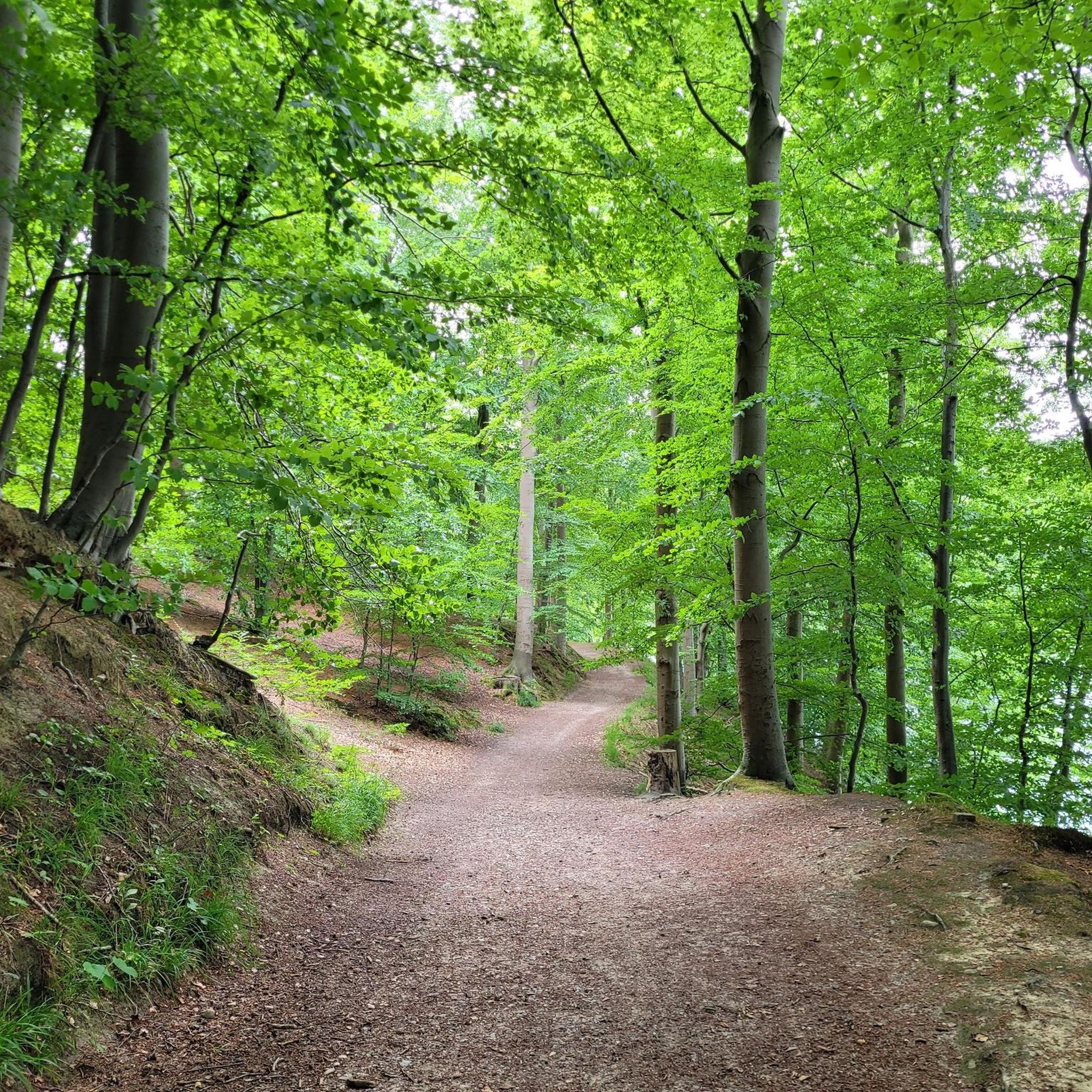
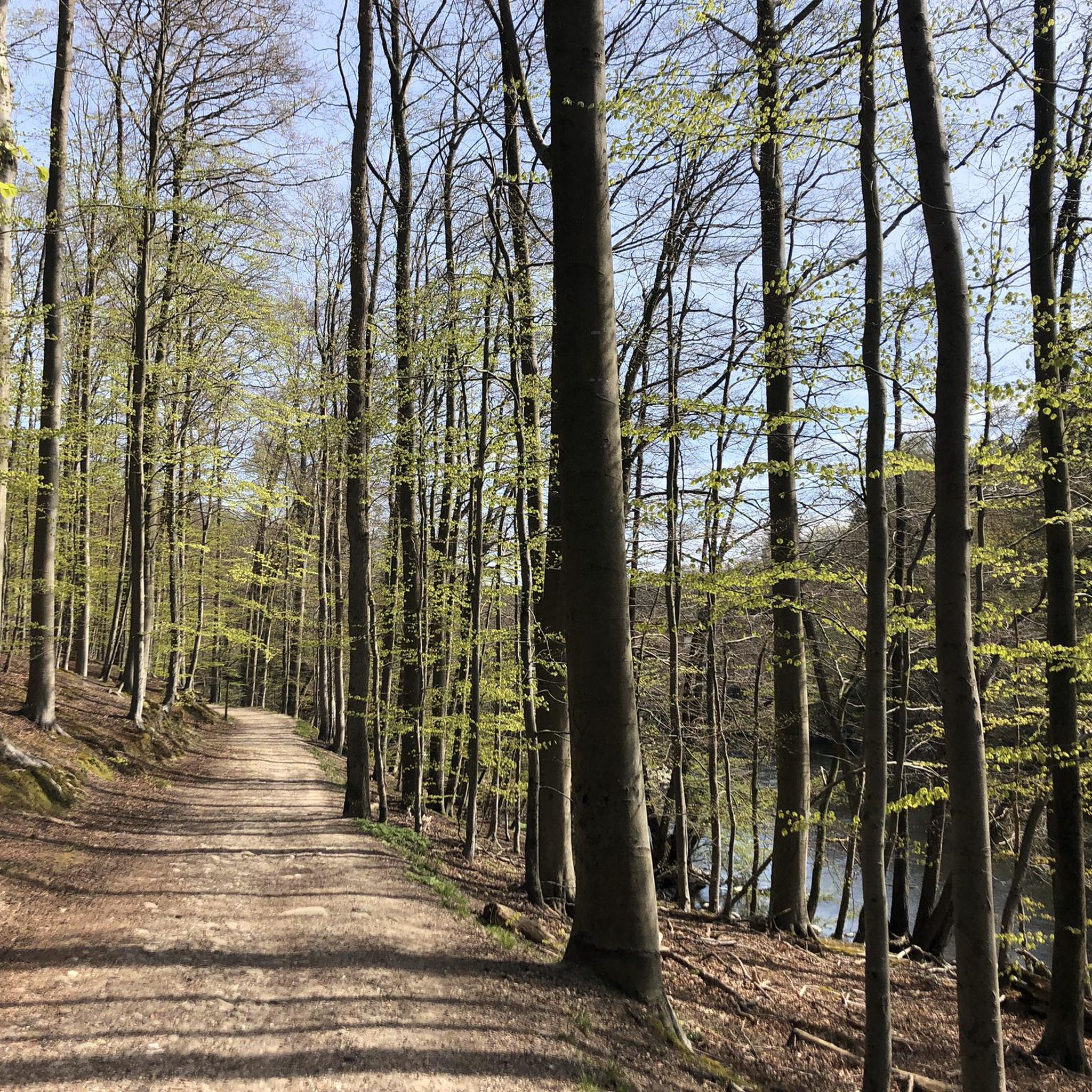
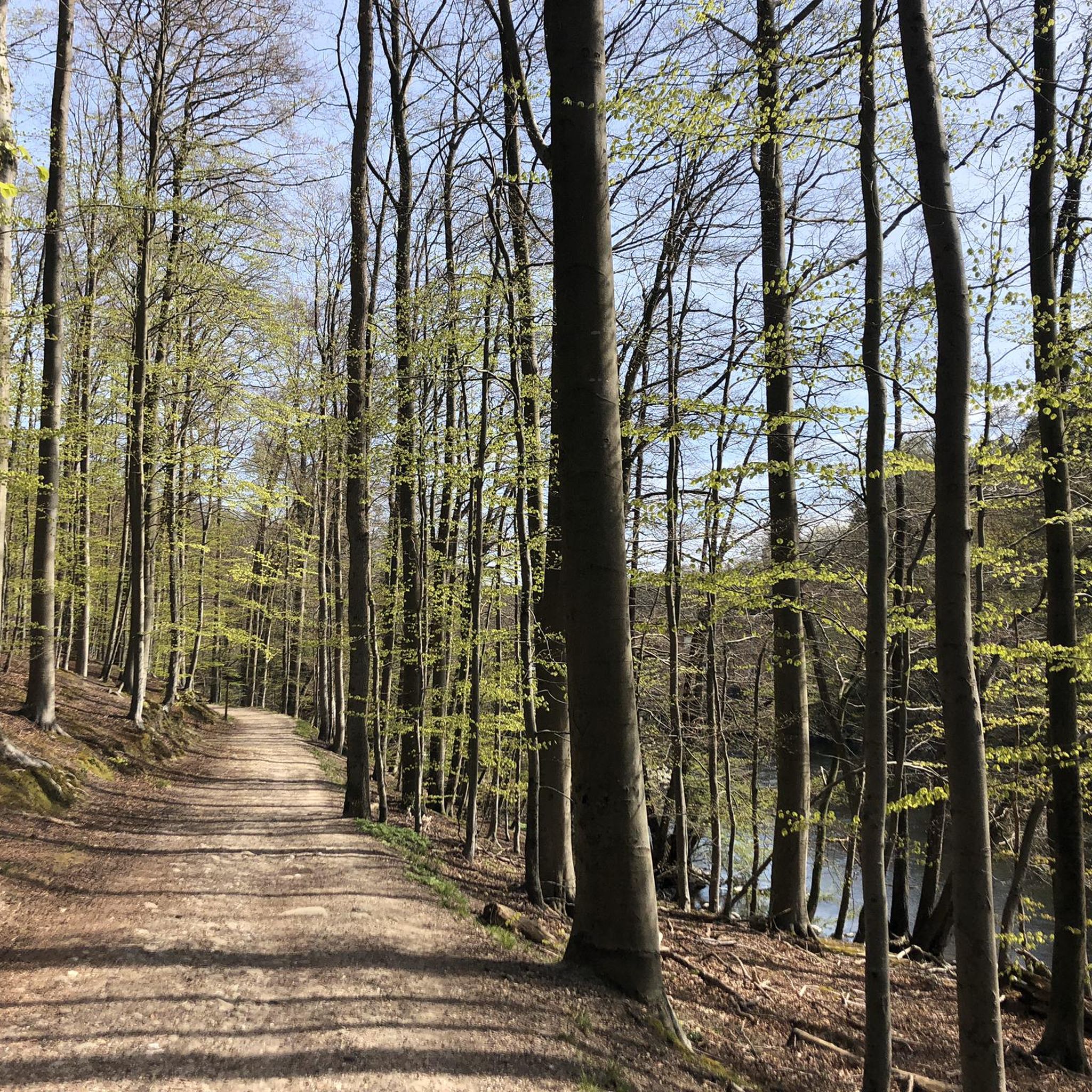
Beautiful narrow forest path along the Schwentine. Also highly recommended if you want to go to Gut Rastorf, as you avoid the incline on the sandy path (Rastorfer Weg), which is not so easy to navigate.
7
1
Frequently Asked Questions
What natural features can I expect to see around Rastorf?
The Rastorf region is characterized by the scenic Schwentine River and its protected natural areas. You'll find diverse landscapes including river valleys, tranquil ponds like Kührener Pond, and ancient, ivy-covered trees along hiking paths. These areas provide a rich environment for observing local flora and fauna.
Are there any specific natural monuments known for their unique ecosystems or wildlife?
Yes, the Schwentine Oxbow Nature Reserve Trail is a designated protected area known for its near-natural watershed and as a habitat for rare plants and animals. Another excellent spot is Raisdorf Toad Ponds, which is home to numerous animals and features an observation hut for visitors. Kührener Pond is also notable for various water birds, including observed sea eagles.
What do visitors particularly enjoy about the natural monuments in Rastorf?
Visitors appreciate the tranquil environment and opportunities to connect with nature. The scenic views along the Schwentine River, the chance to observe waterfowl and other wildlife, and the well-maintained hiking paths are frequently highlighted. The natural monuments around Rastorf are highly valued by the komoot community, with over 400 upvotes and more than 300 photos shared.
Are there family-friendly natural monuments in the Rastorf area?
Absolutely. Many natural sites around Rastorf are suitable for families. Kührener Pond and Raisdorf Toad Ponds are both categorized as family-friendly, offering easy access and opportunities for wildlife observation. The paths along the Schwentine River are generally gentle and provide benches for resting, making them pleasant for all ages.
What kind of historical or cultural sites are integrated with the natural landscape?
While primarily natural, the region beautifully integrates historical elements. The Fish ladder at the mouth of the Schwentine is an interesting man-made feature designed to help fish navigate the river, often passed by on scenic hiking trails. Additionally, the picturesque location of Gut Rastorf, a historical estate, blends seamlessly with the natural surroundings of the Schwentine valley.
Are there easy-to-access natural monuments for a relaxed visit?
Yes, many areas along the Schwentine River offer easy access. For instance, near the white bridge at Rosensee, there's a hiking parking lot, providing a convenient starting point for exploring the natural beauty around the lake. The paths are generally well-maintained and suitable for relaxed strolls.
Where can I find parking near the natural monuments?
Parking is available at several points, particularly near popular starting points for trails. For example, there's a dedicated hiking parking lot near the white bridge at Rosensee, which serves as a convenient base for exploring the surrounding natural areas.
What is the best time of year to visit the natural monuments around Rastorf?
The natural monuments around Rastorf are beautiful year-round. Spring brings blooming flora and active wildlife, while summer offers lush greenery and pleasant conditions for outdoor activities. Autumn showcases vibrant fall colors, and even winter can be serene for quiet walks, especially along the Schwentine River, where you might spot overwintering birds like dippers and gray wagtails.
What outdoor activities can I do near the natural monuments around Rastorf?
The region offers excellent opportunities for various outdoor activities. You can enjoy hiking along the Schwentine River, explore the trails around ponds, or go gravel biking. For detailed routes and guides, you can check out the Easy hikes around Rastorf or Gravel biking around Rastorf guides.
Are there hiking trails suitable for exploring the natural monuments?
Yes, there are numerous hiking trails that allow you to explore the natural monuments. Paths along the Schwentine River, such as the "View of the Schwentine River – Schwentine Riverside Trail loop from Rastorf" (5.65 km, easy), are popular. You can find more options in the Hiking around Rastorf guide.
Can I observe birds or other wildlife at these natural sites?
Yes, the natural monuments around Rastorf are excellent for wildlife observation. The Raisdorf Toad Ponds are known for their diverse animal life and have an observation hut. At Kührener Pond, you can often spot various water birds, including sea eagles. The Schwentine Oxbow Nature Reserve Trail is also a habitat for rare plants and animals, including kingfishers, dippers, and gray wagtails.
Are there any hidden natural gems worth discovering in Rastorf?
While not strictly 'hidden,' the quiet areas around Rosensee, particularly near the white bridge, offer a serene experience away from more frequented spots, with opportunities to observe water birds in a very peaceful setting. The older, ivy-covered trees along less-traveled paths near the Schwentine also add to the region's natural charm.
Most popular routes around Rastorf
Most popular attractions around Rastorf

Get inspired with the komoot mobile app


Explore more
Extend your search for the best caves by checking out these guides of the top ones around Rastorf:
