Top 9 Mountain Passes around St. Johann im Walde
Best mountain passes around St. Johann im Walde are found within the Iseltal valley, situated in the Hohe Tauern National Park. This location serves as a base for exploring mountain routes and alpine crossings. The region features numerous hiking passes and high-alpine routes, offering diverse outdoor experiences within a mountainous environment.
Best mountain passes around St. Johann im Walde
- The most popular mountain passes is Gößnitzscharte, a mountain pass that leads the trail between Elberfelder hut and Lienzer hut.…
Last updated: July 8, 2026
Gößnitzscharte
Highlight • Mountain Pass
Translated by Google •
Tip by

Kreuzseeschartl
Highlight • Mountain Pass
Translated by Google •
Tip by

Sign up now to discover places like this
Get recommendations on the best single tracks, peaks, & plenty of other exciting outdoor places.
Sign up for free
Untere Seescharte
Highlight • Mountain Pass
Translated by Google •
Tip by

From the Isel Valley into the Defereggen Valley
Highlight (Segment) • Mountain Pass
Translated by Google •
Tip by

Hornscharte
Highlight • Mountain Pass
Translated by Google •
Tip by
Sign up for free to discover even more mountain passes around St. Johann im Walde.
Sign up for free
Already have an account?
Start today with a free account
Your next adventure awaits.
Login or Signup
Popular around St. Johann im Walde
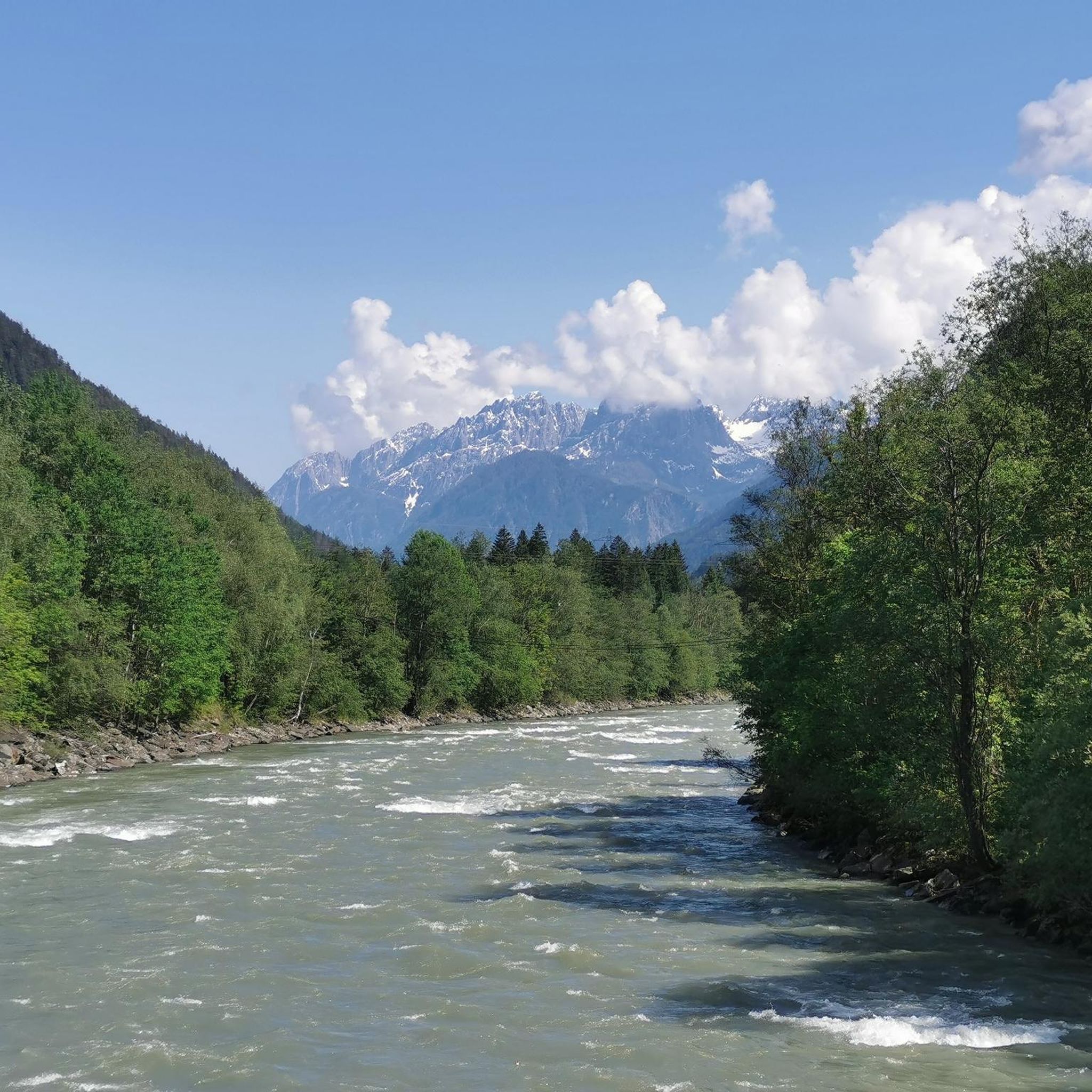
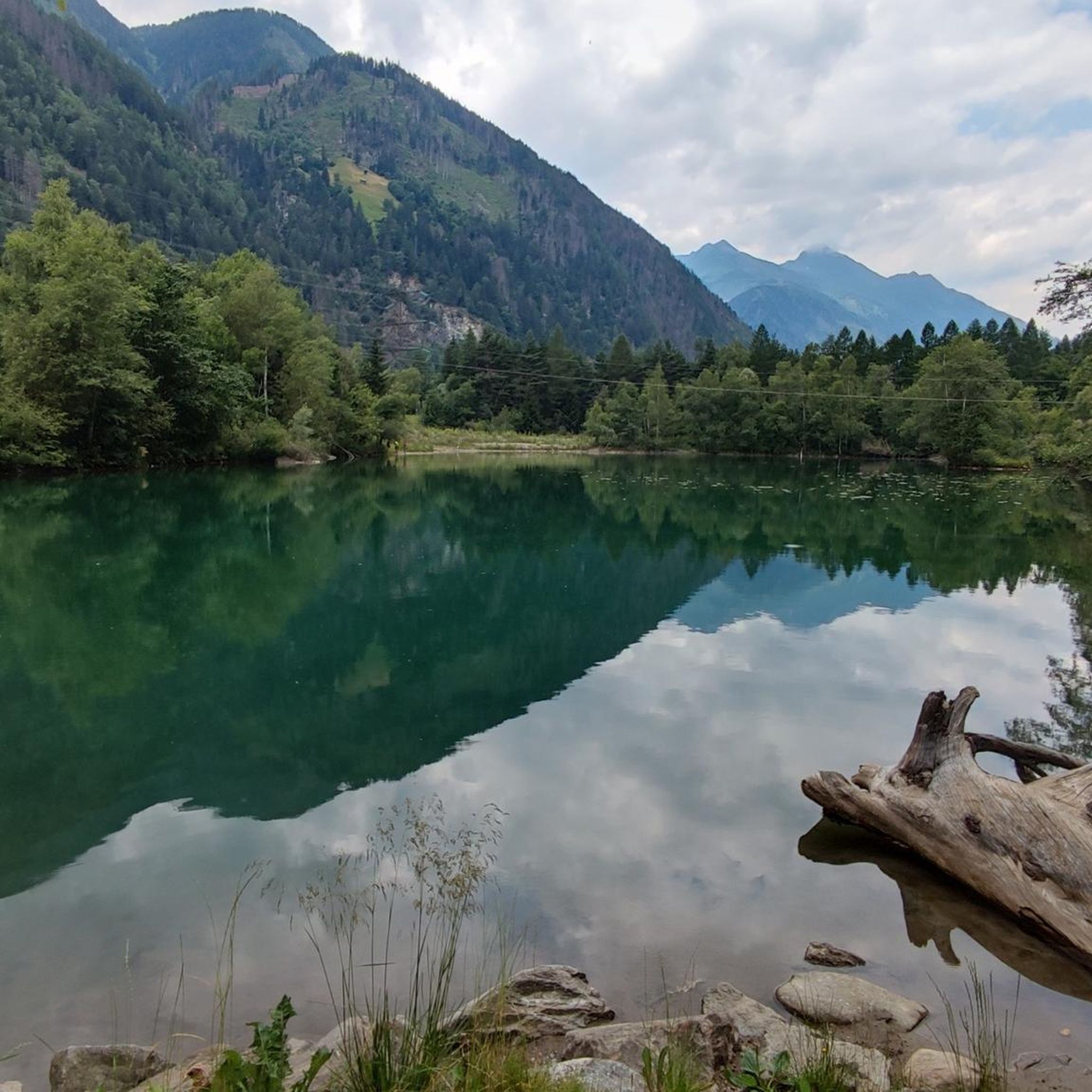
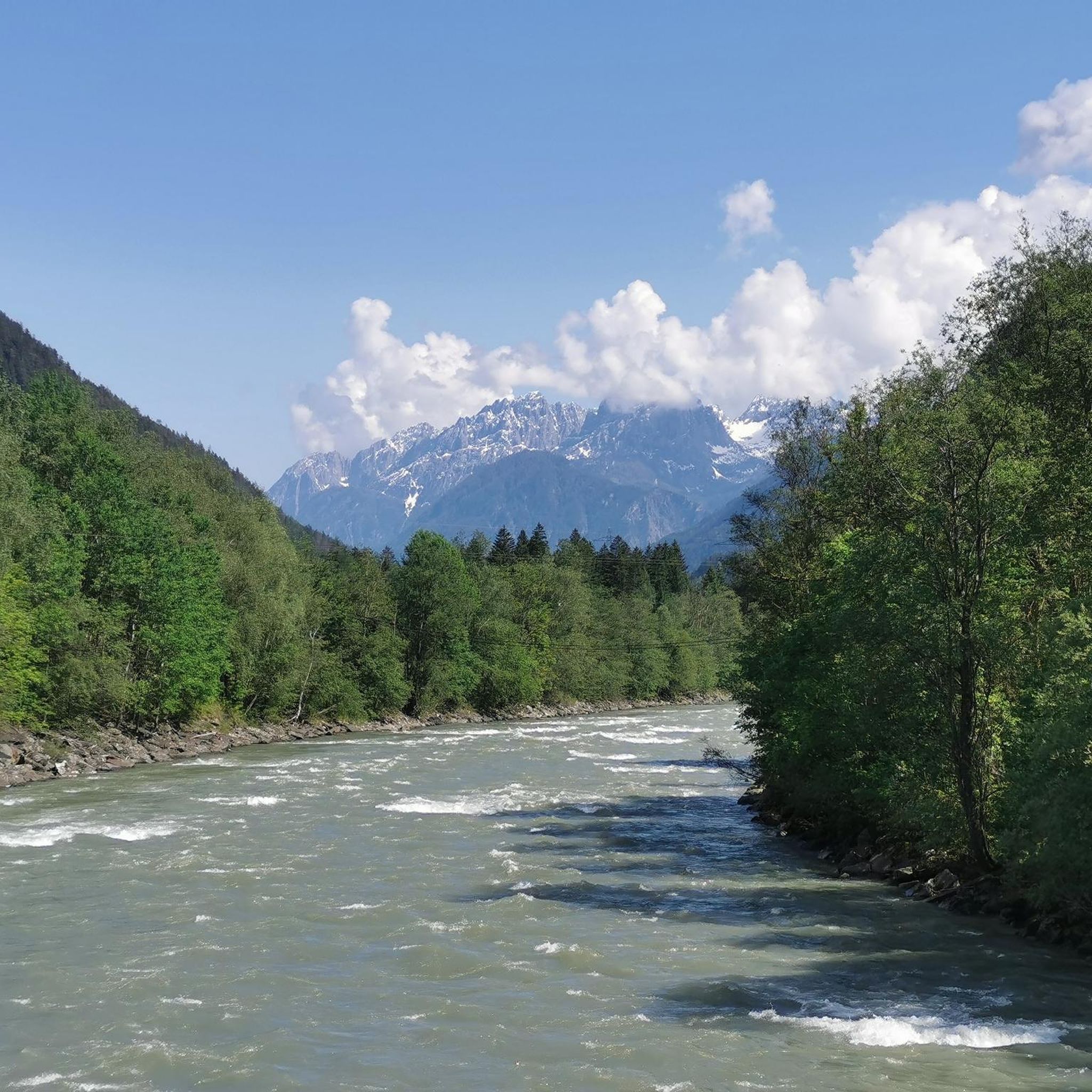
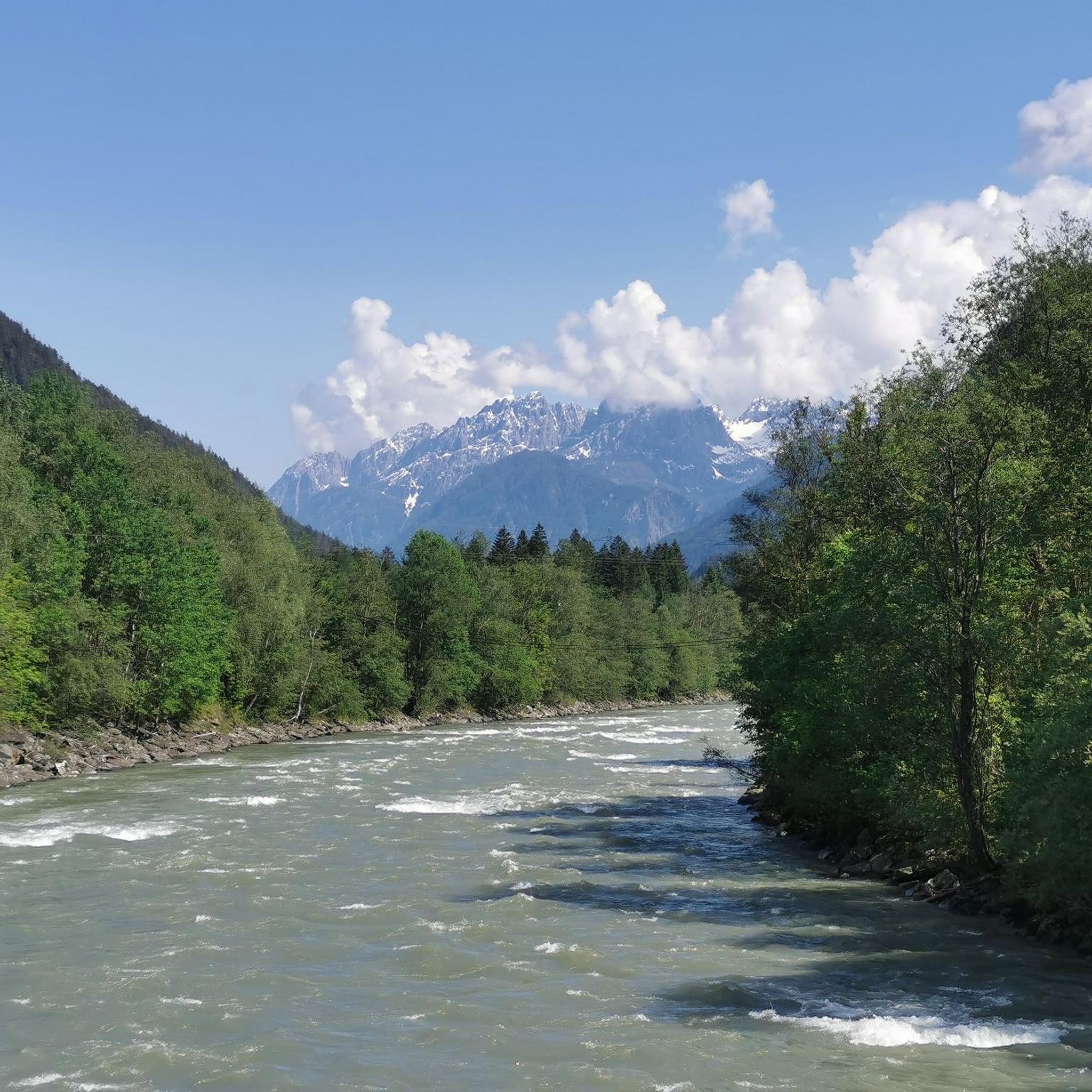
Tips from the Community

Passing from the Debant Valley to the lakes of the Wangenitzseehütte. Further along, one can reach the border with Carinthia.
0
0

Snow fields are not a problem. But when the steel cables are iced over, it's better to think twice.
0
0

The beginning of the Defereggental is quite steep but not very long. But it doesn't get really nice until later in the valley.
3
6

At 2,958 meters, the Hornscharte scratches the 3,000-meter mark, and the mighty Kreuzkopf towers above it. The steep climb is secured with a rope and offers you impressive views over the Schober group.
0
0
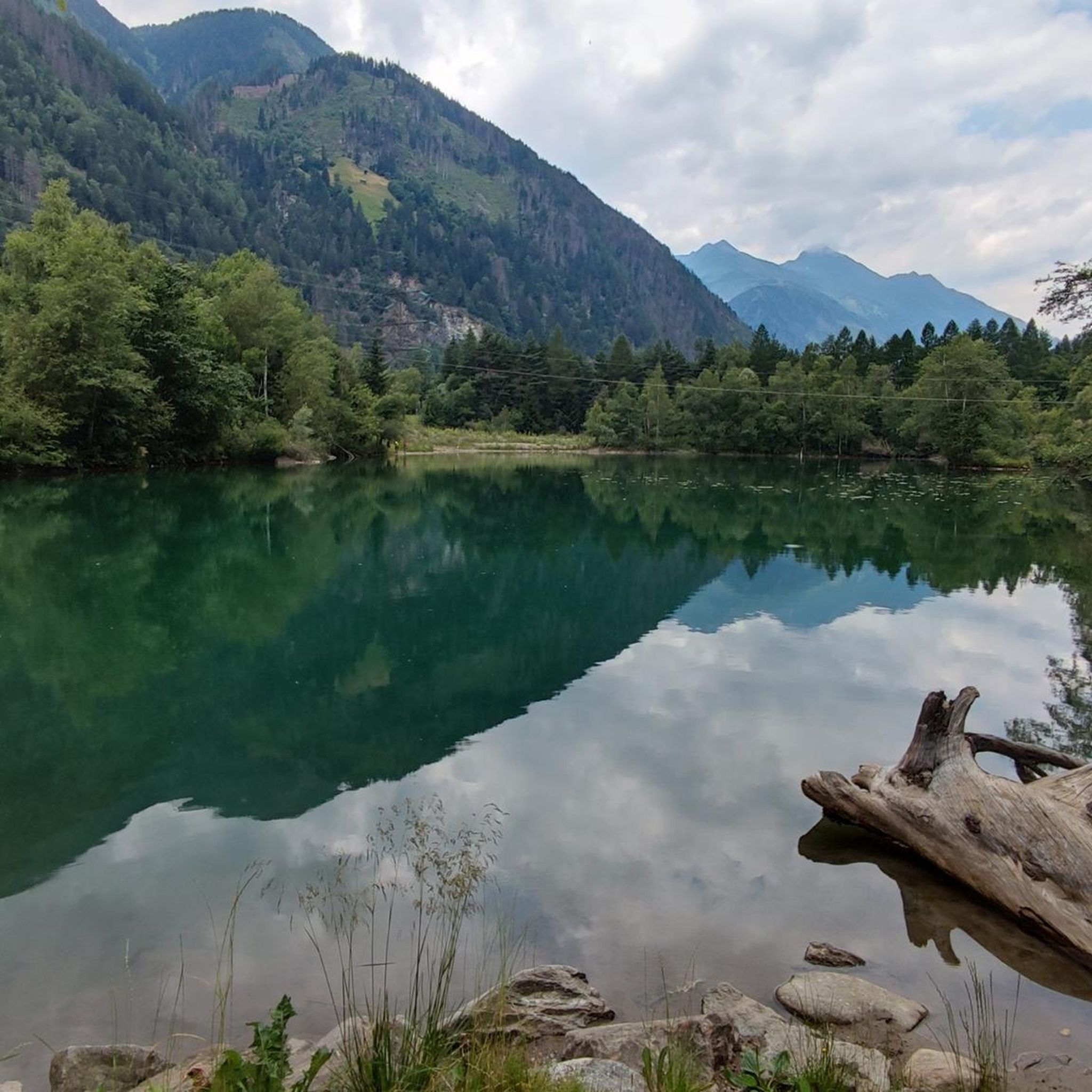
From the Kreuzseeschartl at 2,810 meters you have an incredible view of the Kreuzsee and the Wangenitzsee. Surefootedness and a head for heights are necessary to climb the steep and stony path.
0
0

Over the Gößnitzscharte leads the trail between Elberfelder hut and Lienzer hut. Here you can take a short break to enjoy the magnificent view of the high mountain landscape.
0
0
Frequently Asked Questions
What are some challenging mountain passes for experienced hikers near St. Johann im Walde?
For experienced hikers seeking a challenge, the region offers several demanding routes. The Hornscharte, at 2,958 meters, involves a steep climb with ropes and provides impressive views over the Schober group. Another significant alpine crossing is the Klammljoch Pass (Passo di Gola) at 2,295 meters, connecting South Tyrol with Defereggental, offering expansive views and a high-alpine experience. Additionally, the Hochschober is a moderately difficult mountain with some exposed climbing sections.
Are there any mountain passes with exceptional panoramic views in the region?
Yes, the area is renowned for its breathtaking panoramic views. The Edelweissspitze Summit, though a bit further afield on the Grossglockner High Alpine Road, offers phenomenal vistas of the surrounding mountains, including the majestic Grossglockner. The Hochtor Pass, also on the Grossglockner High Alpine Road, provides incredible views of the Grossglockner massif. Closer to St. Johann im Walde, peaks like Böses Weibl, Blauspitze Summit, and Rotenkogel Summit are celebrated for their superb 360-degree views, often including the Grossglockner and Grossvenediger.
What natural features can I expect to see when exploring mountain passes around St. Johann im Walde?
Exploring the mountain passes around St. Johann im Walde, nestled in the Hohe Tauern National Park, you can expect to encounter diverse natural beauty. This includes high-alpine landscapes, glaciers, deep valleys, and numerous three-thousand-meter peaks. Many passes offer views of alpine lakes, such as the Kreuzsee and Wangenitzsee, and you might also see impressive waterfalls, like those along the ascent to the Hochschoberhütte.
What outdoor activities can I do in addition to exploring mountain passes near St. Johann im Walde?
Beyond exploring mountain passes, St. Johann im Walde is an excellent base for various outdoor activities. You can embark on challenging mountain hikes, such as the trek to the Hochschober Summit or the Glödis Summit. The region also offers extensive opportunities for cycling and mountain biking, with routes like the 'Wooden Bridge over the Isel – Isel Suspension Bridge loop' or the 'Kals-Matreier-Törl-Haus – Kals am Großglockner loop'.
What is the best season to visit the mountain passes around St. Johann im Walde?
The best season to visit the mountain passes around St. Johann im Walde for hiking and cycling is generally from late spring to early autumn (June to September). During these months, the weather is typically more stable, snow has melted from most high-alpine routes, and mountain huts are open. Some higher passes, like the Edelweissspitze, are particularly celebrated for early morning vistas, suggesting clear summer days are ideal.
Are there any specific permits required for hiking in the Hohe Tauern National Park near St. Johann im Walde?
Generally, no specific permits are required for hiking on marked trails within the Hohe Tauern National Park. However, it's always advisable to check the official National Park website for any specific regulations or restrictions, especially for sensitive areas or during certain seasons. You can find more information at nationalparksaustria.at.
Where can I find parking or access trailheads for mountain passes near St. Johann im Walde?
St. Johann im Walde serves as an excellent base, and many trailheads are accessible from the village or nearby areas. For routes leading to the Hochschoberhütte, for instance, there are parking options like the 'Parkplatz Hochschoberhütte' which serves as a starting point. For other high-alpine routes, access points often involve driving to the end of a valley road. Specific parking information is usually available on local tourism websites or detailed route descriptions.
What do visitors particularly enjoy about the mountain passes in St. Johann im Walde?
Visitors to the mountain passes around St. Johann im Walde particularly enjoy the unparalleled natural beauty, the sense of accomplishment from reaching a summit or crossing a high ridge, and the panoramic views of the Hohe Tauern National Park's diverse landscape. The region is appreciated for its challenging trails and scenic viewpoints, offering a variety of experiences for outdoor enthusiasts.
Are there any less crowded mountain passes for a more tranquil experience?
While popular passes can attract many visitors, the vastness of the Hohe Tauern National Park allows for more tranquil experiences. Exploring lesser-known high-alpine routes or choosing trails that lead to remote huts, such as the Elberfelder Hütte, can offer a more serene experience away from the main tourist flows. Early mornings or weekdays can also provide a quieter atmosphere on more popular routes.
What should I wear or bring for a hike on the mountain passes in this region?
For hiking on mountain passes in the Hohe Tauern region, it's crucial to be well-prepared. Essential gear includes sturdy hiking boots with good ankle support, layered clothing suitable for changing weather conditions (even in summer), rain and wind protection, a hat, gloves, sunscreen, and sunglasses. Always carry sufficient water, snacks, a map, compass or GPS device, and a first-aid kit. For challenging routes, trekking poles are highly recommended, and some exposed sections may require sure-footedness and a head for heights.
Can I bring my dog on the hiking trails around the mountain passes near St. Johann im Walde?
Many hiking trails in the Hohe Tauern National Park are dog-friendly, but specific regulations apply, especially concerning wildlife protection and grazing livestock. Dogs should generally be kept on a leash, particularly in sensitive areas or near pastures. It's always best to check local regulations or specific trail information regarding dog policies before heading out. Ensure your dog is well-behaved and accustomed to mountain environments.
Are there places to eat or stay near the mountain passes in St. Johann im Walde?
St. Johann im Walde itself offers various accommodation options and places to eat. For those venturing into the high mountains, several mountain huts provide resting points, meals, and overnight stays. Examples include the Elberfelder Hütte, a key resting point on the Wiener Höhenweg, and the Hochschoberhütte, nestled above a waterfall. These huts are excellent bases for further exploration and offer traditional alpine hospitality.
How can I reach the mountain pass trailheads using public transport from St. Johann im Walde?
Public transport options from St. Johann im Walde can help access various trailheads. Local bus routes often connect the village with starting points for hikes in the surrounding valleys. For example, some routes might lead towards Oberleibnig, which is a starting point for treks to Mount Hochschober. It's advisable to check the current bus schedules and routes with the local tourism office or public transport providers for the most up-to-date information on reaching specific trailheads.
Most popular routes around St. Johann im Walde
Most popular attractions around St. Johann im Walde

Get inspired with the komoot mobile app


Explore more
See even more epic mountain passes by checking out these guides around St. Johann im Walde:
