Top 20 Natural Monuments around Sankt Roman
Best natural monuments around Sankt Roman offer diverse natural attractions in a region characterized by its forest-like landscapes and proximity to the Danube. This area provides opportunities to explore unique geological formations and scenic viewpoints. The natural environment includes varied tree and shrub species, contributing to a rich habitat. Visitors can experience the distinct natural features that define this part of Austria.
Best natural monuments around Sankt Roman
- The most popular natural monuments is König-Max-Höhe, a viewpoint that offers…
Last updated: July 8, 2026
Jochenstein rock island with statue of Saint John of Nepomuk
Highlight • Natural Monument
Translated by Google •
Tip by

Haugstein Summit (895 m)
Highlight • Summit
Translated by Google •
Tip by

Sign up now to discover places like this
Get recommendations on the best single tracks, peaks, & plenty of other exciting outdoor places.
Sign up for free
König-Max-Höhe
Highlight • Viewpoint
On a clear day you can see the Alps.
Translated by Google •
Tip by

Jungfraustein (Rocking Stone) Natural Monument
Highlight • Natural Monument
Translated by Google •
Tip by

Entrance to Neuburg Castle
Highlight • Castle
Translated by Google •
Tip by

Sign up for free to discover even more natural monuments around Sankt Roman.
Sign up for free
Already have an account?
Start today with a free account
Your next adventure awaits.
Login or Signup
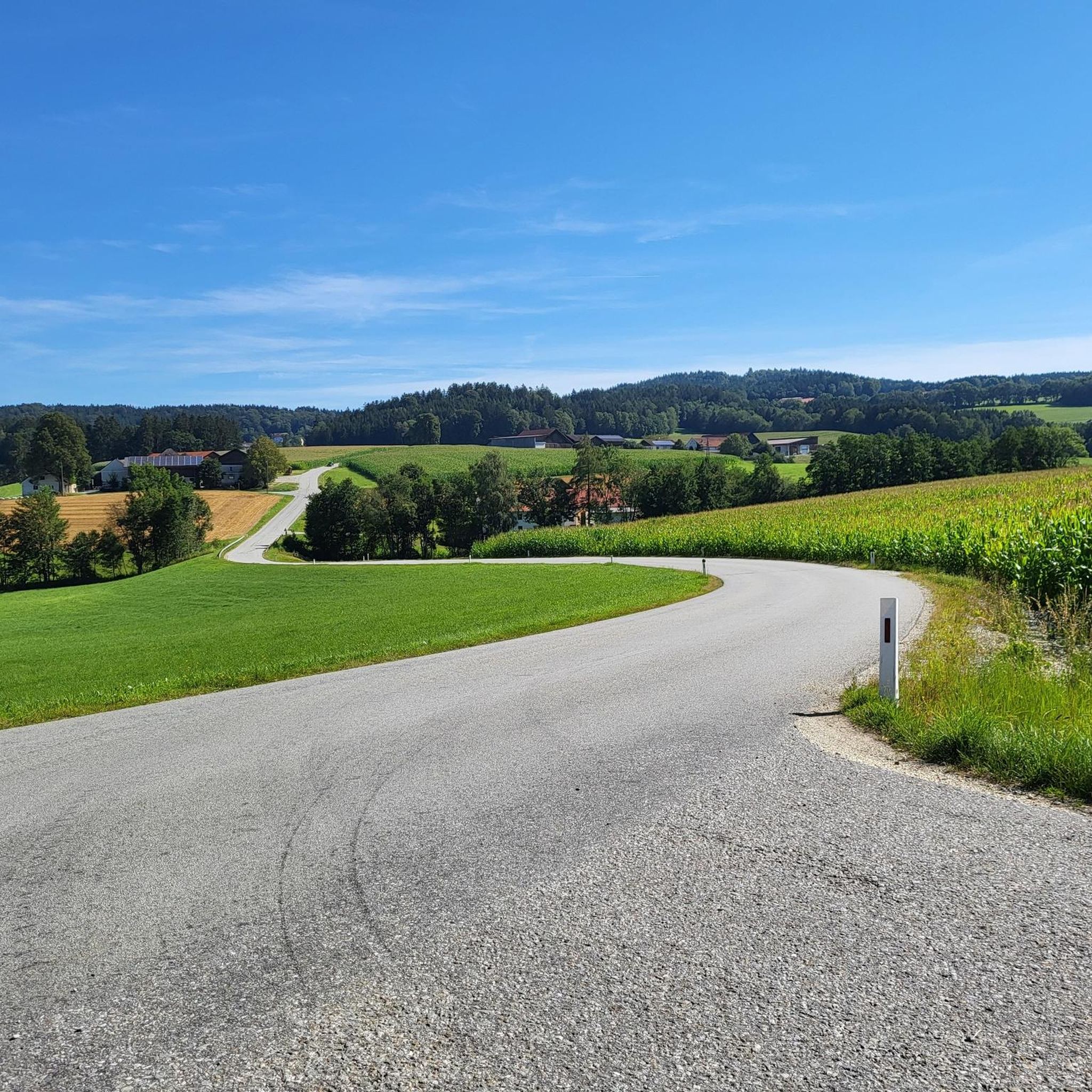
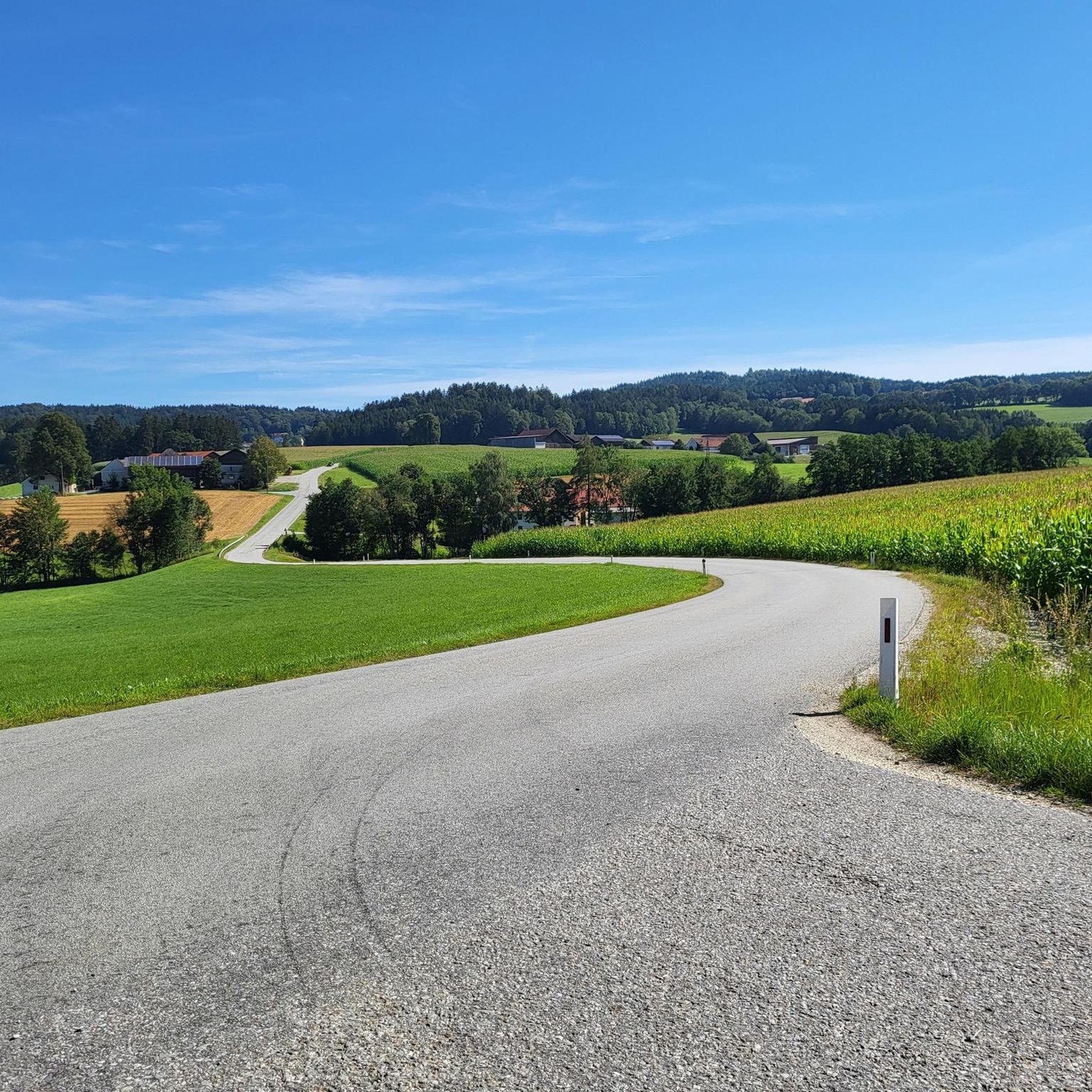
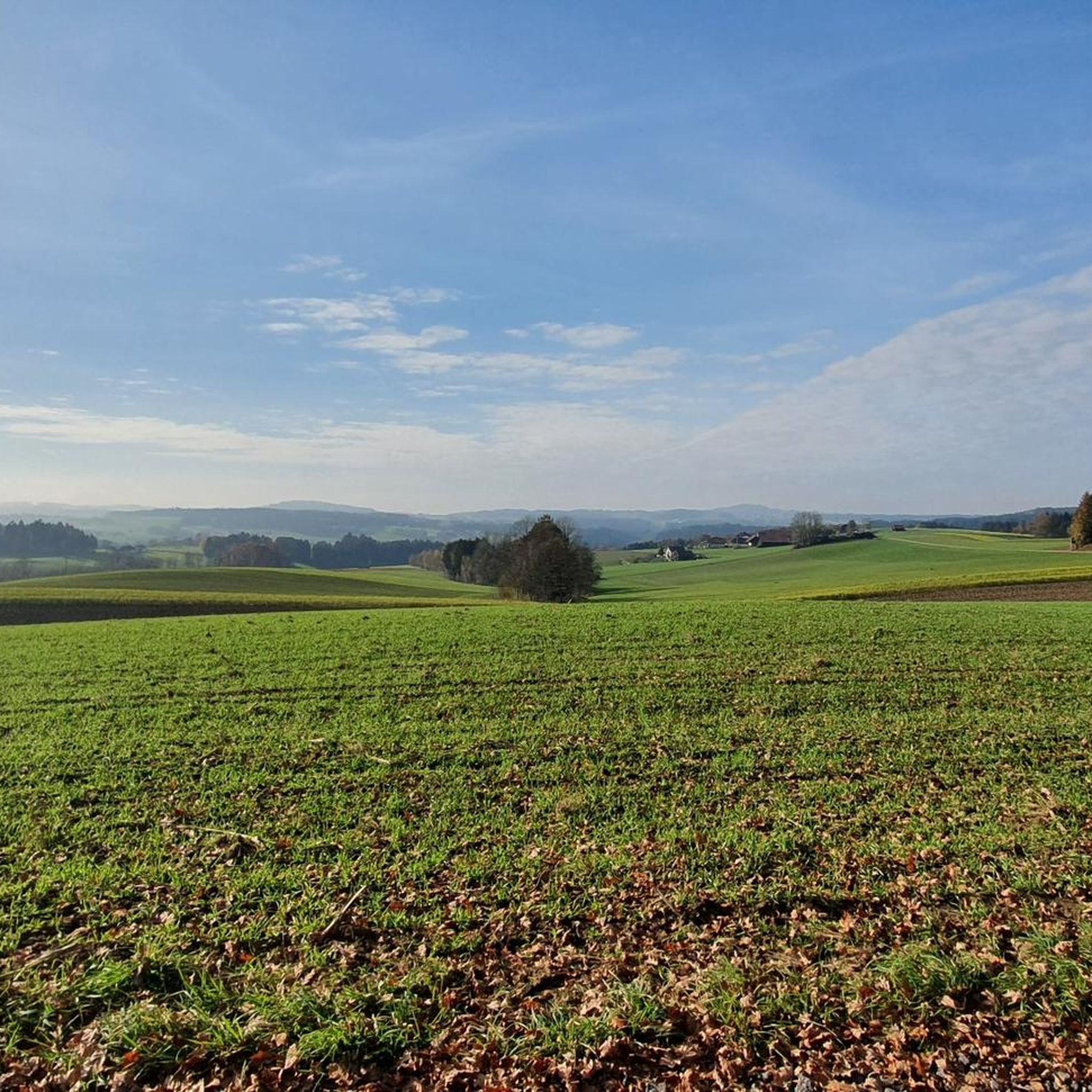
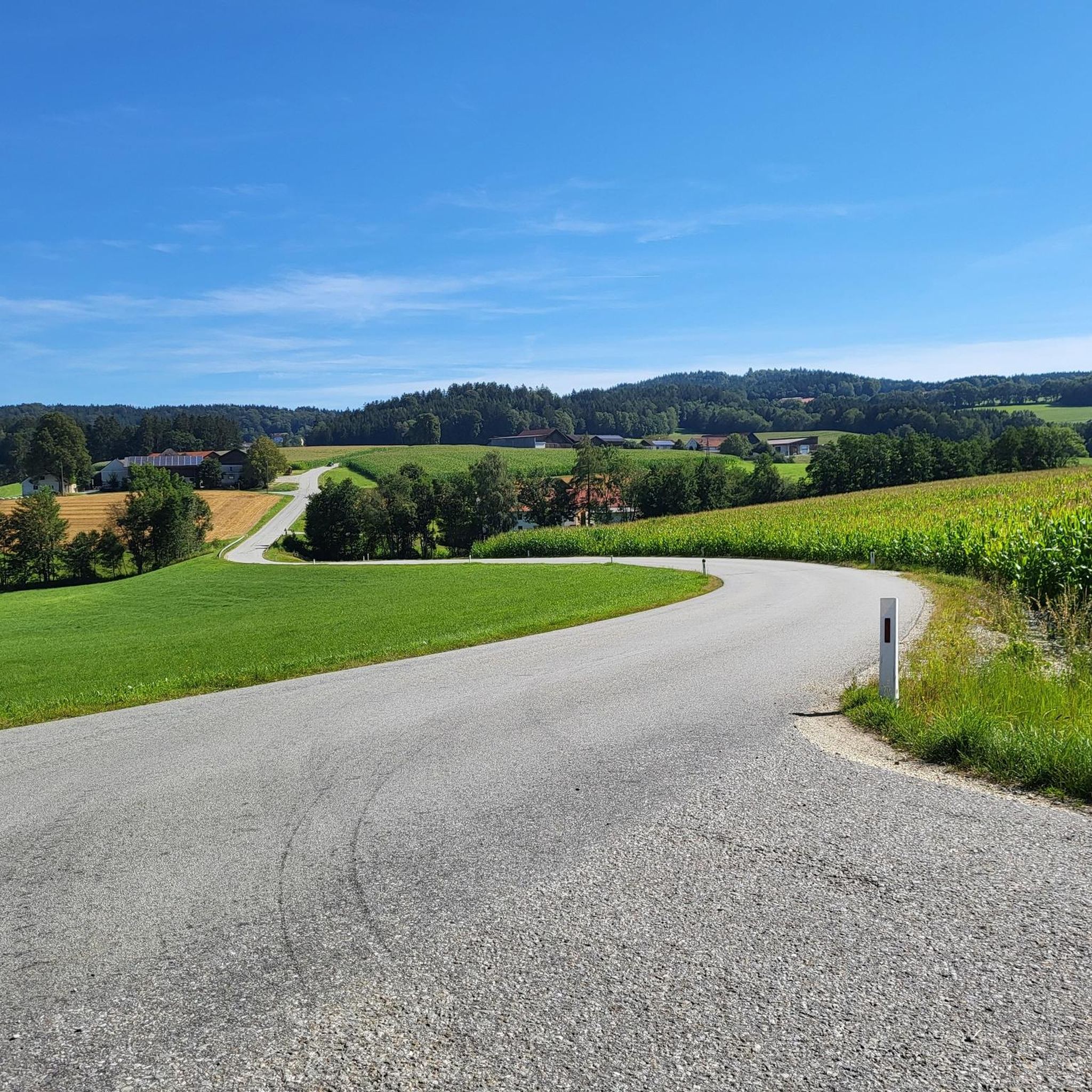

Tips from the Community


Nicely landscaped garden with seating area
2
0

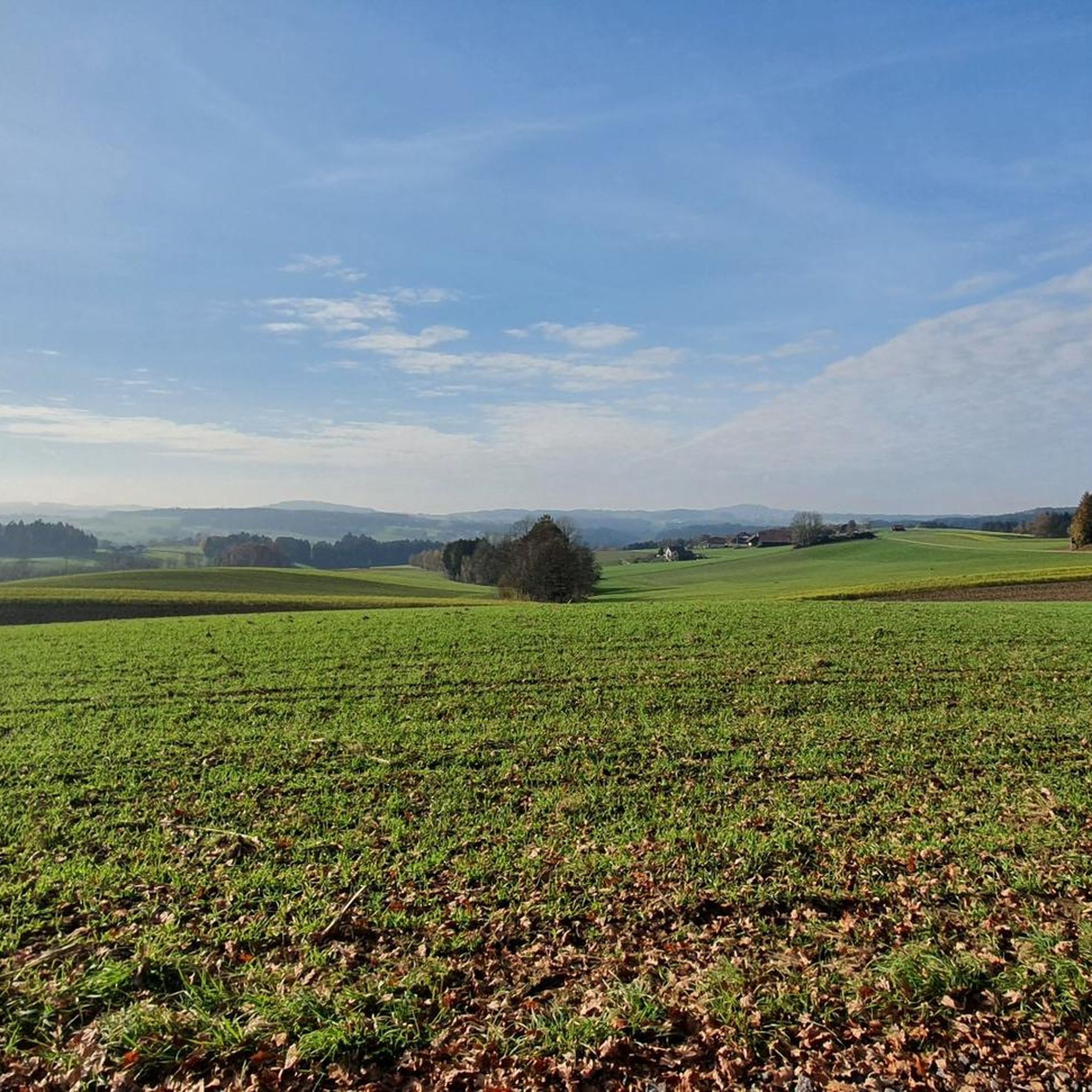
From the König-Max-Höhe you can enjoy a wonderful panoramic view of the Bavarian Forest, Bohemian Forest
1
0
I imagined the stone to be bigger, but it isn't. But you can really make it wobble.
3
0

Beautiful castle to visit and even changing exhibitions and with hotel
1
0

The portal, fountain and grotto as well as the beautiful garden design offer something for the eyes and the senses. To the left of the entrance stands the "double Christ".
1
0

Magnificent view...even with summit cross
2
0

Great tips and information to make you want to visit this place. Thank you for that!
4
0
Frequently Asked Questions
What are some of the most popular natural monuments to visit around Sankt Roman?
Visitors frequently enjoy the König-Max-Höhe, which offers extensive panoramic views of the Bavarian Forest, Bohemian Forest, Sauwald, and Neuburg Forest. Another popular spot is the Jochenstein rock island with statue of Saint John of Nepomuk, a unique rock formation in the Danube. The Jungfraustein (Rocking Stone) Natural Monument is also a favorite, known for its distinctive wobbling rock.
Are there any unique geological formations or natural attractions in the Sankt Roman area?
Yes, the region features several unique geological attractions. The Jungfraustein (Rocking Stone) Natural Monument is a notable example, where you can actually make the large stone wobble. The Jochenstein rock island, rising nine meters out of the Danube, is another distinct natural formation with historical significance.
Are there family-friendly natural monuments suitable for children around Sankt Roman?
Absolutely. The Jungfraustein (Rocking Stone) Natural Monument is particularly suitable for families, as children often enjoy trying to make the stone wobble. The König-Max-Höhe viewpoint is also considered family-friendly, offering impressive views that can be enjoyed by all ages.
What kind of natural features or botanical attractions can I expect to see?
Sankt Roman is known for its forest-like landscapes. A significant botanical attraction is the Arboretum St. Roman, a 3.7-hectare botanical garden dedicated to trees and shrubs. It features various species of flowering rhododendrons, firs, maples, and other diverse plant life, offering a distinct forest experience.
Where can I find the best panoramic views of the region?
For breathtaking panoramic views, visit the König-Max-Höhe. From here, you can see the Bavarian Forest, Bohemian Forest, Sauwald, and Neuburg Forest, and on clear days, even the Alps. Another excellent viewpoint is the Haugstein Summit (895 m), the highest mountain in the Sauwald, which also offers great vistas.
What outdoor activities can I do near the natural monuments in Sankt Roman?
The area around Sankt Roman offers diverse outdoor activities. You can explore numerous hiking trails, including moderate routes like the Stampfweg Nature Trail. For cyclists, there are gravel biking routes, such as the challenging loop from Ginzldorf with views of Passau's Old Town. Running trails are also available, with options like the loop from Münzkirchen.
Are there specific hiking trails that lead to or past natural monuments?
Yes, many trails incorporate natural monuments. For instance, the Jungfraustein (Rocking Stone) Natural Monument is accessible via a dedicated trail. You can also find trails that lead to viewpoints like the Haugstein Summit, offering opportunities to combine hiking with natural monument exploration. For more hiking options, refer to the hiking guide for Sankt Roman.
When is the best time of year to visit the natural monuments around Sankt Roman?
The best time to visit depends on your interests. For botanical enthusiasts, the Arboretum St. Roman is particularly beautiful during the rhododendron blooming season. For viewpoints like König-Max-Höhe, clear days are ideal for enjoying the extensive panoramic views, which can occur throughout spring, summer, and autumn.
Can I expect to see any wildlife at the natural monuments?
Yes, the natural settings around Sankt Roman provide habitats for various wildlife. The Arboretum St. Roman, with its tiered and multi-layered structure, supports a diverse ecosystem including birds, insects, and other animal species. Exploring the forest-like areas around monuments increases your chances of spotting local fauna.
Do any natural monuments in the region have historical or cultural significance?
Several natural monuments have historical or cultural connections. The Jochenstein rock island features a statue of Saint John Nepomuk, the patron saint of shipmen, reflecting its historical importance for Danube navigation. The König-Max-Höhe is named after King Maximilian II, who visited the area in 1852 and appreciated its scenic beauty.
Are there any less-known or 'hidden gem' natural monuments worth exploring?
Beyond the most popular spots, the Arboretum St. Roman offers a unique and tranquil experience. While not a traditional 'monument,' its distinct forest-like character and diverse collection of trees and shrubs make it a peaceful and rewarding natural attraction, especially during the rhododendron blooming season.
What do visitors enjoy most about the natural monuments around Sankt Roman?
Visitors particularly appreciate the stunning panoramic views from locations like König-Max-Höhe, often remarking on the ability to see the Alps on clear days. The unique geological features, such as the wobbling Jungfraustein, also provide memorable and interactive experiences. The natural beauty and diverse landscapes, from river islands to forest summits, are consistently highlighted.
Most popular routes around Sankt Roman
Most popular attractions around Sankt Roman

Get inspired with the komoot mobile app


Explore more
Extend your search for the best caves by checking out these guides of the top ones around Sankt Roman:
