Top 20 Natural Monuments around Petronell-Carnuntum
Natural monuments around Petronell-Carnuntum offer a diverse range of natural features, from expansive riverine landscapes to historical parks. The region is situated within the broader Danube-Auen National Park, characterized by wetlands and the Danube River. This area provides opportunities to explore diverse ecosystems and geological formations. The blend of natural beauty and historical significance makes Petronell-Carnuntum a notable destination for outdoor exploration.
Best natural monuments around Petronell-Carnuntum
- The most popular natural monuments is Devín Castle, a castle that served…
Last updated: June 24, 2026
Devín Castle
Highlight • Castle
Translated by Google •
Tip by

Orth an der Donau in the Donau-Auen National Park
Highlight (Segment) • Settlement
Translated by Google •
Tip by

Sign up now to discover places like this
Get recommendations on the best single tracks, peaks, & plenty of other exciting outdoor places.
Sign up for free
Orther Islands
Highlight • Lake
While the first four islands already rise high out …
Translated by Google •
Tip by

Harrach Park
Highlight • Natural Monument
Translated by Google •
Tip by

Baroque Garden of Schloss Hof
Highlight • Natural Monument
After 15 years of detailed reconstruction, the garden in Schloss Hof can now be experienced by our guests in …
Translated by Google •
Tip by

Sign up for free to discover even more natural monuments around Petronell-Carnuntum.
Sign up for free
Already have an account?
Start today with a free account
Your next adventure awaits.
Login or Signup
Popular around Petronell-Carnuntum
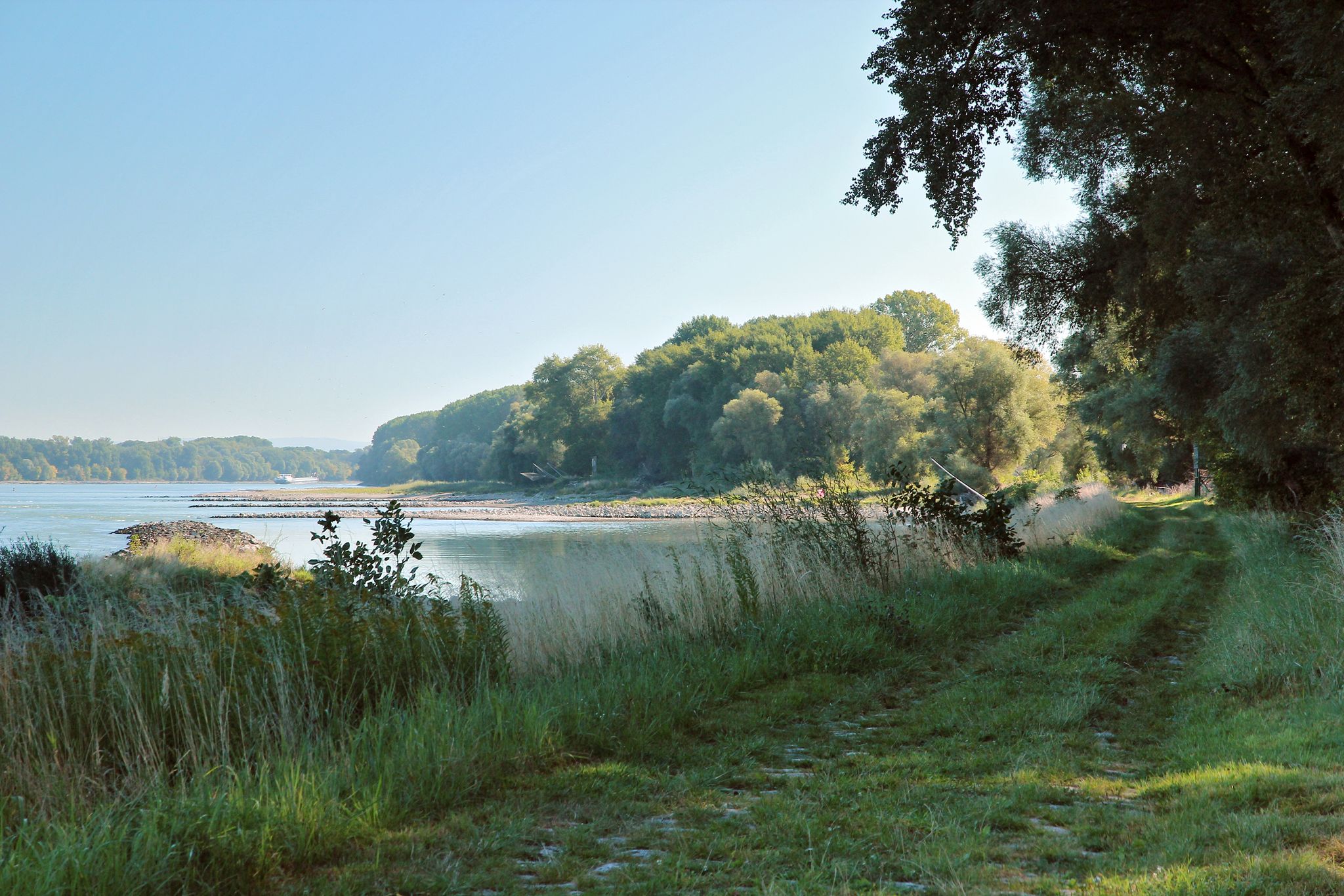
From Vienna to the state border at Hainburg - Tours in the National Park Donau-Auen
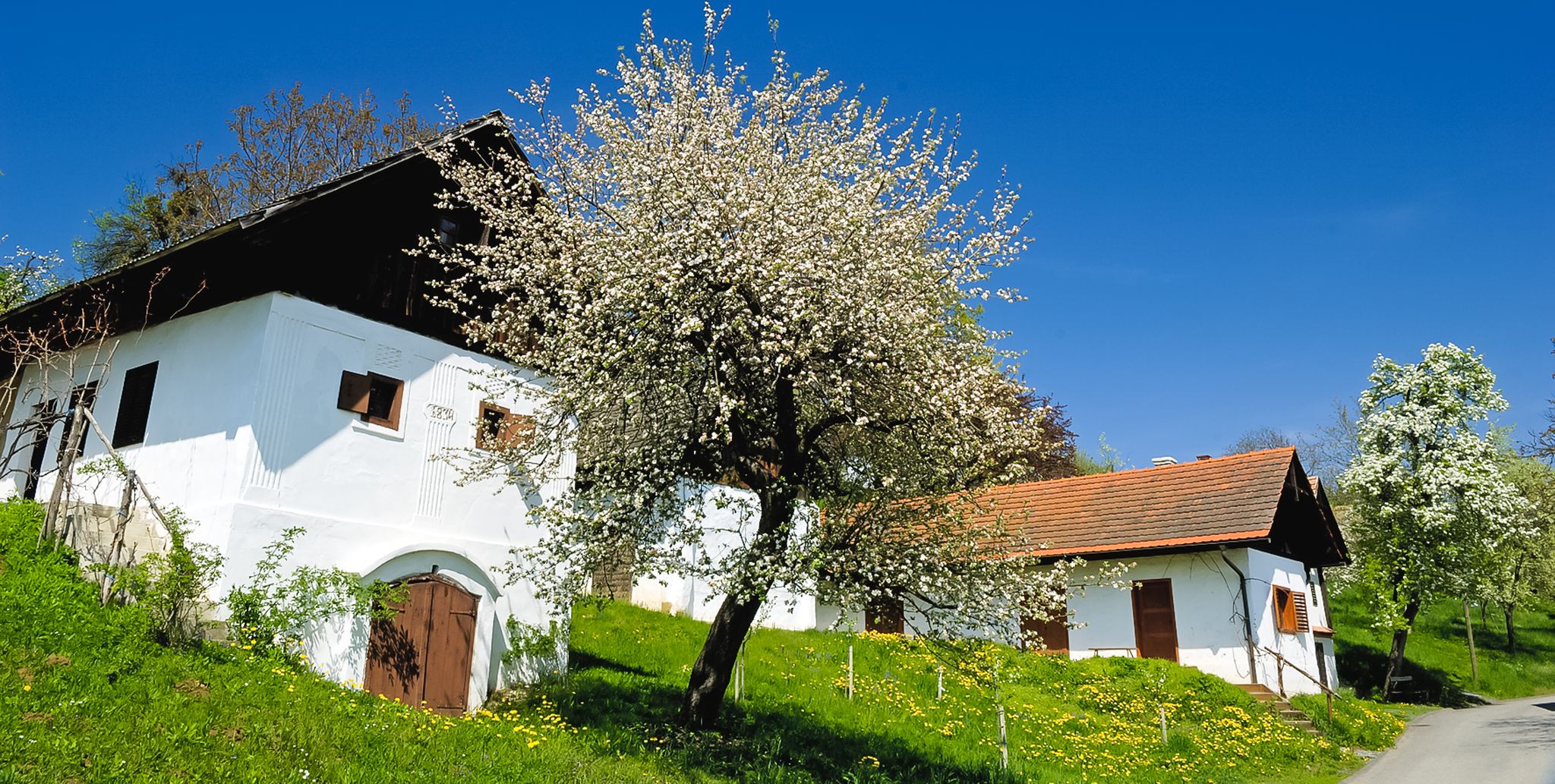
Roman paths in the Burgenland – Amber Trail East Route
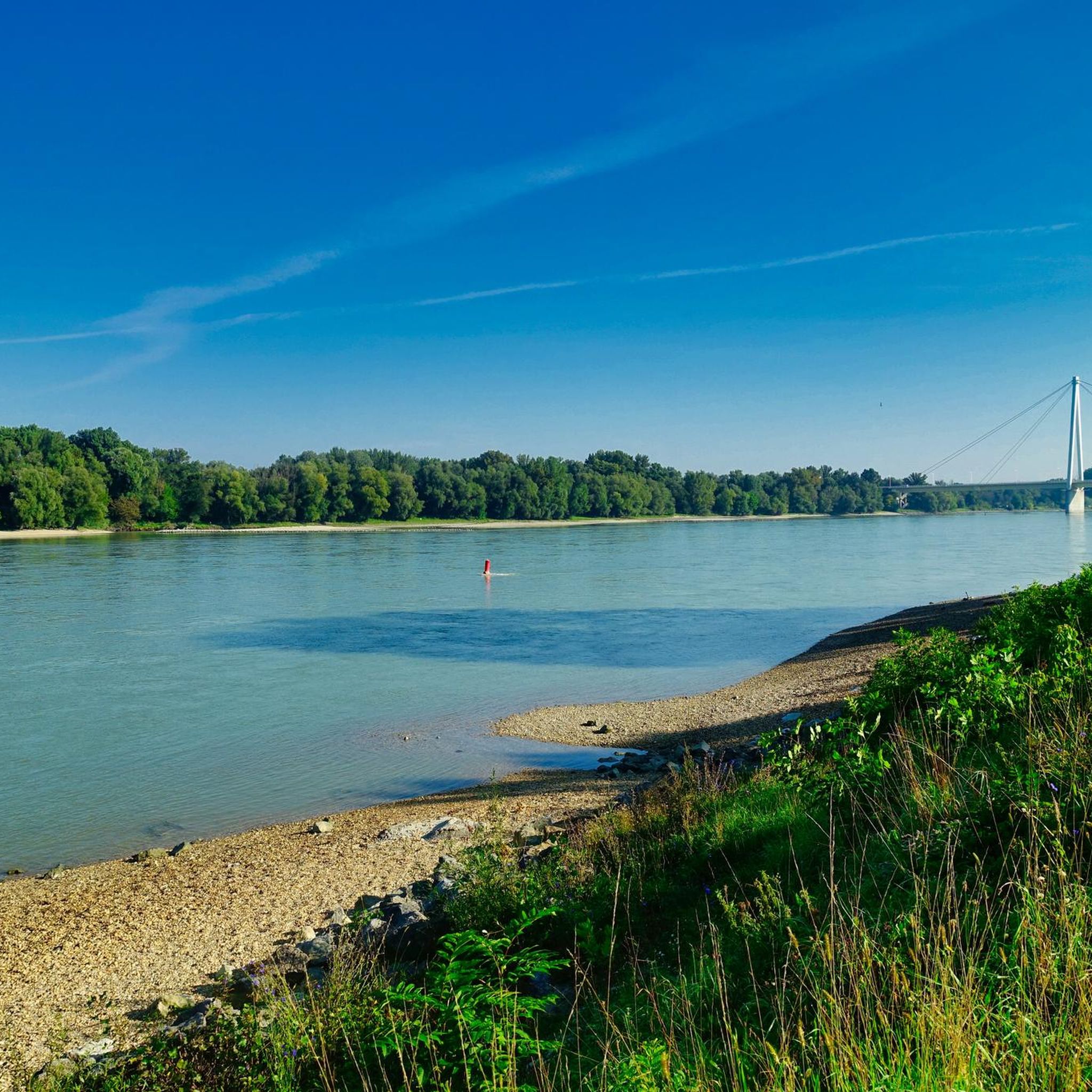
Cycling around Petronell-Carnuntum
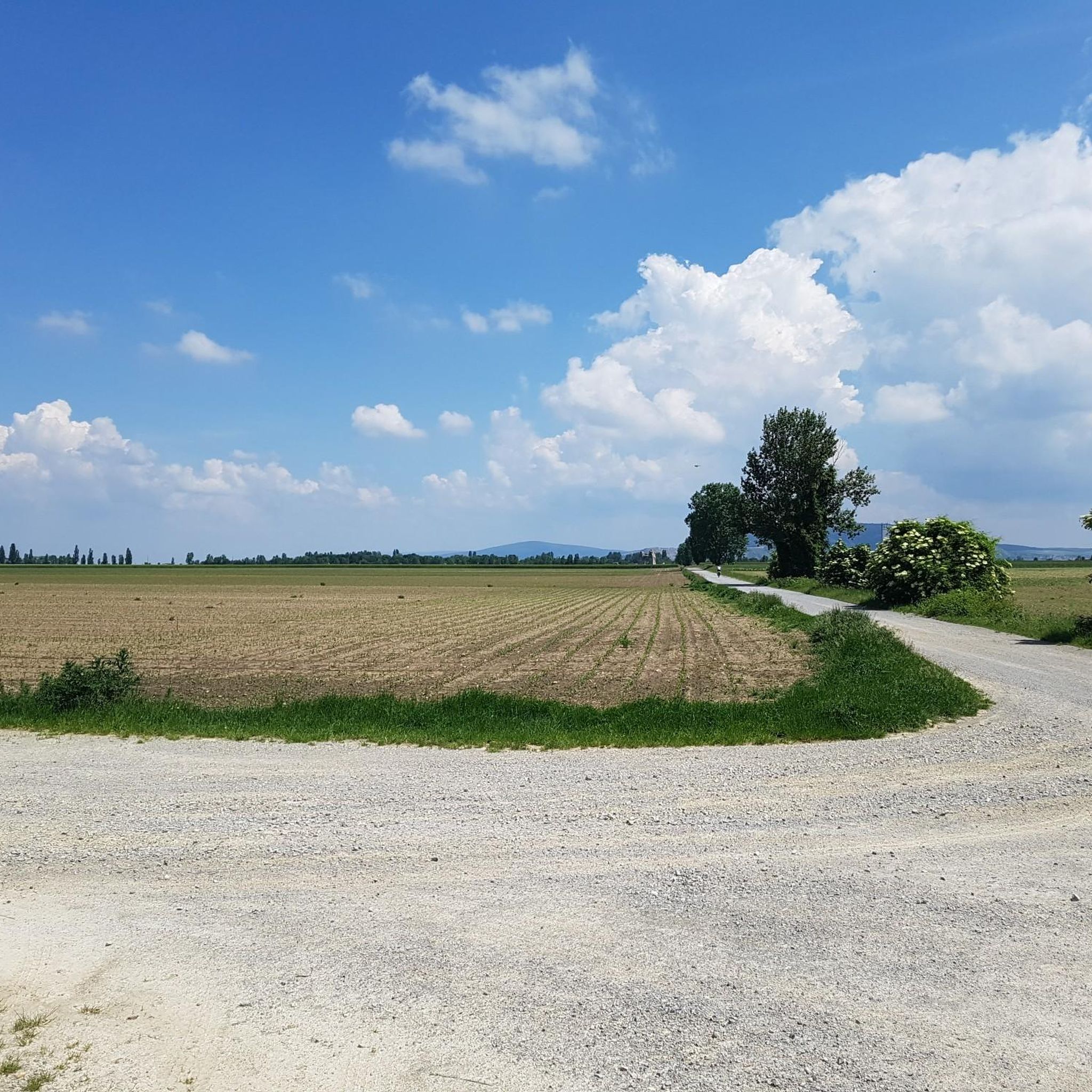
Hiking around Petronell-Carnuntum
Road Cycling Routes around Petronell-Carnuntum
Running Trails around Petronell-Carnuntum
MTB Trails around Petronell-Carnuntum

Gravel biking around Petronell-Carnuntum


Tips from the Community

A beautiful park for hiking, walking, jogging with benches and old trees
0
0

Baroque Garden - The Garden Paradise, Hof Castle The area sloping down to the March lowlands to the east of the castle was predestined to create a garden based on the French model simply because of its location. In just a few years, Prince Eugene had the architect Johann Lucas von Hildebrandt and the garden engineer Anton Zinner create one of the most important gardens in the German-speaking world on a total of seven terraces. The vertical central axis, along which there are numerous fountains, divides the garden into two mirror-image areas on each level. A well-thought-out sculpture program created by the sculptor Johann Christoph Mader pays homage to the lord of the castle, Prince Eugene. The water required to operate the fountains and to supply the plants was derived from three ponds in the nearest village of Groißenbrunn. In the 19th and 20th centuries, the garden gradually fell into disrepair. The three paintings by Bernardo Belotto, known as Canaletto, were one of the most important sources for the gradual reconstruction of the individual terrace areas since 2002. These views of the palace complex were created on Maria Theresa's commission around 1760. Text / Source: Schloss Hof, 2294 Schloßhof 1 https://www.schlosshof.at/ueber-schloss-hof/garten
13
0
Baroque Garden - The revitalization of the Baroque Garden, Schloss Hof After 15 years of detailed reconstruction, the garden in Schloss Hof can now be experienced by our guests in its 18th century appearance right down to the last terrace! We have accompanied this journey for you and provide insights into the exciting period of restoration work. With the restoration of the seventh garden terrace in 2019 and the completed reconstruction of the Great Cascade in 2018, the 15-hectare Baroque Garden of Schloss Hof can once again be experienced in its entirety as it was in the 18th century. Text / Source: Schloss Hof, 2294 Schloßhof 1 https://www.schlosshof.at/ueber-schloss-hof/garten/revitalisierung-barockgarten
13
0

The Danube-Auen National Park is a 9,600 hectare national park that stretches from Vienna to the mouth of the March in Lower Austria on the border with Slovakia. It is one of the largest, largely intact floodplain landscapes in Central Europe along the Danube. The area is 38 kilometers long and measures barely four kilometers at its widest point.
3
0

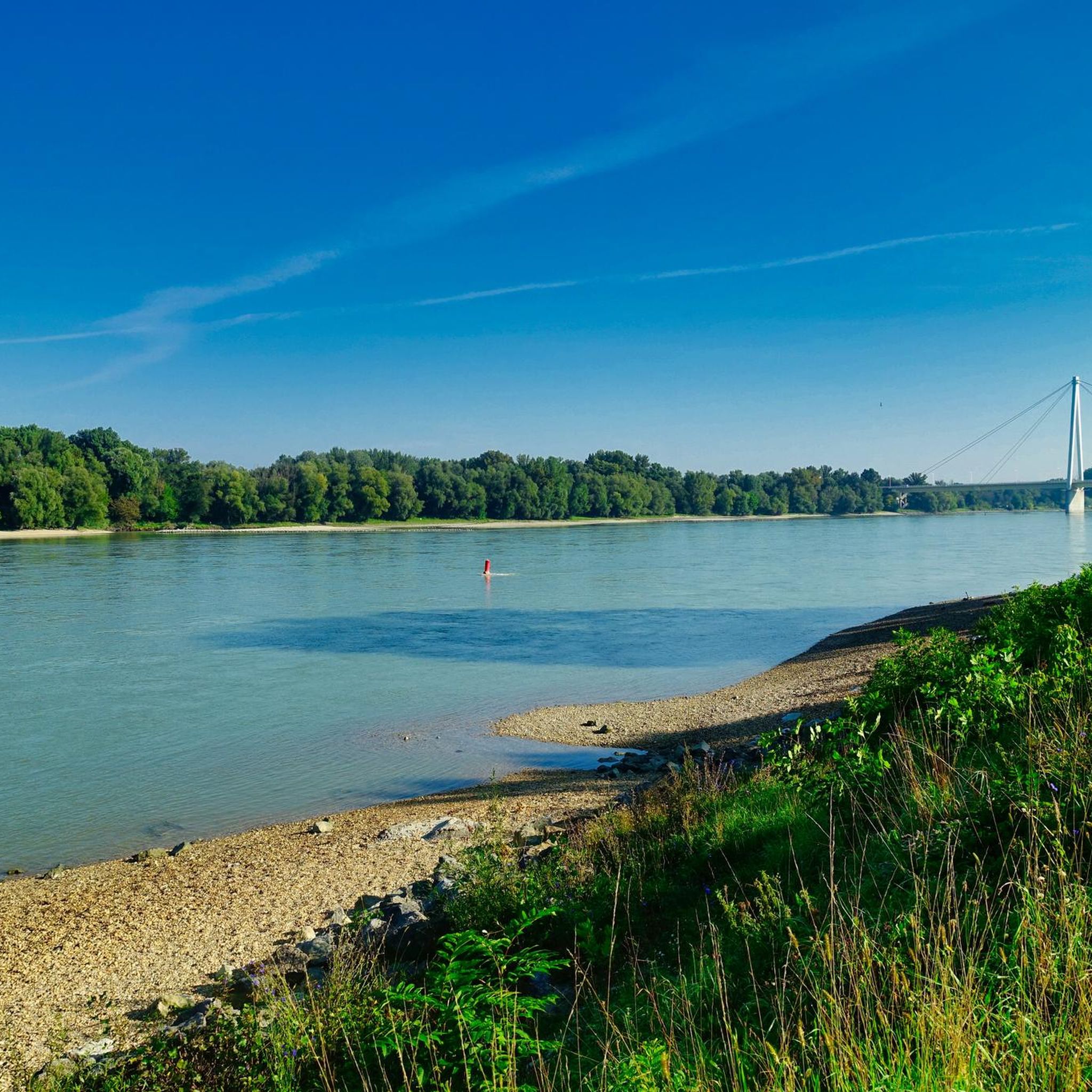
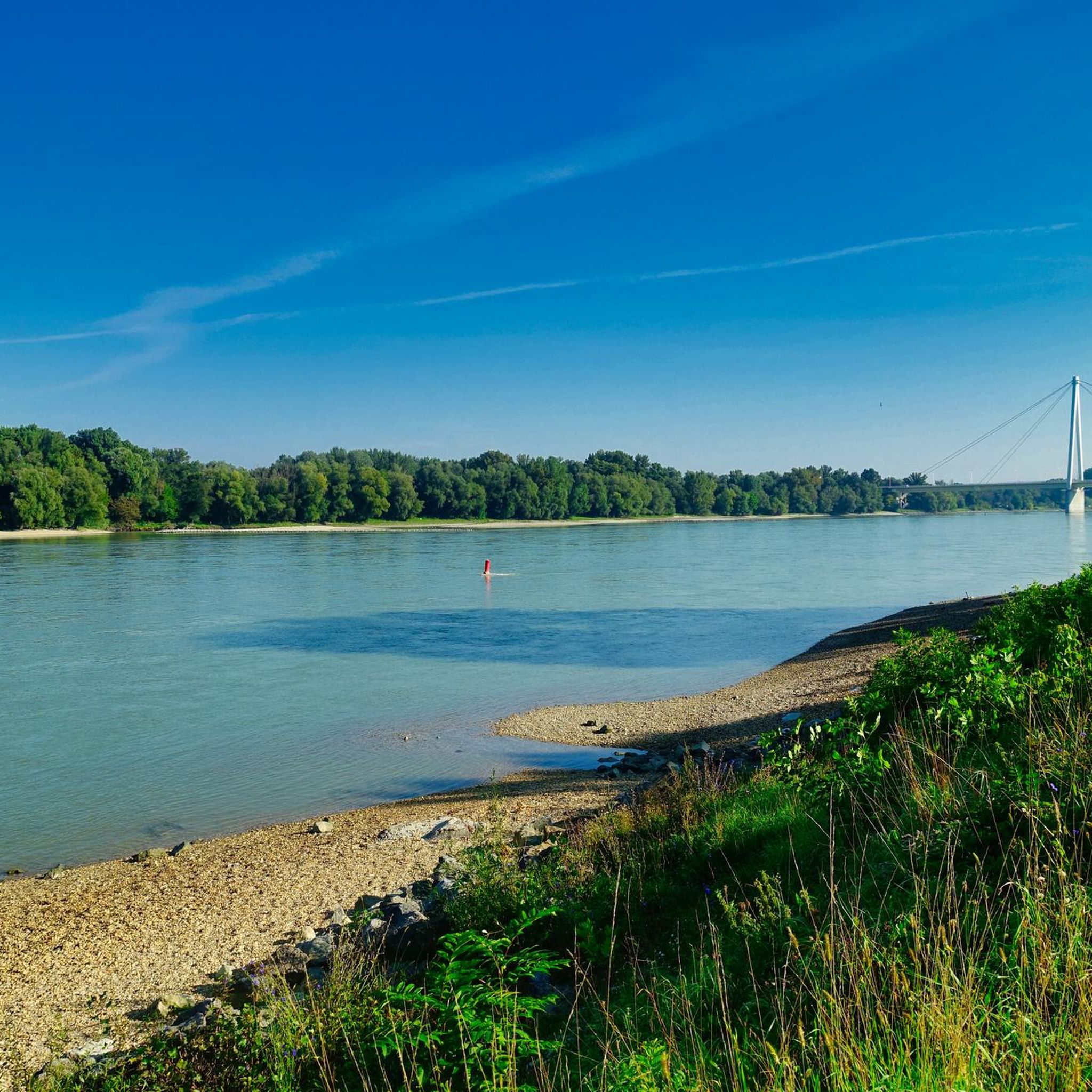
Beautiful view of the Orther Islands from the shore path. The islands themselves are difficult to access due to the dense undergrowth.
0
0

Beautiful here is also a beautiful Christmas market and Easter market that is worth a visit.
1
1

The first documented mention comes from a deed of donation from the year 1021. When large areas of the country were depopulated after the Ottoman invasion in 1529, Croats were settled. These formed the majority of the population for centuries. The castle, which was destroyed during the raids, was rebuilt by Count Salm from 1550 onwards. The so-called Neuschloss was built by Count Auersperg in 1679. In the Oberau settlers' putsch in 1926, unemployed people from Vienna occupied the Au between Orth and Mannsdorf on the Danube.
1
1
The first documented mention comes from a deed of donation from the year 1021. When large areas of the country were depopulated after the Ottoman invasion in 1529, Croats were settled. These formed the majority of the population for centuries. The castle, which was destroyed during the raids, was rebuilt by Count Salm from 1550 onwards. The so-called Neuschloss was built by Count Auersperg in 1679. Sightseeing features: - Orth Castle: A mighty three-storey, three-wing complex with four dominating corner towers. The west wing dates from the 12th century. After severe damage caused by the first Austrian-Turkish War in 1529, the complex was rebuilt in 1550 while retaining the floor plan and the existing type of system. - Donau-Auen National Park: Since 1996, the castle has served as the seat and visitor center of the Donau-Auen National Park. - MuseumORTH: local museum Castle park with a plane tree as a natural monument - Catholic parish church Orth an der Donau hl. Michael: A former fortified church. After severe damage caused by the first Austrian-Turkish War in 1529, the medieval church was rebuilt and in 1689 it was baroque-style, retaining the late-Gothic core. - Marian Column mortuary, built in the form of a pyramid according to plans by the architect Richard Gach - Ship mill Orth on the Danube: Of the originally up to 60 ship mills that were in operation along the Danube below the city of Vienna, one functioning ship mill has been preserved. After the mill sank, it was raised again in 2008 and repaired.
2
1
Frequently Asked Questions
What types of natural monuments can I explore around Petronell-Carnuntum?
The region around Petronell-Carnuntum offers a diverse range of natural monuments. You can explore expansive riverine landscapes, dynamic gravel islands, historical parks with ancient trees, and significant viewpoints. The area is largely influenced by the Danube River and the broader Danube-Auen National Park, featuring wetlands and diverse ecosystems.
Are there family-friendly natural monuments in the Petronell-Carnuntum area?
Yes, several natural monuments are suitable for families. Harrach Park is a beautiful option for walking and exploring, known for its old trees and diverse bird species. The area around Orth an der Donau in the Donau-Auen National Park also offers family-friendly facilities and natural beauty. Additionally, the Baroque Garden of Schloss Hof provides a grand, revitalized garden experience that families can enjoy.
What historical natural monuments can I visit near Petronell-Carnuntum?
The region uniquely blends natural beauty with historical significance. Devín Castle, while a castle, is considered a natural monument due to its dramatic setting at the confluence of the Morava and Danube rivers, offering stunning views and a rich Roman history. Harrach Park and the Baroque Garden of Schloss Hof are also historical sites that have been preserved as natural monuments, showcasing centuries of landscape design and natural evolution.
What outdoor activities can I do near these natural monuments?
The area is excellent for various outdoor activities. You can enjoy extensive hiking, with routes like the 'Petroneller Hiking Trail – Danube-Auen National Park' which is an easy 3.5 km walk. There are also longer moderate hikes such as the 'Petronell Castle – Museum Carnuntinum loop'. For cycling enthusiasts, there are numerous MTB trails, including longer routes like the 'Ferry to Haslau – Heidentor (Carnuntum) loop'. You can find more details on these activities in the hiking guide and MTB trails guide for Petronell-Carnuntum.
Are there specific viewpoints to enjoy the natural scenery?
Yes, several natural monuments offer excellent viewpoints. Devín Castle provides panoramic views of the Morava and Danube rivers' confluence. The Orther Islands, a dynamic riverine habitat, also feature viewpoints where you can observe the Danube's creative power and untouched ecosystems. Additionally, the Hundsheimer Berg, while not listed as a highlight in the guide, is known for its summit cross and hut offering beautiful views in all directions.
What is the best time to visit the natural monuments around Petronell-Carnuntum?
The best time to visit depends on your interests. Autumn is particularly beautiful, especially for observing the lemon-scented fruit of black walnut trees in the Danube-Auen National Park. However, it's important to note that parts of the Petronell Walking Trail within the national park can become impassable during high water or flooding, so checking local conditions is advisable, especially in spring or after heavy rainfall.
What unique natural features can be found at the Orther Islands?
The Orther Islands are a highly dynamic riverine habitat. Here, the Danube River actively shapes the landscape, creating new gravel islands and primeval forests. You can observe the river's creative power as it tears embankments, pushes driftwood, and reconnects old channels, increasing water areas and benefiting rare species like the European pond turtle and dogfish. The islands are characterized by colorful pebbles and fine river sand, making them inviting spots.
What wildlife can I expect to see in the Danube-Auen National Park near Petronell-Carnuntum?
The Danube-Auen National Park is a vital habitat for diverse wildlife. You might spot various waterfowl, including common moorhens, little grebes, and occasionally purple herons. Traces of beavers are common, and the park's 'deep potholes' are home to amphibians and dragonflies. The park also supports around 50 bird species, especially in areas like Harrach Park, making it a great spot for birdwatching.
Are there easy hiking trails suitable for beginners near the natural monuments?
Yes, there are several easy hiking options. The 'Petroneller Hiking Trail – Danube-Auen National Park' is an easy 3.5 km route that allows you to explore the wetlands. Other easy loops include 'Amphitheater Carnuntum – Heidentor (Carnuntum)' (2.7 km) and 'Heidentor (Carnuntum) – Carnuntum Open-Air Museum' (4 km). These trails are generally well-suited for beginners and those looking for a relaxed walk. You can find more easy hikes in the easy hikes guide.
What do visitors enjoy most about the natural monuments around Petronell-Carnuntum?
Visitors frequently appreciate the blend of natural beauty and historical context. The stunning views from places like Devín Castle, the peaceful walks through old trees in Harrach Park, and the dynamic, untouched ecosystems of the Orther Islands are often highlighted. The opportunity to immerse oneself in a pristine riverine landscape while also encountering significant historical sites is a major draw.
Can I find facilities or amenities near the natural monuments?
The area around Orth an der Donau in the Donau-Auen National Park serves as a visitor center for the national park and offers facilities. While specific details for every monument are not available, larger parks and visitor centers typically provide amenities. For more remote natural areas, it's advisable to come prepared with your own supplies.
Most popular routes around Petronell-Carnuntum
Most popular attractions around Petronell-Carnuntum

Get inspired with the komoot mobile app


Explore more
Extend your search for the best caves by checking out these guides of the top ones around Petronell-Carnuntum:
