Top 20 Natural Monuments around Perschling
Best natural monuments around Perschling include the preserved old course of the Perschling river, a significant ecological area. The Perschling valley features expansive meadows, agricultural fields, and wooded hills, transitioning from the Alpine foothills to loess-covered ridges. This region is notable for its unique aquatic ecosystem, including rare lowland river species, and offers picturesque views. Recent archaeological finds of mammoth bones also highlight the area's paleontological interest.
Best natural monuments around Perschling
- The most popular natural monuments is Giant Spruce…
Last updated: June 24, 2026
Mouth of the Traisen River at the Danube
Highlight • River
Translated by Google •
Tip by

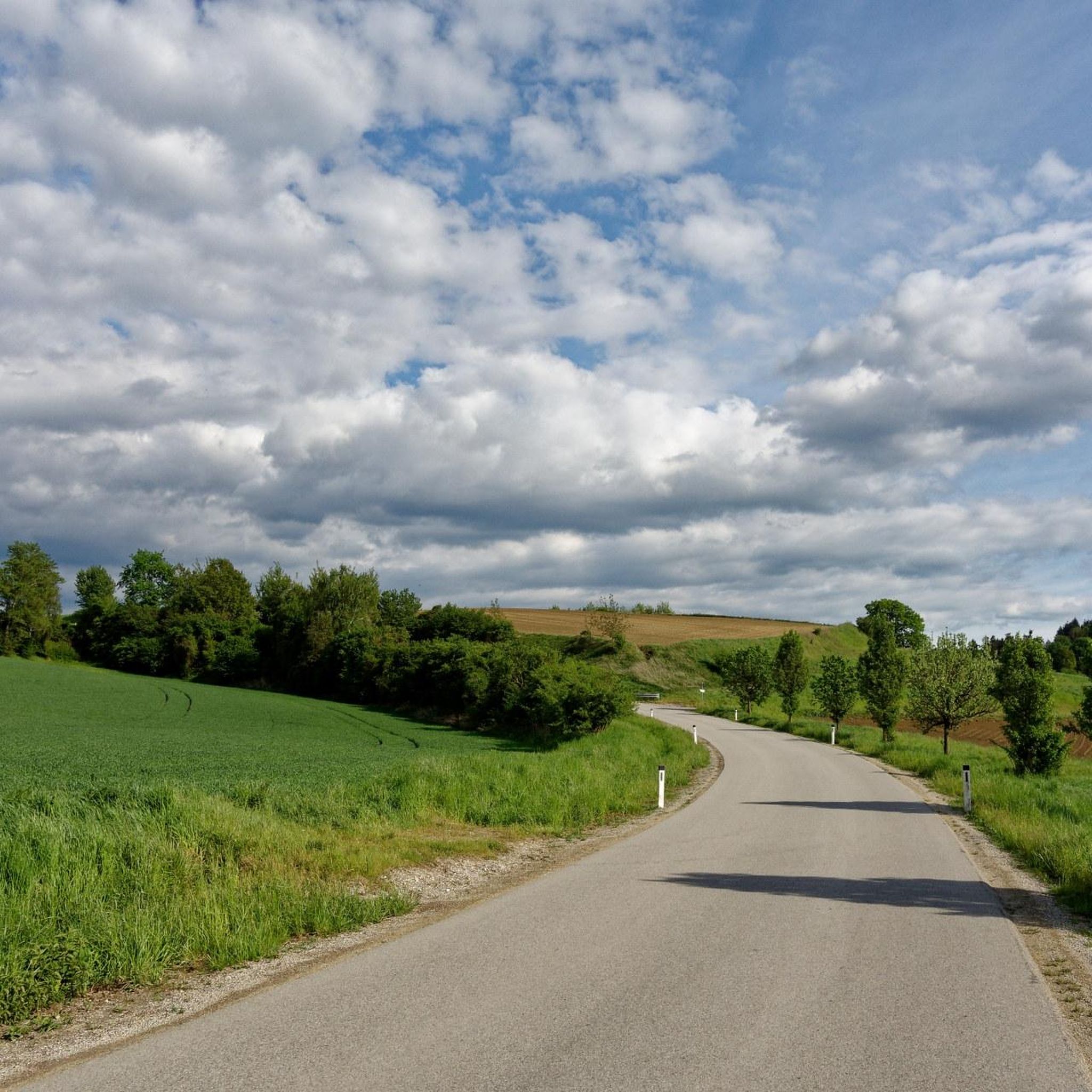
Center of Lower Austria
Highlight • Monument
Translated by Google •
Tip by

Sign up now to discover places like this
Get recommendations on the best single tracks, peaks, & plenty of other exciting outdoor places.
Sign up for free
LIFE+ Traisen renaturation
Highlight • River
Translated by Google •
Tip by

Giant Spruce in Brünndlgraben
Highlight • Natural Monument
Translated by Google •
Tip by

Traisen Pottenbrunn Fish Ladder and River Restoration
Highlight • River
Translated by Google •
Tip by

Sign up for free to discover even more natural monuments around Perschling.
Sign up for free
Already have an account?
Start today with a free account
Your next adventure awaits.
Login or Signup
Tips from the Community

a very interesting renaturation project
0
0
The Traisen renaturation was a very interesting project
0
0

The mouth of the Traisen river near Traismauer in Lower Austria is a fascinating example of how technology and nature can successfully come together. Here, the Traisen river meets the Danube, but it wasn't always as idyllic as it is today. Originally, the Traisen flowed into the Danube about 7.5 kilometers further upstream. With the construction of the Altenwörth Danube power plant in the 1970s, everything changed: As the water level of the Danube was raised for the power plant, the Traisen could no longer flow naturally. Therefore, a completely new riverbed had to be dug for it.
1
0

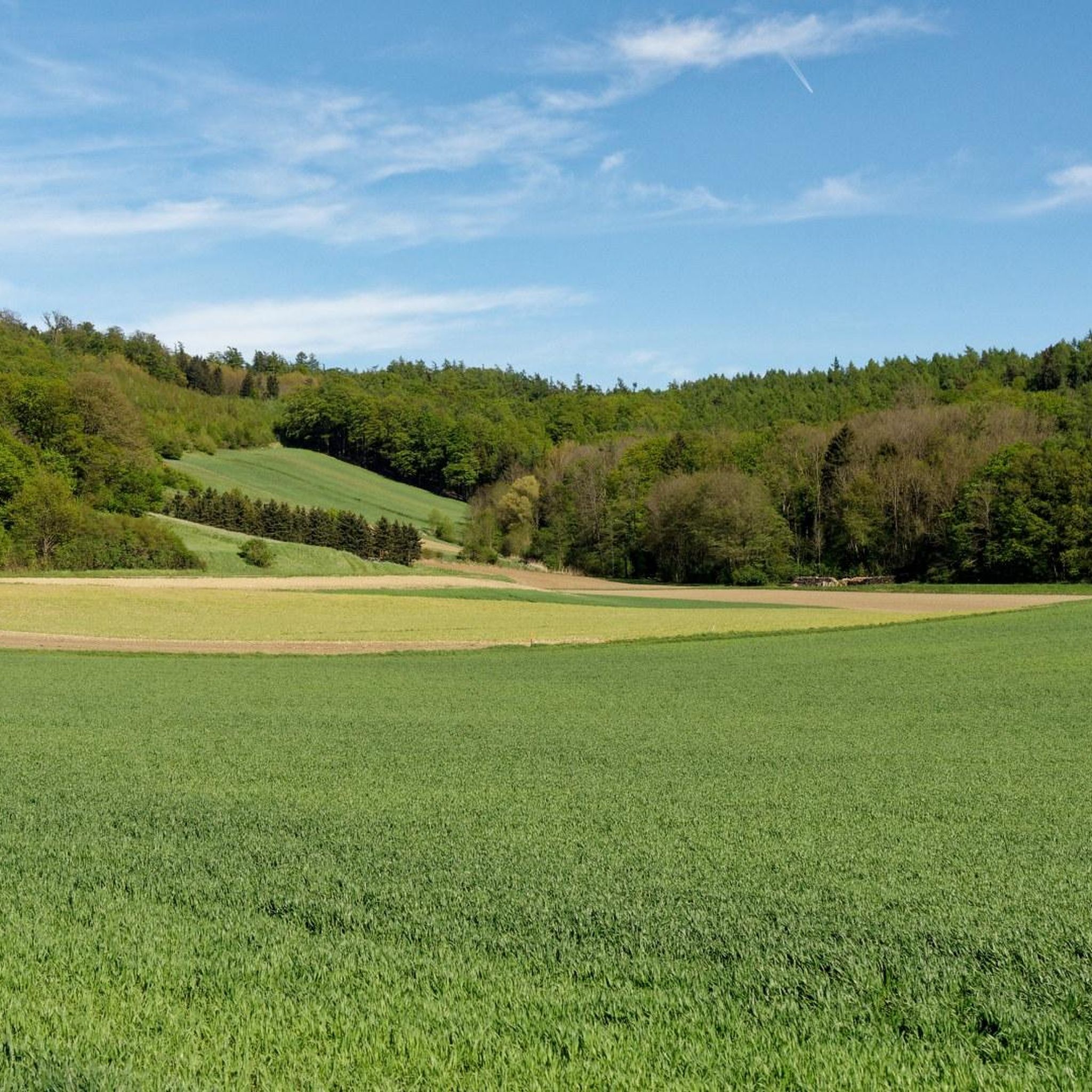
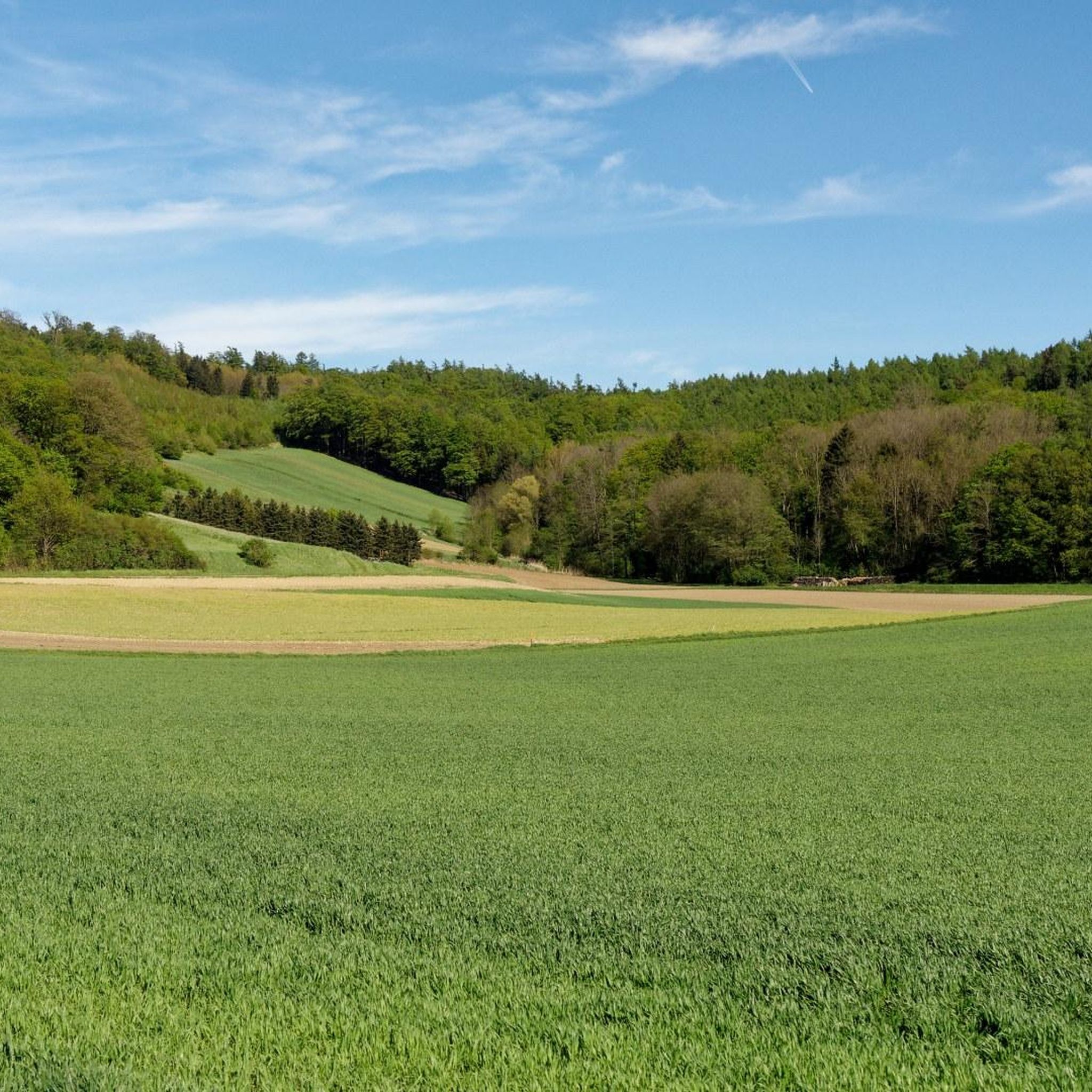
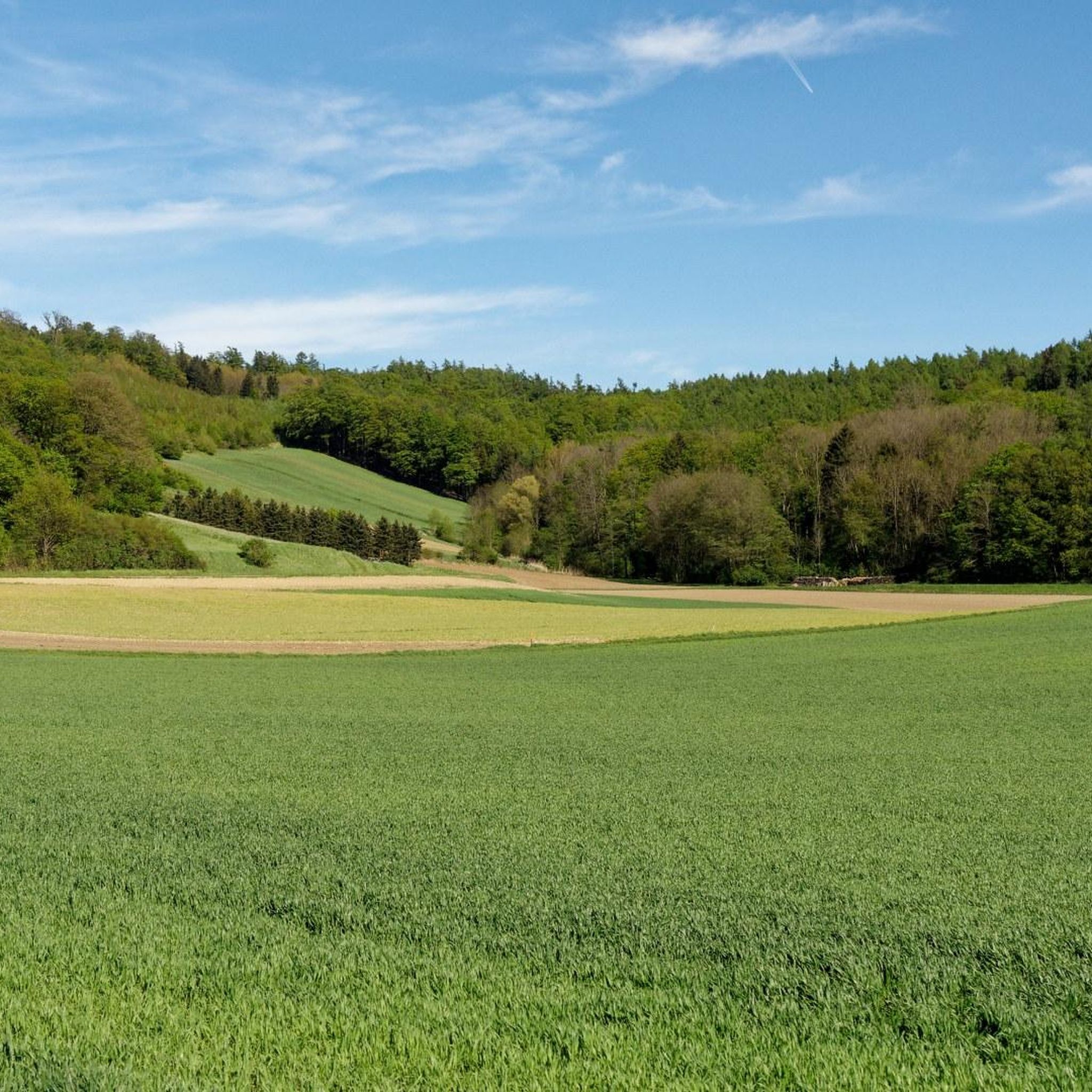
Near Pottenbrunn, the Traisen River underwent comprehensive revitalization as part of a water management pilot project. The aim was to restore the river's natural structure and improve its connectivity for aquatic life. This involved redesigning weirs, constructing near-natural bypass channels and fish ladders, and widening the riverbed. Banks were flattened and ecologically enhanced through the creation of side channels, islands, and shallow water zones. These measures not only improved the river's ecological condition but also promoted natural flood retention areas and enhanced the landscape and recreational opportunities along the Traisen.
2
0

Power station in Haspelwald
1
0

It's a pity that there is no catering here anymore😌
0
0

The LIFE+ Traisen project was one of the largest renaturation projects in Austria and was implemented between 2009 and 2019. The aim was to transform the previously straightened lower reaches of the Traisen into a near-natural floodplain landscape. This resulted in a new, meandering river course with diverse bank structures and wetlands over a length of around 9.4 kilometers. This created valuable habitats for numerous animal and plant species, including endangered species. The implementation required extensive earthworks, in which large quantities of gravel and sediment were moved to create still waters and shallow water zones. The cost of the project was around 30 million euros and was financed by various public and private partners.
5
0
Frequently Asked Questions
What are the main natural features of the Perschling valley?
The Perschling valley is characterized by its naturally meandering old river course, expansive meadows, and agricultural fields. It is bordered by wooded hills to the south, like the Frauenberg, and loess-covered ridges to the north, such as the Seelackenberg. Geologically, it's a transition zone between the Alpine foothills and loess landscapes.
What unique wildlife can be found in the Perschling river area?
The old course of the Perschling river is ecologically significant as a rare 'Potamal' (lowland river) type. It harbors a 'relict fauna' of mussels and crayfish, including numerous Red List species. Notably, it is home to a valuable population of the protected Unio crassus mussel, making it a vital habitat for biodiversity conservation.
Are there any significant historical or geological aspects to the natural monuments in Perschling?
Yes, the contrast between the old, natural river course and the straightened flood channel built in the 1920s offers a tangible example of human intervention in the landscape. Furthermore, recent archaeological discoveries in Langmannersdorf have unearthed significant mammoth bones and stone tools dating back approximately 25,000 years, indicating the Perschling valley was a migratory and grazing area for mammoths during the Ice Age.
Where can I find panoramic views of the Perschling landscape?
For extensive panoramic views of the Perschling landscape and the Tullnerfeld, you can visit the Schusterberg near Ebersdorf. Additionally, the Center of Lower Austria near Kapelln an der Perschling offers a viewing point.
What other natural monuments are worth visiting near Perschling?
Beyond the old Perschling river course, you can explore the Mouth of the Traisen River at the Danube, which showcases a renatured floodplain landscape. The LIFE+ Traisen renaturation project is Austria's largest renaturation area, creating valuable habitats. You might also visit the Traismauer ecological showcase area, which combines flood protection with nature conservation.
Are there hiking trails near the natural monuments in Perschling?
Yes, the region offers various hiking opportunities. You can find easy routes like the Hiking loop from Kapelln or the Church in St. Pölten loop from Kapelln. For more options, explore the Hiking around Perschling guide.
What other outdoor activities can I do around the natural monuments?
Besides hiking, the area is suitable for cycling and mountain biking. You can find various routes, such as the Parish Church of Böheimkirchen – Bridge over the Stössingbach loop from Perschling for cycling, or the Schloss Atzenbrugg – Memorial Cross at Schusterberg loop for mountain biking. Check the MTB Trails around Perschling and Cycling around Perschling guides for more details.
Are the natural monuments around Perschling suitable for families?
Many natural monuments and areas in the Perschling region are family-friendly. For example, the Mouth of the Traisen River at the Danube, the Center of Lower Austria, and the Traismauer ecological showcase area are all noted as suitable for families. The easy hiking trails also make it accessible for family outings.
Can I bring my dog to the natural monuments and trails in the Perschling area?
Generally, dogs are welcome on trails and in natural areas around Perschling. However, it's always advisable to keep them on a leash, especially in areas with wildlife or near agricultural fields, and to clean up after them to ensure a pleasant experience for all visitors and to protect the local environment.
What is the best time of year to visit the natural monuments in Perschling?
The natural monuments in Perschling can be enjoyed throughout the year. Spring and autumn offer pleasant temperatures for hiking and cycling, with vibrant flora and fauna. Summer is ideal for longer outdoor activities, while winter can provide a peaceful, scenic experience, though some paths might be less accessible depending on snow conditions.
Are there cafes or restaurants near the natural monuments in Perschling?
While specific establishments are not listed in the guide data, the villages and towns within the Perschling region, such as Kapelln an der Perschling, offer local cafes and restaurants where you can find refreshments and meals after exploring the natural monuments.
How long should I plan for a visit to the natural monuments in Perschling?
The duration of your visit depends on what you wish to see and do. A short visit to a specific highlight like the Giant Spruce in Brünndlgraben or the Center of Lower Austria might take an hour or two. For exploring the old Perschling river course or undertaking a hiking or cycling tour, you could easily spend half a day or a full day.
Most popular routes around Perschling
Most popular attractions around Perschling

Get inspired with the komoot mobile app


Explore more
Extend your search for the best caves by checking out these guides of the top ones around Perschling:
