Top 8 Natural Monuments around Markersdorf-Haindorf
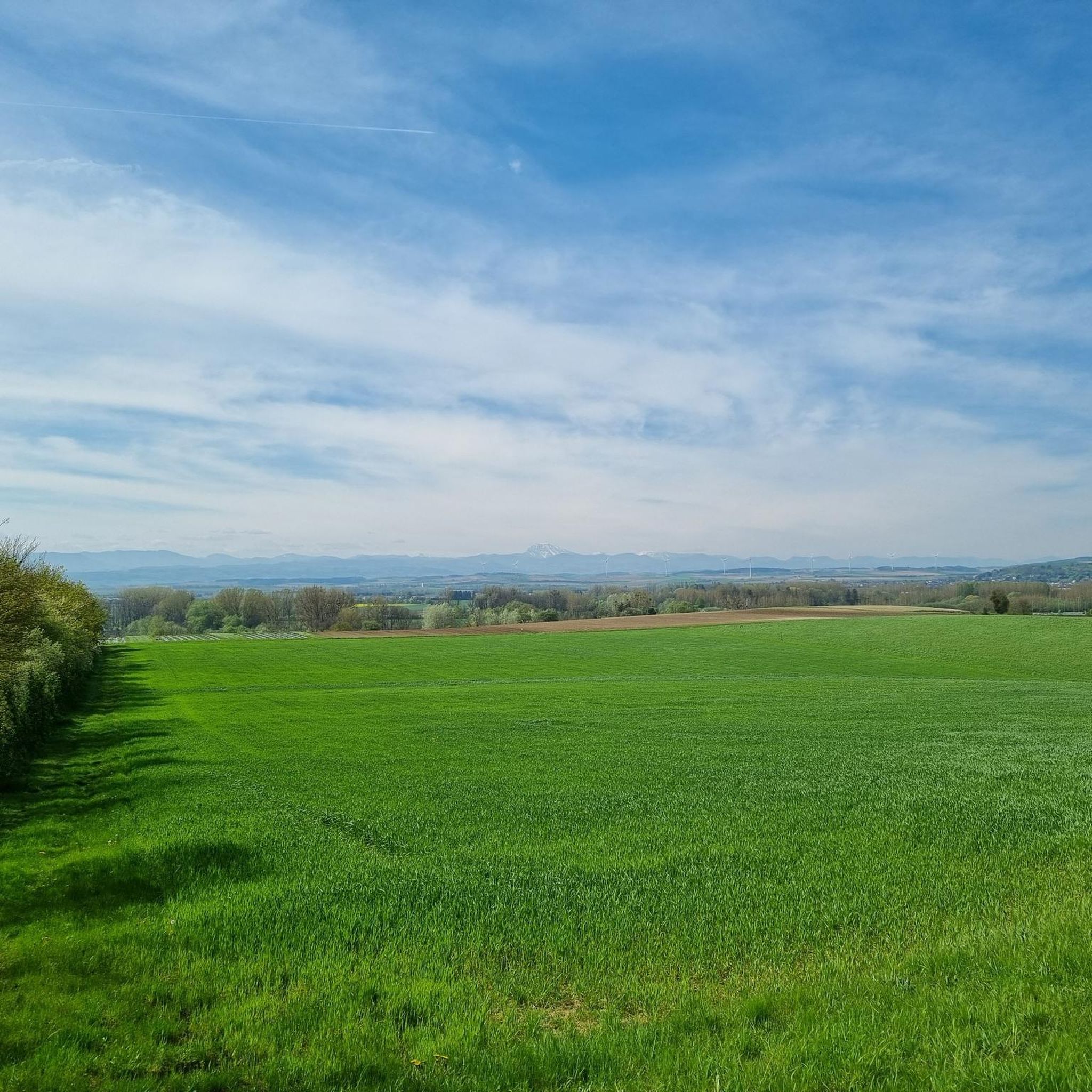
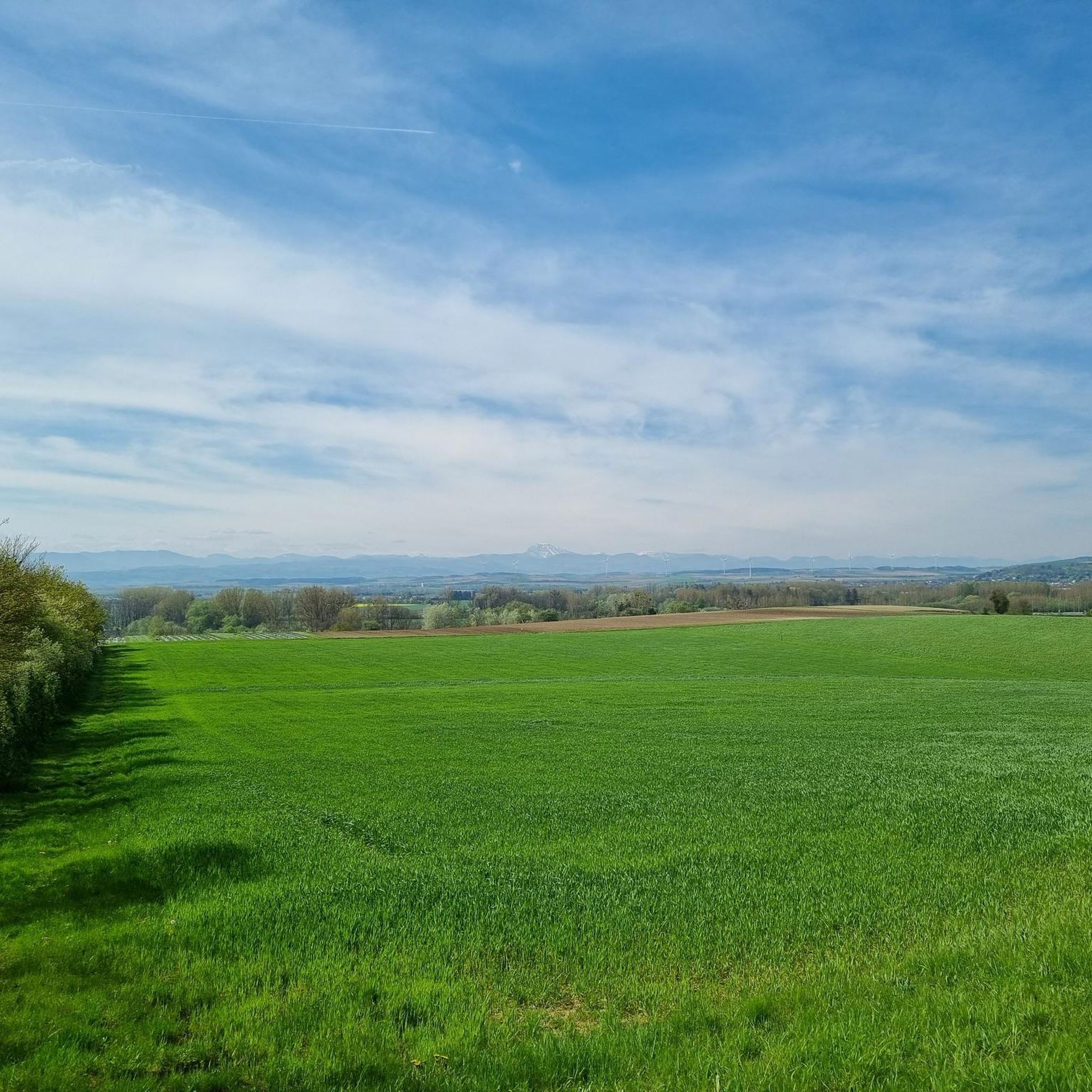
Best natural monuments around Markersdorf-Haindorf are found within the tranquil Pielach Valley in Lower Austria, characterized by rolling hills, forests, and meadows. This region offers a serene natural environment suitable for outdoor activities. While specific natural monuments are not extensively detailed, the area features notable natural attractions that contribute to its scenic beauty. The landscape provides opportunities for hiking and cycling, making it a destination for those seeking natural settings.
Best natural monuments around Markersdorf-Haindorf
- The most popular natural monument…
Last updated: July 8, 2026
Holy Trinity Column (Dreifaltigkeitssäule), St. Pölten
Highlight • Monument
Translated by Google •
Tip by

Windfänger Fountain Sculpture, Europaplatz
Highlight • Monument
Translated by Google •
Tip by

Sign up now to discover places like this
Get recommendations on the best single tracks, peaks, & plenty of other exciting outdoor places.
Sign up for free
Wachau World Heritage Site
Highlight (Segment) • Historical Site
Translated by Google •
Tip by

Hamesberg with summit cross
Highlight • Summit
But the view is really nice and a little to the side at the end of the …
Translated by Google •
Tip by

Kreuzstein
Highlight • Natural Monument
Showing Translation
Tip by

Sign up for free to discover even more natural monuments around Markersdorf-Haindorf.
Sign up for free
Already have an account?
Start today with a free account
Your next adventure awaits.
Login or Signup
Tips from the Community

On the website for the television series – which is unreservedly recommendable from my point of view – 'Treasures of the World – Heritage of Mankind', it says: 'The Wachau is, first and foremost, a roughly 30 km long Danube breakthrough between Melk and Krems in Lower Austria. The river forms a narrow rocky valley here. A landmark of the Wachau and actually the staging of this landscape is Melk Abbey ...' The quarter-hour contribution about this highlight, which has been awarded the 'World Heritage' designation by UNESCO, can be accessed in the ARD media library via the following link =>> https://www.ardmediathek.de/video/schaetze-der-welt/die-wachau-oesterreich-folge-282/swr/Y3JpZDovL3N3ci5kZS82ODcyNjk0
0
0
Faced with such a Cross, which we can not only look at, but also allow Jesus Christ to look at us – each of us very personally and individually – I would like to briefly offer a thought from the Holy Father, Pope Leo XIV, for spiritual contemplation: “Having become our brother, the Son of God looks at people, looks at humanity… Jesus sees and loves. He loves and suffers for us, with us: His mercy expresses not only brotherly closeness, but the will for salvation.”
0
0


A really good place
1
0

The Windcatcher fountain sculpture has stood in Europaplatz in St. Pölten since 2024. Erected as a new landmark as part of the square's redesign, it replaces the previous fountain. The sculpture consists of approximately 16,000 handmade bricks and forms an open rotunda equipped with an irrigation system. This system provides cooling through cascading water and evaporation, improving the microclimate. Inside, a tree is surrounded by a bench. The structure also reduces noise and particulate matter, and provides habitat for birds and insects. The design combines ecological function with a pleasant public space and was implemented with the participation of the local community, who were able to symbolically sponsor individual bricks. The Windcatcher thus represents climate awareness, sustainability, and social cohesion.
2
0

"The large-scale fountain sculpture offers, on the one hand, a place of retreat and lingering at this busy traffic intersection, thanks to its structural design, and on the other hand, the object is designed in such a way that its special brick structure creates a space that is permeable to air and light," says the Graz-based artist collective "Breath Earth Collective", who will implement the project.
3
0

The Holy Trinity Column was built in the 18th century (1714-1782) to thank for the end of the plague epidemic. It is an excellent example of Baroque art and symbolizes the triumph of the Holy Trinity. Take time to look at the ornate details of the column, the sculptures of the saints and the inscriptions that testify to the history of the city and its religious tradition. Notice the fine details of the column created by local artists and sculptors. The central group of figures represents the Holy Trinity surrounded by angels and Saints Sebastian, Rochus and Charles Borromeo, who were venerated as patron saints against the plague. The column is richly decorated and is an example of the Baroque splendor that was popular in Austria at the time.
0
0

Foundation dug in 1753/54, foundation stone laid for the column in 1768, which was erected by the citizens on the basis of a vow to be spared from war, earthquakes, fire and epidemics by the Trinity; in 1755 a basic concept already existed, which was approved by K. Maria Theresia; 1759 marble deliveries from Lilienfeld for the fountain basin, which was not placed on the town hall square until 1766; 1767 contract with St. Pölten sculptor Andree Gruber; 1768 ceremonial laying of the foundation stone; construction progress repeatedly delayed, 1769 up to the main cornice finished, 1774 another contract with Gruber for work up to the pyramid, completed in 1782
0
0
Frequently Asked Questions
What natural features can I explore around Markersdorf-Haindorf?
The region offers a variety of natural features, including the tranquil Pielach Valley with its rolling hills and forests, and the scenic Danube Sandbanks, where the river has formed gravel and sand banks. You can also find the inviting Ebersdorfer Lake, perfect for relaxation.
Are there any historical or cultural natural monuments to visit?
Yes, the area features several sites with cultural significance. The Holy Trinity Column (Dreifaltigkeitssäule), St. Pölten, is an 18th-century Baroque monument with ornate details and sculptures. Additionally, parts of the Wachau World Heritage Site, known for its historical and natural beauty, are also nearby.
What are some family-friendly natural monuments in the region?
The Pielach Valley is ideal for families, offering child-friendly paths and resting areas. The Danube Sandbanks are also considered family-friendly, providing a unique river landscape to explore. The Ebersdorfer Lake is freely accessible and offers a pleasant spot for relaxation for all ages.
What is the best time of year to visit the natural monuments around Markersdorf-Haindorf?
The best seasons for visiting are spring, when the flowers are in bloom, and autumn, when the foliage displays warm, vibrant colors. These seasons offer pleasant weather for outdoor activities like hiking and cycling.
Are there hiking opportunities near these natural monuments?
Absolutely. The Pielach Valley is excellent for hiking, and you can find various trails around Markersdorf-Haindorf. For specific routes, check out the Hiking around Markersdorf-Haindorf guide, which includes options like the 'Fischer Cross - Old Oak' loop or the 'Hiking loop from Hafnerbach'.
What kind of cycling routes are available near the natural monuments?
The Pielach Valley is well-suited for cycling, offering tranquil landscapes. You can find road cycling routes in the area, such as those detailed in the Road Cycling Routes around Markersdorf-Haindorf guide, including longer tours like the 'Jauerling Observation Tower – Melk Abbey loop'.
Where can I find impressive views of the landscape?
For expansive views, consider visiting Hamesberg with summit cross. It offers a great panorama of the surrounding area. The Dunkelstein Summit Cross, though slightly outside the immediate area, also provides rewarding vistas from its 625-meter elevation.
Are there any natural monuments that are easily accessible?
The Ebersdorfer Lake is freely accessible and offers a pleasant spot to linger. The Holy Trinity Column (Dreifaltigkeitssäule), St. Pölten, and the Windfänger Fountain Sculpture, Europaplatz, are also noted as wheelchair accessible.
What do visitors particularly enjoy about the natural monuments here?
Visitors appreciate the serene natural environment of the Pielach Valley, ideal for recreation. Highlights like Hamesberg with summit cross are loved for their great views and the presence of a summit book. The Danube Sandbanks are admired for showcasing the Danube as a 'master builder' of the river landscape.
Are there any circular walks that include natural monuments?
Yes, several circular hiking routes are available in the vicinity. For example, the 'Hiking loop from Hafnerbach' is an easy option, and the 'Parish Church of Haunoldstein loop from Haunoldstein' offers a moderate circular walk. You can find more details in the Hiking around Markersdorf-Haindorf guide.
Where can I relax and enjoy the natural surroundings?
The Ebersdorfer Lake is highlighted as a pleasant place to linger and relax, with a restaurant nearby. The Pielach Valley itself, with its meadows and woodlands, provides a tranquil setting for simply enjoying the fresh air.
Most popular routes around Markersdorf-Haindorf
Most popular attractions around Markersdorf-Haindorf

Get inspired with the komoot mobile app


Explore more
Extend your search for the best caves by checking out these guides of the top ones around Markersdorf-Haindorf:
