Top 20 Natural Monuments around Grafenegg
Natural monuments around Grafenegg include the 32-hectare Schloss Grafenegg park, which offers a diverse natural experience. This area features a variety of flora and fauna, including rare trees, extensive meadows, and natural water bodies. The park integrates architectural elements and art installations, blending nature, history, and culture. Grafenegg nature attractions are managed with ecological practices, contributing to species protection and biodiversity.
Best natural monuments around Grafenegg
- The most popular natural monuments is Zellergraben, a gorge that features loess walls…
Last updated: October 11, 2026
Altenwörth fish pass
Highlight • Structure
Translated by Google •
Tip by

Fountain in Krems City Park
Highlight • Monument
In the park you …
Translated by Google •
Tip by

Sign up now to discover places like this
Get recommendations on the best single tracks, peaks, & plenty of other exciting outdoor places.
Loess terraces – Stein an der Donau
Highlight • Natural Monument
Translated by Google •
Tip by

Zellergraben
Highlight • Gorge
Translated by Google •
Tip by
Silberne Eiche Natural Monument
Highlight • Natural Monument
Translated by Google •
Tip by

Sign up for free to discover even more natural monuments around Grafenegg.
Already have an account?
Start today with a free account
Your next adventure awaits.
Other adventures around Grafenegg

Tips from the Community

Cool loop of water, fun to watch!
2
0

very well done and nice to look at
2
0
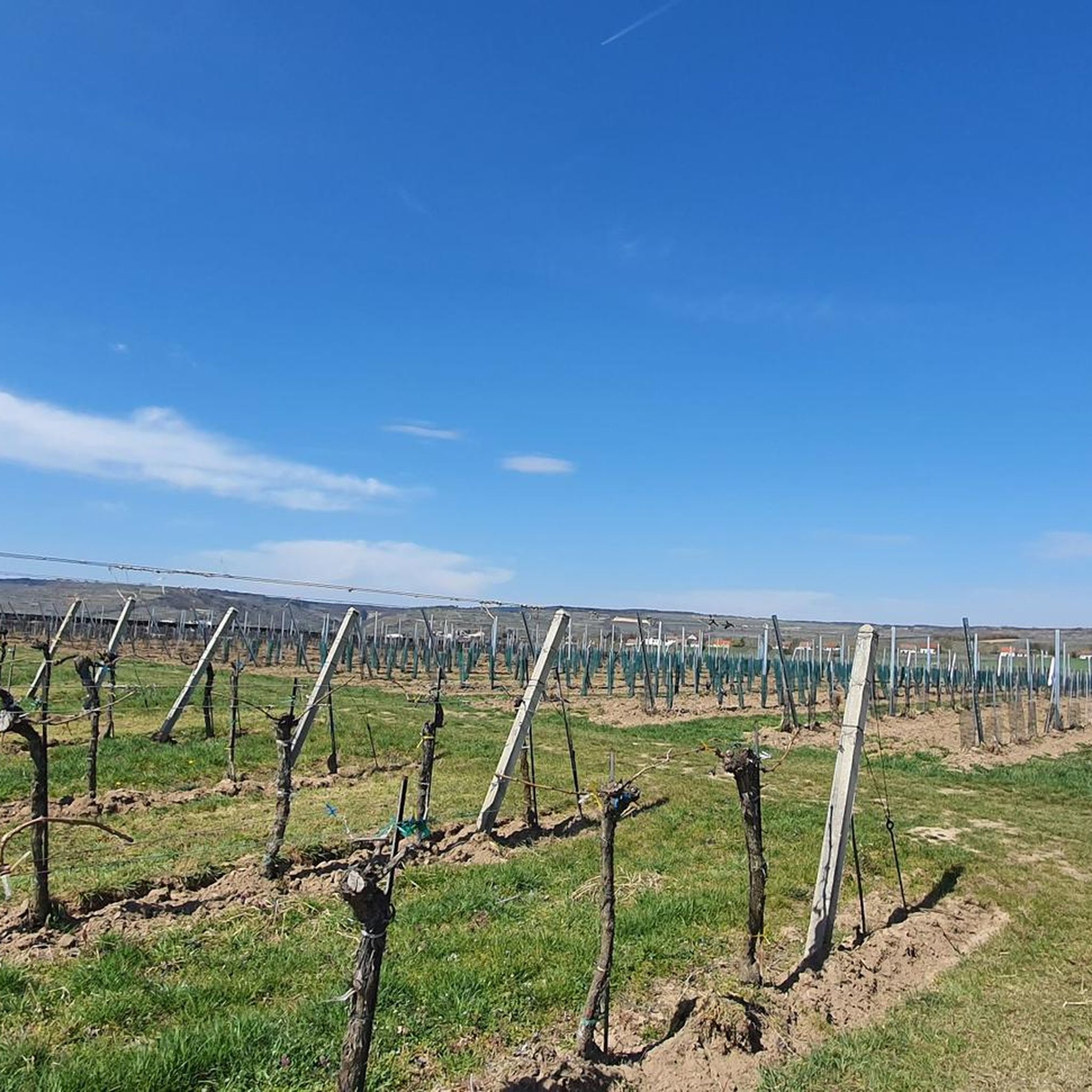
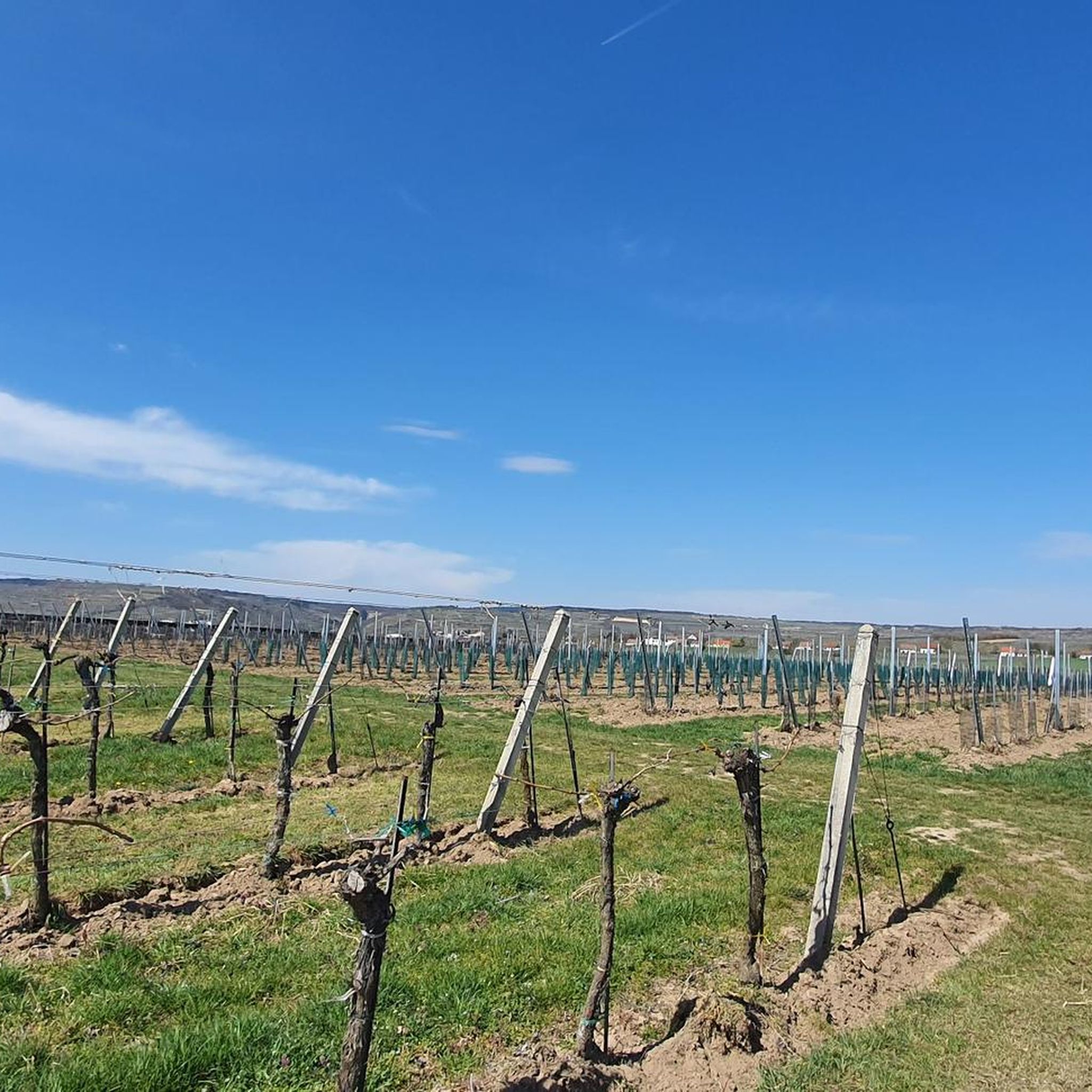
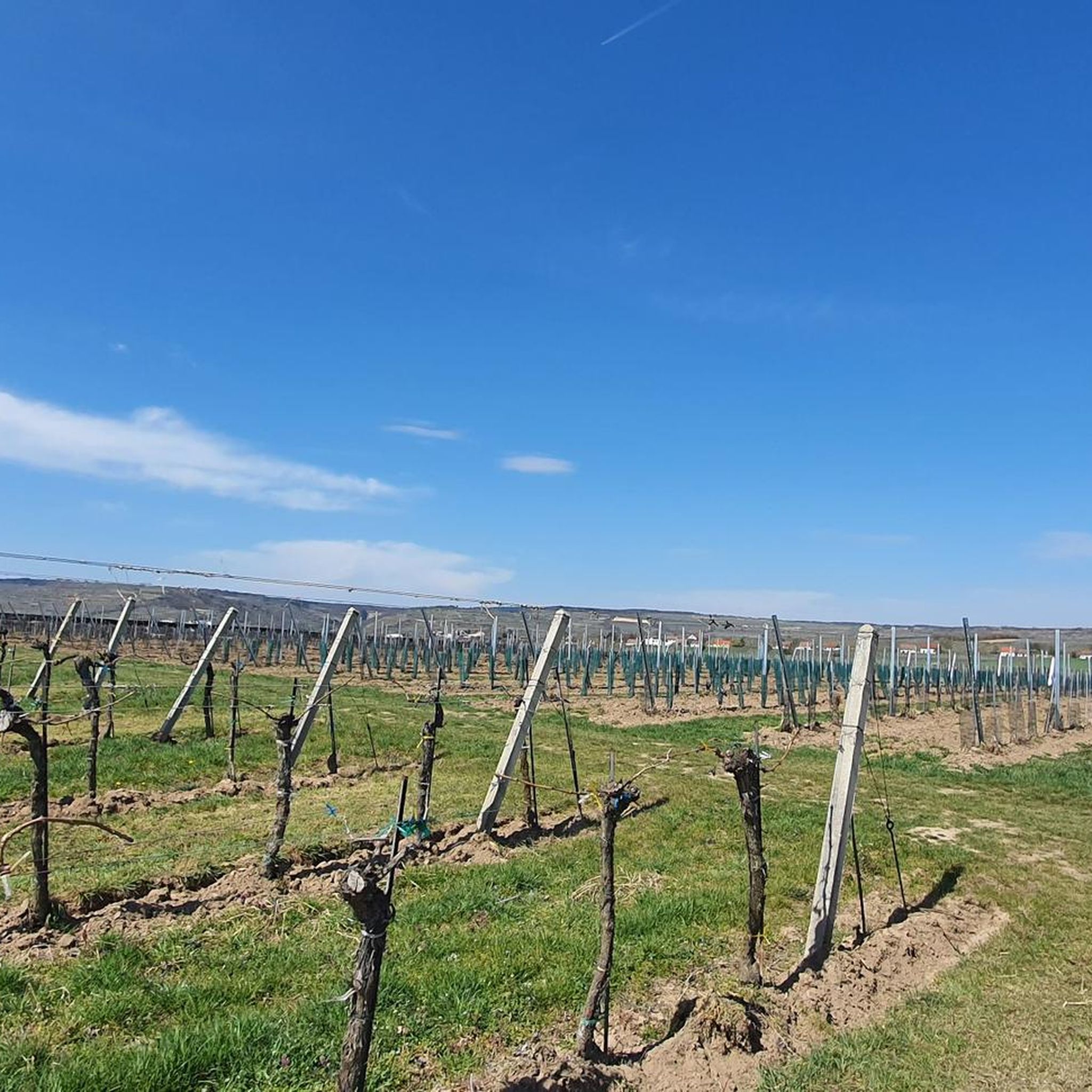
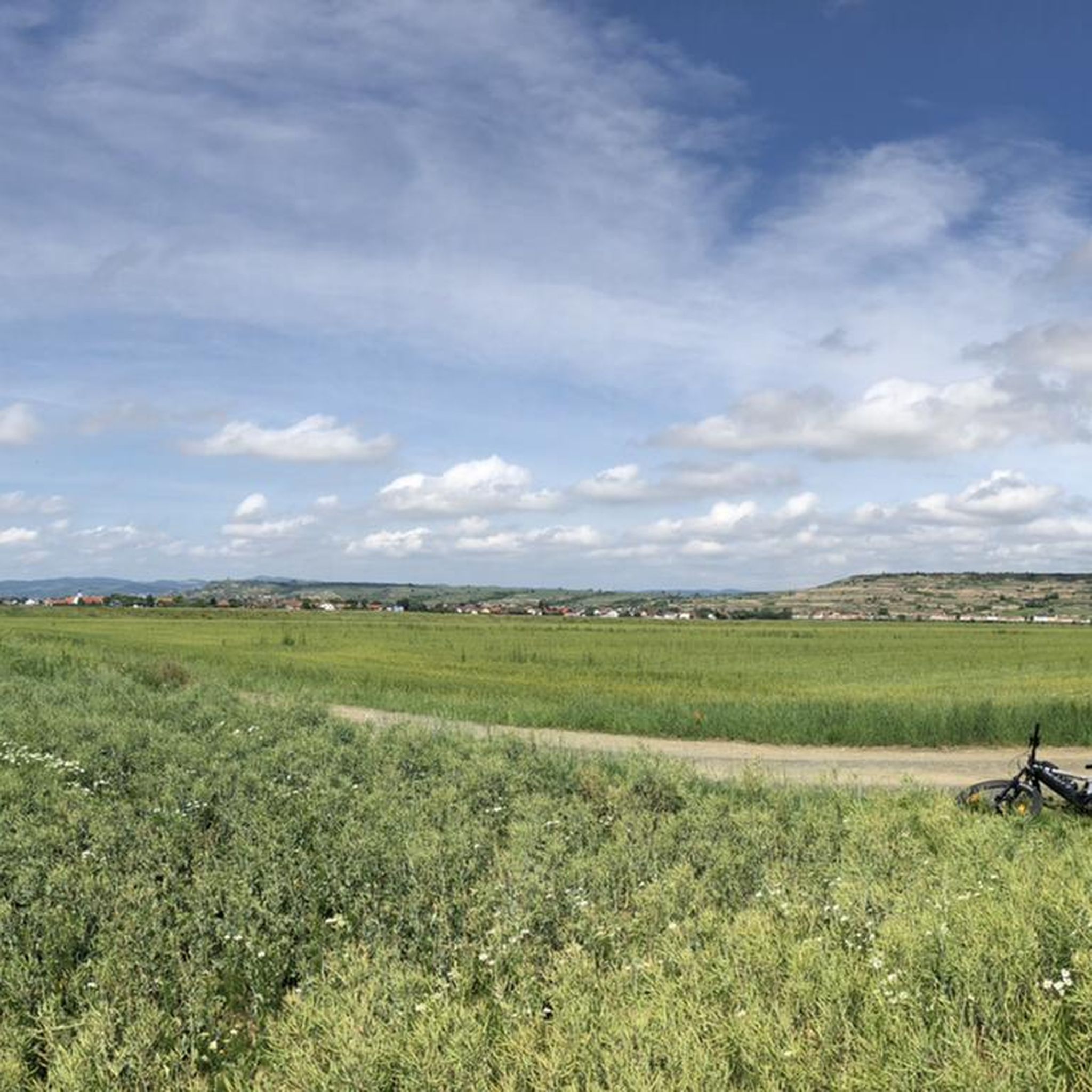
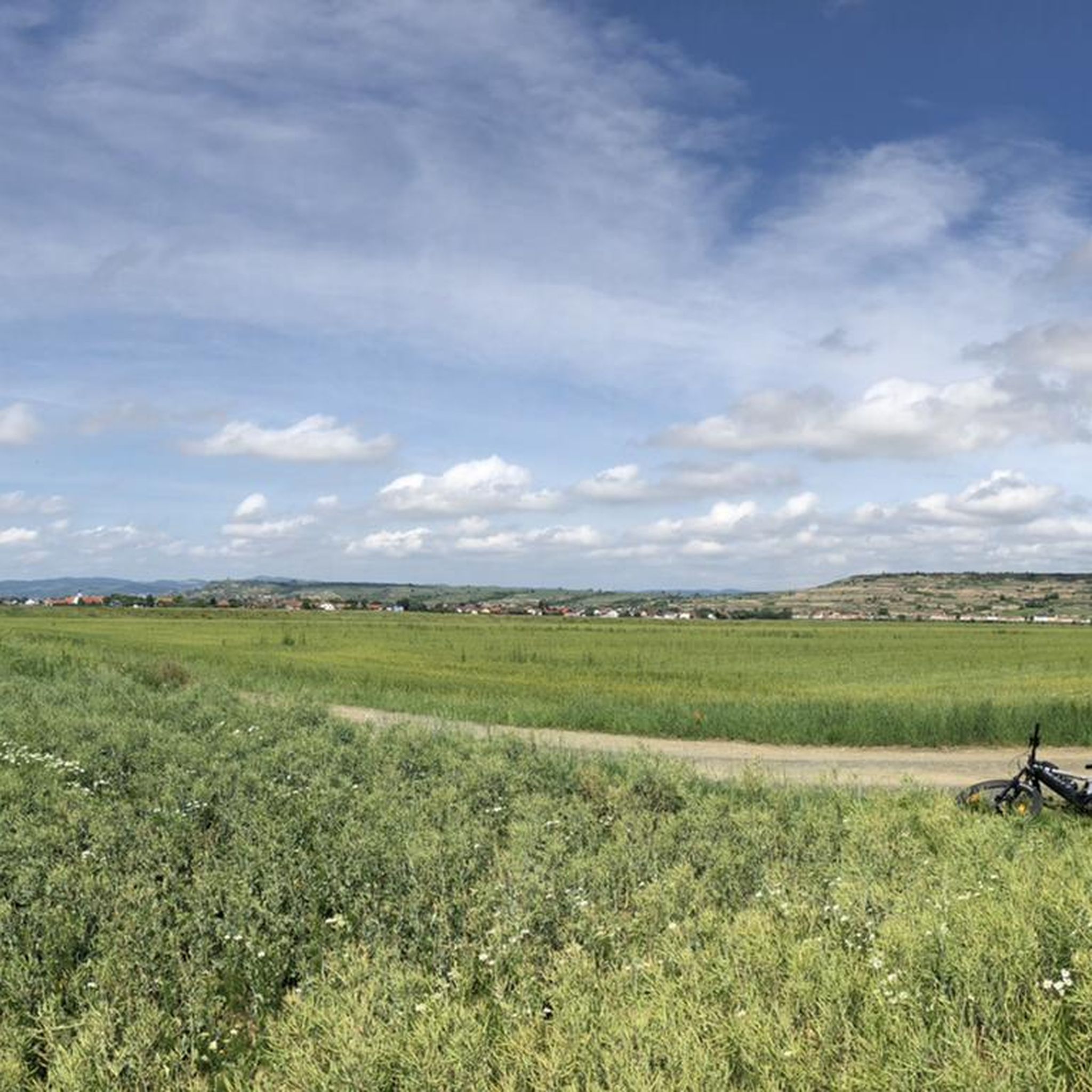
A beautiful wine-growing region crisscrossed by numerous hiking trails. Here, up to the Danube lookout point, you can hike the Great Tullnerfeld Circular Trail 475/675, the Waldviertel Long-Distance Hiking Trail 606, or the Mariazell Trail 06 – all at the same time!
0
0

At approximately 12.5 kilometers, the Altenwörth Fish Bypass is the longest of its kind in Austria and was built between 2019 and 2022 as part of the LIFE Network Danube Plus project. It allows fish such as huchen, schied, and zingel to bypass the Altenwörth Danube power plant and provides a continuous connection to the tributaries, the Kamp and Krems. The near-naturally designed bypass stream, with shallow water zones, gravel banks, and deadwood, also creates new habitats for numerous animal and plant species. The facility is also of interest to cyclists: Along the Danube and its adjacent waterways, natural paths offer views of renaturalized landscapes, small bays, and ecologically valuable rest areas. It is a successful example of how flood protection, energy use, and biodiversity can be reconciled.
3
0
One of Austria's longest fish bypasses was created between Altenwörth and Greifenstein as part of the "LIFE Network Danube Plus" project. The approximately 12.5-kilometer-long, near-naturally designed bypass stream allows fish such as huchen, zebrafish, and schied to migrate freely along the Danube and connects important habitats in the tributaries of the Kamp and Krems. Between 2019 and 2022, approximately 34 hectares of new aquatic areas were created, featuring shallow water zones, gravel banks, and deadwood areas – also for kingfishers, otters, and other protected species. In addition to its ecological benefits, the area is now also attractive to recreational travelers: Along the waterway corridor, natural banks, small bays, and viewpoints invite visitors to linger – a successful example of the combination of nature conservation, water development, and sustainable tourism.
2
0

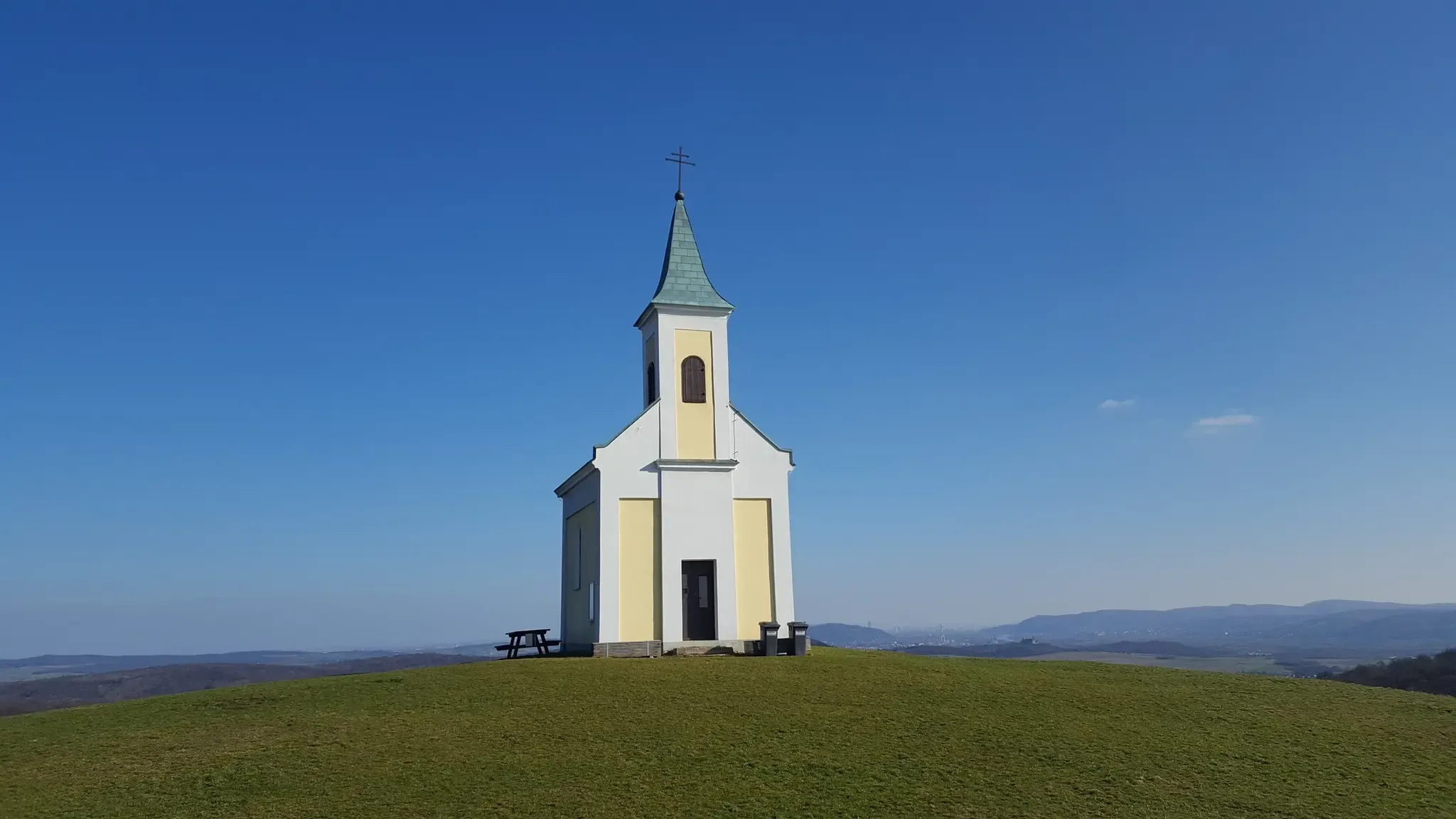
From here you can quickly reach the summit cross of the Manhartsberg!
0
0


Very interesting and beautiful, you just don't see it every day
2
0
Frequently Asked Questions
What types of natural monuments can I explore around Grafenegg?
The region around Grafenegg offers a diverse range of natural monuments, including impressive loess formations like the Zellergraben gorge and the Loess terraces – Stein an der Donau. You can also find renatured river landscapes such as the Mouth of the Traisen River at the Danube, and unique historical trees like the Silberne Eiche Natural Monument.
Are there any family-friendly natural monuments near Grafenegg?
Yes, several natural monuments around Grafenegg are suitable for families. The Zellergraben gorge offers an impressive walk through loess walls, while the Altenwörth fish pass provides opportunities for relaxed cycling. The Mouth of the Traisen River at the Danube is also a great spot for families to enjoy a renatured river landscape.
What is special about the Grafenegg Castle Park?
While not a geological natural monument, the 32-hectare Grafenegg Castle Park is an English landscape garden renowned for its rich biodiversity and ecological commitment. It features hundreds of trees from around the world, extensive flower meadows, and natural water bodies. The park is certified as a 'Green Location' with 100% ecological gardening practices, avoiding pesticides and chemical fertilizers, and integrates art installations with nature.
Can I go hiking or cycling near the natural monuments in Grafenegg?
Absolutely. The region offers various opportunities for outdoor activities. For cycling, you can enjoy relaxed rides near the Altenwörth fish pass. Hiking trails are abundant, especially around the Loess terraces – Stein an der Donau, which connect to the Great Tullnerfeld Circular Trail, Waldviertel Long-Distance Hiking Trail, and Mariazell Trail. For more options, explore the Gravel biking around Grafenegg, Road Cycling Routes around Grafenegg, and MTB Trails around Grafenegg guides.
What makes the Zellergraben a significant natural monument?
The Zellergraben is considered the most beautiful ravine in the municipality of Furth. It's a roughly one-kilometer-long loess gorge with impressive walls up to twelve meters high. These unique loess formations not only create a stunning landscape but also provide a vital habitat for various animal and bird species. The Wachau World Heritage Trail also runs through this area.
What is the historical significance of the Silberne Eiche Natural Monument?
The Silberne Eiche Natural Monument is protected due to a local legend. It's said that during the Thirty Years' War, a disgraced Swedish officer hid in its branches to escape being shot. In gratitude, he later shot a silver bullet into the tree, which some rumors claim is still hidden beneath a root. The oak also features a statuette of the Holy Mary and is located near the Manhartsberg summit.
Are there viewpoints to enjoy scenic landscapes among the natural monuments?
Yes, several natural monuments offer excellent viewpoints. The Loess terraces – Stein an der Donau feature hiking trails that lead to a beautiful Danube lookout point. Additionally, the Mouth of the Traisen River at the Danube provides an impressive perspective on the renatured river landscape, perfect for relaxing and observing.
What is the ecological importance of the Mouth of the Traisen River at the Danube?
The Mouth of the Traisen River at the Danube represents Austria's largest restoration project, transforming a former river engineering mistake into a vibrant floodplain landscape. This renaturation project created still waters and shallow areas over 150 hectares, significantly improving the habitat for numerous native animal species and rectifying past ecological damage.
What do visitors particularly enjoy about the natural monuments around Grafenegg?
Visitors appreciate the diverse natural beauty and the opportunities for recreation. Many find the impressive loess walls of the Zellergraben captivating and enjoy the relaxed cycling along the Altenwörth fish pass. The renatured landscapes, like the Mouth of the Traisen River at the Danube, are often described as impressive and ideal for relaxation.
Are there any natural monuments that are also historical sites?
Yes, the Silberne Eiche Natural Monument is a prime example, combining natural protection with historical legend. Its story dates back to the Thirty Years' War, making it a site of both natural beauty and cultural heritage. The Grafenegg Castle Park itself also blends natural landscapes with historical architecture and art.
What kind of terrain can I expect on trails near the natural monuments?
The terrain varies. For instance, the Zellergraben involves walking through a gorge with high loess walls. Trails around the Loess terraces – Stein an der Donau are generally stable loess formations, suitable for hiking. For specific trail difficulties and terrain details, it's recommended to check the individual route descriptions in the Gravel biking, Road Cycling, and MTB Trails guides.
Most popular routes around Grafenegg
Most popular attractions around Grafenegg

Get inspired with the komoot mobile app


Explore more
Extend your search for the best caves by checking out these guides of the top ones around Grafenegg:
