Top 12 Natural Monuments around Allentsteig
Best natural monuments around Allentsteig include a diverse range of natural features in the Waldviertel region of Lower Austria. This area is characterized by its natural beauty, offering a variety of landscapes from reservoirs with fjord-like arms to unique granite formations. The region provides opportunities to explore geological wonders, wooded areas, and significant natural landmarks. There are 12 natural monuments around Allentsteig to discover.
Best natural monuments around Allentsteig
- The most popular natural monument is Predigtstuhl Summit (718 m),…
Last updated: June 24, 2026
Predigtstuhl Summit (718 m)
Highlight • Summit
Translated by Google •
Tip by

Bründlkirche and Lourdes Grotto
Highlight • Religious Site
Translated by Google •
Tip by

Sign up now to discover places like this
Get recommendations on the best single tracks, peaks, & plenty of other exciting outdoor places.
Sign up for free
Bründl Chapel and the Healing Spring
Highlight • Religious Site
In the summer months of July and August there is a mass every Thursday at 8 a.m.
In addition, there are festive …
Translated by Google •
Tip by
Riesenstein Rock in the Kamp River
Highlight • Natural Monument
Translated by Google •
Tip by

Fischstein Rock Formation
Highlight • Natural Monument
Translated by Google •
Tip by
Sign up for free to discover even more natural monuments around Allentsteig.
Sign up for free
Already have an account?
Start today with a free account
Your next adventure awaits.
Login or Signup
Tips from the Community

The old cult object, a statue of the Virgin with Child, has now been displaced by the construction of a Lourdes grotto and a statue of Our Lady of Lourdes. To the left of the grotto stands Saint Francis of Assisi in a semicircular niche. The statue depicts the saint in his characteristic brown habit, accompanied by an ox. He carries a crozier and holds a book, referring to his role as a religious role model and founder of an order. In the ivy-covered Lourdes grotto stands a statue of the Virgin of Lourdes. She wears a white dress with a blue sash. To the right of the grotto stands Saint Florian in a semicircular niche. He is depicted as a Roman soldier with armor, a cloak, and a spear.
0
0

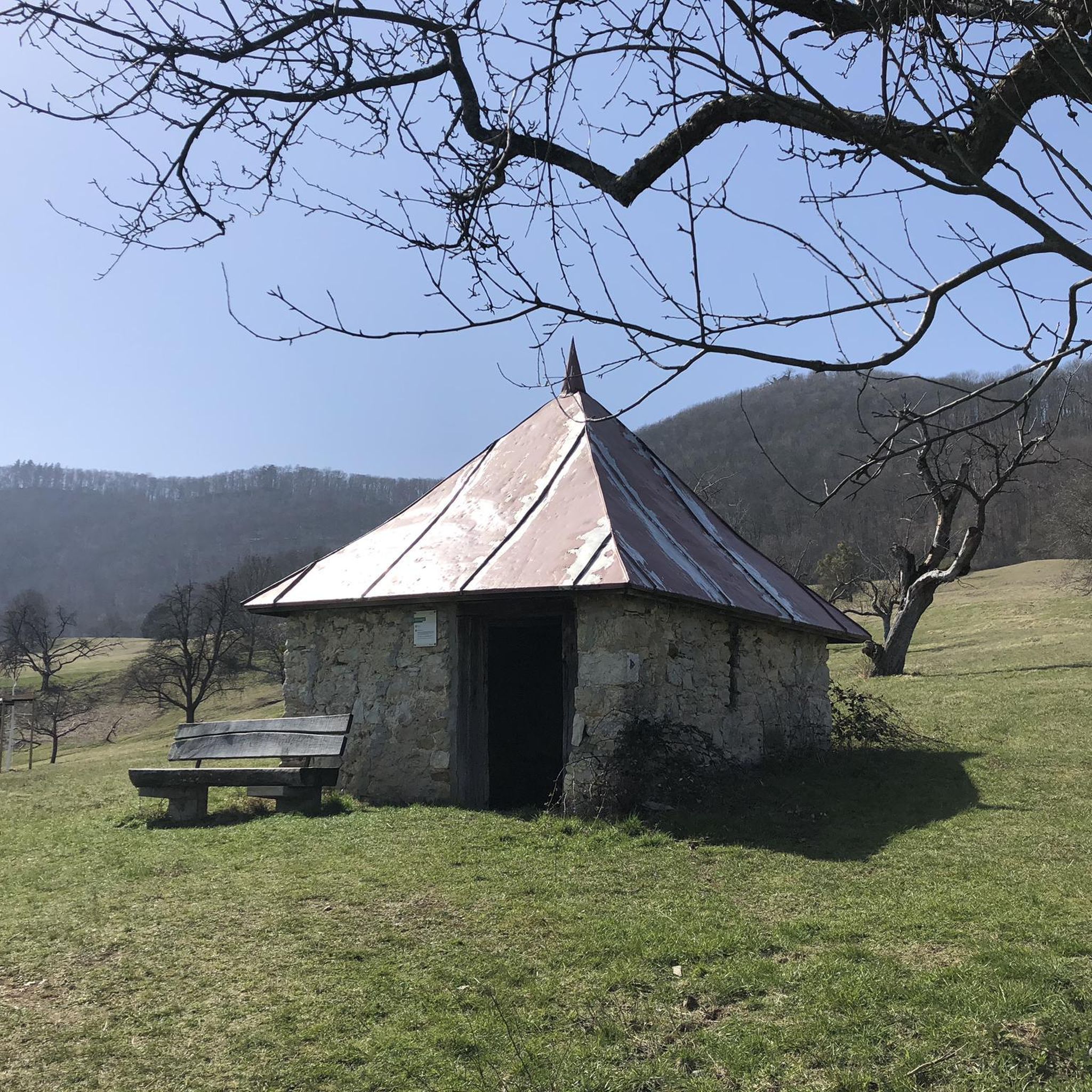
A wooden chapel has been documented here at the Bründl since 1770 - this was replaced by a stone building in 1846 and expanded in 1896.
0
0

On the eastern slope of the mountain that once supported the parish church and possibly also the castle of Zwettl, today's Propsteiberg, rises a very rich spring, of which the legend tells us that a long time ago shepherds found a statue of the Virgin Mary in the water of the spring . Originally a wayside shrine was built, then a marterl, which was then replaced by a wooden chapel. The spring, which was considered to have healing properties, attracted ever larger groups of pilgrims, so that in 1846 a brick chapel with a tin roof was built. The number of pilgrim groups making pilgrimages to the spring continued to increase, so that Pastor Anton Trajer decided to build a church near the spring. Actively supported by many donors and sponsors, it was built in 1896/97 and ceremoniously consecrated on July 18, 1897. A nave with a facade tower was built in front of the old chapel, which now formed the presbytery of the new church. A Lourdes grotto was created under the wide porch resulting from the church's construction.
0
0
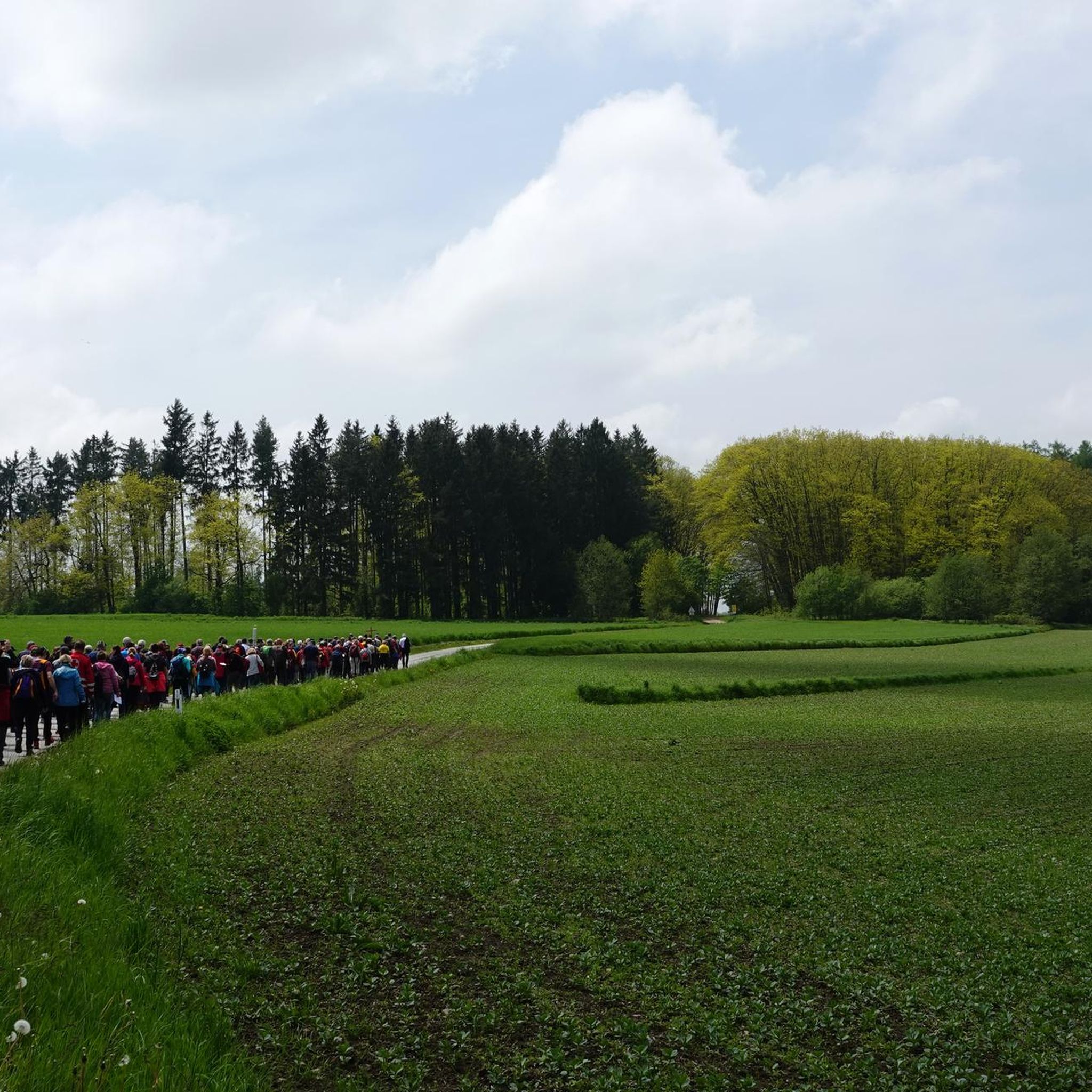
One of the few rock formations in front of the preaching chair
0
0
A graceful, beautiful chapel
0
0
A great hiking destination that you can hike to in many variations.
1
1
“A giant once carried a stone down from the mountain. As he was wading through the Kamp River, the heavy stone fell into the water. Despite his best efforts, the giant was no longer able to lift the stone out. Since then the rock has been in the camp.”
1
0

The name is taken from the book "Der Predigtstuhl - The mystical guardian of the Waldviertel" by Gabriele Wanko.
0
0
Frequently Asked Questions
What are some of the most popular natural monuments to visit around Allentsteig?
Visitors frequently enjoy the Predigtstuhl Summit (718 m), which is the highest point in the Waidhofen an der Thaya district and offers varied routes for hikers and cyclists. Another beloved spot is the Bründlkirche and Lourdes Grotto, a religious site with a grotto in its lower porch. The Drachenhöhle (Dragon Cave), an inconspicuous rock formation with local legends, is also a popular natural monument.
Are there natural monuments suitable for families with children in the Allentsteig area?
Yes, the region offers several family-friendly natural monuments. The Bründlkirche and Lourdes Grotto and the Bründl Chapel and the Healing Spring are both considered family-friendly religious sites that are also natural monuments. Additionally, the Blockheide-Gmünd-Eibenstein Nature Park, known for its 'Wobbly Stones' and themed trails, features a nature playground and picnic areas, making it ideal for families.
What kind of unique geological features can I expect to see?
The region is renowned for its granite formations. The Blockheide-Gmünd-Eibenstein Nature Park is famous for its extraordinary 'Wobbly Stones' (Wackelsteine), massive granite boulders that appear to balance precariously. You can also find specific named natural monuments like the 'Christophorusstein', 'Teufelsbett', and 'Kobold- und Grillensteine' there. The Ottenstein Reservoir also features granite rock formations along its shores.
What outdoor activities can I do near the natural monuments around Allentsteig?
The area provides diverse outdoor activities. Near the natural monuments, you can find numerous opportunities for hiking, running, and mountain biking. For instance, there are many easy hikes, running trails, and MTB trails. The Ottenstein Reservoir is particularly popular for water sports like swimming, boating, sailing, windsurfing, and fishing, in addition to hiking and cycling along its wooded shores.
Are there any natural monuments with historical or cultural significance?
Yes, several natural monuments also hold historical or cultural importance. The Predigtstuhl Summit (718 m) is a historical site, once home to a popular lookout tower. The Bründlkirche and Lourdes Grotto and the Bründl Chapel and the Healing Spring are religious buildings and pilgrimage sites with rich histories. The Blockheide-Gmünd-Eibenstein Nature Park also features specific rock formations with local legends, and the nearby town of Gmünd offers medieval architecture.
What makes the Ottenstein Reservoir a unique natural monument?
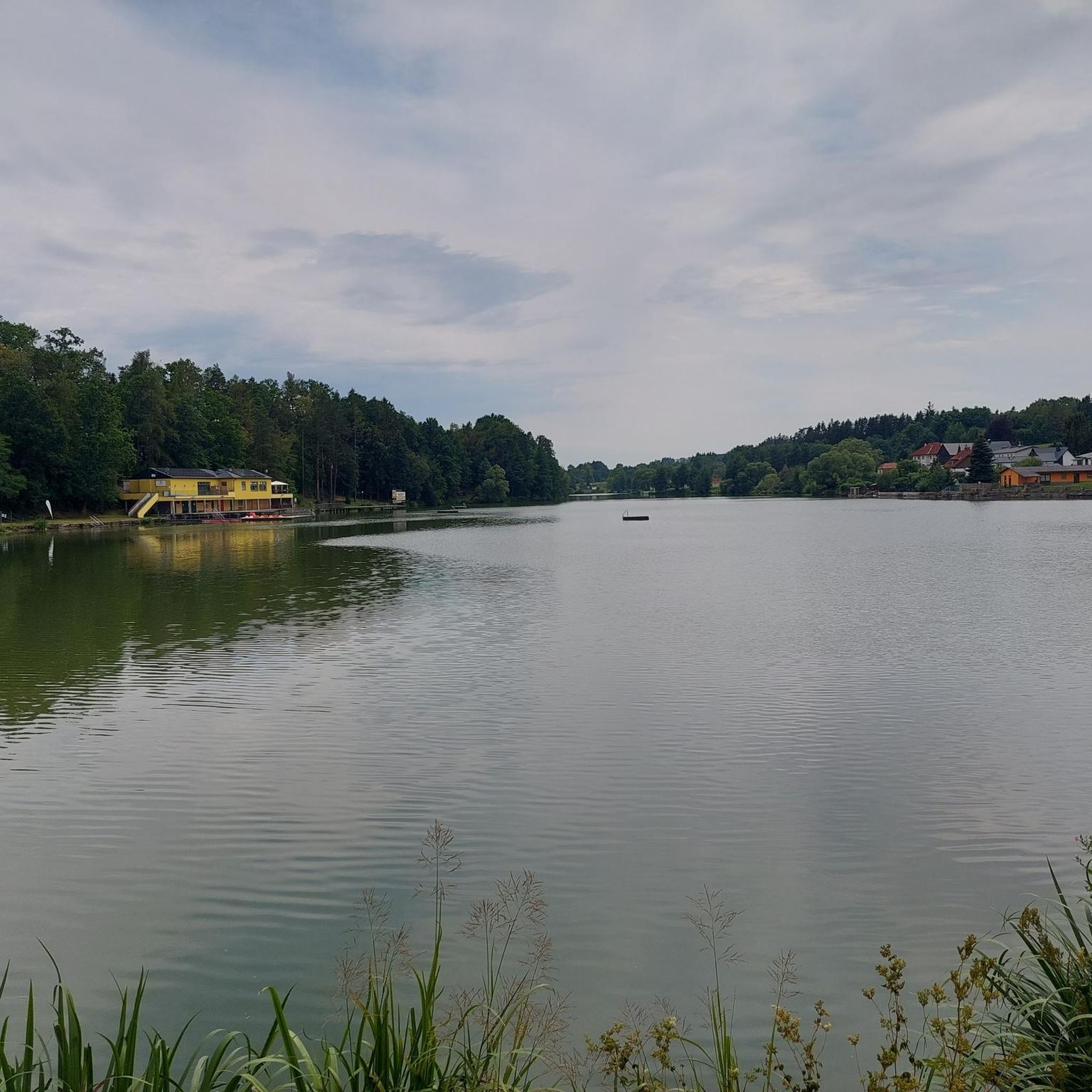
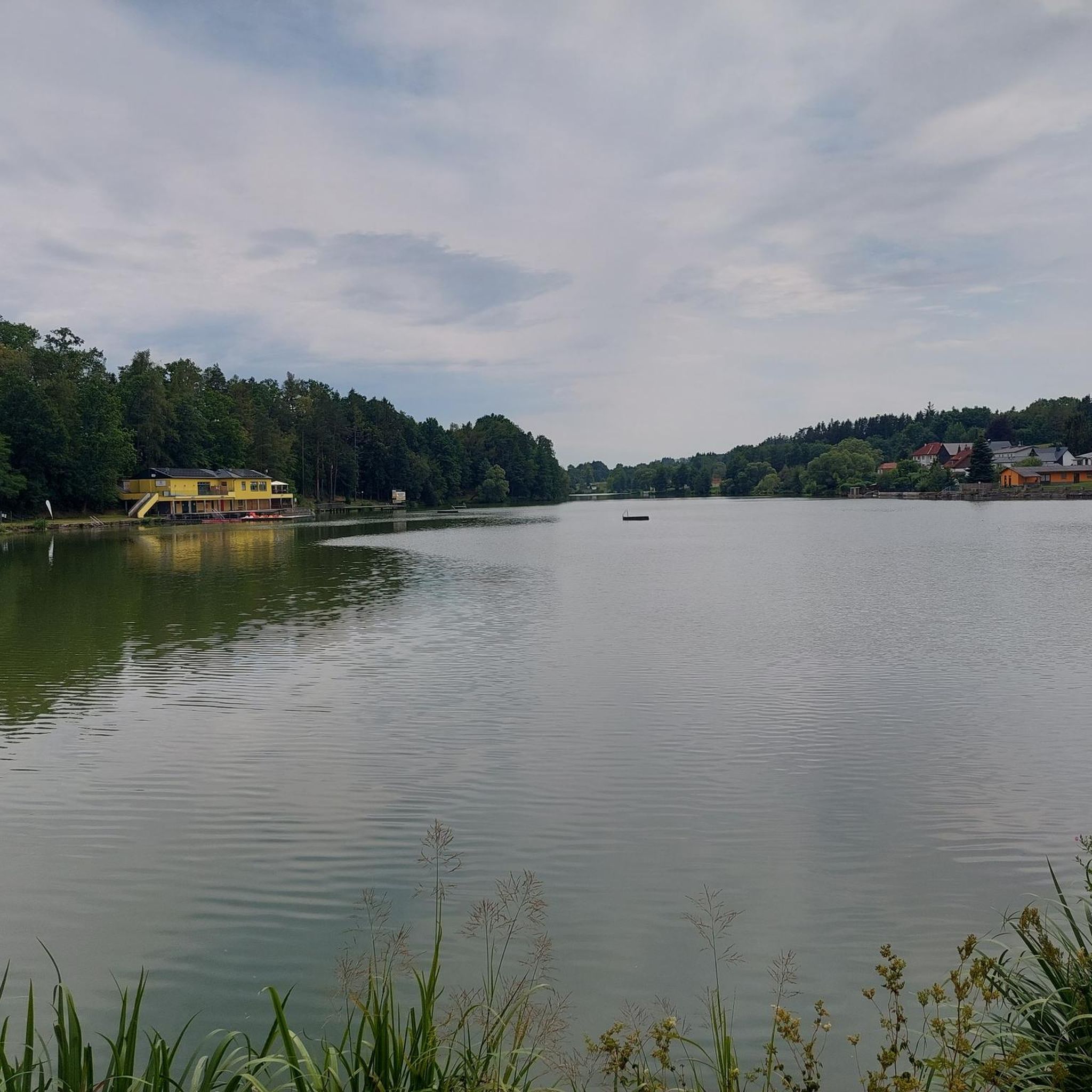
The Ottenstein Reservoir is notable for its distinctive 'fjord-like, branching arms' and wooded shores, creating a picturesque landscape. It's the uppermost of the three Kamp Reservoirs and offers granite rock formations along its edges, perfect for adventurous climbing or jumping into the cool water. Numerous bays provide spots for swimming and relaxation, with small sandy bays appearing at lower water levels.
What is special about the Blockheide-Gmünd-Eibenstein Nature Park?
This nature park is unique in Austria for its mystical heath landscape and extraordinary granite formations, particularly the legendary 'Wobbly Stones' (Wackelsteine). It features specific named natural monuments like the 'Christophorusstein' and 'Teufelsbett', each with its own legends. An observation tower offers panoramic views, and themed hiking trails connect various highlights, including a geological open-air museum.
Can I find easy walking routes near the natural monuments?
Absolutely. The Blockheide-Gmünd-Eibenstein Nature Park offers themed hiking trails that are generally accessible and connect its various highlights. For more options, you can explore easy hikes around Allentsteig, which include routes like the 'Footbridge Over Ottenstein Dam' loop or the 'Seecamping Ottenstein – Ottenstein Castle' loop, both near the Ottenstein Reservoir.
Is there a natural monument known for its views?
The Predigtstuhl Summit (718 m) is a viewpoint and the highest point in its district, historically offering extensive views. While tall trees now obstruct some distant views, it remains a significant high point. The Blockheide-Gmünd-Eibenstein Nature Park also features a 30-meter-high observation tower that provides panoramic views of the surrounding region.
What are some of the lesser-known natural gems in the Allentsteig region?
Beyond the more prominent sites, you might discover the Riesenstein Rock in the Kamp River, a natural monument with a local legend about a giant. The Drachenhöhle (Dragon Cave) is another intriguing, albeit inconspicuous, rock formation mentioned in local literature, offering a touch of mystery.
Are there any natural monuments associated with healing properties or legends?
Yes, the Bründl Chapel and the Healing Spring is centered around the 'Marienbründl' spring, which is traditionally believed to have healing properties, particularly for eye diseases. The Riesenstein Rock in the Kamp River has a legend of a giant, and the 'Wobbly Stones' in Blockheide-Gmünd-Eibenstein Nature Park are steeped in local folklore.
Most popular attractions around Allentsteig

Get inspired with the komoot mobile app


Explore more
Extend your search for the best caves by checking out these guides of the top ones around Allentsteig:
