Top 20 Natural Monuments around Zwettl-Niederösterreich
Best natural monuments around Zwettl-Niederösterreich are found within the Waldviertel region, characterized by river valleys, ancient forests, and distinctive rock formations. This area offers a range of natural features, many of which are designated as natural monuments or are part of protected natural areas. The landscape provides opportunities to experience unique geological formations and ecological importance.
Best natural monuments around Zwettl-Niederösterreich
- The most popular natural monuments is Lohnbach Waterfall, a waterfall where the Lohnbach cascades down an eight-meter height…
Last updated: July 8, 2026
Lohnbach Waterfall
Highlight • Waterfall
Between Pretrobruck and Grub in the valley, the Lohnbach overcomes …
Translated by Google •
Tip by

Burg Rappottenstein
Highlight • Castle
Rapottenstein Castle tells of …
Translated by Google •
Tip by

Sign up now to discover places like this
Get recommendations on the best single tracks, peaks, & plenty of other exciting outdoor places.
Sign up for free
Waldviertel Stone Pyramid
Highlight • Monument
Translated by Google •
Tip by

Arbesbach Castle Ruins
Highlight • Castle
Translated by Google •
Tip by

Bründlkirche and Lourdes Grotto
Highlight • Religious Site
Translated by Google •
Tip by

Sign up for free to discover even more natural monuments around Zwettl-Niederösterreich.
Sign up for free
Already have an account?
Start today with a free account
Your next adventure awaits.
Login or Signup
Popular around Zwettl-Niederösterreich
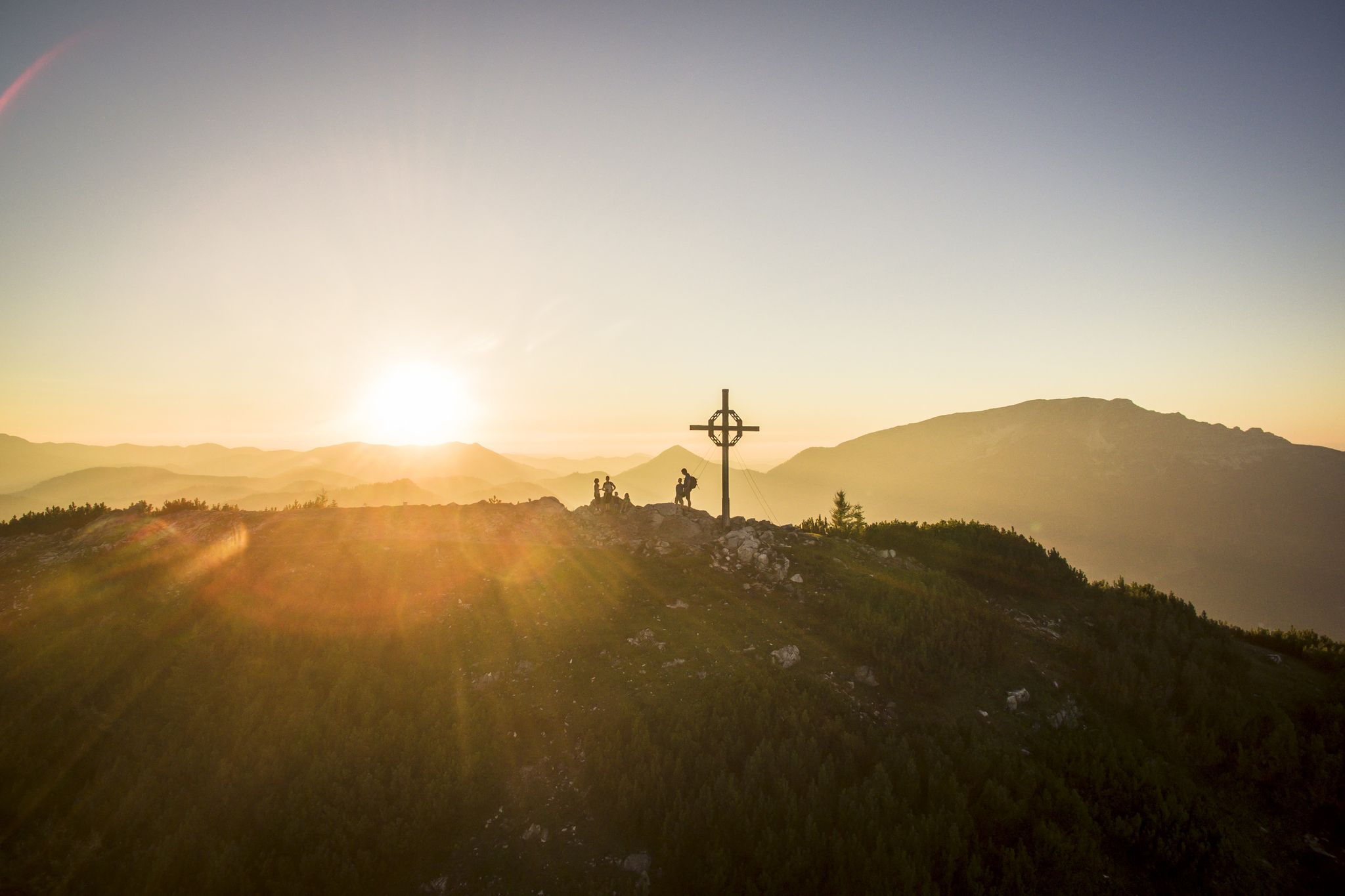
Hiking with a view – certified hiking villages in Lower Austria
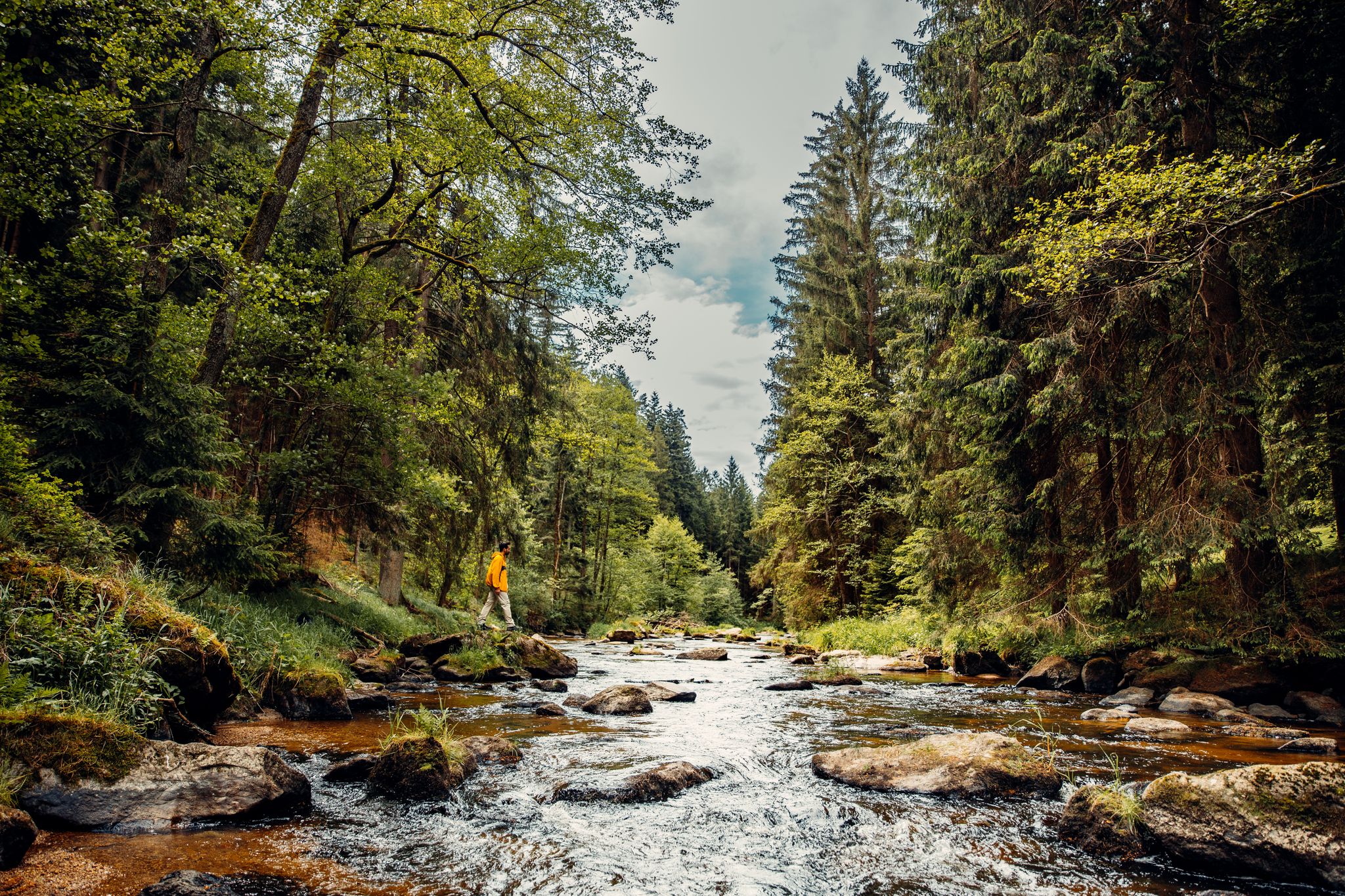
Cliffs, a gorge and vineyards – day hikes in the Waldviertel
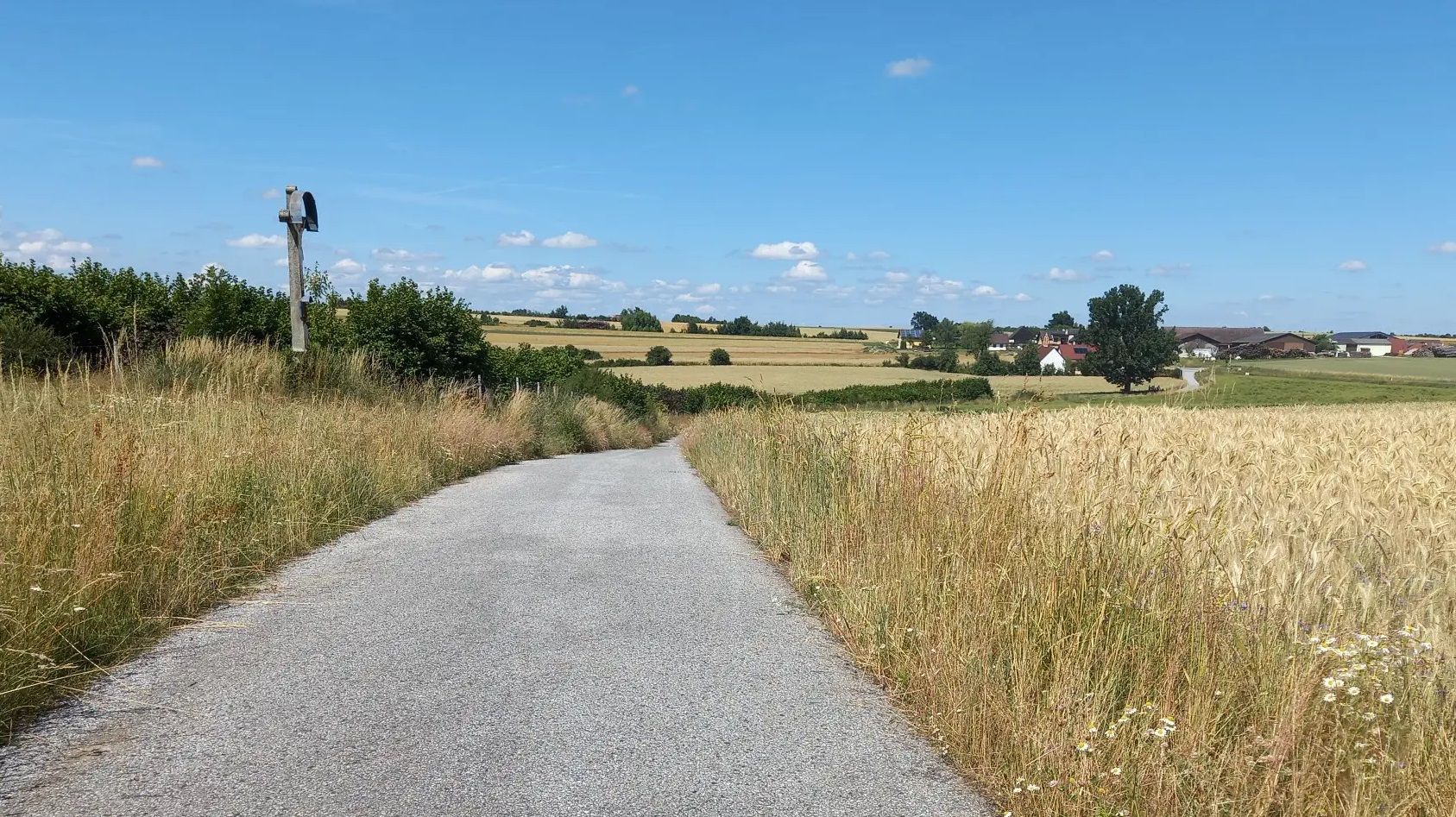
Cycling away from the crowds – Austria’s Kamp-Thaya-March Cycle Route
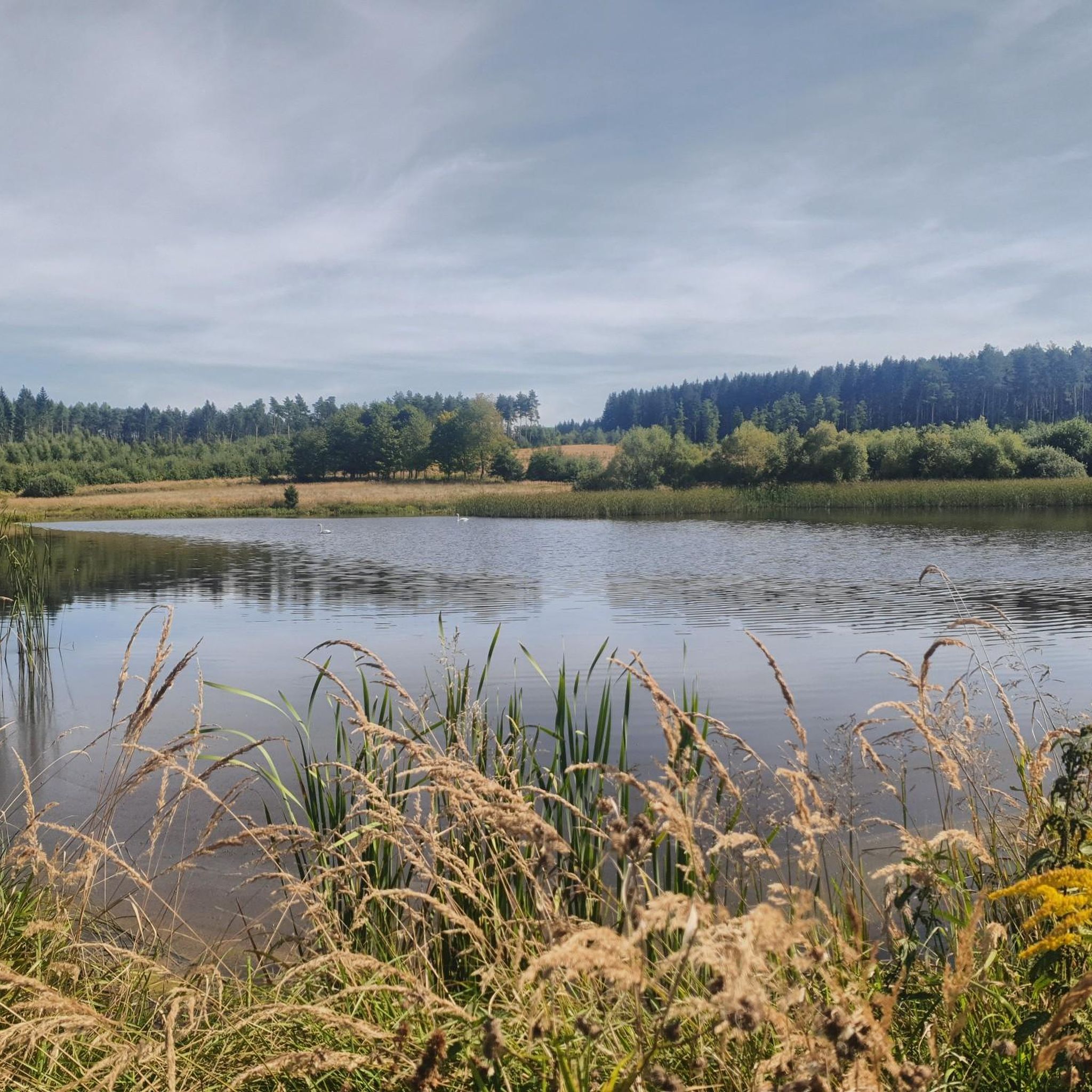
Hiking around Zwettl-Niederösterreich
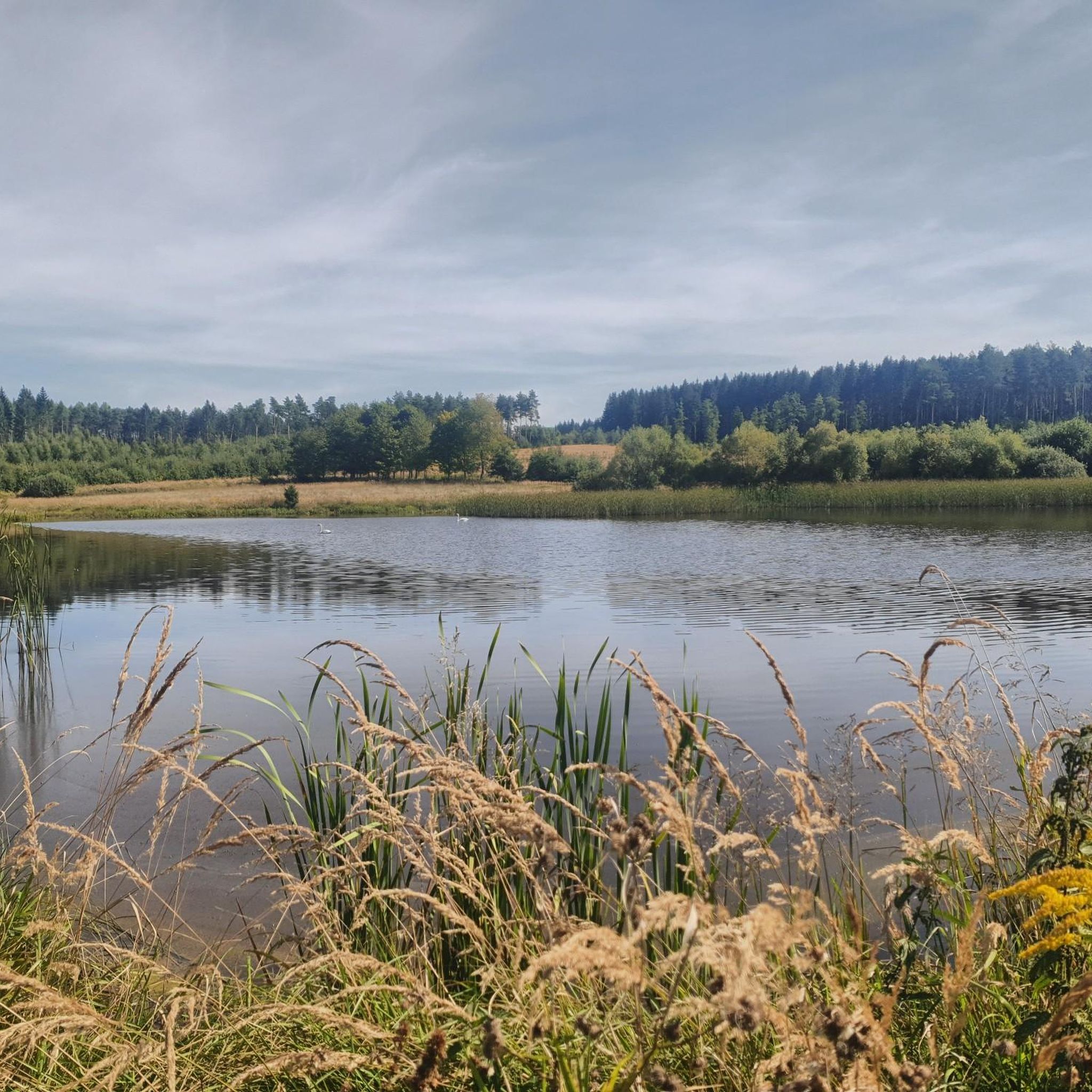
Cycling around Zwettl-Niederösterreich
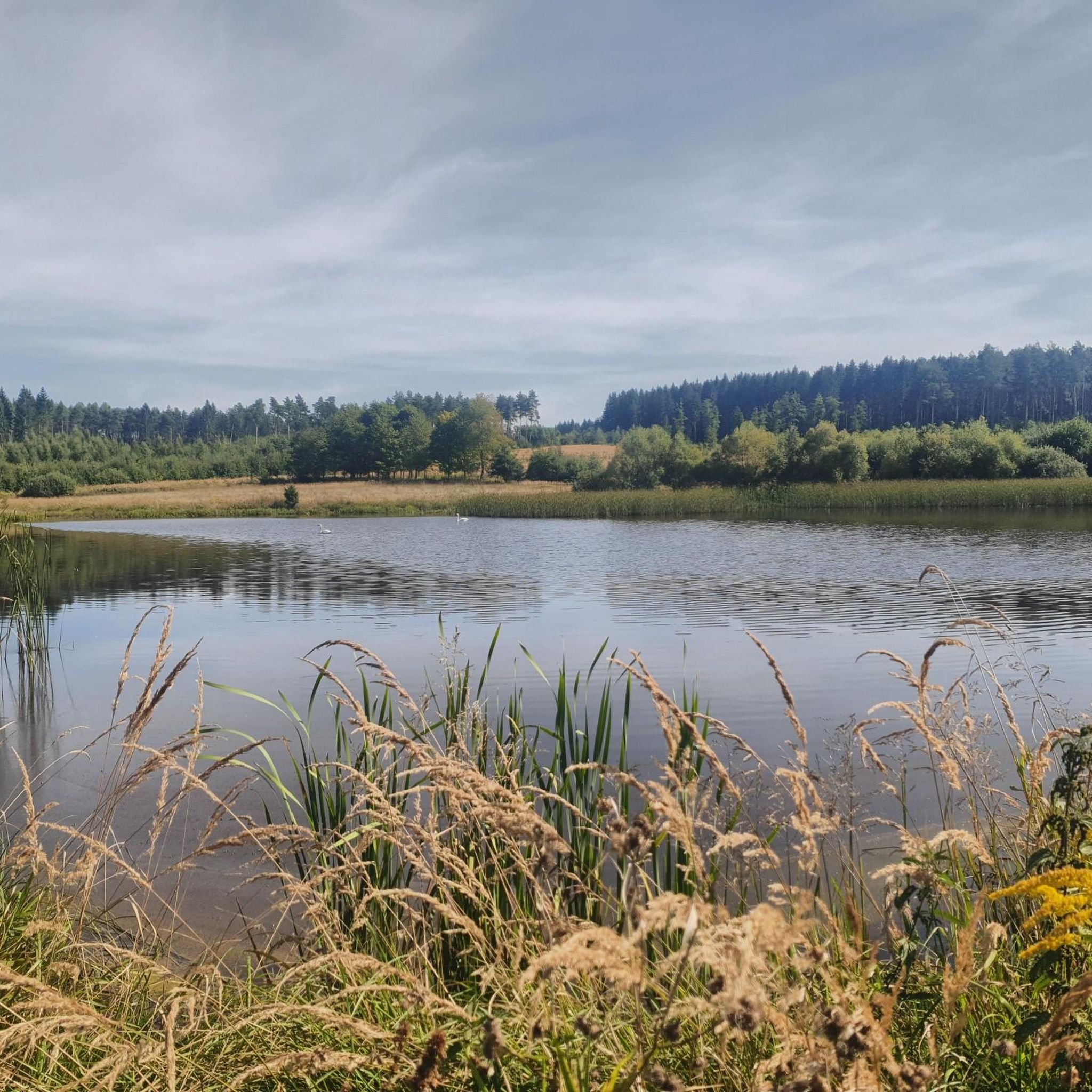
MTB Trails around Zwettl-Niederösterreich
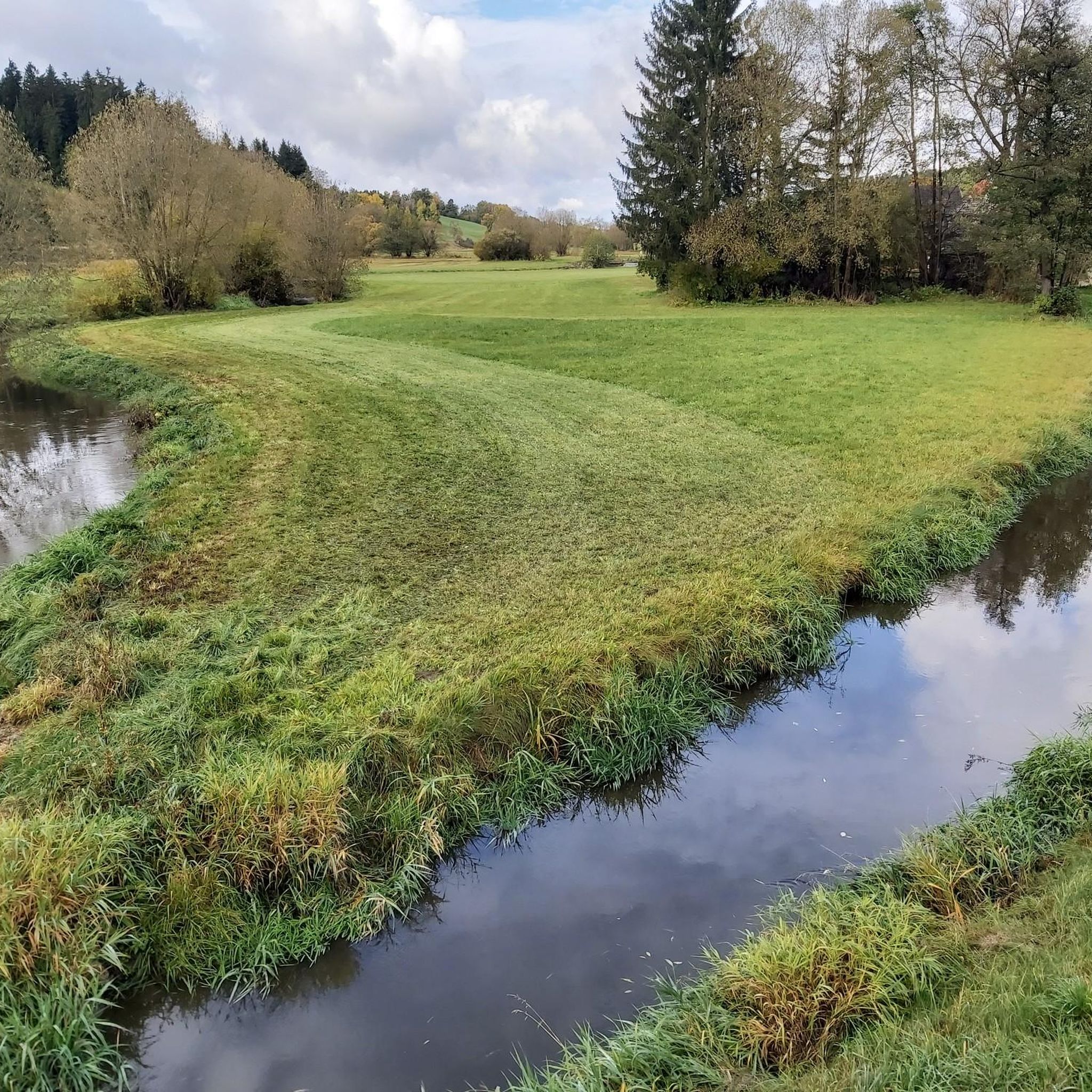
Running Trails around Zwettl-Niederösterreich
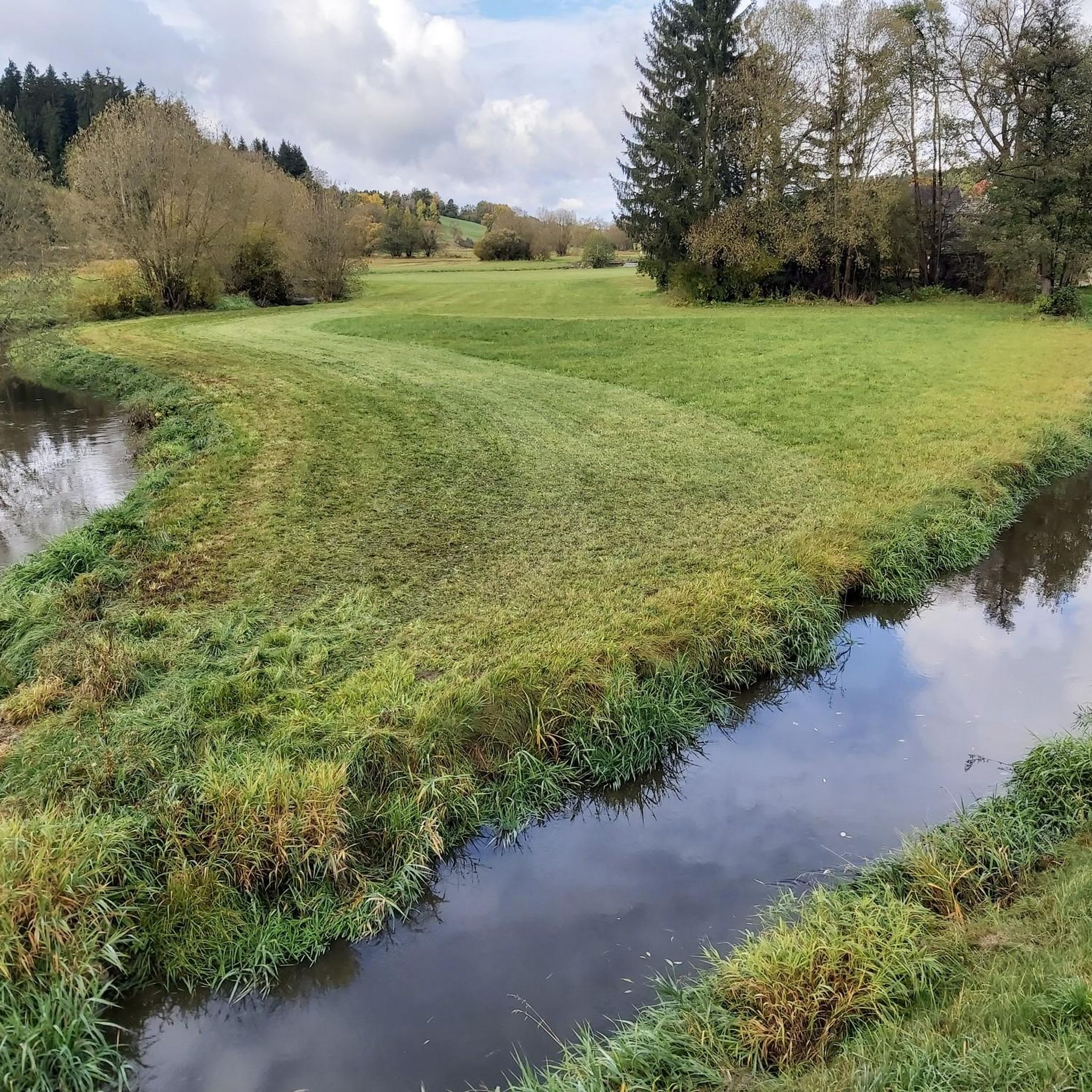
Road Cycling Routes around Zwettl-Niederösterreich

Gravel biking around Zwettl-Niederösterreich
Other adventures around Zwettl-Niederösterreich


Tips from the Community

The old cult object, a statue of the Virgin with Child, has now been displaced by the construction of a Lourdes grotto and a statue of Our Lady of Lourdes. To the left of the grotto stands Saint Francis of Assisi in a semicircular niche. The statue depicts the saint in his characteristic brown habit, accompanied by an ox. He carries a crozier and holds a book, referring to his role as a religious role model and founder of an order. In the ivy-covered Lourdes grotto stands a statue of the Virgin of Lourdes. She wears a white dress with a blue sash. To the right of the grotto stands Saint Florian in a semicircular niche. He is depicted as a Roman soldier with armor, a cloak, and a spear.
0
0

Arbesbach Castle is a top highlight that you should definitely plan a visit to. Even from a distance, you can recognize the so-called "Waldviertel's fang" (Stockzahn des Waldviertels). Once you arrive at the site, 126 steps lead up to the entrance where admission (currently €2.50) is payable in coins or by card. Then it continues inside upwards to the platform, which offers a fantastic view. There is also a circular path around the tower, which however requires some surefootedness and suitable shoes.
0
0

If you have time, you should definitely see the castle's interior. But be sure to check the opening hours. You can also stop for refreshments in the castle tavern. Good food!
0
0

The village was first mentioned in 1246 and was originally owned by the Kuenring line of Weitra-Rappottenstein. In 1282, the estate passed to the Lords of Falkenberg, and in 1291 to Ulrich von Kapelln. In the 14th century, Arbesbach is mentioned as a freehold property. From 1326 to 1348, it was owned by the Lords of Klingenberg, who in 1347 mortgaged "the castle and the house at Arbesbach" to Weikart and Katharina von Winkl. From 1348, Arbesbach was owned by the Lords of Dachsberg, and from 1423 by the Lords of Starhemberg. In 1480, the castle was destroyed by a Bohemian raiding party and was not rebuilt. In 1600, the estate passed to the Lords of Tschernembl, and in 1604 to Georg Fenzl von... Grueb and as early as 1605 to Georg Kaspar von Neuhaus. From 1614 owned by the Lords von Hackelberg, from 1675 to 1862 by the Countess Dietrichstein. Afterwards, it passed to the Herberstein, Geusau, and Baron Holtz families, and from 1877 onwards to the Altzinger family, who still own the estate today and reside in part of the castle complex. Text by G.R., K.Ki.
2
0

According to the information board, it's the only stone pyramid in Europe. See the pictures for more information.
0
0


A wooden chapel has been documented here at the Bründl since 1770 - this was replaced by a stone building in 1846 and expanded in 1896.
0
0

The Arbesbach Castle ruins, also known as the "Molar Tooth of the Waldviertel," are located in the market town of Arbesbach. It was built at the end of the 12th century, presumably around 1180, by Hadmar II von Kuenring and served as a border fortress to secure the Kuenring family's holdings in the Waldviertel region. The most striking remaining structure is the pentagonal keep, which sits atop a granite rock and was originally about 25 meters high. In 1480, the castle was destroyed by Bohemian troops and was not rebuilt. Instead, the Arbesbach Manor House was later built in 1593 as the new administrative center. On the ruins of the keep, the so-called Alexanderwarte, an 18-meter-high observation tower offering panoramic views across the Waldviertel, was built in 1884.
1
0
Frequently Asked Questions
What are some of the most popular natural monuments to visit in Zwettl-Niederösterreich?
Beyond the well-known Lohnbach Waterfall, which is celebrated for its scenic cascades, the region offers a variety of impressive natural and historical sites. Visitors also frequently explore Burg Rappottenstein, a castle majestically situated on a granite rock mountain, showcasing the interplay of natural forces and human history. The area is rich in distinctive rock formations and ancient trees, many of which are officially recognized as natural monuments.
Are there any family-friendly natural monuments or activities in the Zwettl-Niederösterreich region?
Yes, several natural monuments and nearby attractions are suitable for families. The Bründlkirche and Lourdes Grotto offer a peaceful and accessible historical site with natural elements. The Zwettltal (Zwettl Valley) is also excellent for families, featuring an adventure trail and opportunities to observe wildlife like otters and various bat species in a lush, almost jungle-like setting.
What kind of rock formations can I expect to see in Zwettl-Niederösterreich?
The Zwettl district is renowned for its numerous impressive rock formations. You can find distinctive groups of rocks along the river sections, such as the Flußstrecke des Purzelkampes with its unique rock formations in Waldhausen. The wider Waldviertel region also features the striking 'wobbly stones' (Wackelsteine) at Blockheide Nature Park near Gmünd, which are large, naturally balanced rock formations.
What outdoor activities can I do near the natural monuments in Zwettl-Niederösterreich?
The region provides excellent opportunities for various outdoor activities. You can enjoy easy hikes, with routes like the 'Hotel Schwarz Alm Zwettl loop' or the 'Stift Zwettl – Thousand-Year-Old Oak loop'. For those who prefer cycling, there are numerous road cycling routes, including scenic loops around the Ottenstein Reservoir. Running trails are also available, such as the 'Löschteich loop'. You can find more details and routes on the easy hikes, road cycling, and running guides for the area.
Are there any unique or lesser-known natural monuments worth exploring?
Beyond the main attractions, consider visiting the Waldviertel Stone Pyramid. This stepped cone is considered an archaeological puzzle and is located on a place of power, offering a unique and mysterious experience. Additionally, the high moors around Schrems, with their unique wetland ecosystems, provide a distinct natural environment slightly outside the immediate Zwettl area but easily accessible.
What is the best time of year to visit the natural monuments in Zwettl-Niederösterreich?
The natural monuments in Zwettl-Niederösterreich can be enjoyed throughout the year, each season offering a different charm. Spring and autumn are ideal for hiking, with pleasant temperatures and vibrant foliage. Summer allows for water sports at the Ottenstein Reservoir and lush green landscapes. Even in snowy winter, places like the Lohnbach Waterfall can be a beautiful destination with proper equipment.
What kind of natural landscapes define the Zwettl-Niederösterreich region?
The region is characterized by diverse natural landscapes, including serene river valleys, ancient forests, and distinctive rock formations. The Zwettl River meanders through a lush, green landscape, forming part of a Natura 2000 protected area. The area also features the fjord-like arms of the Ottenstein Reservoir and numerous protected ancient trees, such as the six English oaks and two Scots pines near Rosenau Schloss.
Can I find historical sites that are also considered natural monuments?
Yes, the region beautifully blends natural and historical significance. For instance, Arbesbach Castle Ruins, also known as the 'stick tooth of the Waldviertel,' is built on a huge granite rock, making it a historical site deeply intertwined with its natural foundation. Similarly, Burg Rappottenstein is a castle on a granite mountain, highlighting the interaction between nature and human construction.
What makes the Zwettltal (Zwettl Valley) a significant natural area?
The Zwettltal is a pristine area where the Zwettl River meanders through a lush, green landscape. It is part of the Natura 2000 protected area, signifying its ecological importance. The valley boasts old trees, distinctive rock groups, and riverside willows, creating an almost jungle-like atmosphere. It's a vital habitat for otters, river pearl mussels, stone crayfish, and various bat species, making it a rich area for biodiversity.
Are there any specific protected trees or tree groups in the Zwettl district?
Yes, the district is home to several protected trees and tree groups. Notable examples include a single English oak in Großhaslau, and a group of six English oaks and two Scots pines near Rosenau Schloss, designated as natural monuments in 1966. There's also a tree group near the sports field in Schloß Rosenau, featuring a double-stemmed sycamore maple and a lime tree.
What is the Ottenstein Reservoir known for, and what activities does it offer?
The Ottenstein Reservoir, while not a natural monument in the strictest sense, is a significant natural attraction. It's known for its fjord-like, branching arms and densely wooded shores, reminiscent of Scandinavian fjords. This popular recreational lake offers excellent opportunities for hiking along its shores and various water sports, making it a great spot for active visitors.
Where can I find more information about the natural monuments in the Zwettl district?
A book titled 'Naturdenkmäler im Bezirk Zwettl' (Natural Monuments in the Zwettl District) specifically highlights the protected natural creations in the area. For general information about the Zwettltal, you can visit lower-austria.info.
Most popular routes around Zwettl-Niederösterreich
Most popular attractions around Zwettl-Niederösterreich

Get inspired with the komoot mobile app


Explore more
Extend your search for the best caves by checking out these guides of the top ones around Zwettl-Niederösterreich:
