Top 20 Natural Monuments around Lanzendorf
Best natural monuments around Lanzendorf are characterized by the municipality's appealing natural surroundings in Lower Austria. The area features tranquil floodplain landscapes, including babbling brooks and spacious paddocks, suitable for outdoor activities. Local initiatives like an insect nature trail promote biodiversity and climate-adapted green spaces. This serene rural landscape offers opportunities for gentle recreation and appreciating local flora and fauna.
Best natural monuments around Lanzendorf
- The most popular natural monument is Liesingbach Restoration, a river restoration project that redesigns…
Last updated: June 24, 2026
Liesingbach Restoration
Highlight • River
Translated by Google •
Tip by

Confluence of the Triesting and the Schwechat rivers
Highlight • River
Translated by Google •
Tip by

Sign up now to discover places like this
Get recommendations on the best single tracks, peaks, & plenty of other exciting outdoor places.
Sign up for free
Monument in memory of the approximately 18,000 soldiers of the Red Army who died in battle during the liberation of Vienna.
The Liberation Monument (also …
Translated by Google •
Tip by

Schwarzenbergplatz
Highlight • Monument
The High Jet Fountain is a fountain in Vienna. It is located on Schwarzenbergplatz and was inaugurated on October 24, 1873, in the presence …
Translated by Google •
Tip by
Danube-Auen National Park
Highlight (Segment) • Cycleway
Translated by Google •
Tip by
Sign up for free to discover even more natural monuments around Lanzendorf.
Sign up for free
Already have an account?
Start today with a free account
Your next adventure awaits.
Login or Signup

Tips from the Community

A great recreation area just outside Vienna
1
1

The Danube-Auen National Park is one of the last large, intact floodplain landscapes in Central Europe. It stretches along the Danube between Vienna and Bratislava and covers an area of around 9,600 hectares. The national park protects this unique river landscape, which is characterized by a dynamic interplay of floods, gravel banks, old watercourses and floodplain forests. The national park was created after the successful protests against the construction of a hydroelectric power plant in Hainburg in the 1980s. The protection of the floodplains became a milestone in the Austrian environmental movement. The Danube flows largely unregulated in this section, which means that natural flooding and changes in the course of the river remain possible. This dynamic creates diverse habitats.
2
1

High Jet Fountain of 1873, Vienna The High Jet Fountain is a fountain in Vienna. It is located on Schwarzenbergplatz and was inaugurated on October 24, 1873, in the presence of Emperor Franz Joseph I, to mark the completion of the First Vienna High Spring Water Pipeline after a construction period of four months. Anton Gabrielli, the contractor for the water pipeline, donated 200,000 crowns for the construction of the fountain, which was commissioned by the City of Vienna and built by the contractor Gustav Bruck. In 1886/87, extensive considerations were made regarding the regulation of Schwarzenbergplatz and, consequently, the redesign of the High Jet Fountain. The designs of the important sculptors Viktor Tilgner (1844–1896)[4] and Rudolf Weyr (1847–1914) were presented to the public at the Vienna Künstlerhaus from the end of January 1887, but no decision was made in their favor. Later, the fountain, designed in the style of a fountain lumineuse by the architect Oskar Marmorek (1863–1909), was transformed into an illuminated fountain at a cost of 285,000 crowns and opened on June 23, 1906. At night, it glows in red, pink, yellow, violet, blue, and green. Text / Source: Wikipedia https://de.wikipedia.org/wiki/Hochstrahlbrunnen
14
0
Liberation Monument (Soldiers of the Red Army) Memorial in memory of the approximately 18,000 Red Army soldiers who fell in battle during the liberation of Vienna. The Liberation Monument (also known as the Monument in Honor of the Soldiers of the Soviet Army), popularly known as the Russian Monument on 3rd Schwarzenbergplatz, stands on the part of the square that was called Stalinplatz from April 1946 to July 1956. The Heroes' Monument to the Unknown Russian Soldier, erected on the Red Army's orders to commemorate the liberation of Vienna, on whose 20-meter-high base stands the twelve-meter-high statue of a Red Guard with a flag in his hand, stands against the backdrop of an eight-meter-high balustrade, at each end of which a group of two fighters was attached. The monument was erected exactly on the main axis of the square, so that it can be easily seen from the Ringstrasse. The design was by Major C. G. Jakowlew, the sculptures were created by Lieutenant M. A. Intisarjan, the overall management was carried out by Major Engineer M. S. Schönfeld; assembly was carried out by Ernst Hawlik (Vienna 3). The monument bears the following inscription (in Russian): Eternal glory to the heroes of the Red Army who fell in battle against the German fascist robbers of the freedom and independence of the peoples of Europe. In front of the central column with the statue, a tilted metal cube was erected in the late 1970s (according to POREM 1986), on which one can read in German and Russian: Monument in honor of the soldiers of the Soviet Army who fell for the liberation of Austria from fascism. April 1945. Creator of the monument: sculptor M. A. Intesarjan, architect S. G. Jakowlew. The monument was inaugurated on August 19, 1945." The monument was prepared by the Red Army before the capture of Vienna and was ceremoniously unveiled on August 19, 1945, when the Soviet forces still occupied Vienna alone (see also Allied Occupation). The 3rd district came under the administration of the British Army on September 1, 1945. The monument was therefore not in the Soviet sector; however, the 4th district, which was occupied by the Soviets until 1955, is immediately adjacent to the monument. Text / Source: City of Vienna https://www.geschichtewiki.wien.gv.at/Befreiungsdenkmal
14
1

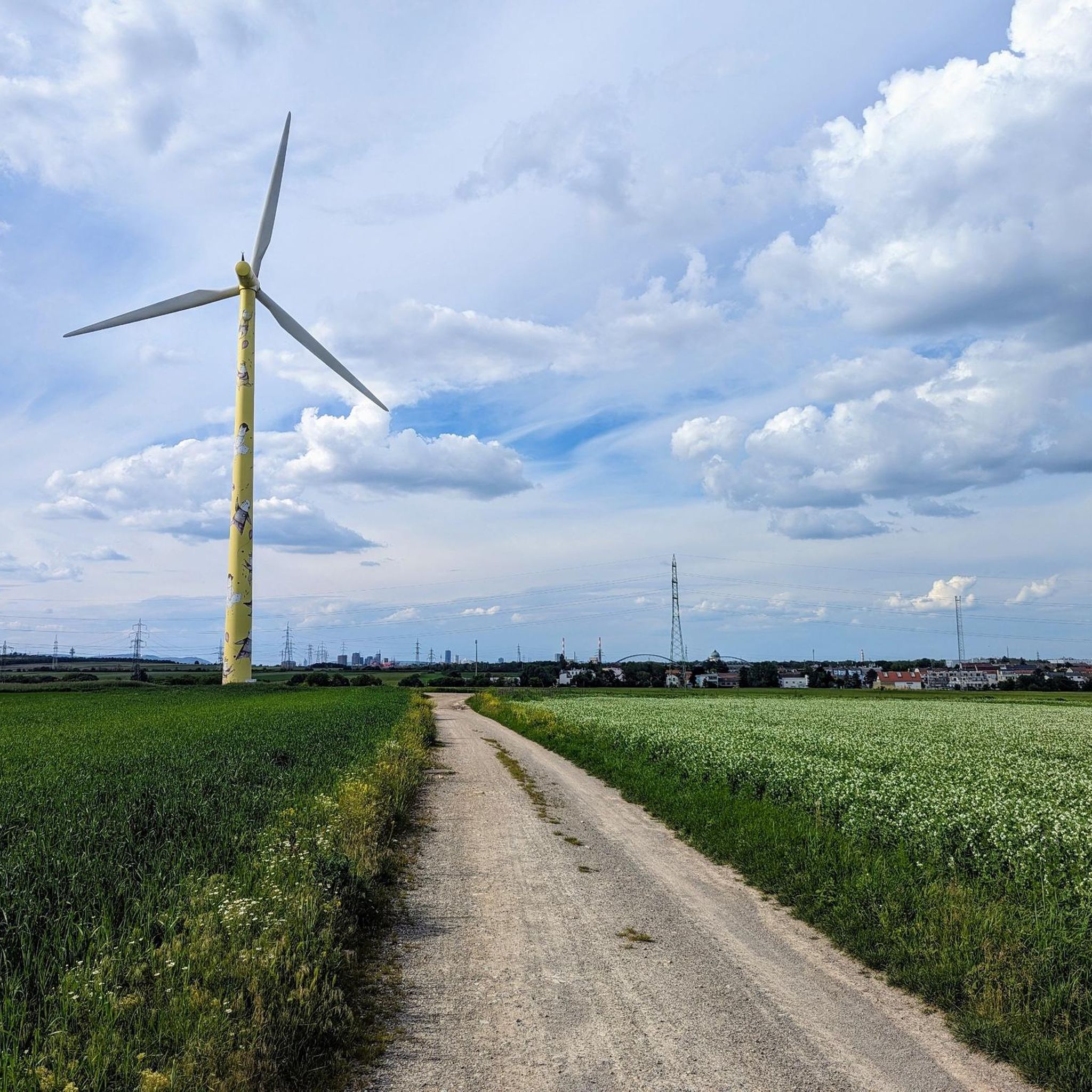
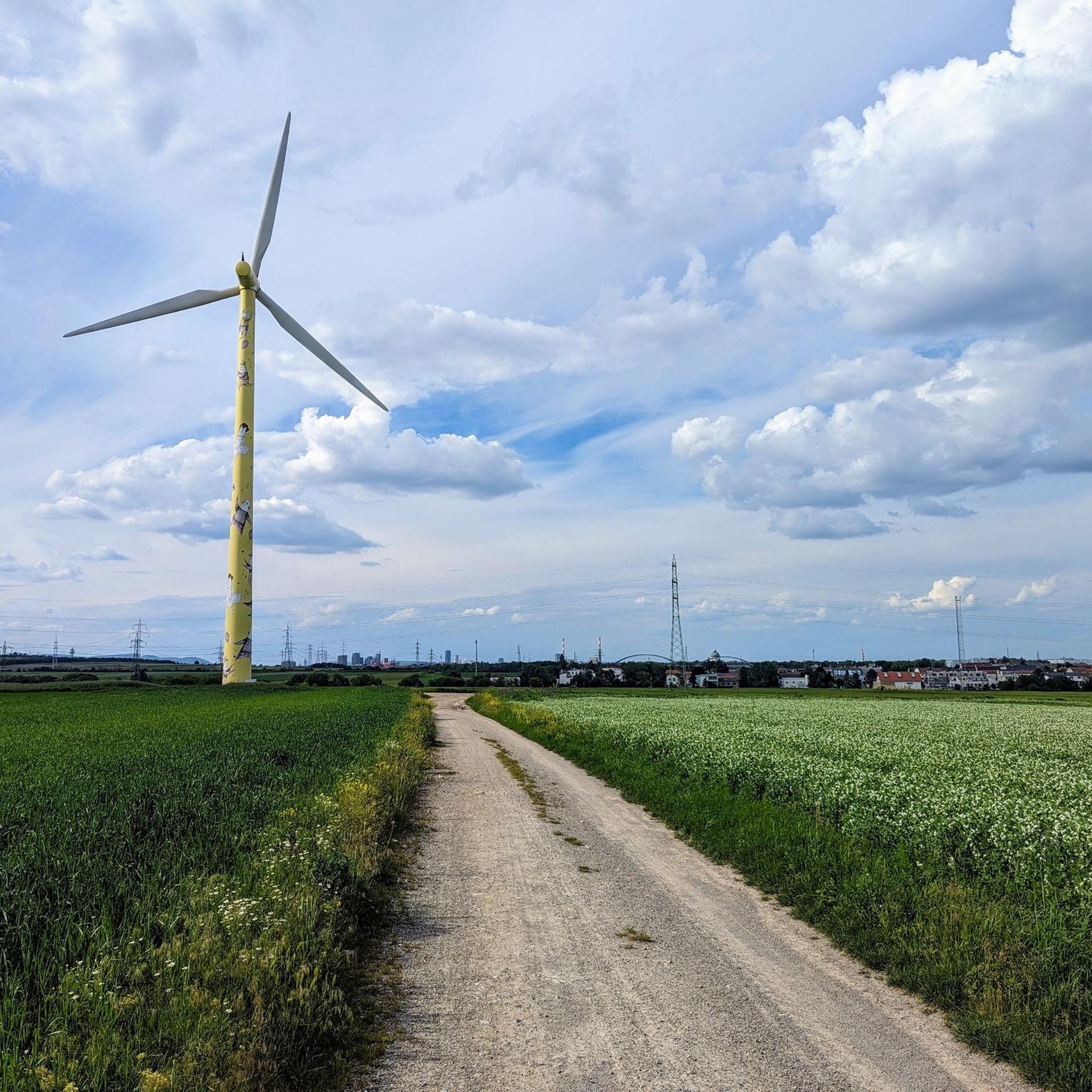
Relaxed path on the edge of the Liesingbach.
1
2

Bombastic memorial for the liberation from Nazi rule. Reminiscent of monuments in the East. The fountain is particularly beautiful in the morning, when the sunlight creates a rainbow 🌈 in the water.
5
1

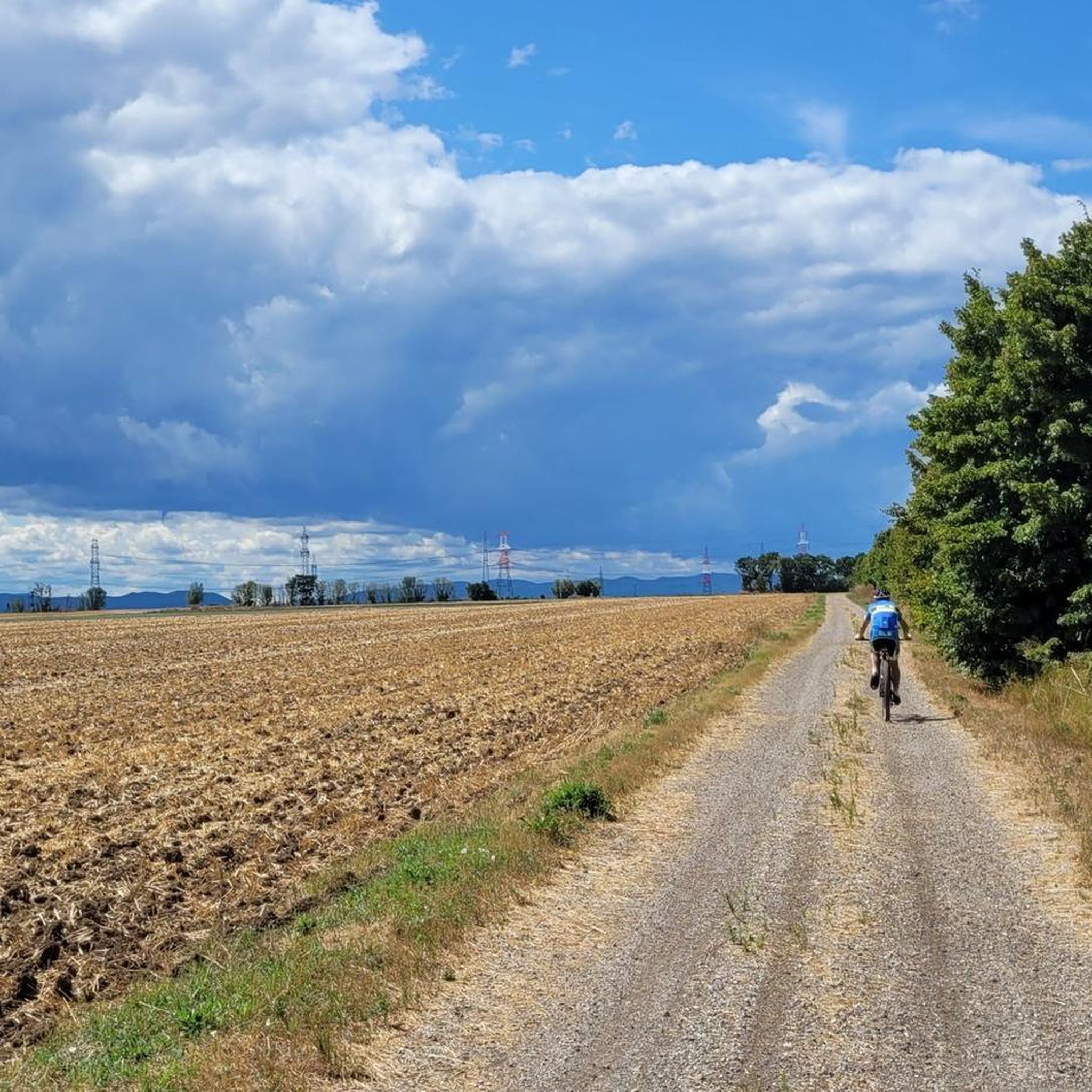
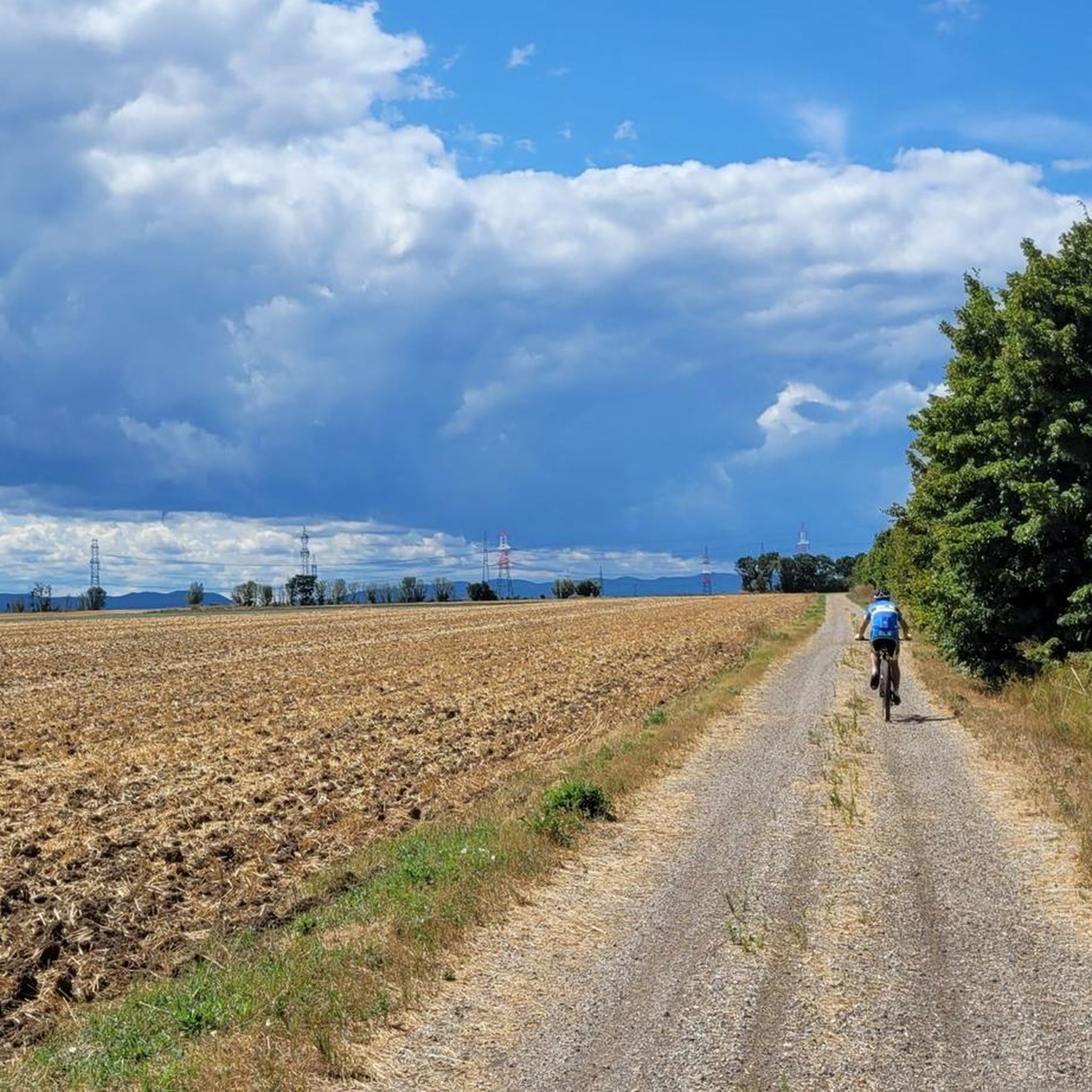
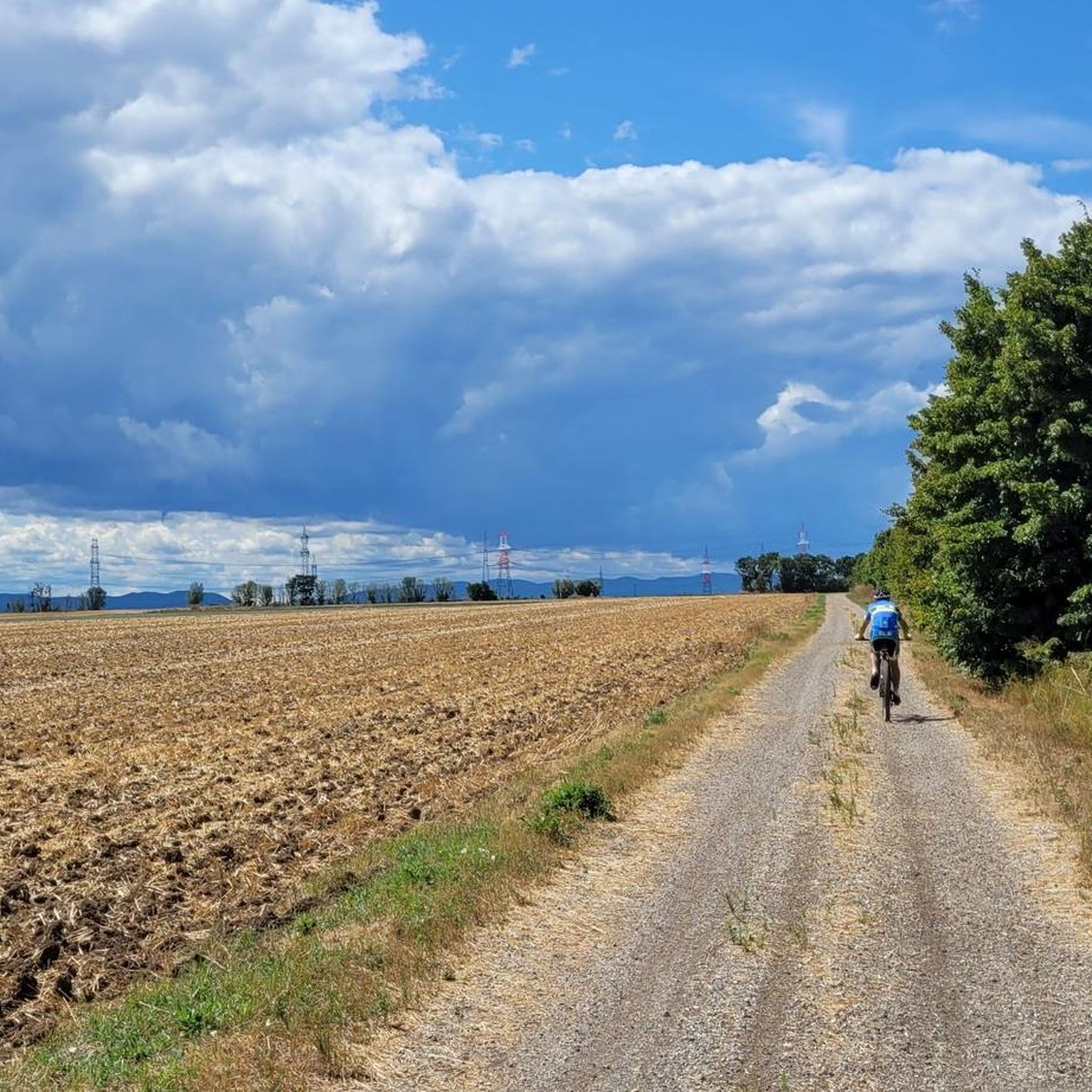
Great cycle paths and beautiful nature
0
1
Great place for a short rest.
1
0
Frequently Asked Questions
What kind of natural features can I expect to see around Lanzendorf?
Lanzendorf is characterized by its tranquil natural surroundings, including babbling brooks and spacious paddocks. You can explore peaceful river landscapes, restored natural areas, and green spaces. Local initiatives like an insect nature trail also highlight the region's biodiversity.
Are there any specific natural monuments worth visiting near Lanzendorf?
Yes, several unique spots are appreciated by visitors. The Liesingbach Restoration is a significant project redesigning the river to be close to nature, improving flood protection, and creating new habitats. Another interesting location is the Confluence of the Triesting and the Schwechat rivers, where several waterways meet, offering a natural resting place.
Can I find family-friendly natural monuments in the Lanzendorf area?
Absolutely. The Liesingbach Restoration area is great for walks and observing nature. The Confluence of the Triesting and the Schwechat rivers is also considered family-friendly, offering a nice resting spot. Additionally, the Hochstrahlbrunnen and the Soviet War Memorial, while a man-made monument, is categorized as family-friendly due to its open space and historical significance.
Are there any historical sites among the natural monuments near Lanzendorf?
Yes, the Hochstrahlbrunnen and the Soviet War Memorial is a notable site. It features a historic high jet fountain, inaugurated in 1873, and a memorial commemorating the soldiers of the Red Army. This location offers a blend of historical and urban landscape features.
What outdoor activities can I do near these natural monuments?
The area around Lanzendorf is well-suited for various outdoor activities. You can find numerous routes for cycling, including the tranquil Triestingau Cycle Path, and easy hikes. For more active options, there are also MTB trails. You can explore detailed routes in the MTB Trails around Lanzendorf, Cycling around Lanzendorf, and Easy hikes around Lanzendorf guides.
Are there hiking trails near the natural monuments in Lanzendorf?
Yes, Lanzendorf offers easy hiking trails that allow you to enjoy the natural surroundings. For instance, you can find routes like the 'Hiking loop from Maria-Lanzendorf' or trails connecting to nearby points of interest. For more options, refer to the Easy hikes around Lanzendorf guide.
What is the Triestingau Cycle Path and what natural features does it offer?
The Triestingau Cycle Path is a family-friendly route that follows the river through tranquil floodplain landscapes. It's known for its 'wild and romantic' character, offering a relaxing experience away from traffic noise, perfect for cycling and walking amidst nature.
Are there any wheelchair-accessible natural monuments near Lanzendorf?
The Schwarzenbergplatz, which features the historic High Jet Fountain, is noted as wheelchair accessible. This allows visitors with mobility considerations to enjoy this blend of historical and urban landscape.
What local initiatives promote nature and biodiversity in Lanzendorf?
Lanzendorf actively participates in 'Nature in the Garden' initiatives. These include an 'insect nature trail' and 'biodiversity areas' designed to promote climate change-adapted green space design and offer educational opportunities about local flora and fauna.
Can I spot wildlife near the natural monuments in Lanzendorf?
The natural surroundings and restored river areas, such as the Liesingbach Restoration, are designed to create new habitats for a variety of plants and animals. While specific sightings depend on the season and time of day, these areas offer opportunities for observing local wildlife.
What do visitors enjoy most about the natural monuments around Lanzendorf?
Visitors particularly appreciate the peaceful environment and the opportunities for gentle recreation. The serene rural landscape, tranquil waterways, and green spaces provide a perfect setting for unwinding and enjoying nature on foot or by bike. The community has shared over 400 upvotes and 16 photos, highlighting the area's appeal.
Is there a national park accessible from Lanzendorf?
While not directly in Lanzendorf, the Donau-Auen National Park is within reach. This national park preserves the last large floodplain landscape in Central Europe, with the free-flowing Danube creating diverse habitats for numerous animals and plants. It's a significant area for nature enthusiasts.
Most popular routes around Lanzendorf
Most popular attractions around Lanzendorf

Get inspired with the komoot mobile app


Explore more
Extend your search for the best caves by checking out these guides of the top ones around Lanzendorf:
