Top 20 Natural Monuments around Schrattenbach
Best natural monuments around Schrattenbach offer a diverse landscape of forests, meadows, and geological features. The municipality is situated in the Wiener Alpen region, providing numerous well-marked hiking and mountain biking trails. This area is characterized by its natural beauty and the presence of significant natural formations. Visitors can explore various natural monuments that highlight the region's geology and ecology.
Best natural monuments around Schrattenbach
- The most popular natural monuments is Sebastian waterfall, a waterfall fed by the Sebastianbach…
Last updated: June 24, 2026
Sebastian waterfall
Highlight • Waterfall
Translated by Google •
Tip by

Hohe Wand Skywalk
Highlight • Viewpoint
Translated by Google •
Tip by

Sign up now to discover places like this
Get recommendations on the best single tracks, peaks, & plenty of other exciting outdoor places.
Sign up for free
Große Kanzel summit cross
Highlight • Summit
Translated by Google •
Tip by

Red Deer Enclosure Hohe Wand
Highlight • Natural
Translated by Google •
Tip by
Engelsberg Marble Quarry
Highlight • Structure
Translated by Google •
Tip by
Sign up for free to discover even more natural monuments around Schrattenbach.
Sign up for free
Already have an account?
Start today with a free account
Your next adventure awaits.
Login or Signup
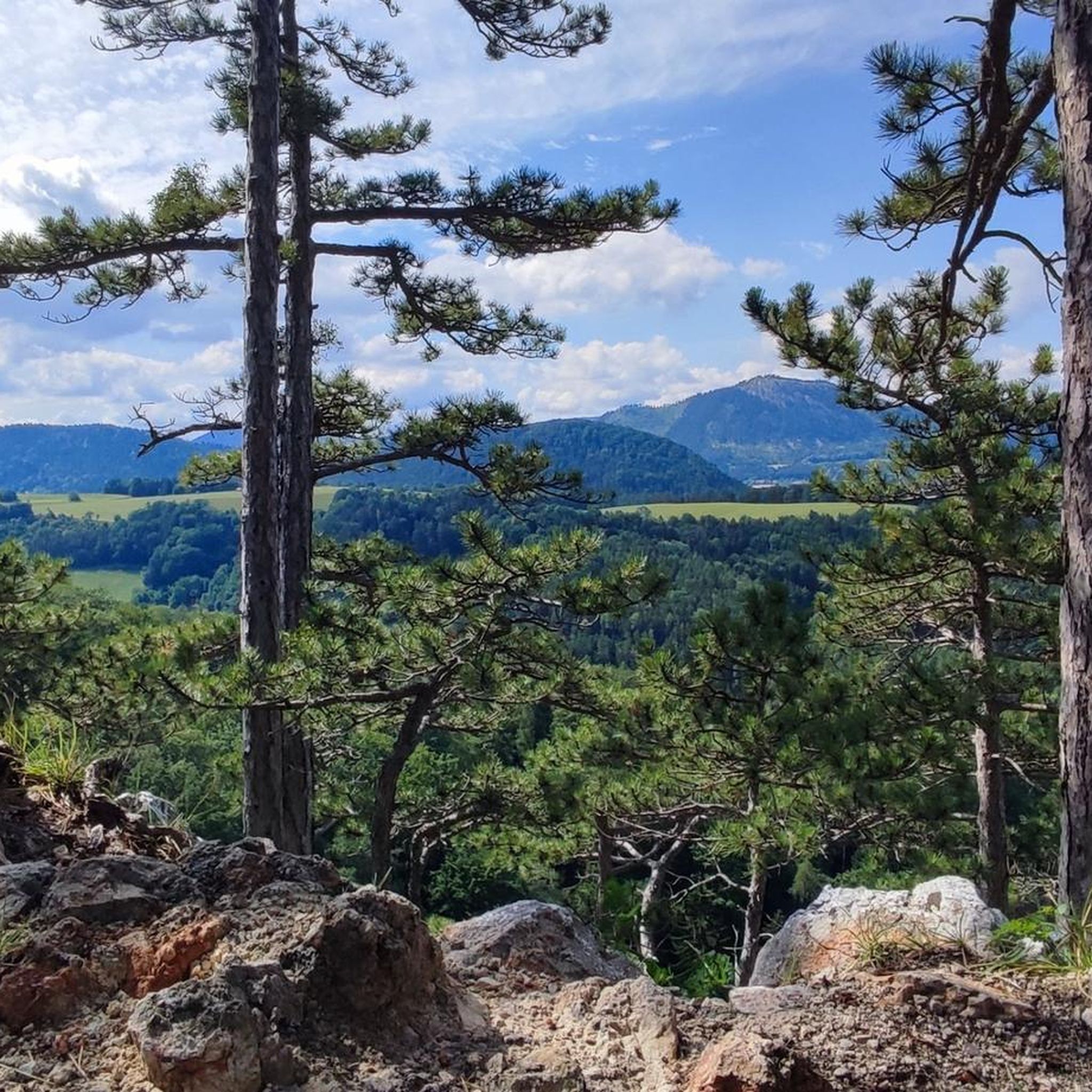

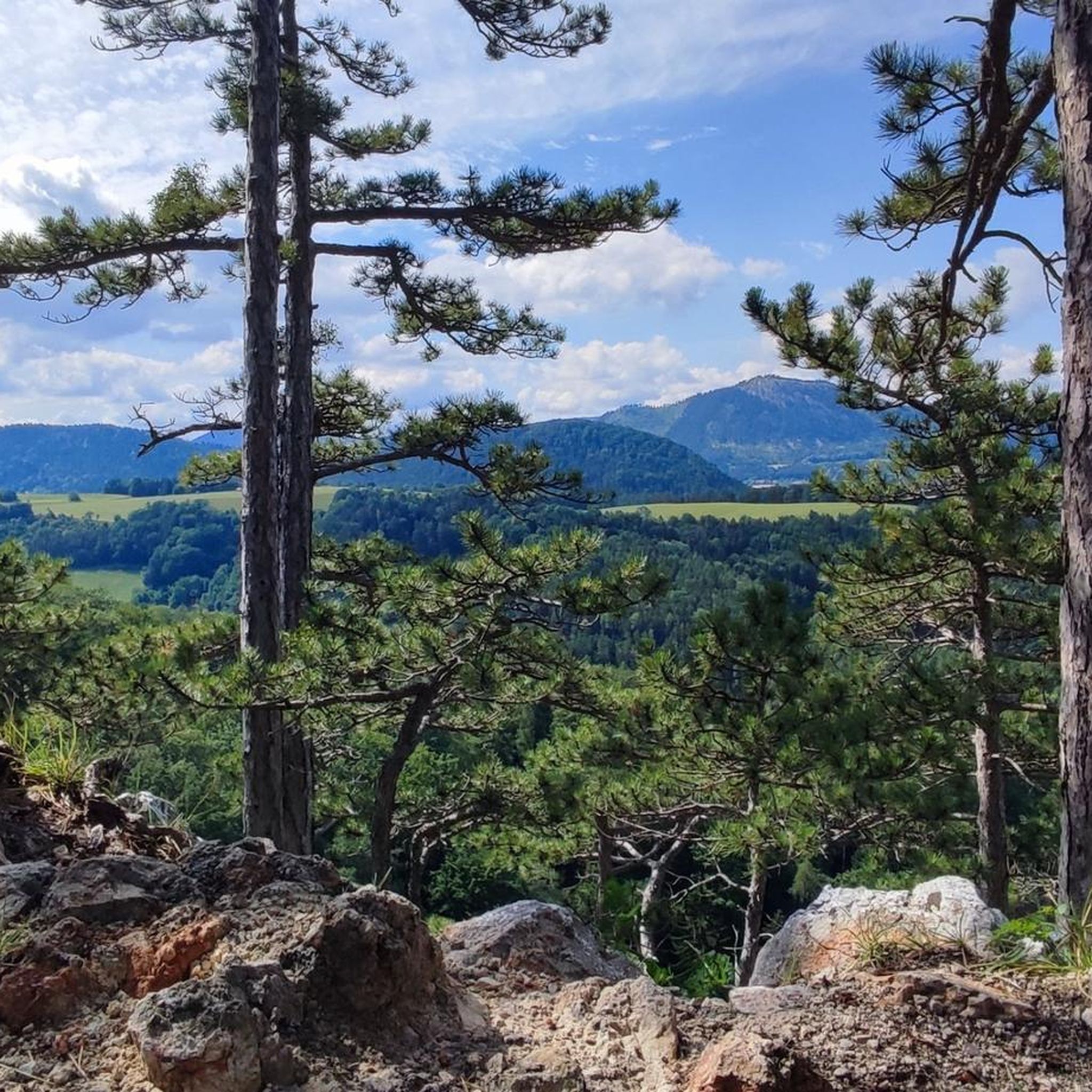
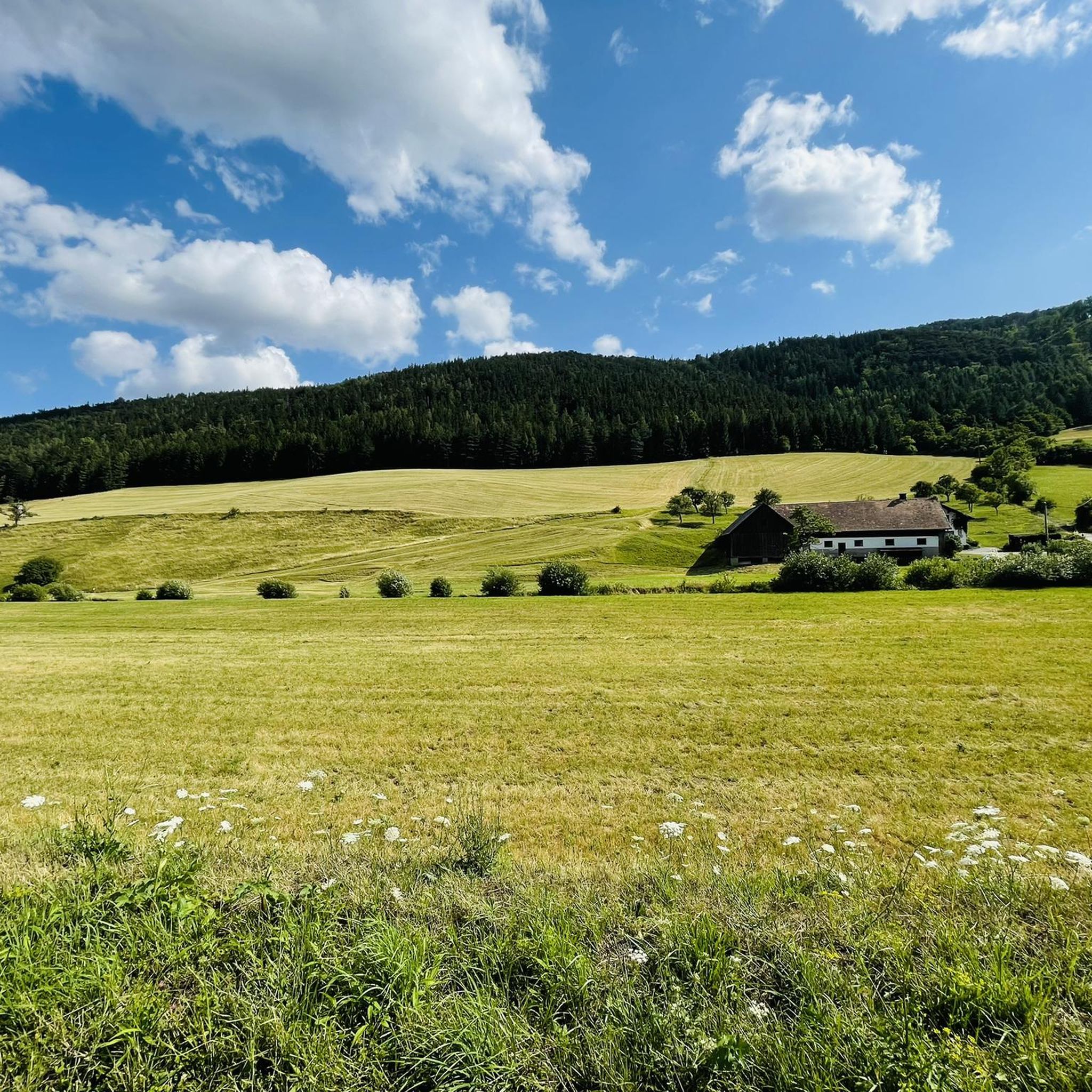
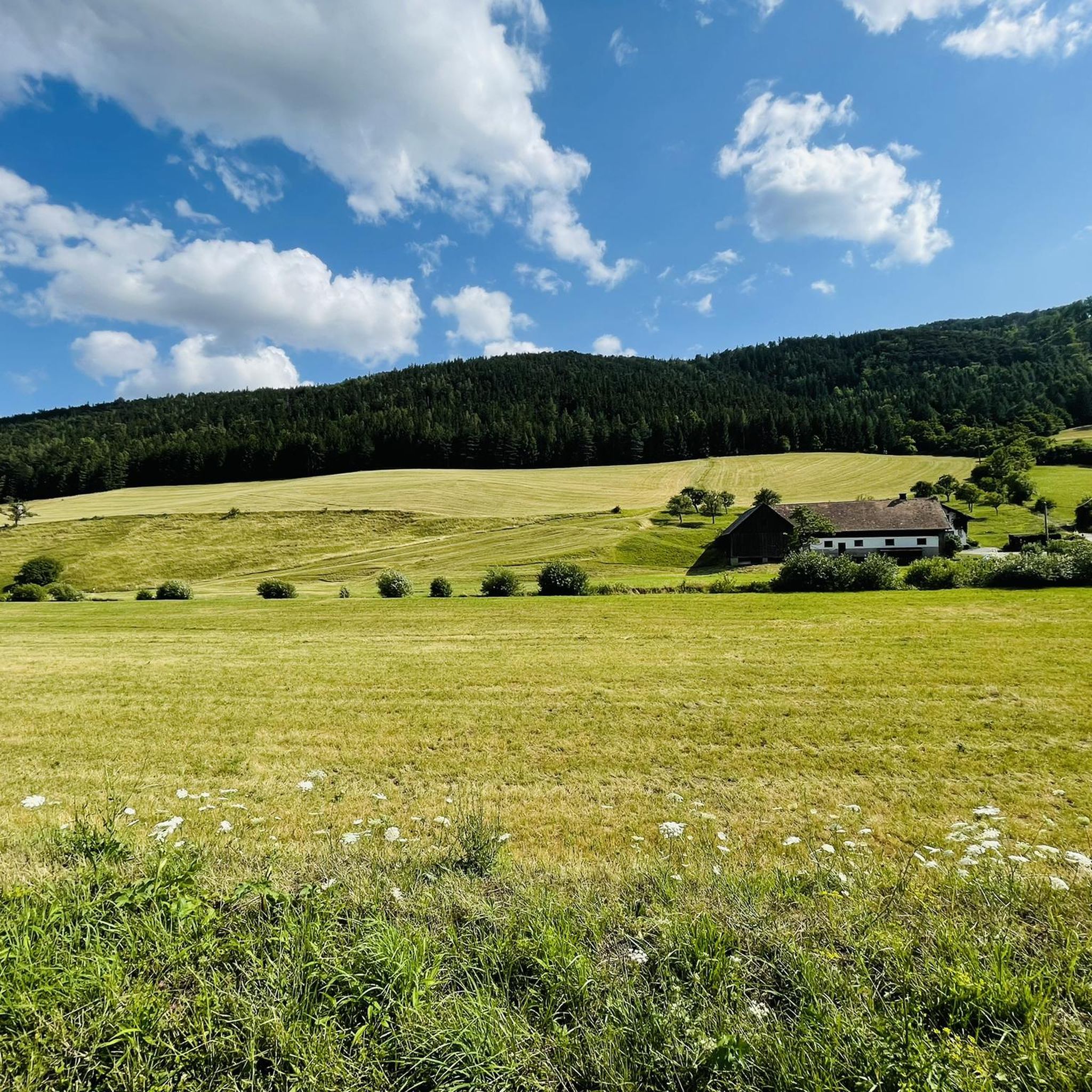
Tips from the Community

The tour is also a prime example of what great places there are to discover in eastern Austria and what unknown paths and adventures await right on your doorstep.
1
0

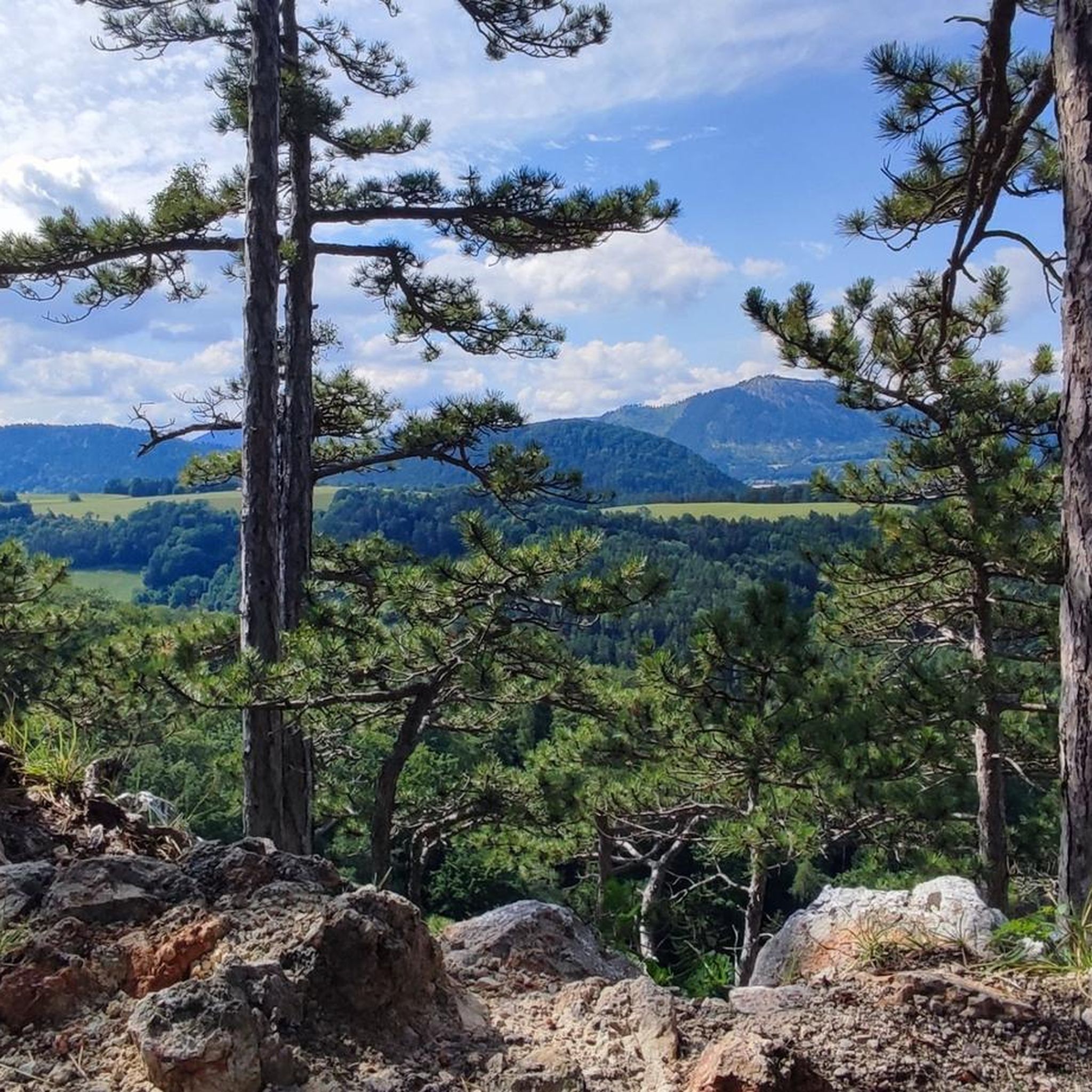
The "Great Pulpit" on the Hohe Wand is an absolute highlight and a must for every visitor. It offers a breathtaking view and is a popular meeting place for hikers, climbers and nature lovers. The imposing summit cross towers over the landscape and gives the place a special atmosphere - particularly impressive with dark clouds in the background. Various routes lead up, including the Springlessteig and the Wagnersteig. Whether for a well-deserved rest, a good meal on the sunny terrace or just to unwind - you should take your time up here to enjoy the view to the fullest.
4
0
The Hohe Wand Nature Park offers a spectacular viewing terrace with the Skywalk, which was built directly into the rock and gives visitors the feeling of floating over the abyss. The view stretches far across the Vienna Alps to Lake Neusiedl. Secured by iron bars, the platform is an impressive experience - but not for people with a fear of heights. The nature park is open all year round and, in addition to the Skywalk, offers numerous hiking trails, climbing routes, playgrounds and even a zoo, making it ideal for family outings. The atmosphere here is particularly unique early in the morning or at sunrise.
4
0


The Hohe Wand Nature Park is open daily (until 6 p.m. in summer, until 5 p.m. in winter). You get the feeling of floating on the viewing terrace built into the rocks. A great experience! Iron bars separate you from the abyss and offer a breathtaking view - into the distance and into the depths. Everything is safe, of course, but not recommended for people with a fear of heights. Further information can be found here: https://www.naturpark-hohewand.at
1
0

The Hohe Wand Nature Park is located on the high plateau of the Hohe Wand elevation of the same name in southern Lower Austria. In addition to hiking trails and great viewpoints, the Hohe Wand Nature Park also offers an animal enclosure. On a circular route lasting about an hour, you can observe ibex, red deer, alpacas and more up close. A great excursion for young and old. Source: www.freets.at/blog/hohe-wand-gehegerundweg
25
1
But there are, among other attractions, the game reserve that can be visited as part of the adventure trail. The wildlife park is freely accessible and offers animals such as ibex, red deer and sika deer as well as chamois, marmots and mouflons. Very unusual for these latitudes are the reindeer, which you can also experience. Source: www.wissenswerts.at/zoo-hohe-wand
25
1
A short walk that will reward you with the beauty of the cascading water.
1
1
Frequently Asked Questions
What are some of the most popular natural monuments to visit around Schrattenbach?
Visitors frequently enjoy the Sebastian waterfall, which is easily accessible via a 15-minute walk from the parking area. Another popular spot is the Engelsberg Marble Quarry, known for its historical significance and scenic views. For breathtaking panoramas, the Gelände Hut offers a 360-degree view over the southern Vienna basin.
Are there any family-friendly natural monuments in the Schrattenbach area?
Yes, the Red Deer Enclosure Hohe Wand is a great option for families, offering a chance to observe various wildlife like red deer, ibex, and mouflons on a circular route. The main gorge walk at the Johannesbachklamm is also relatively easy and suitable for families with children, taking about 30 minutes.
What kind of geological features can I expect to see among the natural monuments?
The region is rich in geological formations. The Johannesbachklamm features impressive rock faces up to 60 meters high, carved by the Johannesbach stream into Wetterstein limestone, and you can observe geological features like 'Marientritt' potholes. The Engelsberg Marble Quarry showcases historical quarrying sites where reddish-white marble was extracted for centuries.
Where can I find the best panoramic views of the region?
For stunning panoramic views, head to the Gelände Hut, which provides a 360-degree vista over the southern Vienna basin to the Pannonian lowlands. Another excellent viewpoint is the Große Kanzel summit cross, offering phenomenal views that, on clear days, can extend from Schneeberg to Lake Neusiedl.
Are there opportunities for hiking or other outdoor activities near these natural monuments?
Absolutely. The Schrattenbach area, situated in the Wiener Alpen region, offers numerous well-marked hiking and mountain biking trails. You can find challenging mountain hikes, such as the Mountaineering loop from Höflein an der Hohen Wand, or explore MTB trails like the Rotes Kreuz at 633 meters loop from Würflach. The Johannesbachklamm itself is a popular starting point for various hiking routes, including longer circular options.
What is the best time of year to visit the natural monuments around Schrattenbach?
The natural monuments offer different charms throughout the year. The Johannesbachklamm is particularly stunning in autumn with vibrant forest colors and provides a cool retreat in summer. In winter, it transforms into a 'glittering wonderland,' especially during the Advent market. The Sebastian waterfall is also noted as a notable sight in all seasons.
Are there any natural monuments suitable for beginners or easy walks?
Yes, the main gorge walk through the Johannesbachklamm is relatively easy and takes about 30 minutes, making it suitable for beginners and those looking for a gentle stroll. The path to the Sebastian waterfall is also an easy 15-minute walk from the parking area.
What kind of wildlife can be observed in the natural monuments?
The Johannesbachklamm and its surroundings are home to diverse wildlife, including various species of lizards, fire salamanders, grass snakes, dragonflies, butterflies, crayfish, and trout. The Red Deer Enclosure Hohe Wand specifically allows visitors to see ibex, red deer, sika deer, chamois, marmots, mouflons, and even reindeer.
Are there any historical aspects associated with the natural monuments?
The Engelsberg Marble Quarry is a significant historical site, where marble was quarried from the 17th century until after World War II, used in notable buildings like St. Stephen's Cathedral. The Johannesbachklamm itself has a history of accessibility, having been made available to visitors by the 'Naturfreunde' (Friends of Nature) in 1902.
Are there places to eat or rest near the natural monuments?
The Engelsberg Marble Quarry provides tables, benches, and a fireplace for visitors. The Gelände Hut offers food and accommodation on weekends and public holidays during certain seasons. While the waterfall host at the Sebastian waterfall is currently closed, there are often cafes and restaurants in nearby towns like Würflach or Schrattenbach itself.
What makes the Johannesbachklamm a special natural monument?
The Johannesbachklamm is special due to its dramatic gorge landscape with impressive 60-meter-high rock faces, well-maintained wooden walkways and bridges that allow close access to the stream, and its cool, serene atmosphere even on hot days. It's also known for its geological formations like 'Marientritt' potholes and diverse flora and fauna, making it a captivating natural experience.
Can I find circular walks that include natural monuments?
Yes, the region offers several circular routes. For example, hiking routes frequently connect Schrattenbach and the Johannesbachklamm, such as the 'Schrattenstein Castle Ruins – Johannesbachklamm loop from Schrattenbach,' which is approximately 12.1 km long. The Red Deer Enclosure Hohe Wand also features a circular route for observing wildlife.
Most popular routes around Schrattenbach
Most popular attractions around Schrattenbach

Get inspired with the komoot mobile app


Explore more
Extend your search for the best caves by checking out these guides of the top ones around Schrattenbach:
