Top 16 Natural Monuments around Lichtenegg
Natural monuments around Lichtenegg showcase a diverse landscape of rolling hills, forests, and unique geological formations within the Bucklige Welt region of Niederösterreich. This area provides opportunities for outdoor activities such as hiking, allowing visitors to experience its tranquil surroundings. Lichtenegg is known for its picturesque natural features and historical sites that have been designated as natural monuments. The region combines natural beauty with cultural significance, making it a notable destination for exploration.
Best natural monuments around Lichtenegg
- The most…
Last updated: August 17, 2026
Türkensturz Ruins
Highlight • Castle
Translated by Google •
Tip by

Plane Tree Natural Monument, Seebenstein Nature Park
Highlight • Natural Monument
Translated by Google •
Tip by

Sign up now to discover places like this
Get recommendations on the best single tracks, peaks, & plenty of other exciting outdoor places.
Sign up for free
Kulmriegel Cave (Marian Grotto)
Highlight • Cave
Kulmriegel Cave, Cat.No. 2871/13
Translated by Google •
Tip by

Hollow Stone (Taufstein) Natural Monument
Highlight • Natural Monument
How did this …
Translated by Google •
Tip by

Kurpark Bad Schönau
Highlight • Natural Monument
Showing Translation
Tip by

Sign up for free to discover even more natural monuments around Lichtenegg.
Sign up for free
Already have an account?
Start today with a free account
Your next adventure awaits.
Login or Signup
Tips from the Community

The park is lined with fragrant flower islands, shady trees, a babbling brook, and quacking ducks in the pond.
2
0
In September 1532, a Turkish army was decisively defeated near Enzesfeld-Fischau. Light Turkish horsemen (Akıncıs) were scattered into the Pittental valley. They are said to have been chased by enraged peasants over the rocks near Gleißenfeld and driven to their deaths - the "Türkensturz" (Turk's Fall). To commemorate this, Prince von und zu Liechtenstein had an artificial ruin erected here in 1824/25.
2
0

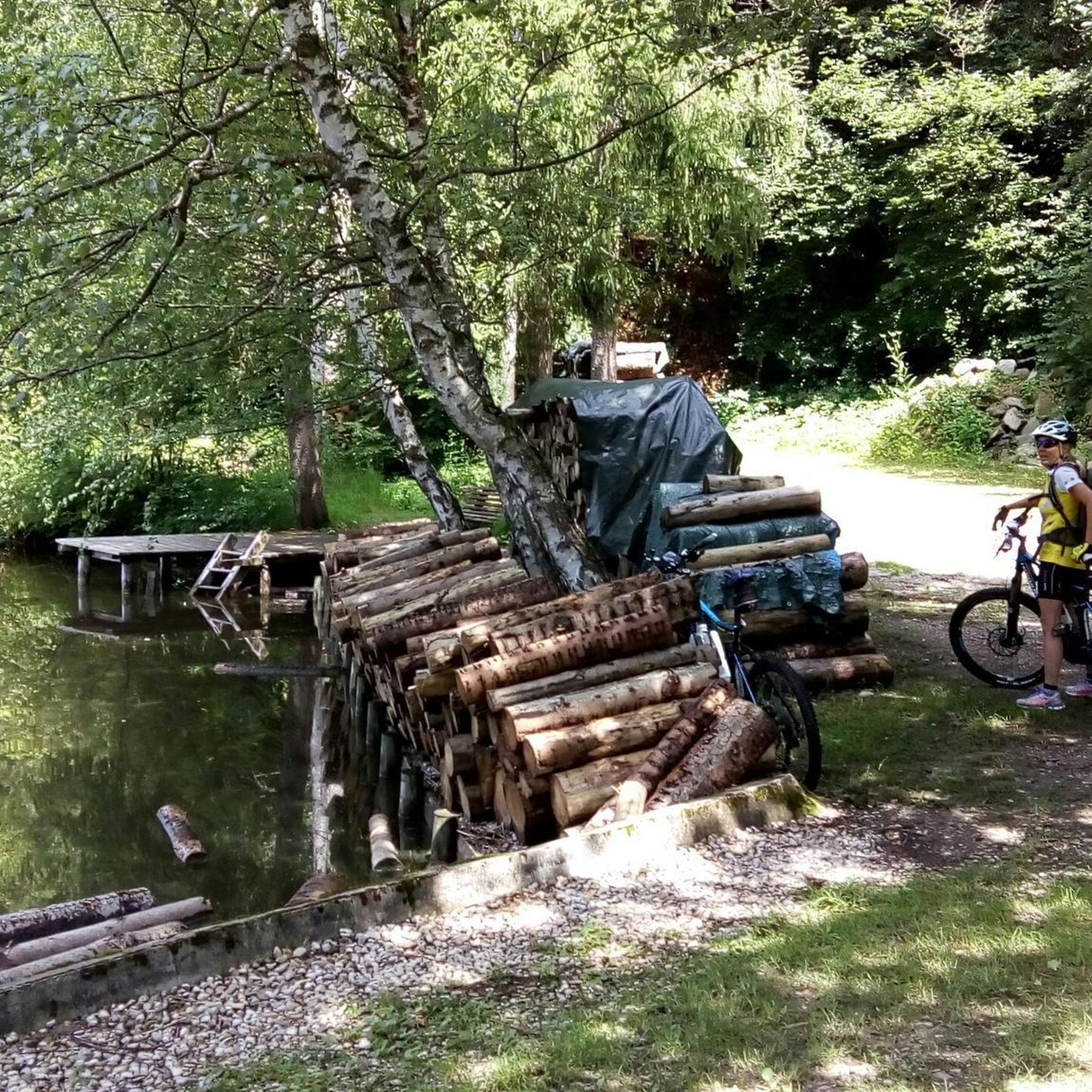
The starting point was actually Königsberg Health Resort. The start point on the map is right at the shortcut 😃😉
0
0

The hollow stone is a rounded pebble measuring approximately one cubic meter with an artificial oval hollow. It is likely a sacrificial stone, as names such as Weihfeld, Weihacker, or Weihwiesen appear on the ridge south of the stone. Two legends also exist about this stone... [bote-aus-der-buckligen-welt.at]
0
0

The tower of the Turk's fall collapsed. With it, the crescent moon at the top also fell into the depths (the district papers reported). Now the crescent could be found. GLEISSENFELD (ts/e_peinsipp). The Turk's Fall is a landmark that can be seen from afar for the nature park and the hiking area with historical significance. But recently part of the ruin, which was artificially created over 200 years ago, collapsed. Parts of the boulders rolled through the forest to the hiking trails that began in the valley. Now the long-lost crescent that sat at the top of the Turk's Fall Tower could be handed over to the community again. Source: www.meinkreis.at/neunkirchen/c-lokales/tuerkenjagd-ruine-brueder-retteten-halbmond_a5996874
26
3

The natural monument 'Hohler Stein' is also called 'baptismal font' and was declared a natural monument in 1958. According to tradition, baptisms never actually took place here. How did this stone structure come about? Around 4 million years ago, boulders were deposited here and a second stone rotated on top of it - which over time created the depression.
0
0
Artificially built ruins with via ferrata underneath. Top notch view. Easy to reach. Recommended!!
4
0

Beautiful park with many benches for a short stay.
0
0
Frequently Asked Questions
What are some of the most popular natural monuments to visit around Lichtenegg?
Visitors frequently enjoy the unique geological formation of the Hollow Stone (Taufstein) Natural Monument, known for its intriguing history and legends. Another highly appreciated spot is the Kurpark Bad Schönau, offering well-maintained paths and blooming splendor for relaxation. For those seeking panoramic views, the Türkensturz Ruins provide a wonderful vantage point over the landscape.
Are there family-friendly natural monuments in the Lichtenegg area?
Yes, several natural monuments are suitable for families. The Kurpark Bad Schönau is particularly family-friendly, featuring well-paved paths and a playground. The Plane Tree Natural Monument, Seebenstein Nature Park, located within a forest, also offers a pleasant environment for families to explore.
What kind of unique natural features can I expect to see around Lichtenegg?
Lichtenegg is known for its diverse natural features, including unique stone formations like the Hollow Stone (Taufstein) Natural Monument, which is steeped in local tradition. You can also explore caves, such as the Kulmriegel Cave (Marian Grotto), the largest in the area with an 8-meter wide entrance. Ancient trees, like the 400-year-old Plane Tree in Seebenstein Nature Park, also stand as impressive natural monuments.
What historical significance do some of Lichtenegg's natural monuments hold?
Many natural monuments around Lichtenegg blend natural beauty with historical context. The Hollow Stone (Taufstein) Natural Monument, declared in 1958, is associated with local legends, though its use for baptisms is traditional rather than factual. The Türkensturz Ruins, while a designed system from the Romantic period, offers a historical viewpoint. The Kulmriegel Cave (Marian Grotto) also has religious and historical associations.
Are there hiking opportunities near the natural monuments in Lichtenegg?
Yes, the region around Lichtenegg, part of the 'Bucklige Welt,' offers numerous hiking opportunities. You can find various running trails, including moderate to difficult options like the 'Pilgrimage Church of Our Lady of the Snows – Forest Playground loop from Bucklige Welt.' For more detailed routes and options, explore the Running Trails around Lichtenegg guide.
What cycling routes are available near Lichtenegg's natural monuments?
The area provides excellent cycling opportunities for both road cycling and mountain biking. Road cyclists can enjoy routes such as the 'Krumbach Museum Village – Parish Church of Bad Schönau loop from Krumbach.' Mountain bikers have options like the 'View of Bucklige Welt – View of Tiefenbachtal loop from Krumbach.' For a comprehensive list of routes, refer to the Road Cycling Routes around Lichtenegg and MTB Trails around Lichtenegg guides.
Is the Kurpark Bad Schönau accessible for wheelchairs?
Yes, the Kurpark Bad Schönau is designed with accessibility in mind. It features well-paved, mostly asphalted paths, making it suitable for wheelchair users to explore its blooming splendor and serene environment.
What is the 'Hohler Stein' and where can I find more information about it?
The 'Hohler Stein,' also known as the 'baptismal font,' is a unique natural monument near Lichtenegg. It's a rounded pebble approximately one cubic meter in size with an artificial oval hollow, declared a natural monument in 1958. You can find it and learn more about its legends and formation on its dedicated highlight page: Hollow Stone (Taufstein) Natural Monument.
What do visitors appreciate most about the natural monuments around Lichtenegg?
Visitors frequently highlight the tranquil surroundings and the opportunity for relaxation. They enjoy the wonderful vantage points offered by sites like the Türkensturz Ruins, the well-maintained paths and blooming beauty of the Kurpark Bad Schönau, and the intriguing geological formations and historical context of places like the Hollow Stone (Taufstein) Natural Monument.
Are there any natural monuments that are particularly good for photography?
Many natural monuments around Lichtenegg offer picturesque scenes for photography. The Türkensturz Ruins, with its romantic design and expansive views, is a popular spot for capturing landscapes. The blooming splendor of the Kurpark Bad Schönau provides vibrant floral backdrops, and the unique structure of the Hollow Stone (Taufstein) Natural Monument offers interesting close-up opportunities.
What is the best time of year to visit the natural monuments in Lichtenegg?
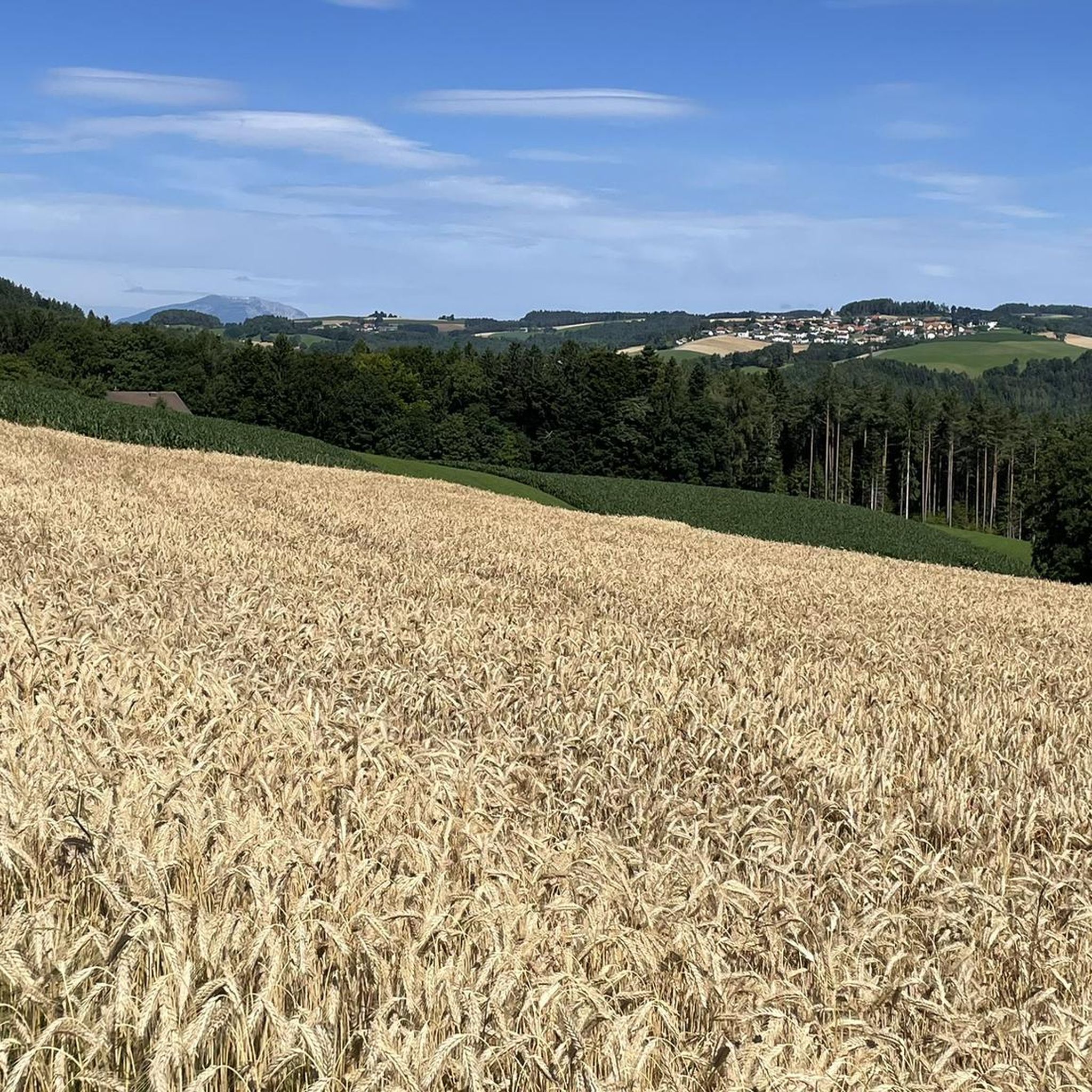
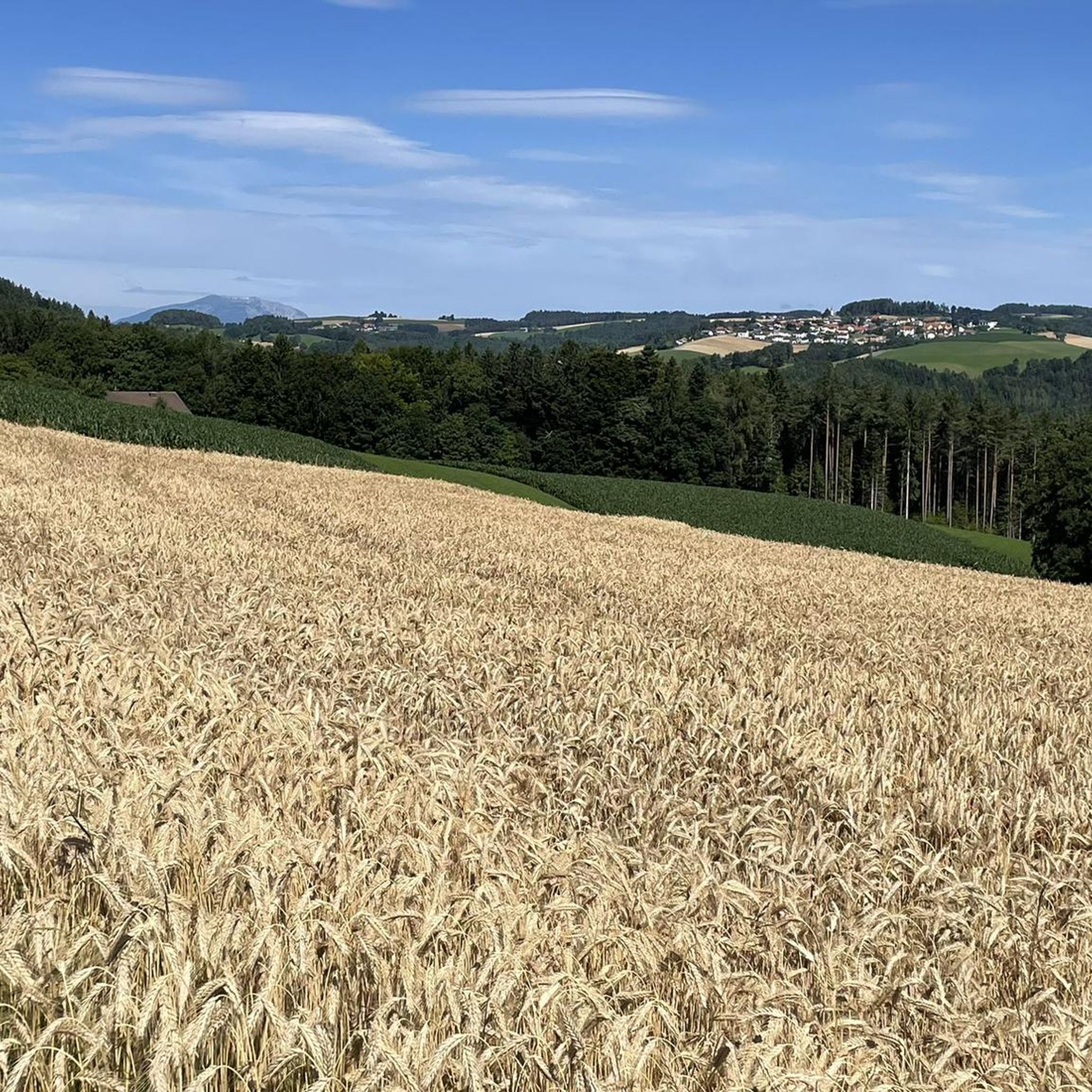
The 'Bucklige Welt' region, where Lichtenegg is located, is characterized by rolling hills, golden fields, and forests. Spring and summer are ideal for experiencing the blooming splendor, especially in places like the Kurpark Bad Schönau, and for enjoying outdoor activities like hiking. Autumn also offers beautiful scenery with changing foliage.
Most popular routes around Lichtenegg
Most popular attractions around Lichtenegg

Get inspired with the komoot mobile app


Explore more
Extend your search for the best caves by checking out these guides of the top ones around Lichtenegg:
