Top 8 Natural Monuments around Spannberg
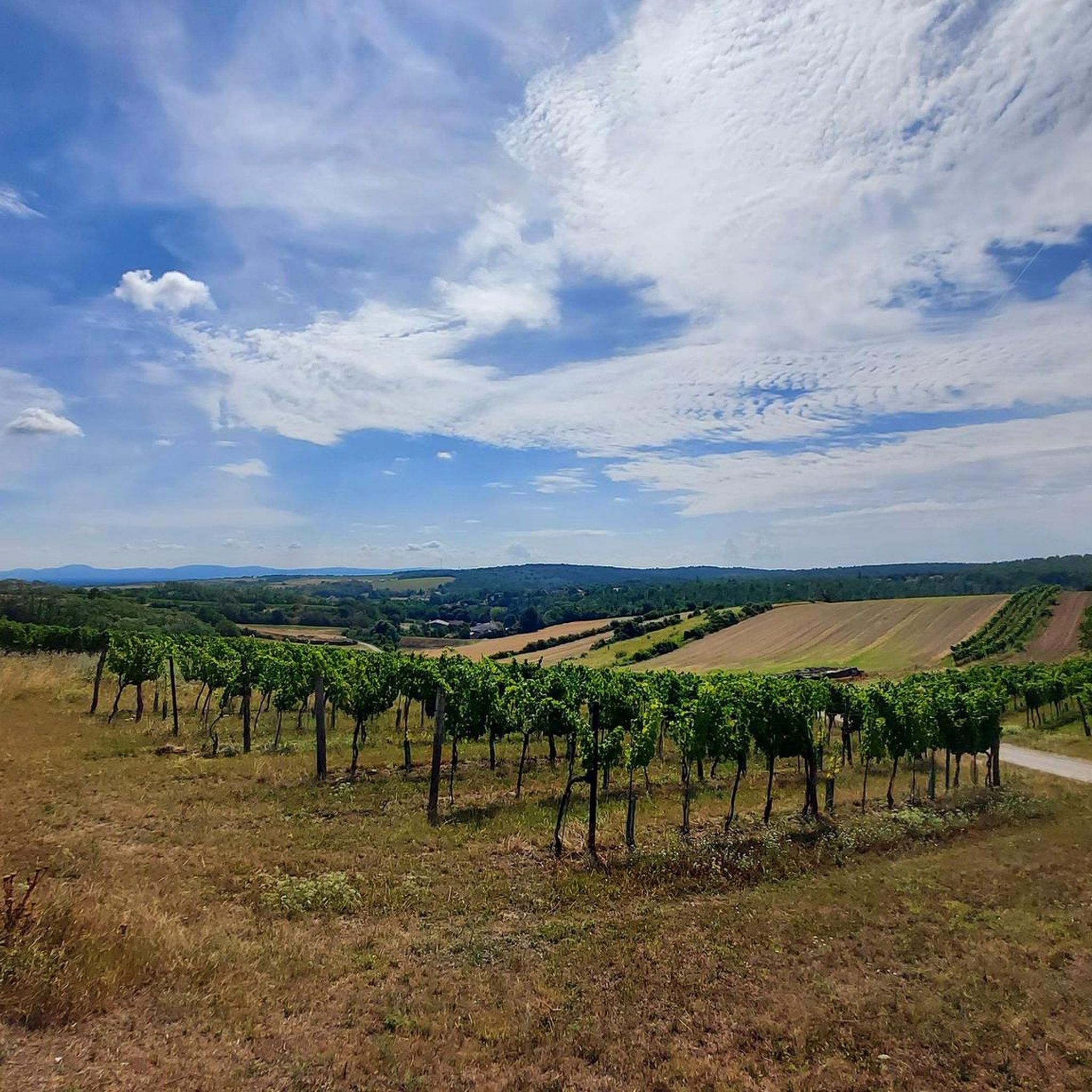
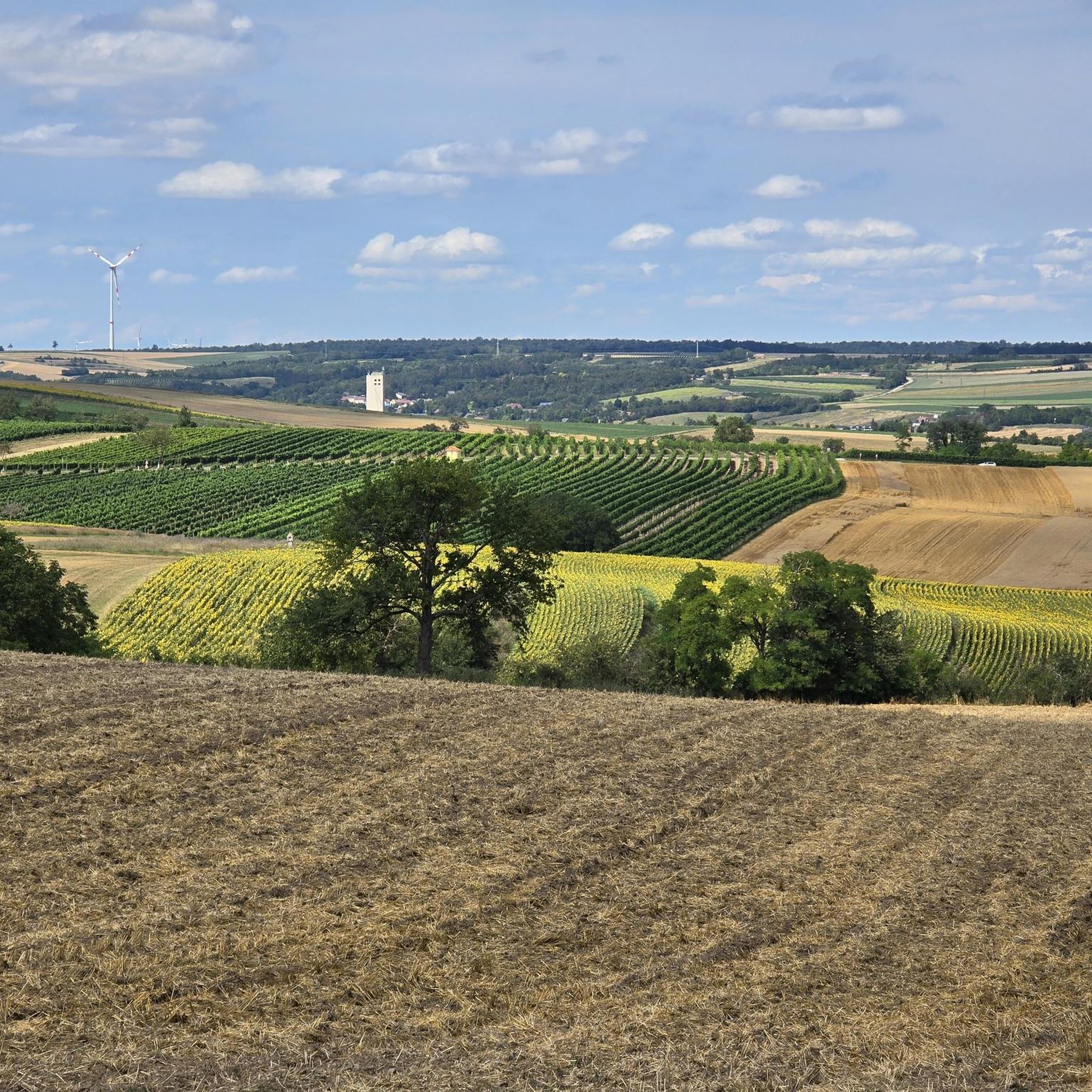
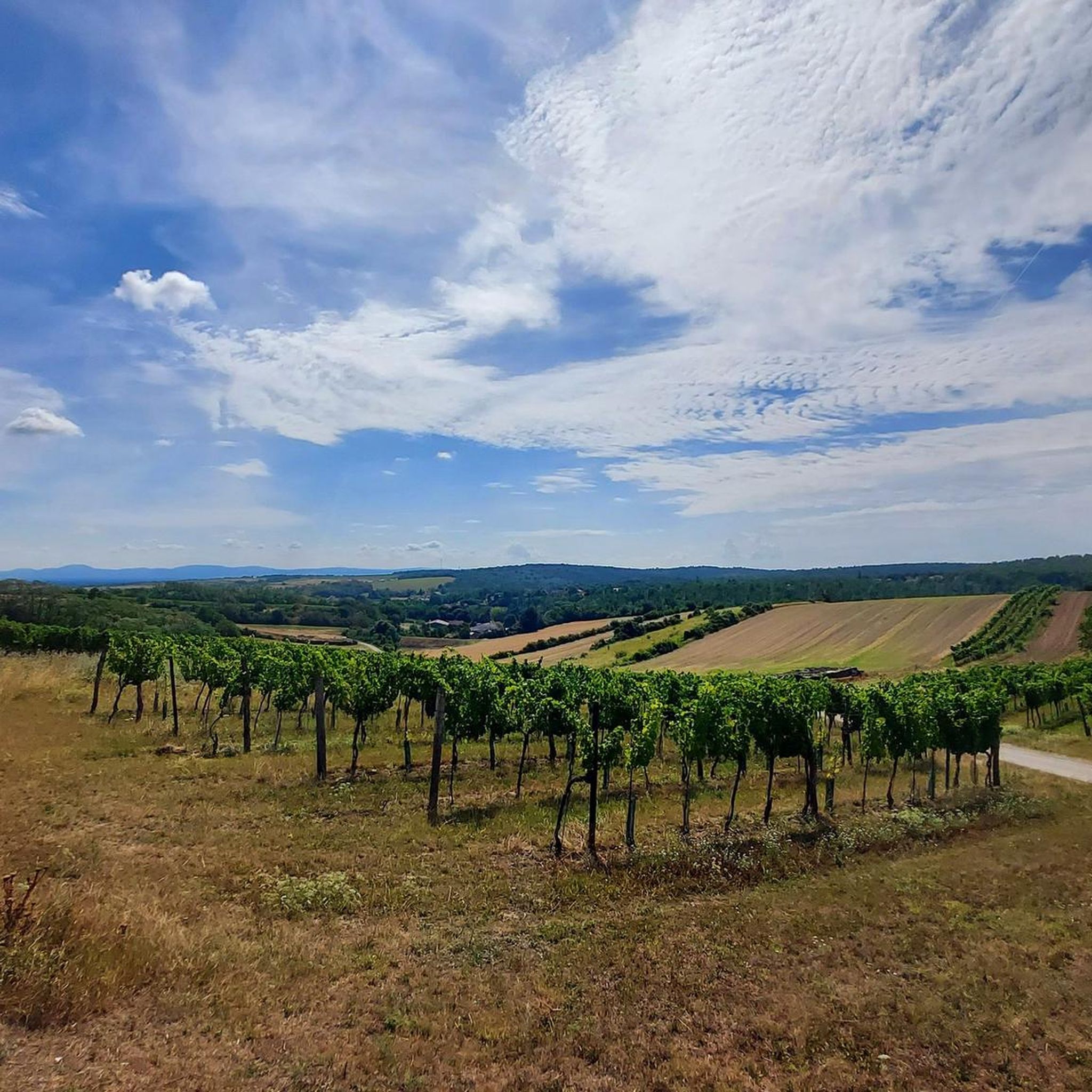
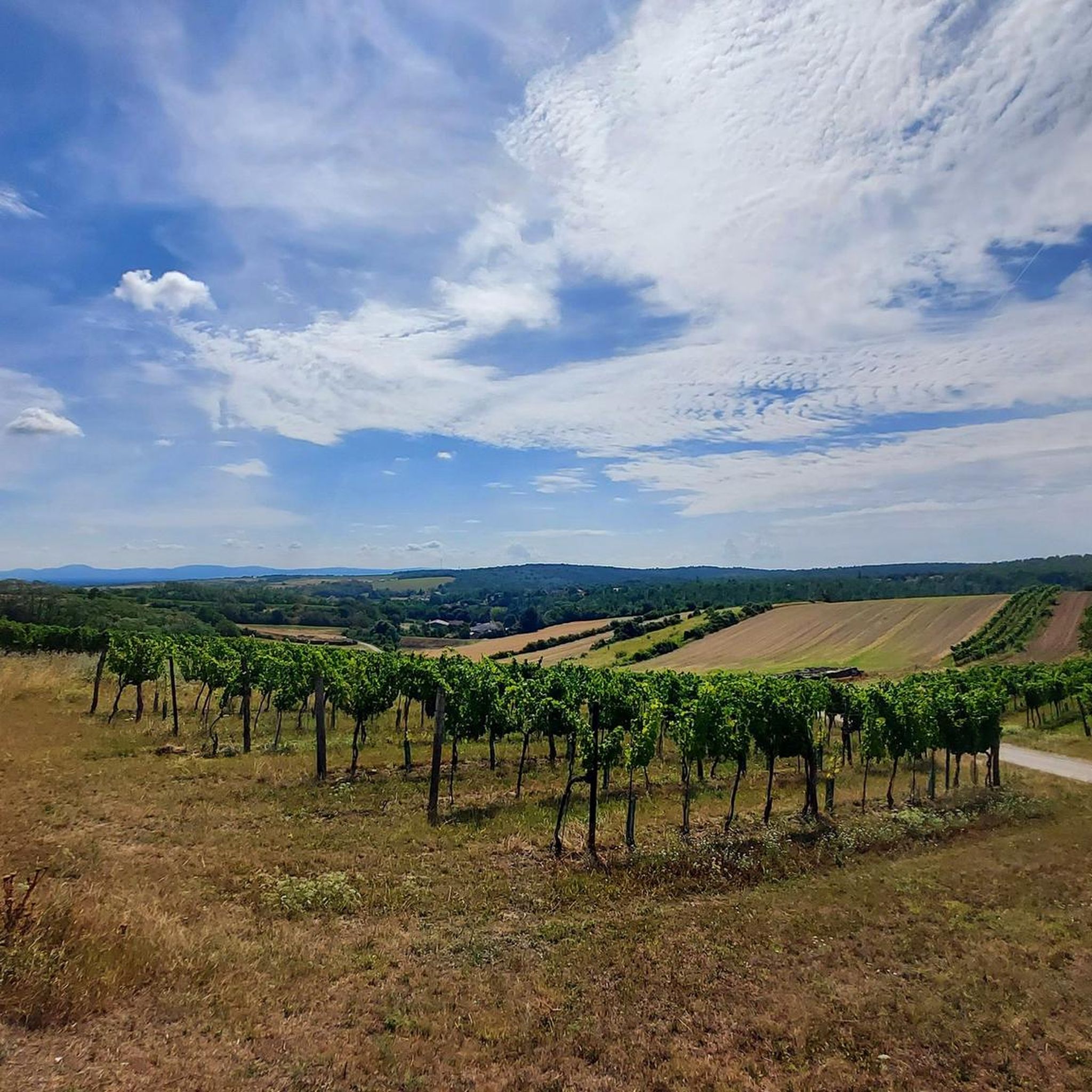
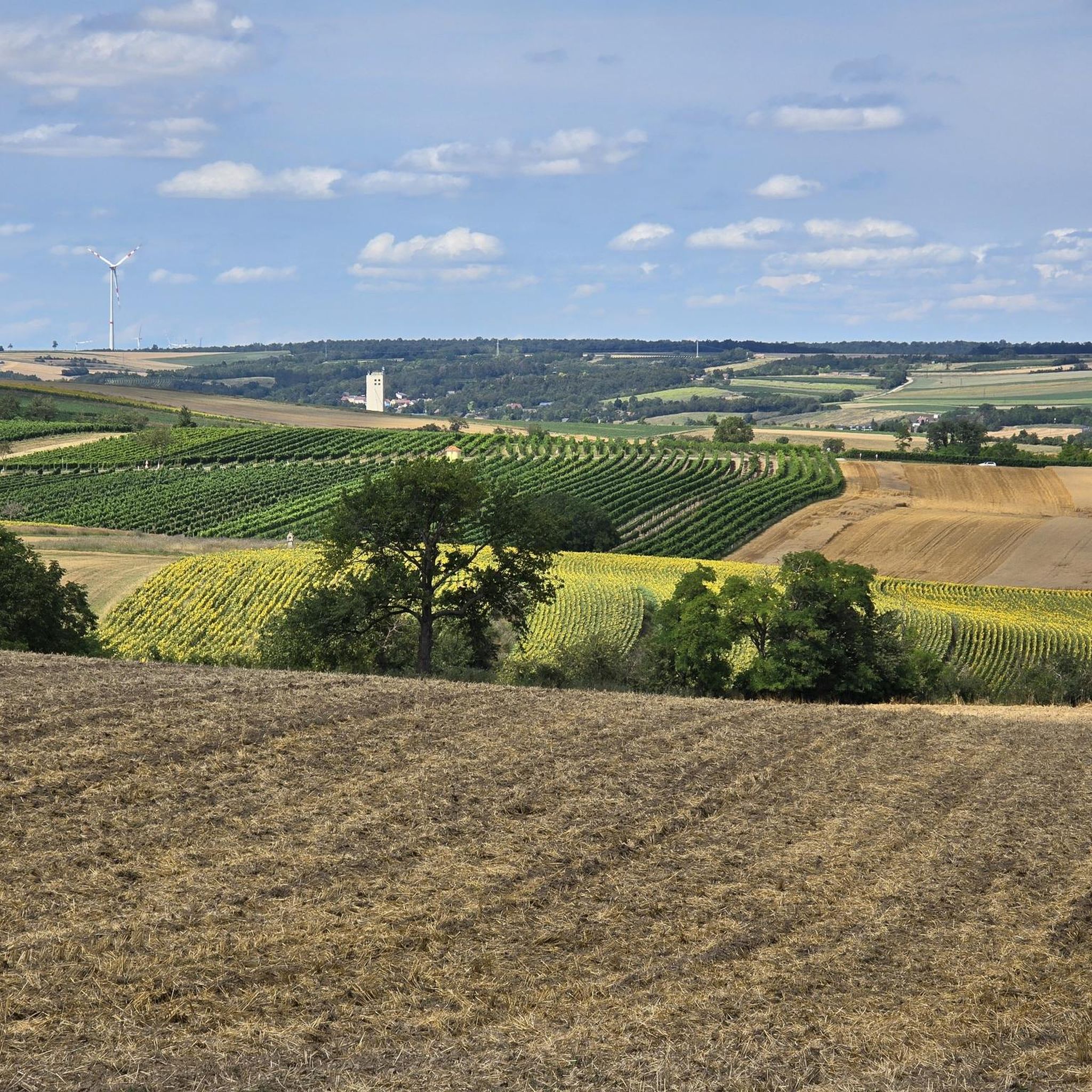
Natural monuments around Spannberg are found within the rural landscape of the Weinviertel region in Lower Austria. This area is characterized by its natural setting, with a significant portion covered by forests. The terrain offers opportunities for outdoor activities such as hiking and cycling. The natural appeal of Spannberg primarily lies in its general landscape, which includes various natural features designated as monuments.
Best natural monuments around Spannberg
- The most popular natural monument is Nexinger Muschelberg, a geological formation…
Last updated: June 24, 2026
Nexing Castle and Muschelberg
Highlight • Castle
Nexing Castle, built in the English Tudor style, is located in the middle of the rolling hills of the Weinviertel. Right behind it is a …
Translated by Google •
Tip by

Picture Pine Kettlasbrunn
Highlight • Natural Monument
Translated by Google •
Tip by

Sign up now to discover places like this
Get recommendations on the best single tracks, peaks, & plenty of other exciting outdoor places.
Sign up for free
Kaiser-Bründl Monumental Fountain
Highlight • Monument
Translated by Google •
Tip by

Peoples' Memorial Stone on Schricker Berg
Highlight • Monument
Between 1977 and 1979, the sculptor Walfried Huber from Bad Pirawarth created this monument, commissioned by the family of Dr. Gerhard and Elsa Pranka from Gaweinstal, which illustrates the …
Translated by Google •
Tip by

Prozess Pond
Highlight • Historical Site
Translated by Google •
Tip by

Sign up for free to discover even more natural monuments around Spannberg.
Sign up for free
Already have an account?
Start today with a free account
Your next adventure awaits.
Login or Signup

Tips from the Community

History: Between 1977 and 1979, the sculptor Walfried Huber from Bad Pirawarth created this monument, commissioned by the family of Dr. Gerhard and Elsa Pranka from Gaweinstal, which illustrates the idea of the solidarity of peoples. At the time of its erection, the neighboring states of Czechoslovakia and Hungary were still separated from Austria by the impermeable Iron Curtain. Even if humans set arbitrary borders, these can easily be overcome by the eyes and mind. Description: The Schricker Berg viewing point is the highest elevation in the area. From there, one can see as far as the Czech Republic, Slovakia, and Hungary. Three interlocking stone blocks made of gray Waldviertel marble, the middle one resembling a finger pointing to the solidarity of peoples, stand as a memorial stone at this vantage point. The monument is 4.20 m high and 1.90 m wide. A plaque placed next to the monument explains the motivations of Dr. Pranka's family for having this memorial erected here. Source: Marterl.at
0
0

In the Zistersdorf pine forest there is a brick spring with a relief of Emperor Franz Joseph I. Below it you can read his motto "Viribus Unitis" (= With united forces). To the left and right of the relief are the years of his 60-year reign, 1848 and 1908. On the profiled cover plate there is a sandstone vase on the left and right of the main part. Above the base part there is a cornice made of unplastered and slanted bricks. On the lower side part there are two sandstone balls. [marterl.at]
2
0

At the beginning of the 17th century, the springs of the alluvial forest were prompted by the people of Zistersdorf to build a first water pipe with wooden pipes - on the occasion of the 60th anniversary of Emperor Franz Joseph I. in 1908, the brick factory owner Johann Krammer had a spring tap built and a relief of the emperor with his motto "Viribus unitis".
1
0
The blood court ruled in Nexing from 1435 to 1864. At the place where the trial pond is today, those condemned to death were executed with stick and gallows by beheading or hanging.
3
0

People used to be executed and beheaded at the process pond. That's why the area is called hell
4
0


... with a historical background ... 'process pond'
0
0
Interesting to look at. Hopefully the young tree will be that distinctive one day.
1
0
Frequently Asked Questions
What unique geological features can I explore around Spannberg?
The most prominent geological feature is the Nexinger Muschelberg. This site is a fossil wonder, featuring a vast collection of shells from the Sarmatian period, dating back 12.5 to 13.5 million years. It forms a unique backdrop within a landscape garden.
Are there any natural monuments with historical significance in the Spannberg area?
Yes, several natural monuments carry historical weight. The Picture Pine Kettlasbrunn is known for its historical significance and local legends, where a white pine once stood adorned with a painted wooden panel. Additionally, the Kaiser-Bründl Monumental Fountain, while man-made, marks a natural spring and commemorates Emperor Franz Joseph I's reign.
What kind of outdoor activities can I do near the natural monuments around Spannberg?
The rural landscape of Spannberg and the Weinviertel region offers various opportunities for outdoor activities. You can find numerous trails for running, road cycling, and mountain biking. These routes often pass by or are close to the natural features of the area.
Are there family-friendly natural monuments to visit around Spannberg?
Yes, all the highlighted natural monuments in the area are considered family-friendly. Places like Nexing Castle and Muschelberg offer a landscape garden with geological features, fish ponds, and a wildlife enclosure, making it an engaging visit for all ages. The Picture Pine Kettlasbrunn also provides an interesting stop with its local folklore.
Where can I find scenic viewpoints near Spannberg's natural monuments?
For panoramic views, visit the Peoples' Memorial Stone on Schricker Berg. This viewpoint is the highest elevation in the area, offering expansive vistas that can reach as far as the Czech Republic, Slovakia, and Hungary on clear days.
What is the general landscape like around Spannberg's natural monuments?
The natural monuments around Spannberg are situated within the rural landscape of the Weinviertel region in Lower Austria. This area is characterized by its natural setting, with a significant portion covered by forests and rolling hills, providing a serene environment for exploration.
Are there any natural springs or water features to see?
Yes, the Kaiser-Bründl Monumental Fountain is built around a natural spring in the Zistersdorf pine forest. While the fountain itself is a man-made monument, it highlights one of the natural springs found in the region.
What do visitors enjoy most about the natural monuments in Spannberg?
Visitors particularly appreciate the unique geological aspects, such as the fossil collection at Nexinger Muschelberg, which is described as a 'fossil wonder.' The blend of natural beauty with historical context, like the legends surrounding the Picture Pine Kettlasbrunn, also adds to the appeal.
Can I combine a visit to a natural monument with a castle or historical site?
Absolutely. The site of Nexing Castle and Muschelberg perfectly combines a historical castle built in the English Tudor style with a romantic landscape garden and the significant geological feature of the Nexing Shell Hill. This offers a rich experience blending history and nature.
Are there any specific hiking trails that lead to these natural monuments?
While specific hiking trails directly to each natural monument are not detailed, the region offers a network of paths suitable for running and walking. Many of these routes traverse the forested areas and rolling hills, allowing you to explore the natural landscape and discover these sites.
What is the best time of year to visit the natural monuments around Spannberg?
The natural monuments around Spannberg can be enjoyed throughout the year. Spring and autumn offer pleasant temperatures for outdoor activities like hiking and cycling, with vibrant foliage or blooming nature. Summer is ideal for longer days outdoors, while winter can provide a serene, snow-covered landscape, though some facilities might have reduced hours.
Most popular attractions around Spannberg

Get inspired with the komoot mobile app


Explore more
Extend your search for the best caves by checking out these guides of the top ones around Spannberg:
