Top 20 Natural Monuments around Groß-Enzersdorf
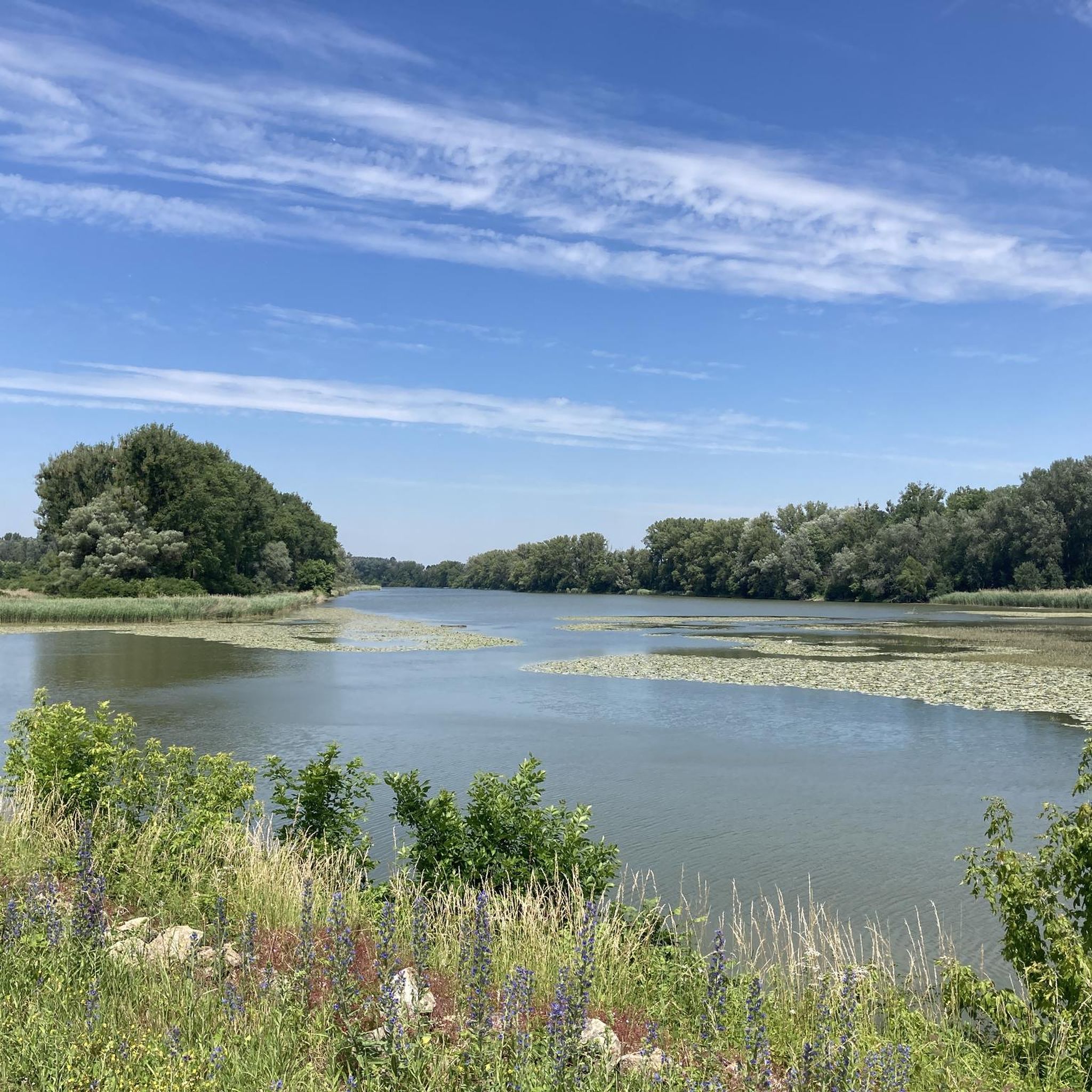
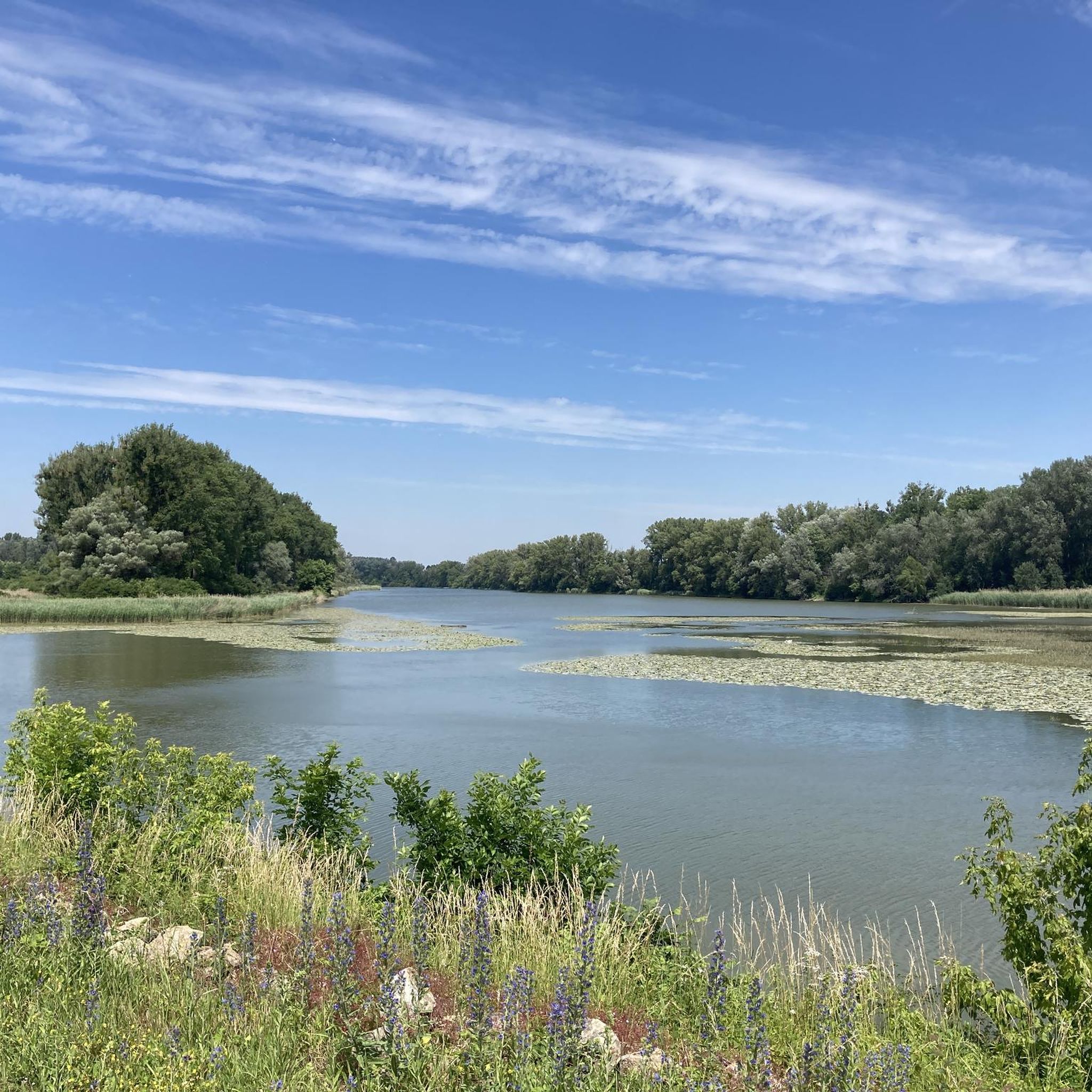
Best natural monuments around Groß-Enzersdorf are primarily found within the Donau-Auen National Park, particularly the Lobau area, located directly east of Vienna. This region features one of Central Europe's last major intact floodplain landscapes. The area is characterized by its dynamic interplay of water and land, with extensive wetlands, backwaters, and dense floodplain forests. It serves as a significant natural heritage site, offering diverse habitats for numerous plant and animal species.
Best natural monuments around Groß-Enzersdorf
- The most popular natural…
Last updated: July 7, 2026
Danube-Auen National Park
Highlight (Segment) • Cycleway
Translated by Google •
Tip by

Southern tip of the Danube Island (Donauinsel)
Highlight • Viewpoint
Translated by Google •
Tip by

Sign up now to discover places like this
Get recommendations on the best single tracks, peaks, & plenty of other exciting outdoor places.
Sign up for free
Donauradweg Gravel Section, Nationalpark Donau-Auen
Highlight • Cycleway
Translated by Google •
Tip by

Orth an der Donau in the Donau-Auen National Park
Highlight (Segment) • Settlement
Translated by Google •
Tip by

Mauthnerwasser
Highlight • Natural Monument
Translated by Google •
Tip by
Sign up for free to discover even more natural monuments around Groß-Enzersdorf.
Sign up for free
Already have an account?
Start today with a free account
Your next adventure awaits.
Login or Signup
Popular around Groß-Enzersdorf
Other adventures around Groß-Enzersdorf

Tips from the Community

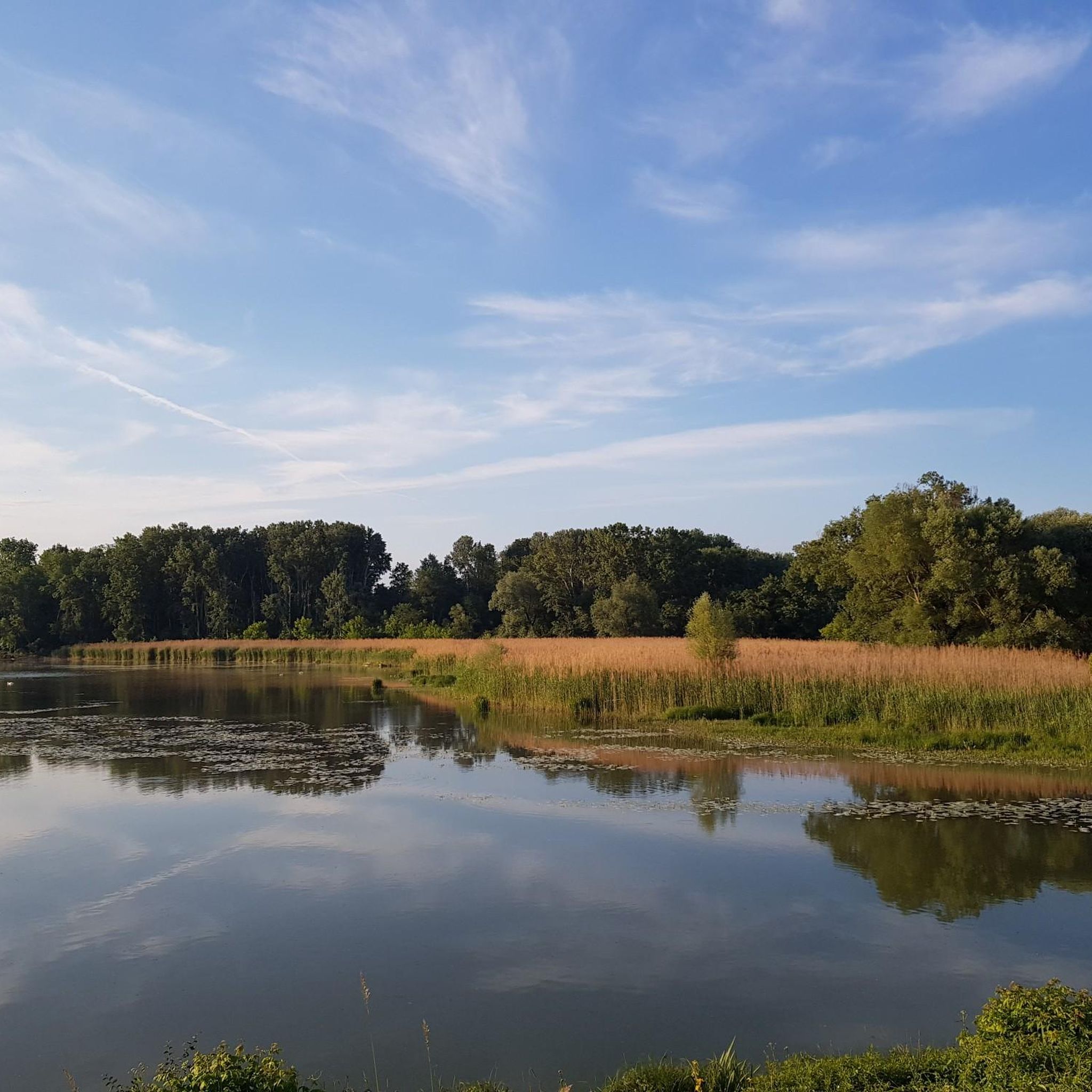
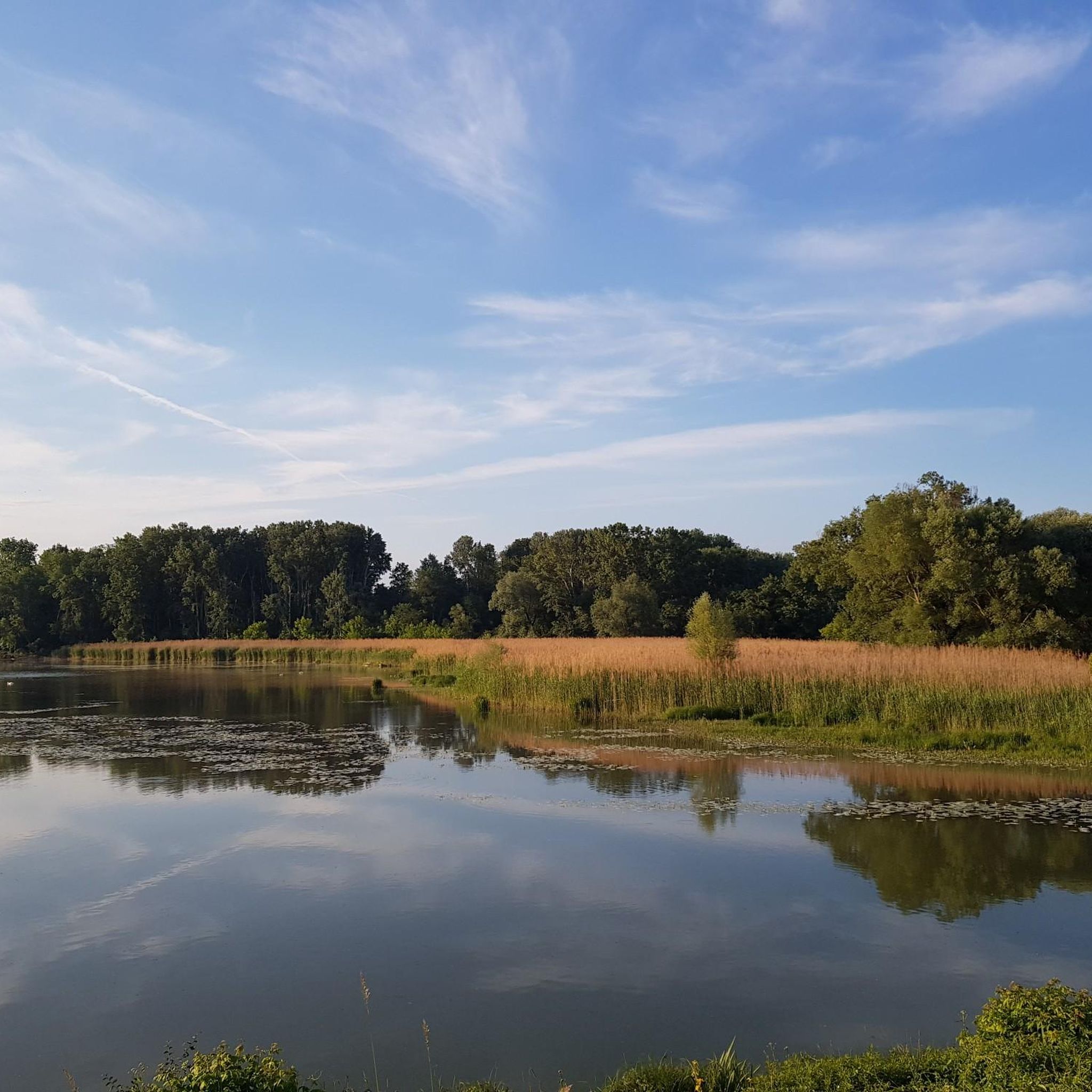
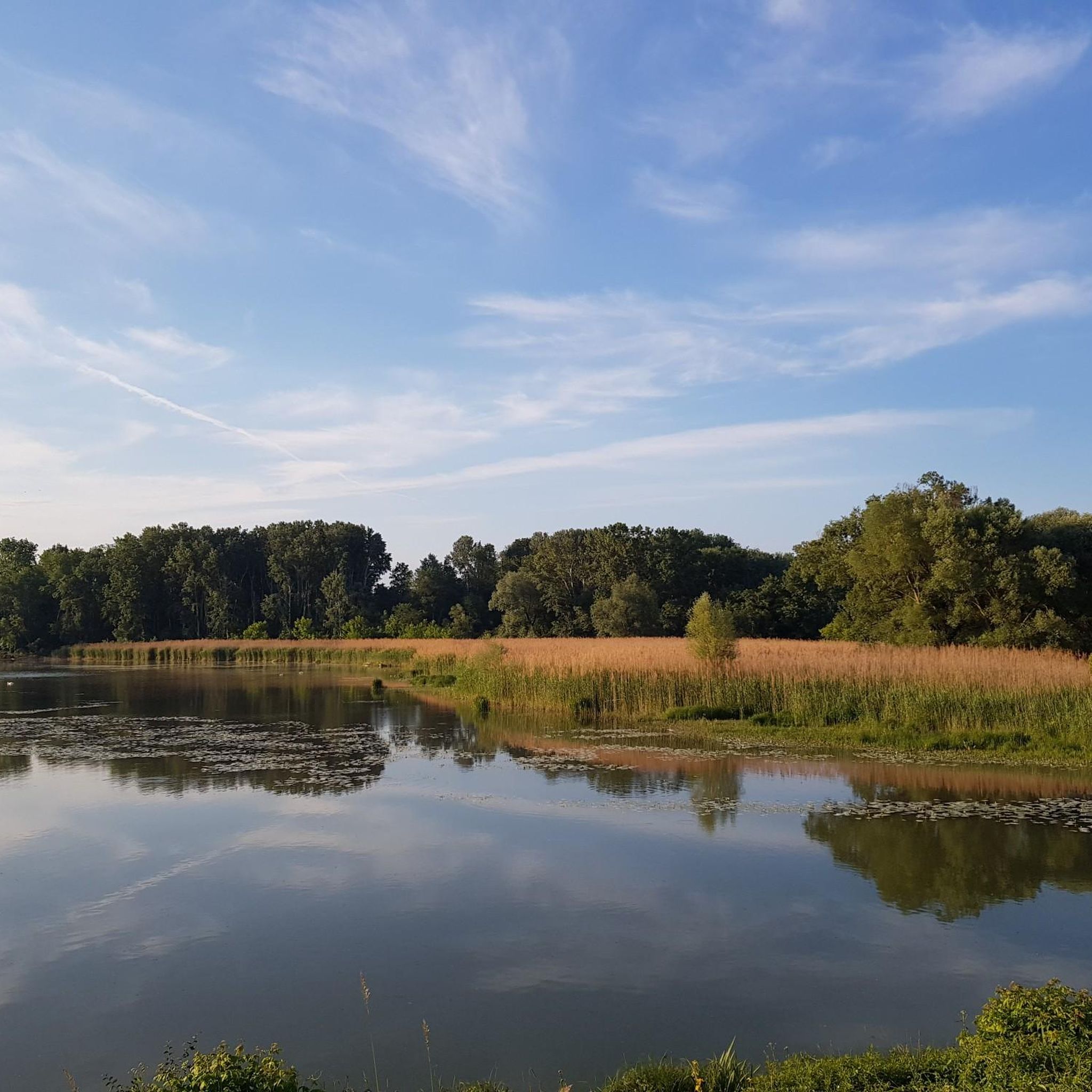
The almost standing body of water offers great photo opportunities with reflections.
0
0

The forest smells of mushrooms, and some fungi are also growing on the tree trunks around the water in the floodplain forest of the Grüner Prater.
1
0

The Mauthnerwasser is an idyllic body of water in the Wiener Prater and is considered a remnant of an old Danube side-arm – like many bodies of water there, a relic of the original floodplain landscape in the middle of the city. Particularly exciting is its protected natural monument status and the rich vegetation on its banks, which offers habitat for numerous plants and animals. Visitors can stroll along natural paths or enjoy relaxed breaks by the water, far from the urban hustle and bustle.
2
0

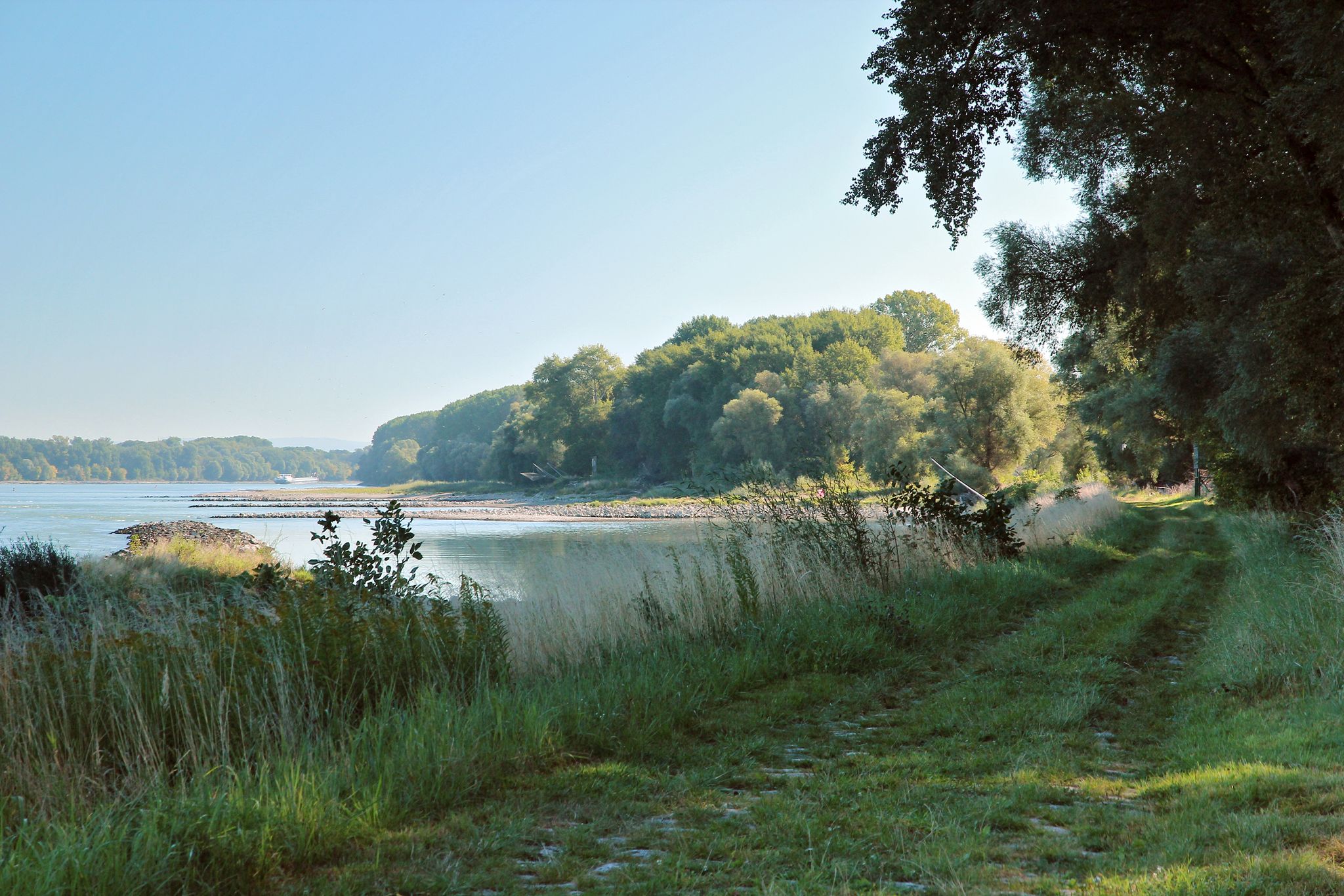
The Danube-Auen National Park is one of the last large, intact floodplain landscapes in Central Europe. It stretches along the Danube between Vienna and Bratislava and covers an area of around 9,600 hectares. The national park protects this unique river landscape, which is characterized by a dynamic interplay of floods, gravel banks, old watercourses and floodplain forests. The national park was created after the successful protests against the construction of a hydroelectric power plant in Hainburg in the 1980s. The protection of the floodplains became a milestone in the Austrian environmental movement. The Danube flows largely unregulated in this section, which means that natural flooding and changes in the course of the river remain possible. This dynamic creates diverse habitats.
2
1

Great cycle paths and beautiful nature
0
1

The Danube-Auen National Park is a 9,600 hectare national park that stretches from Vienna to the mouth of the March in Lower Austria on the border with Slovakia. It is one of the largest, largely intact floodplain landscapes in Central Europe along the Danube. The area is 38 kilometers long and measures barely four kilometers at its widest point.
3
0

EuroVelo 6 always a pleasure
1
0

The Donau-Auen National Park stretches from Vienna to the mouth of the March at the Slovakian border near Bratislava. With a total length of the protected floodplain area of 38 kilometers, the national park is barely 4 kilometers at its widest point, because floodplains are only found in the immediate vicinity of the river. In the north lies the wide plain of the Marchfeld and the protective dam, built in the 19th century, runs through the national park area. In the south, the border is formed by the edge of the Vienna Basin.
4
0
Frequently Asked Questions
What are the primary natural features to explore around Groß-Enzersdorf?
The main natural features are centered around the Donau-Auen National Park, particularly the Lobau area. This region is one of Central Europe's last major intact floodplain landscapes, characterized by extensive wetlands, quiet backwaters, dense floodplain forests, and dynamic river islands like the Orther Islands. You'll find a rich diversity of plant and animal life shaped by the free-flowing Danube.
Are there family-friendly natural monuments or activities in the area?
Yes, several natural areas are great for families. The Donau-Auen National Park offers extensive, well-developed networks of hiking and cycling trails suitable for various ages. The Southern tip of the Danube Island is a pleasant viewpoint for a relaxed outing. Additionally, the Stadtmauerpark in Groß-Enzersdorf provides a barrier-free path, a tree-top walk, and a playground, blending natural elements with recreational facilities.
What kind of wildlife can I expect to see in the natural monuments around Groß-Enzersdorf?
The Lobau section of the Donau-Auen National Park is a biodiversity hotspot. It's home to over 800 plant species, 30 mammalian species (including beavers), and 100 breeding bird species like the kingfisher and white-tailed eagles. You might also spot various reptiles, amphibians, and fish species in the wetlands and oxbow lakes. The Toter Grund Nature Reserve, a wilder section of the Danube Island, is particularly good for observing natural processes and wildlife.
Are there historical sites integrated with the natural monuments?
Yes, the Donau-Auen National Park has historical significance. The 10-kilometer-long Napoleon Circular Trail within the Lobau leads to battle sites, Napoleon's headquarters, and the French Cemetery, commemorating the Battle of Aspern and Essling in 1809. The town of Orth an der Donau, located within the National Park, also features historical elements like Orth Castle, which now serves as the National Park's visitor center.
What outdoor activities are available near the natural monuments?
The region offers a wide range of outdoor activities. You can find numerous hiking trails, including the Napoleon Rundweg, and running routes through the floodplain landscapes. For cyclists, there are many MTB trails and cycle paths. Nature watching, birdwatching, and even swimming in natural bathing spots like the Dechantlacke pond are popular activities.
Can I bring my dog to the natural monuments?
While the Donau-Auen National Park is generally accessible, specific rules apply to dogs to protect the sensitive ecosystem and wildlife. Dogs are typically allowed on designated trails but must be kept on a leash. It's always best to check the specific regulations for the area you plan to visit, especially within protected zones, to ensure a responsible visit.
What is the best time of year to visit the natural monuments around Groß-Enzersdorf?
The Donau-Auen National Park offers unique experiences throughout the year. Spring brings blooming flora and active wildlife, while summer is ideal for cycling, hiking, and swimming in designated areas. Autumn showcases vibrant fall colors in the floodplain forests, and even winter offers serene landscapes for quiet walks. Each season provides a different perspective on the dynamic floodplain environment.
Are there any specific viewpoints or scenic spots I should visit?
Absolutely. The Southern tip of the Danube Island offers a panoramic view where the New Danube meets the main Danube, with distant views towards Schwechat and the airport. The Orther Islands provide a dynamic landscape of gravel islands and primeval forests shaped by the river, offering unique scenic beauty.
How accessible are the natural monuments by public transport?
The Donau-Auen National Park, including the Lobau area, is generally accessible from Vienna and surrounding towns like Groß-Enzersdorf via public transport. Buses connect Groß-Enzersdorf to Vienna, and from there, local buses can take you closer to various entry points of the National Park. For detailed route planning, it's recommended to check local public transport schedules.
What makes the Orther Islands a unique natural monument?
The Orther Islands are a particularly dynamic habitat within the Donau-Auen National Park. The Danube actively shapes this landscape, constantly creating new gravel areas and reconnecting old channels. This natural process leads to the growth of real primeval forests on the islands, untouched by forestry, making it a fascinating place to observe the creative power of the river and its impact on the ecosystem.
Where can I find more information about the Donau-Auen National Park?
For comprehensive details about the Donau-Auen National Park, including visitor information, guided tours, and current events, you can visit the official website of the National Park at nationalparksaustria.at. The visitor center at Orth Castle in Orth an der Donau is also an excellent resource.
Most popular routes around Groß-Enzersdorf
Most popular attractions around Groß-Enzersdorf

Get inspired with the komoot mobile app


Explore more
Extend your search for the best caves by checking out these guides of the top ones around Groß-Enzersdorf:
