Top 11 Natural Monuments around Groß-Schweinbarth
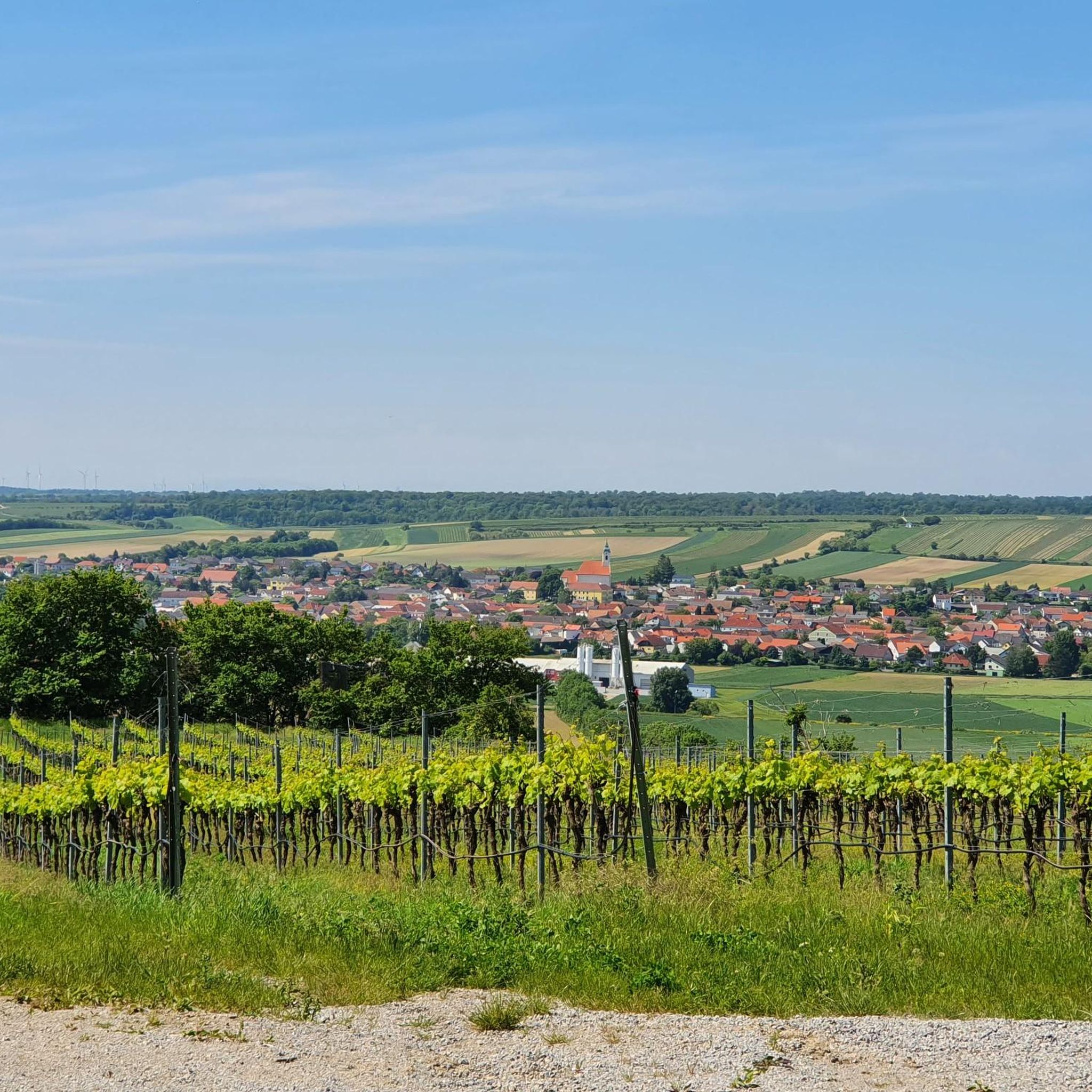
Best natural monuments around Groß-Schweinbarth are found within the gentle rolling hills of the Weinviertel region in Austria. This area is characterized by its picturesque landscapes, offering various outdoor activities. The region features soft, undulating hills and green meadows, providing a backdrop for leisurely hikes and walking tours. Visitors can explore unique geological formations and natural springs that define the local environment.
Best natural monuments around Groß-Schweinbarth
- The most popular natural monuments is Marienbründl Spring on Heiligen Berg (Hautzendorf),…
Last updated: July 7, 2026
Marienbründl Spring on Heiligen Berg (Hautzendorf)
Highlight • Natural Monument
Translated by Google •
Tip by

Nexing Castle and Muschelberg
Highlight • Castle
Nexing Castle, built in the English Tudor style, is located in the middle of the rolling hills of the Weinviertel. Right behind it is a …
Translated by Google •
Tip by

Sign up now to discover places like this
Get recommendations on the best single tracks, peaks, & plenty of other exciting outdoor places.
Sign up for free
Marienbründl & Marien Chapel
Highlight • Religious Site
Translated by Google •
Tip by

Peoples' Memorial Stone on Schricker Berg
Highlight • Monument
Between 1977 and 1979, the sculptor Walfried Huber from Bad Pirawarth created this monument, commissioned by the family of Dr. Gerhard and Elsa Pranka from Gaweinstal, which illustrates the …
Translated by Google •
Tip by

Prozess Pond
Highlight • Historical Site
Translated by Google •
Tip by

Sign up for free to discover even more natural monuments around Groß-Schweinbarth.
Sign up for free
Already have an account?
Start today with a free account
Your next adventure awaits.
Login or Signup
Tips from the Community

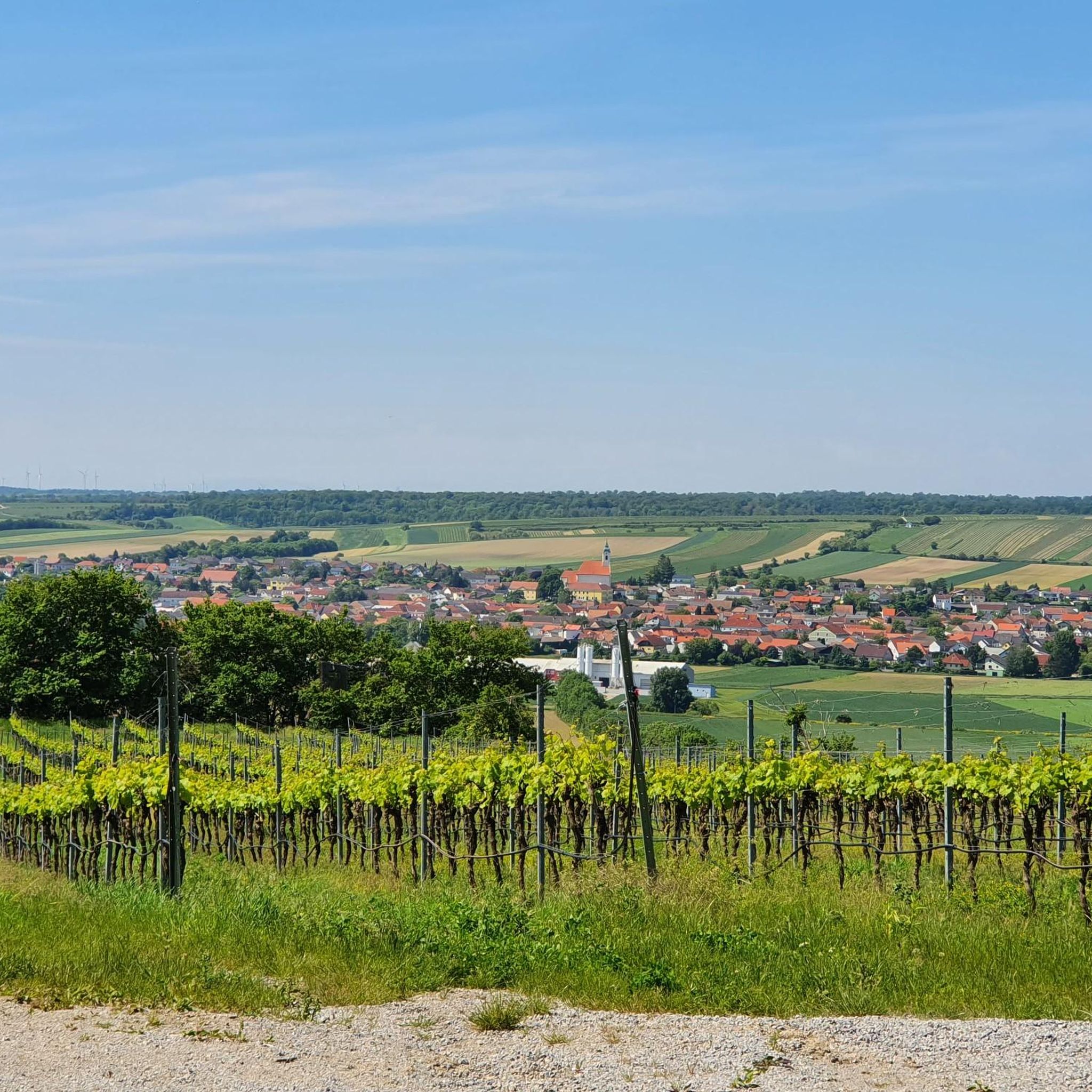
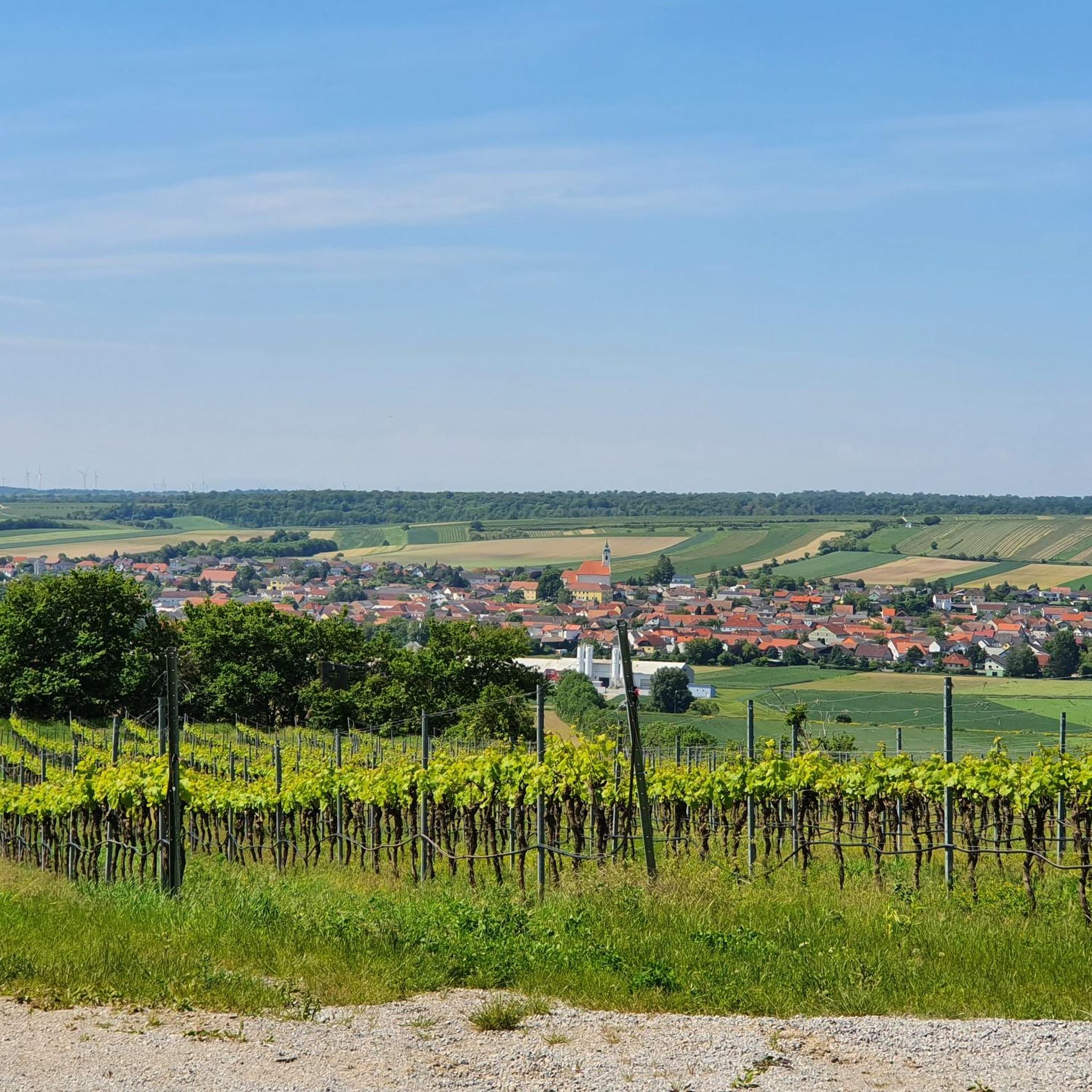
History: Between 1977 and 1979, the sculptor Walfried Huber from Bad Pirawarth created this monument, commissioned by the family of Dr. Gerhard and Elsa Pranka from Gaweinstal, which illustrates the idea of the solidarity of peoples. At the time of its erection, the neighboring states of Czechoslovakia and Hungary were still separated from Austria by the impermeable Iron Curtain. Even if humans set arbitrary borders, these can easily be overcome by the eyes and mind. Description: The Schricker Berg viewing point is the highest elevation in the area. From there, one can see as far as the Czech Republic, Slovakia, and Hungary. Three interlocking stone blocks made of gray Waldviertel marble, the middle one resembling a finger pointing to the solidarity of peoples, stand as a memorial stone at this vantage point. The monument is 4.20 m high and 1.90 m wide. A plaque placed next to the monument explains the motivations of Dr. Pranka's family for having this memorial erected here. Source: Marterl.at
0
0

To find the Bründl you have to look over the inconspicuous wall.
1
0

Due to the shady location, it is an ideal place for a break even in the worst heat.
1
0
On the other side of the path from the chapel you have to look over the wall.
0
1

The small Marienkapelle with the image of the Trinity was first mentioned in the 18th century, but the cult surrounding the spring has always existed. During the renovation work in 1990, it was lovingly renovated, as was the Bründl gushing out of the mountain. The facility is particularly appealing, in the middle of the fields with a wide view in clear air. Benches and tables are ready, not only for eating and drinking - also for prayer. A staircase leads down to the water. It comes out of a wall fortified by quarry stone masonry and runs over a stone nose into a round basin. The water crystal clear and cold.
1
0
The blood court ruled in Nexing from 1435 to 1864. At the place where the trial pond is today, those condemned to death were executed with stick and gallows by beheading or hanging.
3
0

People used to be executed and beheaded at the process pond. That's why the area is called hell
4
0

Frequently Asked Questions
What are some unique natural monuments to explore around Groß-Schweinbarth?
Beyond the well-known spots, you can discover the Marienbründl Spring on Heiligen Berg (Hautzendorf), a natural spring revered for centuries for its healing properties. Another significant site is the Nexinger Muschelberg, a geological marvel featuring a vast collection of 12.5 to 13.5 million-year-old shells from the Sarmatian period.
What geological features can I discover among the natural monuments?
The region is rich in geological wonders. The Nexinger Muschelberg is a prime example, showcasing an impressive collection of ancient shells. Additionally, the area's unique soil conditions contribute to features like the 'Weinviertler Kupfereiche' (Copper Oak) in the Hochleithenwald, known for its distinctive shimmer.
Are there hiking opportunities near the natural monuments in Groß-Schweinbarth?
Yes, the area offers various hiking opportunities. For easy walks, you can explore trails like the 'Hollow Way – Lösswand Königsberg loop' or the 'Lösswand Königsberg – Hollow Way loop' from Groß-Schweinbarth. The Königsberg-Hohlweg itself is part of a Nordic Walking route. You can find more options in the Easy hikes around Groß-Schweinbarth guide.
Which natural monuments are suitable for families with children?
Many natural monuments are family-friendly. The path along the Schweinebach Stream is suitable for families, offering a relaxing way to explore. The Nexing Castle and Muschelberg site, with its landscape garden and the shell hill, is also a great option for families.
Can I bring my dog to the natural monuments or on nearby trails?
While specific regulations for each natural monument may vary, the general hilly landscape and many hiking trails around Groß-Schweinbarth are suitable for walks with dogs. It's always advisable to keep dogs on a leash and clean up after them.
What is the best time of year to visit the natural monuments in Groß-Schweinbarth?
Spring and autumn are particularly recommended for visits. The mild weather and vibrant natural colors enhance the experience of the undulating hills and green meadows. Summer also offers pleasant conditions for outdoor activities, while winter can provide a different, serene beauty.
What kind of wildlife can I expect to see near the natural monuments?
The Königsberg-Hohlweg is noted for its remarkable and rare flora and fauna, including the bee-eater bird. The nearby Marchauen Nature Park, easily accessible from Groß-Schweinbarth, also offers untouched beauty with diverse wildlife.
Are there any natural monuments that offer scenic viewpoints?
Yes, the Peoples' Memorial Stone on Schricker Berg is located at the highest elevation in the area and offers extensive views as far as the Czech Republic, Slovakia, and Hungary. The Marienbründl & Marien Chapel also provides a wide view in clear air from its location in the fields.
Do any natural monuments have historical or cultural significance?
Absolutely. The Marienbründl Spring on Heiligen Berg (Hautzendorf) has been considered a healing spring for centuries, with a small chapel nearby consecrated in 1991. The Nexing Castle and Muschelberg features a romantic landscape garden established in 1802, adding a historical layer to the geological wonder.
What other outdoor activities can I do near these natural monuments?
Besides hiking, the region is excellent for cycling and mountain biking. You can find various routes, such as the 'St. Hubertus Chapel – Parish Church Großengersdorf loop' for MTB or 'Running loop from Bad Pirawarth' for jogging. Explore more options in the MTB Trails around Groß-Schweinbarth or Running Trails around Groß-Schweinbarth guides.
Is parking available near the natural monuments?
While specific parking details for each site are not always listed, many natural attractions and trailheads in the Weinviertel region typically offer parking facilities. For popular spots like the Königsberg-Hohlweg or areas with established hiking routes, you can often find designated parking areas.
What do visitors enjoy most about the natural monuments in Groß-Schweinbarth?
Visitors particularly appreciate the unique geological formations, such as the ancient shell collections at Nexinger Muschelberg, and the serene, healing atmosphere of places like the Marienbründl Spring. The picturesque, undulating landscapes of the Weinviertel also provide a peaceful escape and opportunities for leisurely exploration.
Most popular routes around Groß-Schweinbarth
Most popular attractions around Groß-Schweinbarth

Get inspired with the komoot mobile app


Explore more
Extend your search for the best caves by checking out these guides of the top ones around Groß-Schweinbarth:
