Top 14 Natural Monuments around Glinzendorf
Best natural monuments around Glinzendorf offer a diverse range of natural features and restored ecological sites. The region features areas that highlight successful environmental protection and re-naturalization efforts. These natural spaces provide opportunities to observe local wildlife and tranquil environments. Glinzendorf's landscape includes significant natural monuments that showcase both natural beauty and historical ecological transformation.
Best natural monuments around Glinzendorf
- The most popular natural monuments is Himmelteich Natural Monument, a natural monument that was once a gravel pit filled…
Last updated: October 11, 2026
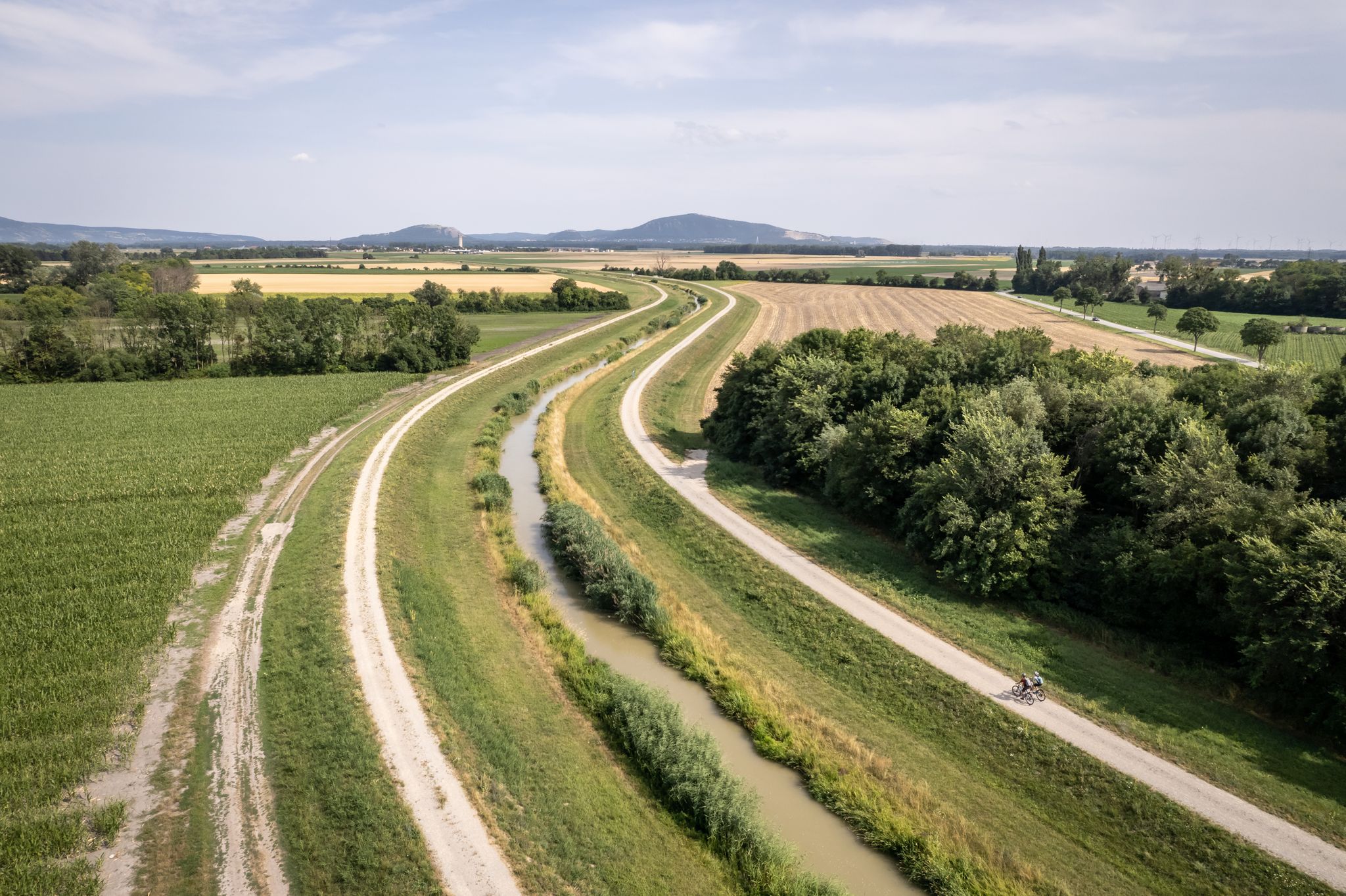
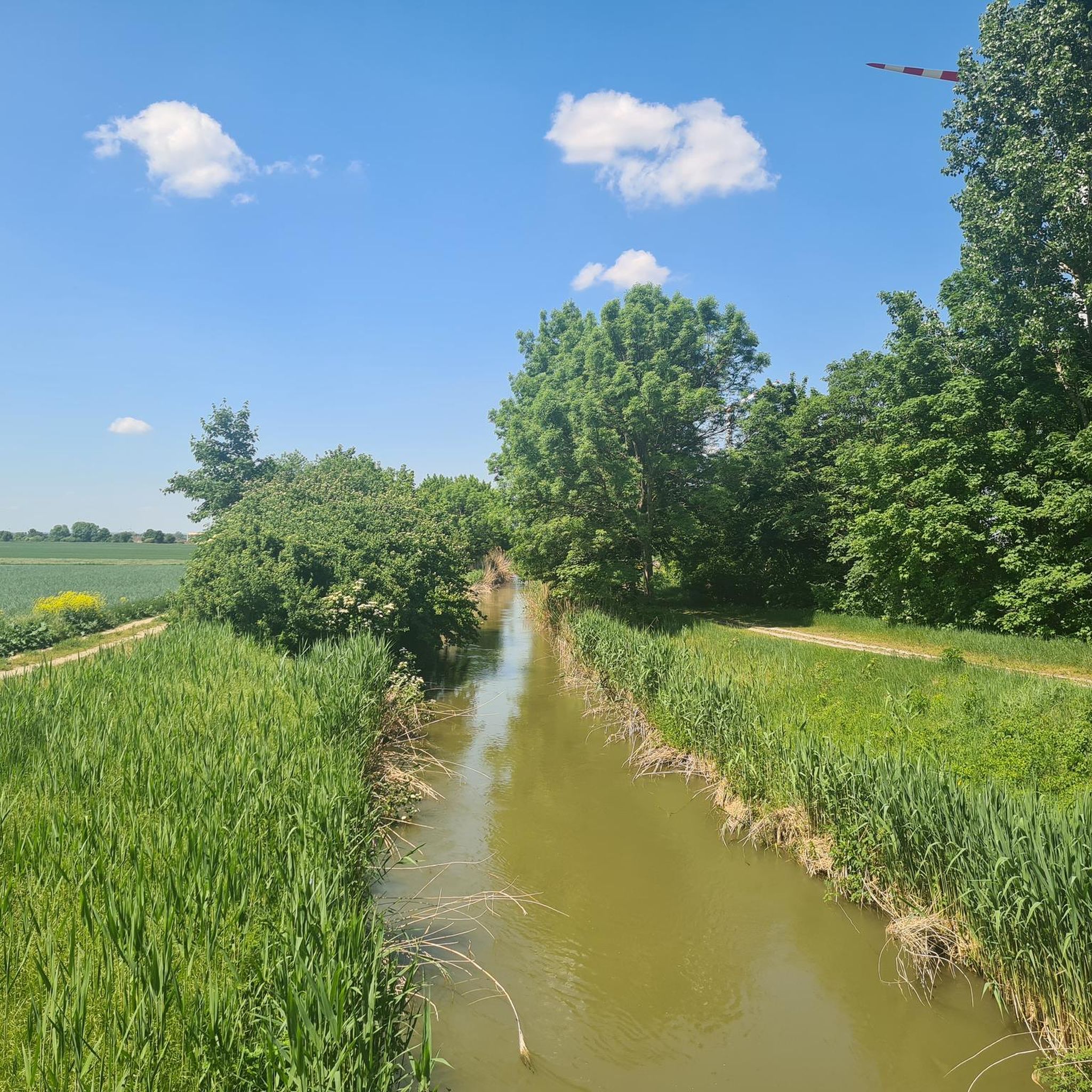
Groß-Enzersdorfer Arm
Highlight • River
Translated by Google •
Tip by

Himmelteich
Highlight • Lake
Translated by Google •
Tip by

Sign up now to discover places like this
Get recommendations on the best single tracks, peaks, & plenty of other exciting outdoor places.
Himmelteich Natural Monument
Highlight • Natural Monument
Translated by Google •
Tip by

Aspern Memorial Forest — Memorial Stone
Highlight • Monument
Translated by Google •
Tip by

In the Lobau
Highlight • Forest
Translated by Google •
Tip by

Sign up for free to discover even more natural monuments around Glinzendorf.
Already have an account?
Start today with a free account
Your next adventure awaits.

Other adventures around Glinzendorf

Tips from the Community

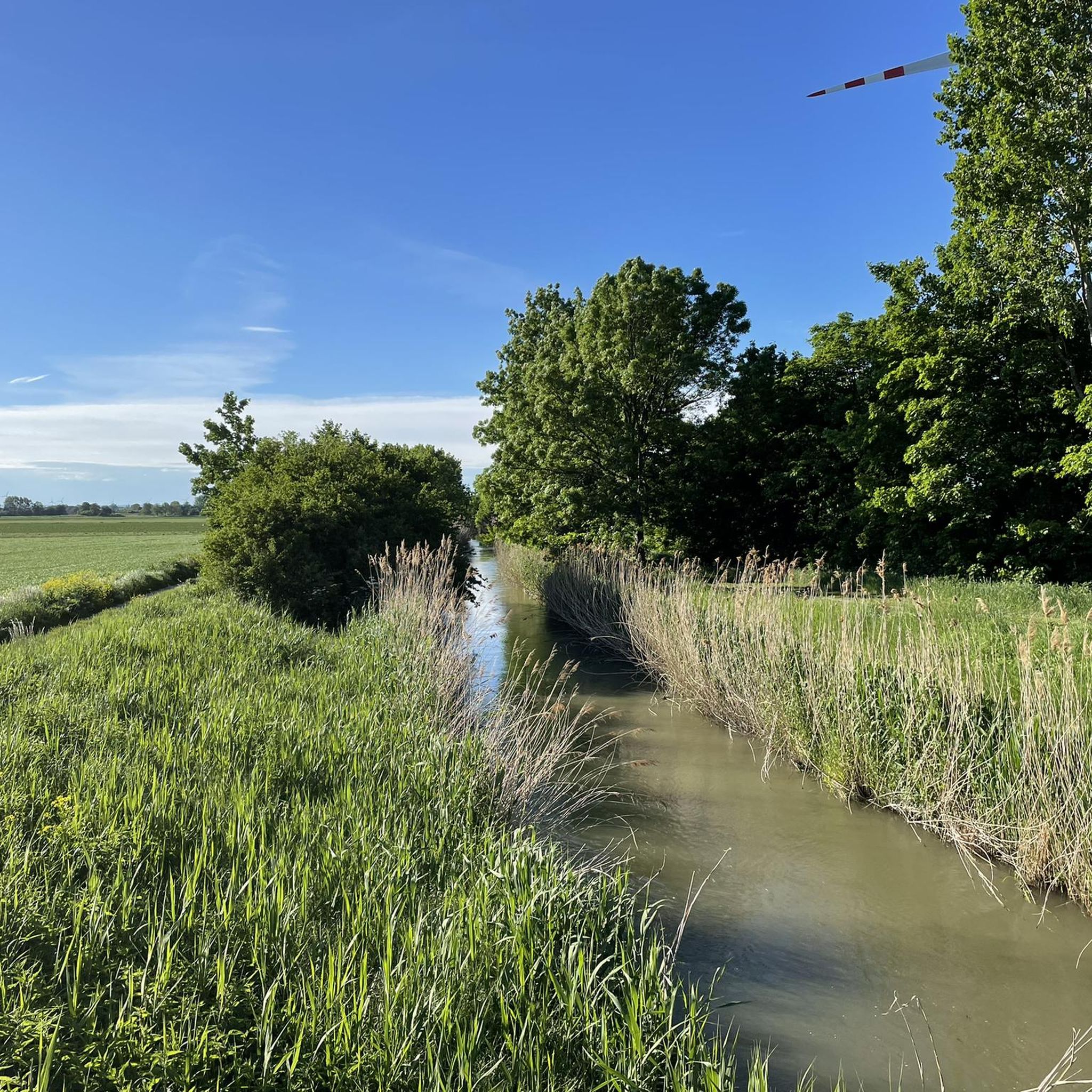
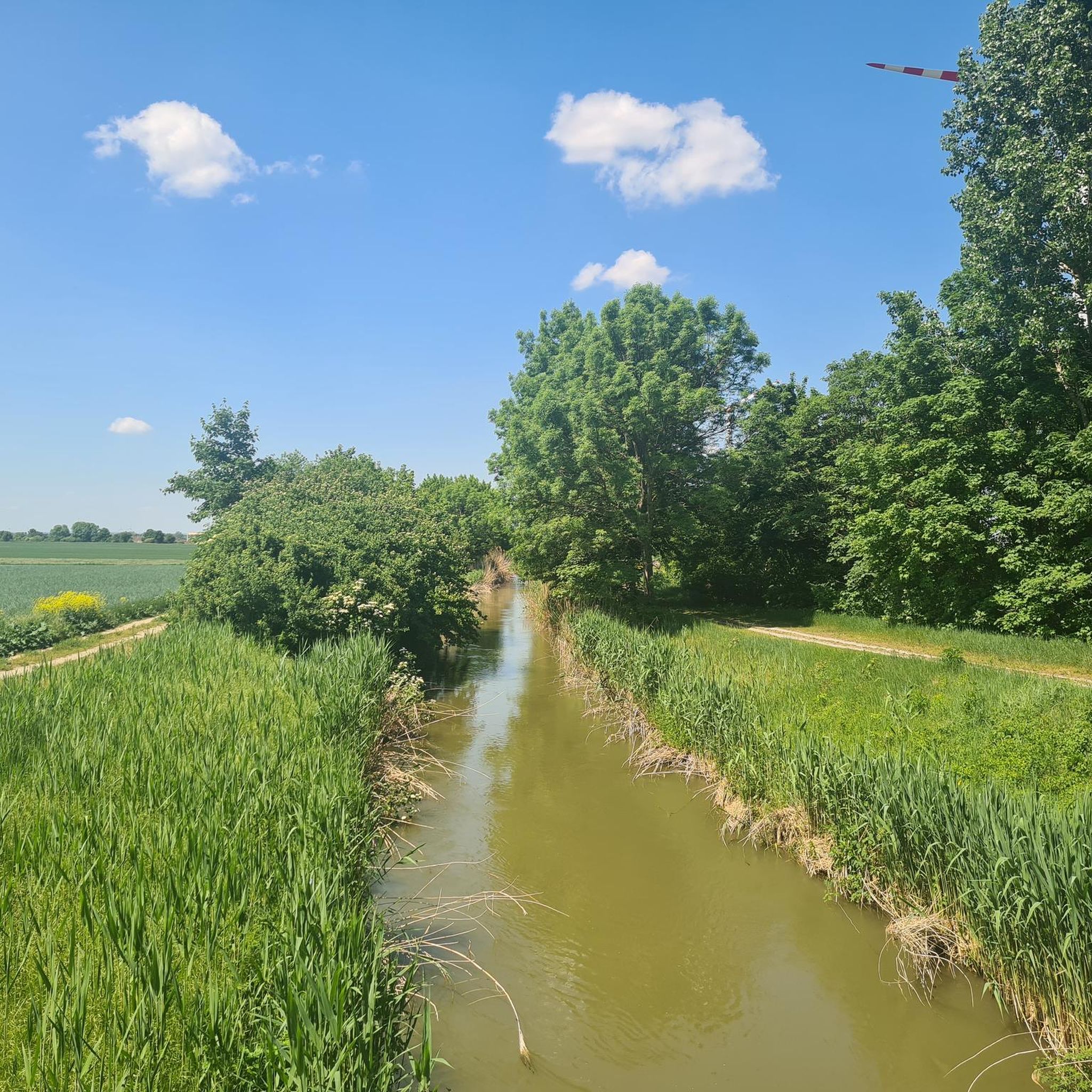
Since the end of July (!) only a narrow trickle... even though the water stretch, which extends from the Alte Donau through Stadlau, through the Mühlwasser over Aspern, over the Esslinger Furt and the Groß-Enzersdorfer arm down to the natural 2nd basin of the Danube-Oder Canal, is officially and actually supplied with water from Vienna. However, according to the method "Too much to die, too little to live."
1
0
A former gravel pit was filled with approx. 150,000 m3 of household waste and construction debris until 1970. The associated "significant danger to groundwater" was averted between 1991 and 2001: through "removal of the deposits and the contaminated subsoil", among other measures.
2
0


The Aspern Memorial Forest is an important memorial site in Austria that commemorates the victims of National Socialism. This site is part of the national commemoration and culture of remembrance, which aims to ensure that the atrocities of the Nazi era are not forgotten and that the memory of the victims is kept alive.
0
0


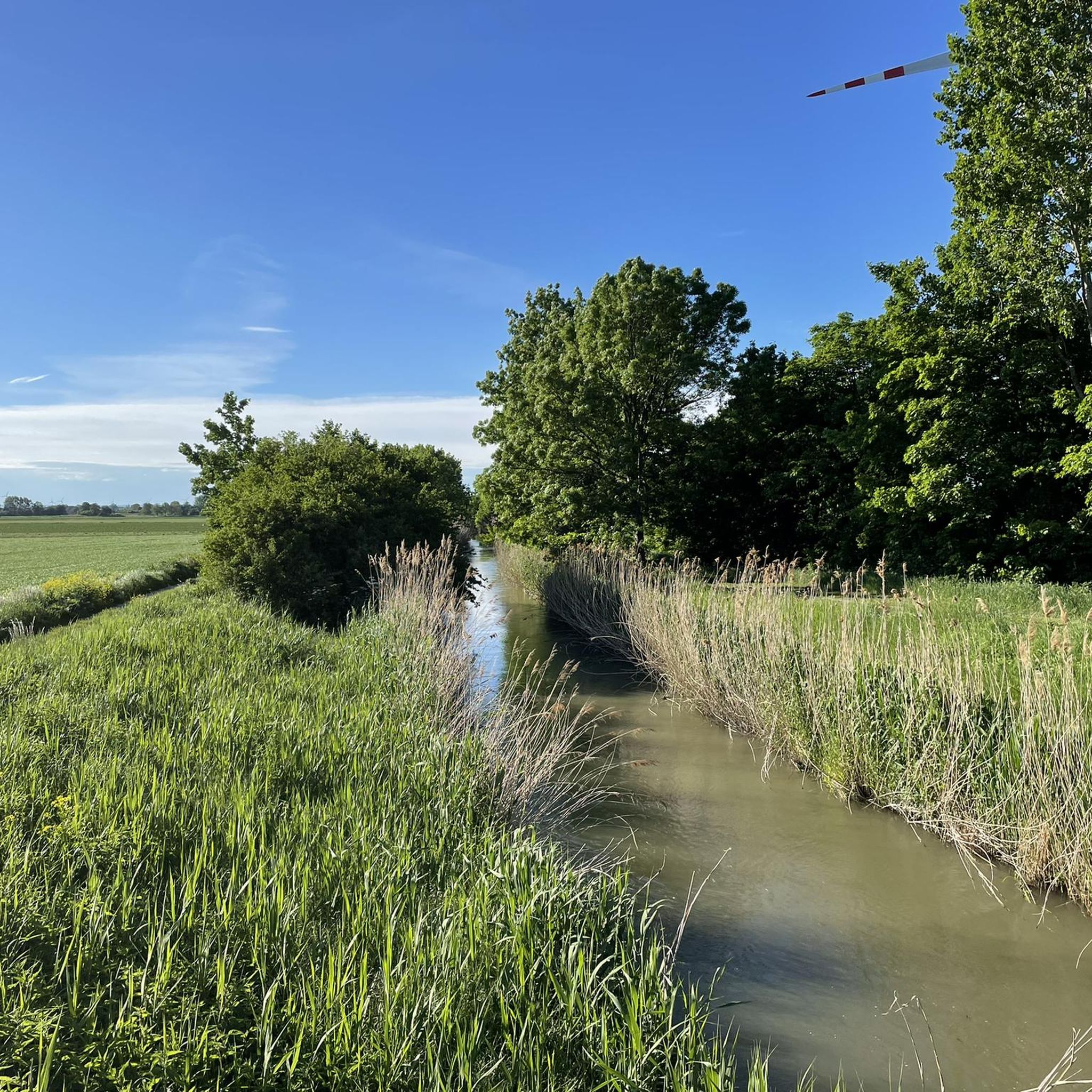
In the middle of the Donauauen National Park lies the Groß-Enzersdorfer Arm, an oxbow lake of the Danube. The Danube itself used to spread here, but now the oxbow lake is kept alive artificially with water feeds in order to enable the wonderful floodplain landscape in the Lobau.
2
0

Several nice picnic spots under shady trees, all great.
1
1

nice there, my father in law saved it decades ago, otherwise Red Vienna would already have concreted over it
1
0
Frequently Asked Questions
What makes the natural monuments around Glinzendorf unique?
The natural monuments around Glinzendorf are notable for showcasing successful environmental protection and re-naturalization efforts. Many sites, like the Himmelteich Natural Monument, have been transformed from former industrial areas into thriving ecological biotopes, offering tranquil environments and opportunities to observe local wildlife.
Are there family-friendly natural monuments to visit near Glinzendorf?
Yes, several natural monuments in the area are suitable for families. The Himmelteich Natural Monument and the broader Himmelteich area are considered family-friendly, providing calm waters and a peaceful setting. Additionally, the Aspern Memorial Forest — Memorial Stone offers a blend of nature and historical significance that can be explored with family.
What kind of natural features can I expect to see?
You can explore a variety of natural features, including serene lakes and ponds like the Himmelteich, and sections of rivers such as the Großenzersdorfer Arm, which is an arm of the Danube. There are also forests, like the one surrounding the Großenzersdorfer Arm, and restored biotopes that support diverse wildlife.
What is the history behind the Himmelteich Natural Monument?
The Himmelteich Natural Monument has a remarkable history. Originally a gravel pit, it was filled with approximately 150,000 cubic meters of household waste and construction rubble until 1970, posing a significant risk to groundwater. Between 1991 and 2001, extensive remediation efforts were undertaken, including clearing deposits and contaminated subsoil. This led to the construction of a biotope, transforming it into the serene natural space seen today, accredited as a natural monument.
Are there any historical sites among the natural monuments?
Yes, the Aspern Memorial Forest — Memorial Stone is a significant site that combines natural beauty with historical commemoration. This area features a memorial stone and a forest of 65,000 trees, planted in memory of the Jewish victims of National Socialism, offering a place for reflection amidst nature.
What outdoor activities can I do near Glinzendorf's natural monuments?
The region around Glinzendorf offers various outdoor activities. You can find numerous routes for gravel biking, running, and mountain biking. For detailed routes and guides, you can explore options like Gravel biking around Glinzendorf, Running Trails around Glinzendorf, and MTB Trails around Glinzendorf.
Are there hiking or walking trails suitable for beginners near these natural monuments?
While specific beginner-focused trails directly *at* the natural monuments are not detailed, the broader area offers a range of routes. For example, the Gravel biking around Glinzendorf guide includes an easy 25 km route called 'Rest area at the Marchfeld Canal – Footbridge with a beautiful view loop from Helmahof' which could be suitable for walking. Always check route details for difficulty and distance.
What do visitors enjoy most about the natural monuments in Glinzendorf?
Visitors appreciate the tranquility and natural beauty of the area. The Himmelteich, for instance, is described as a 'super local recreation area' and a 'beautiful little wood' perfect for a short break. The successful ecological restoration of sites like the Himmelteich also provides an educational and inspiring experience.
Can I find viewpoints or scenic spots among the natural monuments?
Yes, several natural monuments offer scenic views. The Himmelteich is noted for its contemplative reeds and water lilies, creating a peaceful vista. Additionally, the Stadler Furt Gravel Beach in the Nationalpark Donau-Auen is highlighted as a viewpoint, offering picturesque riverine landscapes.
Is the Stadler Furt Gravel Beach part of the natural monuments around Glinzendorf?
Yes, the Stadler Furt Gravel Beach, located within the Nationalpark Donau-Auen, is recognized as a natural monument. It features a gravel shore with an adjacent natural meadow and is accessible via public transport or bike, offering a pleasant spot for a hike, even in winter.
What is the best time of year to visit the natural monuments in Glinzendorf?
While specific seasonal recommendations for Glinzendorf are not provided, natural areas like the Stadler Furt Gravel Beach are noted as 'worth seeing all year round,' suggesting that the natural monuments can be enjoyed across different seasons. Spring and autumn typically offer pleasant weather for outdoor exploration, while winter can provide unique, tranquil scenery.
Are there any specific natural monuments related to rivers or water bodies?
Absolutely. The Großenzersdorfer Arm is a significant riverine natural monument, an arm of the Danube fed by the Old and New Danube. You can also visit the Himmelteich, a serene pond that is a testament to ecological restoration.
Most popular attractions around Glinzendorf

Get inspired with the komoot mobile app


Explore more
Extend your search for the best caves by checking out these guides of the top ones around Glinzendorf:
