Top 20 Natural Monuments around Sonnberg im Mühlkreis
Best natural monuments around Sonnberg im Mühlkreis are found within a municipality characterized by its beautiful hilly landscape, situated at elevations between 650 and 825 meters. This serene environment is appreciated by hikers and cross-country skiers. A notable natural feature is the Bernstein, associated with a local legend of the devil counting silver. The area offers a variety of natural landmarks and features to explore.
Best natural monuments around Sonnberg im Mühlkreis
- The most popular natural monuments is Sternstein Observation…
Last updated: July 7, 2026
Sternstein Observation Tower
Highlight • Viewpoint
Translated by Google •
Tip by

European Watershed Monument Mühlviertel
Highlight • Monument
Translated by Google •
Tip by

Sign up now to discover places like this
Get recommendations on the best single tracks, peaks, & plenty of other exciting outdoor places.
Sign up for free
Gusen Spring
Highlight • River
Translated by Google •
Tip by

Ura Stoa Summit
Highlight • Summit
Translated by Google •
Tip by

Wolfgang Chapel (Blutschüssel Chapel)
Highlight • Religious Site
Translated by Google •
Tip by

Sign up for free to discover even more natural monuments around Sonnberg im Mühlkreis.
Sign up for free
Already have an account?
Start today with a free account
Your next adventure awaits.
Login or Signup
Tips from the Community

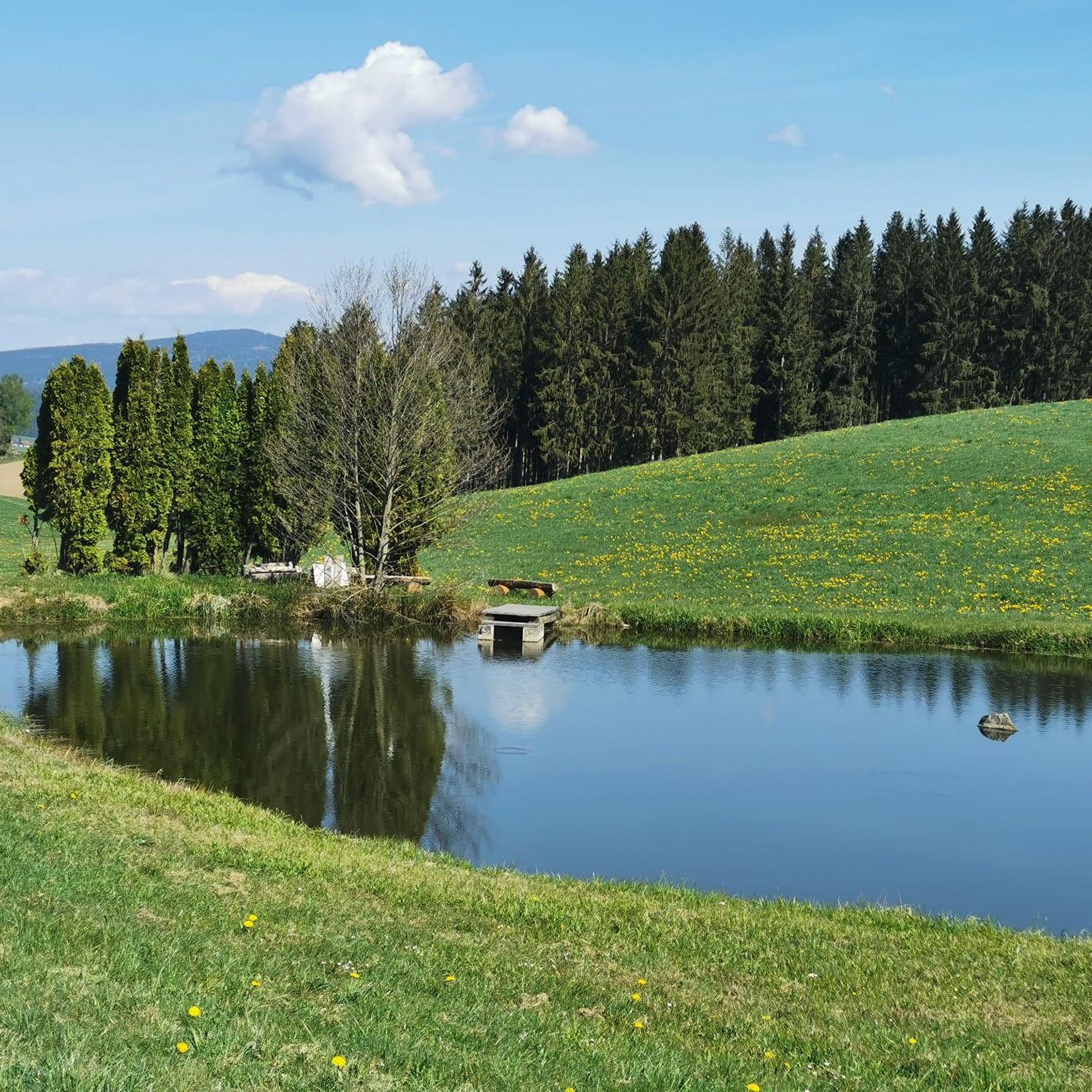
The source is easily accessible from both sides with an MTB, with a normal bike it's better to ride up from below - it's also rooty up top.
0
0

a few meters from the Kopfwehstein
0
0

It points to a geological condition whereby the Rodl flows into the Danube and this in turn into the Black Sea, while on the other hand the Granitzbach flows into the Vltava, Elbe and North Sea.
6
0

The Gusenursprung belongs to the municipality of Hirschbach im Mühlkreis and the district of Freistadt. It was also established by the Hirschbach Beautification Association in 2005 and is also maintained by the Hirschbach Association.
0
0
From the west, the access is technically tricky (trail between the trees and stones), from the east side it is much easier to ride. Bike tracks can be found right up to the top - so there are some very motivated / brave people there 😎
0
0

The European watershed is not often found. Here at iBad Leonfelden you will find it again. It is a very thoughtful way of paying attention to the watershed.
0
0

The Sternstein is 1125 m high and is located in the municipality of Vorderweißenbach. It is the highest elevation in the central Mühlviertel. The Sternsteinwarte, built in 1899, invites you to take a panoramic view from Bohemia to the Alps.
4
0

Many paths lead to the Sternstein.
3
0
Frequently Asked Questions
What unique natural features can I explore in Sonnberg im Mühlkreis?
Beyond the well-known spots, you can discover the intriguing Ura Stoa Summit, a small granite stone summit with a wide view and a history entwined with ancient Celtic legends. Another significant natural feature is the Gusen Spring, the tranquil origin of the Gusen river, which serves as a special resting place.
Are there any natural monuments with historical or legendary significance in the region?
Yes, Sonnberg im Mühlkreis is rich in such sites. The Sternstein Observation Tower, also known as "Kaiser Franz Joseph Jubiläumswarte," dates back to 1898/99 and offers historical context alongside its panoramic views. Additionally, the local legend of the devil counting silver is associated with the **Bernstein**, a noteworthy natural feature in the area, adding a layer of folklore to the landscape.
What kind of views can I expect from the natural monuments?
Many natural monuments in the region offer expansive views. From the Sternstein Observation Tower, you can see the Böhmerland, the Viehberg, the Breitenstein, and even the northern limestone Alps on clear days. The Ura Stoa Summit also provides very wide views of the surrounding area.
Are there family-friendly natural monuments around Sonnberg im Mühlkreis?
Absolutely. The European Watershed Monument Mühlviertel is considered family-friendly, offering an educational experience about a significant geological condition. The Gusen Spring is also a pleasant, family-friendly spot for a break.
What outdoor activities can I do near these natural monuments?
The hilly landscape of Sonnberg im Mühlkreis is ideal for various outdoor activities. You can find numerous hiking routes, including moderate trails like the 'Lobenstein Castle Ruins – View of the Valley loop'. For cyclists, there are options for gravel biking and cycling, with routes ranging in difficulty.
What is the European Watershed Monument Mühlviertel?
The European Watershed Monument Mühlviertel is a man-made monument that marks a crucial geological divide. It indicates the point where waters flow either south towards the Black Sea via the Danube, or north towards the North Sea via the Vltava and Elbe rivers.
Is there a natural monument with religious or pre-Christian significance?
Yes, the Wolfgang Chapel (Blutschüssel Chapel) is a unique site. It stands on a rock enclosing a stone block with two stone bowls, popularly known as the “Blood Bowl Chapel.” It is believed that this structure might encase sacred stones used in pre-Christian times, later associated with Saint Wolfgang.
What makes the Ura Stoa Summit special?
The Ura Stoa Summit is a small, distinctive granite stone summit. It is said to be an ancient Celtic word for "fear" or "restless," and features a wall of "Wollsacksteinen" – a special geological formation. A wooden plate with engraved runes further suggests it was an old Celtic place of worship, making it a spot of both natural beauty and historical intrigue.
What is the best time to visit the natural monuments in Sonnberg im Mühlkreis?
Sonnberg im Mühlkreis, situated at elevations between 650 and 825 meters, offers a mostly fog-free environment. While the Sternstein Observation Tower is closed from November to March for safety, the region's beautiful hilly landscape is appreciated by hikers and cross-country skiers, suggesting pleasant conditions for exploration during warmer months and suitable for winter activities.
What do visitors enjoy most about the natural monuments in this region?
Visitors particularly appreciate the extensive views from spots like the Sternstein Observation Tower, often describing them as 'amazing' and 'great views to the mountains'. The tranquil setting of places like the Gusen Spring is also highly valued as a nice resting place. The unique geological and historical aspects, such as those found at the European Watershed Monument Mühlviertel, also draw significant interest.
Are there any specific hiking trails recommended to reach these natural monuments?
Yes, the region offers various hiking opportunities. For example, you can explore trails like the 'Lobenstein Castle Ruins – View of the Valley loop' which is a moderate hike of nearly 12 km. Many natural monuments are integrated into the broader hiking network around Sonnberg im Mühlkreis, providing access to these sites.
Most popular routes around Sonnberg im Mühlkreis
Most popular attractions around Sonnberg im Mühlkreis

Get inspired with the komoot mobile app


Explore more
Extend your search for the best caves by checking out these guides of the top ones around Sonnberg im Mühlkreis:
