Top 20 Natural Monuments around Rinn
Natural monuments around Rinn offer a diverse landscape for exploration. Located on a low mountain range terrace approximately 10 km from Innsbruck in North Tyrol, Austria, Rinn is known for its scenic environment. The area provides panoramic views of the Nordkette and Patscherkofel mountains, making it a destination for outdoor activities. Visitors can find numerous well-marked trails for hiking and mountain biking within this natural setting.
Best natural monuments around Rinn
- The most popular natural monuments is Walderalm, a…
Last updated: September 27, 2026
Walderalm
Highlight • Mountain Hut
Translated by Google •
Tip by

Patscherkofel Summit
Highlight • Summit
Translated by Google •
Tip by

Sign up now to discover places like this
Get recommendations on the best single tracks, peaks, & plenty of other exciting outdoor places.
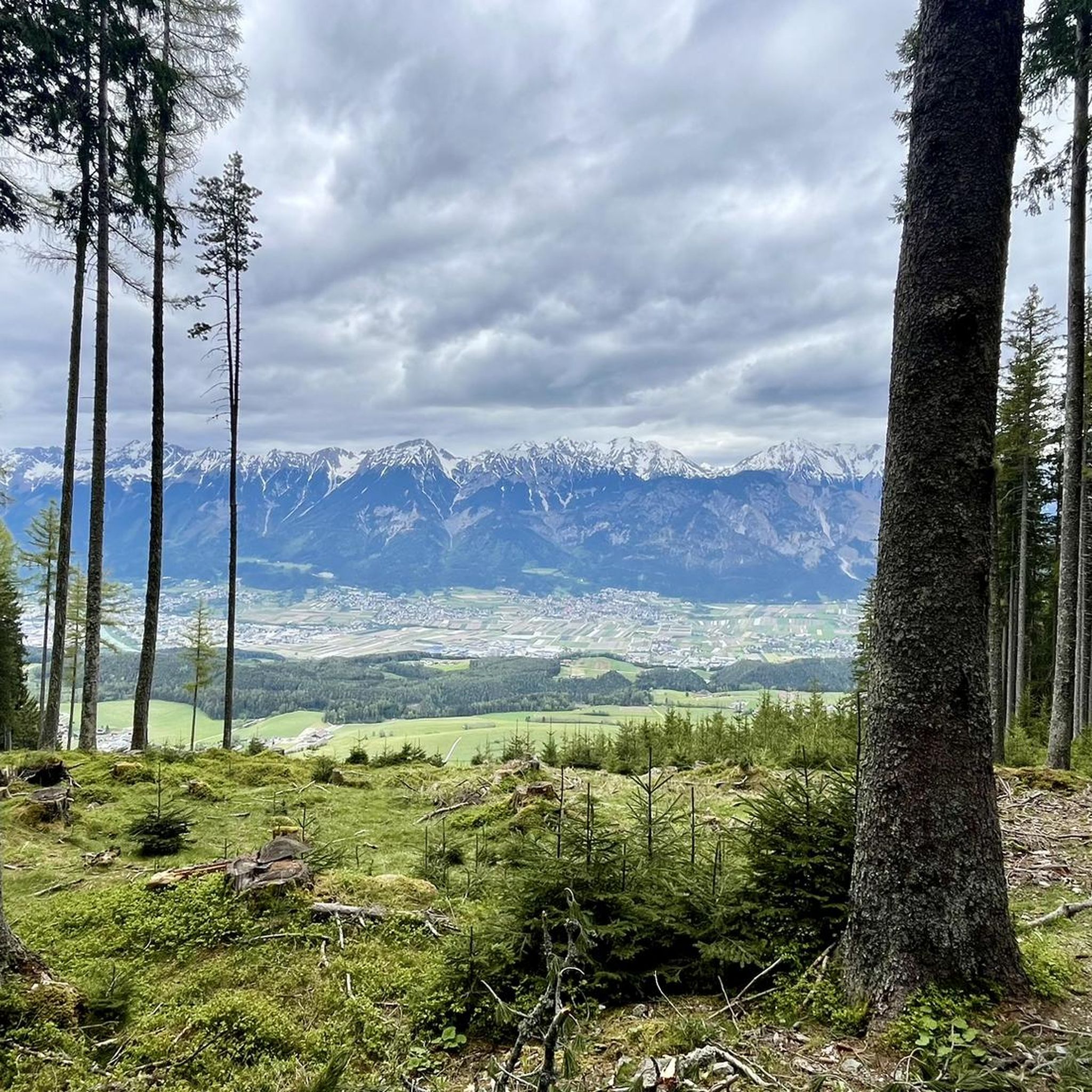
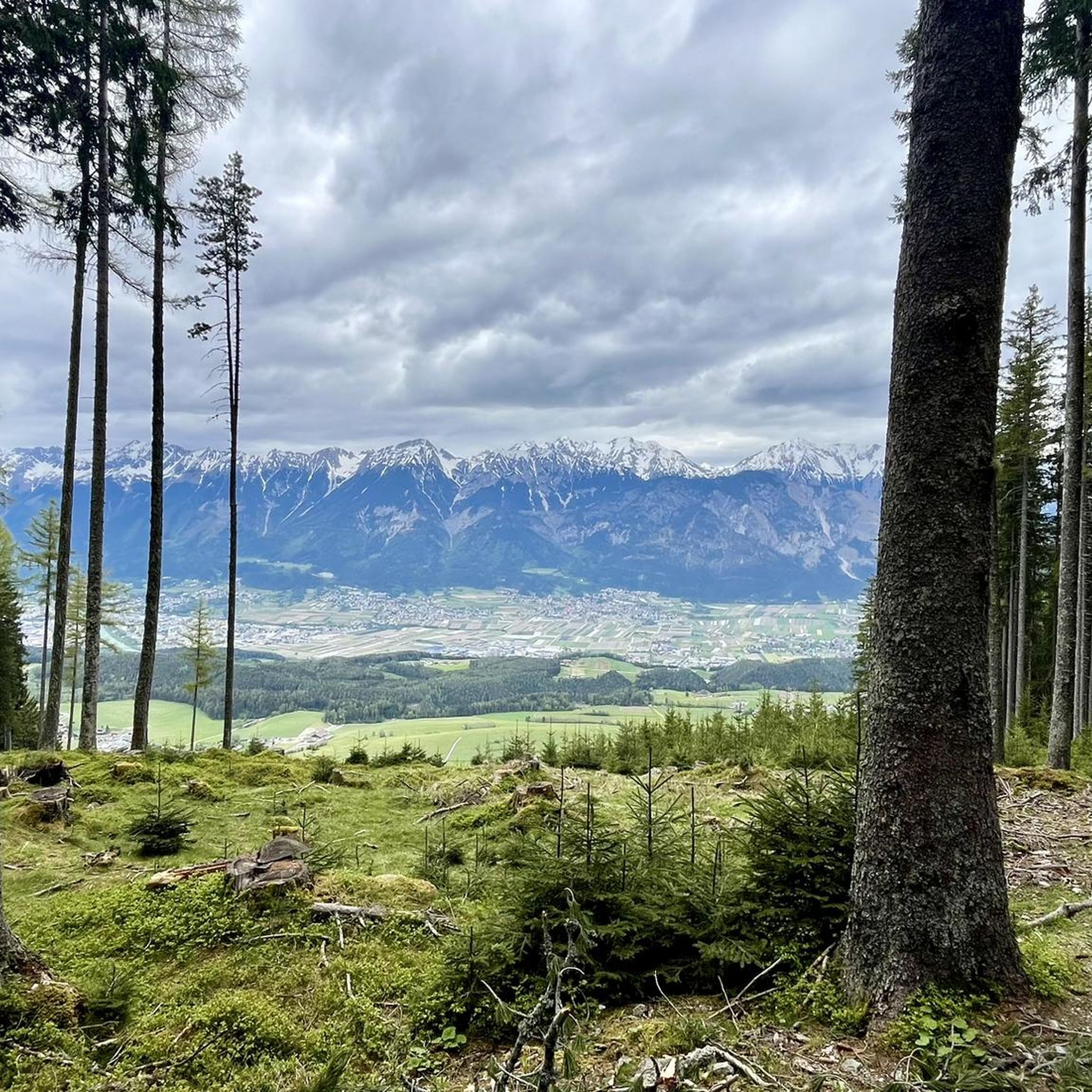
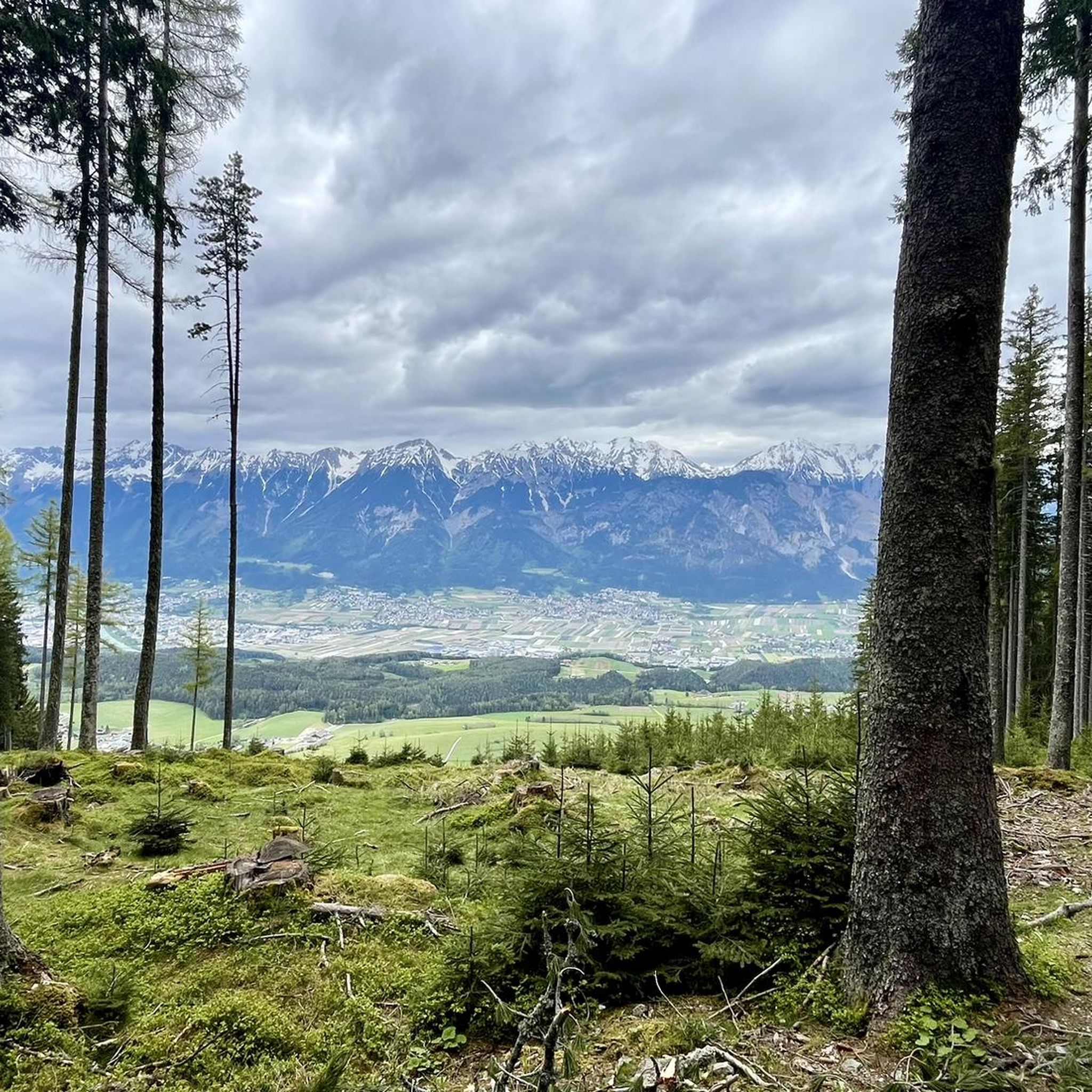
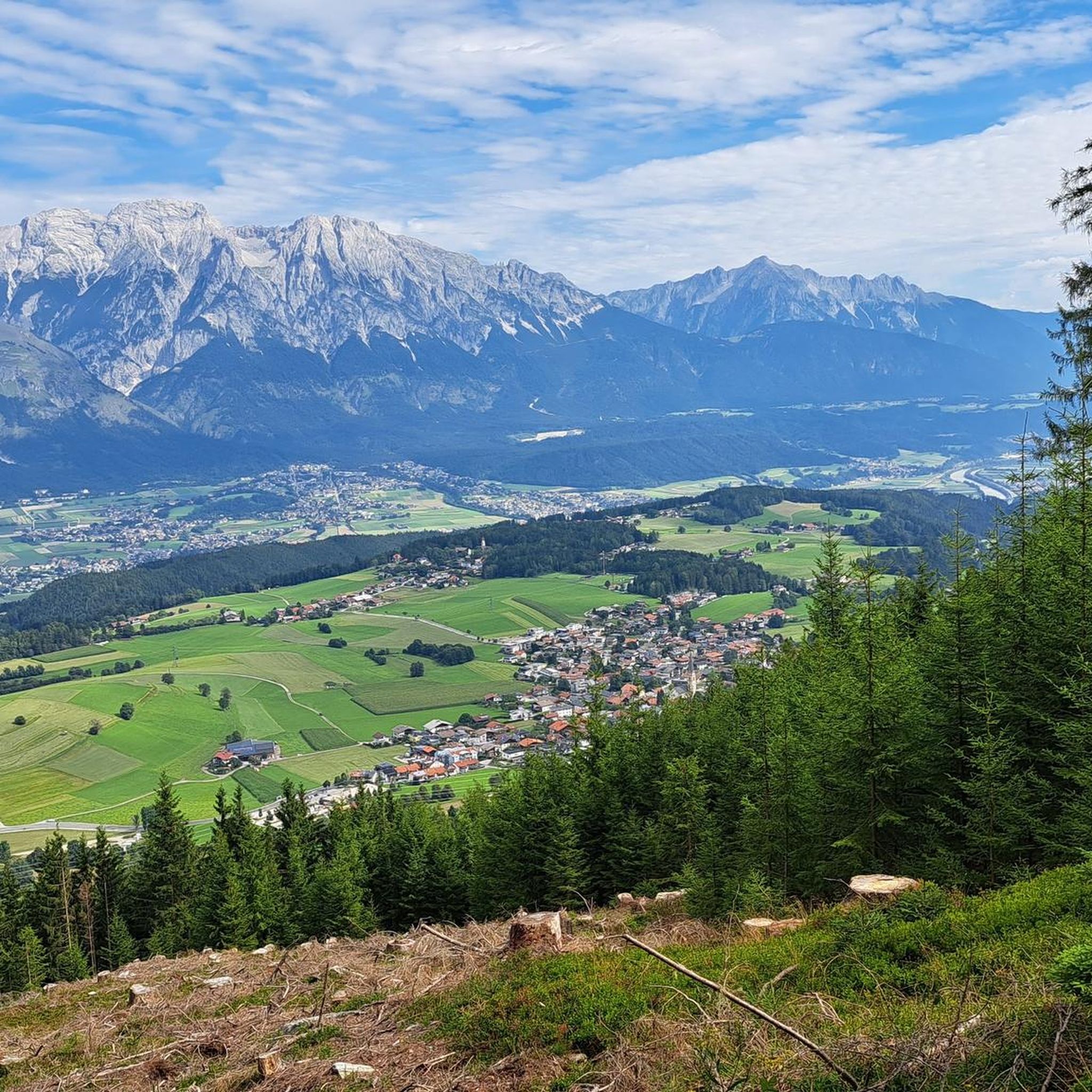
Great view over Stubaital
Highlight • Viewpoint
Translated by Google •
Tip by

Lafatscher Joch
Highlight • Mountain Pass
Translated by Google •
Tip by

Hofgarten, Innsbruck
Highlight • Forest
Gardens have existed at the Innsbruck Hofburg for approximately 600 years. During this long period, they have undergone numerous transformations, from Renaissance and Baroque gardens to landscaped …
Translated by Google •
Tip by

Sign up for free to discover even more natural monuments around Rinn.
Already have an account?
Start today with a free account
Your next adventure awaits.

Tips from the Community

Unfortunately, there's no bike path and there's a lot of traffic. Not a great place for me as a cyclist. Really bad for descending or climbing the Brenner Pass. The Italians can do better.
0
0
This isn't a bike path, but the L38 without a bike path, with nasty little climbs and fast-moving through traffic. The view is just a small part of it. There's the motorway, the federal highway, and the L38 here, but no proper bike path. It's a real shame.
2
0

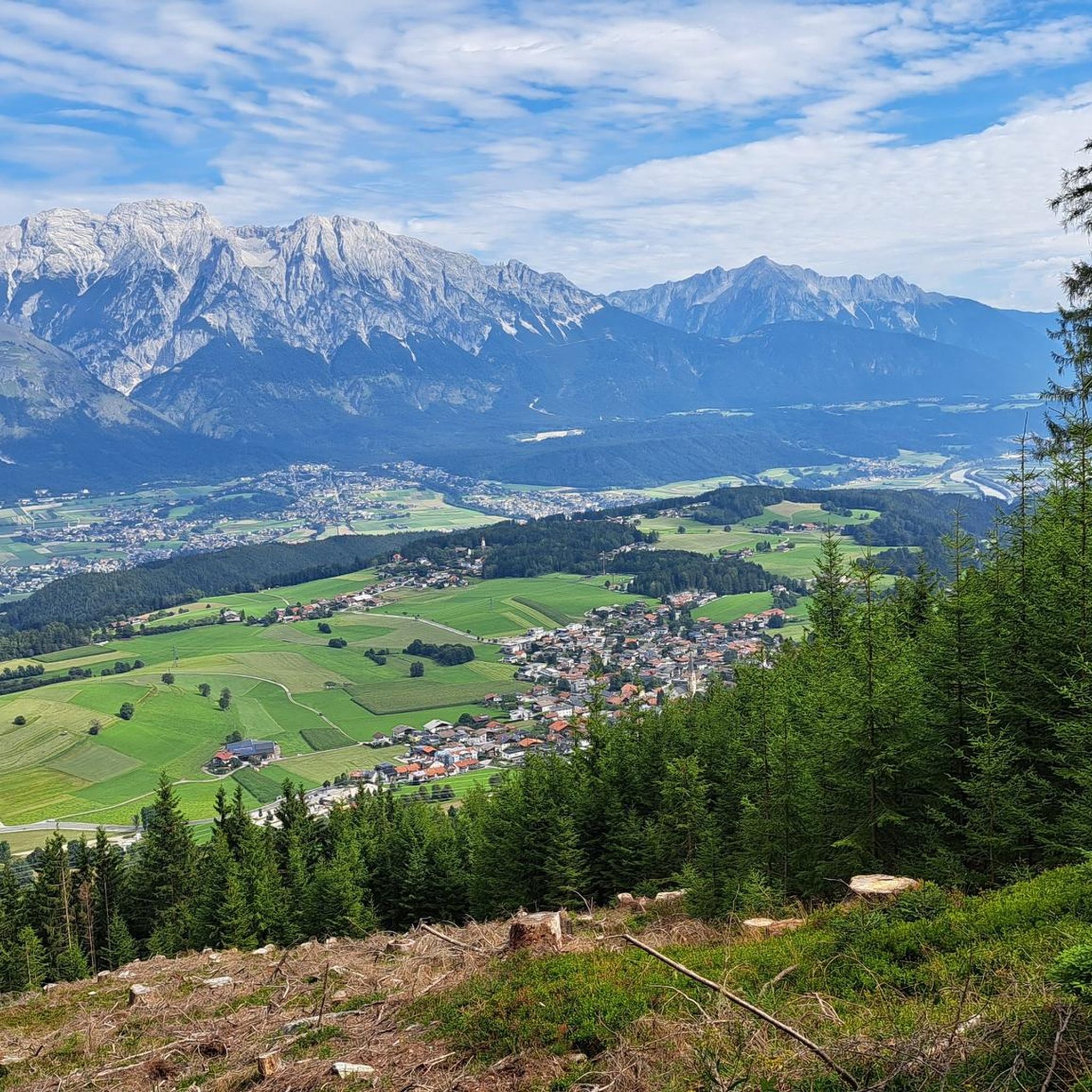
Very nice cycle path with a great panorama of the mountains.
0
1

Innsbruck Court Garden Gardens have existed at the Innsbruck Hofburg for approximately 600 years. During this long period, they have undergone numerous transformations, from Renaissance and Baroque gardens to landscaped parks. Today, the Innsbruck Court Garden covers almost ten hectares and is a listed building. As early as the beginning of the 15th century, Duke Friedrich IV acquired land near the Innsbruck Hofburg to create kitchen and ornamental gardens for the court. During the reign of Archduke Ferdinand II, a magnificent garden complex with Ruhelust Palace and other buildings was created from 1564 onwards, incorporating the old kitchen and ornamental gardens. Individual garden areas with fountains, arcades, pleasure houses, a maze, and a pheasant garden were created, modeled on Italian Renaissance gardens. This initial period of prosperity was followed by a period of neglect in the 17th century. In 1636, a fire destroyed part of the buildings. Due to austerity measures following the Thirty Years' War, the Hofburg gardens were eventually barely maintained. In 1665, with the death of Sigismund Franz von Habsburg, the Tyrolean line of the Habsburgs died out. From then on, Innsbruck was governed by an imperial governor. The Court Garden now served as a kitchen garden. It was not until the end of the reigns of Emperor Franz I Stephan and Maria Theresa that the Innsbruck Court Garden experienced a new flourishing. Starting in 1763, the existing area was laid out as a Baroque pleasure garden. A cross-axis divided the garden. At the intersection of the main and transverse axes stood the imperial pleasure house, built in 1733 and converted into a bandstand in 1773. The walled garden was adorned with parterres, circular paths, avenues, fountains, and sculptures. Near the Hofburg Palace was an orangery building, and towards the Inn River lay the small Court Garden or Governor's Garden. Text / Source: Austrian Federal Gardens, Schönbrunn, 1130 Vienna https://www.bundesgaerten.at/innsbruck/Hofgarten.html
17
0

The Stubai Valley, or simply Stubai, is the largest side valley of the Wipptal and the main valley of the Stubai Alps in the Austrian federal state of Tyrol. It extends 35 km northeast from the main Alpine ridge to the vicinity of the Tyrolean capital of Innsbruck.
1
1

Somewhat belatedly, the Court Garden underwent its last major redesign in the English garden style in the middle of the 19th century.
2
0

In Matrei you can have a great rest and get some food.... Very nice little place with a view of Brenner....
1
1

The view is overwhelming. A very beautiful sight.
2
0
Frequently Asked Questions
What are the most popular natural monuments around Rinn?
The komoot community highly recommends several spots. Among the most popular is Walderalm, a historic hut on a wide mountain meadow with stunning views of the Karwendel peaks. Another favorite is Patscherkofel Summit, offering magnificent panoramic views of Innsbruck, the Inn Valley, and the surrounding mountain ranges. Visitors also appreciate the Great view over Stubaital, which provides a beautiful perspective of the Brenner and the River Sill.
Are there family-friendly natural monuments near Rinn?
Yes, several natural monuments around Rinn are suitable for families. Walderalm is family-friendly, offering a pleasant meadow environment and a snack station. The Great view over Stubaital is also noted as family-friendly. Additionally, the Hofgarten in Innsbruck, a historic park, features a playground and ample space for relaxation. For an indoor family experience, Swarovski Crystal Worlds offers interactive exhibits and a climbing tower for children.
What kind of natural features can I expect to see around Rinn?
Rinn is characterized by its stunning alpine scenery. You'll find expansive panoramic views from locations like Patscherkofel Summit, offering vistas of the Karwendel and Tux Alps. The area also features wide mountain meadows, such as those surrounding Walderalm, and scenic river valleys like the Inn Valley and Stubaital, visible from various viewpoints. The region is known for its excellent water quality and pristine natural environment.
What outdoor activities can I do near these natural monuments?
The area around Rinn is ideal for various outdoor activities. You can explore numerous well-marked hiking trails, ranging from easy to difficult, that lead through the scenic landscape. For example, there are several routes for hiking around Rinn, including loops to the Rinner Alpine Hut or with views of the Inn Valley. In winter, Rinn transforms into a haven for cross-country skiers, with well-groomed tracks like the 'Panoramaloipe' and 'Golfloipe'. Mountain biking and gravel biking are also popular, with routes like the Inn Valley – Inn Riverside Cycle Path loop available.
Are there easy hiking trails near the natural monuments in Rinn?
Yes, there are several easy hiking options available. For instance, you can find easy hikes around Rinn that take you past local landmarks and natural spots. Routes like the 'Church of Rinn – Teufelsmühle Watermill loop' or the 'Roman-Brünnl Fountain – Zimmertalbach Waterfall loop' offer accessible ways to enjoy the scenery without strenuous climbs.
What is the best time to visit the natural monuments around Rinn?
Rinn offers attractions year-round. During warmer months, from spring to autumn, it's ideal for hiking, mountain biking, and enjoying the panoramic views. The trails are accessible, and the meadows are lush. In winter, Rinn becomes a popular destination for cross-country skiing, with well-groomed trails amidst a snow-covered landscape. The specific best time depends on your preferred activities.
Are there any cultural or historical sites among the natural monuments?
Yes, some sites combine natural beauty with historical significance. Walderalm, for example, is a historic alpine facility that has existed since the 17th century, nestled within a natural mountain meadow. The Hofgarten in Innsbruck is a listed historical garden that has undergone numerous transformations since the 15th century, offering a blend of landscaped nature and rich history.
Can I find food and drink options near the natural monuments?
Yes, you can. Walderalm features a snack station and an inn, perfect for refreshments after a hike. The Patscherkofel Summit also has a small summit restaurant with a beautiful viewing terrace. Additionally, the village of Rinn itself and nearby Innsbruck offer various cafes, pubs, and accommodation options.
What makes the views from Patscherkofel Summit so special?
The views from Patscherkofel Summit are truly magnificent, offering a 360-degree panorama. You can see Innsbruck, the entire Inn Valley, the Wipp Valley, the Brenner Pass, and the Stubai Valley, including its glaciers. The vistas extend to the impressive Karwendel and Tux Alps, providing an expansive and unforgettable alpine experience.
Is there a natural monument that is wheelchair accessible?
While many natural monuments involve trails, Swarovski Crystal Worlds, located near Rinn, is listed as wheelchair accessible. Although primarily a man-made attraction, it is categorized as a natural monument within the komoot data and offers an accessible experience for visitors.
What do visitors enjoy most about the natural monuments around Rinn?
Visitors consistently praise the exceptional panoramic views and the serene natural environment. The opportunity to explore well-maintained hiking and biking trails, discover historic alpine huts like Walderalm, and experience the stunning vistas from summits like Patscherkofel are frequently highlighted. The overall sense of tranquility and the diverse outdoor recreational opportunities are major draws.
Are there any natural monuments suitable for dog owners?
The general outdoor environment around Rinn, with its extensive network of hiking trails and open spaces, is very dog-friendly. While specific natural monuments don't always list dog-friendliness, places like Walderalm and the various viewpoints are typically accessible for dogs on a leash. Always ensure to follow local regulations regarding dogs in natural areas and on public transport.
Most popular attractions around Rinn

Get inspired with the komoot mobile app


Explore more
Extend your search for the best caves by checking out these guides of the top ones around Rinn:
