Top 20 Natural Monuments around Imsterberg
Natural monuments around Imsterberg offer access to a variety of impressive natural landscapes and features within the Tyrolean Alps. The region provides diverse experiences, from gorges with rushing waters to high mountain summits. These natural attractions are easily accessible and present unique characteristics for exploration. The area is known for its distinct geological history and varied ecosystems.
Best natural monuments around Imsterberg
- The most popular natural monuments is Rosengarten Gorge, a gorge characterized by its dramatic rock formations and…
Last updated: June 24, 2026
Rosengarten Gorge
Highlight (Segment) • Gorge
Translated by Google •
Tip by

Hochzeiger Summit
Highlight • Summit
Translated by Google •
Tip by

Sign up now to discover places like this
Get recommendations on the best single tracks, peaks, & plenty of other exciting outdoor places.
Sign up for free
Glanderspitze Summit
Highlight • Summit
Translated by Google •
Tip by

Imster Muttekopf Summit
Highlight • Summit
Translated by Google •
Tip by

Fließer Platte Roman Road (Via Claudia Augusta)
Highlight • Historical Site
Translated by Google •
Tip by

Sign up for free to discover even more natural monuments around Imsterberg.
Sign up for free
Already have an account?
Start today with a free account
Your next adventure awaits.
Login or Signup
Popular around Imsterberg
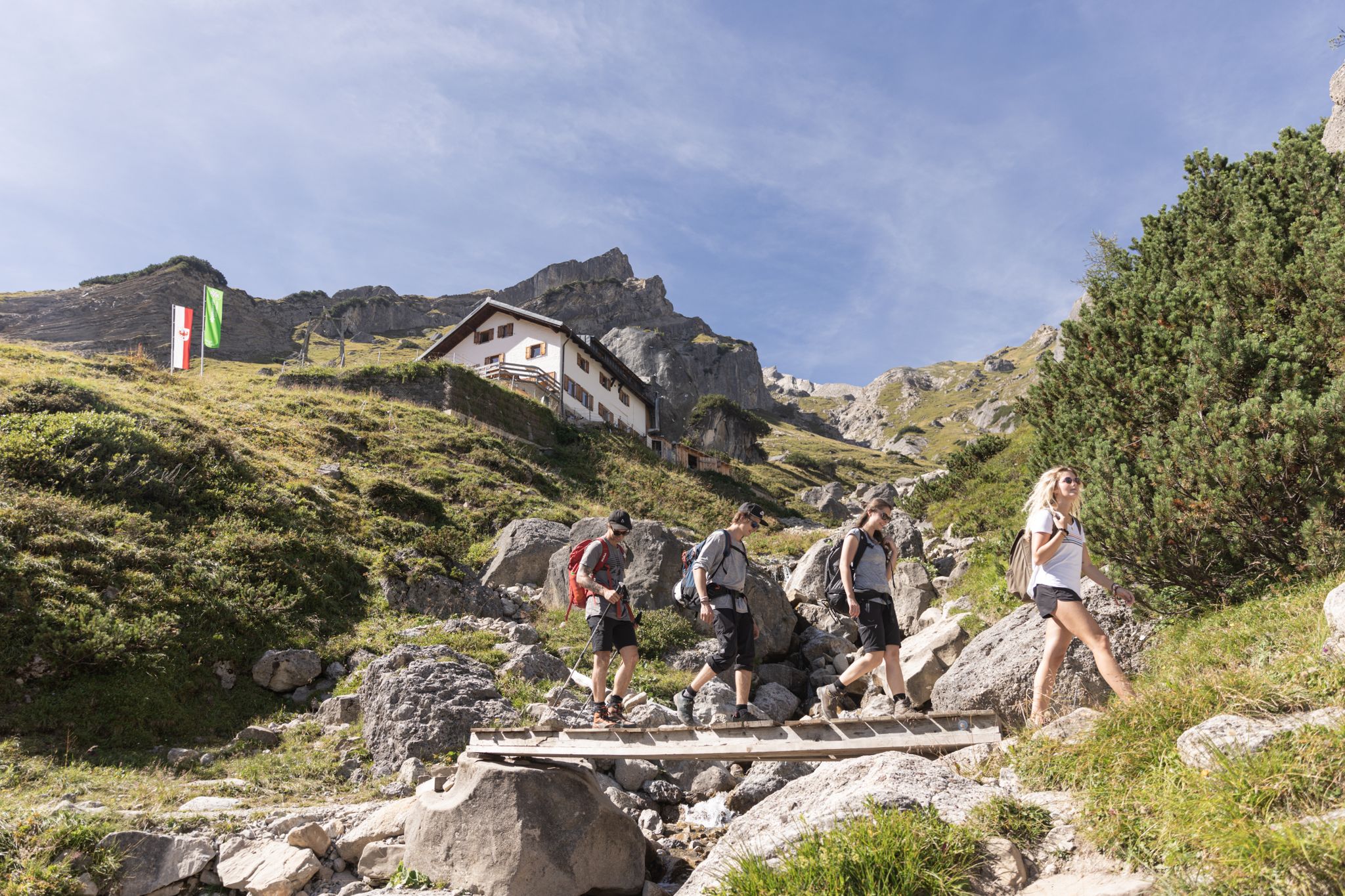
Eight enjoyable hut Tours in Austria’s Imst outdoor region
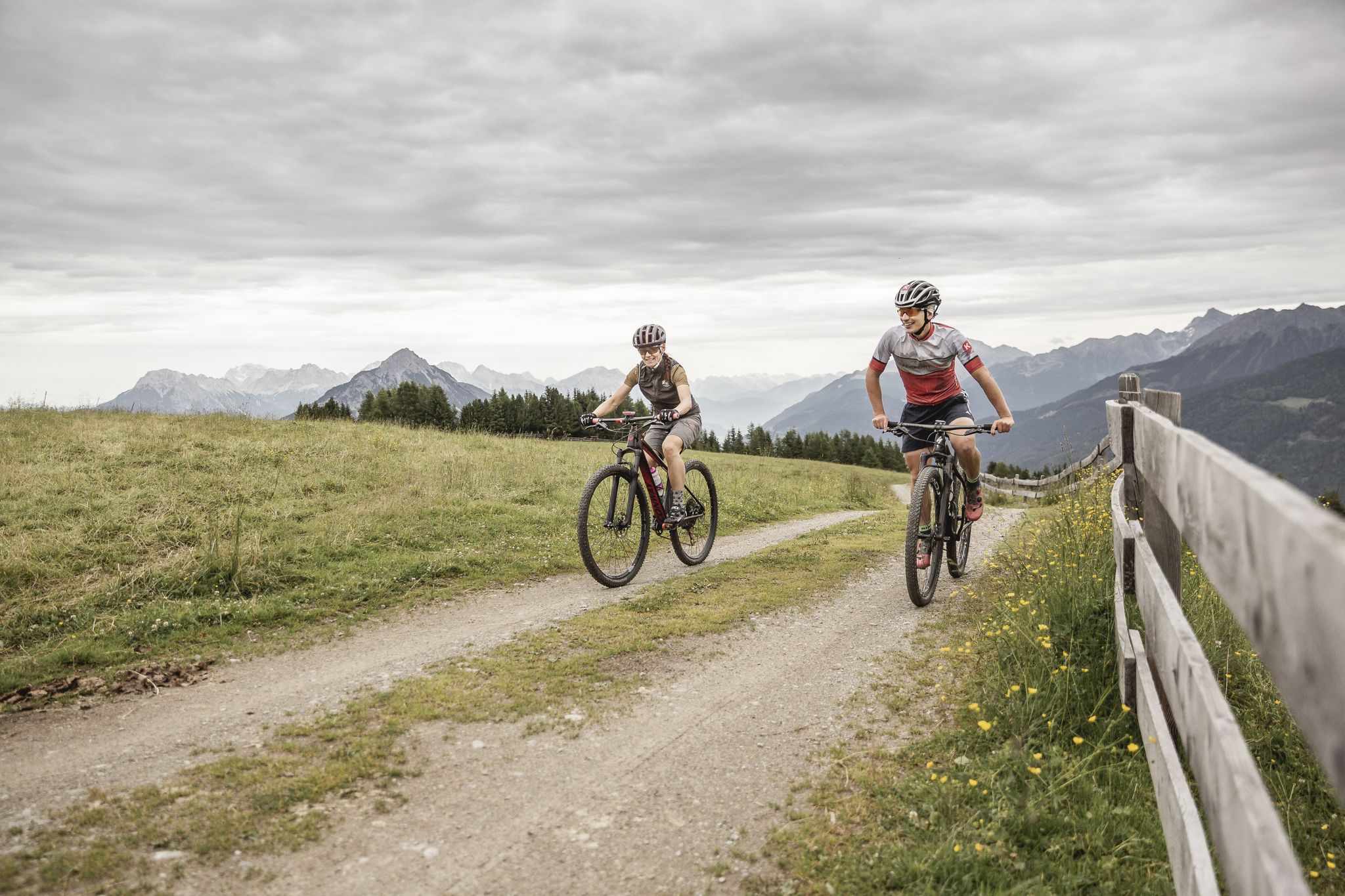
For two-wheeling fans — five MTB Tours in Austria’s Imst region
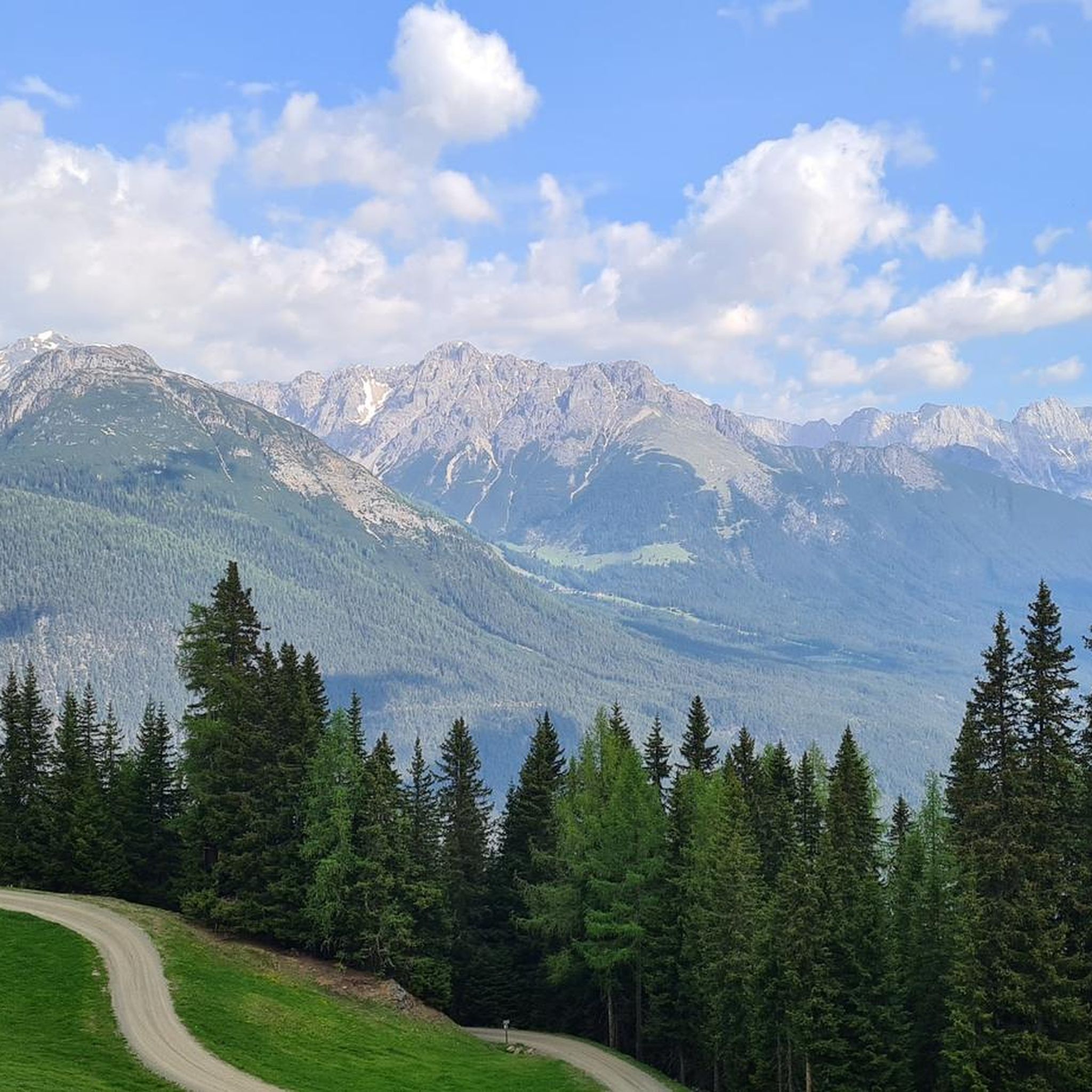
Road Cycling Routes around Imsterberg
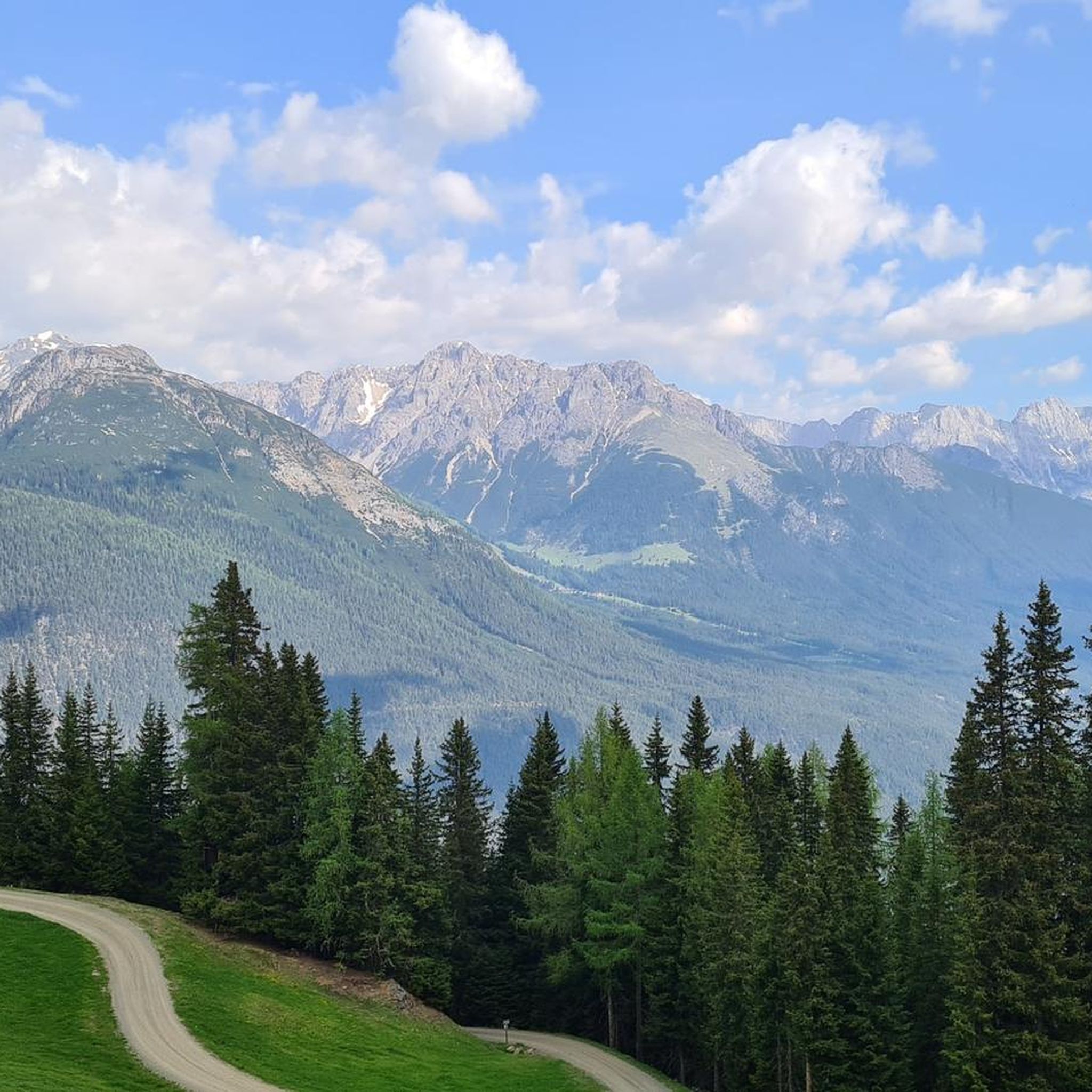
MTB Trails around Imsterberg
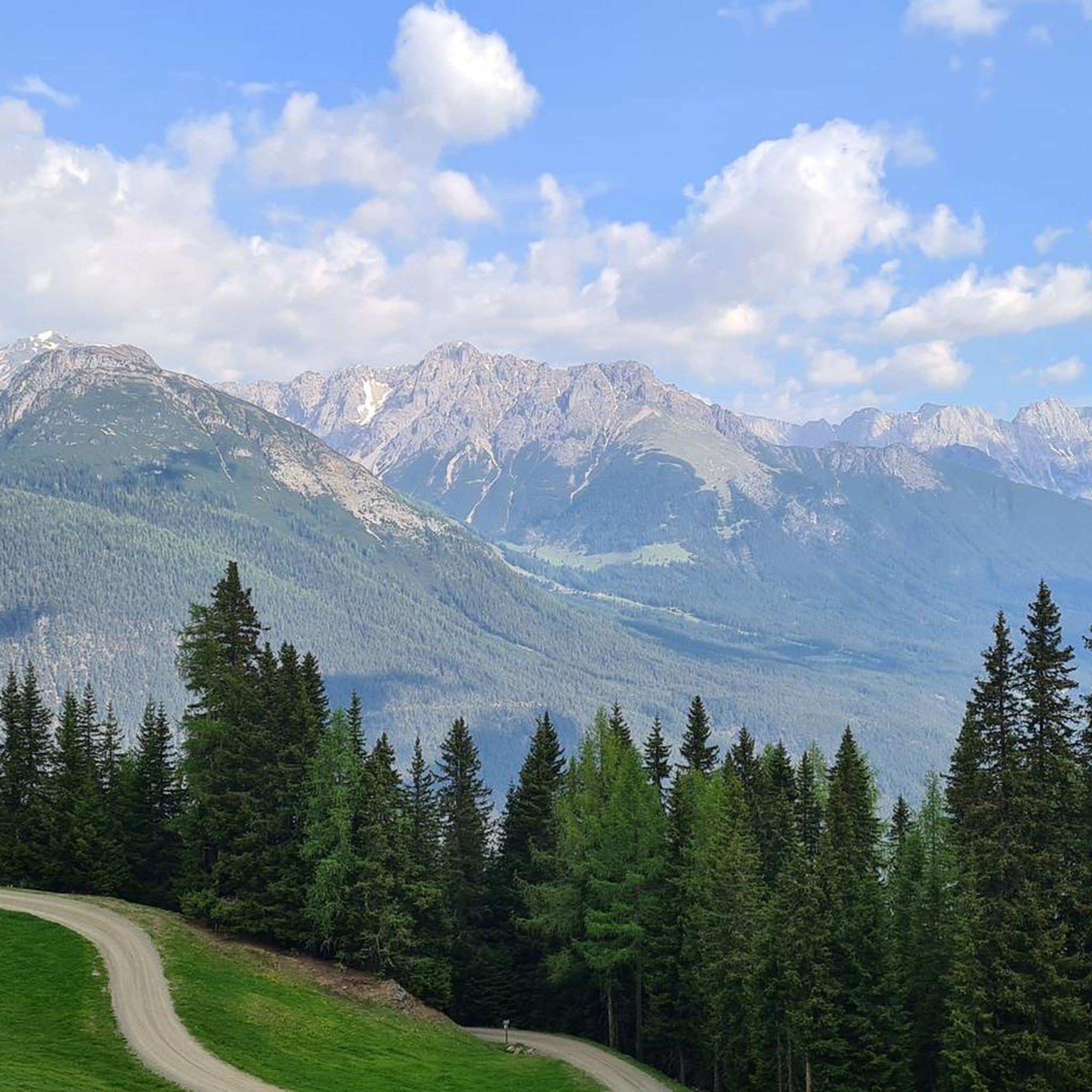
Cycling around Imsterberg
Gravel biking around Imsterberg
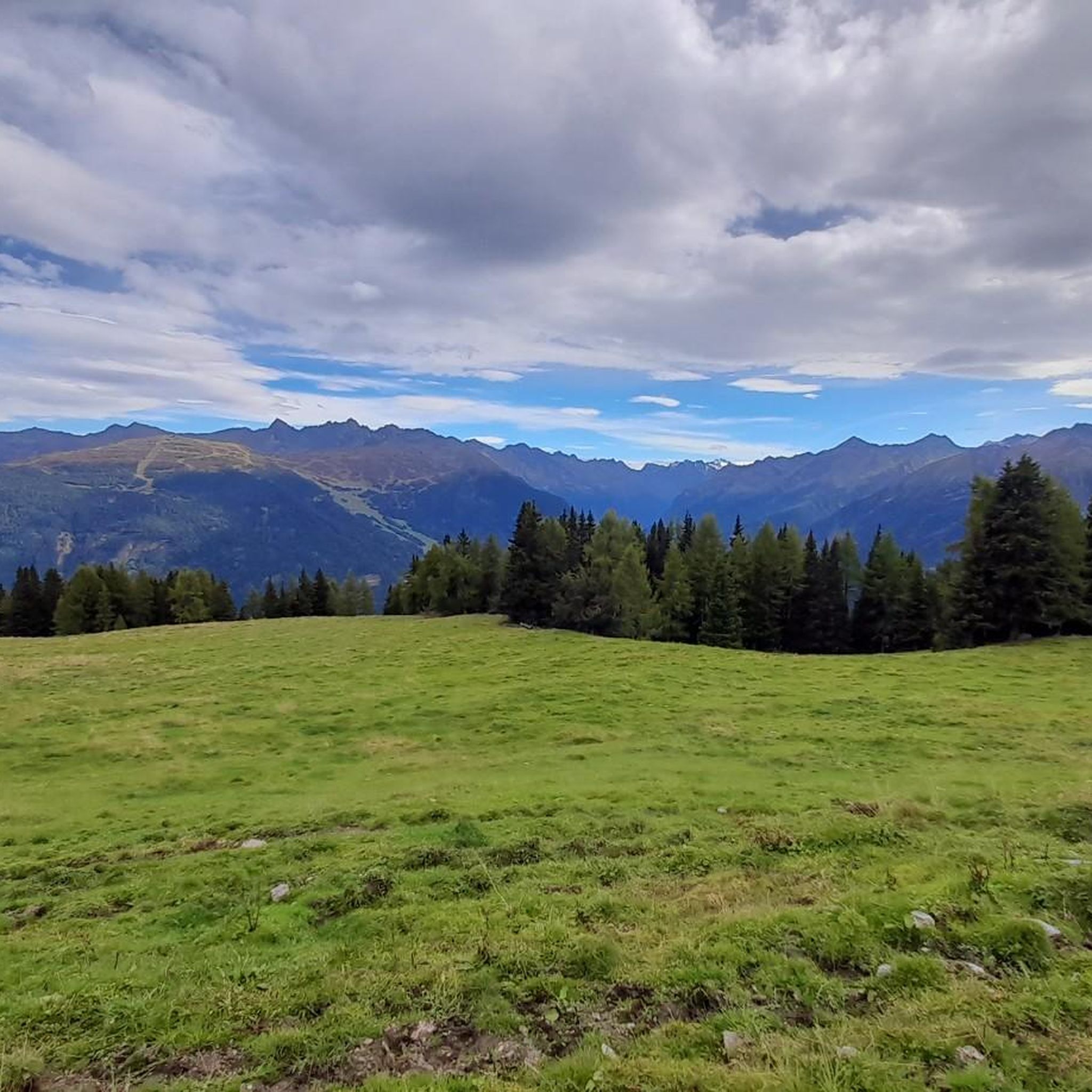
Running Trails around Imsterberg
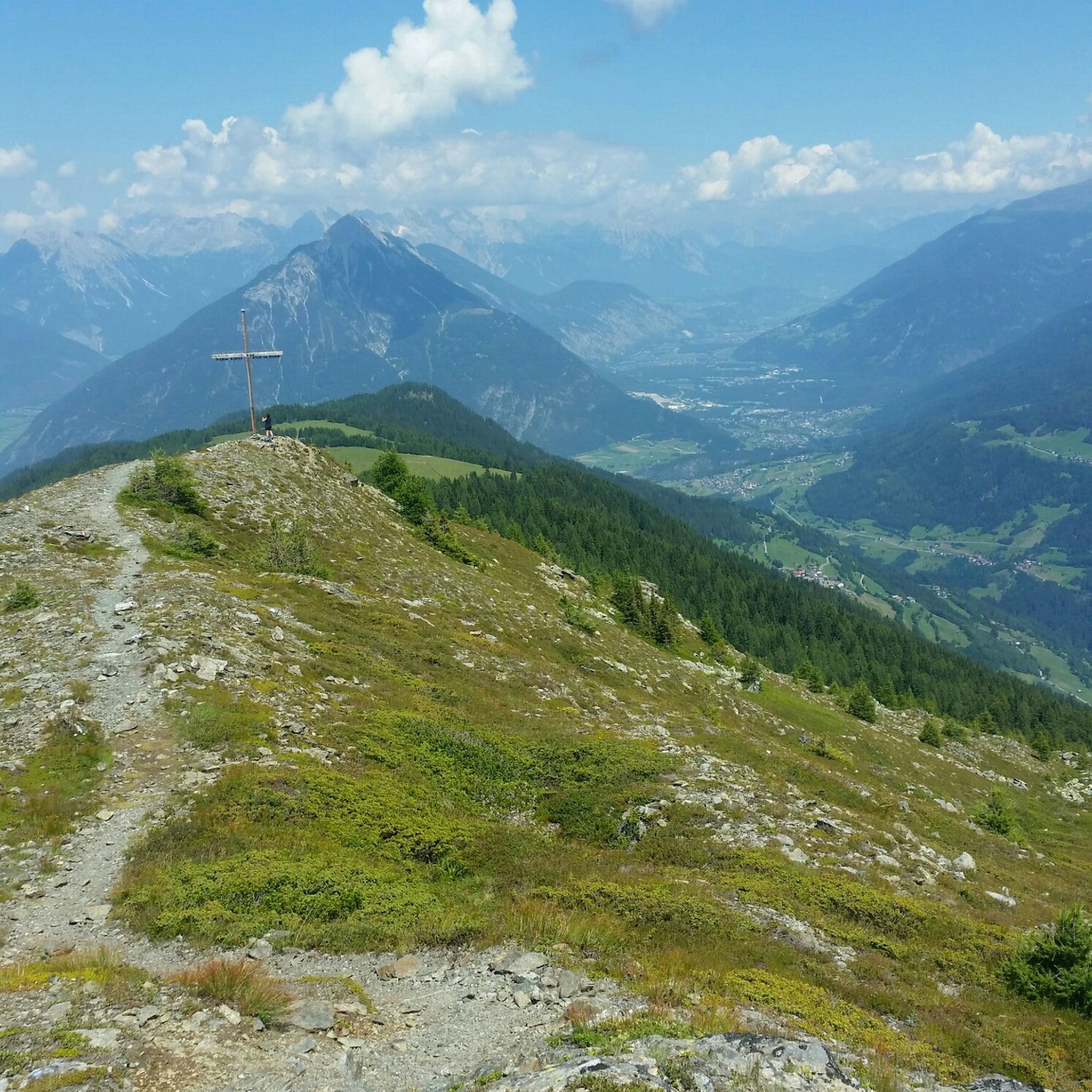
Hiking around Imsterberg
Mountain Hikes around Imsterberg

Tips from the Community


From the mountain station, it only takes 15 minutes to admire the beauty of creation from the summit cross of the Hochzeiger. A beautiful path also leads from here to the Sechszeiger. If you don't want to walk downhill, you can easily return from the Sechszeiger to the middle station with the chairlift.
0
0

Schinderbach / Rosengartenschlucht In the middle of Imst is the entrance to one of the most beautiful gorges in Austria and one of the most valuable biotopes in Tyrol. The Schinderbach roars through the 2 km long Rosengarten gorge - a spectacle that can be observed from the path that leads through the gorge. The Rosengartenschlucht is highly valued as one of the most valuable biotopes in Tyrol. It is also a treasure trove, especially for geologists, as millions of years of earth's history are reflected here. The Rosengartenschlucht begins at the Johanneskirche right in the city center of Imst. The gorge, which is bordered by a 100 m high rock wall, becomes increasingly narrower and leads to the Blue Grotto, a small cave in which silver-containing galena was searched for as early as Roman times. From the Blue Grotto you then reach Hoch-Imst and can either hike back to Imst via the Wetterkreuz or continue your tour with the Imster Bergbahnen and the Alpine Coaster Imst. Text / Source: Tirol.Tl https://www.tirol.tl/de/highlights/natur-landschaft/naturschauspiele/rosengartenschlucht/
14
1
The entrance to the Rosengartenschlucht The entrance to the Rosengartenschlucht is right in the center of the city and entry is free! Deep down there is the crystal clear, roaring water, vertically rising rock walls to the right and left, covered in mosses and ferns. ... Text / Source: Imst Tourism https://www.imst.at/urlaubserlebnisse/sommer/rosengartenschlucht
15
0

Mega panoramic view from the Hochsteller.
2
0

The multi-layered rock formations are definitely spectacular, from the Nagelfluh to the main dolomite to the brittle slate and other geological sundries of the Gosau layers.
0
0

When we got to the top, we had a fantastic view. You could even see the Zugspitze. In addition, the goats didn't want to let us go, or rather just our food. There is also a book here.
2
0

Impressive testimony from Roman times on the old Roman road Via Claudia Augusta.
1
0
Frequently Asked Questions
What are some of the most popular natural monuments to visit around Imsterberg?
The Rosengarten Gorge is a highly popular choice, known for its dramatic rock formations and a waterfall. Other favorites include the Glanderspitze Summit and Hochzeiger Summit, both offering extensive panoramic views of the surrounding Alps.
Are there family-friendly natural monuments suitable for children around Imsterberg?
Yes, the Rosengarten Gorge is an excellent option for families. It's an easily accessible natural wonder, though sturdy shoes and surefootedness are recommended due to path conditions. The hike through the gorge offers an immersive experience into a wild landscape.
What kind of natural features can I expect to see near Imsterberg?
The region boasts a variety of natural features, from the wild Rosengarten Gorge with its rushing waters and waterfall, to high mountain summits like Imster Muttekopf Summit offering panoramic views. You can also explore unique ecosystems like the Seebrig Area with its cotton grass marsh or the diverse Sinnesbrunn Moors.
Are there any historical natural monuments or sites with historical significance?
Yes, the Fließer Platte Roman Road (Via Claudia Augusta) is a notable historical site that also functions as a natural monument. This ancient Roman road features ground wagon tracks and offers a unique blend of history and natural beauty.
What outdoor activities can I do near these natural monuments?
The area around Imsterberg is perfect for various outdoor activities. You can enjoy mountain hikes, with routes like the 'View of Imst – Tschirgant Summit loop' or 'Muttekopf Hut – Jägerstieg loop'. For cycling enthusiasts, there are options for gravel biking and touring, including routes like 'Venetalm loop' or 'Bike Path Along the Inn River'. You can find more details on these activities in the Mountain Hikes around Imsterberg, Gravel biking around Imsterberg, and Cycling around Imsterberg guides.
What is the best time of year to visit the natural monuments around Imsterberg?
The best time to visit largely depends on the activity. For hiking and exploring gorges like the Rosengarten Gorge, spring through autumn offers pleasant conditions. Summits like Hochzeiger Summit are best enjoyed in warmer months for clear views. For climbing at Kaltes Loch, April to October is ideal due to its northern exposure and quick drying.
Are there any hidden natural gems or unique ecosystems to explore?
Beyond the well-known spots, the Seebrig Area, located above the Muttekopf hut, is a serene and unique natural environment featuring an extensive cotton grass marsh surrounding a small lake. The Sinnesbrunn Moors are also recognized for their diverse moor development stages and rare plant communities, offering a peaceful forest and moorland landscape.
What kind of views can I expect from the mountain summits?
Summits like Glanderspitze Summit and Hochzeiger Summit offer breathtaking panoramic views of the surrounding mountains and valleys of the Tyrolean Alps. Visitors consistently praise the 'mega panoramic view' and 'fabulous view over the Alps' from these elevated points.
Is there a designated natural monument that is a waterfall?
Yes, the Putzenwasserfall is a designated natural monument accessible via a hiking trail from Imst. While specific details about its height are not widely publicized, its status as a natural monument indicates significant natural beauty and a picturesque setting.
What makes the Venet Massif a unique natural monument?
The Venet Massif, overlooking Imsterberg, is known for its unique geology. It consists of quartz phyllite, which was polished into rounded surfaces by Ice Age glaciers. The Venet-Alm, at 1,908 meters, is a popular destination on the massif, offering stunning vistas and a rewarding experience for hikers and mountain bikers.
What do visitors enjoy most about the natural monuments around Imsterberg?
Visitors frequently highlight the stunning panoramic views from the summits, the immersive experience of walking through gorges like the Rosengarten Gorge, and the sense of tranquility found in unique natural areas. The diverse landscapes, from wild rivers to high alpine meadows, are also highly appreciated.
Are there any natural monuments suitable for rock climbing?
Yes, Kaltes Loch near Imsterberg is primarily known as an impressive climbing area. It features a vertical to overhanging limestone wall with 22 well-secured routes, ranging in difficulty from 7a to 8a. Its northern exposure means it's often in the shade and dries quickly, making it suitable for climbing from April to October.
Most popular routes around Imsterberg
Most popular attractions around Imsterberg

Get inspired with the komoot mobile app


Explore more
Extend your search for the best caves by checking out these guides of the top ones around Imsterberg:
