Top 20 Natural Monuments around Kapfenstein
Best natural monuments around Kapfenstein are characterized by a unique geological history, centered on extinct volcanoes. This region, part of the Styrian Volcanic Land, provides opportunities to explore remnants of powerful volcanic activity. The landscape offers insights into Earth's dynamic past and the forces that sculpted the area. Visitors can discover various natural features and historical sites integrated into the natural environment.
Best natural monuments around Kapfenstein
- The most popular natural monuments is Three-country border point Austria–Hungary–Slovenia, a man-made…
Last updated: June 24, 2026
Memorial 'Park of Thoughts'
Highlight • Monument
Translated by Google •
Tip by

Three-country border point Austria–Hungary–Slovenia
Highlight • Monument
Translated by Google •
Tip by

Sign up now to discover places like this
Get recommendations on the best single tracks, peaks, & plenty of other exciting outdoor places.
Sign up for free
Gleichenberger Kogel (598 m) Ruins
Highlight • Historical Site
Translated by Google •
Tip by

Roman burial mounds
Highlight • Historical Site
Translated by Google •
Tip by

Lourdes - Marian Grotto
Highlight • Religious Site
Translated by Google •
Tip by

Sign up for free to discover even more natural monuments around Kapfenstein.
Sign up for free
Already have an account?
Start today with a free account
Your next adventure awaits.
Login or Signup
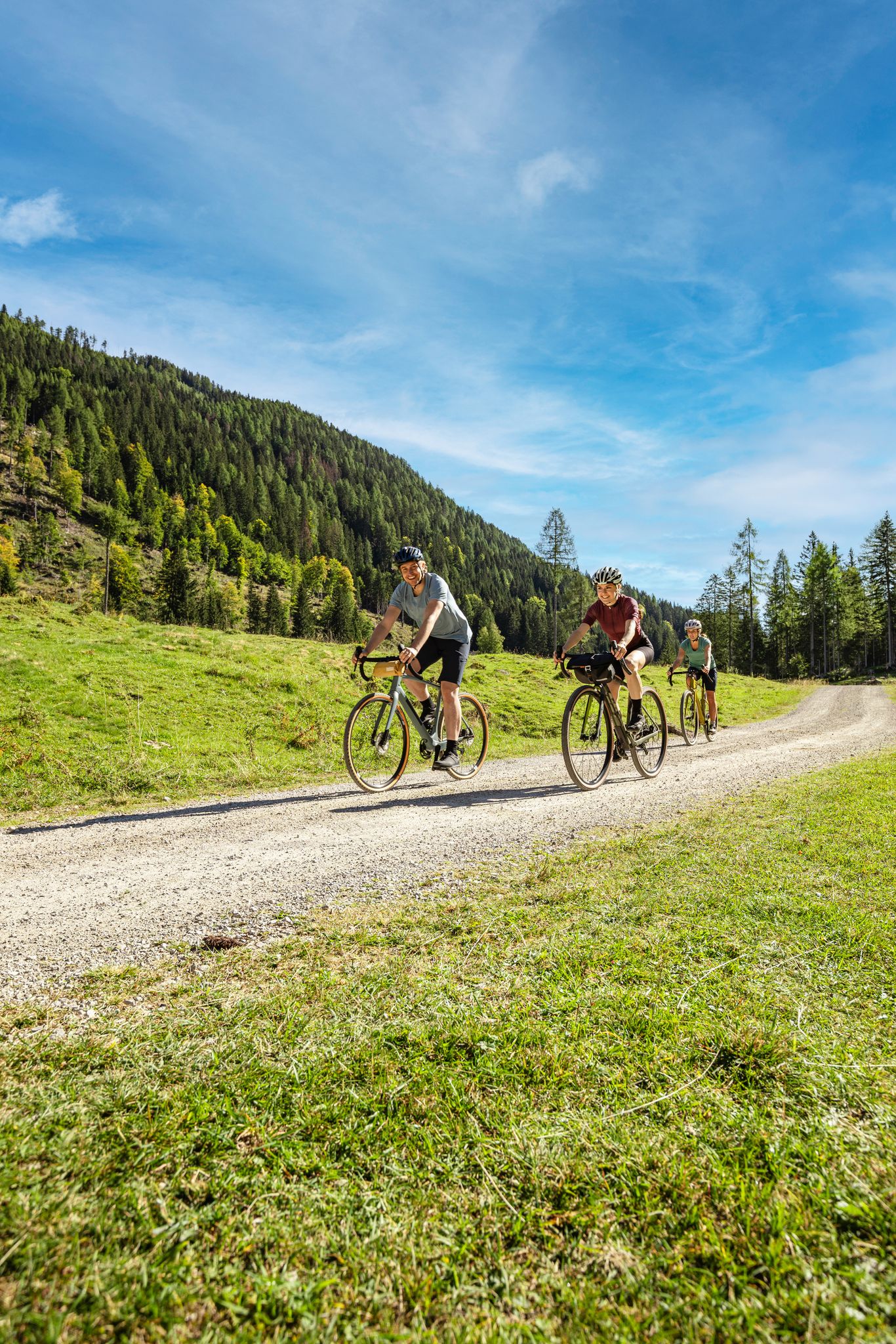
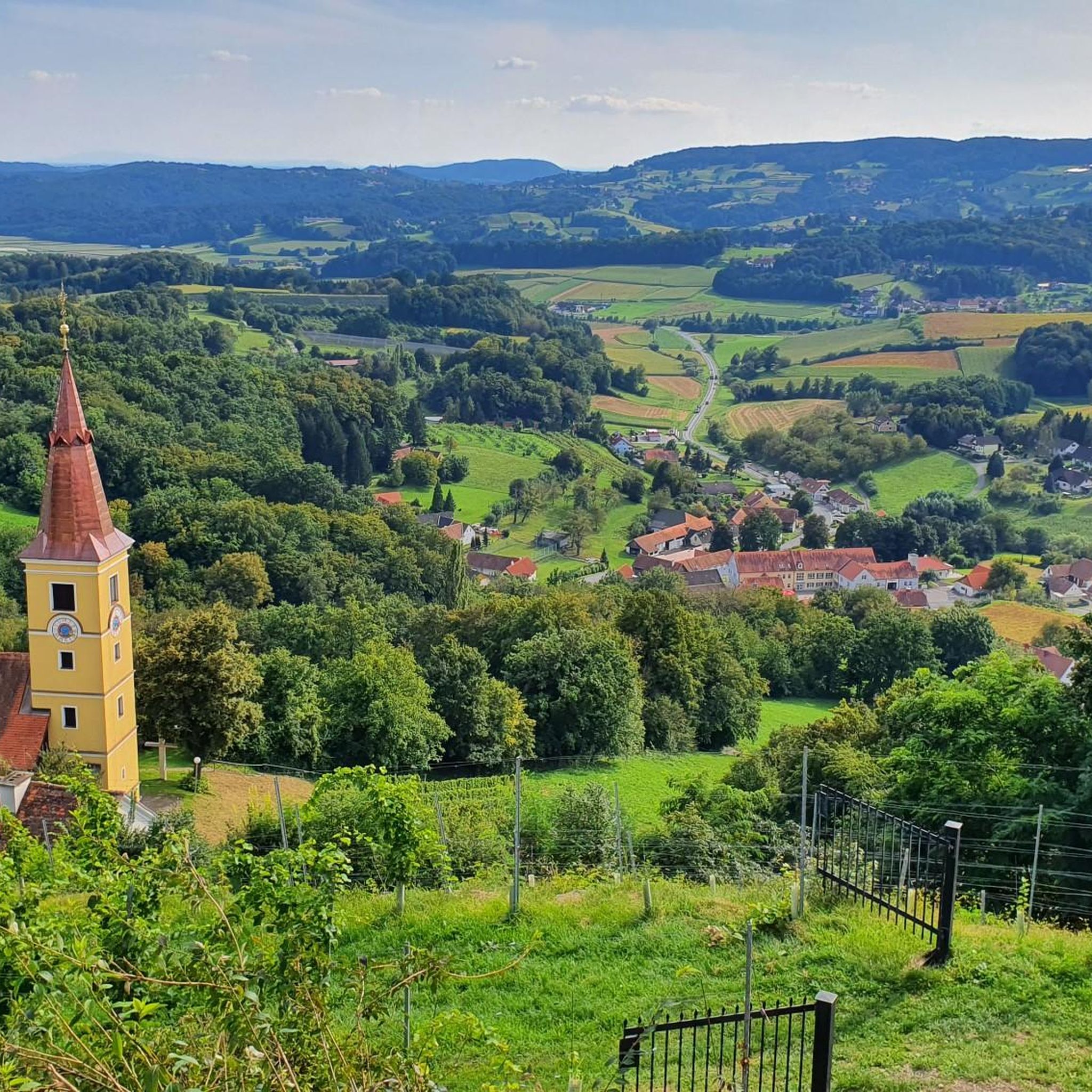
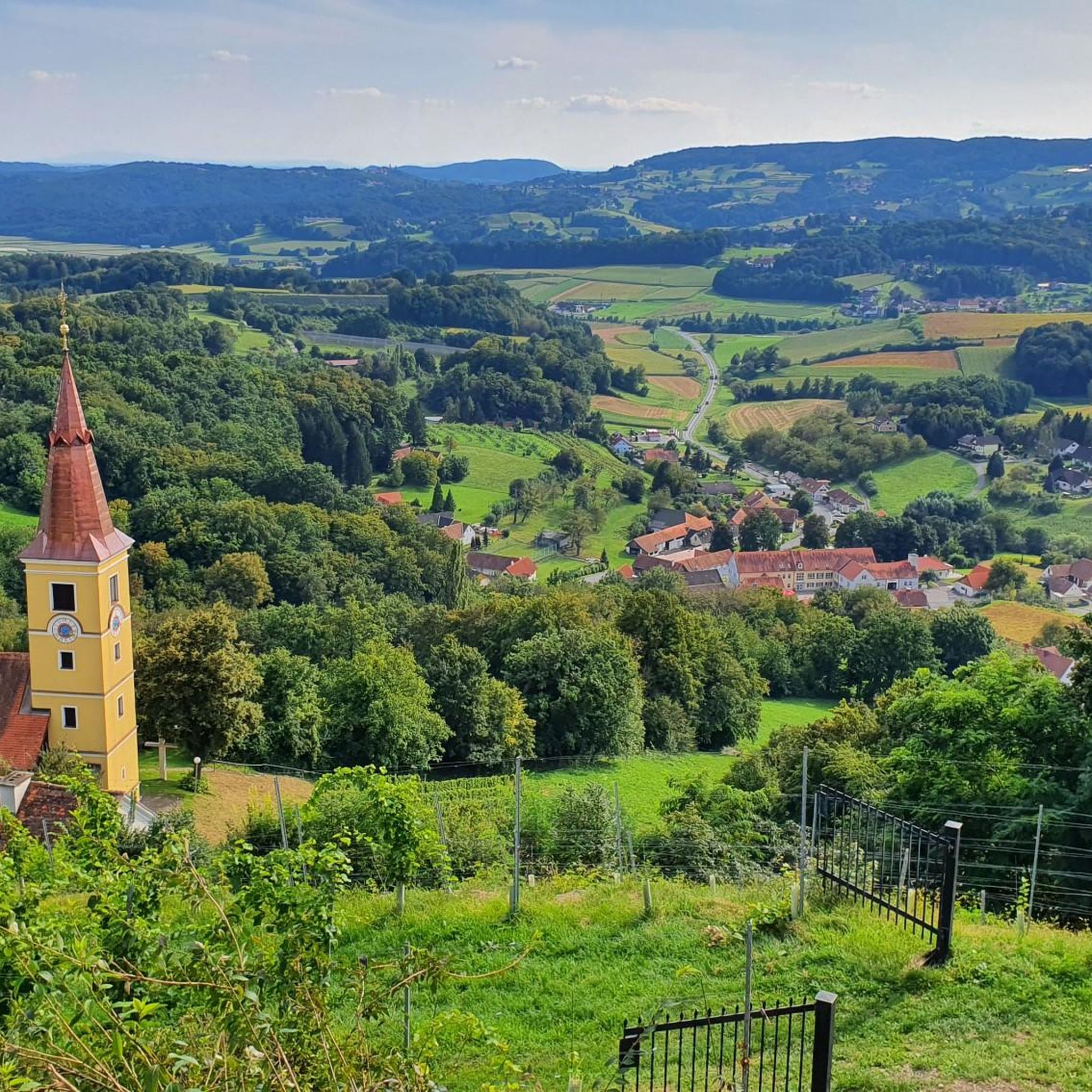
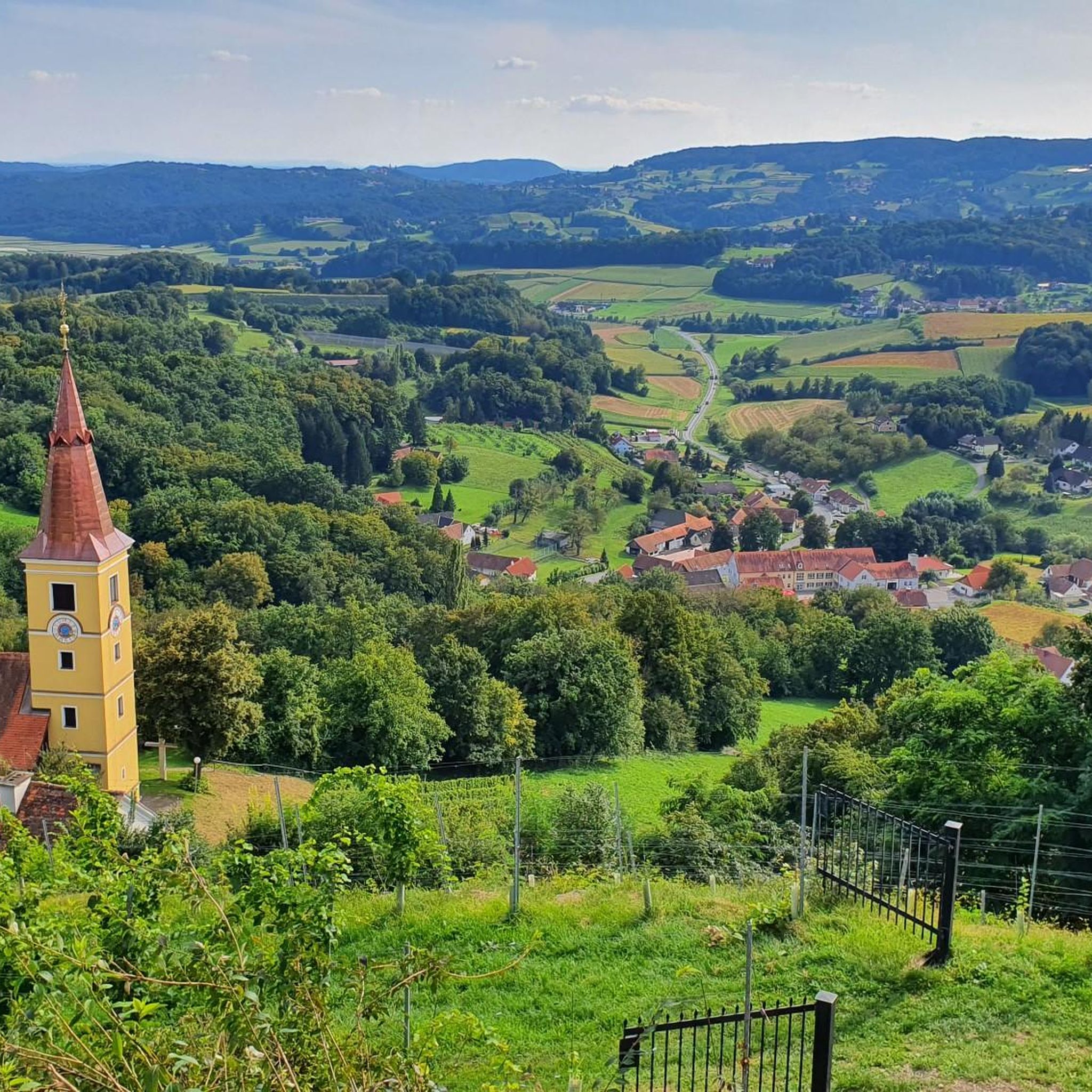
Other adventures around Kapfenstein

Tips from the Community

Someone has clearly gone to great lengths to bring history to life here. Kudos! The excavated grave and its accompanying description are just as interesting as the three reconstructed burial mounds. And when you've had your fill of learning, you can also rest comfortably in the shade. Perfect!
0
0
A beautiful parish church with an impressive interior. We were a little disappointed by the Lourdes Grotto. It's small compared to the church, located in the backyard—we expected more. But whatever, the church is definitely worth seeing.
0
0

Water pond for the fruit farmers in Deutsch Haseldorf
0
0

Hidden behind the Roman Catholic parish church of Unterlamm is a replica of the Grotto of the Virgin Mary in Lourdes. It is a very special place of prayer and unique in Styria.
0
0

East of Deutsch Haseldorf, near the border between Austria and Slovenia, a memorial was erected to commemorate the 23,000 people who died during the construction of the East Wall in southeast Styria at the end of the Second World War. This memorial, known as the 'Park of Thoughts', consists of an 8.50-metre-high square column into which 23,000 coloured studs are screwed. Each stud symbolises one of the deceased people. The different colours of the studs represent the different groups of people who were murdered along the East Wall.
0
0

The place shows the permanence and also the transience of national borders. Very nicely done!
3
0

Beautiful place to rest...
4
0
A wonderful place to rest...at the border triangle...
3
0
Frequently Asked Questions
What makes the natural monuments around Kapfenstein unique?
The natural monuments around Kapfenstein are unique due to their rich geological history, centered on numerous extinct volcanoes. The region, part of the Styrian Volcanic Land, offers a journey through millions of years of Earth's history, showcasing the remnants of powerful volcanic activity and the geological forces that sculpted the landscape. Key features include the Kapfensteiner Kogel, the GeoTrail Kapfenstein, and distinctive 'olivine bombs'.
What are some popular natural monuments to visit in the Kapfenstein area?
Visitors often enjoy the Three-country border point Austria–Hungary–Slovenia, a wooded location marking a historical border. Another popular spot is the Gleichenberger Kogel (598 m) Ruins, an extinct volcano offering views of the Styrian Volcanic Country. The Memorial 'Park of Thoughts' is also highly regarded for its historical significance.
Are there family-friendly natural monuments around Kapfenstein?
Yes, several natural monuments are suitable for families. The Memorial 'Park of Thoughts' is categorized as family-friendly, offering a reflective experience. Additionally, the Roman burial mounds provide an interesting historical site that is also family-friendly, with information available via QR code.
What kind of historical sites can I explore among the natural monuments?
Beyond the geological history, you can visit significant historical sites. The Three-country border point Austria–Hungary–Slovenia is a historical landmark. The Gleichenberger Kogel (598 m) Ruins combine natural volcanic features with historical ruins. The Memorial 'Park of Thoughts' commemorates historical events near the Austrian-Slovenian border, and the Roman burial mounds offer insights into ancient burial rituals.
What is the GeoTrail Kapfenstein and what can I see there?
The GeoTrail Kapfenstein is a 2-kilometer geological hiking path that winds through the layers of the Kapfenstein volcano. It offers insights into the volcano's formation through numerous eruptions and features information points explaining its origins and surroundings. Along the trail, you can experience the region's dynamic geological development over 16 million years, including views of the volcanic land from Kapfenstein Castle.
What are 'olivine bombs' and where can I learn more about them?
Olivine bombs are distinctive light green mineral bombs, composed of olivine, pyroxene, and spinel, that originated approximately 60 kilometers deep within the Earth's mantle. They were brought to the surface by rising magma and ejected during explosive volcanic eruptions around 2 million years ago. You can learn more about these fascinating geological formations and the region's volcanic history at the Geo-Info Kapfenstein museum.
What outdoor activities can I do near the natural monuments around Kapfenstein?
The Kapfenstein area offers various outdoor activities. For cycling enthusiasts, there are numerous routes, including road cycling options like the 'View of Riegersburg Castle – Vineyards loop' or touring bicycle routes such as the 'Riegersburg Bathing Lake – Feldbach Town Hall loop'. Mountain biking trails are also available, for example, the 'Main Square Fehring – Along the River Raab loop'. You can find more details on these and other routes in the Road Cycling Routes around Kapfenstein, Cycling around Kapfenstein, and MTB Trails around Kapfenstein guides.
What is the best time to visit the natural monuments in Kapfenstein?
The Kapfenstein region, with its outdoor GeoTrail and volcanic landscapes, is generally enjoyable during milder seasons. Spring and autumn offer pleasant temperatures for hiking and exploring the geological features. While specific seasonal considerations for winter hiking are not detailed, the Geo-Info Kapfenstein museum provides an indoor option for learning about the region's geology year-round.
Are there any religious or spiritual sites among the natural monuments?
Yes, the Lourdes - Marian Grotto near Unterlamm is a notable religious site. Built in 2006, it is a replica of the Grotto of the Virgin Mary in Lourdes and attracts many visitors. It contains a valuable relic and is considered a special place of prayer, unique in Styria.
What do visitors enjoy most about the natural monuments around Kapfenstein?
Visitors appreciate the unique blend of natural beauty and historical significance. Many enjoy the opportunity to explore the volcanic landscape and learn about Earth's history firsthand. The historical sites, such as the Three-country border point, are valued for their stories and peaceful settings. The community has contributed over 130 upvotes and 20 photos, indicating a strong positive reception for these diverse natural and historical attractions.
Is there a museum or information center to learn more about the geology of Kapfenstein?
Yes, the Geo-Info Kapfenstein is a dedicated museum that complements the outdoor GeoTrail. It presents the geological development of Kapfenstein and the Styrian Volcanic Land, based on the regional geological collection of Prof. Dr. Arthur Winkler-Hermaden. The museum showcases fossils and illustrates significant environmental shifts over geological timescales, making the area's geological significance accessible to visitors.
Most popular routes around Kapfenstein
Most popular attractions around Kapfenstein

Get inspired with the komoot mobile app


Explore more
Extend your search for the best caves by checking out these guides of the top ones around Kapfenstein:
