Top 20 Natural Monuments in the Dominican Republic
Best natural monuments in the Dominican Republic encompass a range of diverse landscapes, from coastal mangroves and sand dunes to central highland cloud forests. The island features unique geological formations, including extensive cave systems with ancient Taíno pictographs, and numerous waterfalls. These natural areas provide opportunities to explore varied ecosystems and cultural heritage sites, highlighting the country's rich biodiversity and natural beauty.
Best natural monuments in the Dominican Republic
- The most popular natural monument is El Limón Waterfall, a…
Last updated: July 7, 2026
Chicho II Cave
Highlight • Cave
Translated by Google •
Tip by

El Limón Waterfall
Highlight • Waterfall
Translated by Google •
Tip by

Sign up now to discover places like this
Get recommendations on the best single tracks, peaks, & plenty of other exciting outdoor places.
Sign up for free
Los Tres Ojos Caves and Lagoons
Highlight (Segment) • Cave
Correctly, it's not one lagoon, but three. Eyes, ojos, they were called by the indigenous peoples …
Translated by Google •
Tip by

View of the cave near Las Galeras
Highlight • Cave
- machete or similar take along, since the paths are completely overgrown now and then
Translated by Google •
Tip by

Playa Frontón
Highlight • Beach
Translated by Google •
Tip by

Rode Pasa Arriba Trail
Highlight • Trail
Translated by Google •
Tip by
Upside-Down Tree (Árbol Patas Arriba)
Highlight • Natural Monument
Translated by Google •
Tip by
Obelisk of Bayahibe
Highlight • Monument
Showing Translation
Tip by

Cave of Wonders
Highlight • Cave
Here are a few additional details that make this place so special:
Taíno Cultural Heritage
Translated by Google •
Tip by

Taíno Cave Pool
Highlight • Cave
Translated by Google •
Tip by

Sign up for free to discover even more natural monuments in the Dominican Republic.
Sign up for free
Already have an account?
Start today with a free account
Your next adventure awaits.
Login or Signup
Tips from the Community

This is the Obelisco de La Romana, a well-known monument in the Dominican Republic. The monument is covered with colorful murals depicting scenes from Dominican life, such as musicians and dancers.
2
0

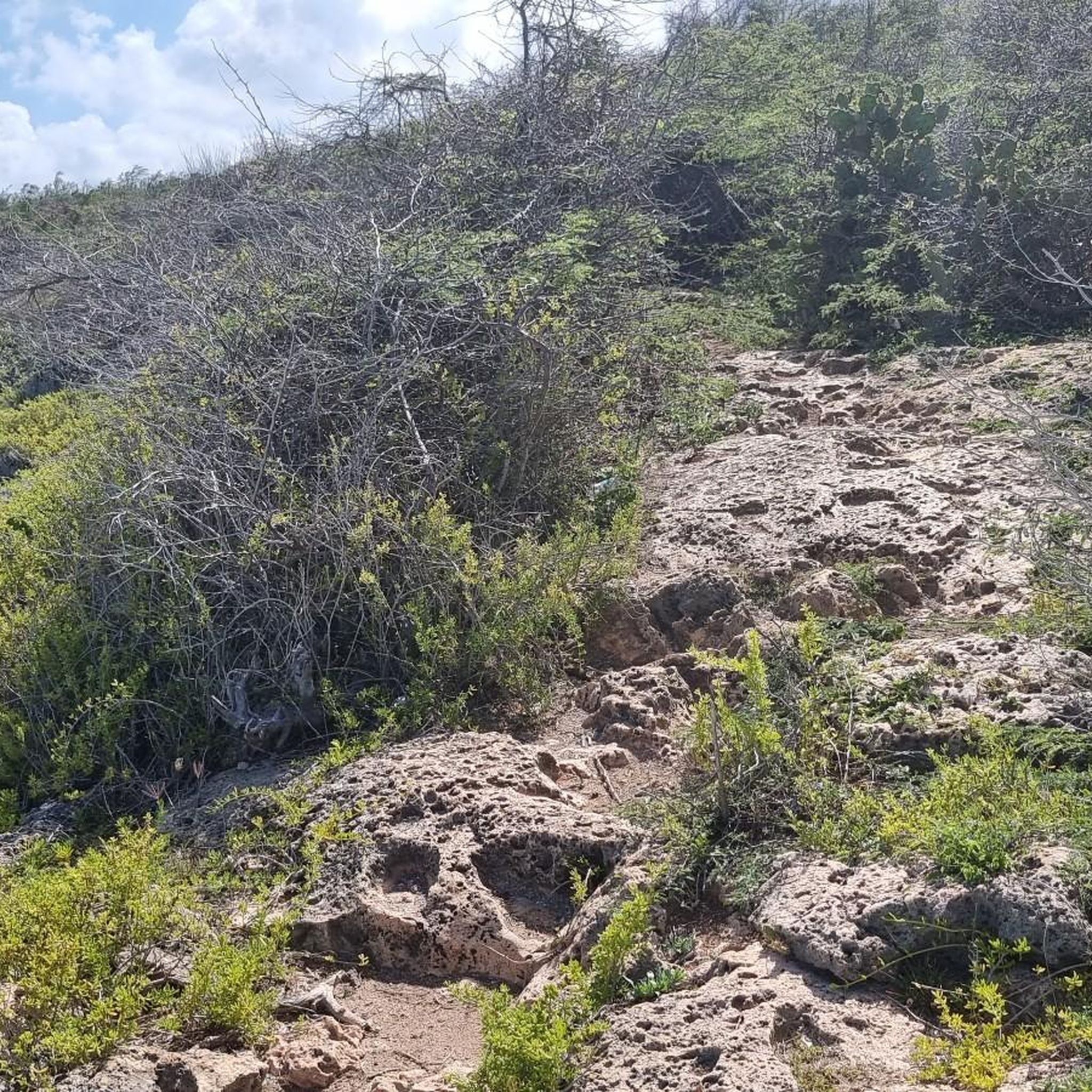
Really cool. This trail is not in the map but absolutely worth doing!
0
0
Really cool hike. Especially if you take the footpath from the end of the first parking space (there are two large signs)
0
0

The Cueva de las Maravillas (Cave of Wonders) is a fascinating destination that combines natural history with the heritage of the island's indigenous people. Here are a few additional details that make this place so special: Taíno Cultural Heritage The cave is particularly known for its petroglyphs and pictograms. There are hundreds of rock drawings left behind by the Taíno Indians. These artworks date back in part to before the arrival of Columbus and mostly depict human figures, animals, and abstract symbols. Impressive Geology * Depth: The cave lies approximately 25 meters underground. * Formations: There are impressive stalactites and stalagmites to admire, formed over millennia by calcareous water. * Lighting: A modern lighting system perfectly showcases the formations and drawings without damaging the delicate artwork with excessive heat or UV radiation. Infrastructure
2
0

An ancient Egyptian monument symbolizing a connection between humans and the gods. Its shape is said to resemble a sunbeam.
0
0

The official German tour guide said that you should definitely not take the "gasoline barrel boat" to the back cave. He didn't give us any time to do that either... We went back later on our own and of course visited the back cave :D It was a bit shaky and adventurous, but it was definitely worth it. An absolute MUST! We felt like Indiana Jones. You have to see it!!
1
0
A beautiful column. The path from the harbor towards the city leads past it.
0
0
Frequently Asked Questions
What are some of the most popular natural monuments in the Dominican Republic?
Among the most popular natural monuments are El Limón Waterfall, known as the highest waterfall in the Dominican Republic, and the unique Los Tres Ojos Caves and Lagoons, featuring iridescent blue freshwater lagoons within an open cave system. Visitors also highly rate the Cave of Wonders (Cueva de las Maravillas) for its impressive geological formations and ancient Taíno pictographs.
Are there family-friendly natural monuments in the Dominican Republic?
Yes, several natural monuments are suitable for families. The Cueva de las Maravillas (Cave of Wonders) is notably accessible, with excellent lighting, ramps, footpaths, and even an elevator, making it easy for most visitors to explore. The Obelisk of Bayahibe is also listed as family-friendly and wheelchair accessible.
What kind of unique natural features can I explore in the Dominican Republic?
The Dominican Republic offers a diverse range of natural features. You can explore extensive cave systems like Chicho II Cave, where you can even swim in cold, refreshing water. The 27 Charcos de Damajagua provide an exhilarating experience with multiple waterfalls and natural pools for sliding and jumping. For a unique landscape, the Dunas de Baní offer a striking desert-like environment of sand dunes contrasting with the Caribbean Sea.
Can I find natural monuments with historical or cultural significance?
Absolutely. Los Haitises National Park features ancient caves adorned with petroglyphs and pictographs left by the indigenous Taíno people. Similarly, the Cueva de las Maravillas (Cave of Wonders) showcases hundreds of well-preserved Taíno pictographs and petroglyphs, some dating back between 500 and 800 years, alongside archaeological vestiges from 4,000 years ago.
What outdoor activities can I do near these natural monuments?
Many natural monuments are excellent starting points for outdoor adventures. You can find various trails for mountain biking, running, and road cycling across the region. For example, you can explore MTB Trails, Running Trails, and Road Cycling Routes that pass through diverse landscapes, including forests and coastal areas.
Are there specific hiking trails to natural monuments?
Yes, many natural monuments are accessible via hiking trails. For instance, the Rode Pasa Arriba Trail leads directly to a cave over karst rock, offering a chance to see diverse plants. To reach El Limón Waterfall, visitors often hike through lush terrain, though some choose to go on horseback. The 27 Charcos de Damajagua also involves a hike through tropical forests before reaching the waterfalls.
What should I know about visiting Los Haitises National Park?
Los Haitises National Park is a unique natural monument characterized by vast mangroves, impressive rock formations, and rich biodiversity, including numerous bird species. It's also home to ancient Taíno caves with petroglyphs. The park is accessible only by water, which adds to its mystique and offers a distinct exploration experience via boat or kayak through its waterways.
What is the best time to visit the natural monuments in the Dominican Republic?
The Dominican Republic generally has a tropical climate. The dry season, typically from December to April, is often considered the best time to visit, as it offers cooler temperatures and less rainfall, making outdoor activities and explorations more comfortable. However, some attractions like waterfalls are more impressive during or just after the rainy season.
Are there any natural monuments that are important for biodiversity and conservation?
The Reserva Científica Ébano Verde is a crucial protected area in the central highlands. This cloud forest ecosystem is vital for its biological diversity and high endemism of flora and fauna, including 621 species of vascular plants, with 153 endemic to Hispaniola. It also serves as the birthplace of several important rivers, making it a key site for conservation and ecotourism.
What do visitors enjoy most about the natural monuments in the Dominican Republic?
Visitors frequently highlight the stunning natural beauty and the sense of adventure. Many appreciate the opportunity to swim in natural pools, explore unique cave systems, and witness impressive waterfalls. The rich cultural history, particularly the ancient Taíno art found in caves, also leaves a lasting impression. The diverse landscapes, from lush forests to desert-like dunes, offer something for every nature enthusiast.
What should I wear when visiting natural monuments?
For most natural monuments, especially those involving hiking or water activities, comfortable and sturdy footwear is recommended. For places like Chicho II Cave or the 27 Charcos de Damajagua, bathing suits and water shoes are advisable. Light, breathable clothing is generally suitable for the tropical climate. Don't forget a flashlight for exploring darker caves and sun protection for outdoor areas.
Is there a natural monument that offers a unique desert-like landscape?
Yes, the Dunas de Baní (Las Dunas de las Calderas Natural Monument) in the Peravia province presents a striking and unusual landscape for the Caribbean. These sand dunes, stretching for approximately 15 kilometers, offer a surreal and picturesque scenery, providing excellent opportunities for photography and a peaceful retreat in a rare geological formation.
Most popular routes in the Dominican Republic
Most popular attractions in the Dominican Republic

Get inspired with the komoot mobile app


Didn’t find what you were looking for?
Find even more amazing natural monuments in the Dominican Republic by checking out the top Highlights region by region:
Explore more
Extend your search for the best caves by checking out these guides of the top ones in the Dominican Republic:
