Top 20 Natural Monuments in Argentina
Best natural monuments in Argentina showcase a diverse landscape, from the towering peaks of the Andes to vast salt flats and expansive wetlands. This South American nation features significant geographic formations, including glaciers, waterfalls, and extensive national parks. The country's varied terrain offers a wide range of natural monuments, providing opportunities for exploration and observation of unique ecosystems.
Best natural monuments in Argentina
- The most popular natural monuments is Fitz Roy Viewpoint, a viewpoint that offers a spectacular view…
Last updated: July 7, 2026
Cerro Torre Viewpoint
Highlight • Viewpoint
Translated by Google •
Tip by

Fitz Roy Viewpoint
Highlight • Viewpoint
Tip by

Sign up now to discover places like this
Get recommendations on the best single tracks, peaks, & plenty of other exciting outdoor places.
Sign up for free
Capri Lagoon
Highlight • Lake
The view of the deep blue lake and the mountains is fantastic.
Translated by Google •
Tip by

Los Cóndores viewpoint
Highlight • Viewpoint
Translated by Google •
Tip by

Martial Glacier Viewpoint
Highlight • Viewpoint
Translated by Google •
Tip by

Iguazu Falls
Highlight • Waterfall
Tip by

Iguazu Falls (Brazilian Side)
Highlight • Waterfall
Tip by
Tierra del Fuego National Park
Highlight • Natural Monument
Translated by Google •
Tip by

Laguna Nimez Nature Reserve
Highlight • Natural Monument
Translated by Google •
Tip by

Laguna de los Témpanos and Vinciguerra Glacier
Highlight • Lake
Translated by Google •
Tip by
Sign up for free to discover even more natural monuments in Argentina.
Sign up for free
Already have an account?
Start today with a free account
Your next adventure awaits.
Login or Signup
Popular around Argentina
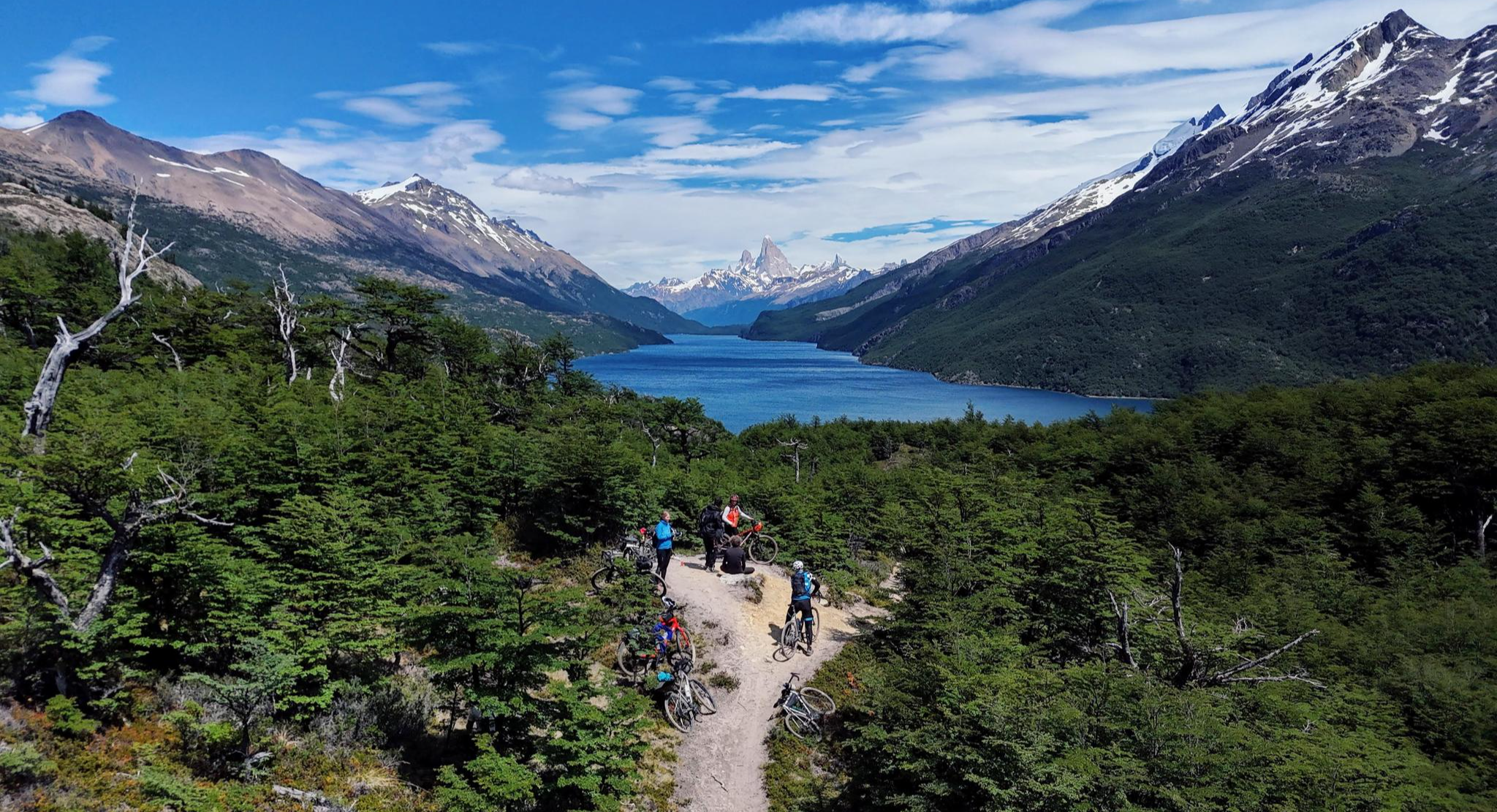
South American Epic — From Cartagena to Ushuaia
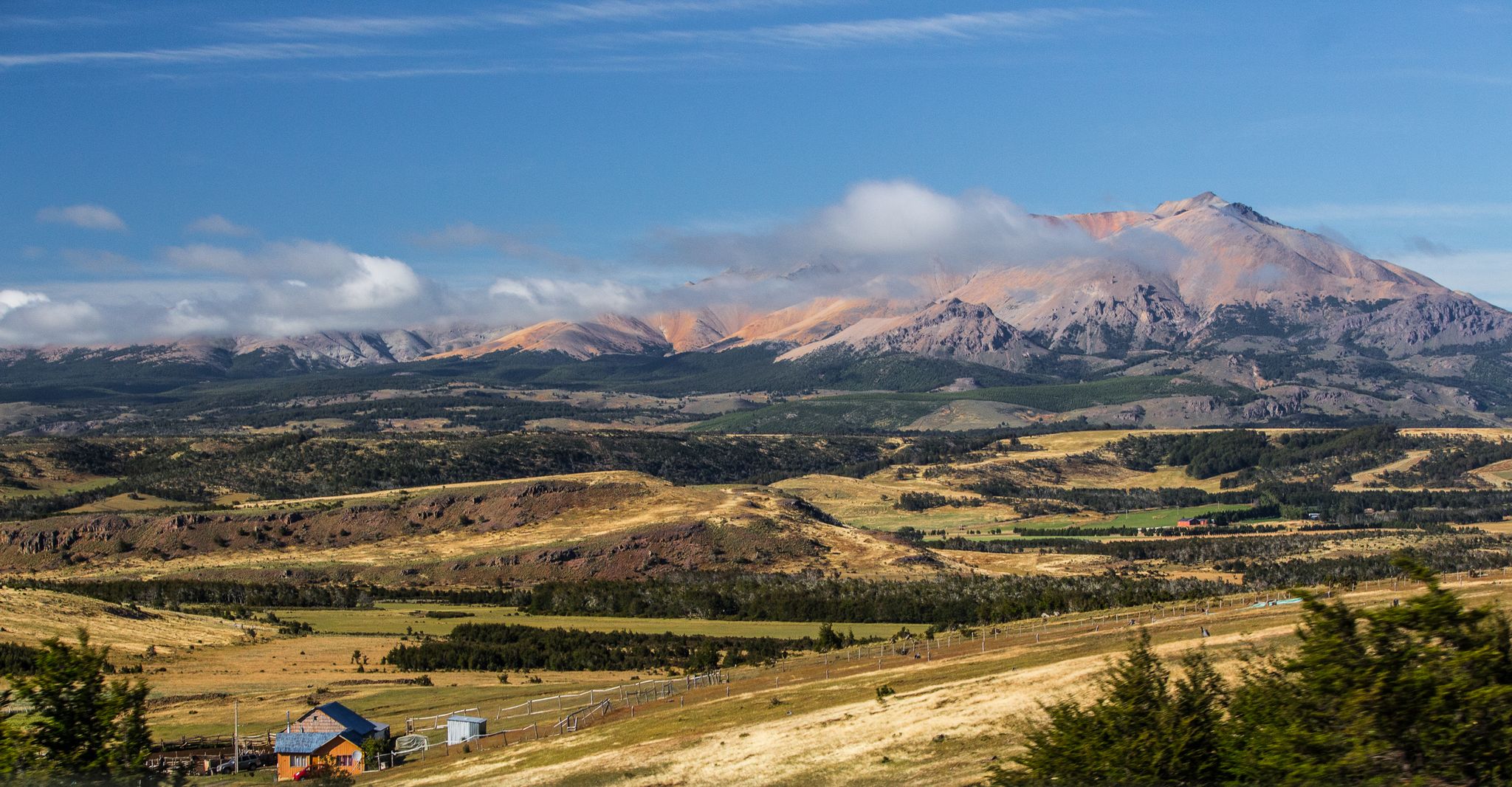
Puerto Montt to Cueva de las Manos – Carretera Austral
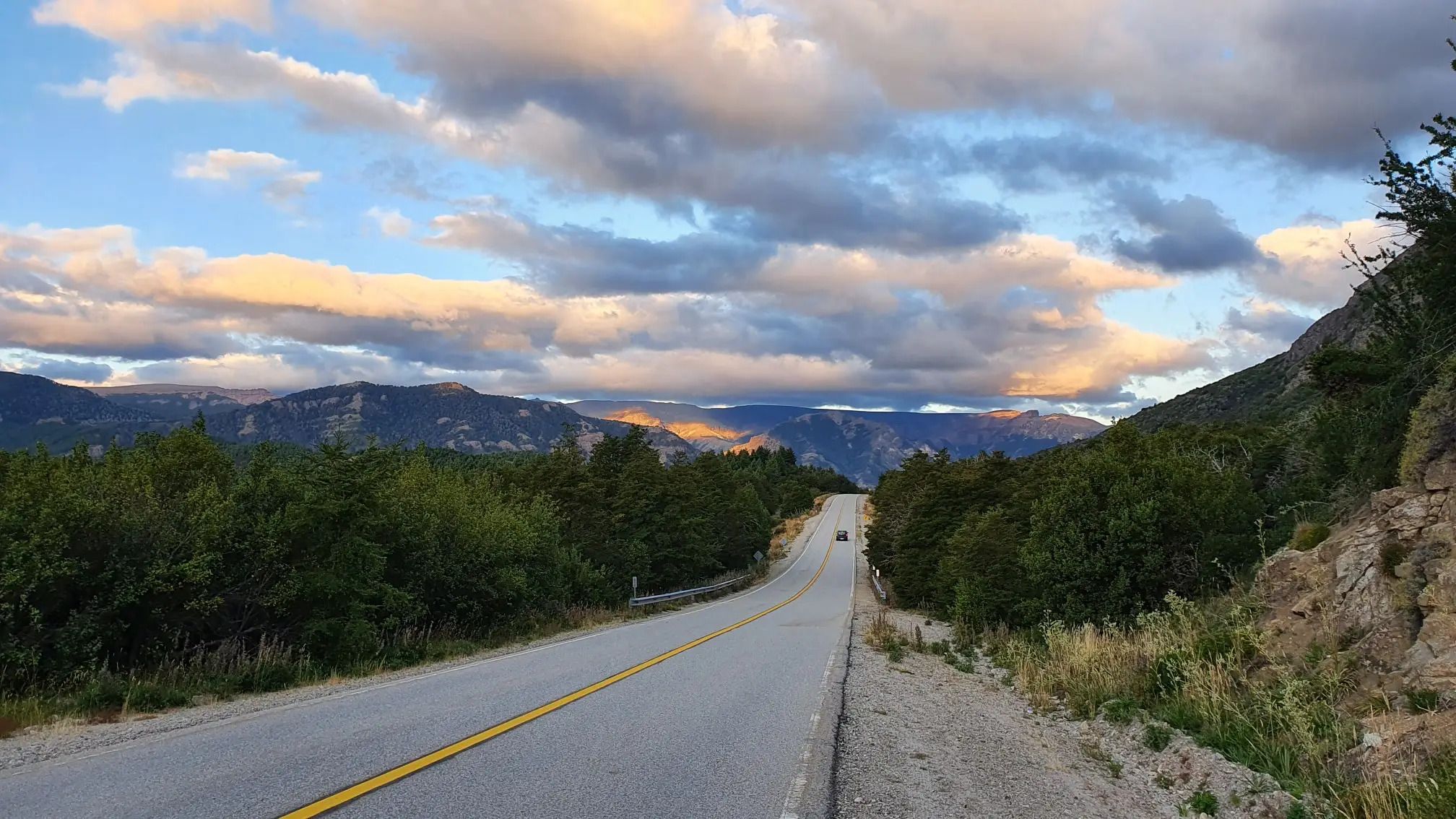
Between Chile and Argentina — Andean lakes and volcanoes
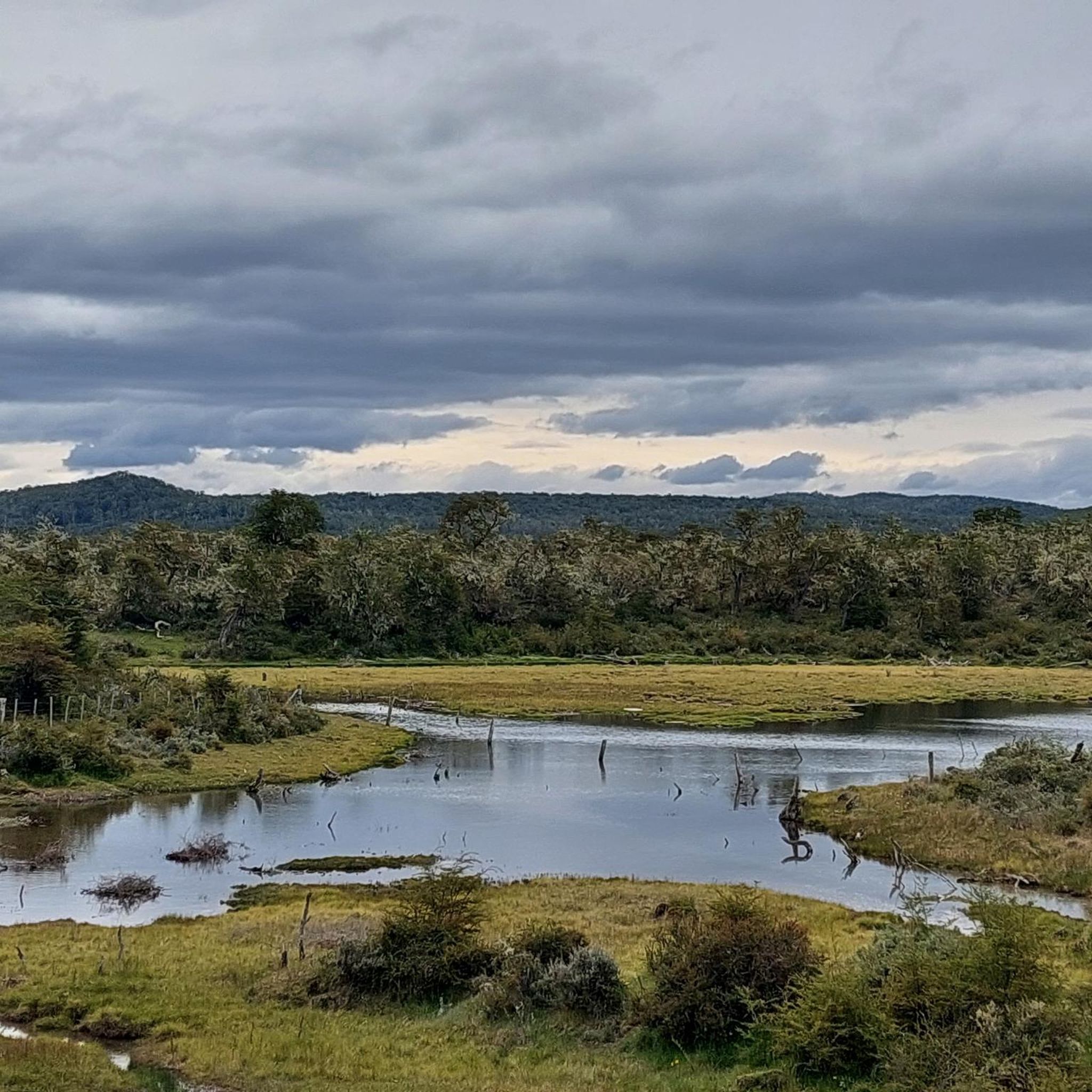
Hiking in Argentina
Running Trails in Argentina
Cycling in Argentina
MTB Trails in Argentina
Road Cycling Routes in Argentina

Mountain Hikes in Argentina
Gravel biking in Argentina


Tips from the Community

The Torre Lookout is one of the most iconic spots in Los Glaciares National Park. From here, you can enjoy an unparalleled view of the Adela mountain range, the majestic Cerro Torre, and the sharp granite spires that surround it. An interpretive sign from the park helps identify each peak, making this a perfect place to rest and enjoy the scenery before continuing your journey to Lake Torre.
2
0

An indescribable natural spectacle, a must-see!
0
0

Unfortunately, entry to Los Glaciares National Park is no longer free. Either set off early in the morning before the park rangers arrive, or ideally, purchase a three-day flex ticket online. This is considerably cheaper than multiple day tickets and, unlike day tickets, is not tied to a specific entrance. Since the tickets are usually only glanced at, not scanned, the three-day ticket is sufficient, as it is valid for six months and the three days (or entries) do not have to be on consecutive days. ... Tickets can be purchased here: https://www.argentina.gob.ar/interior/ambiente/parquesnacionales/tarifas And here the details regarding the tickets and their validity are explained much more clearly: https://noticias.santacruz.gob.ar/gestion/produccion/secretaria-de-turismo/item/31943-conoce-el-tarifario-y-beneficios-para-el-ingreso-al-parque-nacional-los-glaciares
0
0

The peaks are often covered in fog or clouds
0
2

Today we paid €40 per person for entry. Now we can stay in the national park for three days and two nights. The campsites in the park are free.
0
0

Just a few steps from the shores of Lago Argentino, this nature reserve stretches out and is home to around 80 different species of birds. The planked paths and trails in particular invite you to explore the area at your leisure. With a little patience, you can observe flamingos, ducks, swans and many other water birds up close. What is special here is the proximity to nature: you don't have to walk far to see an amazing variety of birds in a relatively small area. The entrance fee is moderate and supports the preservation of this protected area, which protects not only birds but also impressive flora. For even better observation, you can borrow binoculars from the visitor center so that you can also get a good view of the birds further away. What I particularly liked is the peaceful atmosphere around the lake, which is enhanced by the constant chirping and the sound of the wind. A small note: Due to flooding, the circular path is currently partially closed, which makes the tour a little shorter. Nevertheless, the visit is worthwhile for anyone interested in the birdlife of Patagonia and who wants to enjoy the contrast between the mountains in the background and the extensive wetlands
1
0
The trail up to the Martial Glacier in Ushuaia is a real gem for hiking enthusiasts who want to experience Patagonia up close. The hike starts at the foot of the mountains, where you walk along a wide path that after a while connects with a picturesque forest path. A small river flows here, which you cross over a bridge. After just the first few hundred meters of elevation, a fantastic view of the surrounding landscape opens up - you can see not only the majestic glacier, but also the foothills of the Beagle Channel in the background. The landscape is rough and impressive, especially when the snow covers the valley, as can be seen in the photo. But even on snow-free days, the trail offers fantastic views of the jagged rocks and the mighty mountain ranges. There are different routes so that you can customize your route - sometimes along the river, sometimes steeper towards the summit. The higher you go, the more dramatic the scenery becomes, and it's worth stopping now and then to enjoy the view of the wide valley. For me as a hiker, the peace and quiet up here was particularly impressive. There are always other hikers, but overall you feel very close to nature, which makes the Martial Glacier a real highlight, without the typical tourist hustle and bustle that you often experience on other glaciers like the Perito Moreno. Even if the climb is not one of the easiest, it is definitely doable and can be managed with sturdy shoes and a bit of stamina. A little tip: If you have the opportunity, take a detour to one of the higher viewpoints - the extra effort will be rewarded with an even more spectacular view of the glacier landscape. And on the way back you can reward yourself with homemade cake in one of the charming teahouses at the foot of the glacier
6
1

It is worth visiting the falls one day from the Argentinian side and one day from the Brazilian side. Make sure you have enough cash in Brazilian currency for entry etc. Even though the tour from the Brazilian side is shorter than from the Argentinian side, the experience is different. You can take a bus to the visit points in the park.
2
0
Frequently Asked Questions
What are some of the most spectacular natural monuments to visit in Argentina?
Argentina offers a range of spectacular natural monuments. For breathtaking waterfalls, the Iguazu Falls are a must-see, known for their immense scale and power. If you're drawn to glaciers, the Perito Moreno Glacier in Los Glaciares National Park is one of the few advancing glaciers globally, offering dramatic ice calvings. For unique geological formations, the Quebrada de Humahuaca showcases colorful mountain ranges and ancient cultural history.
Are there natural monuments in Argentina suitable for family visits?
Yes, several natural monuments are great for families. The Iguazu Falls (Argentine side) and Iguazu Falls (Brazilian Side) are both considered family-friendly, with various viewpoints to observe the cascades. Additionally, the Laguna Nimez Nature Reserve is another excellent option for families, offering opportunities for wildlife observation in a serene setting.
What kind of wildlife can I expect to see at Argentina's natural monuments?
Argentina's natural monuments are rich in biodiversity. Península Valdés is a UNESCO World Heritage Site renowned for its marine wildlife, including sea lions, elephant seals, Magellanic penguins, and southern right whales. The El Bañado la Estrella Wetlands in Formosa Province is home to rare species of mammals, birds, and reptiles, making it an excellent spot for eco-tourism and birdwatching.
What are the best natural monuments for hiking and trekking in Argentina?
For hiking and trekking, the Patagonian region offers incredible opportunities. The area around Mount Fitz Roy, often called the 'Smoking Mountain,' attracts trekkers and mountaineers with its dramatic granite peaks. Similarly, the Cerro Torre Viewpoint provides access to trails with unparalleled views of the Adela mountain range and Cerro Torre. For challenging high-altitude climbs, Aconcagua is the highest peak in the Southern and Western Hemispheres.
Are there any natural monuments in Argentina that offer unique geological features?
Absolutely. The Salinas Grandes in Jujuy and Salta Provinces are vast salt flats that create a surreal, otherworldly landscape, especially when they mirror the sky during the rainy season. The Quebrada de Humahuaca is another prime example, featuring imposing and colorful mountain ranges carved by the Río Grande, showcasing millions of years of geological history.
What outdoor activities can I do near these natural monuments?
Beyond visiting the monuments themselves, you can find various outdoor activities. For instance, near many natural areas, you can enjoy cycling. There are numerous routes available, such as those found in the Cycling in Argentina guide, which includes routes like 'Circular a la laguna Ilón' in Nahuel Huapi National Park. Hiking is also very popular, with options ranging from easy walks to challenging treks, as detailed in the Waterfall hikes in Argentina guide.
What is the best time of year to visit Argentina's natural monuments?
The best time to visit depends on the specific monument and your desired activities. For marine wildlife viewing at Península Valdés, the period between June and December is ideal for observing southern right whales. For hiking in Patagonia, the warmer months from November to March are generally preferred. Iguazú Falls can be visited year-round, but the shoulder seasons (spring and autumn) offer pleasant weather and fewer crowds.
Are there any natural monuments that are particularly good for photography?
Many natural monuments in Argentina are incredibly photogenic. The Salinas Grandes offer a unique opportunity for surreal landscape photography, especially with the sky reflecting on the salt flats. Mount Fitz Roy, with its frequent cloud formations resembling smoke, is a favorite among photographers. The vibrant colors of the Quebrada de Humahuaca also provide stunning backdrops for capturing both natural beauty and cultural heritage.
What are some lesser-known natural gems in Argentina?
While many natural monuments are well-known, places like El Bañado la Estrella Wetlands in Formosa Province offer a unique experience away from the main tourist routes. This vast wetland, with its 'champales' (dead trees covered in vines), provides a 'jungle Venice' feel and is excellent for eco-tourism and birdwatching in a less-traveled region.
What do visitors enjoy most about the natural monuments in Argentina?
Visitors frequently express awe at the sheer scale and power of sites like Iguazu Falls. The dramatic ice calvings at Perito Moreno Glacier are also a highlight for many. In Patagonia, the breathtaking views from spots like Fitz Roy Viewpoint and the serene beauty of places like Capri Lagoon are highly appreciated. The opportunity to connect with nature and witness unique geological formations and diverse wildlife are consistently mentioned as key attractions.
Are there any natural monuments with historical or cultural significance?
Yes, the Quebrada de Humahuaca is a prime example. This 155-kilometer-long mountain valley is a UNESCO World Heritage Site, recognized for its cultural and trade history spanning over 10,000 years. Its indigenous villages still preserve ancient religious beliefs, rites, festivals, art, music, and agricultural techniques, offering a deep insight into Argentina's heritage amidst stunning geological formations.
Can I find viewpoints that offer panoramic vistas of the natural monuments?
Absolutely. Many natural monuments feature dedicated viewpoints for spectacular panoramas. For instance, the Fitz Roy Viewpoint offers a stunning perspective of Fitz Roy and its surrounding peaks, especially at sunrise. The Cerro Torre Viewpoint provides an unparalleled view of the Adela mountain range and the majestic Cerro Torre. Additionally, the Los Cóndores viewpoint offers excellent views, including of the town of El Chalten.
Most popular routes in Argentina
Most popular attractions in Argentina

Get inspired with the komoot mobile app


Didn’t find what you were looking for?
Find even more amazing natural monuments in Argentina by checking out the top Highlights region by region:
Explore more
Extend your search for the best caves by checking out these guides of the top ones in Argentina:
