Top 17 Mountain Passes in Peru
Best mountain passes in Peru traverse the Andean landscape, offering access to high-altitude terrain and diverse ecosystems. The country's geography features numerous passes that connect valleys and regions, often serving as routes for historical trails and modern transportation. These passes are notable for their geological formations and their role in various trekking routes. Many passes are situated at elevations exceeding 4,000 meters, providing expansive views of the surrounding mountains.
Best mountain passes in Peru
- The most popular mountain passes is Rainbow Mountain (Vinicunca), a natural monument known for its colorful mineral layers. This high-altitude attraction is part of the Ausangate region and offers distinct vivid colors.
- Another must-see spot is Salkantay Pass, a mountain pass offering views of Humantay and Salkantay mountains. This pass is considered a sacred place by the inhabitants of the Peruvian Andes and is part of a popular alternative trek to Machu Picchu.
- Visitors also love Dead Woman's Pass (4,200 m), the highest point on the classic Inca Trail. This pass offers panoramic views of the surrounding cloud forest and valleys, marking a significant achievement on the historic route.
- Peru is known for high-altitude passes, challenging trekking routes, and passes with unique geological features. The variety of mountain passes allows for exploration of glacial zones, lush valleys, and ancient Incan history.
- The mountain passes in Peru are appreciated by the komoot community, with 71 upvotes and 156 photos shared across various highlights.
Last updated: July 7, 2026
Rainbow Mountain (Vinicunca)
Highlight • Natural Monument
The strenuous climb to over 5000m is worth it. - exhausting not because of the steep - but because of the thin air. It is advisable to take this tour only after you have acclimatized to heights between 3000 and 4000 meters for a few days. And even then, good physical fitness is more than helpful.
More information: rainbowmountainperu.com
Translated by Google •
Tip by

Salkantay Pass
Highlight • Mountain Pass
The climb is tiring, but once up here, the rarefied air doesn't matter anymore. The place has breathtaking beauty. I advise you to chew and suck coca leaves, which are very popular locally and easy to find. They help with the physical challenges of the high altitude.
Translated by Google •
Tip by

Sign up now to discover places like this
Get recommendations on the best single tracks, peaks, & plenty of other exciting outdoor places.
Sign up for free
Punta Unión Pass
Highlight • Mountain Pass
Translated by Google •
Tip by

Dead Woman's Pass (4,200 m)
Highlight • Mountain Pass
Translated by Google •
Tip by

View of Mount Humantay
Highlight • Viewpoint
It is one of my 3 highlights (Laguna humantay, Montaña de siete colores and of course Machu Picchu).
Translated by Google •
Tip by

View of the Andes Mountains
Highlight • Viewpoint
Translated by Google •
Tip by

View of the Apurímac River Valley
Highlight • Viewpoint
Translated by Google •
Tip by

Caracara Pass (4,830 m)
Highlight • Mountain Pass
Translated by Google •
Tip by

Jurau Pass Descent
Highlight • Mountain Pass
It is possible to descend to Juraucocha, but it is very challenging. Going uphill is a lost cause without a guide.
Translated by Google •
Tip by

Trapecio Pass
Highlight • Mountain Pass
Translated by Google •
Tip by

Sign up for free to discover even more mountain passes in Peru.
Sign up for free
Already have an account?
Start today with a free account
Your next adventure awaits.
Login or Signup
Popular around Peru
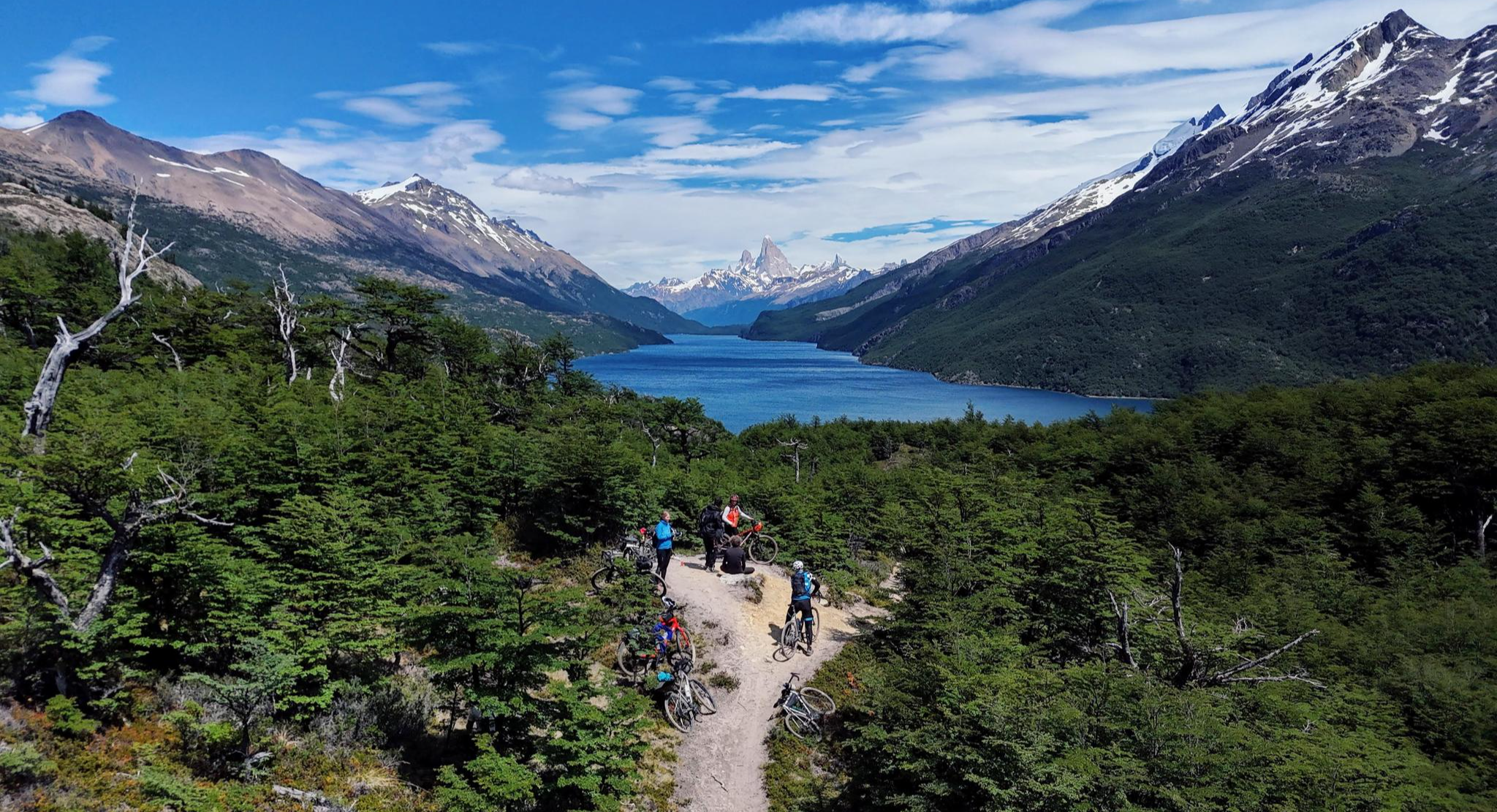
South American Epic — From Cartagena to Ushuaia
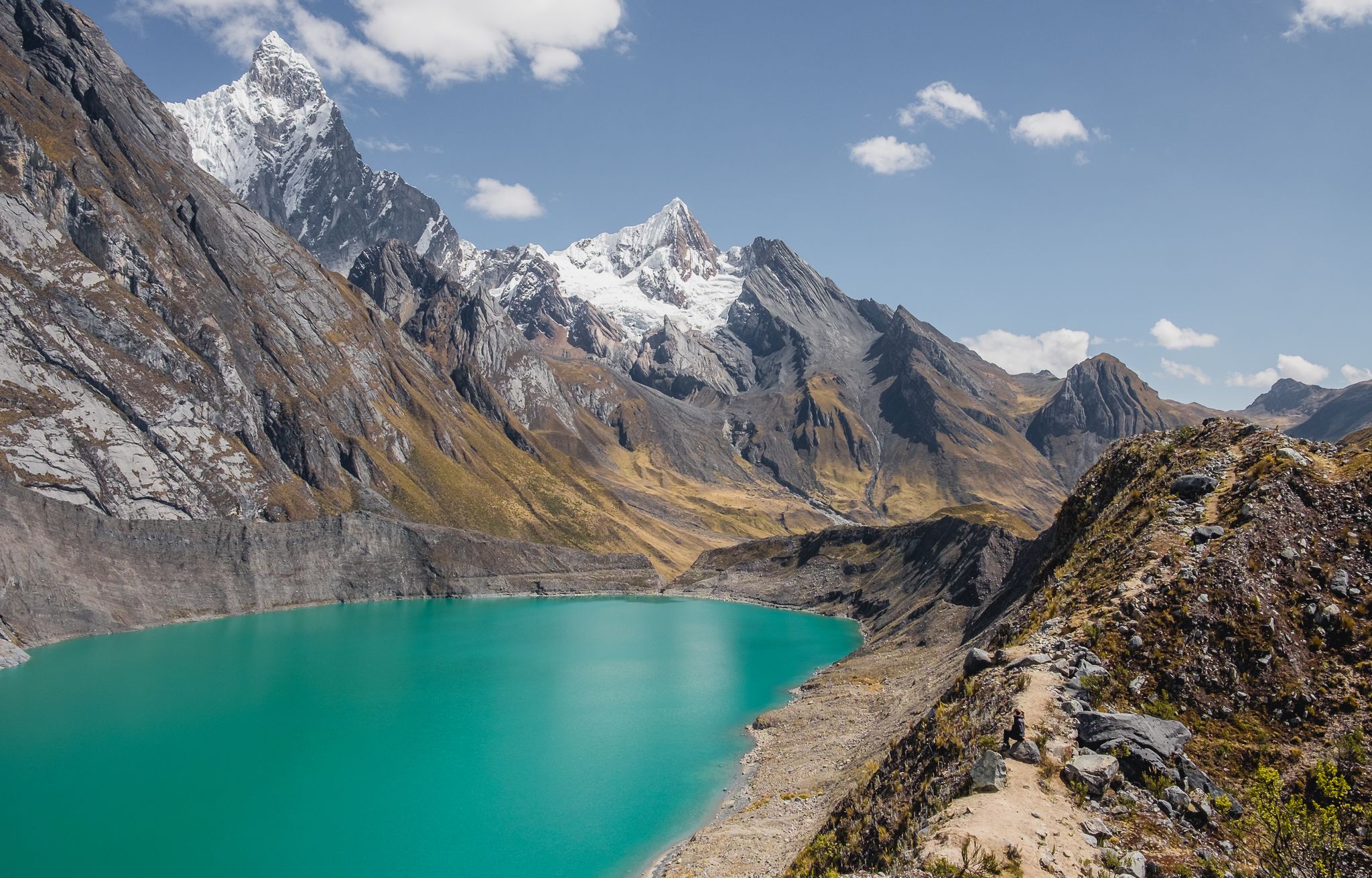
Breathtaking views on the Huayhuash Trek in Peru
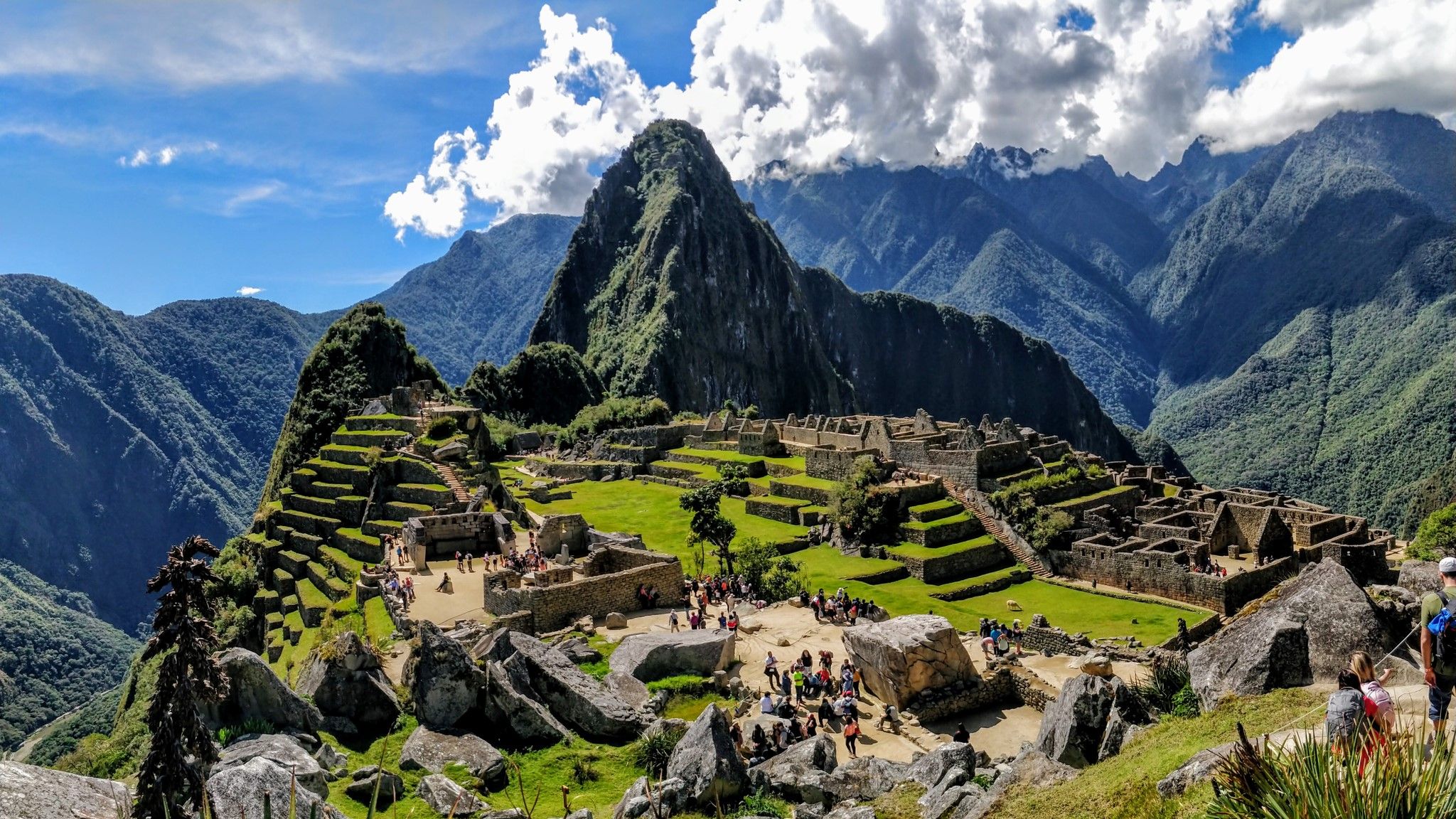
Between snowfields and jungles to Machu Picchu – Salkantay Trek
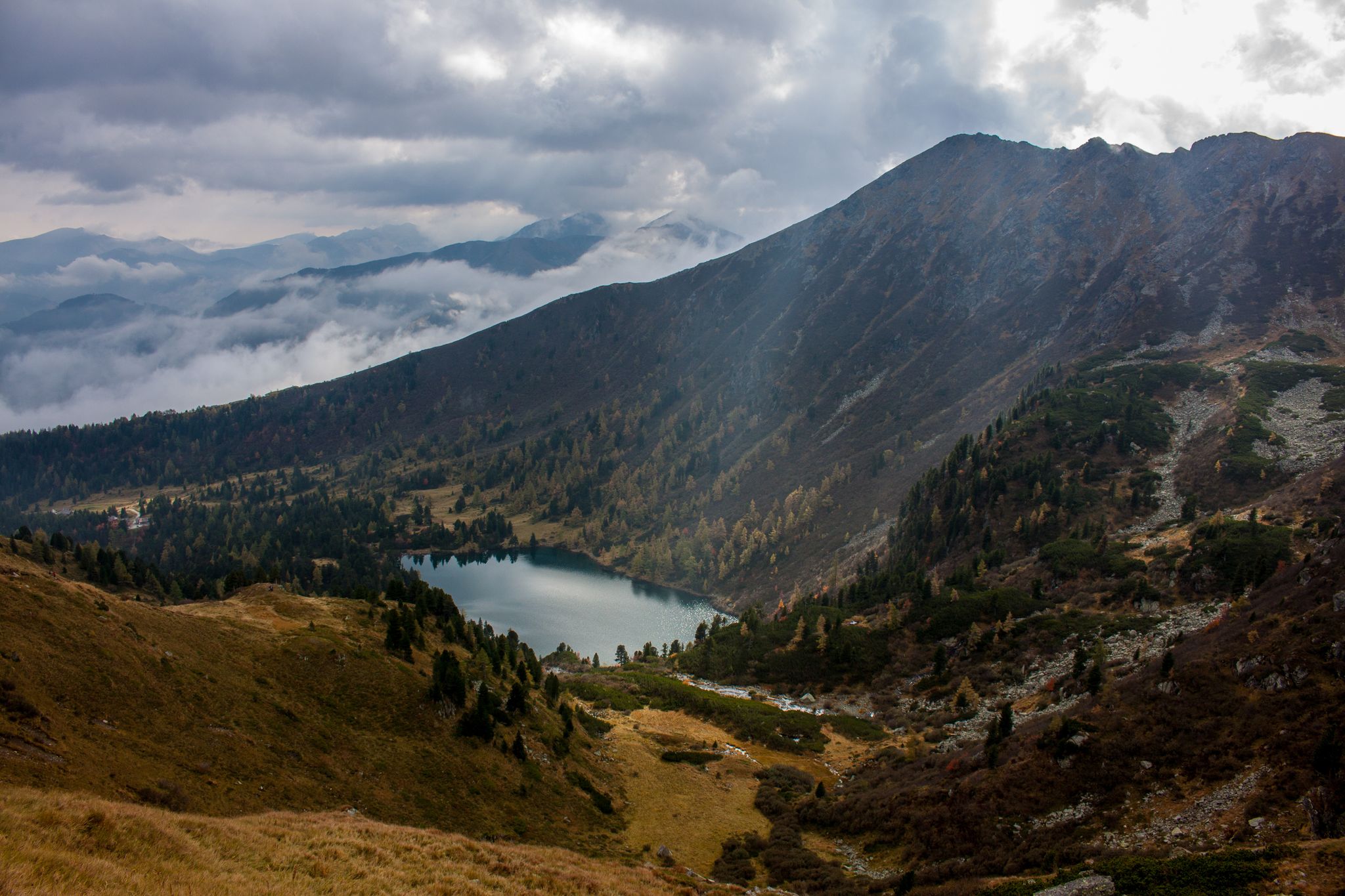
Berge mit unglaublichen Namen
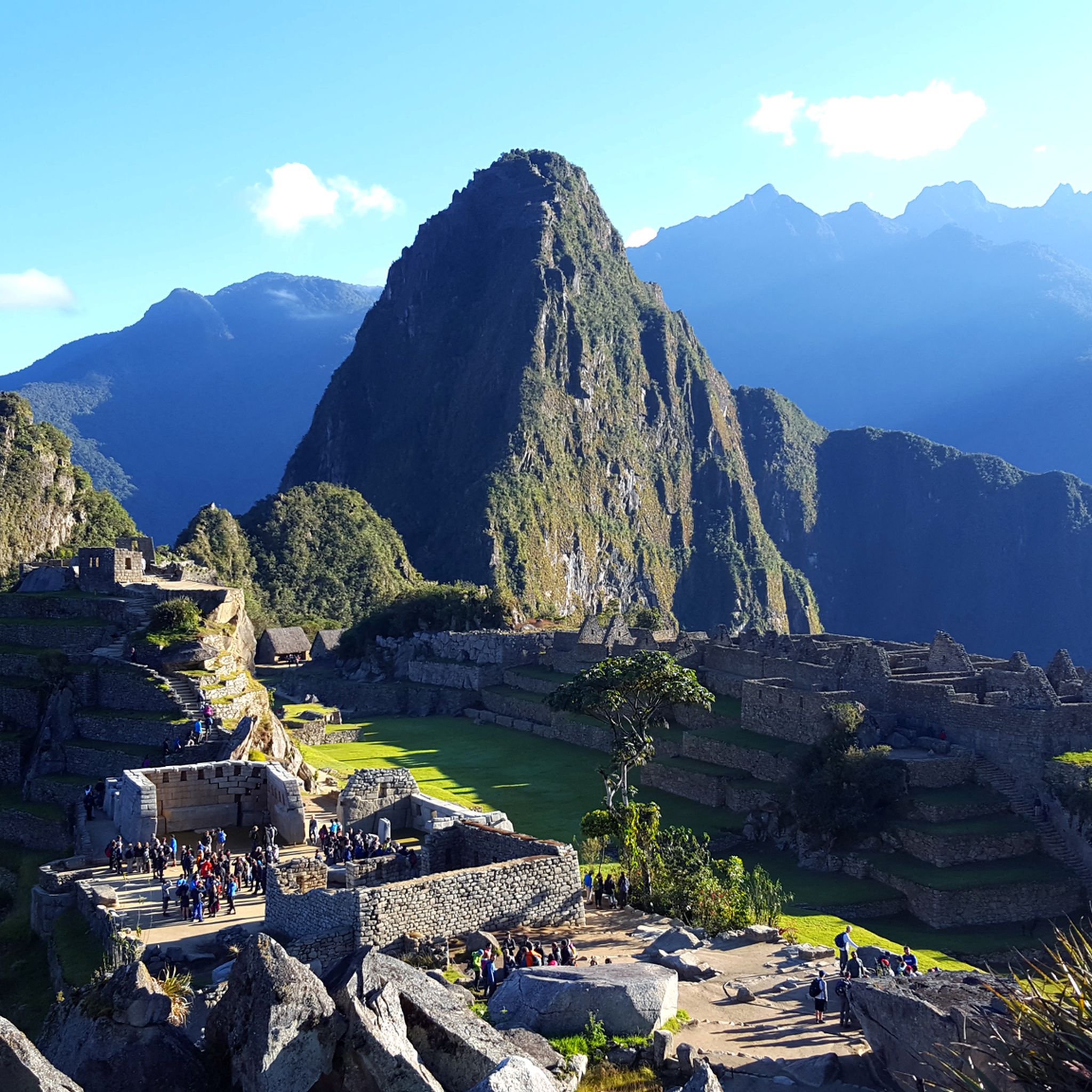
Hiking in Peru
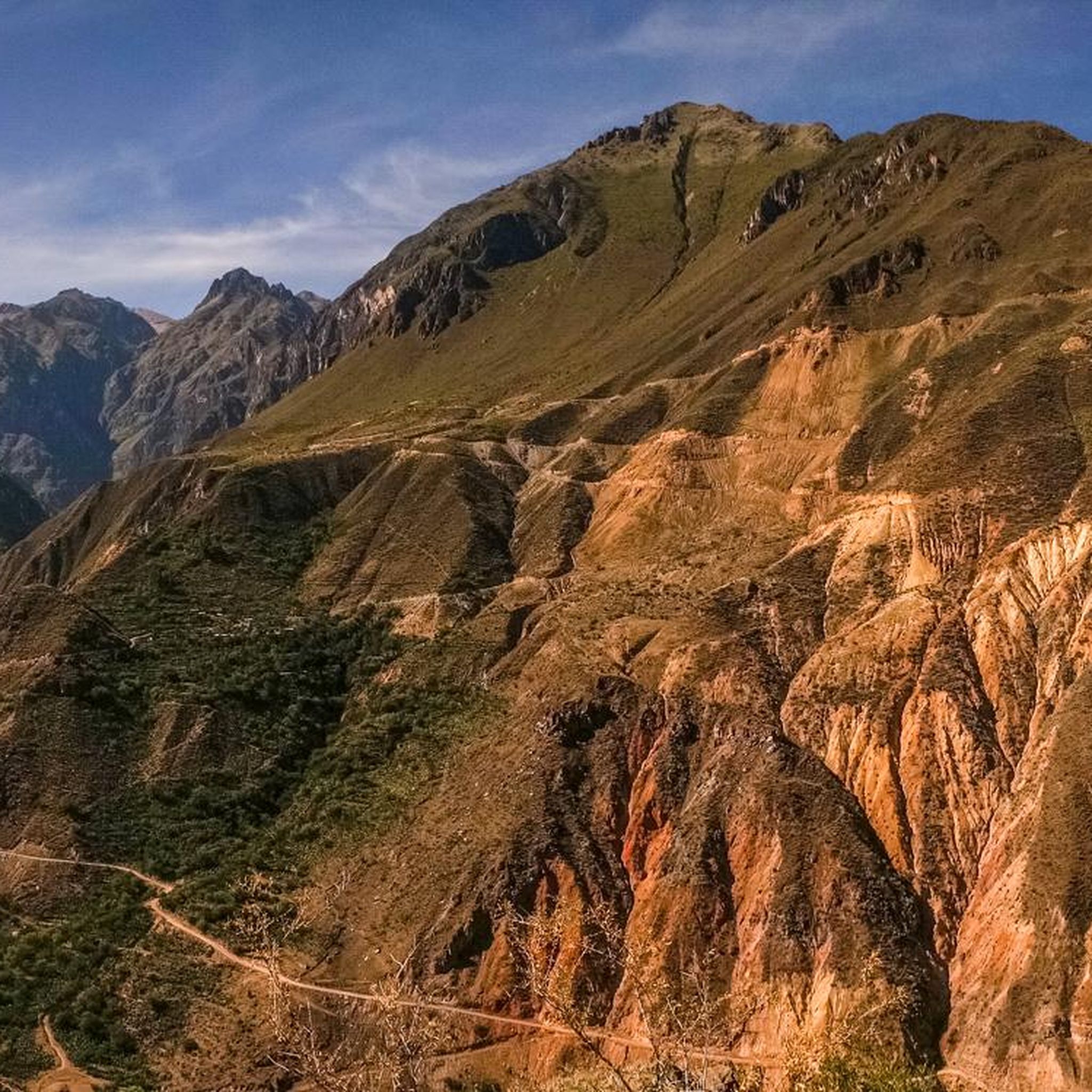
Running Trails in Peru
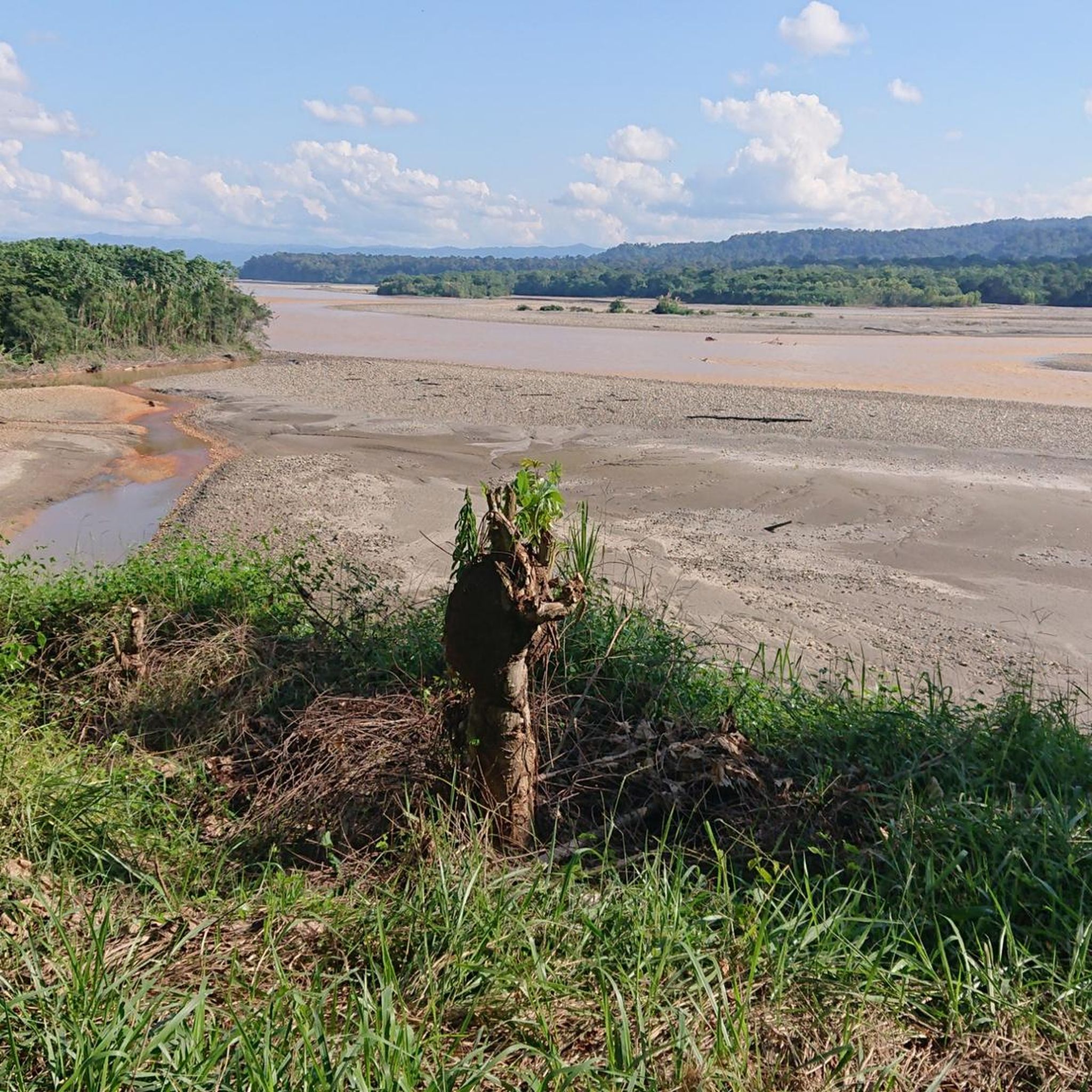
Cycling in Peru
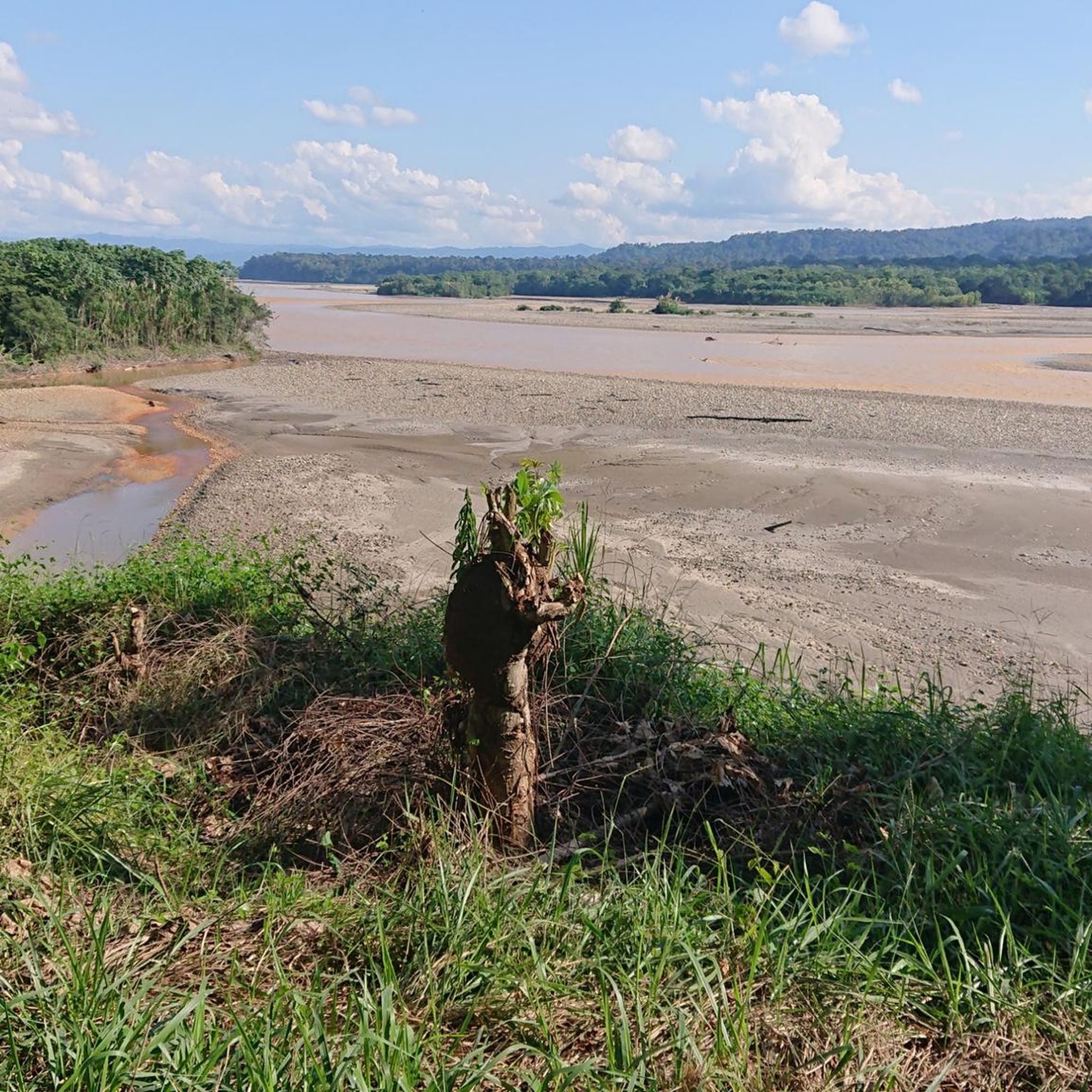
MTB Trails in Peru
Road Cycling Routes in Peru

Mountain Hikes in Peru
Other adventures in Peru


Tips from the Community

The path is slightly longer, but much nicer to hike. Especially early in the morning, it's already sunny and therefore warmer.
0
0

The Caracara (or Gara Gara) pass is a serious lung-buster of a climb. It's high altitude and also steep in several places. Bring your coca leaves and marvel at the incredible views.
0
0
One of the highest passes in the area, making it particularly challenging for altitude. Both sides provide equal challenge, but both also host magnificent views of Taulliraju, Tuctubamba and the rest of the Cordillera Blanca. There's also a camp halfway up on the west side with a nearby stream.
0
0


Hello Mia, I'm a little confused by your comment. The Jurau Pass is not considered easy but it is a much easier and less steep alternative to the San Antonio and Santa Rosa Pass. I haven't done the tour yet (plan is next year) but I found quite a lot of information about it. I would therefore be very happy to hear back from you as to whether it is actually that demanding or whether you perhaps meant the San Antonio. Best wishes Piet
0
0

Better hiking trail than on the right side where everyone is sent. Going along the right only makes sense if you need a horse or toilet or a kiosk.
1
0

The descent from the Jurau Pass to Juraucocha is completely pathless and very steep. There are a few cairns, but not enough to orient yourself in the scree desert. The GPX track here is very imprecise. There are countless steep cliffs that must be avoided. It is possible to descend to Juraucocha, but it is very challenging. Going uphill is a lost cause without a guide.
0
0

Day 2 of the Inca Trail was tough. Approximately 1200 m to the Dead Woman Pass
0
0
Frequently Asked Questions
What are some of the most challenging mountain passes in Peru?
Peru's Andes offer several challenging passes for experienced trekkers. The Salkantay Pass, at 4,630 meters, is part of a strenuous trek offering views of Humantay and Salkantay mountains. The Ausangate Trek includes passes like Puka Pass (4,870 meters) and Kinsacocha (4,630 meters), known for being one of the wildest and most difficult treks in the Cusco region. Additionally, passes on the Huayhuash Trek, such as Siula Punta Pass and San Antonio Pass, are considered world-class challenges.
What natural features and viewpoints can I expect at Peru's mountain passes?
Many mountain passes in Peru offer spectacular natural features. For instance, Rainbow Mountain (Vinicunca) is famous for its distinct vivid colors from mineral layers. The Salkantay Pass provides breathtaking views of towering peaks like Humantay and Salkantay. On the Santa Cruz trek, Punta Unión Pass offers 'mind-blowing' 360-degree views of snow-capped peaks, glaciers, and lakes in the Cordillera Blanca. The Ausangate Trek features sky-high peaks, glaciers, and multi-colored lakes.
Which mountain passes offer unique cultural or historical insights?
Several passes are steeped in history and culture. The Salkantay Pass is considered a sacred place by the inhabitants of the Peruvian Andes and is part of a popular alternative trek to Machu Picchu. Dead Woman's Pass (Warmiwañusqa) is the highest point on the classic Inca Trail, a historic route to Machu Picchu. Ticlio (Anticona) is renowned for housing a branch line of the highest standard-gauge railway in the world, the Ferrocarril Central Andino, and features a monument to its engineer, Ernest Malinowski.
What is the best time of year to visit mountain passes in Peru?
The dry season, typically from May to September, is generally considered the best time to visit Peru's mountain passes. During these months, you can expect clearer skies, less rainfall, and more stable weather conditions, which are ideal for trekking and enjoying the panoramic views. However, even in the dry season, high-altitude passes can experience cold temperatures and occasional snowfall.
Are there any family-friendly mountain passes or viewpoints in Peru?
While many high-altitude passes are challenging, some areas offer more accessible viewpoints. The View of the Apurímac River Valley is noted as family-friendly and easy to reach, offering beautiful views of high mountains. When planning a family trip, it's crucial to consider acclimatization to altitude and choose routes with lower elevations or shorter, less strenuous paths.
What should I know about altitude sickness when visiting high mountain passes in Peru?
Altitude sickness is a common concern when visiting Peru's high mountain passes, many of which exceed 4,000 meters. Symptoms can include headaches, nausea, and dizziness. It's highly advisable to acclimatize for a few days at an intermediate altitude (e.g., Cusco at 3,400 meters) before attempting higher passes. Staying hydrated, avoiding alcohol, and chewing coca leaves (a local remedy) can also help. For passes like Ticlio, atmospheric pressure is about 50% lower than at sea level, making acclimatization essential.
Are permits required for hiking certain mountain passes in Peru?
Yes, permits are often required for trekking in certain protected areas and on popular routes that include mountain passes. For example, the Inca Trail, which includes Dead Woman's Pass, requires permits that must be booked well in advance through an authorized tour operator. Treks within national parks, such as Huascaran National Park (home to Punta Olympico and Punta Unión Pass), also typically require entrance fees or permits. Always check specific requirements for your chosen route.
What outdoor activities can I do near mountain passes in Peru?
Near Peru's mountain passes, you can find a variety of outdoor activities. The region is a paradise for trekkers, with multi-day hikes like the Salkantay Trek and the Ausangate Trek. Cyclists can enjoy routes such as the descent from Abra Malaga towards the Sacred Valley. For more general outdoor adventures, you can explore various MTB Trails in Peru, Running Trails in Peru, and Cycling routes in Peru, which often traverse diverse landscapes including high-altitude areas.
What do visitors say about the experience of reaching a mountain pass in Peru?
Visitors often describe reaching a mountain pass in Peru as an incredibly rewarding experience. Many highlight the 'breathtaking views' and the 'immense beauty' that make the strenuous climbs worthwhile. For example, reaching Salkantay Pass is noted for the 'pride and satisfaction with one's own achievement.' The distinct vivid colors of Rainbow Mountain (Vinicunca) are frequently described as 'absolutely worth the trip,' despite the thin air. The panoramic vistas from passes like Dead Woman's Pass are seen as a significant achievement on historic routes.
Are there any mountain passes in Peru known for unique engineering feats?
Yes, Ticlio (Anticona) is particularly notable for its engineering marvel. It is the highest point of Peru's Central Highway and houses a branch line of the highest standard-gauge railway in the world, the Ferrocarril Central Andino. The railway accesses the pass via the Galera Tunnel, a testament to impressive high-altitude construction.
Where can I find unique wildlife near Peru's mountain passes?
Peru's Andean mountain passes are home to diverse wildlife, especially in protected areas. Treks like the Ausangate Trek are known for native animals, which can include llamas, alpacas, and vicuñas. Bird watchers will find Abra Malaga Pass a popular spot due to its location on the Continental Divide and the varied ecosystems it traverses. High-altitude zones can also host unique bird species and small mammals adapted to the extreme conditions.
What are some popular multi-day treks that include mountain passes in Peru?
Peru is famous for its multi-day treks that traverse numerous mountain passes. The Salkantay Trek, a popular alternative to the Inca Trail, crosses the Salkantay Pass and leads through diverse ecosystems to Machu Picchu. The Ausangate Trek, known for its wild beauty, includes passes like Puka Pass and Kinsacocha. The Huayhuash Trek, often considered one of the best treks in the world, features passes such as Siula Punta Pass and San Antonio Pass, offering remote and stunning scenery.
Most popular attractions in Peru

Get inspired with the komoot mobile app


Didn’t find what you were looking for?
Find even more amazing mountain passes in Peru organized by region:
Explore more
See even more epic mountain passes by checking out these guides in Peru:
