Top 20 Natural Monuments in Peru
Best natural monuments in Peru are found across its diverse geography, which includes Andean peaks, the Amazonian rainforest, and coastal ecosystems. The country's natural landscape features significant biodiversity and geological formations. These sites offer varied environments for exploration, from high-altitude lakes to deep canyons. Peru's natural monuments provide opportunities to experience unique ecosystems and geological wonders.
Best natural monuments in Peru
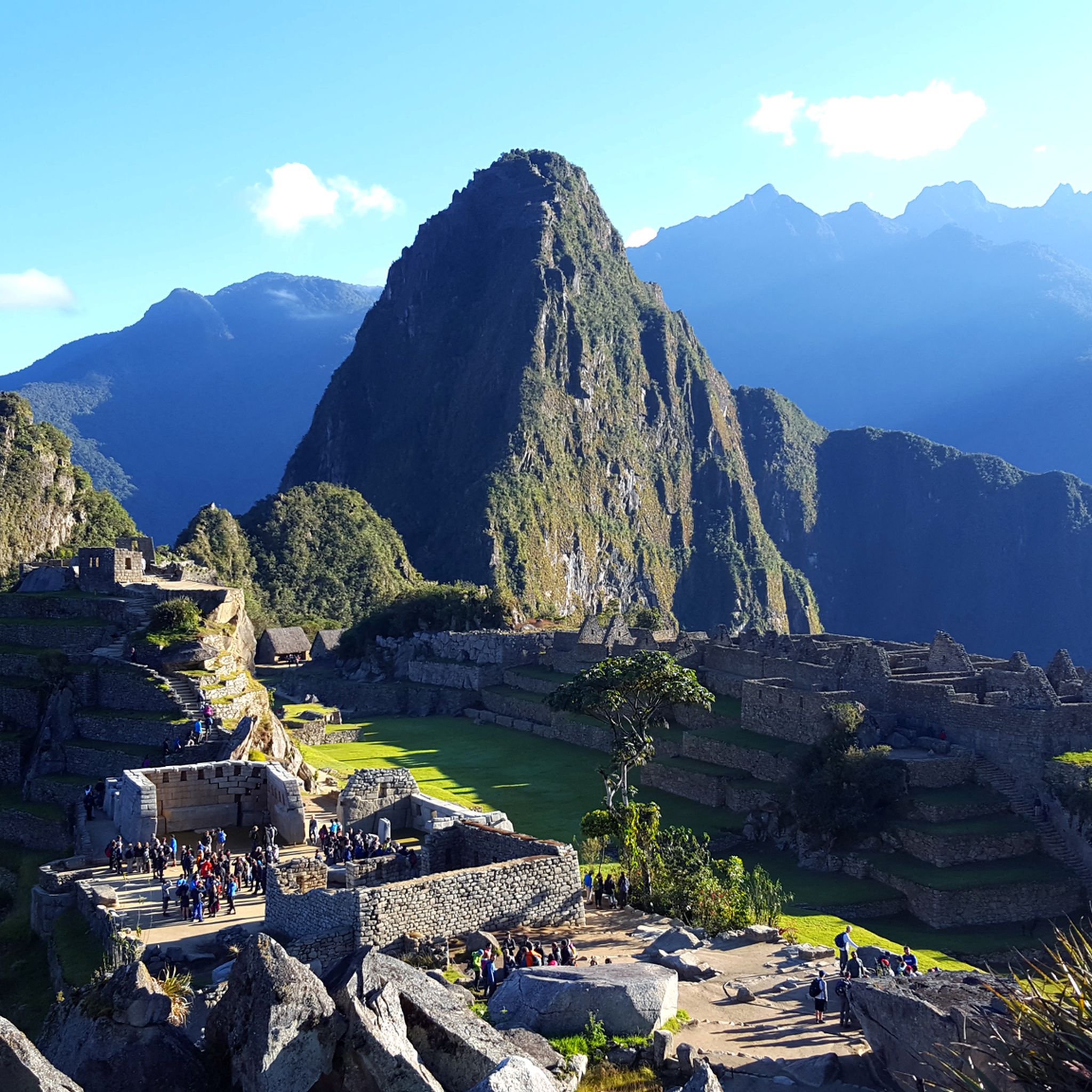
- The most popular natural monuments is Machu Picchu, a historical site and natural monument situated 2,430 meters above…
Last updated: July 7, 2026
Machu Picchu
Highlight • Historical Site
Translated by Google •
Tip by

Rainbow Mountain (Vinicunca)
Highlight • Natural Monument
The strenuous climb to over 5000m is worth it. - exhausting not because of the steep - but because of the thin air. It is advisable …
Translated by Google •
Tip by

Sign up now to discover places like this
Get recommendations on the best single tracks, peaks, & plenty of other exciting outdoor places.
Sign up for free
Lake Humantay
Highlight • Lake
Translated by Google •
Tip by
Salkantay Pass
Highlight • Mountain Pass
Translated by Google •
Tip by
Lake Churup
Highlight • Lake
Translated by Google •
Tip by

Love Park
Highlight • Monument
Translated by Google •
Tip by

Maras Salt Mines
Highlight • Structure
Translated by Google •
Tip by
Tambomachay Water Temple
Highlight • Historical Site
Translated by Google •
Tip by
Climb to Huayna Picchu
Highlight • Summit
Translated by Google •
Tip by

Punta Unión Pass
Highlight • Mountain Pass
Translated by Google •
Tip by

Sign up for free to discover even more natural monuments in Peru.
Sign up for free
Already have an account?
Start today with a free account
Your next adventure awaits.
Login or Signup
Popular around Peru
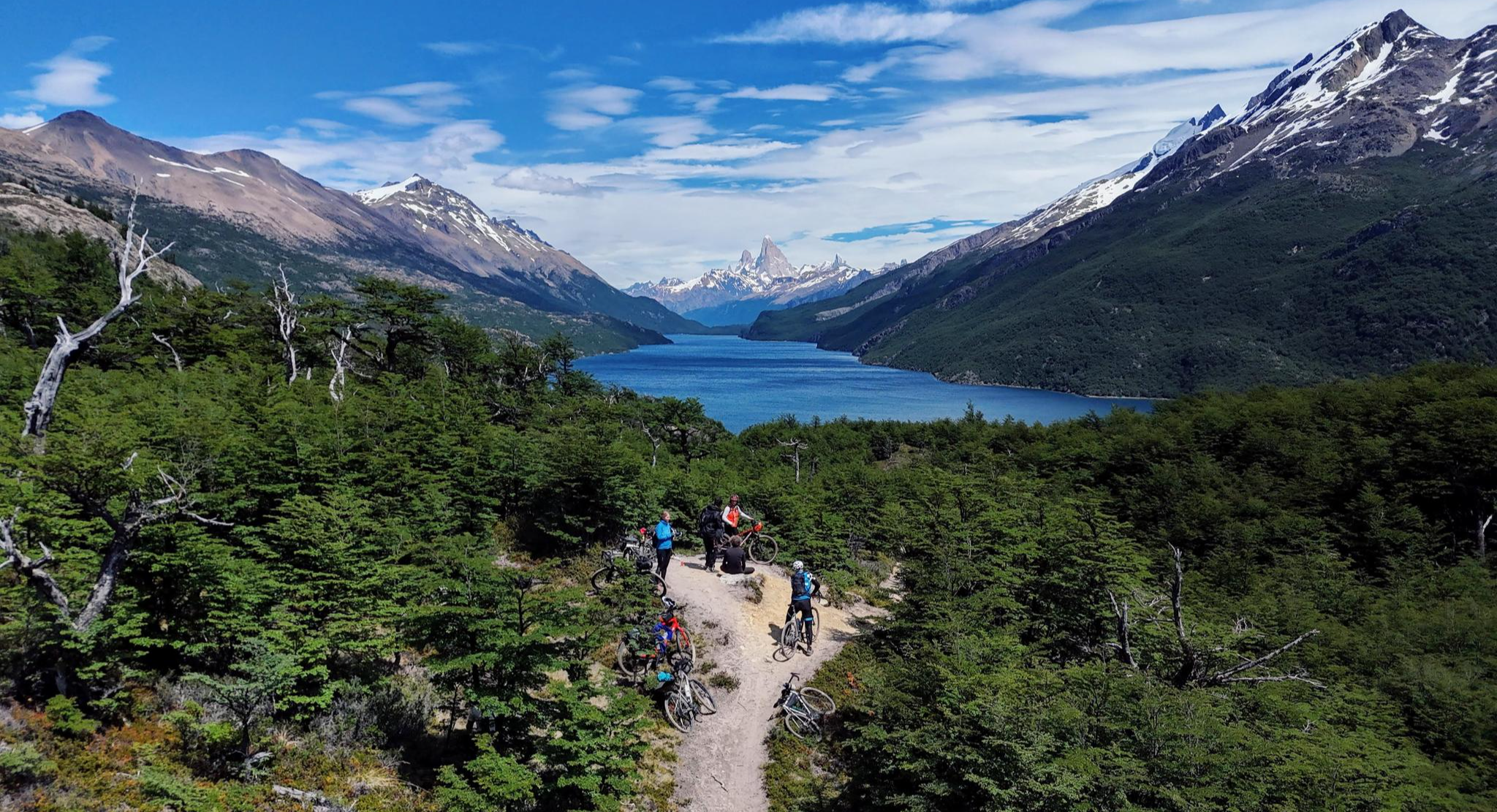
South American Epic — From Cartagena to Ushuaia
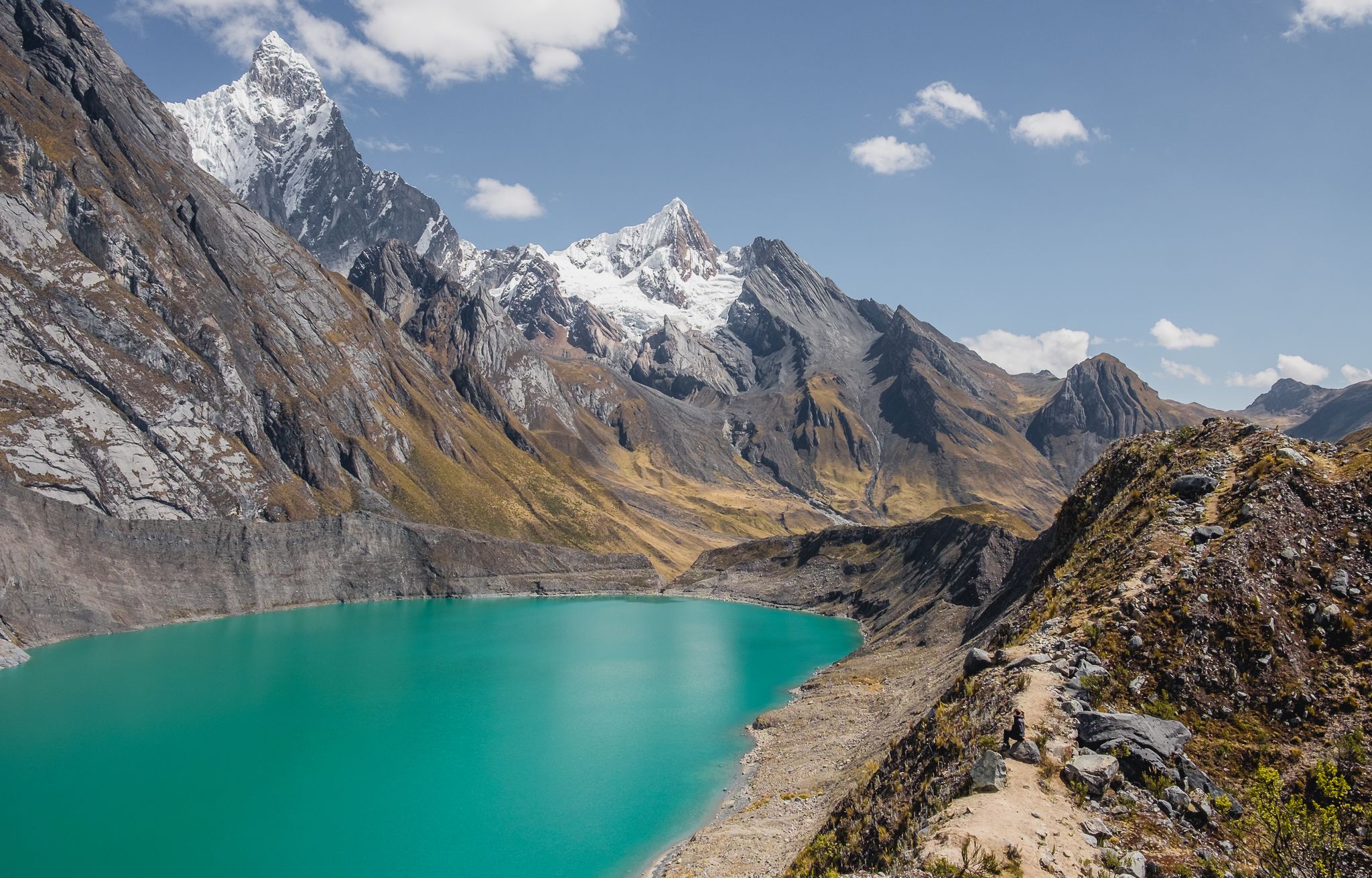
Breathtaking views on the Huayhuash Trek in Peru
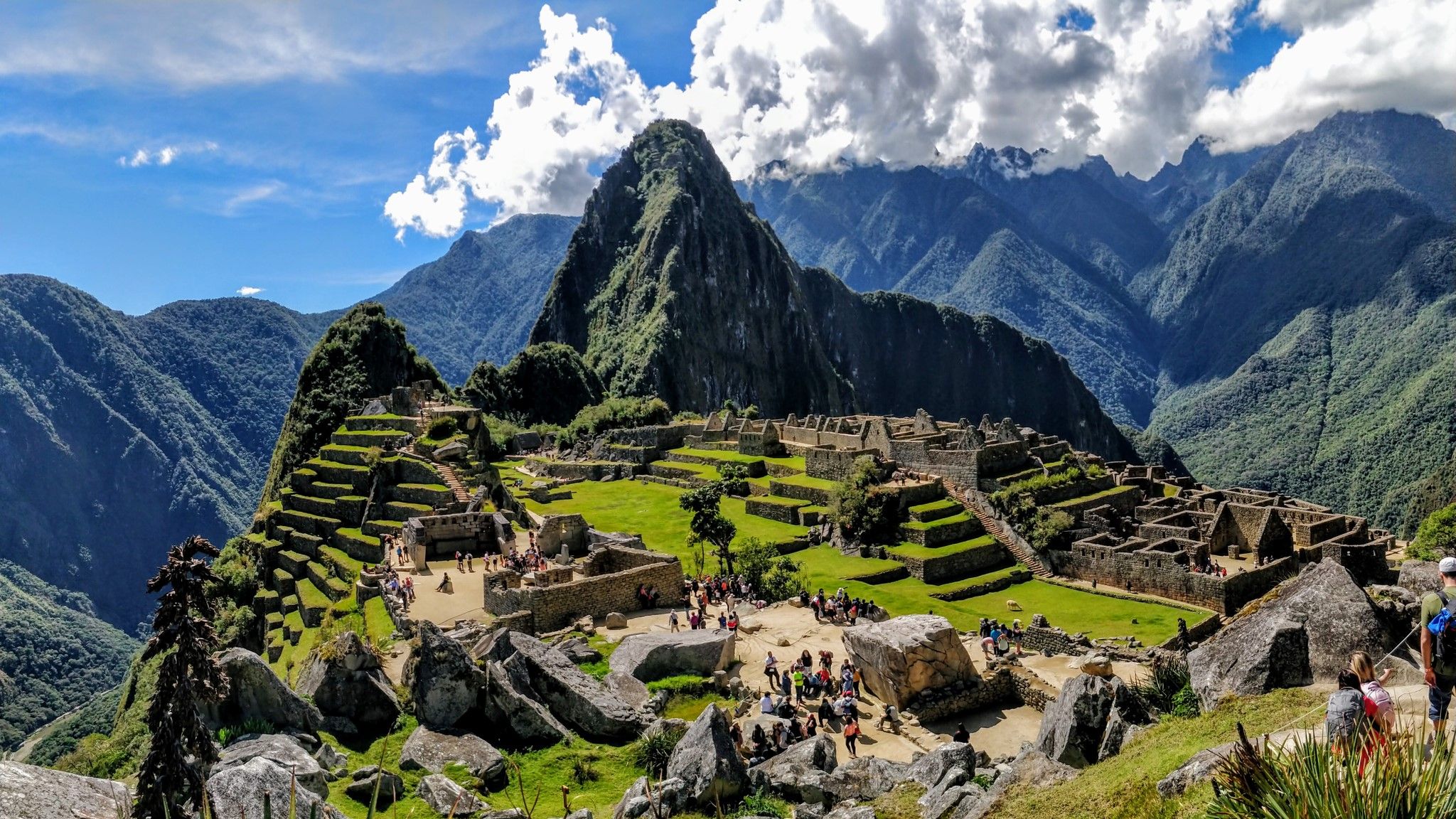
Between snowfields and jungles to Machu Picchu – Salkantay Trek
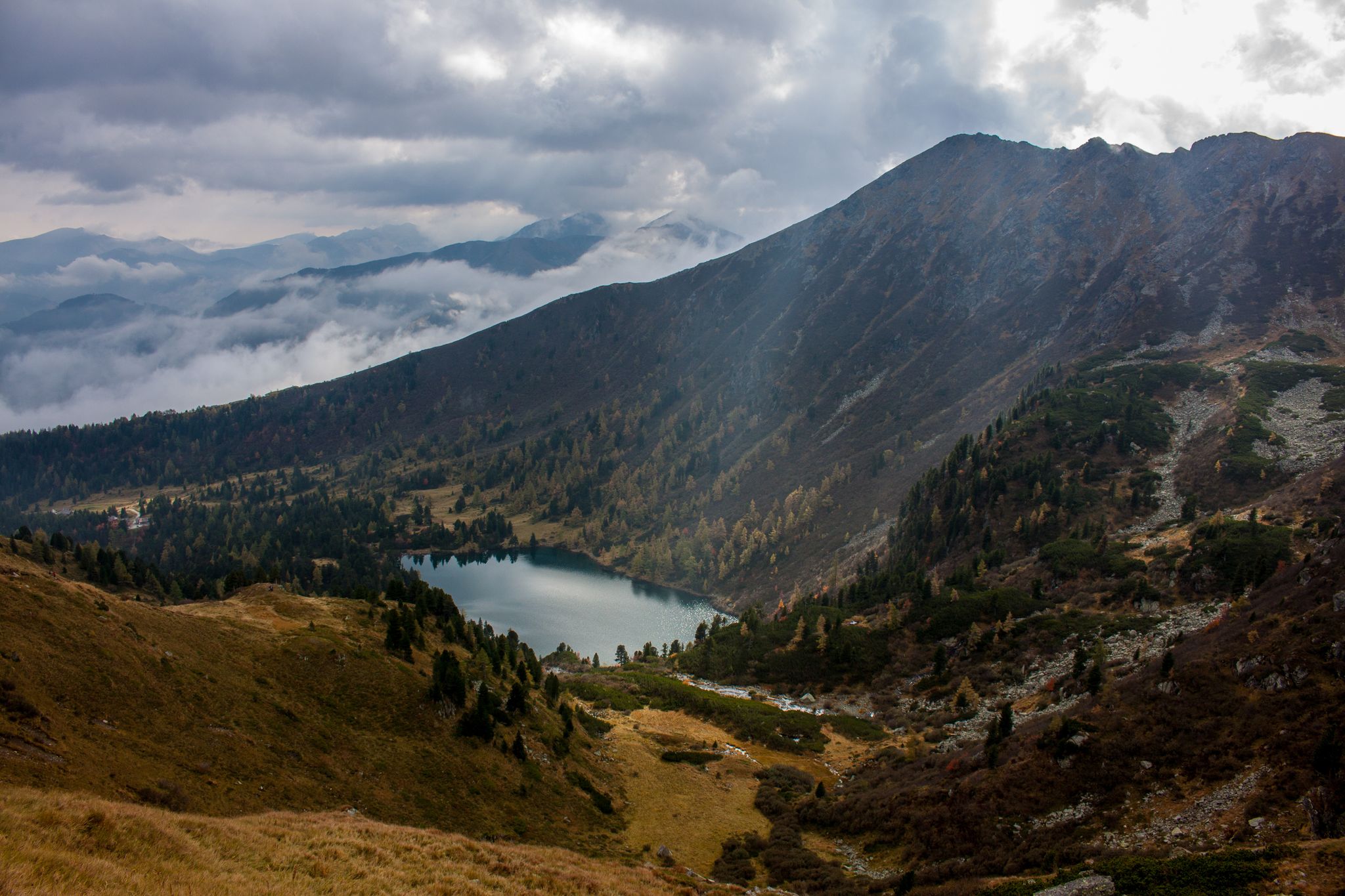
Berge mit unglaublichen Namen
Hiking in Peru
Running Trails in Peru
Cycling in Peru
MTB Trails in Peru
Road Cycling Routes in Peru

Mountain Hikes in Peru
Other adventures in Peru


Tips from the Community

One of the highest passes in the area, making it particularly challenging for altitude. Both sides provide equal challenge, but both also host magnificent views of Taulliraju, Tuctubamba and the rest of the Cordillera Blanca. There's also a camp halfway up on the west side with a nearby stream.
0
0


The archaeological site of Tambomachay was a place dedicated to water worship and served as a resting place for the Inca nobility. Even today, this archaeological site impresses all visitors with its complex hydraulic engineering.
3
0

Great lagoon in deep blue with 6,000m peaks with snow peaks in the background 😍
0
0

The hike is technically easy, except for a small section with a via ferrata. Getting there from Huaraz is easy with the public buses (colectivos), which leave from an unofficial bus stop on the corner of Avenida Agustín Gamarra and Av. Las Américas. It is advisable to start as early as possible in order to catch the last bus back in the evening. The journey takes about an hour. The climb up to 4400m was quite exhausting, luckily we were acclimatized.
1
0
A wonderful place at the Laguna Churup at an altitude of 4450m. In the background is the Nevado Churup with its majestic glaciers. From midday onwards there are often numerous tourists, so it is worth coming early.
0
0
A small but impressive facility.
1
0
Frequently Asked Questions
Which natural monuments in Peru are most popular with visitors?
Many natural monuments in Peru are highly regarded. Machu Picchu, a historical site and natural monument, is celebrated for its Inca engineering amidst a tropical mountain forest. Rainbow Mountain (Vinicunca) is another favorite, known for its vibrant, multicolored mineral deposits and challenging trek. Visitors also frequently seek out Lake Humantay, a stunning turquoise glacial lake.
Are there family-friendly natural monuments in Peru?
Yes, Peru offers natural monuments suitable for families. While some sites involve challenging treks, places like Love Park in Lima offer accessible viewpoints and a pleasant environment. For those seeking a unique experience without extreme physical demands, boat excursions to the Islas Ballestas provide an opportunity to see abundant marine wildlife, which can be exciting for all ages.
What kind of wildlife can I expect to see at Peru's natural monuments?
Peru's diverse ecosystems host a wide array of wildlife. At Colca Canyon, you can witness the majestic Andean condor soaring. The Islas Ballestas are teeming with sea lions, various bird species including blue-footed boobies and Humboldt penguins, and other marine life. In the Amazon Rainforest, you might encounter jaguars, spider monkeys, hundreds of bird species, and even pink river dolphins.
What are the best natural features to explore in Peru?
Peru boasts an incredible variety of natural features. You can explore the striking mineral-colored peaks of Rainbow Mountain (Vinicunca), the deep canyons of Colca, or the serene turquoise waters of Lake Humantay and Lake Churup. The country also features vast Amazonian rainforests, high-altitude lakes like Titicaca, and unique desert oases such as Huacachina.
What historical or cultural sites are integrated with Peru's natural monuments?
Many of Peru's natural monuments are intertwined with rich history and culture. Machu Picchu is a prime example, an ancient Inca city set within a stunning mountain forest. The Maras Salt Mines, an ancient pre-Inca salt farm, showcases traditional methods of salt extraction. Additionally, Tambomachay Water Temple is an Inca archaeological site near Cusco, demonstrating advanced hydraulic engineering.
What outdoor activities can I do near these natural monuments?
Peru offers a wide range of outdoor activities near its natural monuments. You can embark on challenging treks to high-altitude lakes like Lake Humantay or Lake Churup, or hike through the stunning landscapes of Colca Canyon. For those interested in cycling, there are numerous routes available across the country. You can find more information on specific routes for cycling, hiking, and road cycling in Peru.
Are there challenging treks or climbs among Peru's natural monuments?
Yes, Peru is renowned for its challenging high-altitude treks and climbs. The ascent to Rainbow Mountain (Vinicunca), reaching over 5000m, is strenuous due to thin air. Similarly, reaching Lake Humantay or Lake Churup involves difficult high-altitude climbs. The Cordillera Huayhuash and Cordillera Blanca offer some of the best multi-day high-altitude trekking destinations globally, including the climb to the Summit of Nevado Chachani.
What is the best time of year to visit Peru's natural monuments?
The best time to visit Peru's natural monuments largely depends on the region. For the Andean highlands, including sites like Machu Picchu, Rainbow Mountain, and the Cordilleras, the dry season from May to October is generally preferred for clearer skies and better trekking conditions. The Amazon rainforest has a hot and humid climate year-round, with a slightly drier period from June to October, which can be better for wildlife spotting.
What should I wear when visiting natural monuments in Peru?
Given Peru's diverse climates, layering is key. For high-altitude natural monuments like Rainbow Mountain or Lake Humantay, wear warm layers, including a waterproof and windproof outer shell, sturdy hiking boots, a hat, gloves, and sunglasses. For coastal areas or the Amazon, lighter, breathable clothing is suitable, along with insect repellent and sun protection. Always bring sun protection (hat, sunscreen) regardless of the region.
Are there any unique or 'hidden gem' natural monuments in Peru?
While many sites are well-known, Peru still holds unique natural wonders. The Maras Salt Mines offer a visually striking and historically rich landscape of terraced salt ponds. The Huacachina Oasis, a natural lagoon surrounded by towering sand dunes, provides a unique desert experience. Exploring specific reserves within the Amazon, like Tambopata National Reserve, can also lead to encounters with rare species and pristine ecosystems away from the main tourist trails.
What do visitors enjoy most about Peru's natural monuments?
Visitors consistently express awe at the breathtaking scenery and unique geological formations. The vibrant colors of Rainbow Mountain, the majestic flight of condors over Colca Canyon, and the serene turquoise waters of glacial lakes are frequently cited as highlights. Many also appreciate the rich cultural heritage intertwined with these natural sites, particularly the ancient Inca creations like Machu Picchu, and the sense of adventure found in high-altitude treks.
Do I need permits to visit natural monuments in Peru?
Yes, many popular natural monuments in Peru, especially those within protected areas or archaeological zones, require entrance tickets or permits. For example, Machu Picchu requires advance booking and specific entry times. Similarly, access to sites like Rainbow Mountain and Lake Humantay often involves purchasing tickets or joining organized tours that handle permits. It's advisable to check specific requirements for each destination in advance.
Most popular attractions in Peru

Get inspired with the komoot mobile app


Didn’t find what you were looking for?
Find even more amazing natural monuments in Peru by checking out the top Highlights region by region:
Explore more
Extend your search for the best caves by checking out these guides of the top ones in Peru:
