Top 20 Mountain Passes in Canada
Mountain passes in Canada traverse diverse landscapes, from the rugged peaks of the Canadian Rockies to the coastal regions of the Atlantic. These routes often serve as crucial corridors for transportation and offer access to extensive wilderness areas. The terrain in Canadian mountain passes varies, encompassing high alpine environments, dense forests, and river valleys. Many passes hold historical significance, having been used for trade, exploration, and railway development.
Best mountain passes in Canada
- The most popular mountain passes is Sentinel Pass, a mountain pass that offers challenging hiking through gentle paths and landscapes. The views of the mountains, clear streams, and lakes are notable.
- Another must-see spot is Cory Pass, a mountain pass with extensive views. Visitors can expect a challenging climb to nearly 1000 meters of elevation gain, often experiencing cold and windy conditions at the pass.
- Visitors also love View of Mount Rundle, a viewpoint offering perspectives of Mount Rundle. This mountain stretches for over 12 kilometers and features seven prominent peaks, with the highest reaching nearly 3,000 meters.
- Canada is known for its high alpine passes, historical routes, and scenic drives. The country offers a variety of mountain passes to see and explore, from challenging hiking trails to accessible viewpoints.
- The mountain passes in Canada are appreciated by the komoot community. With more than 20 upvotes and over 15 photos, these routes are popular among explorers.
Last updated: October 11, 2026
Sentinel Pass
Highlight • Mountain Pass
The Sentinel Pass is recommended for everyone, because the view, the scenery of the mountains, the clear mountain streams and lakes are worth every effort. Breathtakingly beautiful, fresh and windy - I have rarely seen the mountains so great, as from up here!
Tip by

Rogers Pass National Historic Site
Highlight • Historical Site
Translated by Google •
Tip by

Sign up now to discover places like this
Get recommendations on the best single tracks, peaks, & plenty of other exciting outdoor places.
Cory Pass
Highlight • Mountain Pass
Translated by Google •
Tip by

Healy Pass
Highlight • Mountain Pass
Tip by

Frosty Mountain junction
Highlight • Mountain Pass
To the actual summit, it's only about 600 meters in distance. However, as it goes over the ridge, it can be dangerous in winter with snow. Then it may be enough to enjoy the view from here.
Tip by

View of Mount Rundle
Highlight • Viewpoint
(Visit May 28, 2018)
en.wikipedia.org/wiki/Mount_Rundle
Tip by

View of Pyramid Mountain
Highlight • Viewpoint
Translated by Google •
Tip by

View of the River and Mountains
Highlight • Viewpoint
Tip by
Jasper–Banff National Park Border
Highlight • Monument
Tip by

Gray Creek Pass
Highlight (Segment) • Mountain Pass
* Heading East: Average of 11.1% grade for 12+km from the start of this highlight, to the Pass. In the last 4km or so, you will find grades in the high teens and low 20's.
* Heading West: Average of 3.1% grade for 30+km from the start of this highlight, to the Pass. Note: Although lower grade, the road can be very rugged and technically difficult, especially with a loaded bike. The last 3km or so, you will find grades in the low to mid teens.
Complete this ride fully equipped. There are no supplies, limited water and expect no cell service. Bring a GPS tracker in case of emergency.
The route follows active FSR's with limited visibility, USE CAUTION along the way. Watch for all vehicles, especially heavily laden logging trucks, give them much extra room to pass.
The Gray Creek Pass road is normally closed to vehicles through the winter, opening as late as mid July. Late snow and the occasional washout can delay the annual opening. Cyclists can often pass through these obstacles but do so at their own risk. Visit the Gray Creek Store’s website for the latest road conditions: graycreekstore.com/general-store/news
Tip by

Sign up for free to discover even more mountain passes in Canada.
Already have an account?
Start today with a free account
Your next adventure awaits.
Popular around Canada
Bedtime Adventure Stories for Grown Ups
The Chilkoot Trail — Gold Rush history among soaring mountains
Great Divide Mountain Bike Route — Cycling the spine of a continent
Long-distance hiking in Canada – between mountains and coast
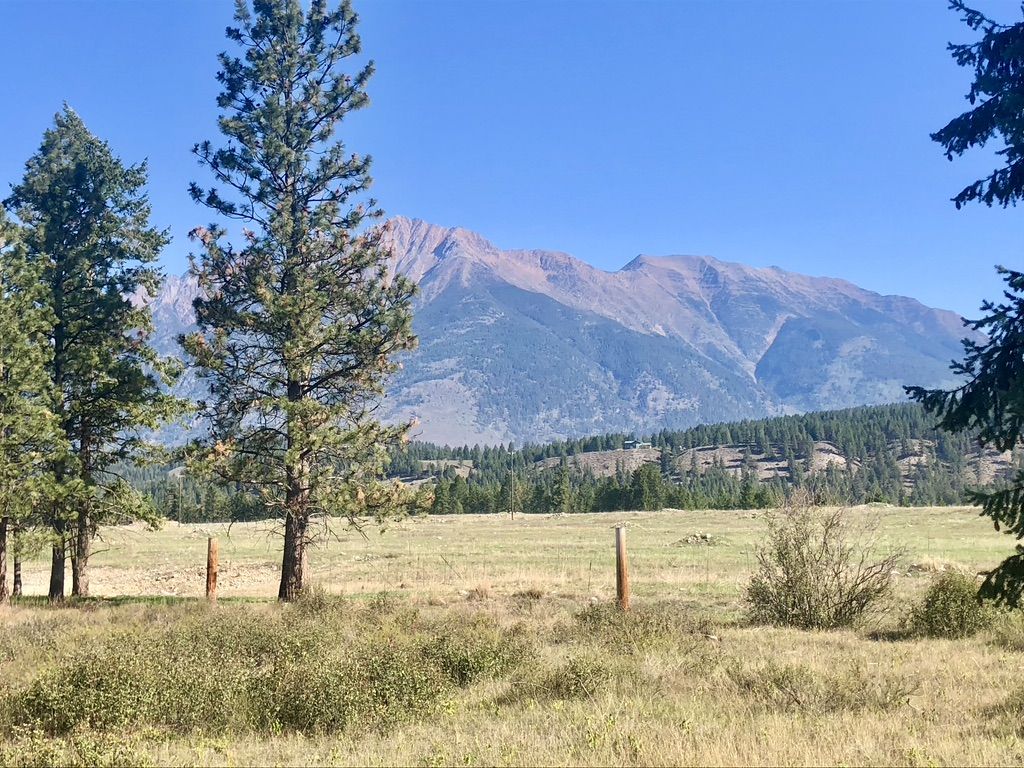
Cross Canada Ride — heading east for 6,800km

Pacific Crest Trail from Mexico to Canada – 4,200 kilometres of wilderness
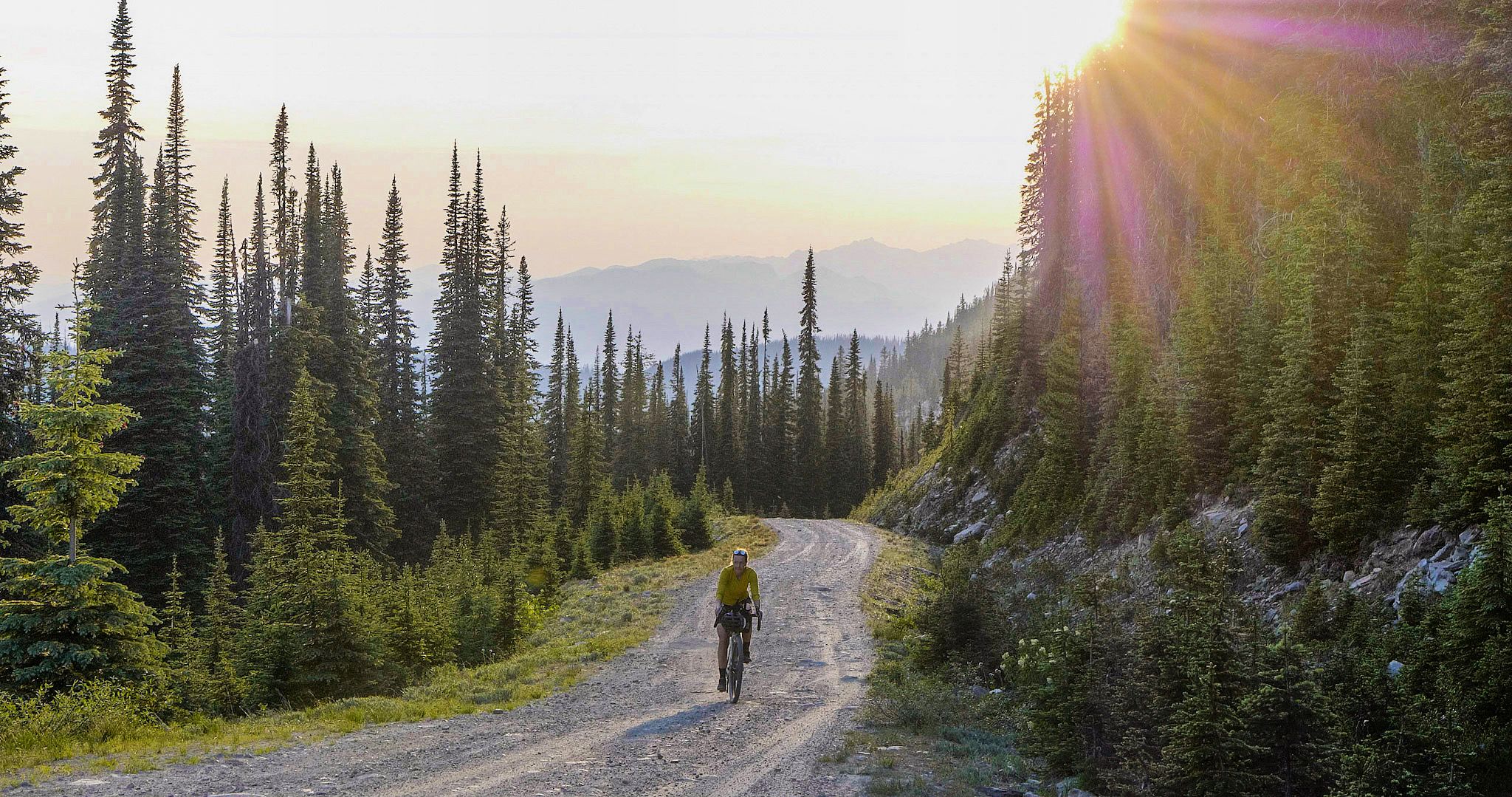
BC Epic 1000
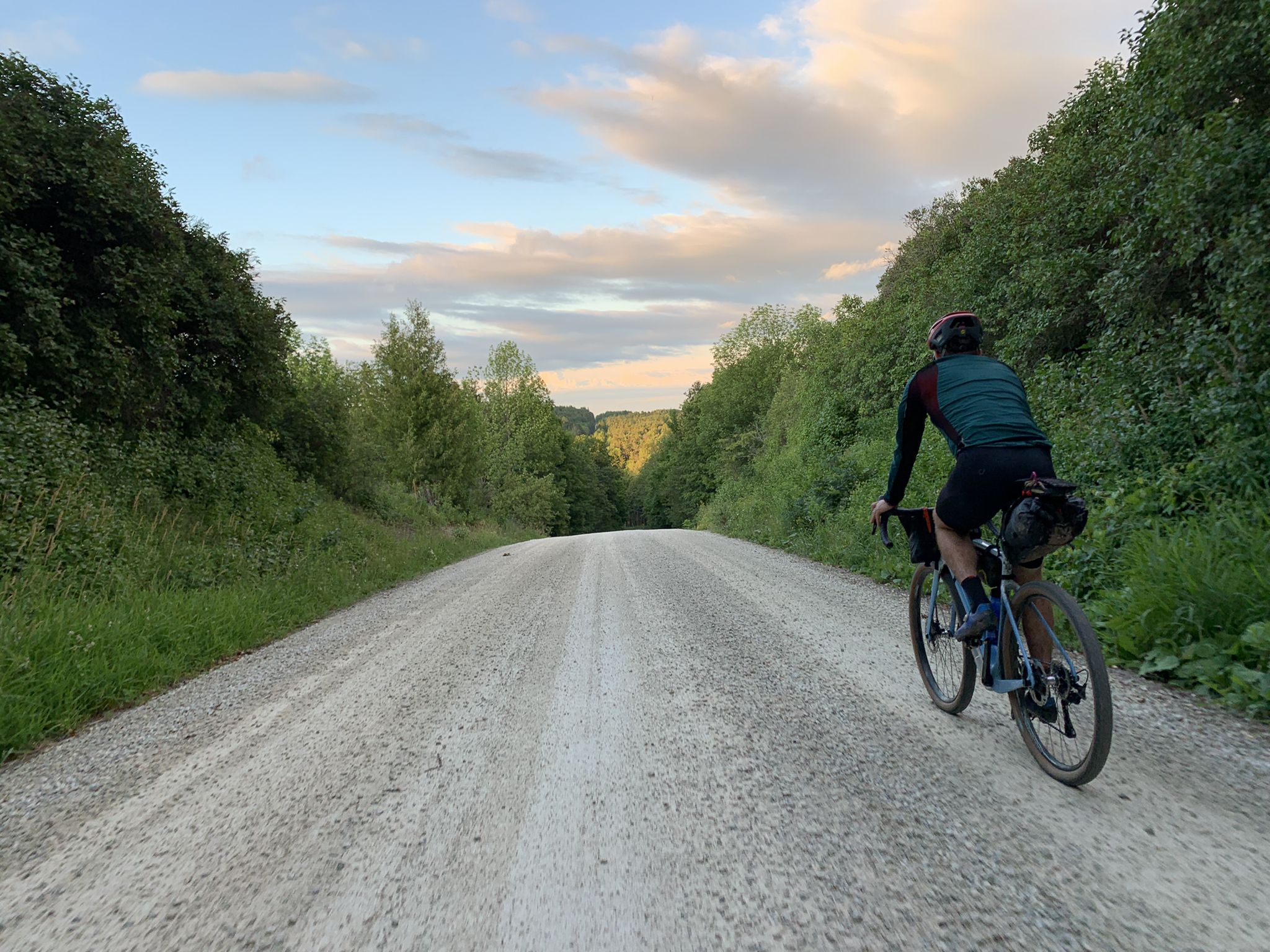
BT700 — Bikepacking Ontario over three days
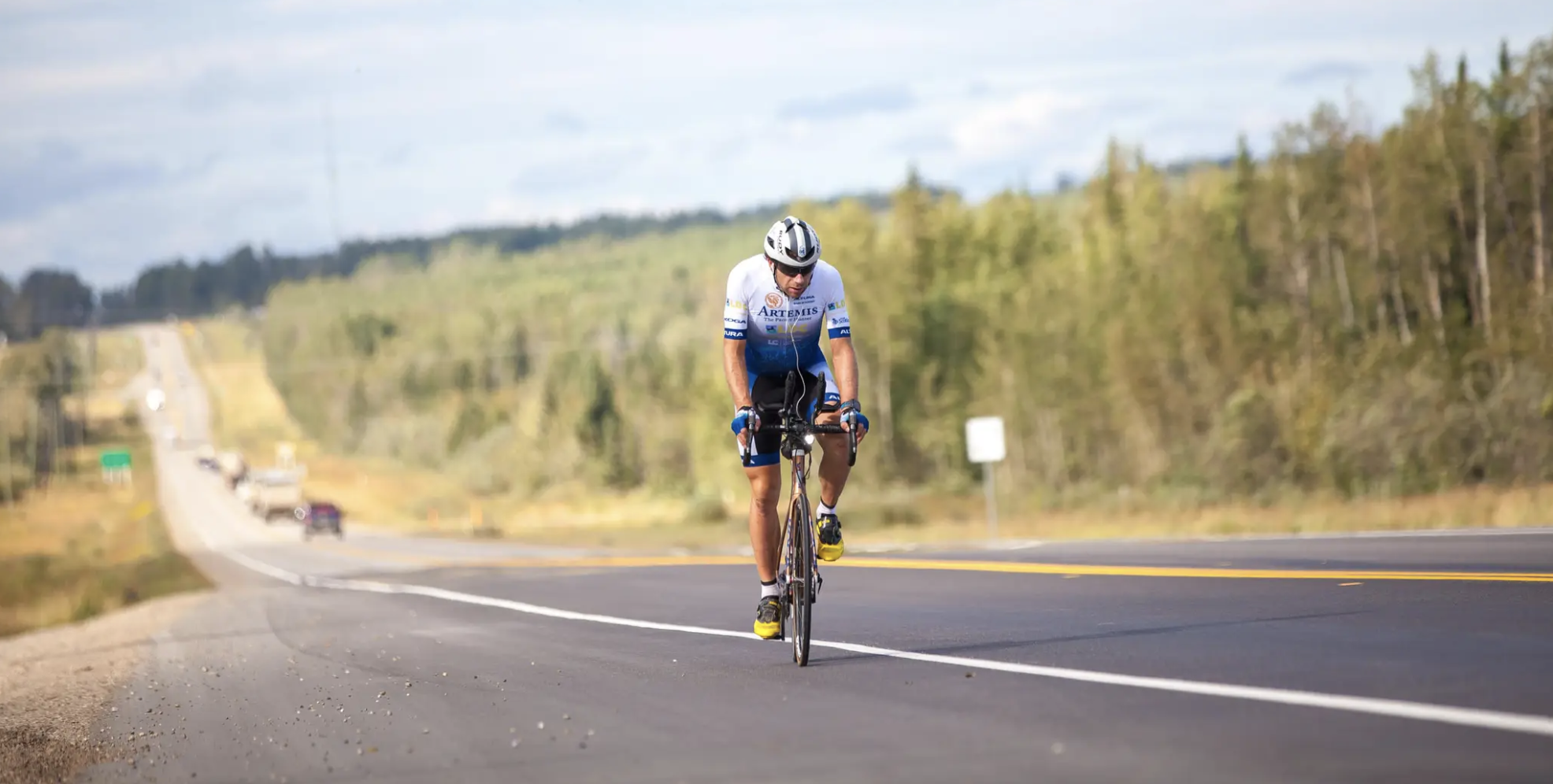
Around the World in 80 Days
Run the Rockies – mountain range fastpack #5
Other adventures in Canada


Tips from the Community

Nice spot to take a break, and the scenery, and learn something.
0
0

This is the direct transition from Banff National Park to Jasper National Park. Why these must be 2 parks, probably nobody knows exactly.
1
0

The Green River flows beneath the rocky cliff before joining the Lillooet River further north. The northern peaks of the Garibaldi Ranges are still covered in snow at the end of May. (Visit May 27, 2025)
2
1
Mount Rundle stretches for over 12 kilometers from Banff to Canmore in the Bow River Valley. The mountain has seven prominent peaks and can be considered a small mountain range. The highest peak southeast of Banff is 2,949 m high. (Visit May 28, 2018) https://en.wikipedia.org/wiki/Mount_Rundle
2
0

Gray Creek Pass is part of the Great Trail and also part of the BC Trail & BC Epic 1000. It is tough and rugged, following a forest service road. This price of admission (effort) for this ride is high, but so is the reward. * Heading East: Average of 11.1% grade for 12+km from the start of this highlight, to the Pass. In the last 4km or so, you will find grades in the high teens and low 20's. * Heading West: Average of 3.1% grade for 30+km from the start of this highlight, to the Pass. Note: Although lower grade, the road can be very rugged and technically difficult, especially with a loaded bike. The last 3km or so, you will find grades in the low to mid teens. Complete this ride fully equipped. There are no supplies, limited water and expect no cell service. Bring a GPS tracker in case of emergency. The route follows active FSR's with limited visibility, USE CAUTION along the way. Watch for all vehicles, especially heavily laden logging trucks, give them much extra room to pass. The Gray Creek Pass road is normally closed to vehicles through the winter, opening as late as mid July. Late snow and the occasional washout can delay the annual opening. Cyclists can often pass through these obstacles but do so at their own risk. Visit the Gray Creek Store’s website for the latest road conditions: https://graycreekstore.com/general-store/news
2
0
The sign designating the border between Jasper and Banff National Parks is just a few hundred meters away from Sunwapta Pass, the second highest point on the Icefields Parkway. Not much at the turnout, but it is a nice milestone that you can stop and give yourself a pat on the back!
1
0

At 2,760 meters above sea level, Pyramid Mountain is the largest mountain in Jasper National Park and its shape makes it easy to recognize.
0
0

Beautiful hike with breathtaking views of the Sentinel Pass. The descent was quite tough as the route was only marked by cairns and ran along loose stones.
0
0
Frequently Asked Questions
What are some of the most scenic drives through Canada's mountain passes?
For breathtaking scenic drives, the Icefields Parkway in Alberta is renowned globally, connecting Jasper and Banff National Parks with stunning views of glaciers, lakes, and peaks. Another spectacular option is Highwood Pass, the highest paved road in Canada, offering panoramic vistas through Kananaskis Country. On the East Coast, the Cabot Trail in Nova Scotia provides a blend of coastal beauty and mountain views within Cape Breton Highlands National Park.
Are there mountain passes in Canada with significant historical importance?
Yes, several mountain passes are rich in history. Rogers Pass in British Columbia, a National Historic Site, was crucial for the Trans-Canada Highway and the Canadian Pacific Railway. Kicking Horse Pass, on the Alberta/British Columbia border, also played a vital role in connecting eastern and western Canada via railway. Further west, Athabasca Pass was a primary fur-trade route starting in 1811 and is also a National Historic Site.
What kind of hiking experiences can I find in Canada's mountain passes?
Canada's mountain passes offer a range of hiking experiences. For challenging yet rewarding trails, consider Sentinel Pass, known for its stunning views over Banff National Park and requiring sure-footedness through snowfields. Cory Pass also offers a challenging climb with terrific views. For a more moderate option, Healy Pass provides great views into two valleys and is enjoyable for various skill levels.
Are there any family-friendly mountain passes or viewpoints in Canada?
Absolutely. The Rogers Pass National Historic Site offers a blend of natural beauty and historical significance that can be engaging for families. Additionally, the View of Mount Rundle provides accessible perspectives of this iconic mountain, and the View of the Canmore Nordic Centre Provincial Park offers open views from a short walk, suitable for families.
What unique natural features can I expect to see in Canada's mountain passes?
You can encounter diverse natural features. Highwood Pass showcases extraordinary geological wonders like thrust faults and alpine meadows. The Icefields Parkway is famous for its turquoise lakes, expansive glaciers, and towering mountain peaks. For a truly remote and untamed experience, Akshayuk Pass in Nunavut features deep fjords and colossal peaks, including Mount Thor with the tallest uninterrupted vertical drop on the planet.
What outdoor activities can I do near Canada's mountain passes?
Near Canada's mountain passes, you can enjoy a variety of outdoor activities. Hiking is very popular, with options ranging from easy to challenging. You can find numerous hiking trails, including those leading to waterfalls. Cycling is also a fantastic way to experience the passes, especially during periods when roads like Highwood Pass are car-free. For more details on routes, you can explore the Cycling in Canada or Waterfall hikes in Canada guides.
When is the best time to visit Canada's mountain passes?
The best time to visit largely depends on the pass and your intended activity. Many passes, especially in the Rockies, are best enjoyed from late spring to early fall (June to September) for hiking and driving, when roads are clear of snow. For example, Highwood Pass is particularly popular for cycling in early June when it's snow-free but temporarily car-free. Winter offers opportunities for snow sports, but road conditions can be challenging, as seen with Crowsnest Pass which experiences warm Pacific winds affecting conditions.
Which mountain pass is considered the highest paved road in Canada?
The highest paved road in Canada is Highwood Pass in Alberta, reaching an altitude of 2,206 meters (7,239 feet). It's located in Kananaskis Country and offers spectacular views and wildlife viewing opportunities.
Can I find wildlife in Canada's mountain passes?
Yes, many mountain passes are excellent for wildlife viewing. In areas like Highwood Pass, you might spot bighorn sheep, elk, deer, moose, and occasionally grizzly or black bears. The vast wilderness surrounding passes like Yellowhead Pass and the Icefields Parkway also provides habitats for a variety of Canadian wildlife, making them prime locations for nature observation.
What is unique about the Crowsnest Pass?
Crowsnest Pass, located on the Alberta/British Columbia border, is unique for its rich coal mining history and dramatic rock faces. It's the only road pass between Banff and the U.S. border and offers a glimpse into the past with a short detour to the Frank Slide Interpretive Centre. It's also known for warm Pacific winds that blow through the pass.
Are there any remote or challenging mountain passes for experienced adventurers?
For experienced adventurers seeking remote and challenging experiences, Akshayuk Pass in Nunavut offers a multi-day hike through the raw, untamed Arctic landscape of Auyuittuq National Park. Another extremely remote option is Nabob Pass in British Columbia's Coast Mountains, which provides access to dramatic landscapes, spiky peaks, and expansive glaciers, often requiring helicopter access due to its harsh terrain.
Which mountain passes are important for transportation and railway history?
Several passes are historically significant for transportation. Rogers Pass and Kicking Horse Pass were pivotal for the Canadian Pacific Railway, with the latter featuring innovative engineering to overcome steep gradients. Yellowhead Pass serves as a crucial crossing for the Canadian National Railway and a northern branch of the Trans-Canada Highway, historically important for resource transportation.
Most popular routes in Canada
Most popular attractions in Canada

Get inspired with the komoot mobile app


Didn’t find what you were looking for?
Find even more amazing mountain passes in Canada organized by region:
Explore more
See even more epic mountain passes by checking out these guides in Canada:
