Top 20 Mountain Passes in South Africa
Best mountain passes in South Africa traverse diverse landscapes, from coastal routes to high-altitude mountain ranges. The country's geography includes significant mountain ranges like the Drakensberg and Outeniqua Mountains, which feature numerous passes. These routes often connect different regions, providing access through varied terrain. Many passes hold historical significance, reflecting early engineering efforts to cross challenging natural barriers.
Best mountain passes in South Africa
- The most popular mountain passes is Swartberg Pass Summit, a summit that is the highest point on Swartberg Pass. It offers spectacular views.
- Another must-see spot is Sani Pass, a mountain pass connecting KwaZulu-Natal with Lesotho. This challenging gravel pass reaches an elevation of 2,876 meters and is known for the highest pub in Africa at its summit.
- Visitors also love 7 Passes Road, a historic trail winding through the Outeniqua Mountains. This route connects Knysna and George, featuring multiple passes and scenic vistas.
- South Africa is known for high-altitude gravel tracks and smoothly tarred routes. The country offers a variety of mountain passes, from challenging 4x4 routes to scenic drives through verdant landscapes.
- The mountain passes in South Africa are appreciated by the komoot community, with more than 17 upvotes and 7 photos shared.
Last updated: July 7, 2026
Swartberg Pass Summit
Highlight • Summit
Translated by Google •
Tip by

Sani Pass
Highlight (Segment) • Mountain Pass
Tip by

Sign up now to discover places like this
Get recommendations on the best single tracks, peaks, & plenty of other exciting outdoor places.
Sign up for free
7 Passes Road
Highlight (Segment) • Trail
Tip by

Montagu Pass and Outeniqua Pass
Highlight (Segment) • Mountain Pass
The Montagu Pass was constructed in the mid-19th century and was named after John Montagu, the colonial secretary of the Cape Colony. It was the first road over the Outeniqua Mountains and was built to connect the port town of George with the interior town of Oudtshoorn, which was a major center of ostrich farming. The pass was designed by Henry Fancourt White, a British engineer, and it took six years to complete.
The Montagu Pass is a challenging climb, with an elevation gain of 800 meters over a distance of 11 kilometers. It features 126 bends, some of which are sharp hairpin turns, and the road surface is often steep and narrow. Despite its challenges, the Montagu Pass was a significant achievement at the time of its construction, and it opened up new opportunities for trade and commerce in the region.
The Outeniqua Pass, on the other hand, was built later, in the early 20th century, and it replaced the Montagu Pass as the main route over the Outeniqua Mountains. The pass was constructed by Thomas Bain, a renowned road engineer who also designed many other mountain passes in South Africa. The Outeniqua Pass is longer than the Montagu Pass, stretching for 13 kilometers, and it has an elevation gain of 800 meters.
The Outeniqua Pass is wider and less steep than the Montagu Pass, making it an easier climb for cyclists and motorists. However, it still offers spectacular views of the surrounding landscape, including the Outeniqua Mountains, the Kaaimans River Gorge, and the Garden Route coastline.
Today, both the Montagu Pass and the Outeniqua Pass are popular routes for cyclists who want to test their endurance and enjoy the natural beauty of the Garden Route. These passes are also important landmarks in the region's history and a testament to the ingenuity and skill of the engineers who built them. Cyclists who brave these historic mountain passes will be rewarded with stunning views and a sense of accomplishment that can only be gained through physical exertion and determination.
Tip by

Van De Stel Pass
Highlight (Segment) • Mountain Pass
The pass, a testament to human determination, was carved through the rocky terrain by the hands of laborers and artisans. It was a challenging endeavor, and the pass took its time to emerge, like a hidden treasure slowly revealing itself to those who dared to venture.
As the pass took shape, it became more than just a means of traversing the mountains. It became a lifeline for the settlers, a conduit through which commerce and culture flowed. The road facilitated the transportation of goods, the exchange of ideas, and the expansion of the Cape Colony into the fertile valleys beyond.
Generations passed, and the Van der Stel Pass witnessed the ebb and flow of history. It bore witness to the struggles and triumphs of the people who traversed its twists and turns. Horse-drawn carriages gave way to motor vehicles, yet the essence of the pass remained unchanged – a link between the past and the present.
The significance of the Van der Stel Pass extended beyond its practical use. It became a symbol of resilience, a tangible reminder of the pioneers who carved out a path where none existed before. Travelers crossing the pass could almost hear the echoes of the past, whispers of conversations held by traders and explorers who once tread the same ground.
In modern times, the Van der Stel Pass is more than just a historical relic; it is a destination in itself. Tourists and locals alike wind their way through its curves, not merely to reach their destination but to experience a journey through time. The pass offers panoramic views of the surrounding mountains, lush vineyards, and the charming town of Franschhoek, creating an atmosphere that is both awe-inspiring and serene.
As the wheels of bicycles roll over the gravel remnants of the past, the Van der Stel Pass stands as a bridge between history and the present. It invites all who traverse its length to become a part of its narrative, to feel the pulse of a time when a governor's vision carved a path through the mountains, leaving behind a legacy etched in every stone and curve.
Tip by

Tradouw Pass
Highlight (Segment) • Mountain Pass
Tip by
John Naudé was a 19th-century explorer and geologist.
Highlight (Segment) • Mountain Pass
Equipped with little more than a sturdy backpack and a determination to forge new paths, Samuel set his sights on the challenging route through Naudes Nek Pass. The pass, shrouded in mystery and surrounded by breathtaking peaks, beckoned him as both an obstacle and an opportunity.
As Samuel navigated the winding trails of the pass, he faced treacherous weather, unpredictable terrain, and the constant risk of encountering unfamiliar wildlife. Yet, fueled by the spirit of adventure and the promise of undiscovered lands, he pressed on.
Along the way, Samuel encountered local communities nestled in the mountain valleys. He bartered with them, exchanging goods from distant lands for essential supplies. Samuel's charismatic demeanor and genuine curiosity earned him the trust of the indigenous people, who shared stories of their traditions and the challenges of life in the mountains.
Eventually, after days of challenging travel, Samuel emerged on the other side of Naudes Nek Pass, greeted by a breathtaking panorama of the Eastern Cape's vast landscapes. Undeterred by the hardships, he continued his journey, establishing trade routes and leaving a legacy for future settlers and traders who would follow in his footsteps.
Samuel Thornton's courageous expedition through Naudes Nek Pass became a legendary tale among early settlers and traders, inspiring others to explore the beauty and potential of the untamed Eastern Cape.
Tip by
Rooiberg Pass
Highlight (Segment) • Mountain Pass
Tip by
Seweweekspoort Pass
Highlight (Segment) • Gorge
Tip by

Grootrivierhoogte Pass
Highlight (Segment) • Mountain Pass
Tip by
Sign up for free to discover even more mountain passes in South Africa.
Sign up for free
Already have an account?
Start today with a free account
Your next adventure awaits.
Login or Signup
Popular around South Africa
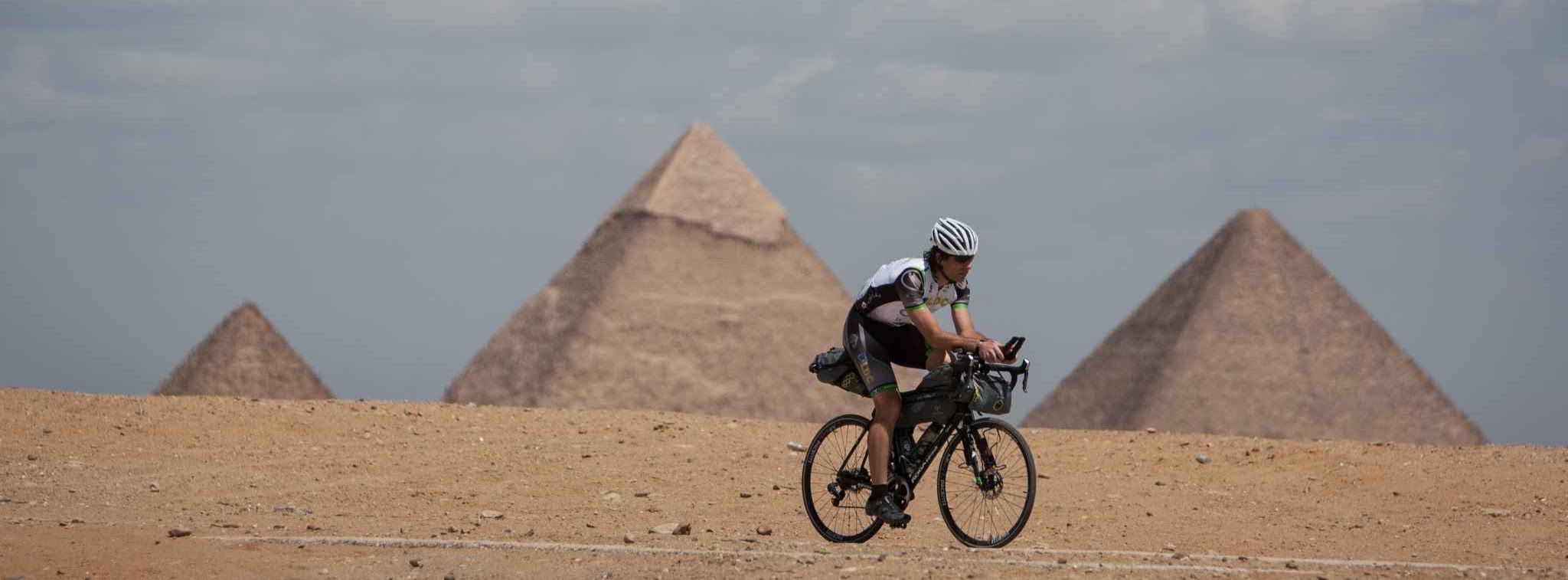
Africa Solo — Cairo to Cape Town in 41 days
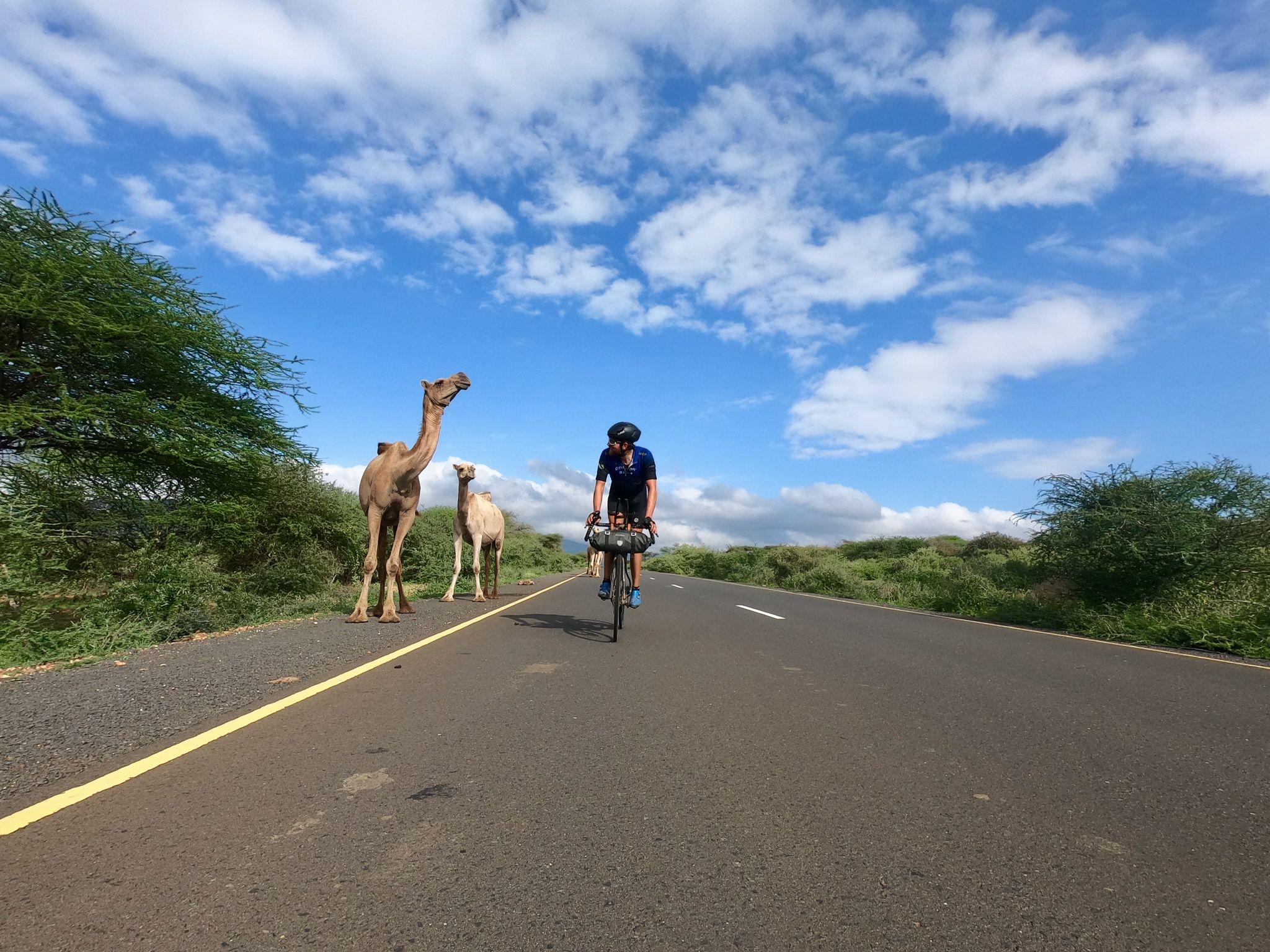
Cape to Cape Challenge – 18,000km in 73 days
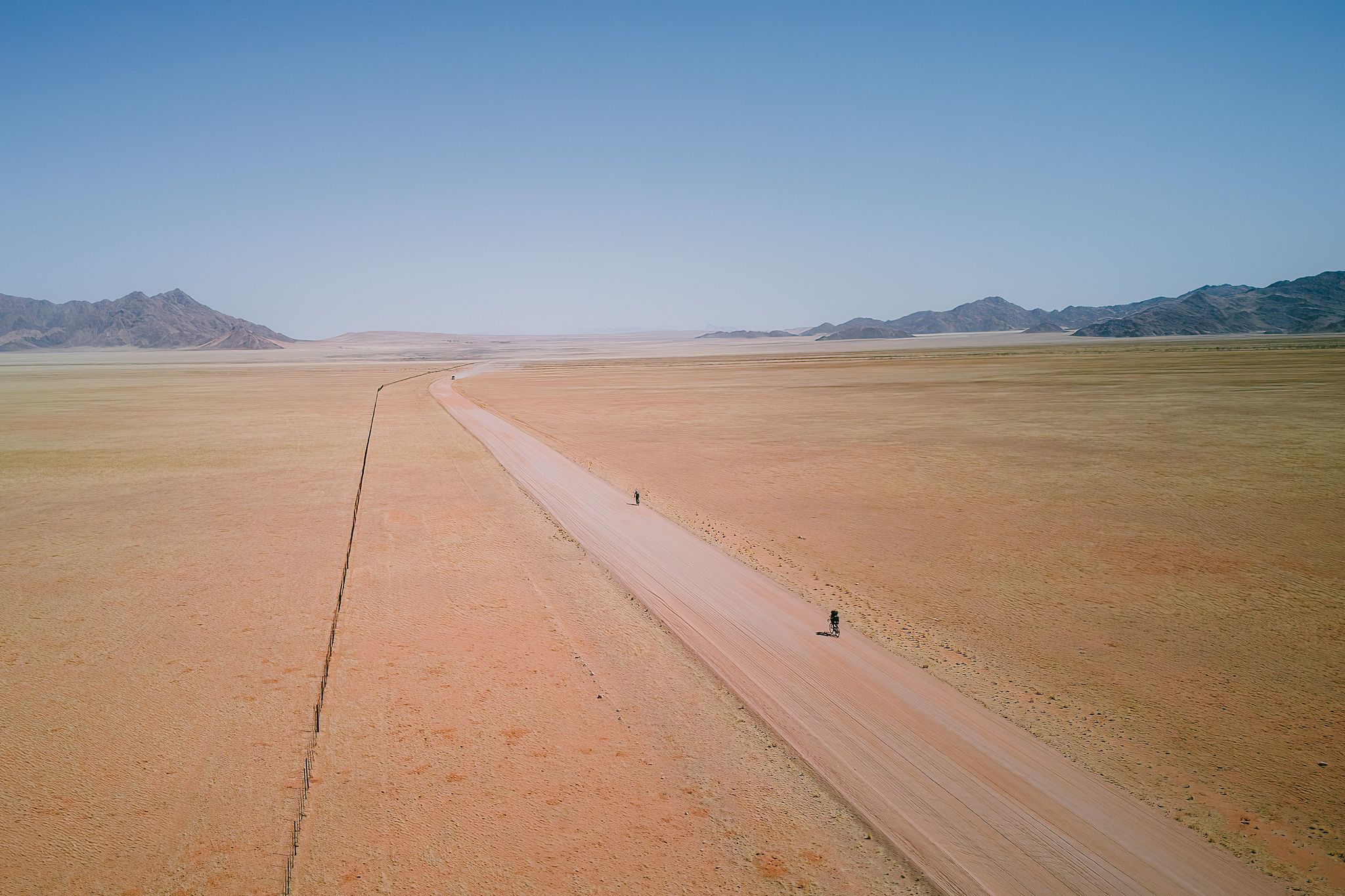
Rhino Run 2022 – bikepacking in South Africa and Namibia
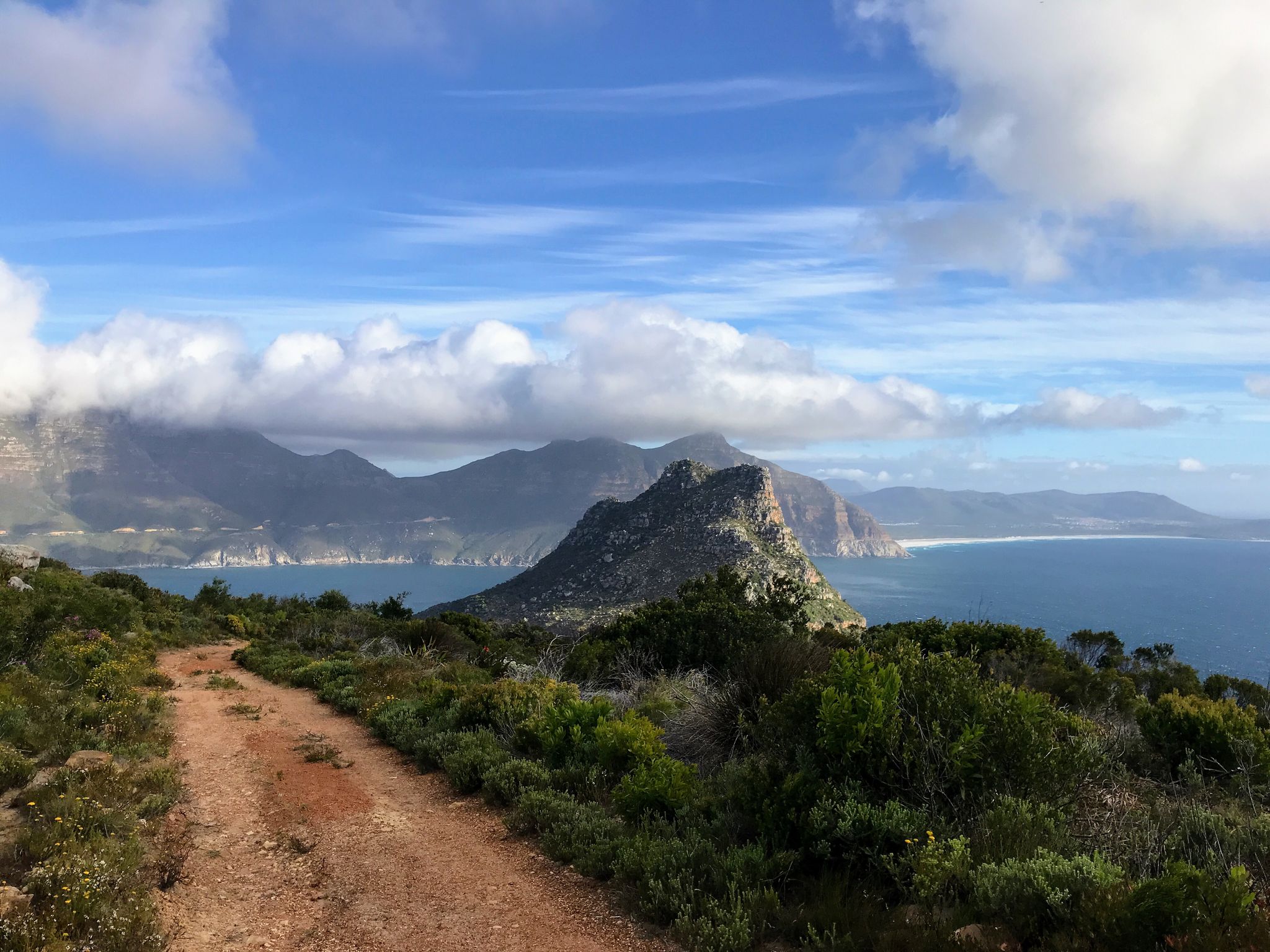
Run through South Africa’s Table Mountain National Park – Cape Town Ultra Trail
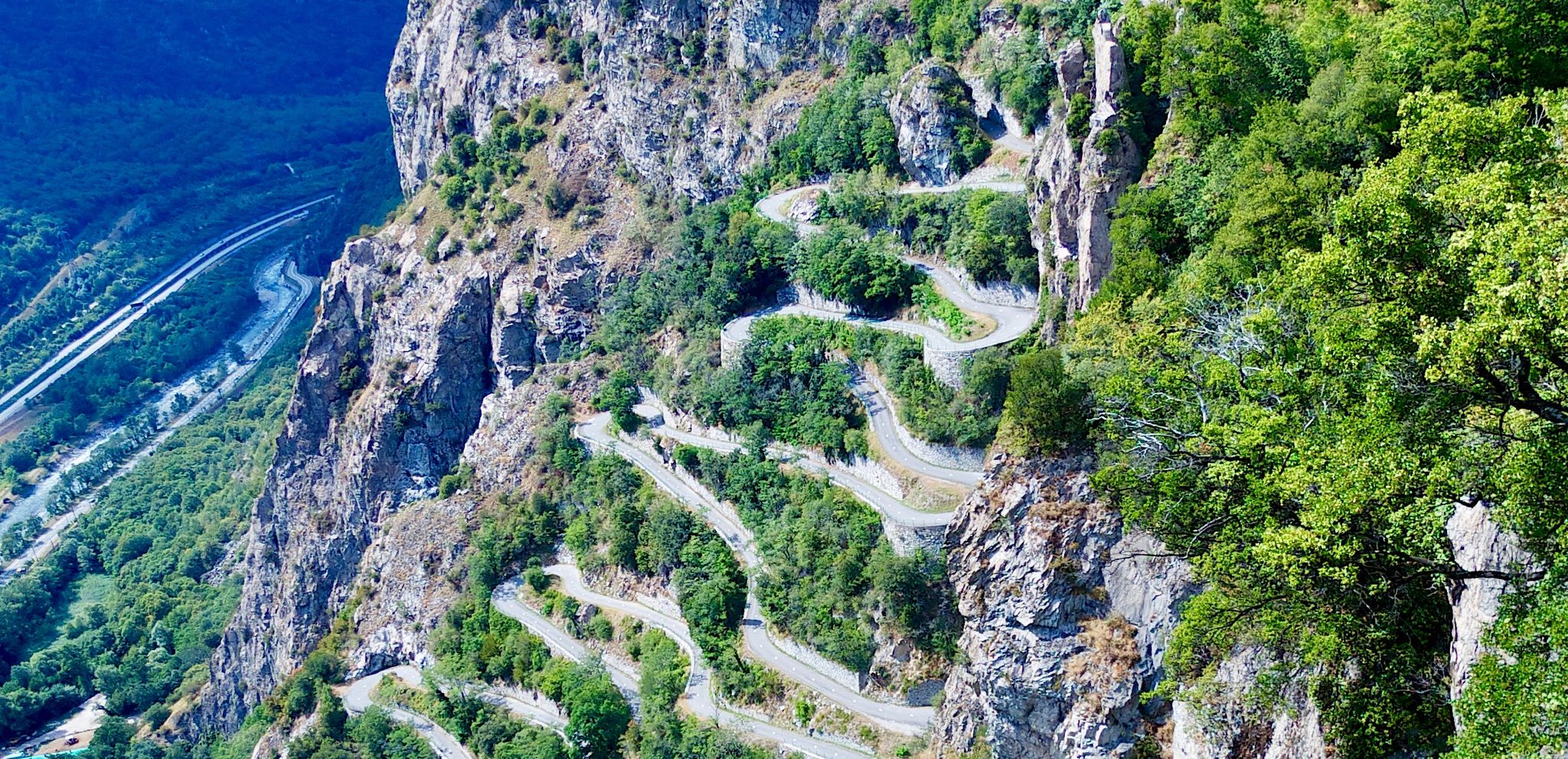
The world's most epic cycling roads
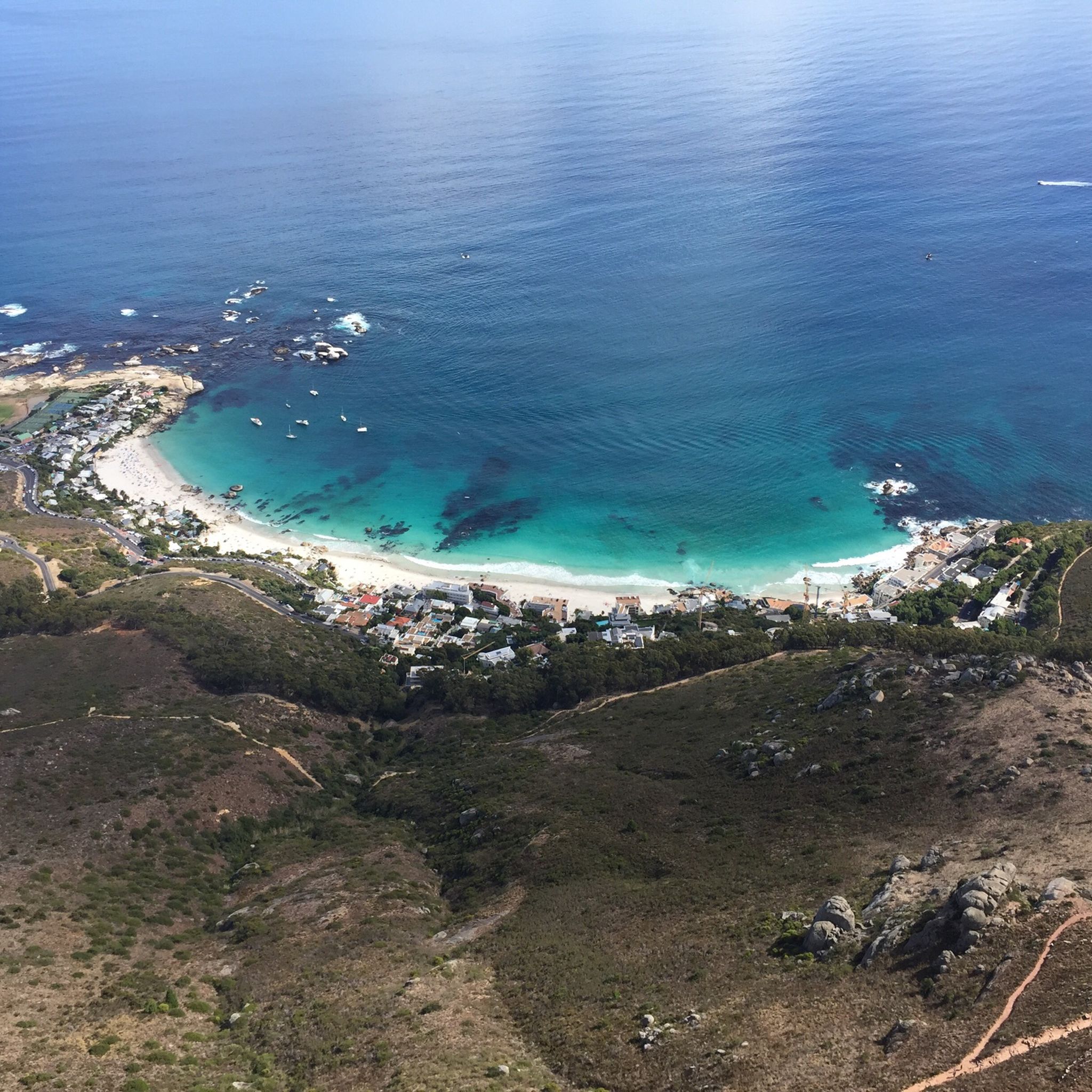
Hiking in South Africa
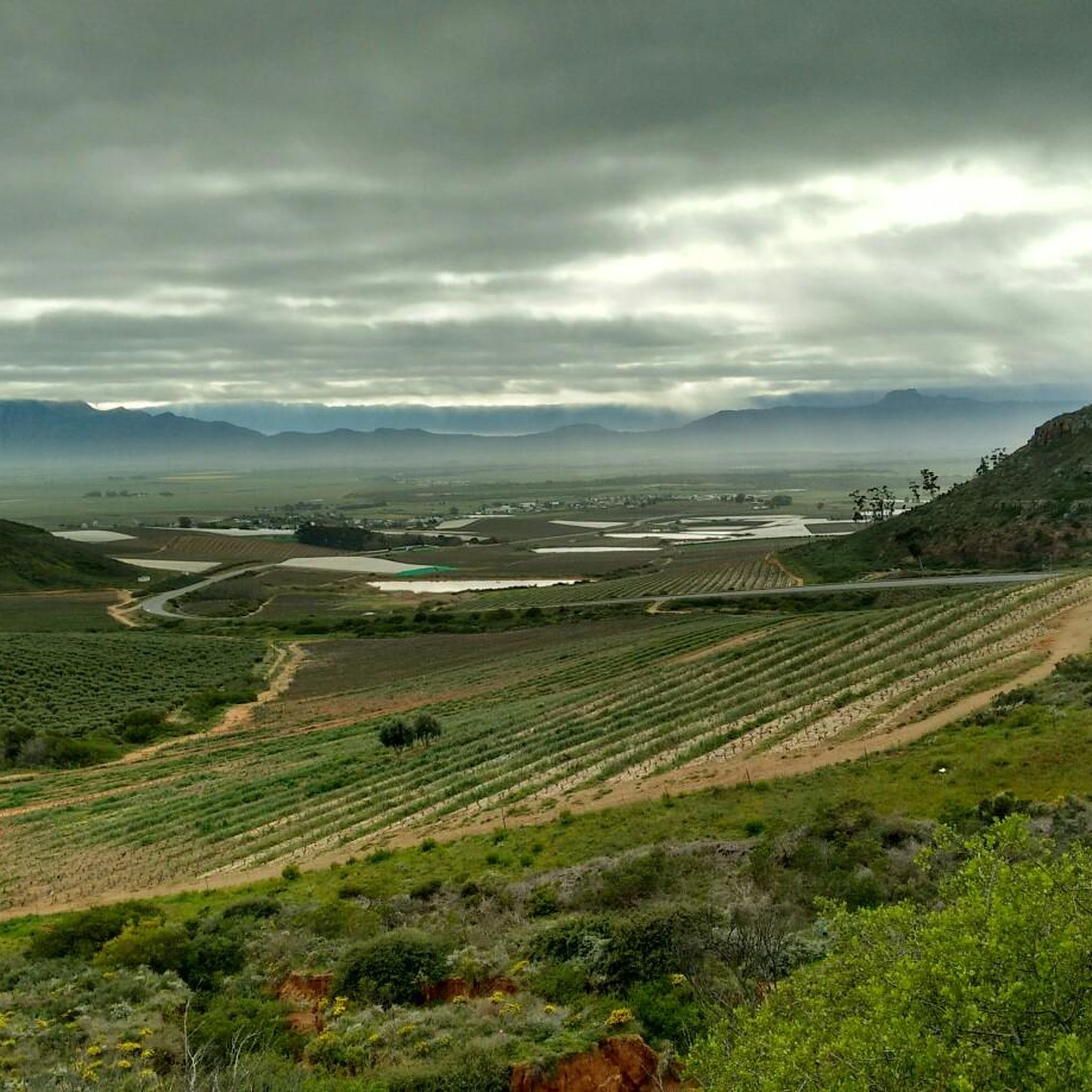
Road Cycling Routes in South Africa
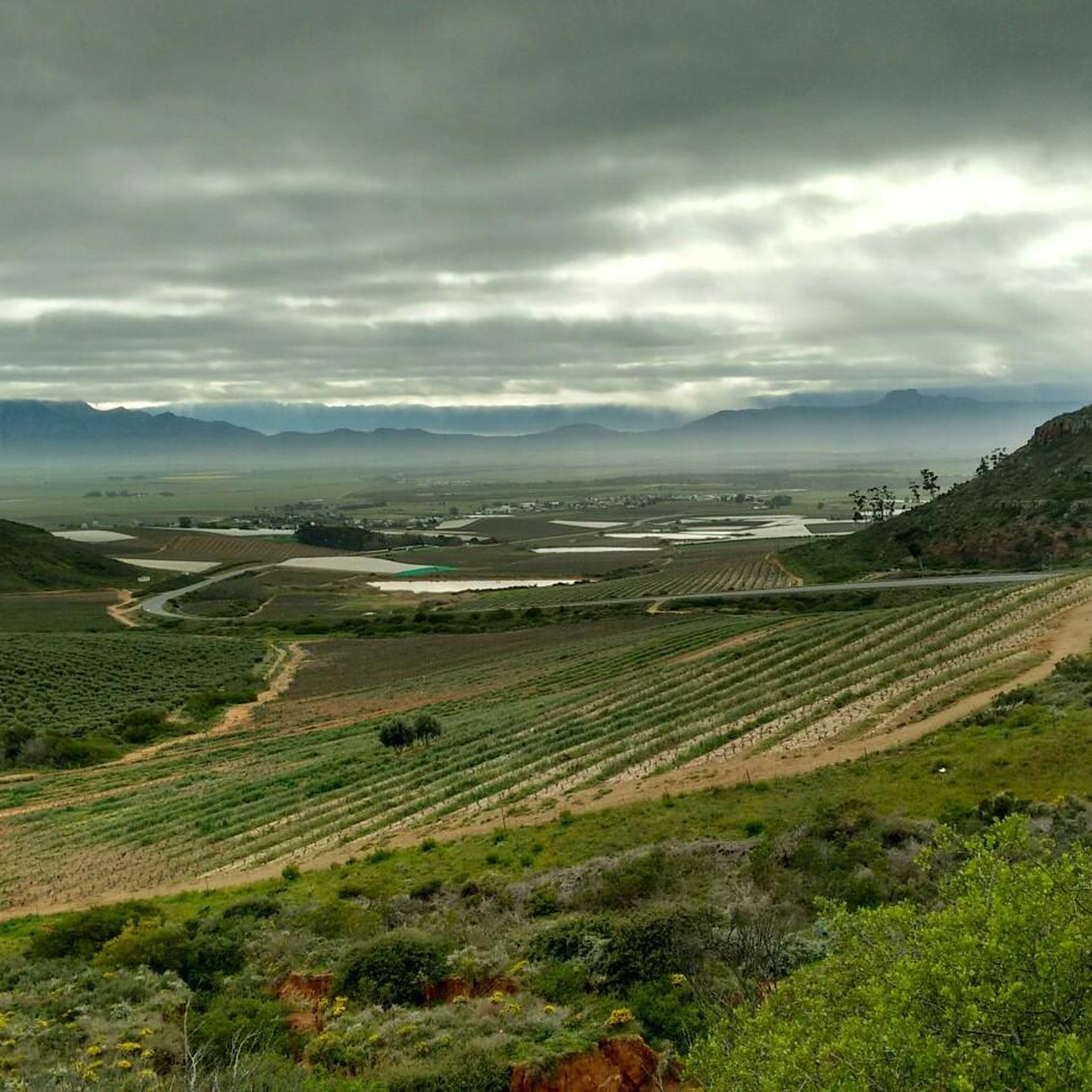
Running Trails in South Africa
Cycling in South Africa
MTB Trails in South Africa
Other adventures in South Africa


Tips from the Community


Altitude 1575m an amazing view over the Swartberg Pass
0
0

Well-marked circular hiking trail. Sturdy shoes are helpful.
1
0

Naudes Nek Pass, nestled in the Eastern Cape province of South Africa, is a thrilling pass for backpackers racing through the picturesque Drakensberg Mountains. Named after the intrepid explorer and geologist, John Naudé, this pass sits at an elevation of approximately 2,620 meters (8,596 feet) above sea level. In the early 19th century, a resilient adventurer named Samuel Thornton embarked on a daring journey to explore the uncharted territories of the Eastern Cape in South Africa. Samuel, an English trader with a passion for discovery, heard tales of untapped riches and new opportunities beyond the rugged Drakensberg Mountains. Equipped with little more than a sturdy backpack and a determination to forge new paths, Samuel set his sights on the challenging route through Naudes Nek Pass. The pass, shrouded in mystery and surrounded by breathtaking peaks, beckoned him as both an obstacle and an opportunity. As Samuel navigated the winding trails of the pass, he faced treacherous weather, unpredictable terrain, and the constant risk of encountering unfamiliar wildlife. Yet, fueled by the spirit of adventure and the promise of undiscovered lands, he pressed on. Along the way, Samuel encountered local communities nestled in the mountain valleys. He bartered with them, exchanging goods from distant lands for essential supplies. Samuel's charismatic demeanor and genuine curiosity earned him the trust of the indigenous people, who shared stories of their traditions and the challenges of life in the mountains. Eventually, after days of challenging travel, Samuel emerged on the other side of Naudes Nek Pass, greeted by a breathtaking panorama of the Eastern Cape's vast landscapes. Undeterred by the hardships, he continued his journey, establishing trade routes and leaving a legacy for future settlers and traders who would follow in his footsteps. Samuel Thornton's courageous expedition through Naudes Nek Pass became a legendary tale among early settlers and traders, inspiring others to explore the beauty and potential of the untamed Eastern Cape.
0
0
The story of the Van der Stel Pass began in the 17th century when Simon van der Stel, the visionary governor of the Cape Colony, sought to expand the reach of the settlement into the interior. Recognizing the strategic importance of connecting Franschhoek to the rest of the colony, van der Stel commissioned the construction of a pass through the formidable mountains that stood as guardians of the region. The pass, a testament to human determination, was carved through the rocky terrain by the hands of laborers and artisans. It was a challenging endeavor, and the pass took its time to emerge, like a hidden treasure slowly revealing itself to those who dared to venture. As the pass took shape, it became more than just a means of traversing the mountains. It became a lifeline for the settlers, a conduit through which commerce and culture flowed. The road facilitated the transportation of goods, the exchange of ideas, and the expansion of the Cape Colony into the fertile valleys beyond. Generations passed, and the Van der Stel Pass witnessed the ebb and flow of history. It bore witness to the struggles and triumphs of the people who traversed its twists and turns. Horse-drawn carriages gave way to motor vehicles, yet the essence of the pass remained unchanged – a link between the past and the present. The significance of the Van der Stel Pass extended beyond its practical use. It became a symbol of resilience, a tangible reminder of the pioneers who carved out a path where none existed before. Travelers crossing the pass could almost hear the echoes of the past, whispers of conversations held by traders and explorers who once tread the same ground. In modern times, the Van der Stel Pass is more than just a historical relic; it is a destination in itself. Tourists and locals alike wind their way through its curves, not merely to reach their destination but to experience a journey through time. The pass offers panoramic views of the surrounding mountains, lush vineyards, and the charming town of Franschhoek, creating an atmosphere that is both awe-inspiring and serene. As the wheels of bicycles roll over the gravel remnants of the past, the Van der Stel Pass stands as a bridge between history and the present. It invites all who traverse its length to become a part of its narrative, to feel the pulse of a time when a governor's vision carved a path through the mountains, leaving behind a legacy etched in every stone and curve.
1
0


I hitchhiked down in 2019, no signs of tar/paving in the steepest part.
5
0

A beautiful gorge through the folded mountains of the Karoo. The road twist and turns for nearly 20km through orange sandstone cliffs, folded and shaped by the forces of nature over the years. Be cautious of oncoming traffic as you will dropping down at high speed on a road with many blind corners.
1
0
Frequently Asked Questions
Which mountain passes in South Africa are known for their historical significance?
Several passes boast rich history. The 7 Passes Road, designed by Thomas Bain, is a historic route connecting Knysna and George. The Montagu Pass, one of the oldest unaltered passes still in use, was the first road built over the Outeniqua Mountains. Bainskloof Pass, a National Monument, is another testament to Andrew Bain's engineering, offering views of the Cape Winelands. Long Tom Pass in Mpumalanga is named after the cannons used during the South African War.
What are the most challenging mountain passes for drivers in South Africa?
For a truly challenging drive, Sani Pass is legendary, requiring a 4x4 vehicle due to its narrow, zig-zagging gravel roads and rocky edges. The Montagu Pass is also known for its demanding nature with 126 bends, some sharp hairpin turns. The Rooiberg Pass is described as brutally steep with a rough surface, rewarding drivers with epic views.
Are there mountain passes with unique natural features or viewpoints?
Absolutely. Chapman's Peak Drive is renowned for its dramatic coastal scenery, winding between an imposing mountain face and the ocean. Franschhoek Pass offers spectacular views of the valley, vineyards, and mountains. The Outeniqua Pass provides fantastic views of fynbos-covered mountains from its many scenic viewpoints. Van Reenen's Pass, part of the N3, showcases the delightful Drakensberg, with a notable 'Windy Corner' for photos.
What is the best time of year to visit South Africa's mountain passes?
The best time often depends on the pass and your desired experience. For instance, Gannaga Pass is particularly stunning during the flower season in August and September. Sani Pass is often snow-capped in winter, offering a different kind of beauty, though it can be more challenging to traverse.
Which mountain passes are suitable for road cycling or gravel biking?
Many passes are popular with cyclists. The Montagu Pass is a popular route for cyclists, offering scenic views despite its demanding nature. The 7 Passes Road is a classic for gravel biking, known for its multi-surface and never-boring terrain. For more cycling routes, you can explore Road Cycling Routes in South Africa or Gravel biking in South Africa.
Are there any mountain passes that offer unique amenities or attractions at their summit?
Yes, Sani Pass is famous for hosting the 'Highest Pub in Africa' at its summit, offering a unique experience after the challenging drive. Van Reenen's Pass features the Llandaff Oratory, the smallest Roman Catholic Church in the Southern Hemisphere, which also offers delicious food.
What kind of vehicle is recommended for navigating some of the more remote mountain passes?
For passes like Sani Pass, a 4x4 vehicle is strictly required due to its challenging gravel and steep sections. The Gannaga Pass also recommends a high-clearance vehicle due to varying road quality before and after the pass.
Can I find hiking opportunities near South Africa's mountain passes?
Many mountain passes are situated in areas rich with hiking opportunities. The Franschhoek Pass provides access to the Mont Rochelle Nature Reserve, which has various hiking trails. Bainskloof Pass is within a nature heritage site and part of the Limietberg Nature Reserve, excellent for camping and swimming in clear river streams. For more hiking options, check out Easy hikes in South Africa.
Which mountain passes are known for their scenic beauty and photographic opportunities?
Chapman's Peak Drive is globally recognized for its breathtaking coastal views, perfect for photography. Tradouw Pass is described as one of the most beautiful pass roads, with stunning views and switchbacks. Du Toitskloof Pass offers scenic views of the Hugosrivier Valley and winter waterfalls, providing great photo opportunities.
Are there any mountain passes that are particularly popular with the komoot community?
Yes, the komoot community highly appreciates several passes. Swartberg Pass Summit is a popular highlight, with visitors praising its spectacular views and the achievement of reaching the summit. Sani Pass is also a favorite, with users sharing tips about its challenging climb and rewarding panoramic views.
What kind of wildlife can I expect to see along these scenic mountain passes?
While specific wildlife sightings vary, many passes traverse diverse ecosystems. The Franschhoek Pass, for example, is within a nature reserve known for its fynbos fields, suggesting a variety of birdlife and smaller mammals. The Drakensberg region, where passes like Sani Pass are located, is known for its rich biodiversity, including various bird species and antelopes.
Are there any mountain passes that are good for a family drive?
Many passes offer scenic and enjoyable drives for families. The Outeniqua Pass, with its modern infrastructure and numerous viewpoints, provides a picturesque and comfortable journey. Chapman's Peak Drive, while dramatic, has viewing points and picnic spots, making it a memorable outing for families. The Franschhoek Pass also offers stunning views and access to nature reserves with gentle trails.
Most popular routes in South Africa
Most popular attractions in South Africa

Get inspired with the komoot mobile app


Didn’t find what you were looking for?
Find even more amazing mountain passes in South Africa organized by region:
Explore more
See even more epic mountain passes by checking out these guides in South Africa:
