Top 20 Natural Monuments in Cape Verde
Natural monuments in Cape Verde feature a diverse range of landscapes, including volcanic peaks, desert dunes, and coastal formations. This archipelago nation off West Africa offers a collection of natural landmarks shaped by geological processes and environmental factors. Visitors can explore various sites that highlight the islands' unique ecosystems and geological history. The region provides opportunities to observe distinct natural features across its islands.
Best natural monuments in Cape Verde
- The most popular natural monuments is Pico do Fogo,…
Last updated: July 7, 2026
Pico do Fogo
Highlight • Volcano
Translated by Google •
Tip by

Stone Cairns on Praia de Chaves
Highlight • Beach
Translated by Google •
Tip by

Sign up now to discover places like this
Get recommendations on the best single tracks, peaks, & plenty of other exciting outdoor places.
Sign up for free
Poilão Kapok Tree
Highlight • Natural Monument
In its proud old age it still bears fruit and blossoms …
Translated by Google •
Tip by

Pico do Fogo
Highlight • Volcano
Translated by Google •
Tip by

Jardim Botânico Grandvaux Barbosa
Highlight • Natural Monument
Translated by Google •
Tip by

Kite Beach (Costa da Fragata)
Highlight • Beach
Translated by Google •
Tip by

Serra Malagueta Natural Park
Highlight • Natural Monument
Translated by Google •
Tip by

View of the Paul Valley from Cova Crater
Highlight • Viewpoint
Translated by Google •
Tip by

Poilão – Oldest and Tallest Kapok Tree of Cape Verde
Highlight • Natural Monument
Translated by Google •
Tip by
Vinha Waterfall
Highlight • Waterfall
Translated by Google •
Tip by

Sign up for free to discover even more natural monuments in Cape Verde.
Sign up for free
Already have an account?
Start today with a free account
Your next adventure awaits.
Login or Signup
Popular around Cape Verde
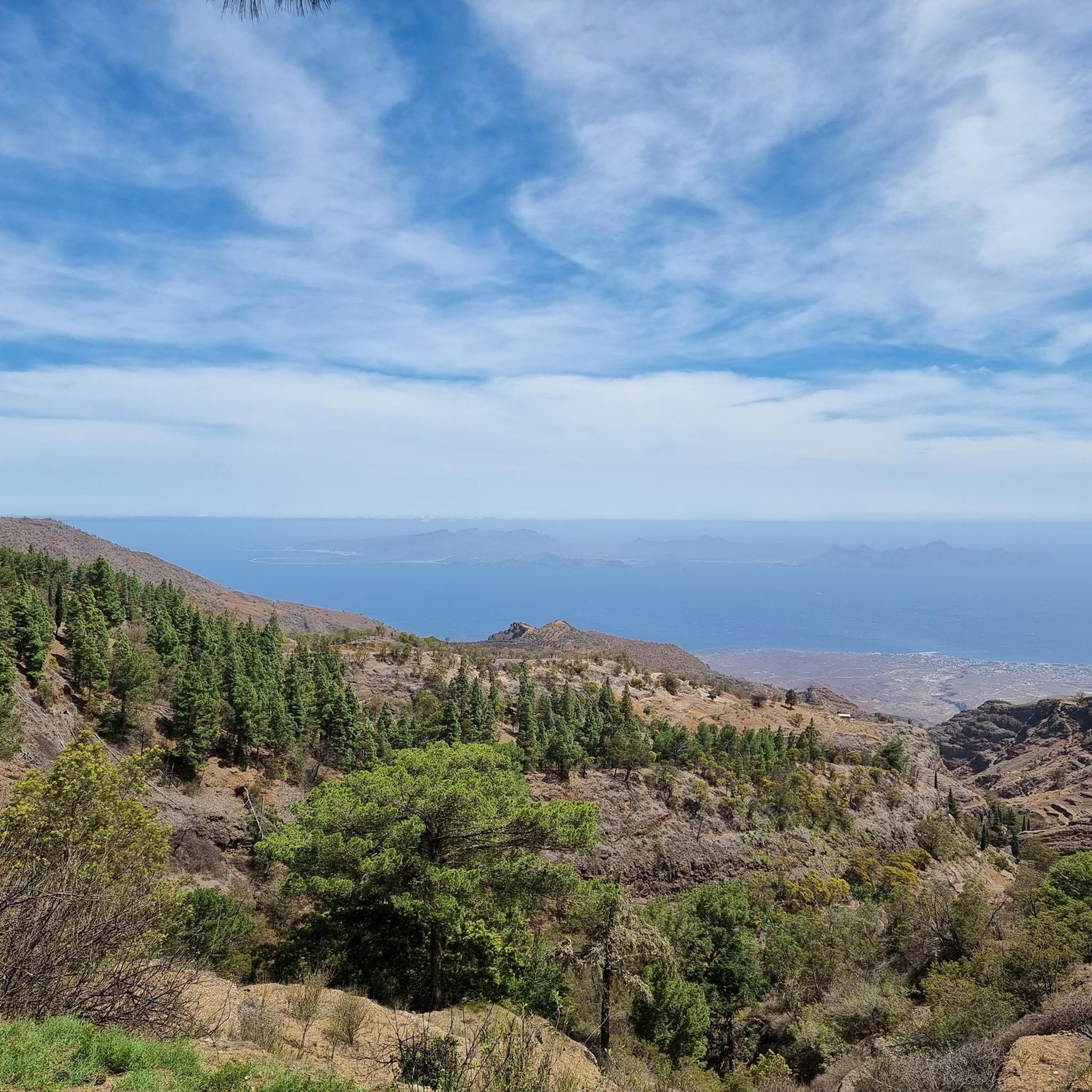
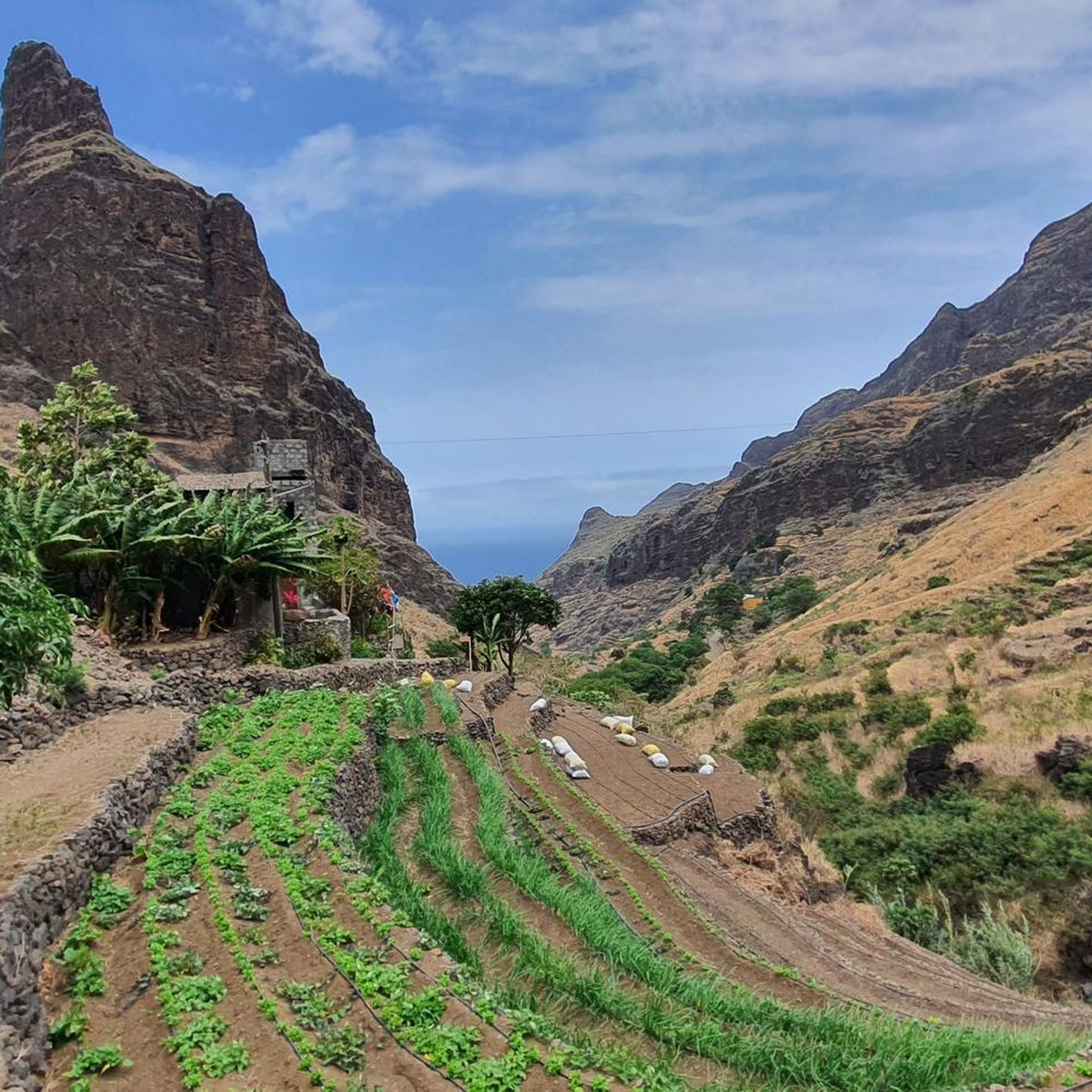
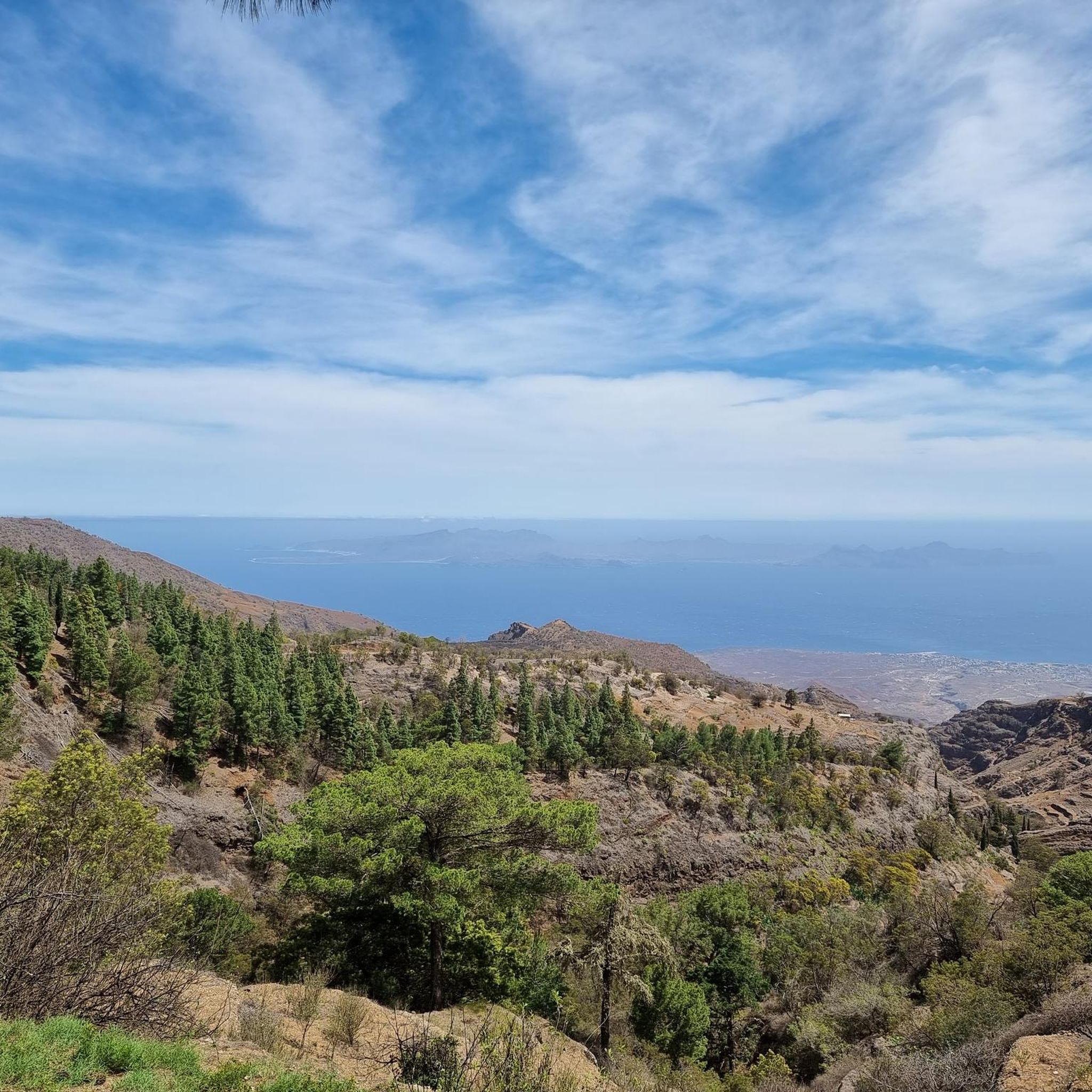
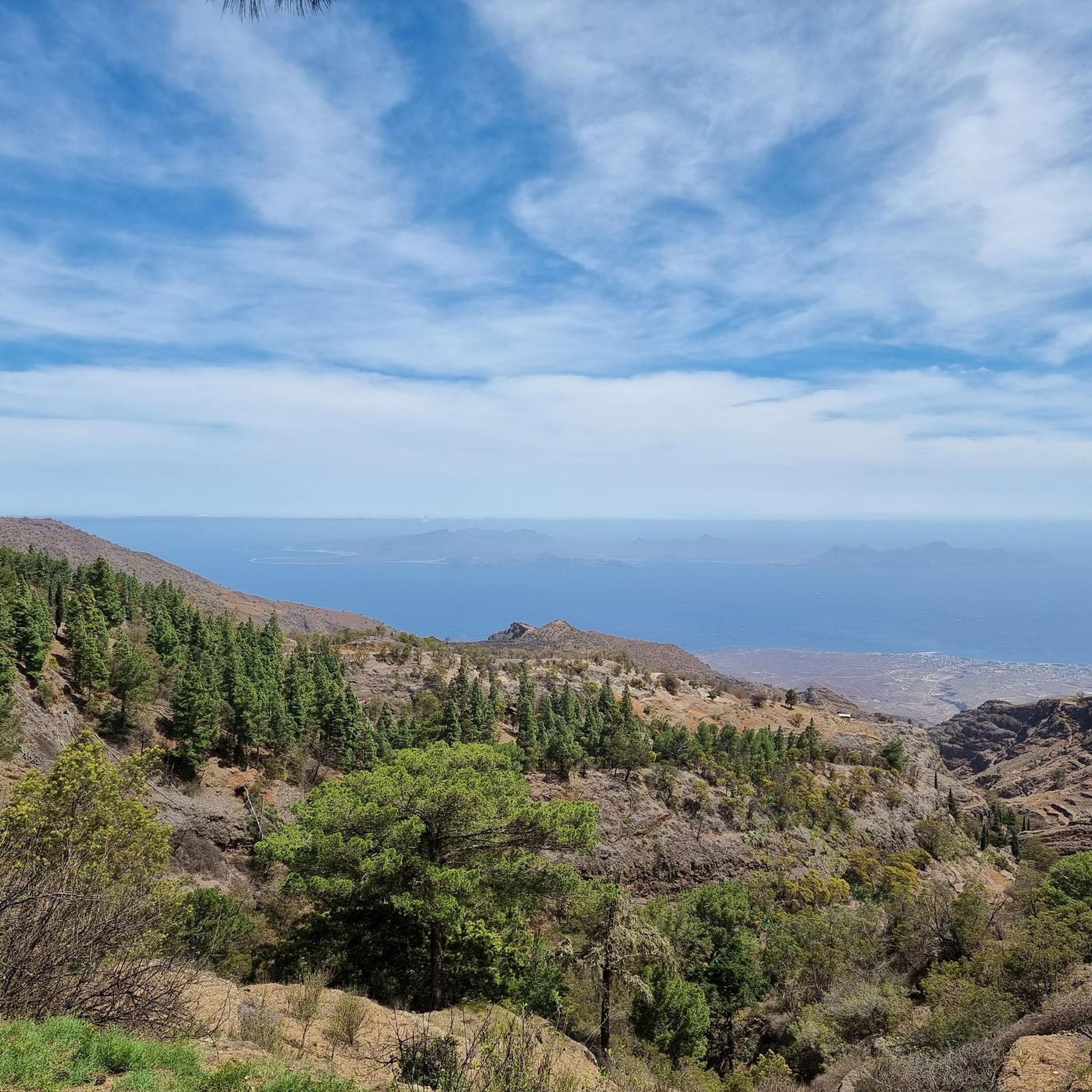
Tips from the Community

A lovely little botanical garden. Many of the plants on display here are endemic, meaning they are found nowhere else in the world but in Cape Verde.
2
0

The climb is definitely worth it. And in the crater, there's smoke and a sulphurous smell.
0
0

Poilão Park, located in Assomada, Cape Verde, is known for its magnificent kapok trees, which dominate the landscape with their towering presence. The park offers a serene environment, ideal for nature walks and admiring the region's unique flora and fauna. Visitors can explore several trails that showcase Cape Verde's natural beauty. Known for their large trunks and expansive canopies, the kapok trees provide habitat for diverse bird species and contribute to the park's ecological value. This nature reserve attracts both locals and tourists seeking tranquility and outdoor adventure. A very large kapok tree stands near the village of Boa Entrada, at the bottom of a valley 400 meters above sea level. It is the largest tree in Santiago, and probably in the entire Republic of Cape Verde. The kapok tree stands approximately 25 meters tall and has been designated an Important Bird Area (IBA) by BirdLife International because it supports a colony of purple herons.
3
0

Anyone who climbs the switchbacks to the crater like we did will be blessed to be up here! 😅 But this view back into the valley makes up for all the effort.
0
0

Long, very pleasant walk along the sea from the port of Sal Rei to the tourist complex of Praia Chaves (3km one way, allow 1 hour)
1
0

Wire rope installed by Mustafa (Casa Marisa) with really nice brackets (hand-twisted)
1
0
Ancient tree, according to the Cape Verdeans over 500 years old
3
0

Frequently Asked Questions
What kind of natural landscapes can I expect to see among Cape Verde's natural monuments?
Cape Verde's natural monuments showcase a diverse range of landscapes, from active volcanic peaks like Pico do Fogo and fertile craters such as Cova Crater, to vast desert dunes like Deserto de Viana. You'll also find serene salt pans at Salinas de Pedra de Lume, stunning coastlines, and lush natural parks like Serra Malagueta Natural Park.
Are there family-friendly natural monuments in Cape Verde?
Yes, several natural monuments in Cape Verde are suitable for families. For instance, the Stone Cairns on Praia de Chaves offer a relaxing beach experience, while Jardim Botânico Grandvaux Barbosa provides a pleasant botanical garden setting. Kite Beach (Costa da Fragata) is also noted as family-friendly, offering space for various activities.
What are the difficulty levels of trails at Cape Verde's natural monuments?
Trail difficulties vary significantly. For example, the ascent of Pico do Fogo is considered challenging, requiring good physical condition and often a guide. Serra Malagueta Natural Park offers varied hikes through volcanic mountains, with some sections like the descent through the Gom Gom valley being difficult. Other sites, such as the walk around Cova Crater, are more intermediate, and many coastal walks are generally easier.
What unique flora and fauna can be found at Cape Verde's natural monuments?
Cape Verde is home to unique biodiversity. For example, Parque Natural de Monte Gordo on São Nicolau Island is known for its rich biodiversity, including 32 endemic plant species, many of which are rare and endangered, such as the Dragon Blood Tree. The islands are also important nesting sites for various seabirds, including the Cabo Verde petrel and Cory's shearwater, and during nesting season (July through October), Praia de Santa Maria becomes a significant site for sea turtle nesting.
What outdoor activities can I do near Cape Verde's natural monuments?
Cape Verde offers a wide range of outdoor activities. You can find numerous running trails, including moderate loops near Santa Maria. For cycling enthusiasts, there are cycling routes ranging from moderate to difficult, such as the loop from Mindelo to the Church of Nossa Senhora da Luz. Mountain biking is also popular, with MTB trails available across the islands, from easy coastal paths to challenging routes like the one near Ribeira da Prata.
Are there any natural monuments that offer particularly stunning viewpoints?
Absolutely. The ascent of Pico do Fogo offers panoramic views of the volcanic crater and the surrounding areas. The View of the Paul Valley from Cova Crater provides an impressive perspective into a fertile, almost circular crater. Monte Cara on São Vicente Island, known as 'Face Mountain,' also offers panoramic views of the island and the Atlantic Ocean from its slopes.
What do visitors enjoy most about the natural monuments in Cape Verde?
Visitors frequently highlight the unique experiences offered by Cape Verde's natural monuments. Many enjoy the spectacular climb and descent over ash fields at Pico do Fogo. The 'no stress' motto of Cape Verde is often felt on beaches like Praia de Chaves, where building stone cairns is a popular activity. The impressive and fertile landscape of Cova Crater and the varied hikes through Serra Malagueta Natural Park are also highly appreciated.
What is the best time to visit Cape Verde's natural monuments?
The best time to visit Cape Verde's natural monuments is generally during the dry season, from November to June, when the weather is warm and sunny with less rainfall, making it ideal for hiking and exploring. If you're interested in witnessing sea turtle nesting, the season runs from July through October, particularly at sites like Praia de Santa Maria.
Are permits required to visit natural monuments in Cape Verde?
For some protected areas, such as Serra Malagueta Natural Park, there is an information center at the start of the hike where visitors may be asked to pay a 'toll' or entrance fee, which contributes to the park's protection and maintenance. For challenging ascents like Pico do Fogo, it is highly recommended to go with a guided tour, which often includes any necessary permits or fees.
What should I wear when hiking at Cape Verde's natural monuments?
When hiking at natural monuments in Cape Verde, especially in mountainous or volcanic areas, it's essential to wear appropriate gear. Sturdy hiking shoes are highly recommended for varied terrain and difficult descents, such as those found in Serra Malagueta Natural Park. Additionally, sufficient drinking water is crucial, and layers of clothing are advisable to adapt to changing temperatures, especially when ascending peaks like Pico do Fogo.
Are there any natural monuments that are considered 'hidden gems' or off the beaten path?
While many natural monuments are well-known, Carbeirinho on São Nicolau Island is often described as São Nicolau's 'hidden gem.' It's celebrated for its striking rocky areas and cliffs, offering picturesque views and a sense of discovery away from the more frequented sites.
Where can I find accommodation near Cape Verde's natural monuments?
Accommodation options vary depending on the island and specific monument. For popular areas like Sal Island, you'll find hotels and resorts near Praia de Chaves and Praia de Santa Maria. For more remote locations, guesthouses or eco-lodges might be available in nearby villages. It's advisable to research specific islands and their offerings based on the natural monuments you plan to visit.
Most popular attractions in Cape Verde

Get inspired with the komoot mobile app


Didn’t find what you were looking for?
Find even more amazing natural monuments in Cape Verde by checking out the top Highlights region by region:
Explore more
Extend your search for the best caves by checking out these guides of the top ones in Cape Verde:
