Top 20 Natural Monuments around Flims
Best natural monuments around Flims showcase a landscape profoundly shaped by geological forces. This region in the Swiss Alps features unique natural formations, including deep gorges, clear mountain lakes, and vast landslide areas. The Flims landslide, one of the largest alpine events, created the foundation for many of these distinctive natural features. Visitors can explore a diverse environment that offers insights into the powerful history of the earth.
Best natural monuments around Flims
- The most popular natural monument is Il…
Last updated: October 11, 2026
Il Spir Viewing Platform – Rhine Gorge
Highlight • Viewpoint
Translated by Google •
Tip by

View of the Ruinaulta (Rhine Gorge)
Highlight • Viewpoint
Translated by Google •
Tip by
Sign up now to discover places like this
Get recommendations on the best single tracks, peaks, & plenty of other exciting outdoor places.
Cresta Lake
Highlight • Lake
Translated by Google •
Tip by

Lake Cauma
Highlight • Lake
Translated by Google •
Tip by

Kunkelspass
Highlight • Mountain Pass
Showing Translation
Tip by

Sign up for free to discover even more natural monuments around Flims.
Already have an account?
Start today with a free account
Your next adventure awaits.
Popular around Flims
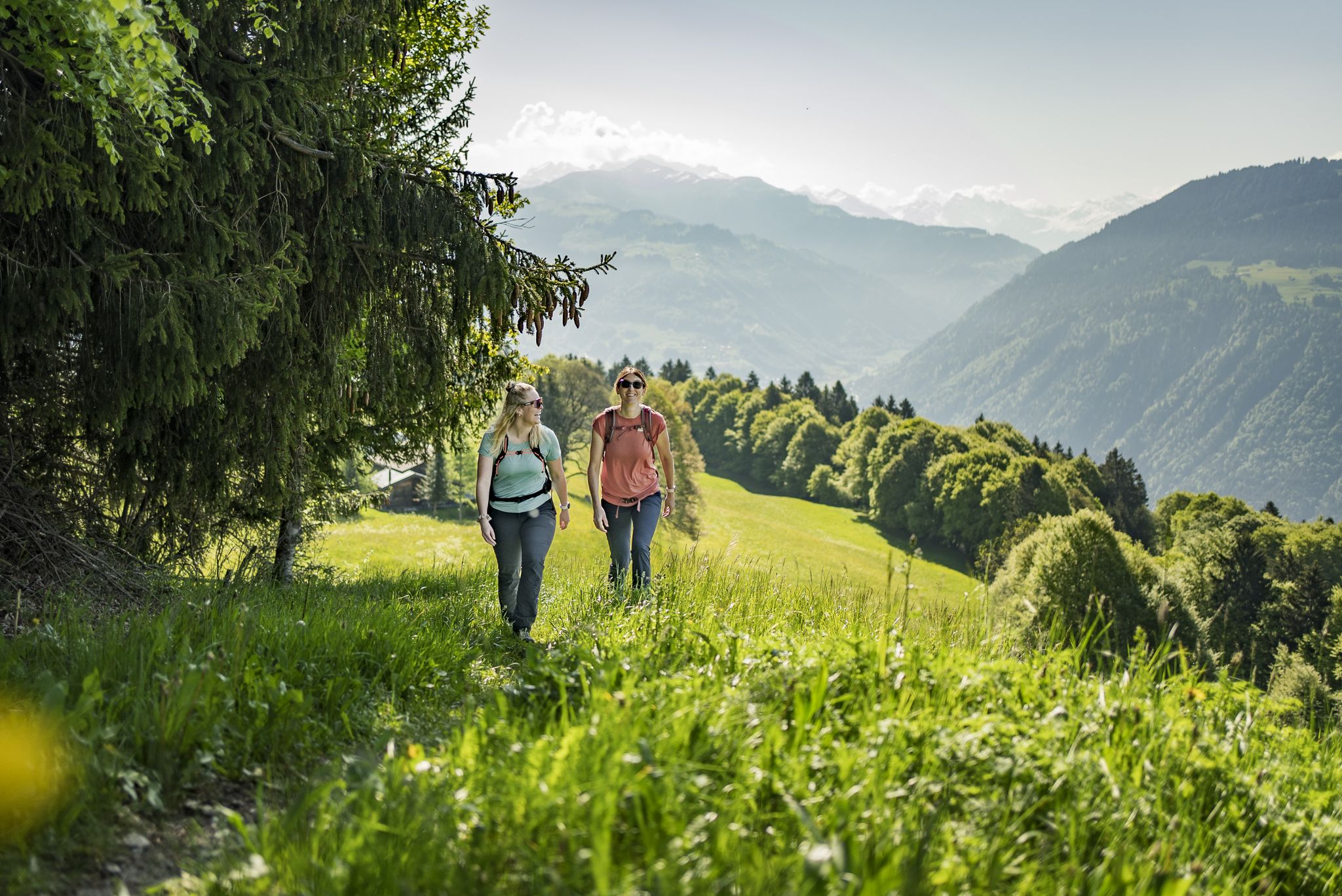
Step into the hiking season – spring routes in Graubünden
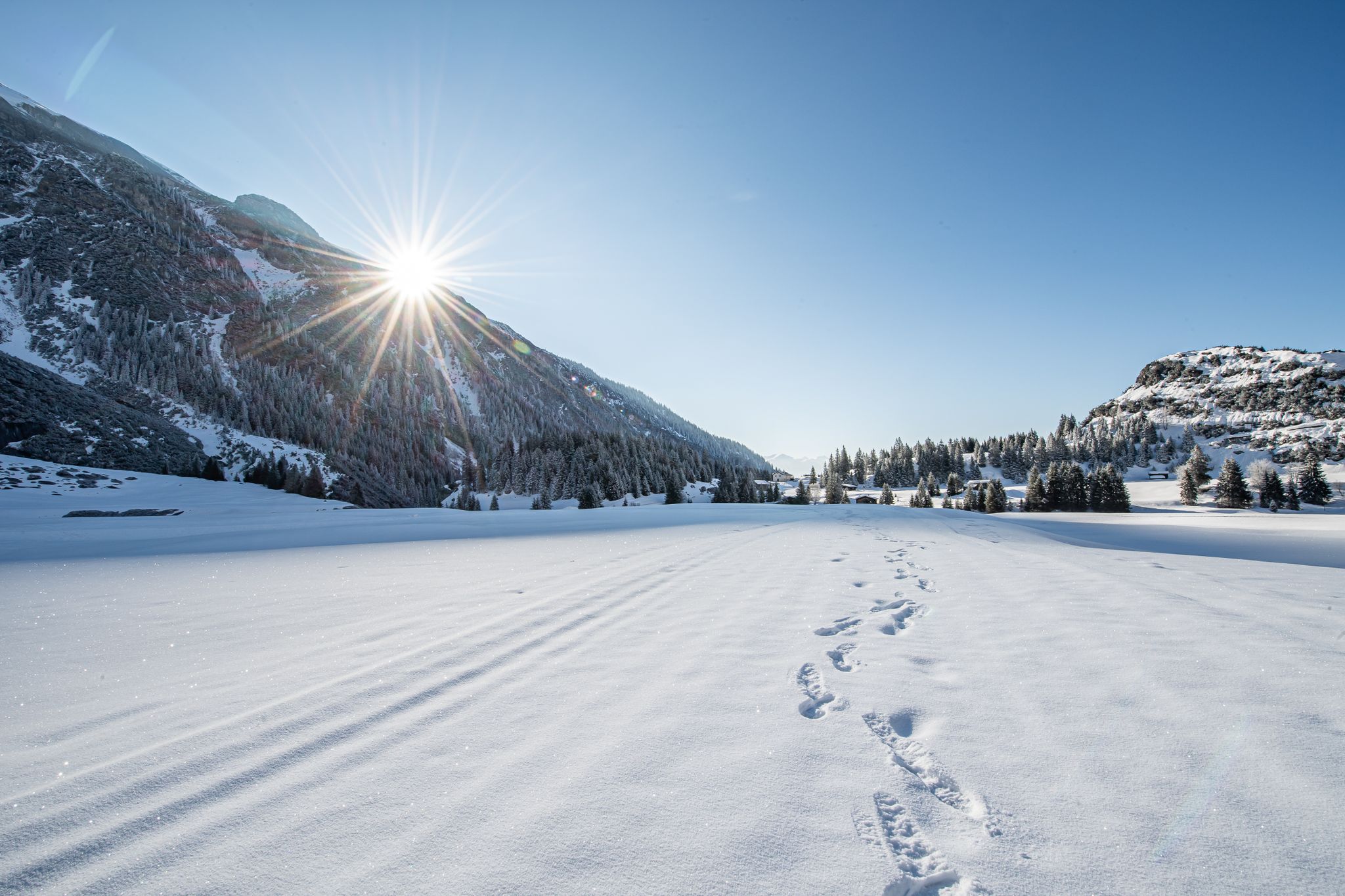
Indulgence to the power of two – culinary delights and winter hiking in Flims Laax
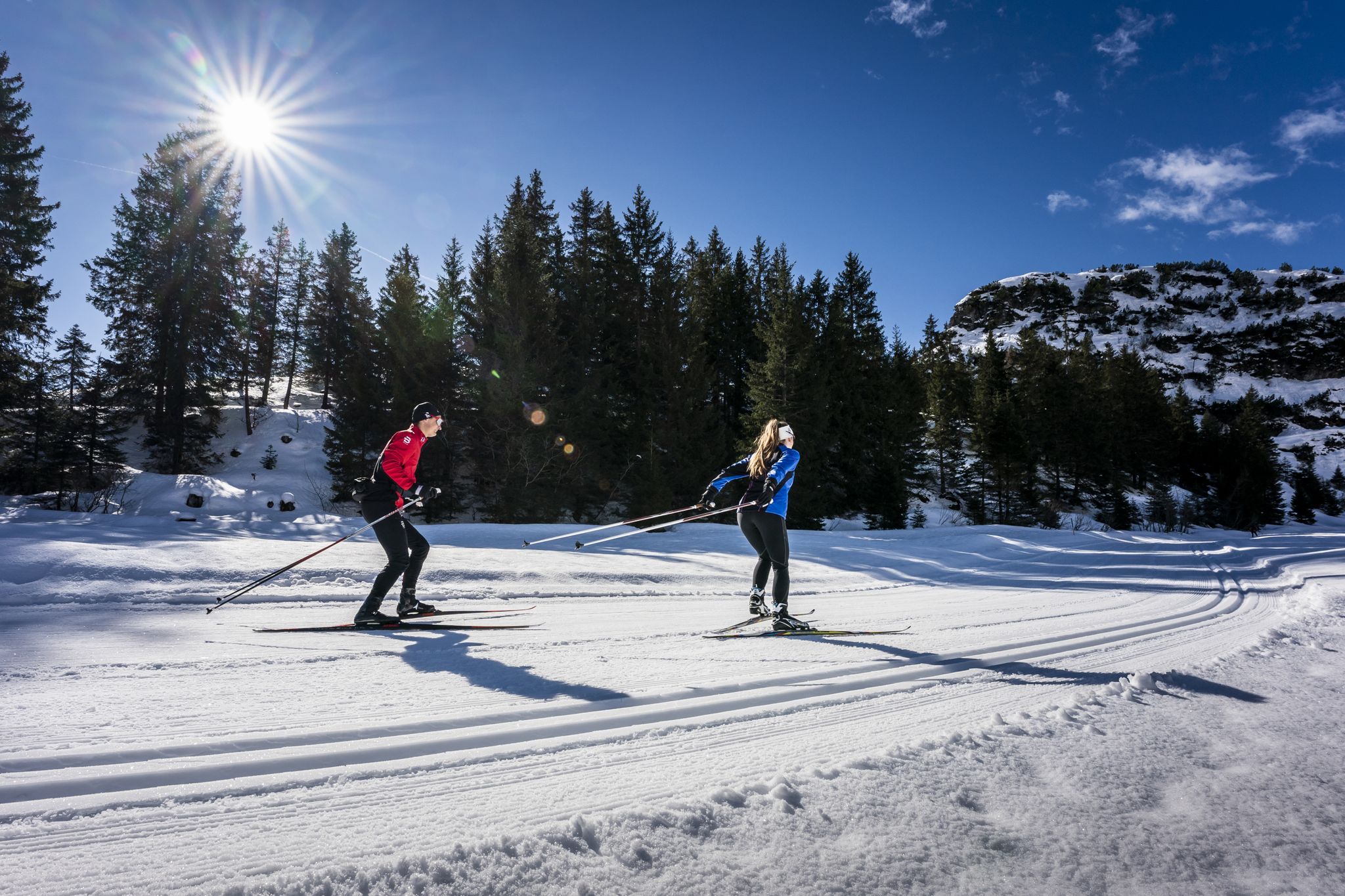
Cross-country skiing in Flims Laax – a Swiss Winter paradise
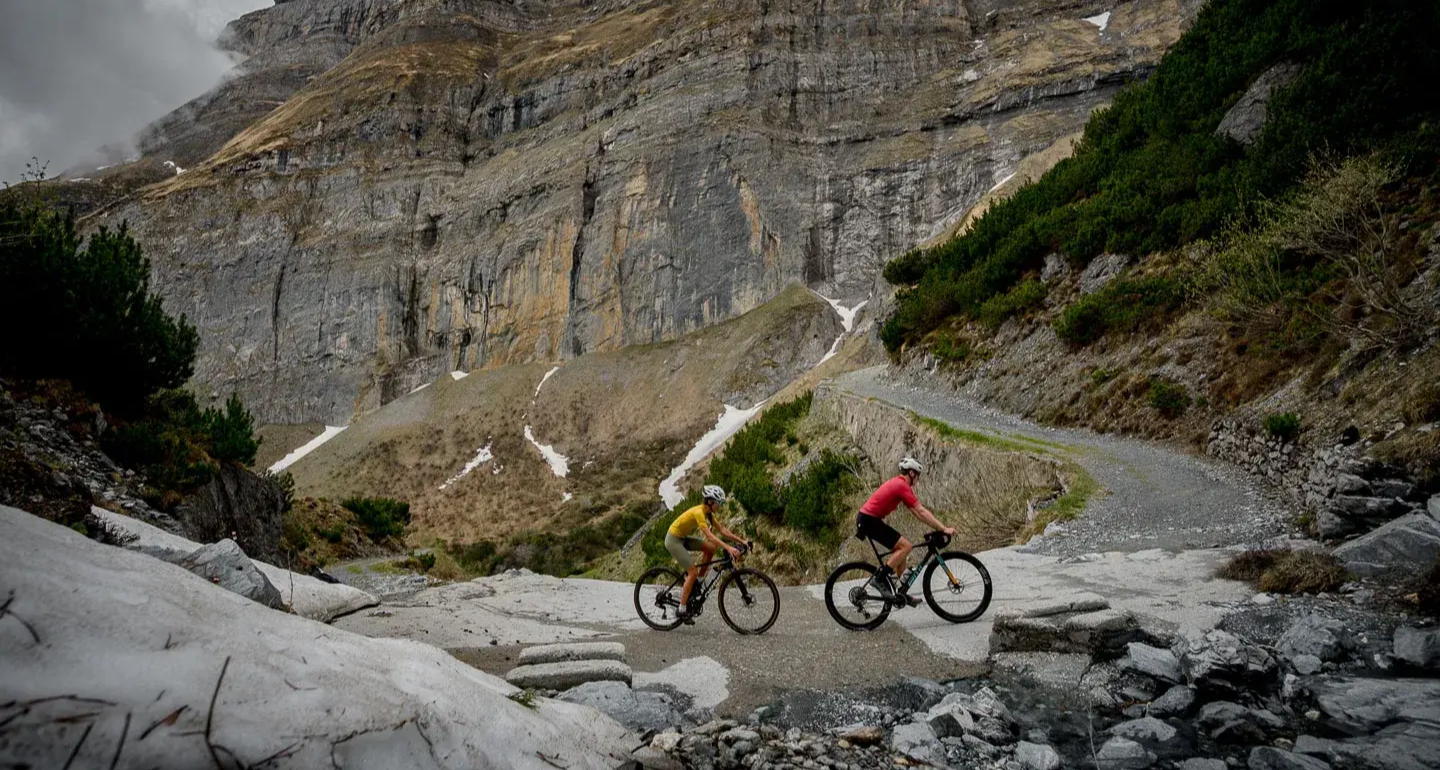
A taste of alpine gravel around Flims and Laax
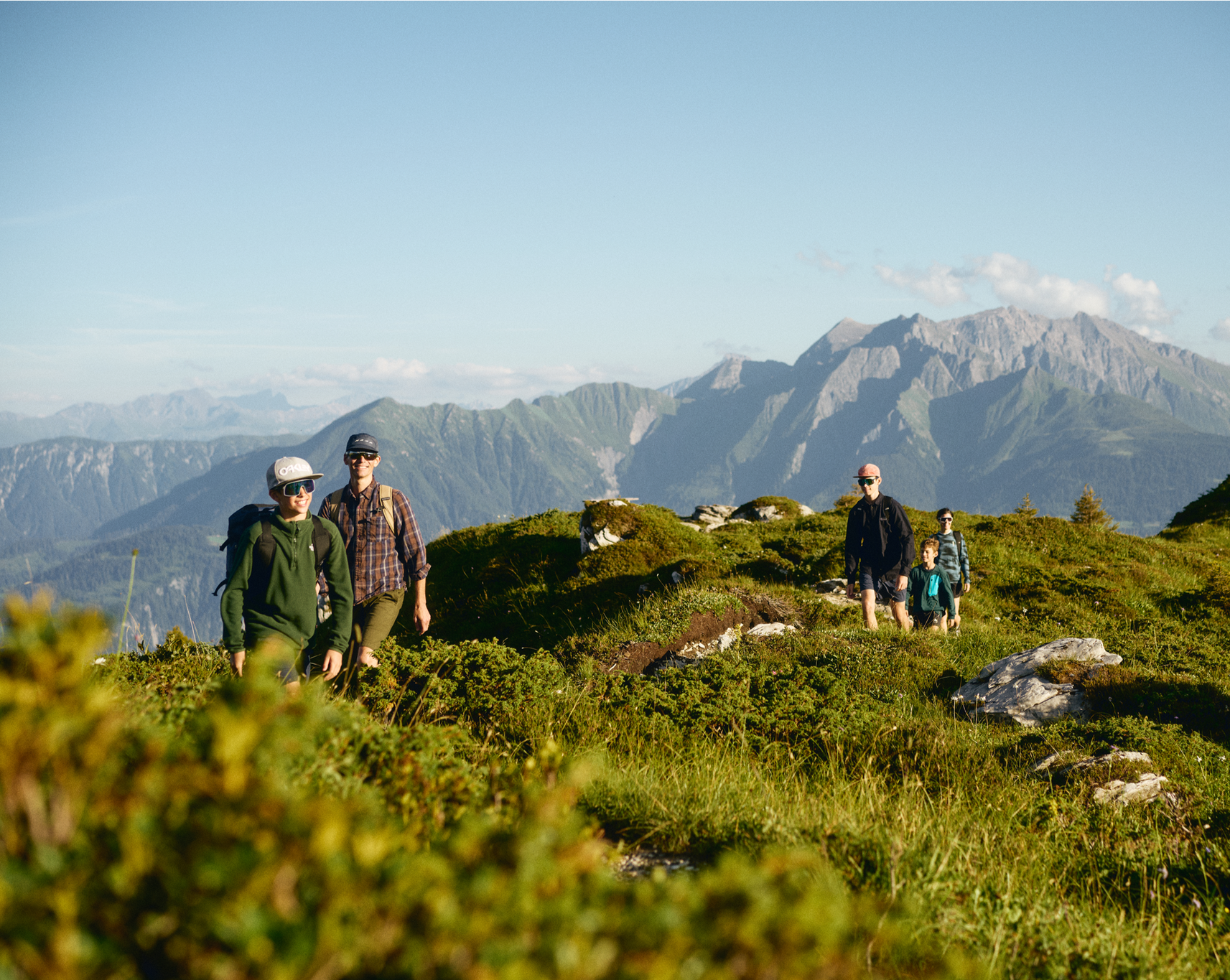
Hiking in and around the Sardona UNESCO World Heritage Site
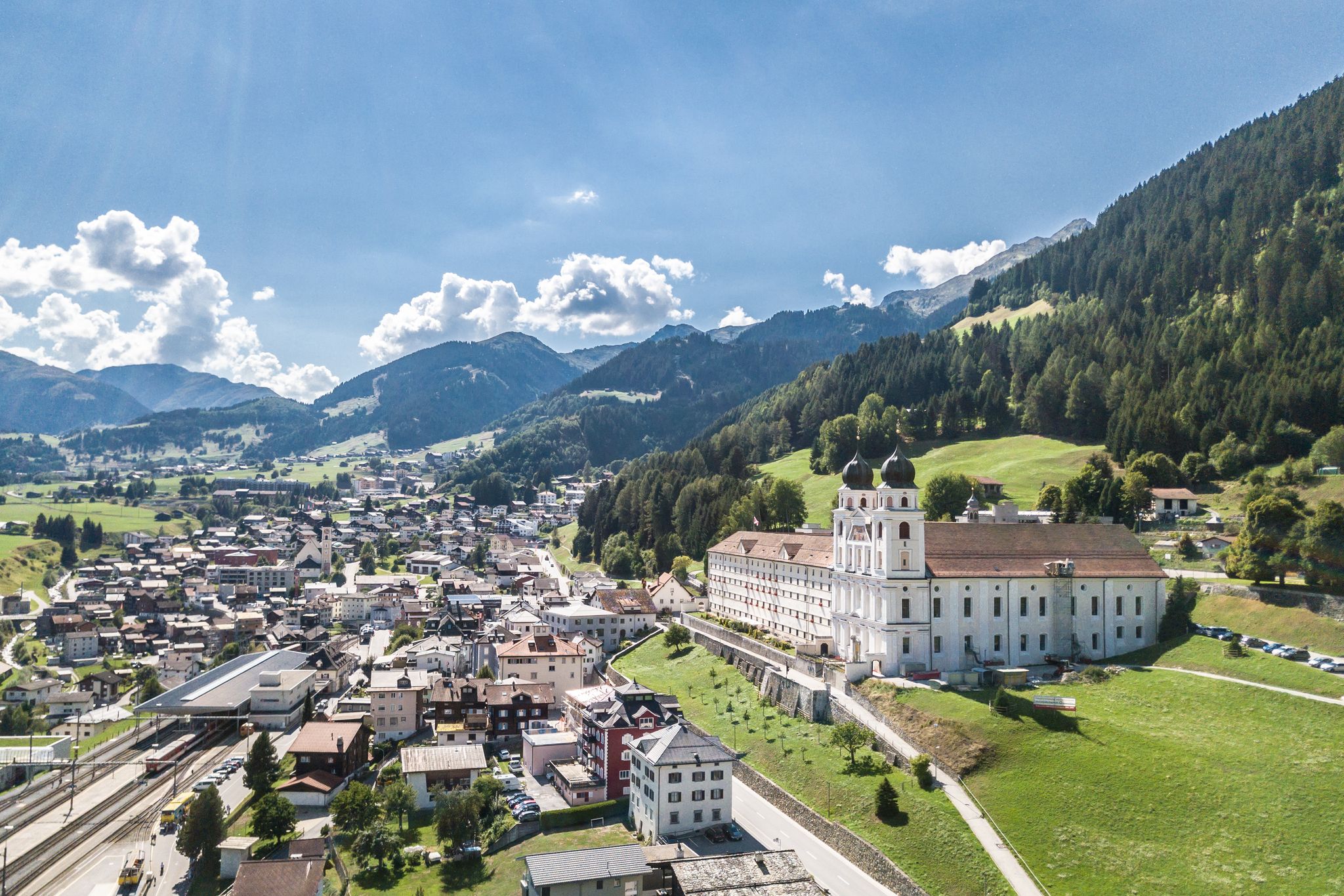
Between water, rock and forest - Grischun Cultura Surselva
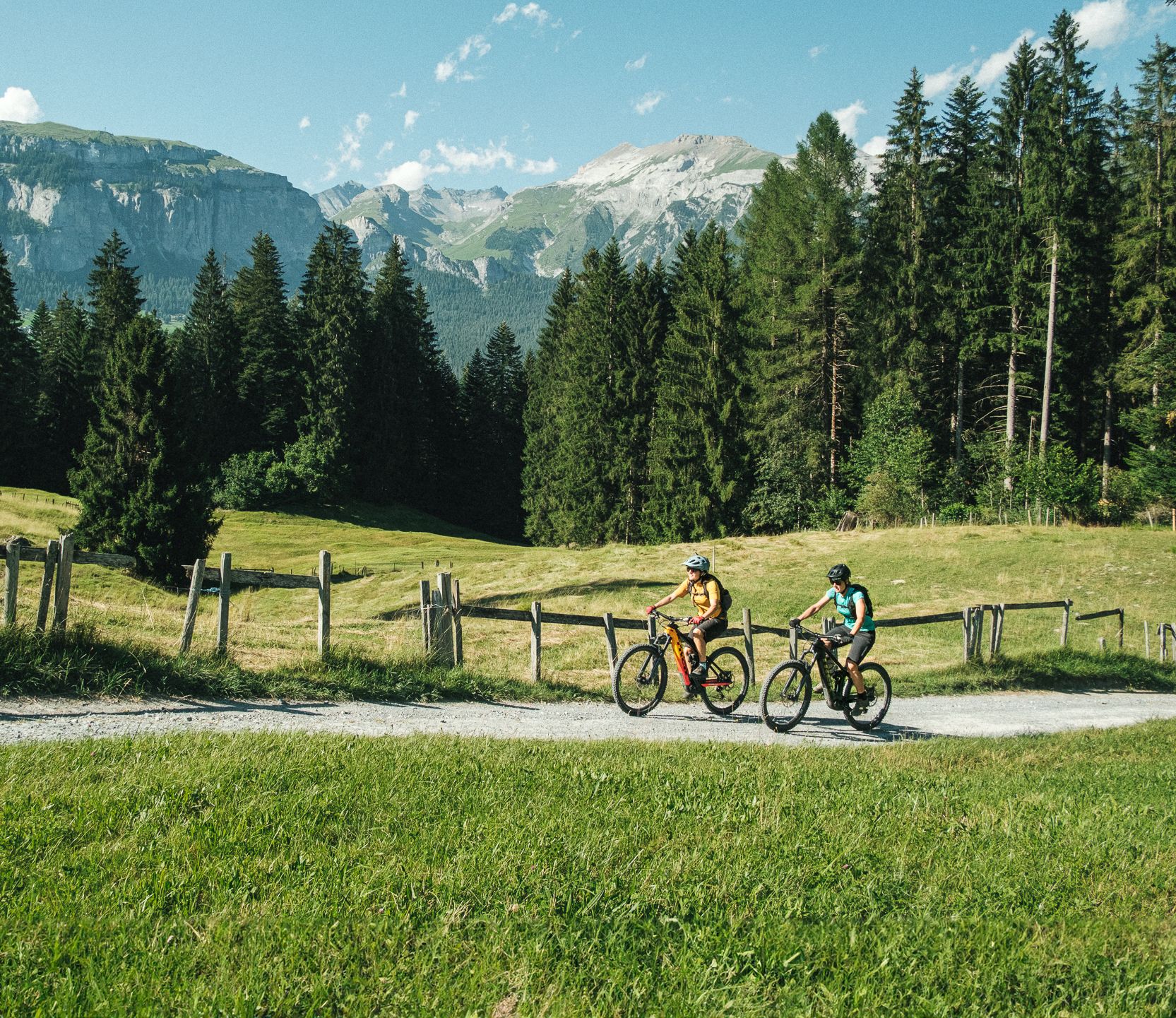
The most beautiful cross country e-bike Tours in Flims Laax Falera
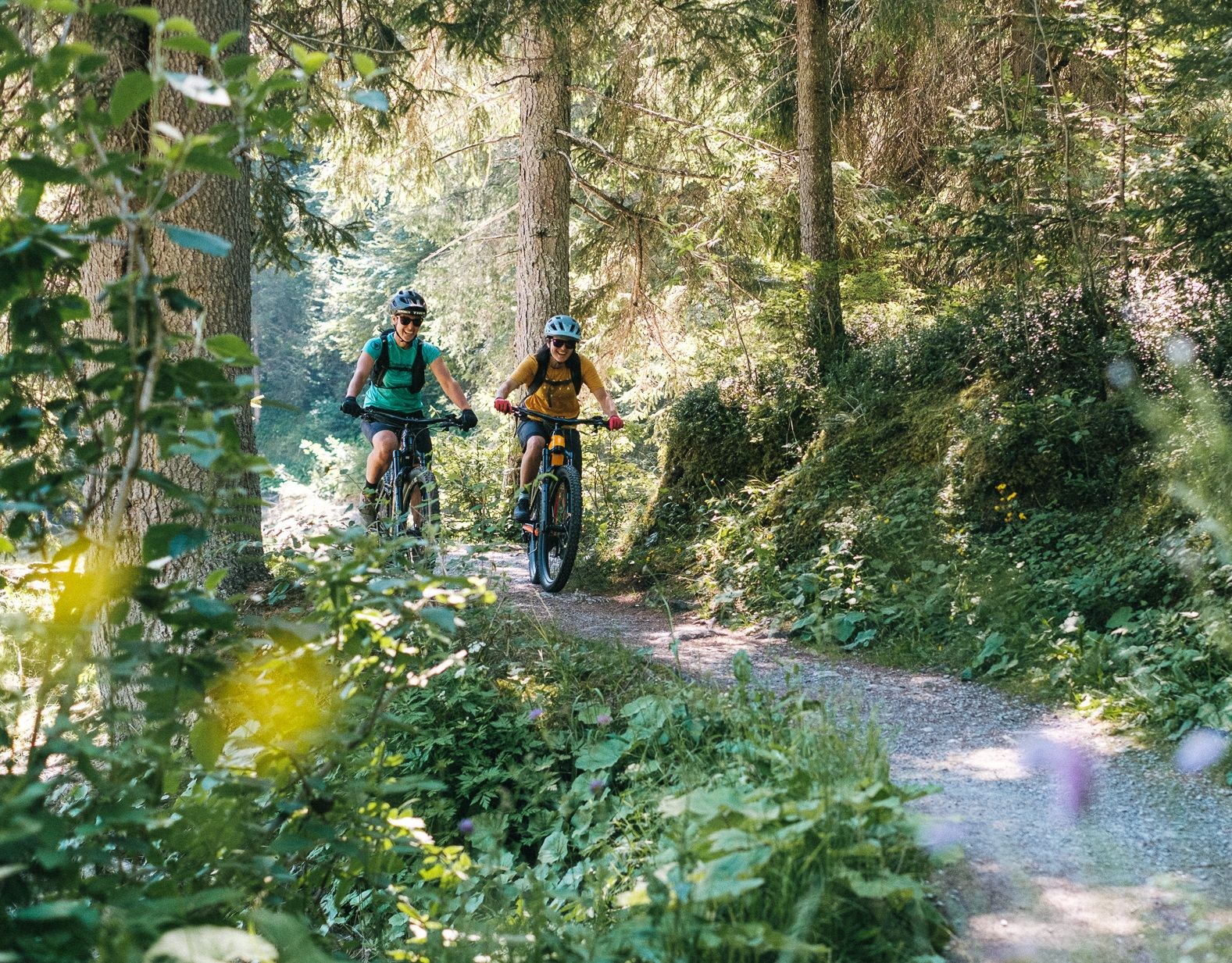
The most beautiful cross country Tours in Flims Laax Falera
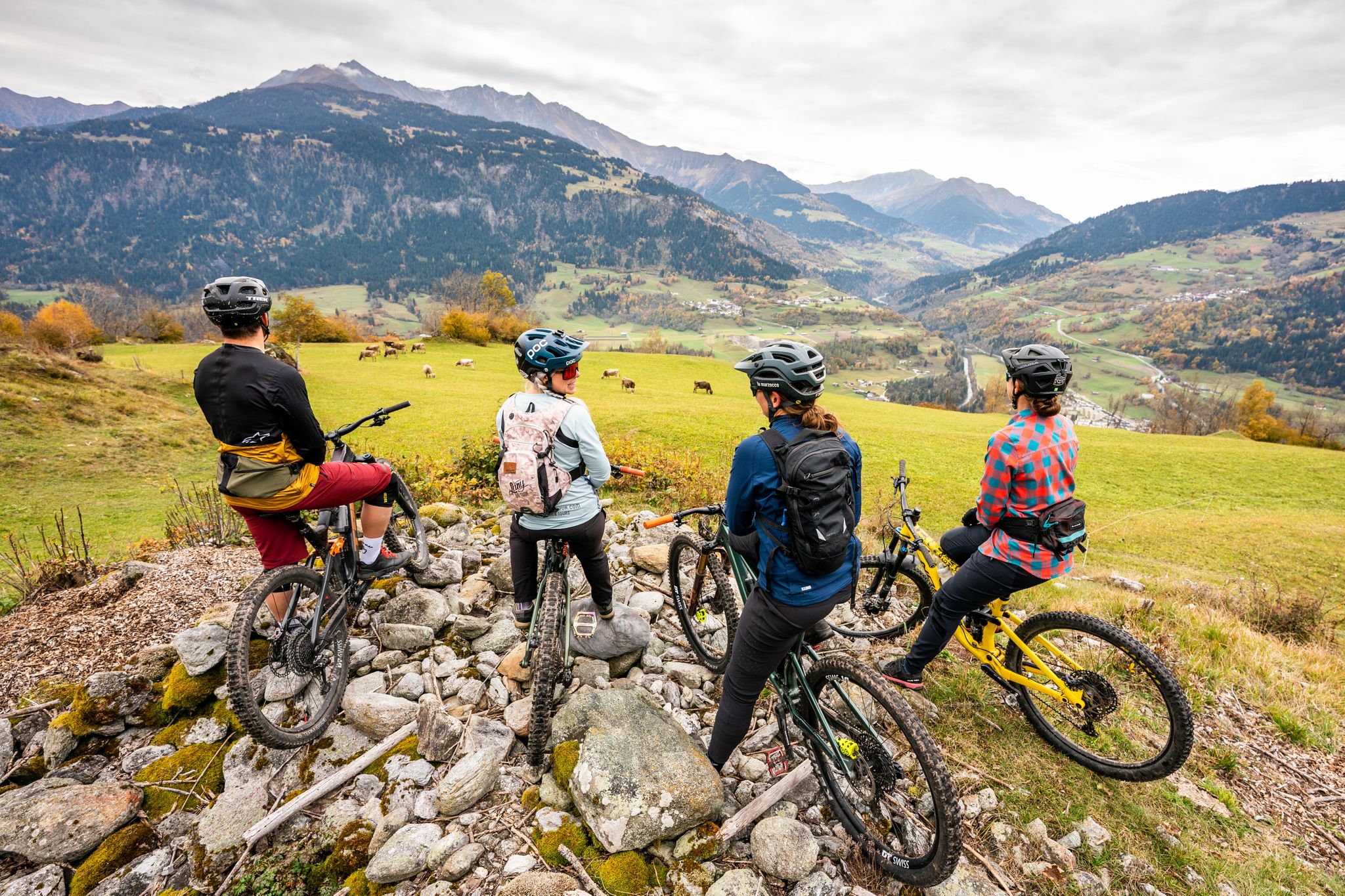
The best Enduro adventures of the Surselva with an E-MTB
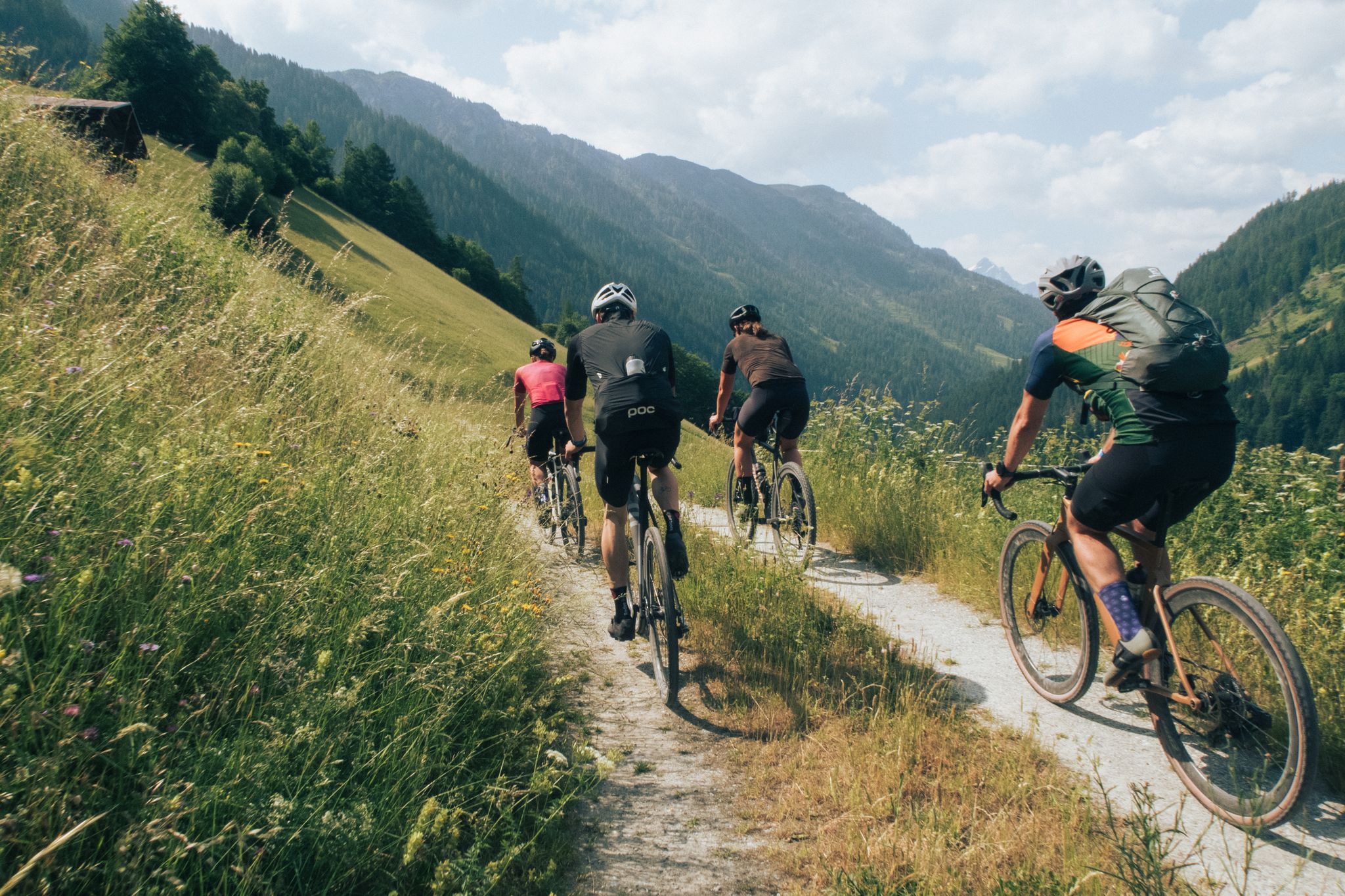
Quite some gravel – The best Gravel-Tours in Flims Laax
Other adventures around Flims


Tips from the Community

The platform was designed by the Chur architect Corinna Menn on behalf of the municipality of Flims and inaugurated in September 2006. It consists of a single pillar that is anchored in two places. The pillar, held back by a traction cable, protrudes into the gorge. On the pillar lies the triangular platform made of larch wood, which gives the structure the shape of a swift. (Source: https://de.wikipedia.org/wiki/Il_spir)
6
0

The highest point of the Kunkels Pass is 1,357 meters. It was probably already used in Roman times.
1
0

A dream of a view of the Rhine Gorge and little visited.
7
0

Lake Cauma, the Pearl of Flims Called "Lag la Cauma" in Romansh, which means "Lake of Midday Rest," Lake Cauma is the pearl of Flims. Origin This mountain lake was formed as a result of the largest landslide in the Alps, which occurred almost 10,000 years ago. The formation of the lakes is attributed to prehistoric landslides. The water seeped through the porous rockslide masses. However, it can also dissolve the limestone with the help of its carbonic acid. Over time, it created an underground passage. A deeper, impermeable clay layer ensures that the water does not completely seep into the ground. Text / Source: Flims Laax Falera https://www.caumasee.ch/geschichte/
12
1
“Il Spir” viewing platform From the Il Spir viewing platform, you can marvel at the impressive Rhine Gorge / Ruinaulta!
9
1
Ruinaulta Rhine Gorge The Ruinaulta or Rhine Gorge is a gorge up to 400 meters deep and around 13 kilometers long in the Vorderrhein between Ilanz and the mouth of the Hinterrhein near Reichenau in the canton of Graubünden in Switzerland. The Romansh name 'Ruinaulta' is composed of the two words Ruina (scree slope, quarry) and aulta (high). The Ruinaulta was created after the Flims landslide almost 10,000 years ago. At that time, over 10 billion cubic meters of rock broke off between the Flimserstein and the Piz Grisch and buried the Vorderrheintal between today's villages of Castrisch and Reichenau under a mass of rubble several hundred meters thick. Since the Vorderrhein could no longer drain, a lake was dammed over a length of around 25 km. Over time, the river cut deep into the landslide masses and the resulting lake was able to drain completely. What remained was the Ruinaulta with its steep limestone rubble cliffs in impressive erosion formations. Text/Source: Wikipedia https://de.wikipedia.org/wiki/Ruinaulta
10
1

Breathtaking views of a real natural wonder.
7
1
Breathtaking views of the Rhine Gorge open up throughout the entire route. Plenty of benches are also available for rest breaks.
6
0
Frequently Asked Questions
What are some of the most popular natural monuments to visit around Flims?
The Flims region is home to several remarkable natural monuments. Among the most popular is the Il Spir Viewing Platform – Rhine Gorge, offering breathtaking views of the 'Swiss Grand Canyon'. Visitors also highly rate Lake Cauma, known for its striking turquoise-green water, and Cresta Lake, a tranquil, spring-fed lake nestled amidst fir trees.
Are there family-friendly natural monuments in the Flims region?
Yes, several natural monuments around Flims are ideal for families. Both Lake Cauma and Cresta Lake are considered family-friendly, offering opportunities for swimming, relaxing, and easy walks. Lake Cauma even has a funicular for comfortable access, and Cresta Lake is accessible via a stroller-friendly hiking trail from Trin Mulin.
What unique geological features can I explore in Flims?
The Flims region is profoundly shaped by its geological past. The most significant feature is the area impacted by the Flims Landslide, one of the largest alpine landslide events, which occurred 9,000 to 10,000 years ago. This colossal event created the unique landscape, including the formation of the lakes and the dramatic Rhine Gorge. You can witness the lasting impact of this force from various viewpoints.
What outdoor activities can I do near the natural monuments?
The natural monuments around Flims offer a wide range of outdoor activities. The Rhine Gorge is excellent for river rafting, hiking, and cycling. The lakes, such as Lake Cauma and Cresta Lake, are perfect for swimming and relaxation. You can find various routes for gravel biking, road cycling, and mountain hikes in the area. For more detailed route information, explore the gravel biking, road cycling, and mountain hiking guides around Flims.
Are there any natural monuments that are particularly good for swimming?
Absolutely! Lake Cauma is renowned for its pleasantly cool temperatures (17-24°C in summer) and crystal-clear, turquoise-green water, making it a popular swimming spot. Cresta Lake also offers clear, drinking-quality water for a more tranquil swimming experience. Additionally, the Alp Mora Glacial Mills, once snow melts, fill with clear turquoise water, creating unique bathing spots.
What is the best time of year to visit the natural monuments in Flims?
The best time to visit depends on your preferred activities. Summer (mid-May to mid-September) is ideal for swimming in Lake Cauma and Cresta Lake, as well as for hiking and cycling. The Alp Mora Glacial Mills are also best enjoyed in summer when filled with water. However, the region's beauty can be appreciated year-round; for instance, Cresta Lake is noted by visitors as being beautiful even in winter.
Can I find any hidden or lesser-known natural gems in the Flims area?
While the main attractions are well-known, the Alp Mora Glacial Mills in Trin offer a unique and somewhat off-the-beaten-path experience. These roughly 20 glacial mills, carved by the Maliensbach stream, form a 'string of pearls' with clear, turquoise water, perfect for bathing in summer. They provide spectacular photo opportunities with views of the Safien valley and are accessible via hiking routes from Trin or Bargis.
Are there any viewpoints that offer panoramic views of the natural monuments?
Yes, the Flims region boasts several impressive viewpoints. The Il Spir Viewing Platform – Rhine Gorge is a must-visit, providing extensive, breathtaking views of the 'Swiss Grand Canyon.' Other viewpoints, such as those from the aerial cableway to Cassonsgrat, offer insights into the scale of the historic Flims landslide area.
What makes Cresta Lake unique compared to other lakes in the region?
Cresta Lake stands out for its crystal-clear, spring-fed water, which is of drinking quality and completely renewed within three days. Nestled amidst dark fir trees, it offers a quieter, more tranquil experience than Lake Cauma. Its intense green color, picturesque lagoons with fallen trees, and the presence of rare freshwater crayfish add to its unique charm. It's also a protected natural landmark and only accessible on foot.
How was the Rhine Gorge formed?
The Rhine Gorge, often called the 'Swiss Grand Canyon,' was formed by the Vorderrhein river. It carved its way through the debris left by the ancient Flims landslide, which occurred between 9,000 and 10,000 years ago. This massive geological event deposited billions of cubic meters of rock, and over time, the river eroded through it, creating the impressive, up to 400-meter-deep gorge we see today.
Are there any accessible natural monuments for visitors with limited mobility?
While many natural monuments involve hiking, Lake Cauma offers some accessibility features. It is listed as wheelchair accessible, and a funicular is available for a comfortable descent to the lake, making it easier for visitors with limited mobility to enjoy its beauty.
What do visitors particularly enjoy about the natural monuments in Flims?
Visitors consistently praise the breathtaking views, especially from the Il Spir Viewing Platform over the Rhine Gorge. The crystal-clear, inviting waters of Lake Cauma and Cresta Lake are also highly appreciated for swimming and relaxation. Many enjoy the tranquility and natural beauty, describing the experience as 'picture straight out of a fairytale' and a 'real haven of calm,' even in winter.
Can I find places to eat or facilities near the natural monuments?
Yes, some natural monuments offer facilities. Lake Cauma has a restaurant with a terrace directly at the lake. Similarly, Cresta Lake features a restaurant and kiosk on the lido side, along with toilets. These spots provide convenient options for refreshments and comfort during your visit.
Most popular routes around Flims
Most popular attractions around Flims

Get inspired with the komoot mobile app


Explore more
Extend your search for the best caves by checking out these guides of the top ones around Flims:
