Top 20 Natural Monuments around Bezirk Tulln
Best natural monuments around Bezirk Tulln are found in Lower Austria, a region characterized by its diverse ecological and geological heritage. The area features significant natural elements such as the Danube floodplains and unique geological formations. Visitors can explore a variety of natural features, from historic springs to extensive riverine wetlands, showcasing the region's natural history. The region is part of the Donau-Auen National Park, highlighting its importance for biodiversity.
Best natural monuments around Bezirk Tulln
- The most popular natural…
Last updated: August 17, 2026
Nibelungen Monument
Highlight • Monument
Translated by Google •
Tip by

Greifenstein Danube Oxbow
Highlight • Lake
Translated by Google •
Tip by

Sign up now to discover places like this
Get recommendations on the best single tracks, peaks, & plenty of other exciting outdoor places.
Sign up for free
Leopold Figl Observation Tower
Highlight • Viewpoint
Translated by Google •
Tip by

Fish Passage Greifenstein (Tullnerfelder Danube Floodplains)
Highlight • Structure
Translated by Google •
Tip by

Fish Pass at Greifenstein Power Plant
Highlight • Structure
Translated by Google •
Tip by
Hanging Rock
Highlight • Natural Monument
Translated by Google •
Tip by

LIFE+ Traisen renaturation
Highlight • River
Translated by Google •
Tip by

Tree masterpieces
Highlight (Segment) • Natural Monument
Translated by Google •
Tip by

Biosphere Park Wienerwald
Highlight • Natural Monument
Translated by Google •
Tip by

Nibelungen Monument and Fountain, Tulln
Highlight • Monument
Translated by Google •
Tip by
Sign up for free to discover even more natural monuments around Bezirk Tulln.
Sign up for free
Already have an account?
Start today with a free account
Your next adventure awaits.
Login or Signup
Popular around Bezirk Tulln
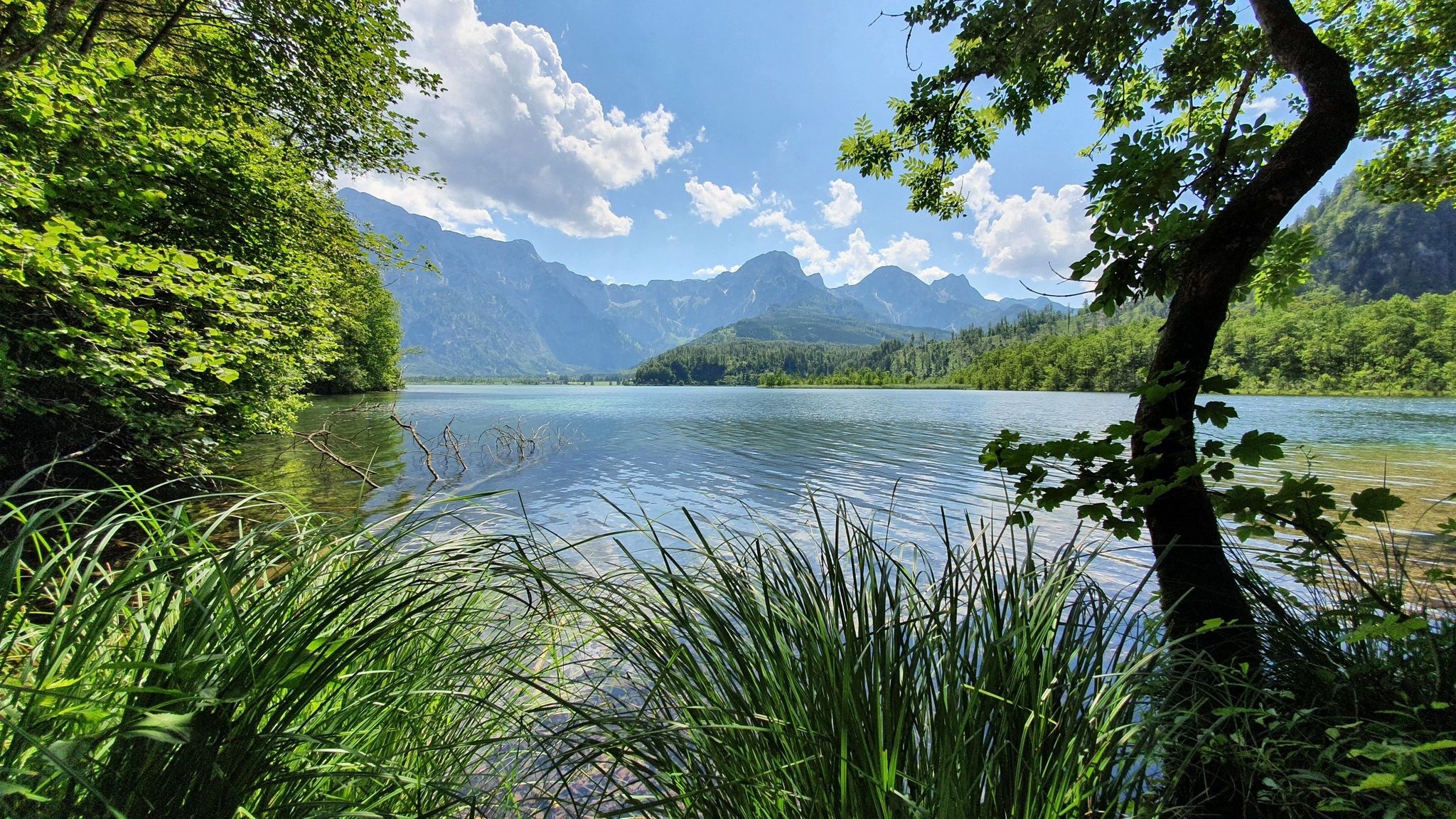
Voralpenweg 04 – From Vienna to Bad Reichenhall
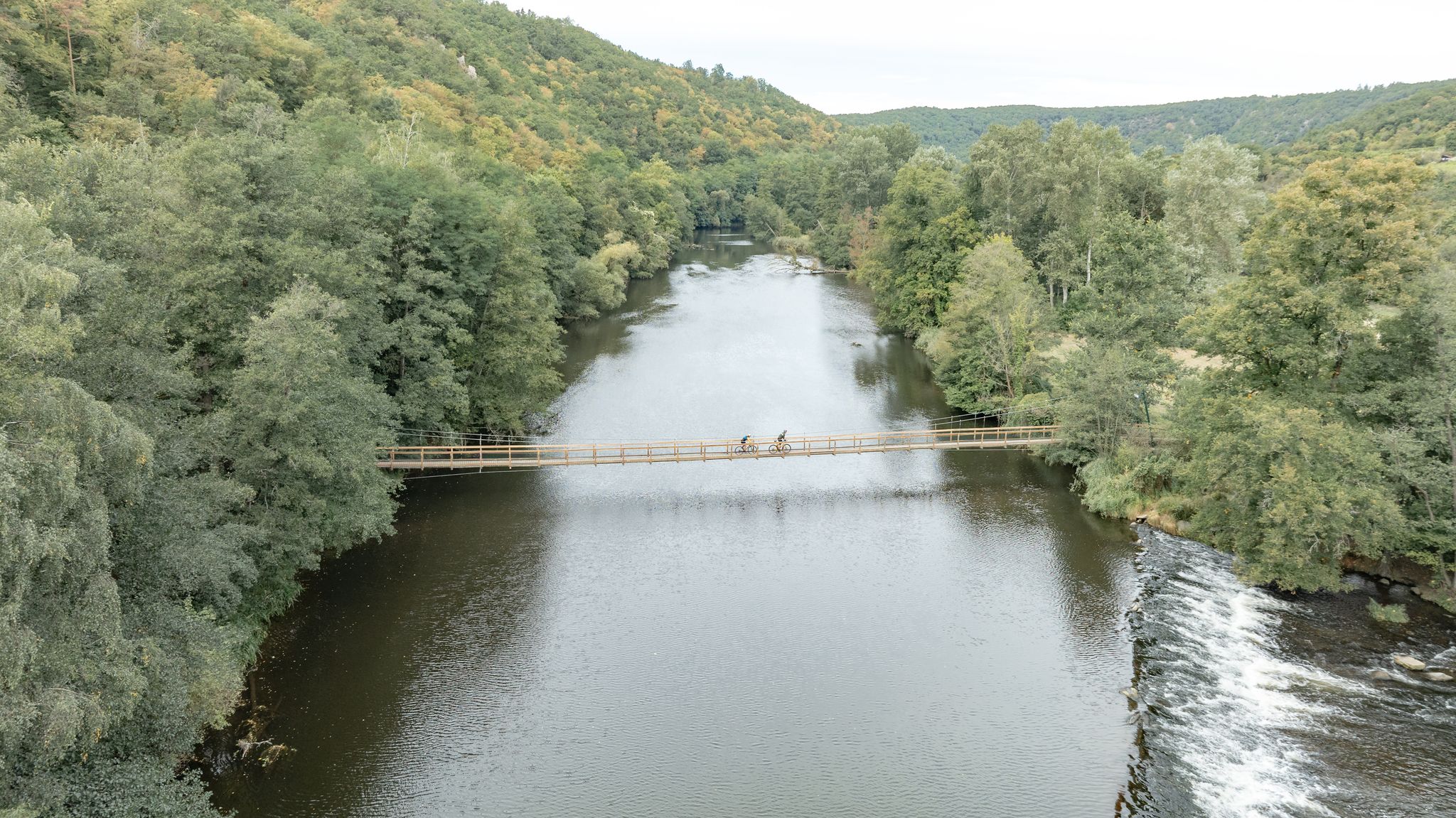
Long and short cycling Tours in the Waldviertel
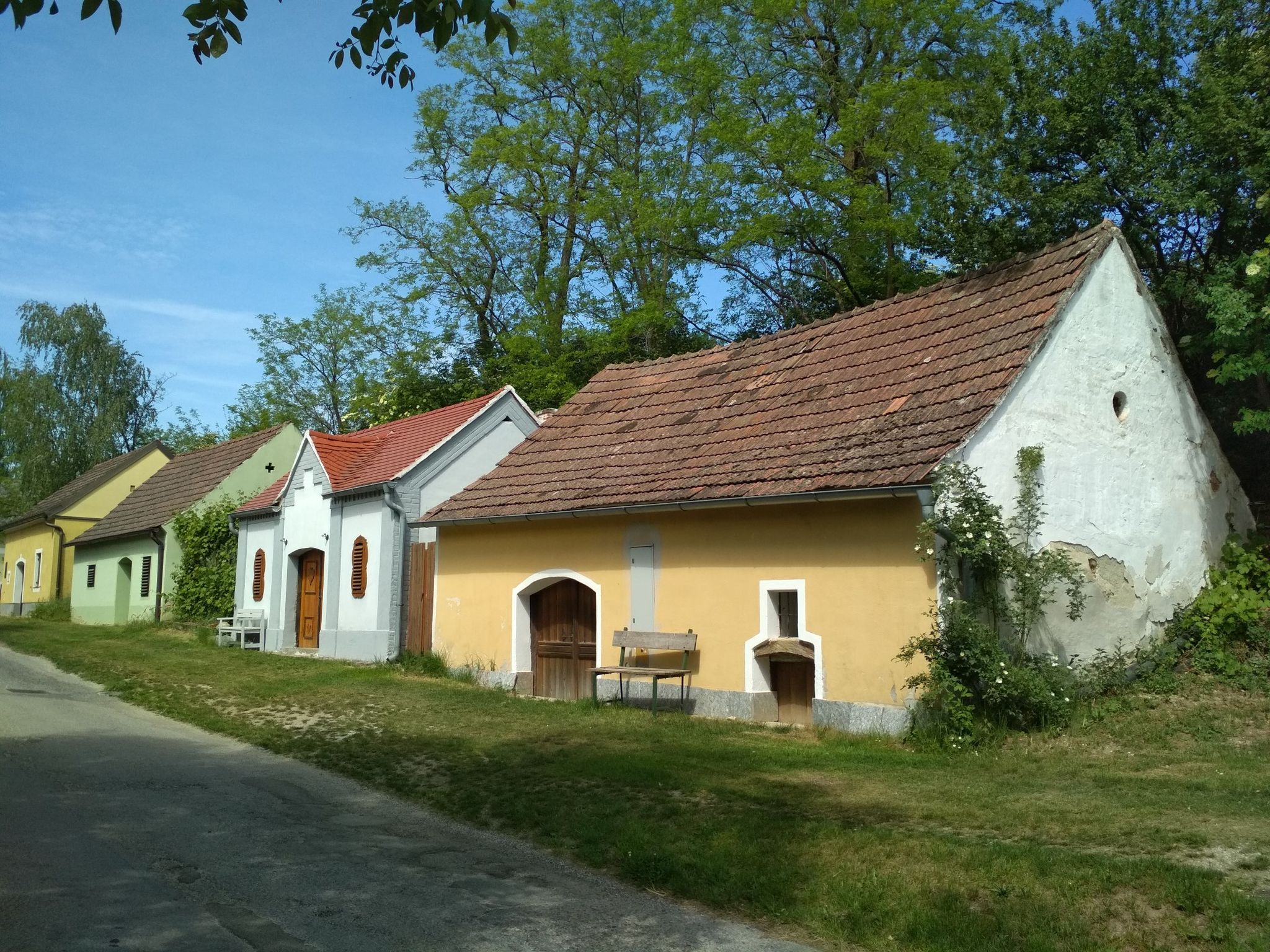
The most beautiful wine cellar lanes along the Jakobsweg Weinviertel
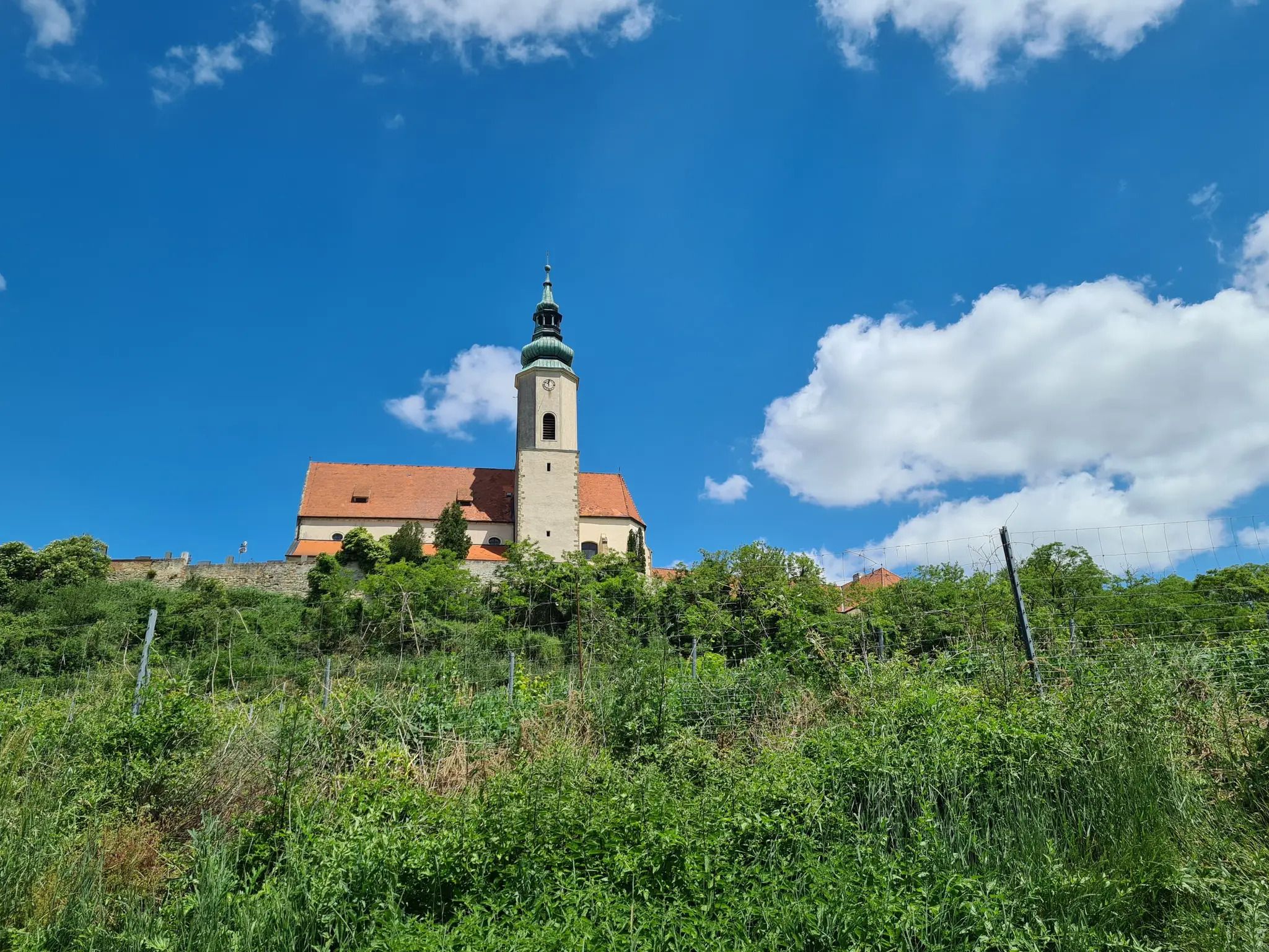
Jakobsweg Weinviertel
The most beautiful bathing spots around Vienna
The top tree top walks in the south
Die besten Orte der Stille
Die besten Orte der Inspiration
Die besten Orte für Genießer
Cycling around Bezirk Tulln
Other adventures around Bezirk Tulln


Tips from the Community

a very interesting renaturation project
0
0

This is Europe's first ecological garden show with over 70 show gardens. The treetop path is particularly popular, offering a great view over the Tullnerfeld.
0
0


The Greifenstein fish ladder is an ecological structure on the Danube in Lower Austria that restores more space for natural fish migration. It was built as part of the ecological restoration of the Greifenstein Danube power plant and allows fish to overcome the sections of the river separated by the power plant. The structure consists of a long series of pools that gradually equalize the difference in elevation between the upstream and downstream water. This allows numerous fish species – including huchen, barbel, and nase – to migrate through the Danube again in a natural way. The fish ladder is located directly on the Danube Cycle Path and can be reached via a short detour. From there, visitors can gain an interesting insight into the connection between energy production and nature conservation; information panels explain its operation and the migrating fish species. The structure is considered a successful example of ecological river restoration on the Austrian Danube.
0
0

Entertainment for the family 😄
1
0
The fish ladder or fish bypass at the Greifenstein power plant is an important ecological measure to ensure the continuity of the Danube for fish despite the hydroelectric power plant. Since the Greifenstein power plant interrupts the natural course of the river, a bypass channel was created that allows fish to bypass the power plant and migrate upstream. This fish bypass is considered to be one of the largest and most important in Austria. A popular destination for nature lovers and cyclists, as it is integrated into the network of Danube cycle paths.
1
0
The LIFE+ Traisen project was one of the largest renaturation projects in Austria and was implemented between 2009 and 2019. The aim was to transform the previously straightened lower reaches of the Traisen into a near-natural floodplain landscape. This resulted in a new, meandering river course with diverse bank structures and wetlands over a length of around 9.4 kilometers. This created valuable habitats for numerous animal and plant species, including endangered species. The implementation required extensive earthworks, in which large quantities of gravel and sediment were moved to create still waters and shallow water zones. The cost of the project was around 30 million euros and was financed by various public and private partners.
5
0
The city is a paradise for cyclists, with well-developed paths leading through green oases and along the Danube. In Tulln, trees are the focus of a unique initiative that highlights their beauty, importance and ecological functions. On this section you will find signposted trees with exciting information. The garden city creates a harmonious interplay of sustainability, nature and culture. With its focus on trees as "living works of art" and its bike-friendliness, Tulln is an ideal place for nature lovers and cyclists. Good thing!
4
0
Frequently Asked Questions
What are some unique natural features to explore in Bezirk Tulln?
Bezirk Tulln is known for its diverse natural features. You can explore the extensive Danube floodplains, which are part of the larger Donau-Auen National Park, offering a rich mosaic of habitats. Another unique feature is the Hanging Rock, an unusual stone formation believed to have served as a place of worship in Celtic times, featuring distinctive erosion patterns.
Are there family-friendly natural monuments in Bezirk Tulln?
Yes, several natural monuments in Bezirk Tulln are suitable for families. The Greifenstein Danube Oxbow is excellent for swimming and relaxing. The Nibelung Monument (Nibelungendenkmal), while man-made, is family-friendly and depicts a historical scene that children might find engaging. Additionally, the Biosphere Park Wienerwald offers natural spaces for family outings.
What kind of outdoor activities can I do near the natural monuments in Bezirk Tulln?
The region around Bezirk Tulln offers various outdoor activities. You can find numerous running trails, such as those around the Tulln Danube Bridge or the Nibelungen Monument. For cyclists, there are road cycling routes like the Danube Riverside Path. Easy hikes are also available, including routes near the Danube and Burg Greifenstein.
Where can I experience the Danube floodplains in Bezirk Tulln?
The Danube floodplains in Bezirk Tulln are part of the extensive Tullner Au, which is integrated into the larger Donau-Auen National Park. This area is a dynamic ecosystem with diverse forests, meadows, and oxbow lakes. You can explore this vibrant natural space for nature observation and hiking. For more official information about the national park, you can visit nationalparksaustria.at.
Are there any historical natural sites in the region?
Yes, the Agnesbründl spring, located on the Hermannskogel, holds significant historical and local importance. It has been revered as a 'fountain of youth' and is tied to local legends, including the veneration of Saint Agnes. While the original ancient beech tree is gone, the spring is encased in a small fountain house, offering a peaceful stop for hikers and a glimpse into local folklore.
What do visitors enjoy most about the natural monuments in Bezirk Tulln?
Visitors particularly enjoy the tranquility and natural beauty. Many appreciate the opportunity for swimming and relaxation at spots like the Greifenstein Danube Oxbow. The panoramic views from the Leopold Figl Observation Tower are also highly praised, offering clear vistas over the Tullnerfeld.
Can I see unique geological formations in Bezirk Tulln?
Yes, beyond the floodplains, Bezirk Tulln features unique geological formations. The Hanging Rock is a notable example, with its strange rock formations shaped by wind and water erosion. These sites often carry historical significance, believed to have been places of worship in ancient times.
Are there any notable trees protected as natural monuments?
Like many regions in Austria, Bezirk Tulln protects individual trees or groups of trees as natural monuments due to their age, size, rarity, or significance. While specific examples require consulting official lists, these often include ancient oaks, lindens, and plane trees, as well as distinctive Kopfweiden (Pollard Willows), recognized for their unique appearance and ecological value.
What is the significance of the Traisen River's mouth at the Danube?
The Mouth of the Traisen River at the Danube is a significant site for ecological restoration. After past river engineering altered its course, a large-scale renaturation project has created a new floodplain landscape. This project has restored habitats for numerous native animal species and is considered an impressive example of a recultivated river, offering a unique landscape to observe.
Where can I find a good viewpoint to appreciate the natural landscape?
The Leopold Figl Observation Tower provides an excellent vantage point. From its summit, you can enjoy a great panoramic view over the Tullnerfeld, making it a popular spot for appreciating the region's natural landscape.
What is the Fish Passage Greifenstein?
The Fish Passage Greifenstein (Tullnerfelder Danube Floodplains) is an important man-made structure designed to allow fish to bypass obstacles like dams, helping to maintain the ecological connectivity of the Danube and its floodplains. It's a key part of the conservation efforts in the region, ensuring the health of aquatic ecosystems.
Most popular routes around Bezirk Tulln
Most popular attractions around Bezirk Tulln

Get inspired with the komoot mobile app


Didn’t find what you were looking for?
Find even more amazing natural monuments around Bezirk Tulln by checking out the top Highlights region by region:
Explore more
Extend your search for the best caves by checking out these guides of the top ones around Bezirk Tulln:
