Top 20 Natural Monuments around Klaus
Natural monuments around Klaus, located in Vorarlberg, Austria, are situated in a region known for its diverse natural landscapes. The area offers a range of impressive natural wonders, from alpine highlands to unique geological formations. Visitors can explore various natural features, including mountain summits, viewpoints, and rock formations. This region provides opportunities for outdoor activities and appreciating nature.
Best natural monuments around Klaus
- The most popular natural monuments is Kirchle Rock Cathedral, a cave that features limestone formations and…
Last updated: June 24, 2026
Hohe Kugel summit (1,645 m)
Highlight • Summit
Translated by Google •
Tip by

Karren Viewing Platform
Highlight • Viewpoint
Translated by Google •
Tip by

Sign up now to discover places like this
Get recommendations on the best single tracks, peaks, & plenty of other exciting outdoor places.
Sign up for free
Hoher Freschen summit cross
Highlight • Summit
Translated by Google •
Tip by

Kirchle Rock Cathedral
Highlight • Cave
Translated by Google •
Tip by

Kapf summit cross and view over the Rhine Valley
Highlight • Summit
The Kapf is a 1153 m high mountain in the Bregenzerwald Mountains. It is located near the town of …
Translated by Google •
Tip by

Sign up for free to discover even more natural monuments around Klaus.
Sign up for free
Already have an account?
Start today with a free account
Your next adventure awaits.
Login or Signup
Tips from the Community

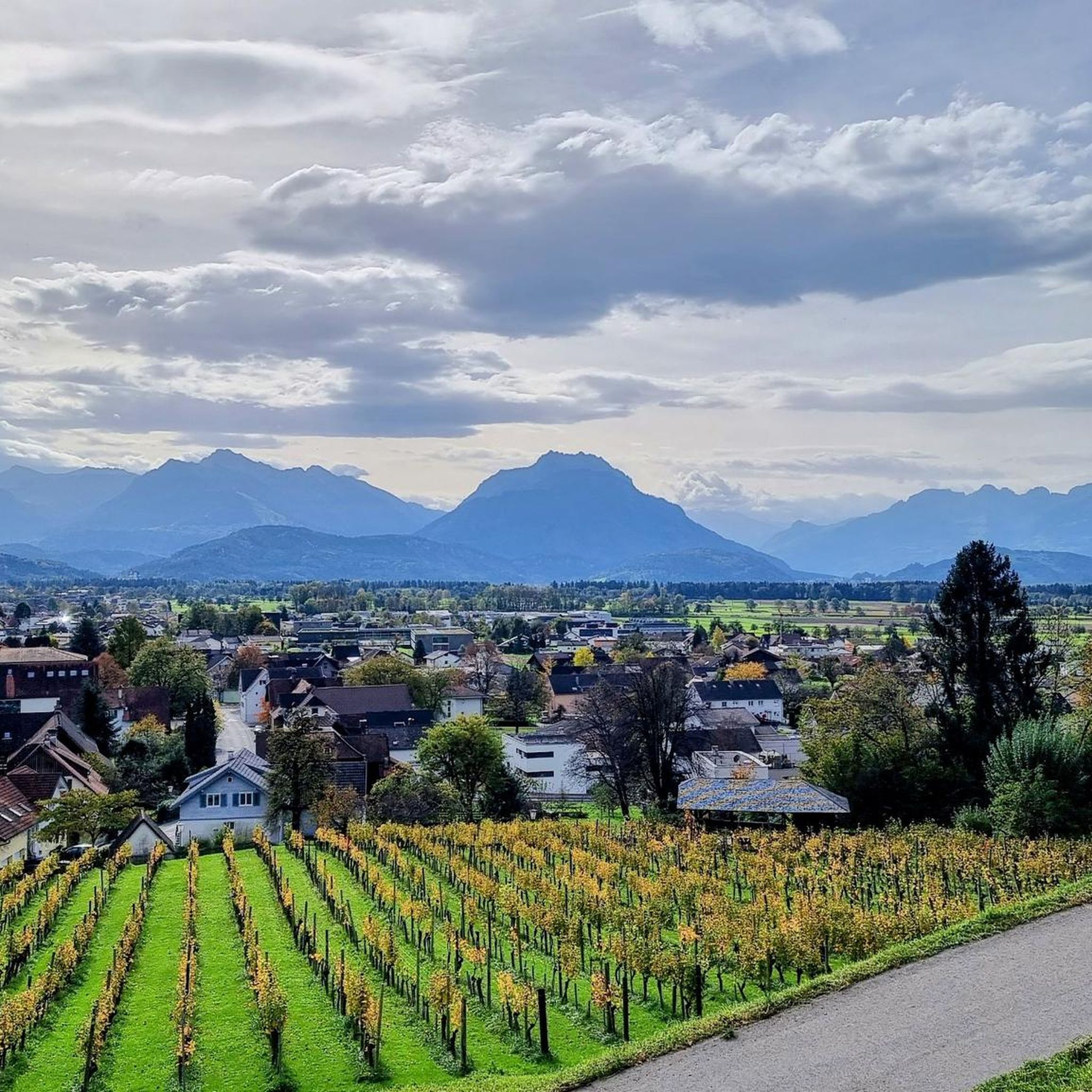
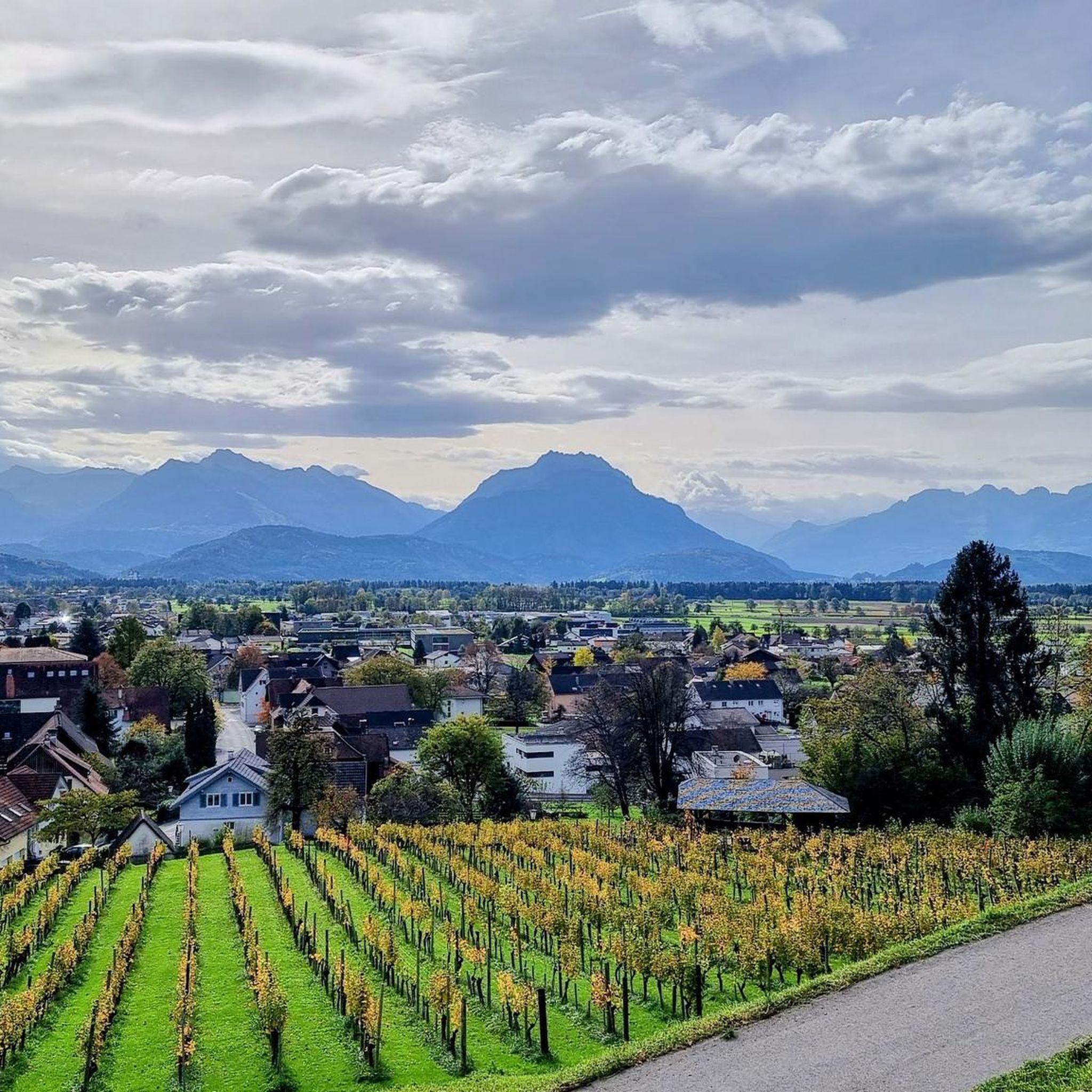
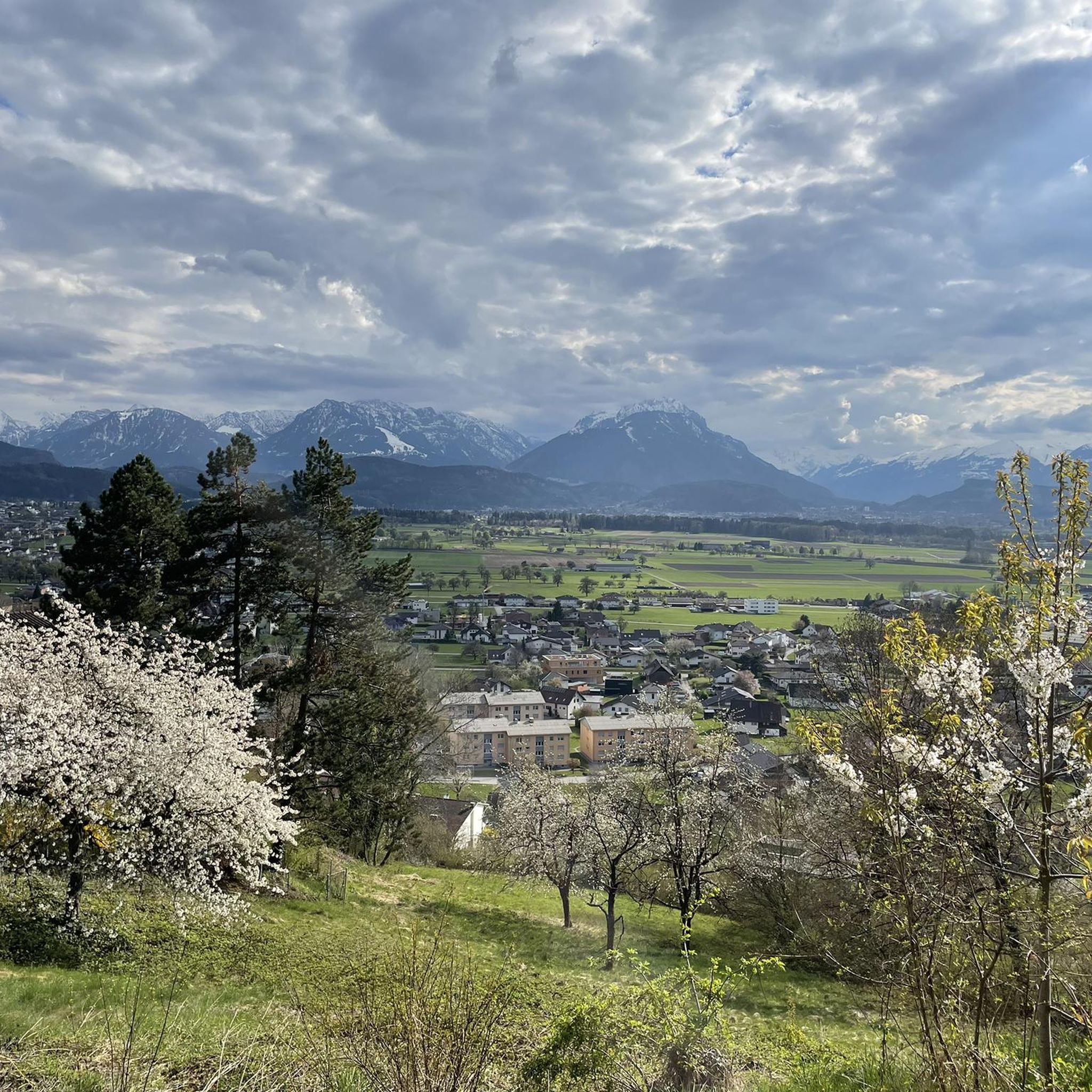
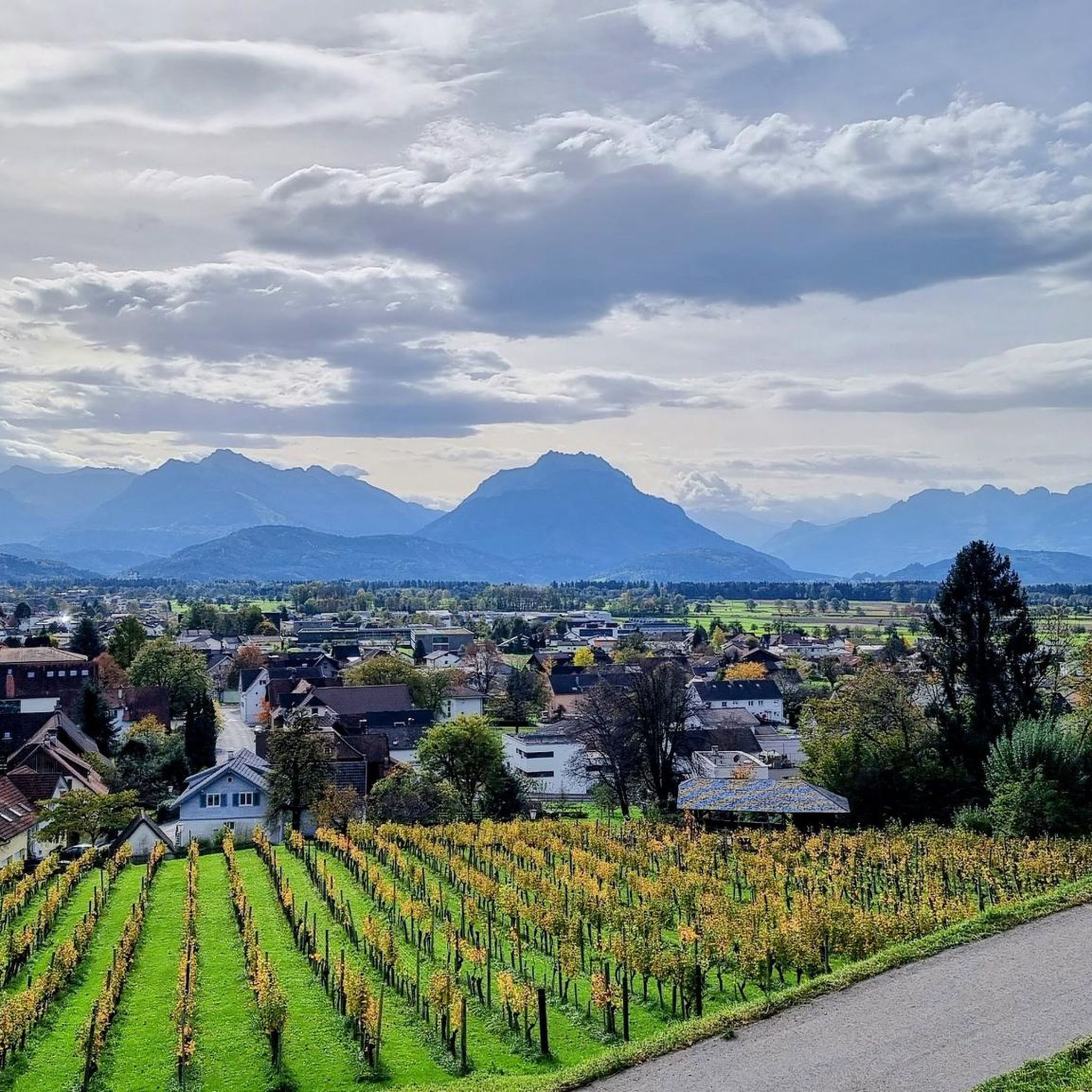
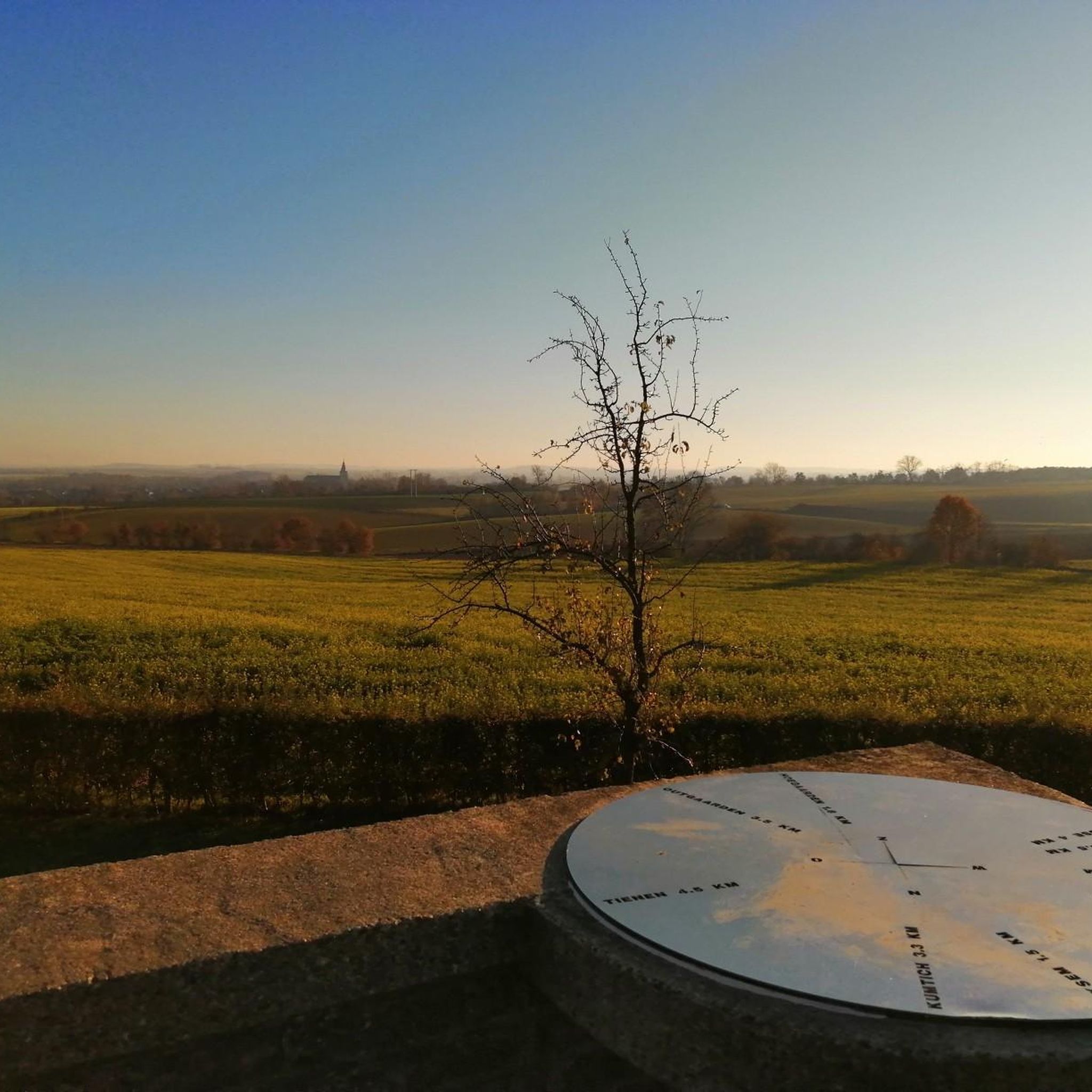
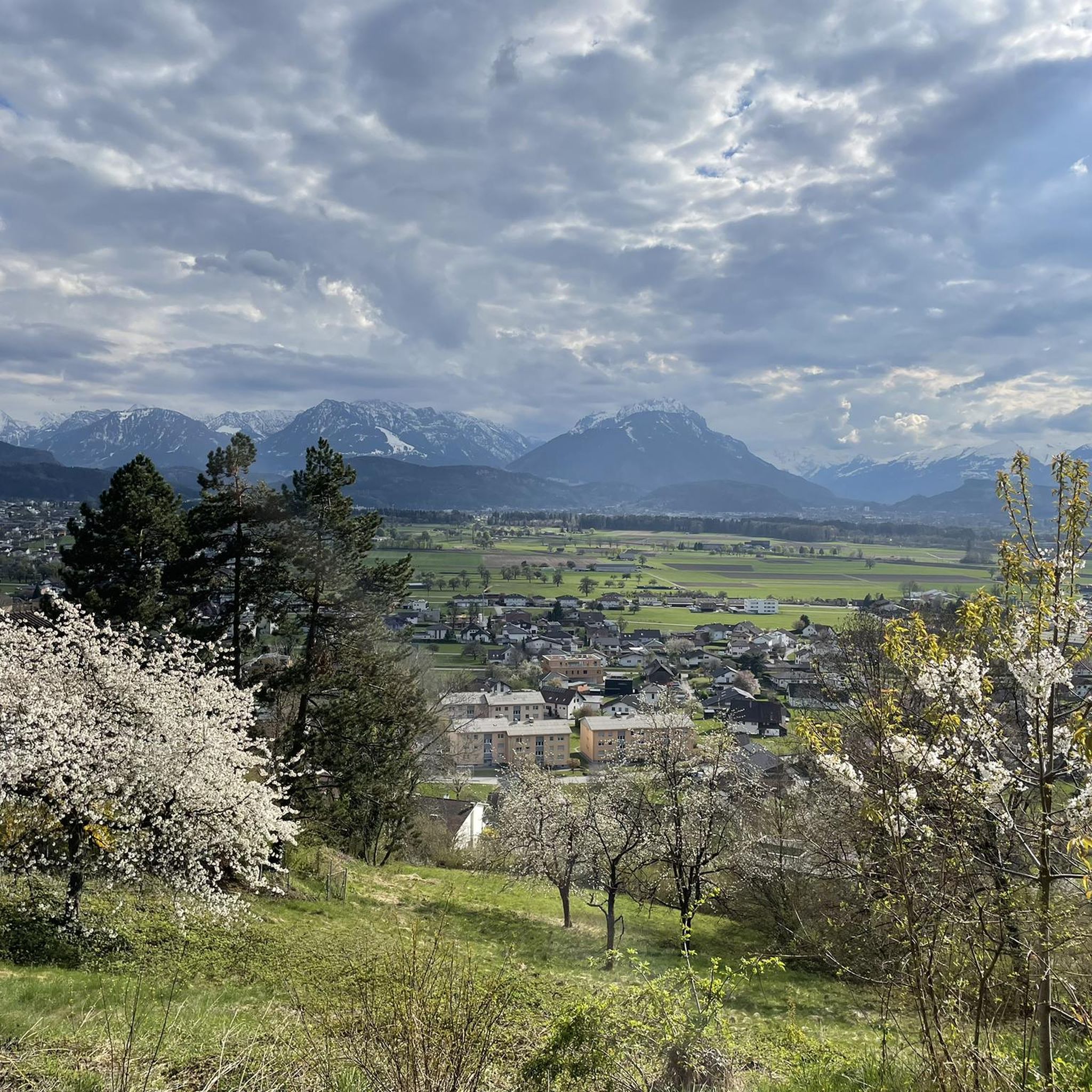
What a view from the Kapf, 1153 m above sea level. The Kapf is a 1153 m high mountain in the Bregenzerwald Mountains. It is located near the town of Hohenems. From the summit, there are views of the Rhine Valley and Lake Constance. It is located in the Hohe Kugel - Hoher Freschen - Mellental nature reserve. Source: https://de.m.wikipedia.org/wiki/Kapf_(Bregenzerwaldgebirge)
9
0

Always a great destination with a great view over the Rhine Valley 🥰
3
0

Fantastic 360° view from the Hohe Kugel of the mountains as well as the Rhine Valley and Lake Constance.
4
1

A beautiful place in the middle of nature
7
0

Always a nice tour, whether on foot or by bike. The wide and all-round view is really awesome. A sunrise on the globe is beautiful, it's worth getting up early.
3
1

Really worthwhile, the detour to the church. ☺️
7
0

Very impressive rock formation away from the many tourists who visit the Rappenloch Gorge.
9
0

Wonderful view. At the top you can also strengthen yourself in the restaurant. The descent is indicated on signs with 1 hour and 15 minutes. It took us a little less than an hour. Going up takes a little longer. According to Komoot, it was 510 meters in altitude and some sections are very steep. The cable car runs every 15 minutes from 9 a.m. to 11 p.m. (Sundays only until 9 p.m.).
4
0
Frequently Asked Questions
What are some unique geological features to explore around Klaus?
The region around Klaus offers several impressive geological formations. The Kirchle Rock Cathedral is a must-see, known for its limestone formations, unique acoustics, and a narrow passage between huge rocks. Additionally, the Bürser Gorge in the Brandnertal showcases wild beauty with a mountain stream carving through steep rock faces, creating a mystical atmosphere.
Which natural monuments near Klaus offer the best panoramic views?
For breathtaking panoramic views, consider visiting the Hohe Kugel summit (1,645 m), which provides a 360-degree vista of the surrounding region and neighboring countries. The Karren Viewing Platform also offers expansive views of the Rhine Valley and Lake Constance. Another excellent spot is the Kapf summit cross, which provides stunning views over the Rhine Valley and Lake Constance from its 1153 m elevation.
Are there family-friendly natural monuments around Klaus?
Yes, several natural monuments are suitable for families. The Karren Viewing Platform is generally considered family-friendly, accessible via a mountain railway, and offers great views. The Kapf summit cross is also noted as family-friendly, with paths that can be reached by less strenuous routes from places like Millrütte.
What kind of outdoor activities can I do near the natural monuments around Klaus?
The region around Klaus is ideal for various outdoor activities. You can find numerous running trails, mountain hikes, and general hiking routes. For example, there are several running loops from Klaus, including the Frutz River Cycle Path loop. Mountain hiking options include routes to the Hohe Kugel Summit. You can explore more options on the Running Trails around Klaus, Mountain Hikes around Klaus, and Hiking around Klaus guide pages.
What do visitors enjoy most about the natural monuments around Klaus?
Visitors particularly appreciate the stunning panoramic views from summits like Hohe Kugel and Hoher Freschen, often highlighting the vistas over Lake Constance and the Rhine Valley. The unique atmosphere and geological formations of places like the Kirchle Rock Cathedral are also highly praised for their natural beauty and acoustics.
Are there any natural lakes or water features to visit near Klaus?
Yes, the broader Vorarlberg region, accessible from Klaus, features several beautiful water bodies. Lünersee Lake, often called the 'turquoise gem of the Rätikon mountains,' is a stunning mountain lake. Wiegensee Lake is another natural monument with a protected upland moor, offering impressive views of the surrounding Silvretta and Verwall mountains.
What are some challenging hiking trails to natural monuments near Klaus?
For those seeking a challenge, the 'root path' leading to the top of the Staufen peak from the Karren Viewing Platform offers an exciting and rather challenging experience through a mountain forest. The approach to the Hoher Freschen summit cross via the Binnelgrat or Valüragrat is also recommended only for experienced mountaineers who are comfortable with heights.
Can I find any historical or cultural significance at the natural monuments around Klaus?
While the focus is on natural beauty, some areas have historical context. The 'Steinernes Meer' (Stony Sea) in the Arlberg region is a geological wonderland with 200-million-year-old fossils, offering a journey into Earth's history. The Tschengla high plateau in Bürserberg combines nature with history, featuring fascinating stone circles.
What kind of wildlife can I expect to see around the natural monuments?
The diverse landscapes of Vorarlberg, from alpine highlands to forests and meadows, support a variety of wildlife. While specific sightings depend on the location and season, you might encounter various bird species, marmots in higher alpine areas, and other small mammals. The protected areas are vital habitats for numerous animal and plant species.
Are there any natural monuments suitable for beginners or easy hikes near Klaus?
For easier excursions, the areas around the Karren Viewing Platform, once reached by cable car, offer accessible paths with great views. The Kapf summit cross can also be reached via harmless forest and meadow paths from Millrütte in about 30 minutes, making it suitable for less strenuous walks.
What is the best time of year to visit the natural monuments around Klaus?
The best time to visit largely depends on the activity. Spring and summer (May to September) are ideal for hiking and enjoying the lush greenery and blooming flora. Autumn offers spectacular fall colors and generally stable weather. Winter provides opportunities for snowshoeing or winter hiking in certain areas, though some higher-altitude paths may be inaccessible due to snow.
Most popular routes around Klaus
Most popular attractions around Klaus

Get inspired with the komoot mobile app


Explore more
Extend your search for the best caves by checking out these guides of the top ones around Klaus:
