Top 14 Natural Monuments around Bad Hall
Best natural monuments around Bad Hall include unique geological features and historical sites. This market town in Upper Austria is known for its therapeutic iodine-brine springs and the expansive Kurpark. The region offers a blend of natural beauty and cultural heritage, providing diverse opportunities for exploration.
Best natural monuments around Bad Hall
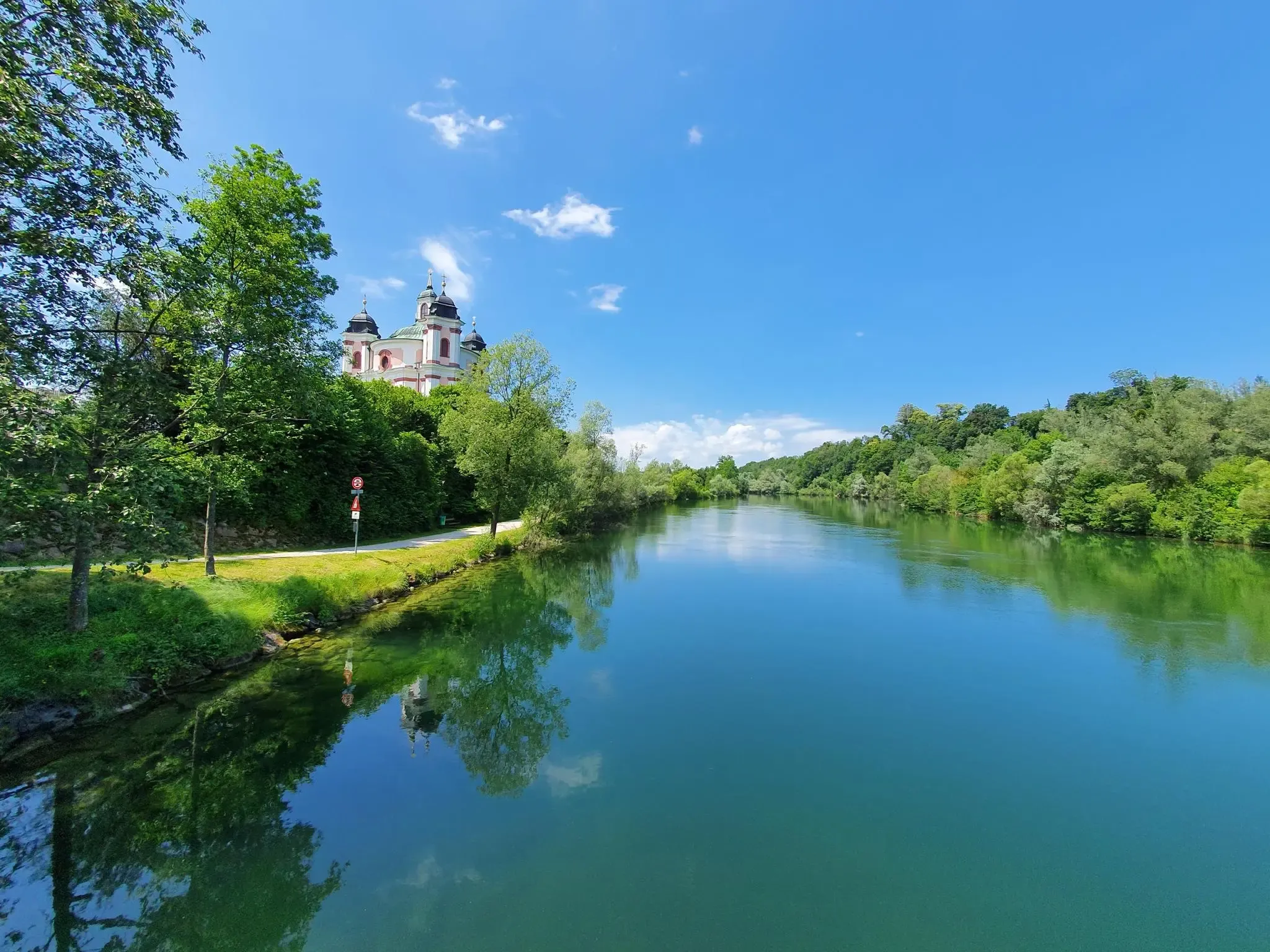
- The most popular natural monuments is Ennsufer Trail from Ternberg to Dürnbach, a trail that leads along the Enns shore, featuring the Fallerbucht, a lagoon with a…
Last updated: June 24, 2026
Ennsufer Trail from Ternberg to Dürnbach
Highlight (Segment) • Trail
Translated by Google •
Tip by

Baum Mitten in der Welt Observation Tower
Highlight • Viewpoint
Translated by Google •
Tip by

Sign up now to discover places like this
Get recommendations on the best single tracks, peaks, & plenty of other exciting outdoor places.
Sign up for free
Tassilo Spring (Oldest Iodine Brine Spring in Bad Hall)
Highlight • Natural Monument
Translated by Google •
Tip by

Teufelshöhlen Kremsmünster
Highlight • Cave
Translated by Google •
Tip by
Middle Schacherteich
Highlight • Lake
Translated by Google •
Tip by

Sign up for free to discover even more natural monuments around Bad Hall.
Sign up for free
Already have an account?
Start today with a free account
Your next adventure awaits.
Login or Signup
Other adventures around Bad Hall

Tips from the Community

We combined the medium and small Schacherteich loops (photo). Recommended. 15 km.
2
0

Beautiful iodine brine spring. Always worth a visit. Oldest spring.
0
1

The iodine brine spring was mentioned in the founding charter of the Kremsmünster monastery in 777
0
1

Bam in the middle of the world
0
1

The panoramic spot "Tree in the middle of the world" offers a magnificent view of the Northern Limestone Alps from its observation tower. Really worth seeing😍👍🏻
1
1

During my visit I almost had to hold on to the tower. The foehn storm was extremely strong.
1
1

The Tassilo spring at the spa gardens is the oldest iodine brine source in Bad Hall and was already mentioned in the founding document of the Kremsmünster monastery from 777. The spring formed the basis for the first spa.
1
1
Always worth a trip.😍
1
1
Frequently Asked Questions
What unique natural features can I find among Bad Hall's natural monuments?
Bad Hall is home to several distinctive natural features. The most prominent is the 28-stemmed Giant Arborvitae in the Kurpark, a remarkable tree with a unique multi-stemmed growth. Within the same park, you can also experience the Gradiergrotte, Austria's only open-air inhalatorium, offering health benefits from saline air derived from the region's famous iodine-brine springs. Additionally, the Ennsufer Trail from Ternberg to Dürnbach features the Fallerbucht, a lagoon with a waterfall.
Are there any historical natural monuments in Bad Hall?
Yes, Bad Hall has natural monuments with significant historical context. The Tassilo Spring is the oldest iodine brine source in Bad Hall, mentioned in documents as early as 777 AD, and was fundamental to the town's spa operations. The 28-stemmed Giant Arborvitae in the Kurpark is also believed to be a remnant of Bad Hall's former cemetery, adding a layer of history to its natural beauty.
Are there family-friendly natural monuments to visit in Bad Hall?
Absolutely. The Tassilo Spring and the Baum Mitten in der Welt Observation Tower are both categorized as family-friendly. The expansive Kurpark, where the Giant Arborvitae is located, also offers walking paths and playgrounds, making it suitable for families. The Schacherteiche Nature Reserve is another excellent option for families, providing opportunities for gentle walks and wildlife observation.
What kind of views can I expect from natural monuments in the area?
For panoramic views, the Baum Mitten in der Welt Observation Tower offers wide vistas stretching from the Alps to the Bohemian border. The Schacherteiche Nature Reserve also provides scenic viewpoints over the lakes and surrounding forest. Even along the Ennsufer Trail, you'll find varied terrain and scenic river views.
What outdoor activities can I do near these natural monuments?
The Bad Hall region offers a variety of outdoor activities. You can explore numerous hiking trails, such as the 'Eurotherme Bad Hall – Tempeltal Cave and Waterfall loop' or the 'Landesvilla – Eurotherme Bad Hall loop'. For running enthusiasts, there are routes like the 'Bad Hall Spa Park loop'. Cycling is also popular, with options like the 'View of Schloss Achleiten – Kremsmünster Abbey loop'. You can find more details on these activities in the hiking guide, running guide, and cycling guide for Bad Hall.
Are there any nature reserves or protected areas near Bad Hall?
Yes, the Schacherteiche Nature Reserve (Lower Traun) is located near Bad Hall. This area is designated as a bird sanctuary of European importance, featuring the Traun river, alluvial forests, and a diverse cultural landscape that serves as a habitat for many rare species. It's an ideal spot for nature observation and tranquil walks.
What do visitors enjoy most about the natural monuments in Bad Hall?
Visitors frequently appreciate the tranquility and natural beauty. For instance, the Ennsufer Trail is loved for its varied terrain and scenic views, with the Fallerbucht waterfall being a highlight. The Tassilo Spring is valued for its historical significance and pleasant walking paths in the spa park. The Baum Mitten in der Welt Observation Tower is praised for its expansive views. Overall, the combination of natural wonders, historical context, and peaceful environments makes these sites highly enjoyable.
Can I visit any caves or unique rock formations in the Bad Hall area?
Yes, the Teufelshöhlen Kremsmünster (Devil's Caves) offer a fascinating natural monument experience. These caves are washed out of conglomerate rock and are particularly worth seeing in winter for their ice formations. In summer, you can still explore the unique rock structures, though be aware that many spiders may be present.
What is the best time to visit the natural monuments around Bad Hall?
Many natural monuments in Bad Hall, such as the Kurpark and the Ennsufer Trail, can be enjoyed year-round. The Ennsufer Trail is described as 'an experience in every season'. The Teufelshöhlen Kremsmünster are especially notable in winter for their ice formations. The diverse flora of the Kurpark makes it appealing from spring through autumn. Ultimately, the 'best' time depends on your preferred activities and the specific natural features you wish to experience.
How accessible are the natural monuments for visitors?
Many natural monuments in Bad Hall are easily accessible. The 28-stemmed Giant Arborvitae and the Gradiergrotte are located within the publicly accessible Kurpark. The Tassilo Spring is also within the spa gardens, offering easy walking paths. While some trails, like parts of the Ennsufer Trail, may require sure-footedness, many areas are suitable for general visitors and families.
Are there opportunities for wildlife observation near Bad Hall's natural monuments?
Yes, the Schacherteiche Nature Reserve (Lower Traun) is an excellent spot for wildlife observation. It is designated as a bird sanctuary of European importance, providing habitats for numerous rare species. The alluvial forests and lakes within the reserve offer great opportunities to observe local fauna.
Most popular routes around Bad Hall
Most popular attractions around Bad Hall

Get inspired with the komoot mobile app


Explore more
Extend your search for the best caves by checking out these guides of the top ones around Bad Hall:
