Top 20 Natural Monuments around Suhl
Best natural monuments around Suhl are found within the Thuringian Forest, a region known for its diverse natural features. Suhl is situated at the edge of this forest, providing numerous opportunities to experience nature. The area offers a variety of natural attractions, including prominent viewpoints, serene lakes, and extensive forest trails. These features contribute to the region's appeal for outdoor activities.
Best natural monuments around Suhl
- The most popular natural monuments is Highest Point of the Rennsteig, a summit…
Last updated: October 10, 2026
Highest Point of the Rennsteig
Highlight • Summit
Translated by Google •
Tip by

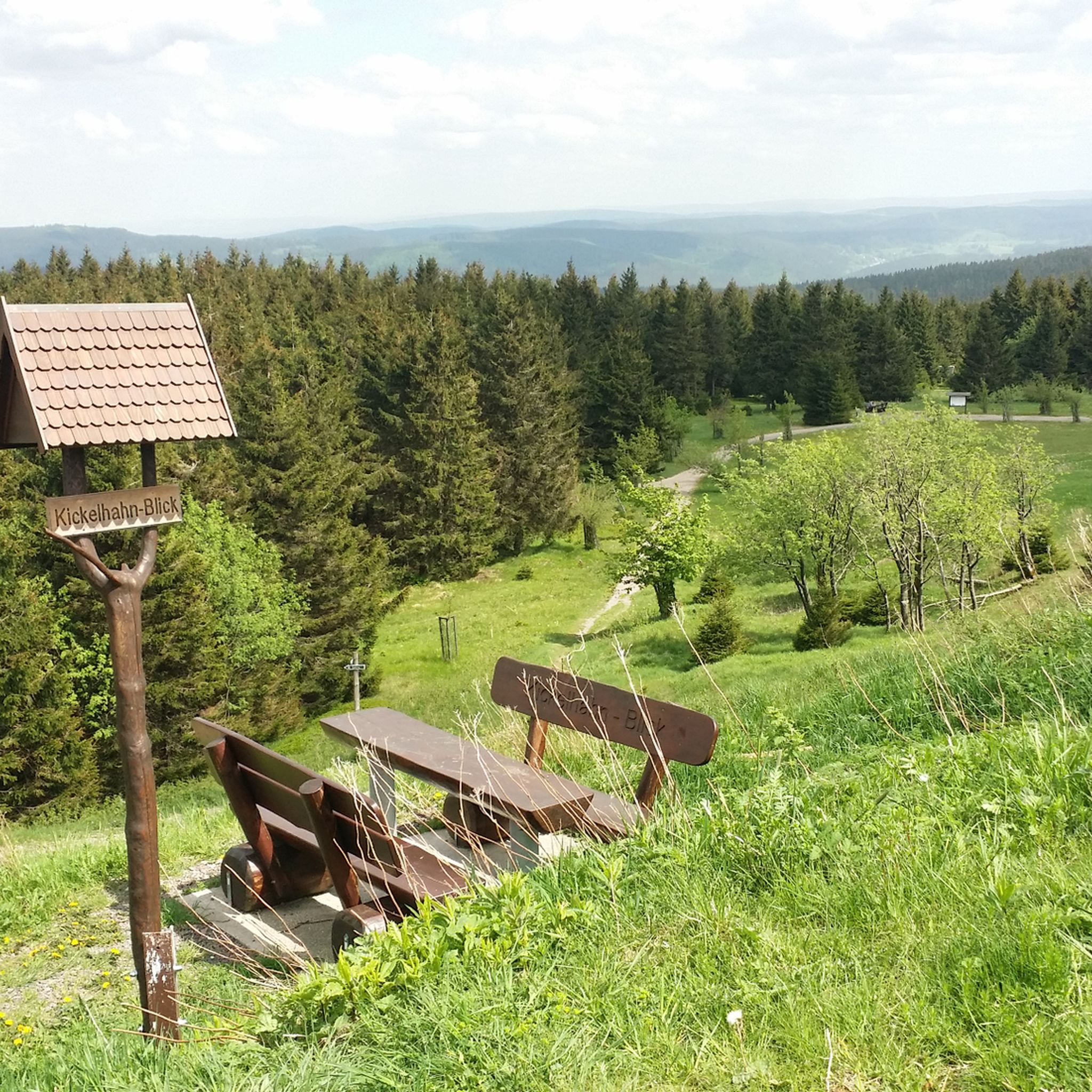
Plänckner's viewpoint (Großer Beerberg)
Highlight • Viewpoint
Translated by Google •
Tip by

Sign up now to discover places like this
Get recommendations on the best single tracks, peaks, & plenty of other exciting outdoor places.
Rosenkopf (938 m) – Boundary Stones on the Rennsteig
Highlight • Historical Site
Translated by Google •
Tip by

Ten Ponds
Highlight • Lake
Translated by Google •
Tip by

Vesser Spring
Highlight • Natural Monument
Translated by Google •
Tip by

Dreisbachteich
Highlight • Lake
Translated by Google •
Tip by
Beerberg Moor
Highlight • Natural
Translated by Google •
Tip by

Fichtenkopf (944 m)
Highlight • Summit
Translated by Google •
Tip by

Herbert Roth monument at Borstenplatz
Highlight • Monument
Translated by Google •
Tip by

Vessertal Primeval Forest Trail
Highlight (Segment) • Trail
Translated by Google •
Tip by

Sign up for free to discover even more natural monuments around Suhl.
Already have an account?
Start today with a free account
Your next adventure awaits.
Popular around Suhl
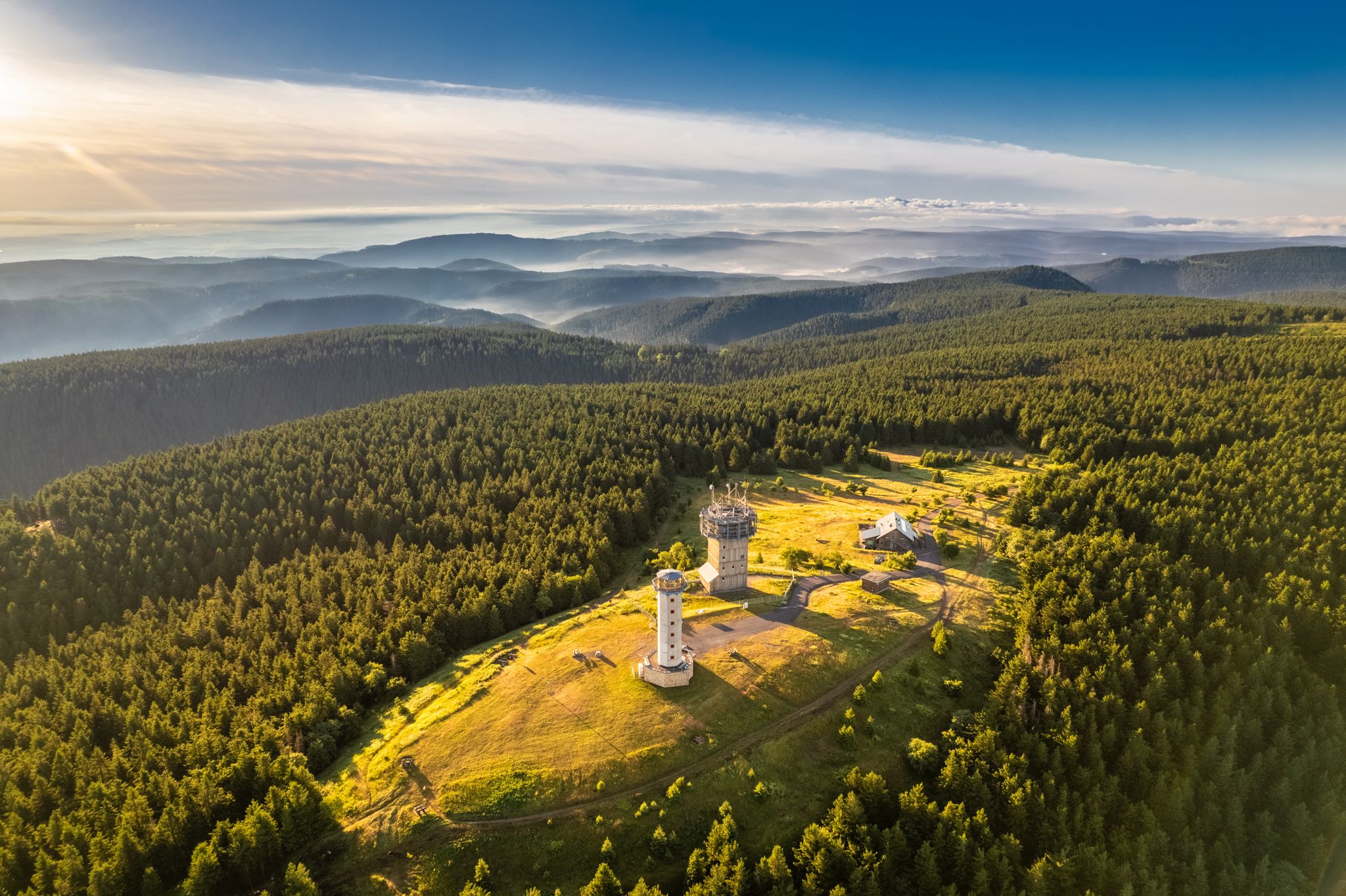
Forest, vastness and water – day trips in the Thuringian Forest
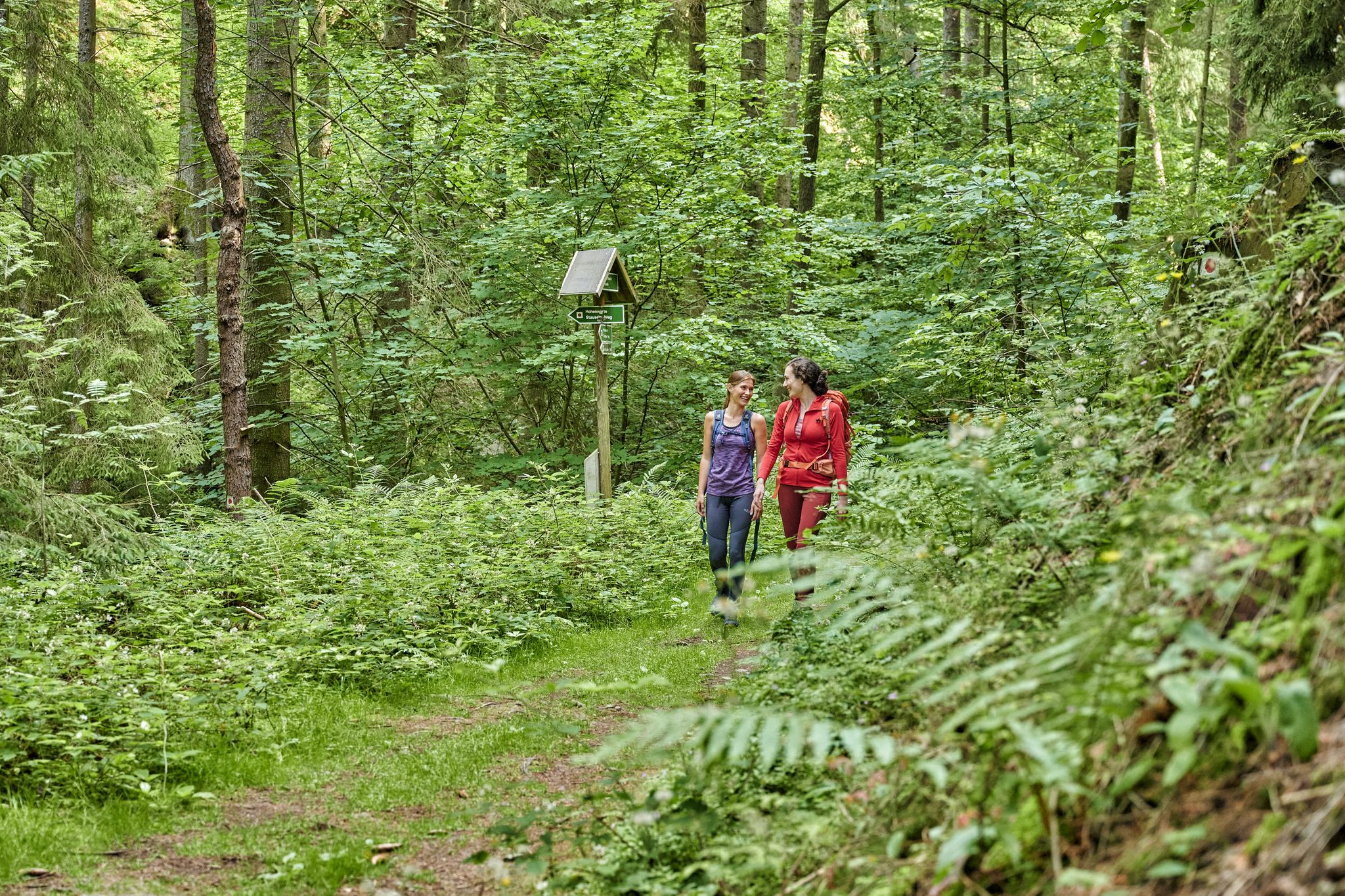
Long distance hiking trails in the Thuringian Forest
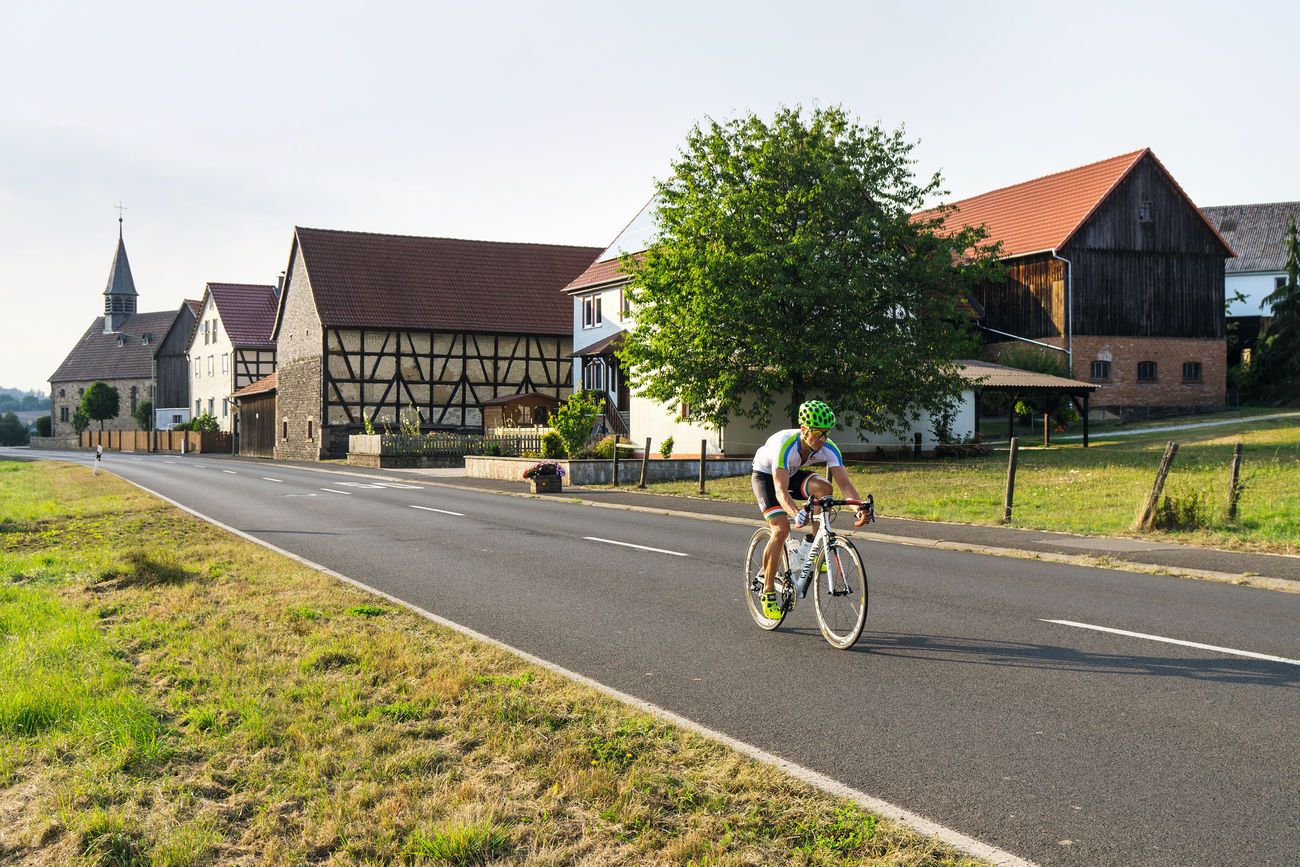
Germany Crossing: In eight days from Trier to Görlitz
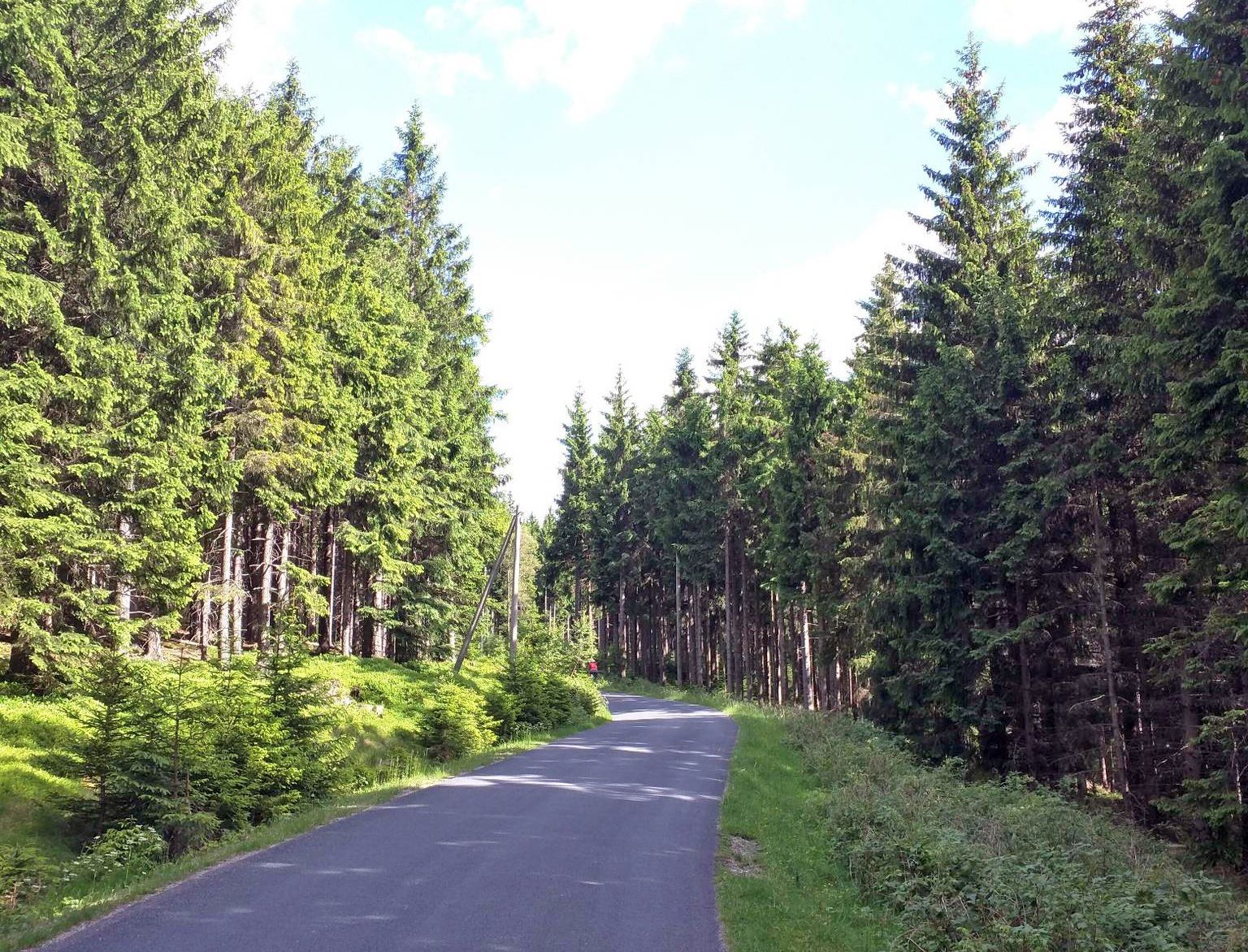
From Rennsteig to Unstrut - the Gera cycle path in 2 stages
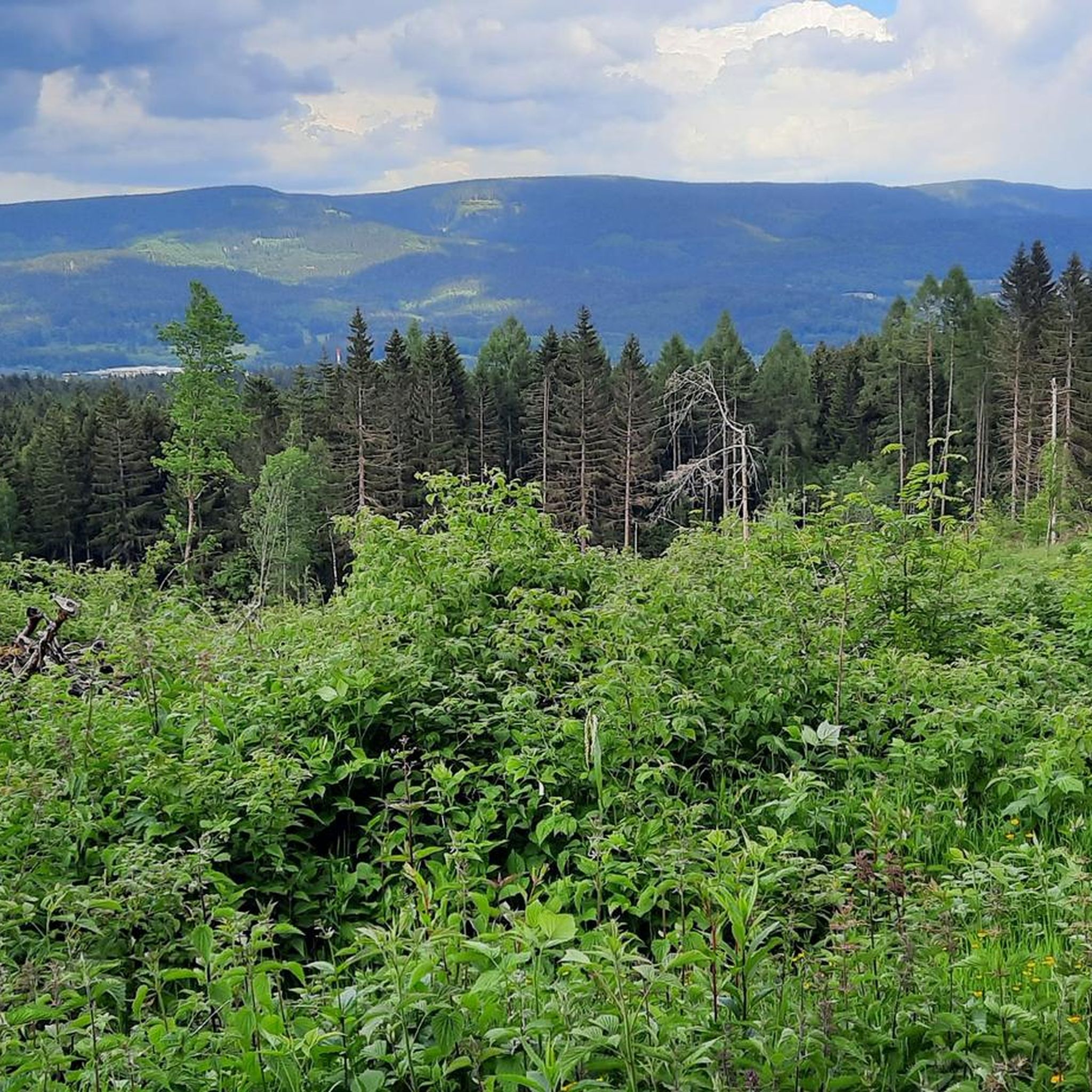
Hiking around Suhl
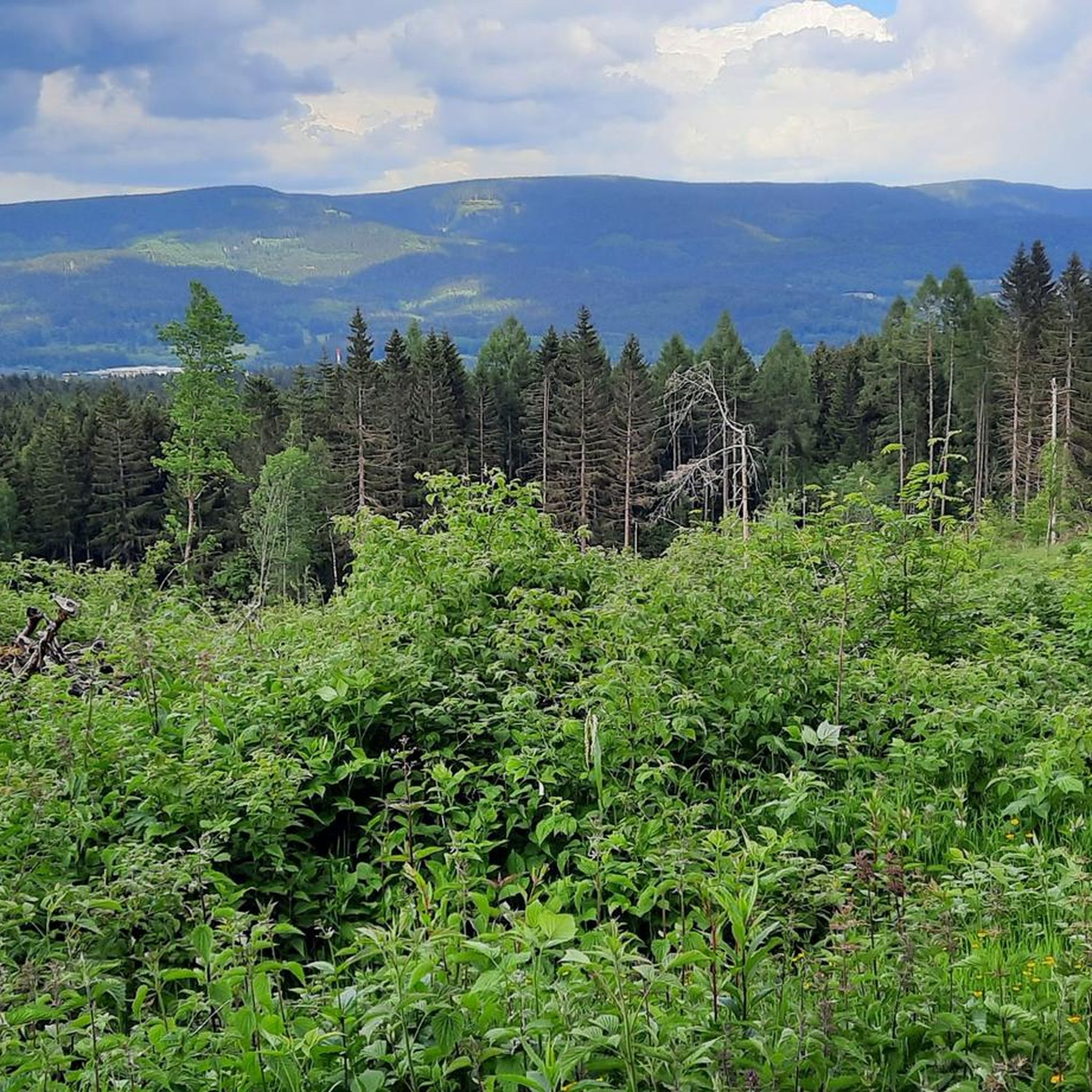
Cycling around Suhl
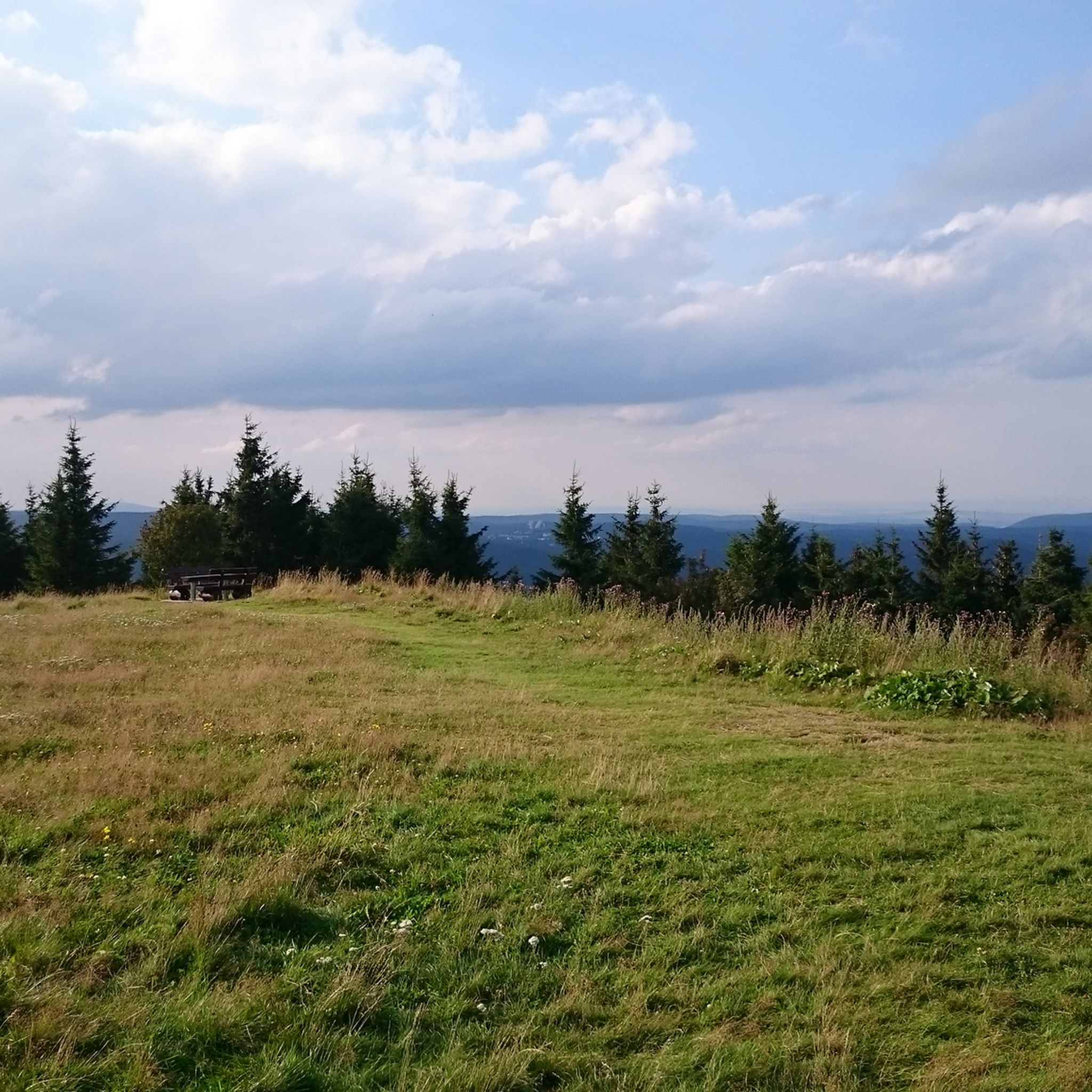
Running Trails around Suhl
MTB Trails around Suhl
Road Cycling Routes around Suhl

Gravel biking around Suhl
Other adventures around Suhl


Tips from the Community

The Beerbergmoor is an approximately 12.5-hectare, around 3,000-year-old raised bog on the northern slope of the 983-meter-high Großer Beerberg. It lies in the heart of the Thuringian Forest, directly on the famous Rennsteig (between Schmücke and Oberhof) and is a strictly protected core zone under nature conservation.
5
0
Historical boundary stone and information board about the boundary stones on the Rennsteig or Am Rosenkopf at 938m. Since the Rennsteig ran as a natural ridge for long stretches, it was used for centuries as a clear dividing line between various duchies and sovereign territories. On the Rosenkopf, numerous well-preserved boundary stones, which are under monument protection, still bear witness to this today. The stones in this section marked, among other things, the borders between the Duchy of Saxe-Meiningen and the Principality of Schwarzburg. They feature historical stonework such as the Saxon Rautenkranz or Schwarzburg fork depictions.
10
0

The Thuringian Forest is simply stunningly beautiful 😊.
1
0

With a summit book, Easter, and Christmas tree all at once. Depending on the event, you just look at the one suitable tree.
2
0

A beautiful piece of earth
3
0

Beautiful raised moor on the Rennsteigweg
3
0

Beautiful raised rain moor on the highest mountain in Thuringia.
8
0

At 982.9 m above sea level, the Großer Beerberg is the highest elevation in the Thuringian Forest and Thuringia. It is located between the three Suhl districts of Heidersbach, Goldlauter, and Gehlberg. The mountain is composed of Rotliegend rock from the Oberhof Formation, a volcanically formed rhyolite (quartz porphyry) that emerged from the surrounding sediments approximately 280 to 295 million years ago. After uplift, it was exposed as a hard rock from the surrounding sediments. (Source: Wikipedia)
4
0
Frequently Asked Questions
What are some prominent natural viewpoints around Suhl?
The region offers several breathtaking viewpoints. Plänckner's viewpoint (Großer Beerberg) is particularly notable, offering expansive views over Suhl and the surrounding Thuringian Forest. It's considered one of the highest and most scenic vantage points directly on the Rennsteig. Another significant spot is the Highest Point of the Rennsteig, which, while less about a panoramic view, marks a significant location on Germany's oldest long-distance hiking trail and is a popular photo opportunity.
Are there family-friendly natural attractions in the Suhl area?
Yes, many natural attractions around Suhl are suitable for families. The Dreisbachteich is a beautiful, idyllic pond perfect for walks and bike rides. The Vesser Spring offers an idyllic setting for a gentle outing. Additionally, the Suhler Wildpark (Wildlife Park) provides a chance for close encounters with native wildlife in a safe and educational environment, making it a great family destination.
What kind of wildlife can I expect to see near Suhl's natural monuments?
The Thuringian Forest, which surrounds Suhl, is rich in biodiversity. You might encounter deer, wild boars, and various bird species. The Suhler Wildpark specifically offers opportunities to observe native wildlife up close. Exploring areas like the Biosphere Reserve Vessertal-Thuringian Forest increases your chances of spotting local fauna in their natural habitat.
Can I hike along the famous Rennsteig trail near Suhl?
Absolutely. The Rennsteig, Germany's oldest and most famous long-distance hiking trail, runs through the Thuringian Forest near Suhl. It offers an immersive natural experience, including opportunities to see raised bogs and enjoy panoramic views from high points like Plänckner's viewpoint (Großer Beerberg). You can find various hiking routes that incorporate sections of the Rennsteig in the region.
Are there any tranquil lakes or ponds to visit around Suhl?
Yes, the region features serene water bodies perfect for relaxation. The Dreisbachteich is an idyllic pond accessible for walks and bike rides. Another peaceful spot is Ten Ponds, a terraced series of ponds with a refuge nearby, inviting visitors to linger and enjoy the cool, refreshing environment.
What are some easy hiking options near Suhl's natural monuments?
For easy hikes, you can explore routes like the Lautenberg Trail, which is known for its picturesque views and serene environment, making it an excellent choice for beginners. You can also find several easy hiking routes around Suhl, such as the 'Teufelskanzel (Devil's Pulpit) Viewpoint – Gera Valley Viewpoint loop' or the 'Bench with a view of Goldlauter – View of Suhl loop'. More options are available on the Easy hikes around Suhl guide.
What is the best time of year to visit the natural monuments around Suhl?
The Thuringian Forest offers beauty year-round. Spring brings wildflowers, summer provides lush greenery and pleasant temperatures for hiking, and autumn is vibrant with changing leaf colors. Winter offers a quiet, snow-covered stillness, ideal for those who enjoy winter hiking. The best time depends on your preferred activities and scenery.
Are there any historical natural monuments in the region?
While the focus is on natural features, some sites blend natural beauty with historical significance. For instance, Rosenkopf (938 m) – Boundary Stones on the Rennsteig combines a summit experience with historical boundary markers along the ancient Rennsteig trail, offering a glimpse into the region's past.
Are dogs allowed on trails around Suhl's natural monuments?
Generally, dogs are welcome on trails in the Thuringian Forest, but it's always advisable to keep them on a leash, especially in nature reserves or areas with wildlife. Specific regulations may apply to certain protected areas, so checking local signage is recommended.
Where can I find refreshments or accommodation near these natural sites?
The region around Suhl and the Thuringian Forest offers various options for refreshments and accommodation. Many hiking trails, especially along the Rennsteig, have huts or small restaurants nearby. Suhl itself provides a range of cafes, pubs, and hotels. For specific locations, it's best to check local listings or maps for establishments close to your chosen natural monument or trail.
Are there specific trails for experiencing the Vessertal region?
Yes, the Vessertal is a significant natural area. The Vessertal Primeval Forest Trail offers a dedicated experience through this beautiful forest and river landscape. Additionally, the Biosphere Reserve Vessertal-Thuringian Forest provides extensive opportunities for exploration and connecting with nature.
What makes the Thuringian Forest significant for natural monuments around Suhl?
Suhl is nestled at the fringes of the vast Thuringian Forest, which is the primary source of the region's natural monuments. This forest provides spectacular scenery year-round, with dense woodlands, clear streams, green hilltops, and numerous panoramic viewpoints. It's the overarching natural feature that defines the area's beauty and offers an abundance of trails and natural attractions.
Most popular routes around Suhl
Most popular attractions around Suhl

Get inspired with the komoot mobile app


Didn’t find what you were looking for?
Find even more amazing natural monuments around Suhl by checking out the top Highlights region by region:
Explore more
Extend your search for the best caves by checking out these guides of the top ones around Suhl:
