Top 20 Natural Monuments around Nierstein
Best natural monuments around Nierstein include geological formations and natural reserves along the Rhine River. The region is characterized by its unique landscapes, such as the Roter Hang, known for its reddish soil and viticulture. These natural features contribute to the area's distinct character and offer diverse outdoor experiences. The landscape provides opportunities to explore geological wonders and rich natural heritage.
Best natural monuments around Nierstein
- The most popular natural monuments is Landskron Castle Ruins, a castle that offers…
Last updated: October 10, 2026
Stockstadt–Erfelden Old Rhine at Kühkopf-Knoblochsaue
Highlight • River
Translated by Google •
Tip by

Landskron Castle Ruins
Highlight • Castle
Showing Translation
Tip by

Sign up now to discover places like this
Get recommendations on the best single tracks, peaks, & plenty of other exciting outdoor places.
Beautiful trail through the Kühkopf-Knoblochsaue nature reserve
Highlight • Natural Monument
Translated by Google •
Tip by

Translated by Google •
Tip by

Schlappeswörth Birdwatching Platform
Highlight • Viewpoint
Translated by Google •
Tip by
Sign up for free to discover even more natural monuments around Nierstein.
Already have an account?
Start today with a free account
Your next adventure awaits.
Popular around Nierstein
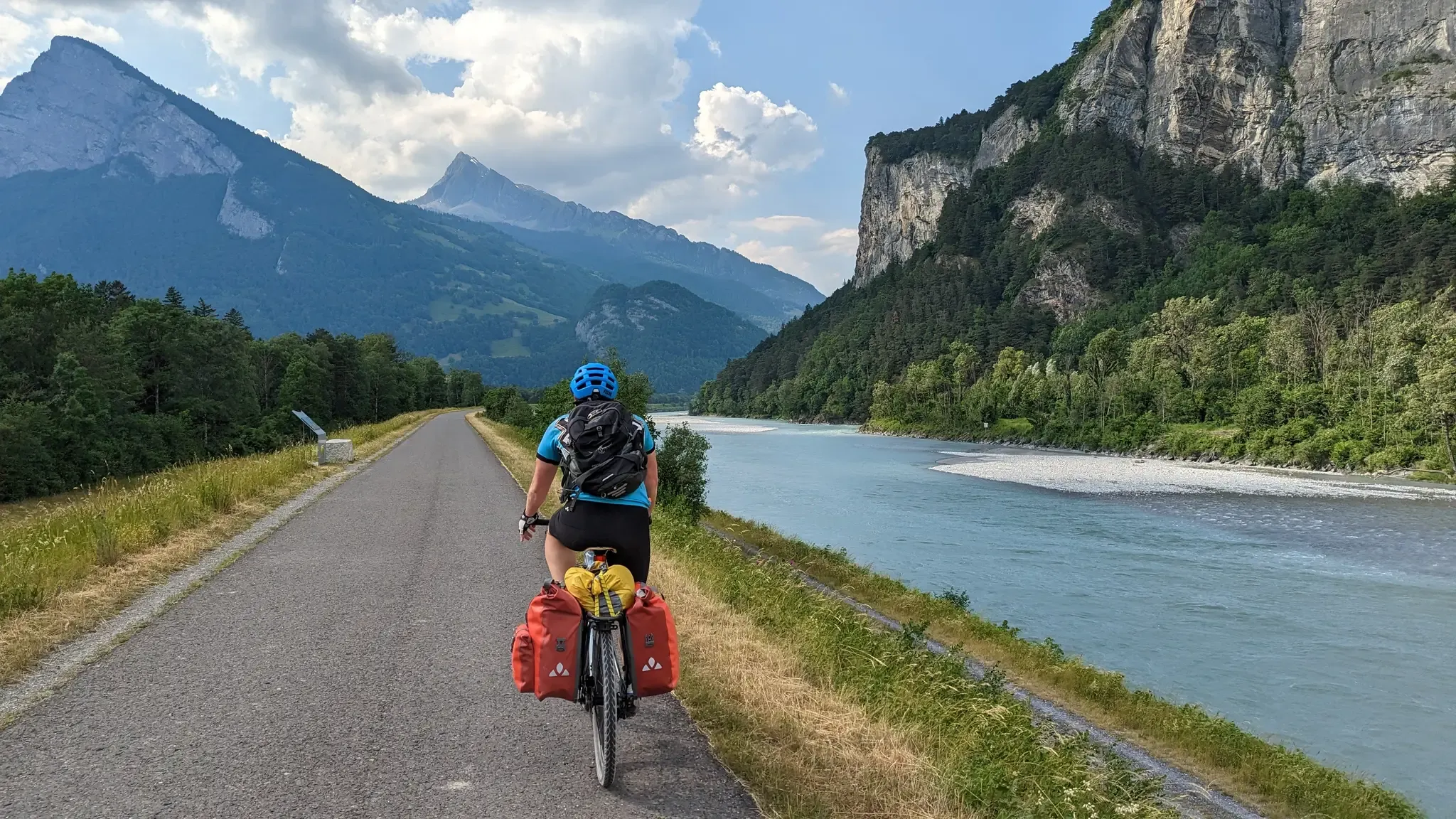
The Rhine Cycle Path — From the source to the North Sea
Peak tour through Germany: the highest pass and mountain roads
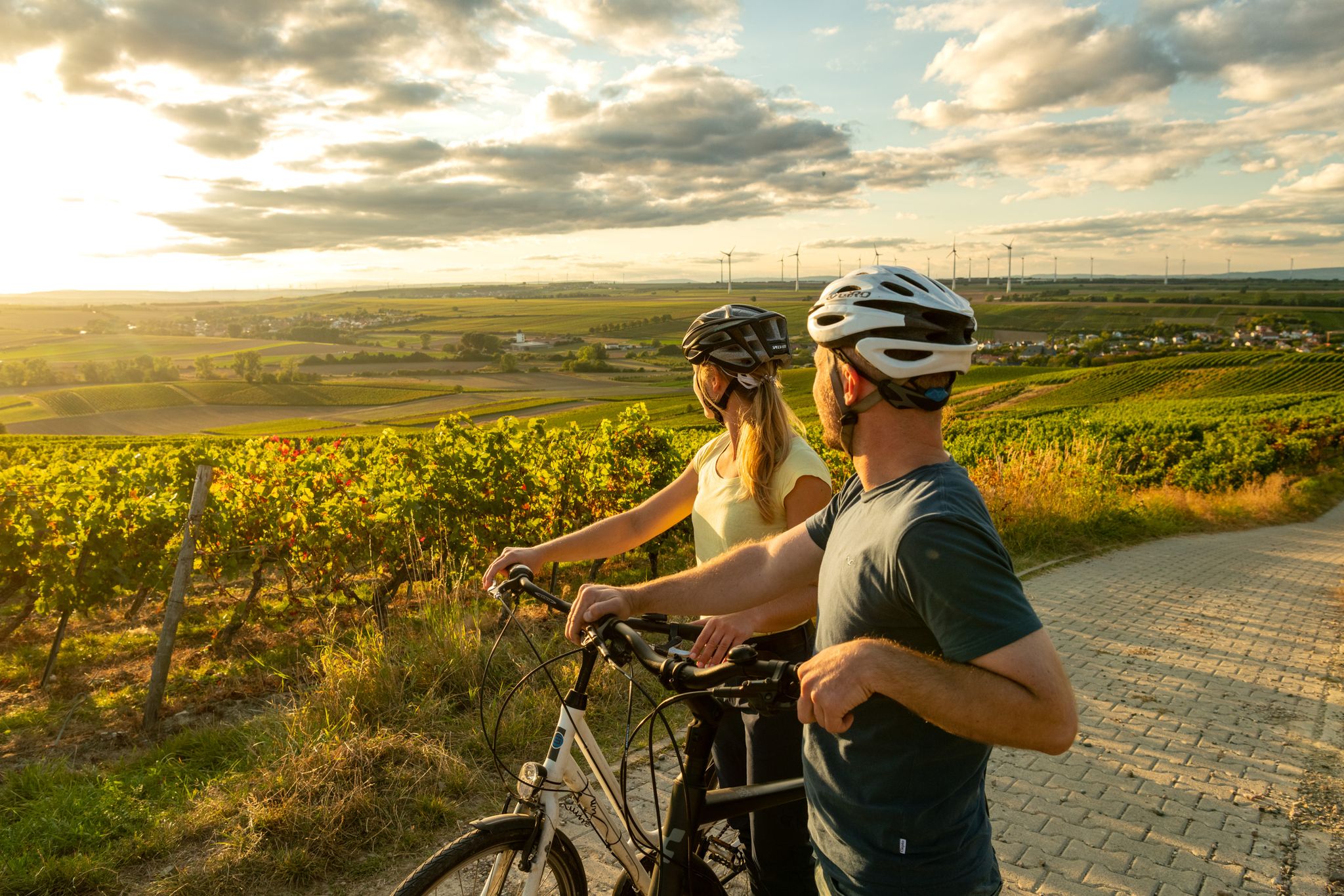
Rheinhessen mit Aussicht - Die schönsten Panoramatouren in Rheinhessen
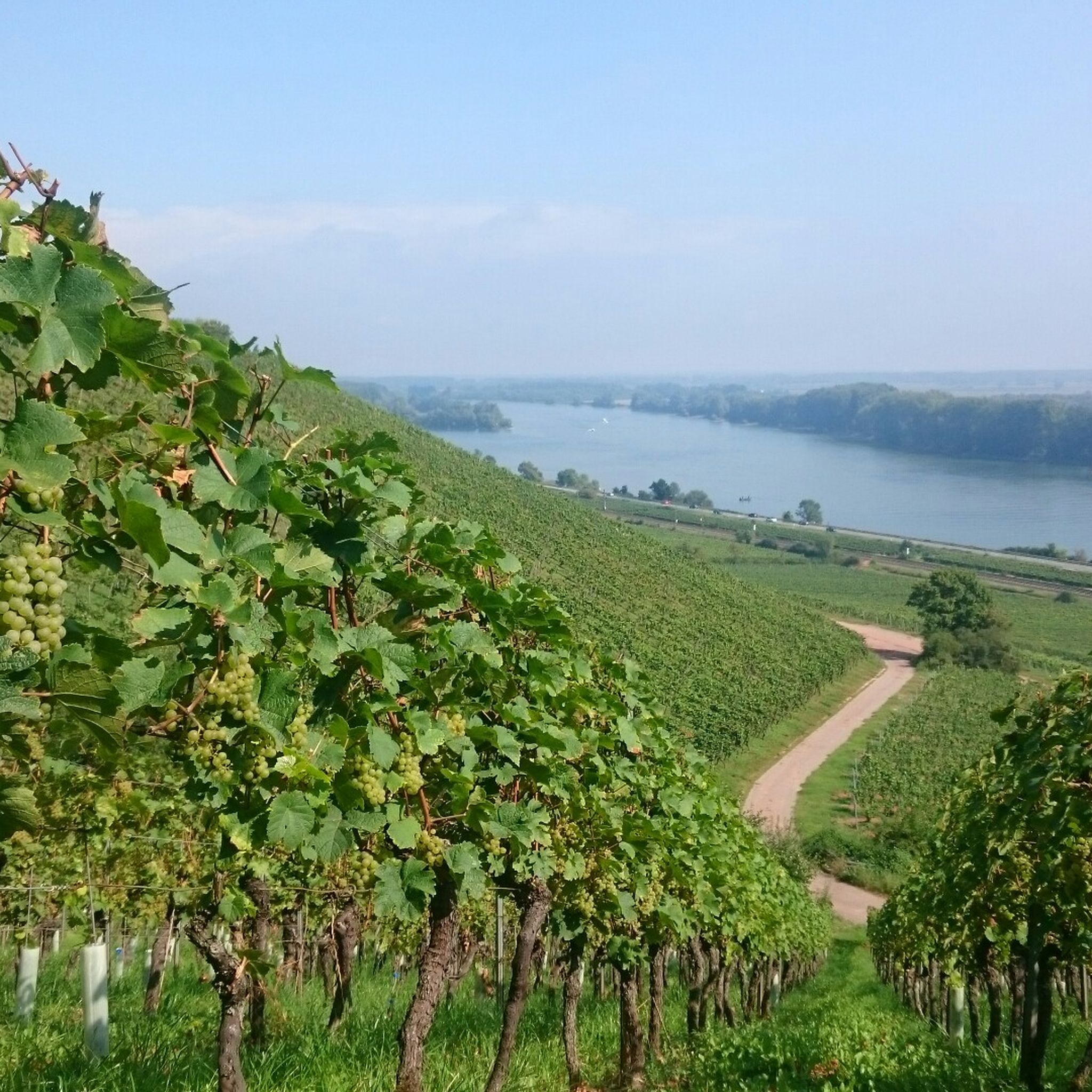
Hiking around Nierstein
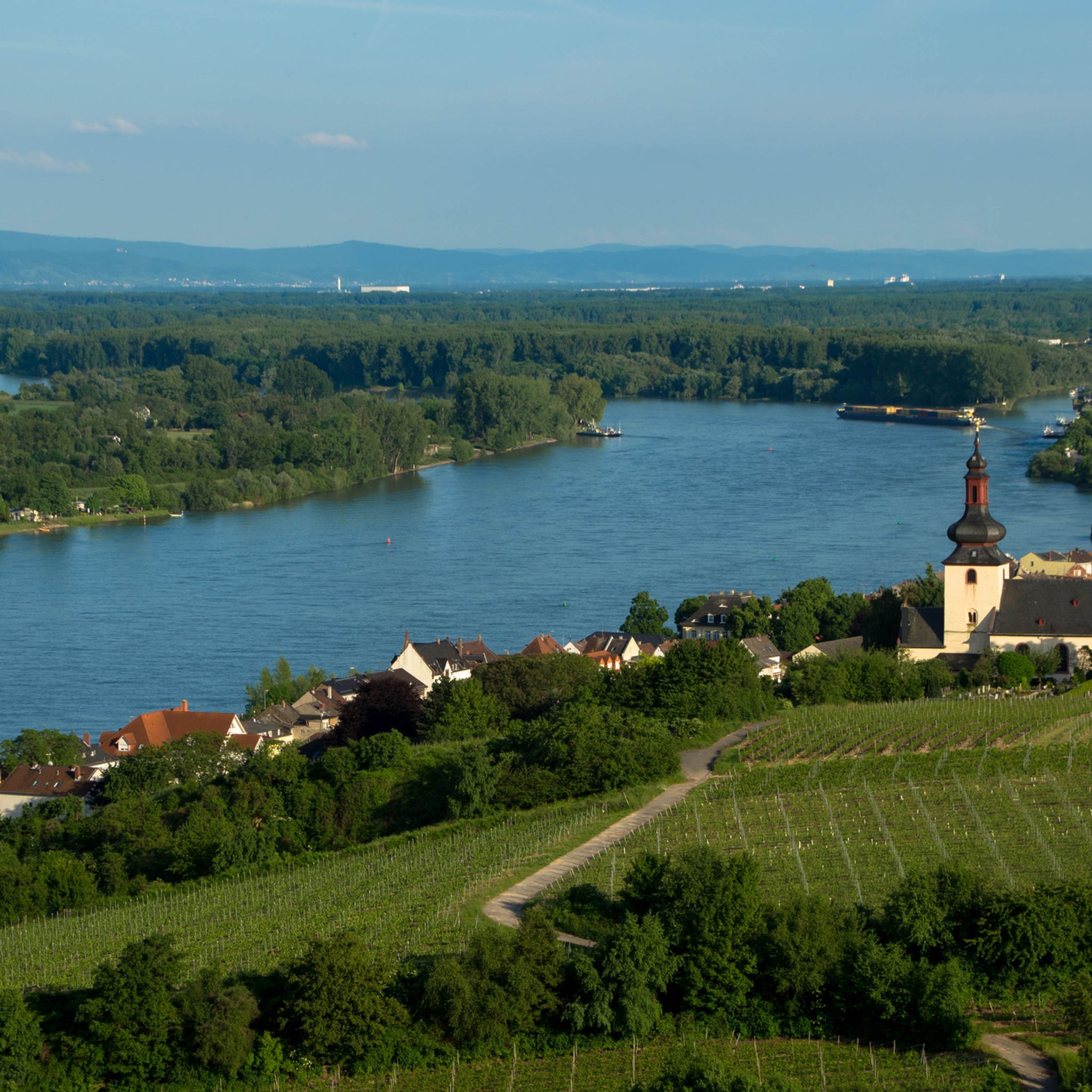
Cycling around Nierstein
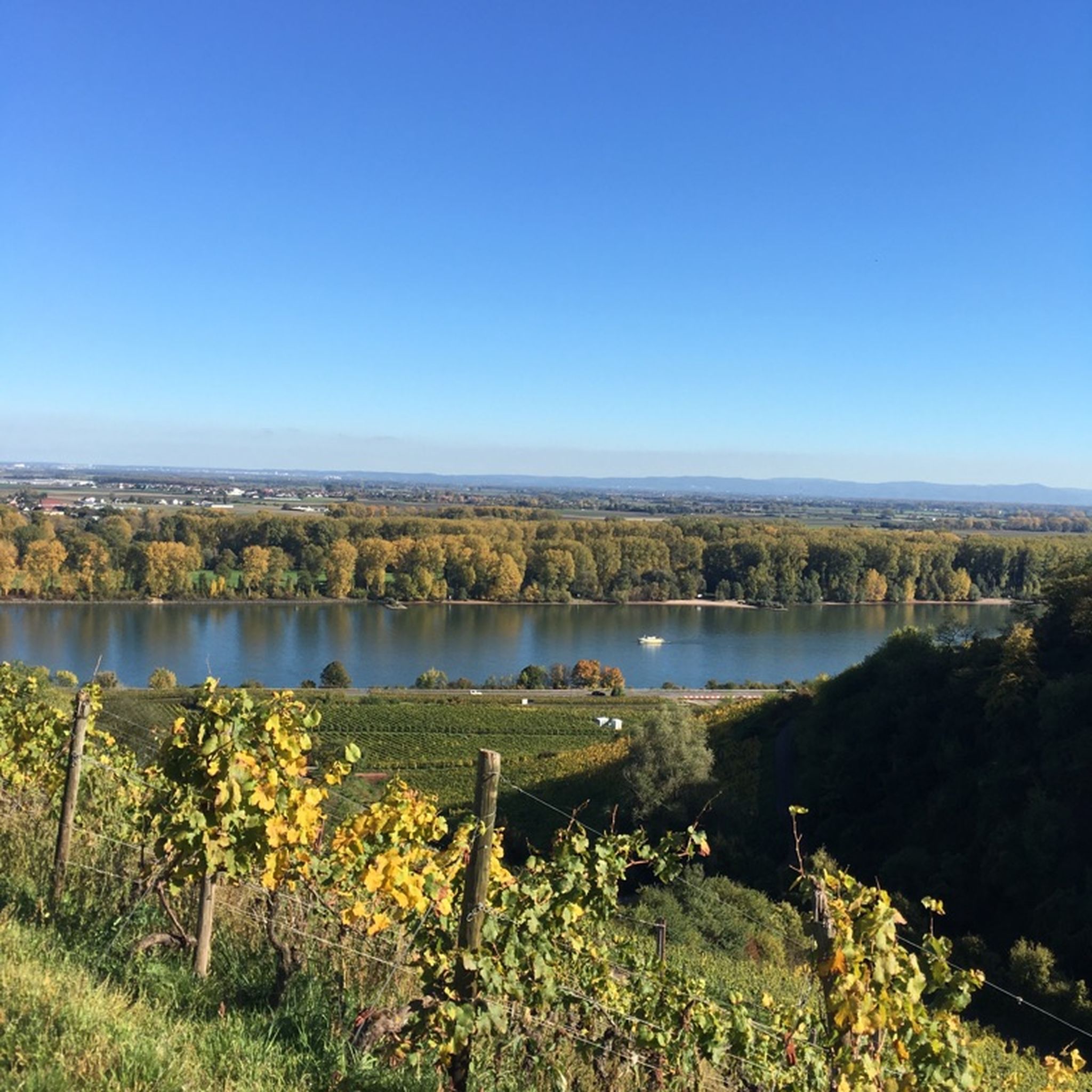
Road Cycling Routes around Nierstein
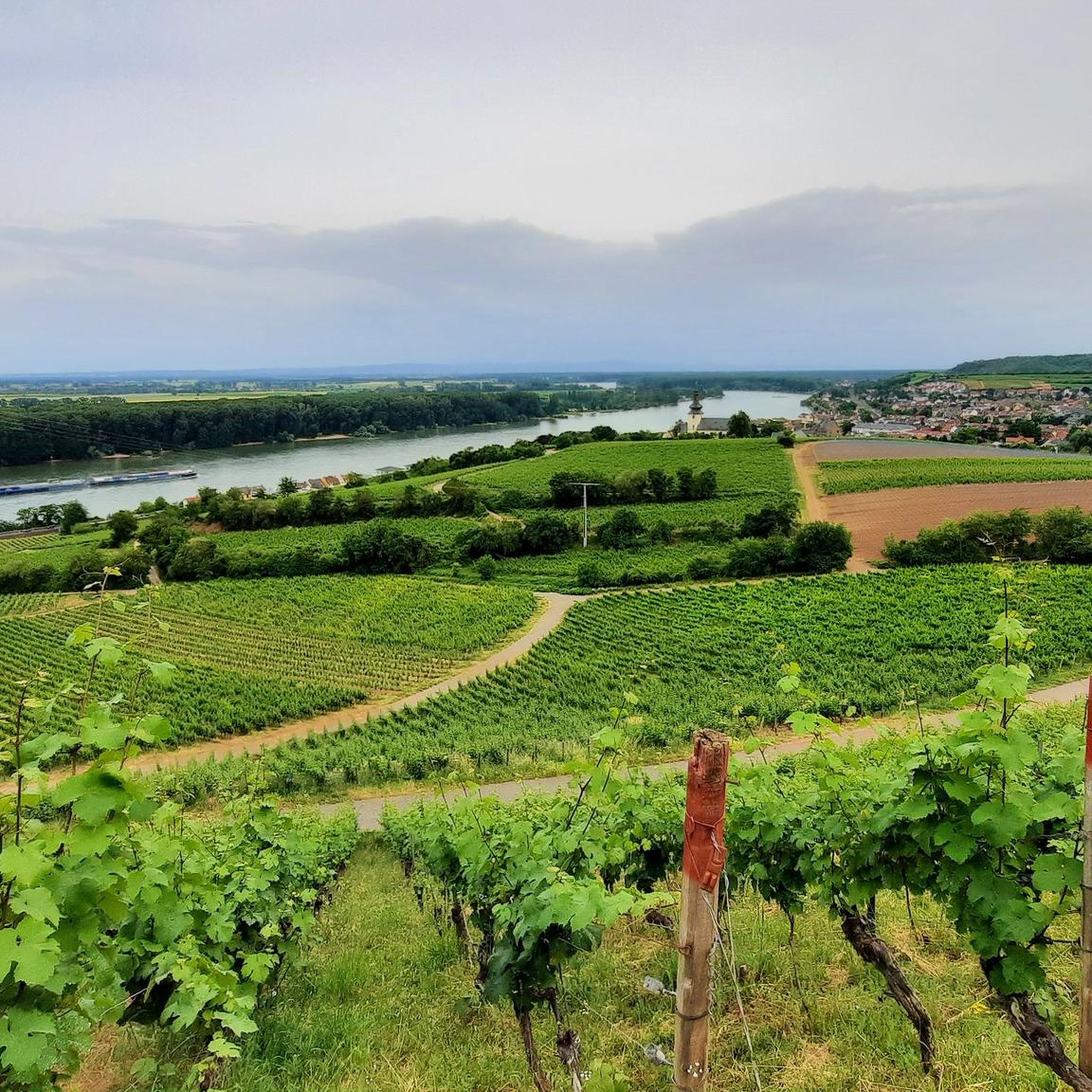
Running Trails around Nierstein
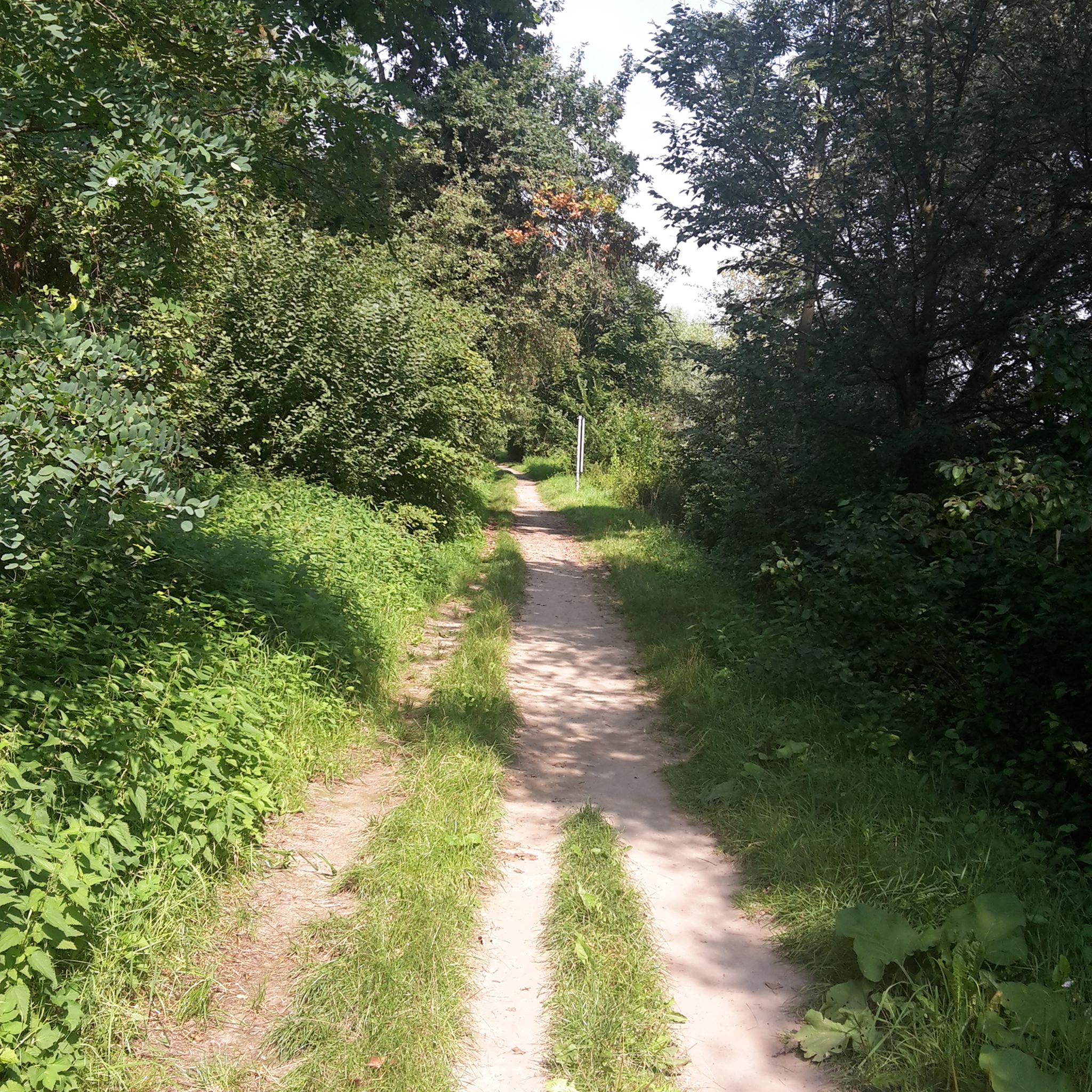
MTB Trails around Nierstein

Gravel biking around Nierstein
Other adventures around Nierstein


Tips from the Community

Kühkopf is always worth a tour
2
0

Nature reserve, peace, fresh air.
4
1
The bridge from Kühkopf to Stockstadt.
6
1


Here you can find information about Landskron Castle: https://de.m.wikipedia.org/wiki/Burg_Landskron_(Oppenheim)
7
0
History Before the Landskron Castle was built, a Salian or Staufen fortification probably stood in the same place, which was mentioned in 1118 as "praesidium" and was destroyed in the possession of King Henry V by troops of the Archbishop of Mainz, Adalbert. The castle itself was probably built at the beginning of the 13th century. The oldest surviving written mention of "Reichsburg Oppenheim" dates from 1244. This castle was destroyed in 1257 and 1275 by the citizens of Oppenheim in a dispute with the castle dwellers over their privileges. However, Rudolf von Habsburg forced the citizens to rebuild the castle by 1281. In 1375, Emperor Charles IV pawned the castle to Ruprecht of the Palatinate. Ruprecht accordingly had the castle expanded. He was followed by his grandson Ruprecht III as owner of the castle, who also died there. Elector Frederick V commissioned a palace-like renovation of the castle in 1615. The castle burned down in the Thirty Years' War during the Oppenheim town fire
8
0
The Kühkopf - the European bird reserve on the Rhine Today's Kühkopf was originally an inland peninsula near Guntersblum, with Rhine islands to the east, north and south. In the course of the straightening of the Rhine (1828/1829), a straightening breakthrough was made to the west of the peninsula and the area was completely separated from the mainland on the left bank of the Rhine, making the peninsula a river island. The Rhine islands that used to be in front of the peninsula now have a connection to the rest of the section due to silting up. The former main course of the Rhine is now an old bend in the Rhine. The almost undeveloped Kühkopf today forms the nature reserve "Kühkopf-Knoblochsaue" together with the Knoblochsaue to the north and some smaller islets in the Old Rhine. The Kühkopf alone accounts for around 1,700 hectares of the 2,440-hectare nature reserve. The island can be reached via two bridges.
7
0

Large nature reserve 🌞 Great places. Beautiful paths for 🚴🏼♂️driving and hiking
9
0
Frequently Asked Questions
What are the most prominent natural features around Nierstein?
The most prominent natural feature is the Roter Hang (Red Slope), a unique geological formation known for its reddish soil and steep vineyards along the Rhine. Additionally, the Stockstadt–Erfelden Old Rhine at Kühkopf-Knoblochsaue and the broader Kühkopf-Knoblochsaue nature reserve offer significant natural landscapes, including untouched meadows, floodplains, and diverse ecosystems.
What makes the Roter Hang a significant natural monument?
The Roter Hang is significant due to its unique geological formation, dating back over 280 million years, characterized by red soil rich in iron compounds. It's also globally renowned for its exceptional viticulture, particularly for Riesling wines, benefiting from its special terroir and microclimate. The area offers breathtaking panoramic views of the Rhine valley. You can learn more about its history and viticulture on rlp-tourismus.com.
Are there hiking trails to explore the natural monuments around Nierstein?
Yes, Nierstein offers a variety of hiking trails that allow you to explore its natural monuments. For instance, you can find routes like the "View of the Rhine – View of the Roter Hang loop from Nierstein" or explore the Beautiful trail through the Kühkopf-Knoblochsaue nature reserve. Many trails are integrated into the vineyard landscape, offering scenic views. For more options, check out the Hiking around Nierstein guide.
Can I go cycling near the natural monuments in Nierstein?
Absolutely. The region around Nierstein is excellent for cycling, especially through the vineyards and along the Rhine. You can find routes like the "Roter Hang Vineyard – Roter Hang Vineyard loop from Nierstein" which takes you directly through the famous wine-growing area. For a comprehensive list of cycling routes, refer to the Road Cycling Routes around Nierstein guide.
Are there family-friendly natural monuments or activities in the area?
Many natural monuments around Nierstein are family-friendly. The Stockstadt–Erfelden Old Rhine at Kühkopf-Knoblochsaue and the Meadow landscape in the Kühkopf-Knoblochsaue are great for families, offering easy trails and opportunities to observe nature. Even the Landskron Castle Ruins, while historical, offers expansive views that children often enjoy.
What kind of views can I expect from the natural monuments?
The natural monuments around Nierstein offer diverse and stunning views. From the Roter Hang, you'll get breathtaking panoramic vistas of the Rhine River and the surrounding vineyards. The Landskron Castle Ruins provide expansive views over the Rhine plain, reaching as far as Frankfurt and the Odenwald on clear days. Within the Kühkopf-Knoblochsaue, you can enjoy wide views of untouched meadows and floodplains.
What historical sites are integrated with the natural monuments?
The most notable historical site integrated with the natural landscape is the Landskron Castle Ruins. While a castle, its elevated position offers a natural viewpoint over the Rhine plain. The Roter Hang itself has historical significance in viticulture, with Niersteiner Glöck being one of Germany's oldest documented vineyards.
When is the best time to visit the natural monuments around Nierstein?
The natural monuments around Nierstein are beautiful year-round. Spring and autumn are particularly popular for hiking and cycling, with pleasant temperatures and vibrant colors in the vineyards. Summer is ideal for enjoying the Rhine and outdoor activities, while winter offers a serene, often misty, landscape. Wine-related events, like the annual wine presentation in June, can also influence your visit to the Roter Hang.
How can I access the Kühkopf-Knoblochsaue nature reserve?
The Kühkopf-Knoblochsaue nature reserve is accessible via several points. A common entry point is the Stockstadt Bridge over the Old Rhine (Altrhein), which also offers parking facilities. The reserve itself is an island, reachable by two bridges, and can be explored on paved paths suitable for cycling and hiking.
What kind of wildlife can be observed in the Kühkopf-Knoblochsaue nature reserve?
The Kühkopf-Knoblochsaue nature reserve is a European bird reserve on the Rhine, making it an excellent spot for birdwatching. Its untouched meadows and floodplains provide a habitat for many different species of birds. Visitors often report seeing various animals in this serene natural setting.
Are there easy hiking options among the natural monuments?
Yes, there are easy hiking options available. For instance, the Easy hikes around Nierstein guide lists routes like the "Nierstein Market Square – View of the Rhine loop from Nierstein," which is a shorter, less strenuous option. Many paths within the Kühkopf-Knoblochsaue are also relatively flat and well-maintained, suitable for leisurely walks.
What do visitors enjoy most about the natural monuments in Nierstein?
Visitors particularly enjoy the stunning panoramic views, especially from the Landskron Castle Ruins and the Roter Hang. The serene natural setting of the Kühkopf-Knoblochsaue, with its diverse bird species and untouched landscapes, is also highly appreciated. Many find the combination of natural beauty, historical context, and the unique viticultural experience of the Roter Hang to be a major draw.
Most popular routes around Nierstein
Most popular attractions around Nierstein

Get inspired with the komoot mobile app


Explore more
Extend your search for the best caves by checking out these guides of the top ones around Nierstein:
