Top 20 Natural Monuments around Lorch
Natural monuments around Lorch encompass diverse geological features and protected landscapes across two distinct regions: Lorch (Württemberg) and Lorch (Rheingau). Lorch (Württemberg) in the Ostalbkreis features 30 designated natural monuments, including area-based and individual sites. Lorch (Rheingau), situated in the UNESCO World Heritage Upper Middle Rhine Valley, is characterized by its dramatic Rhine Valley landscape, steep vineyards, and significant geological formations. Both locations offer opportunities to explore natural beauty and unique geological structures.
Best natural monuments around Lorch
- The most popular natural monuments is Niederwald monument, a viewpoint that commemorates the unification of Germany in 1871. It offers panoramic views of the Rheingau and the Rhine River.
- Another must-see spot is Steckeschlääferklamm — Tree Spirits (Baumgeister) Trail, a gorge. This trail features numerous carved tree spirits along a stream, creating a unique hiking experience.
- Visitors also love View of the Loreley Rock, a viewpoint. It provides views of the iconic Loreley Rock and the Rhine River, a significant feature of the Middle Rhine Valley.
- Lorch is known for its viewpoints, gorges, and historical sites. The region offers a variety of natural monuments to see and explore, from dramatic rock formations to protected valleys.
- The natural monuments around Lorch are appreciated by the komoot community, with more than 5000 upvotes and over 4000 photos shared by visitors.
Last updated: August 16, 2026
Niederwald monument
Highlight • Viewpoint
Translated by Google •
Tip by

View of the Loreley Rock
Highlight • Viewpoint
Translated by Google •
Tip by

Sign up now to discover places like this
Get recommendations on the best single tracks, peaks, & plenty of other exciting outdoor places.
Sign up for free
Steckeschlääferklamm — Tree Spirits (Baumgeister) Trail
Highlight (Segment) • Gorge
Translated by Google •
Tip by

Rheinstein Castle
Highlight • Castle
This form is preserved to this day and can be visited. The castle now houses a museum and an adjoining restaurant. In addition, the view from the wall and from the towers down to the Rhine Valley is simply picturesque. If you can not get enough of the castle, then you should also look at the accommodation offers.
You can find all information about opening times and entrance fees at burg-rheinstein.de.
Translated by Google •
Tip by

Monopteros Temple with View of the Rhine
Highlight • Monument
Translated by Google •
Tip by

Sign up for free to discover even more natural monuments around Lorch.
Sign up for free
Already have an account?
Start today with a free account
Your next adventure awaits.
Login or Signup
Popular around Lorch
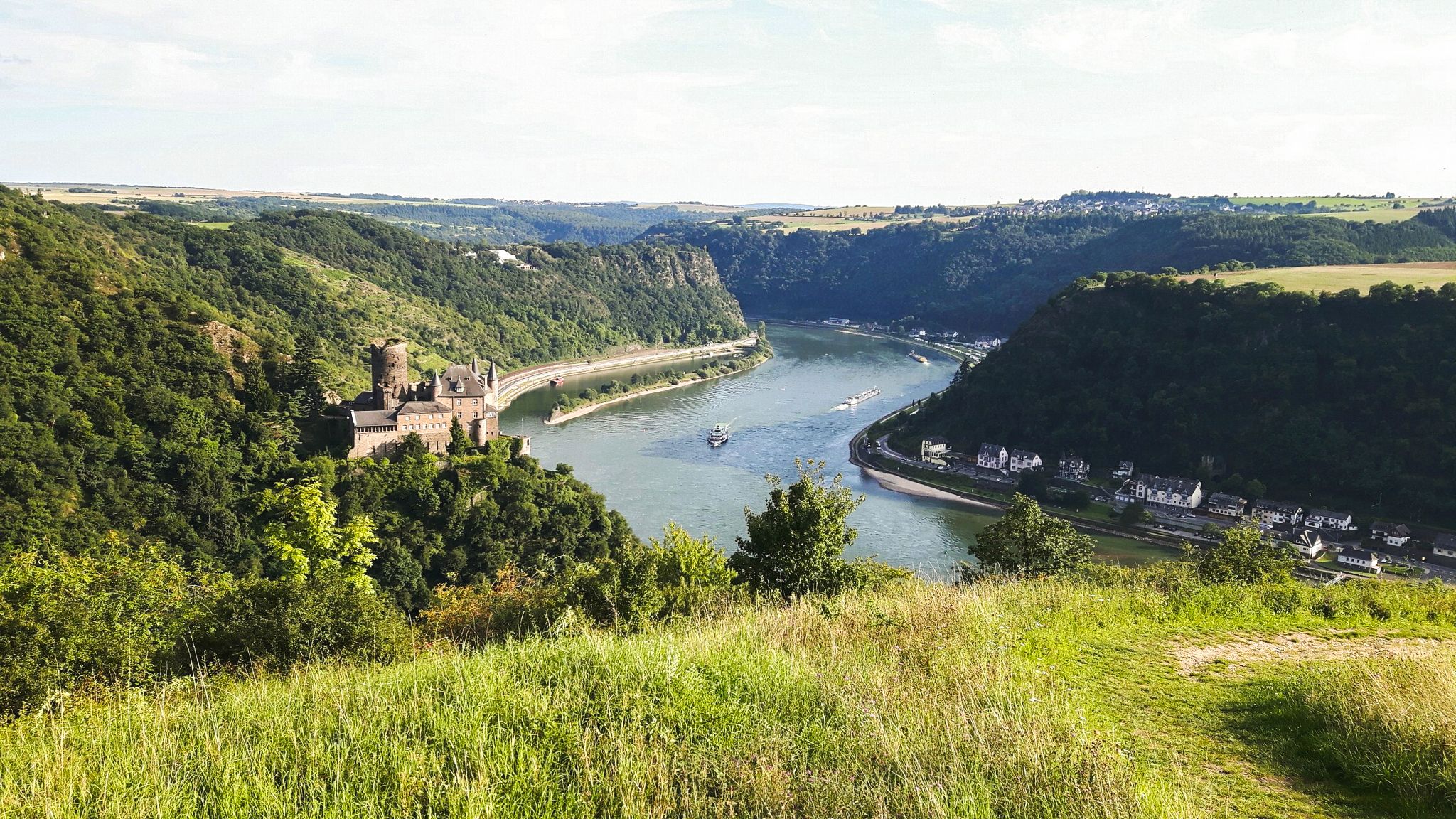
Rheinsteig Trail – The 21 stages along the Rhine
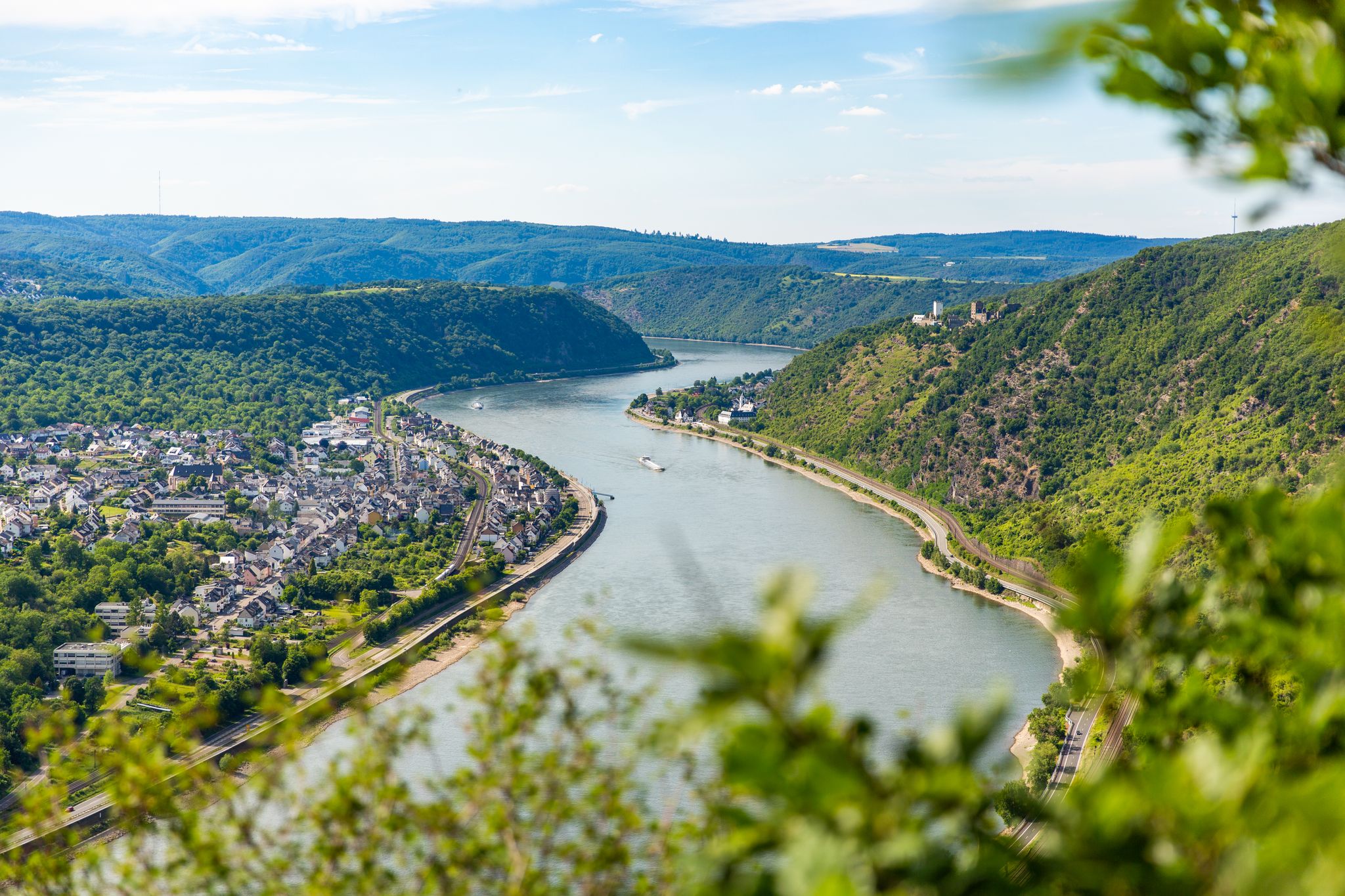
Up and down along the Rhine – adventure on the Rheinsteig
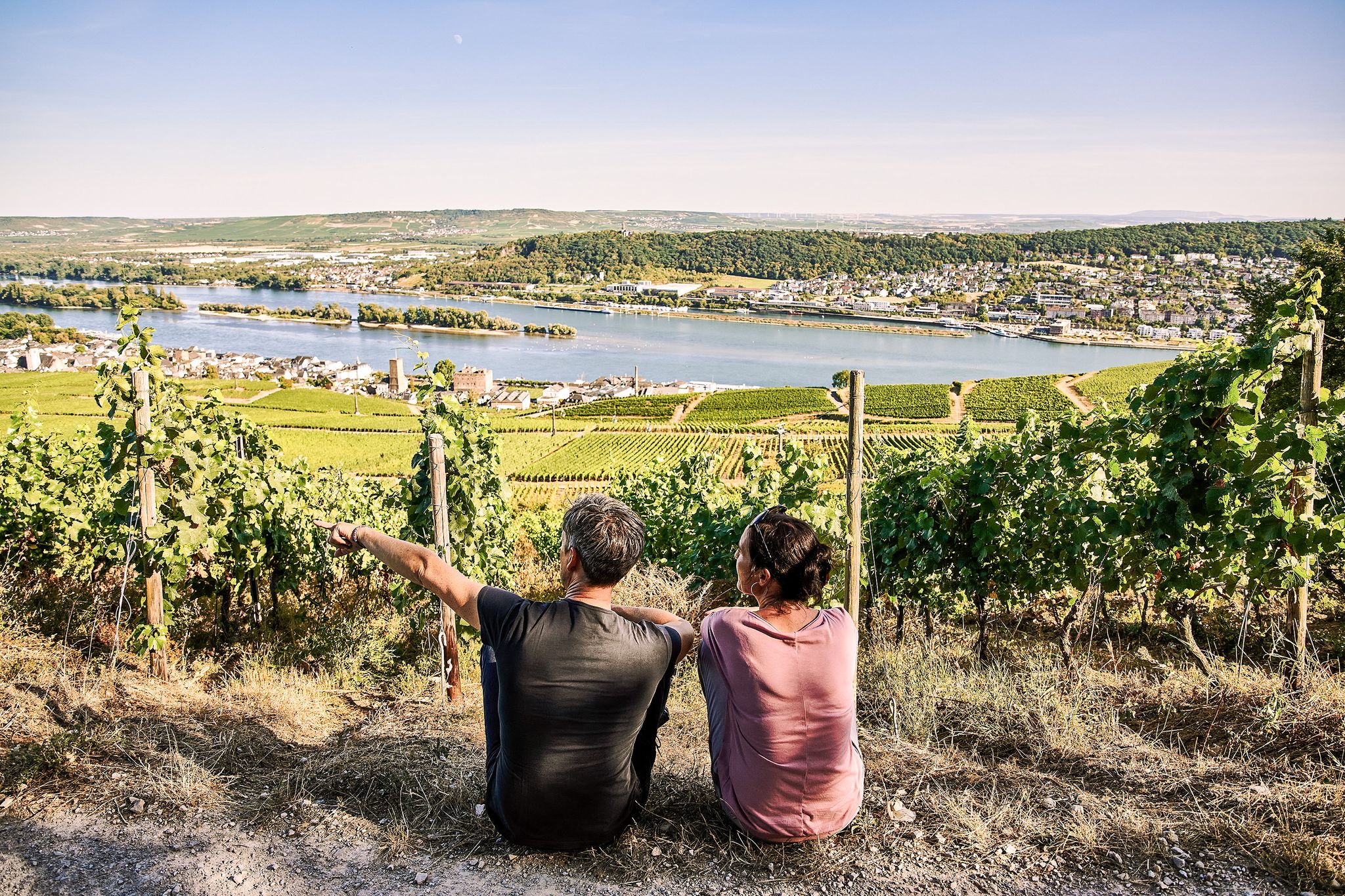
Riesling Loops – 14 routes rich in wine and history
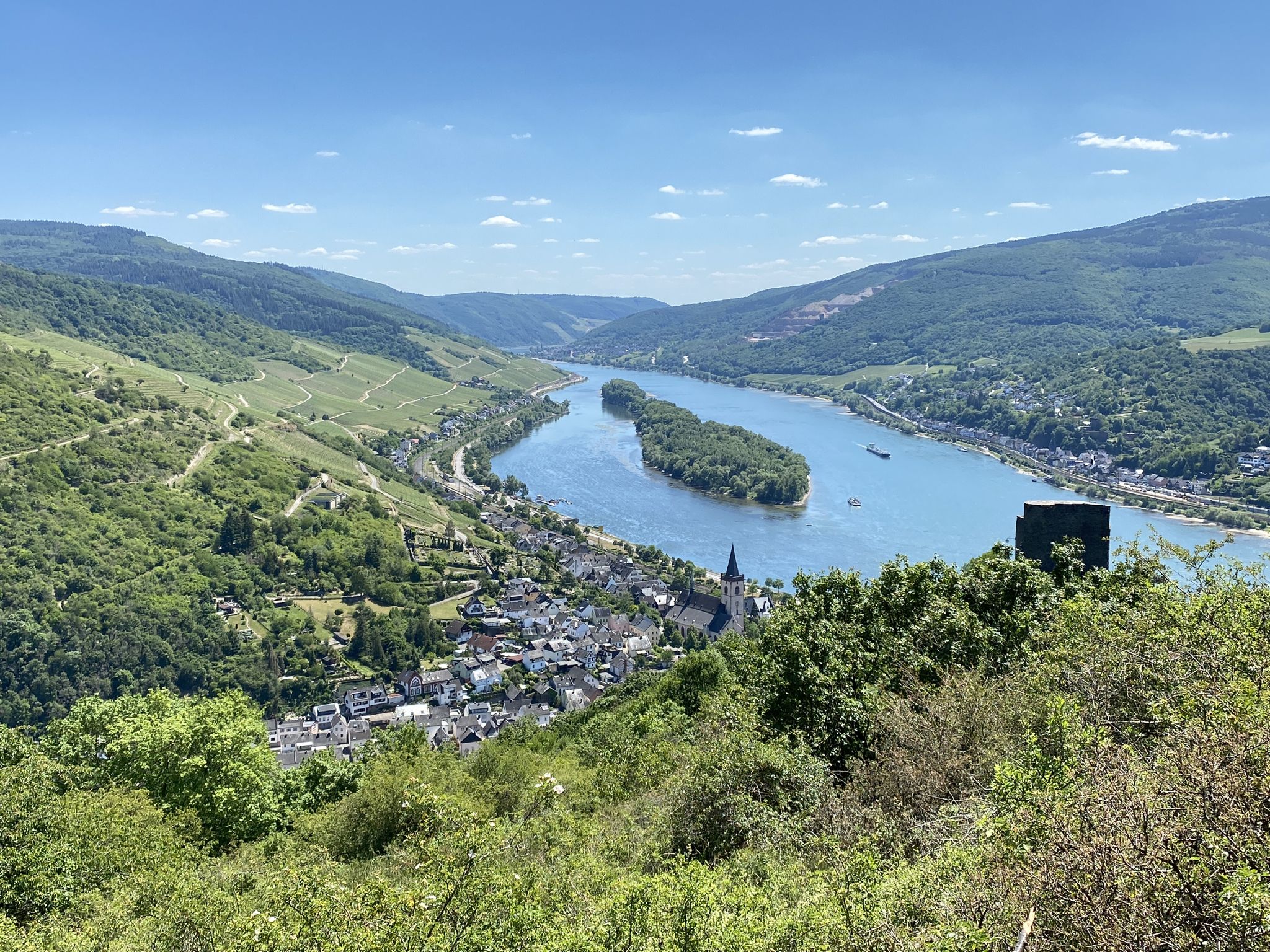
The Taunus to the Rheingau wine region – Wispertaunussteig
Lowest to Highest (L2H) in Germany
The enchanting Rhine – Day hikes in the Upper Middle Rhine Valley
Hiking around Lorch
Road Cycling Routes around Lorch
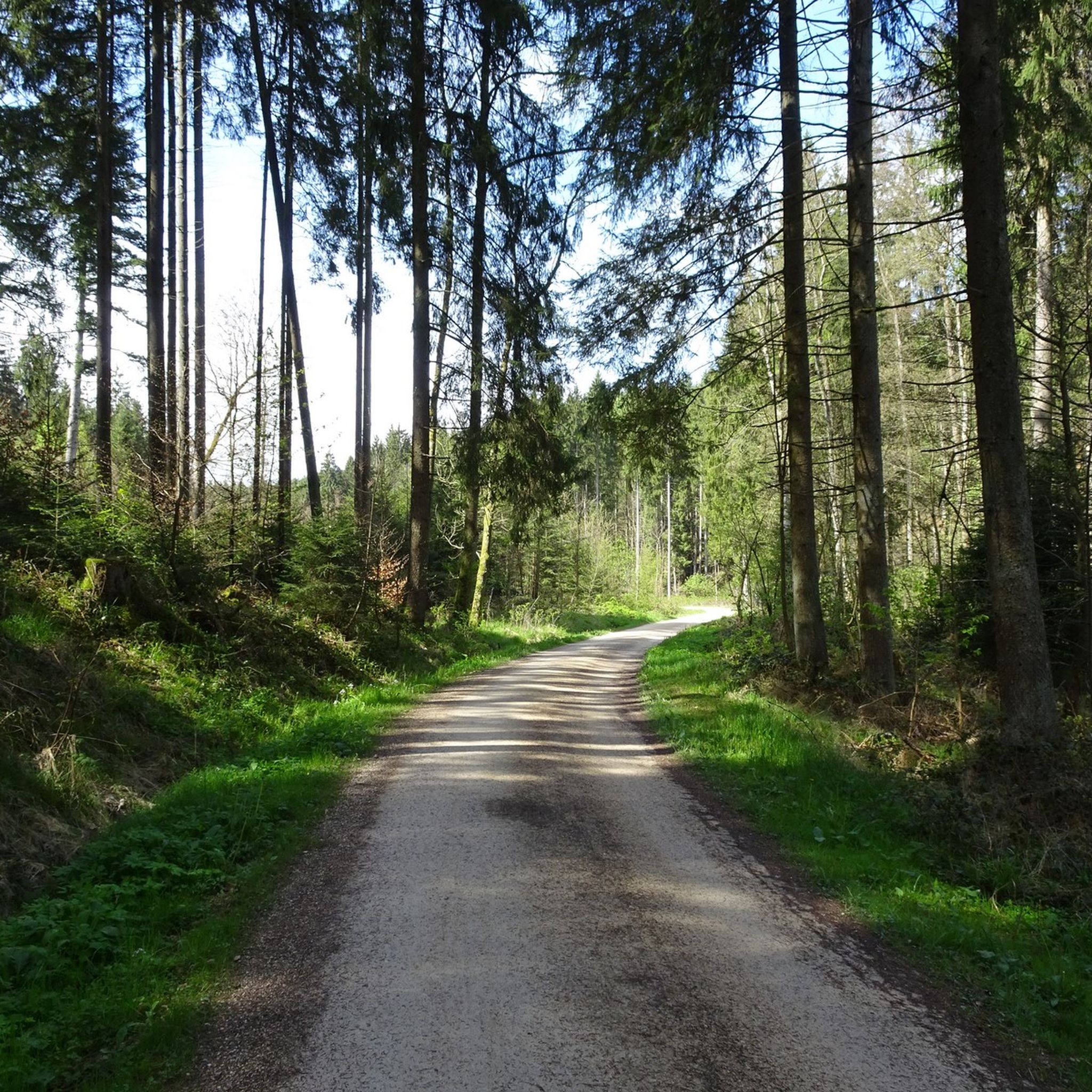
Cycling around Lorch
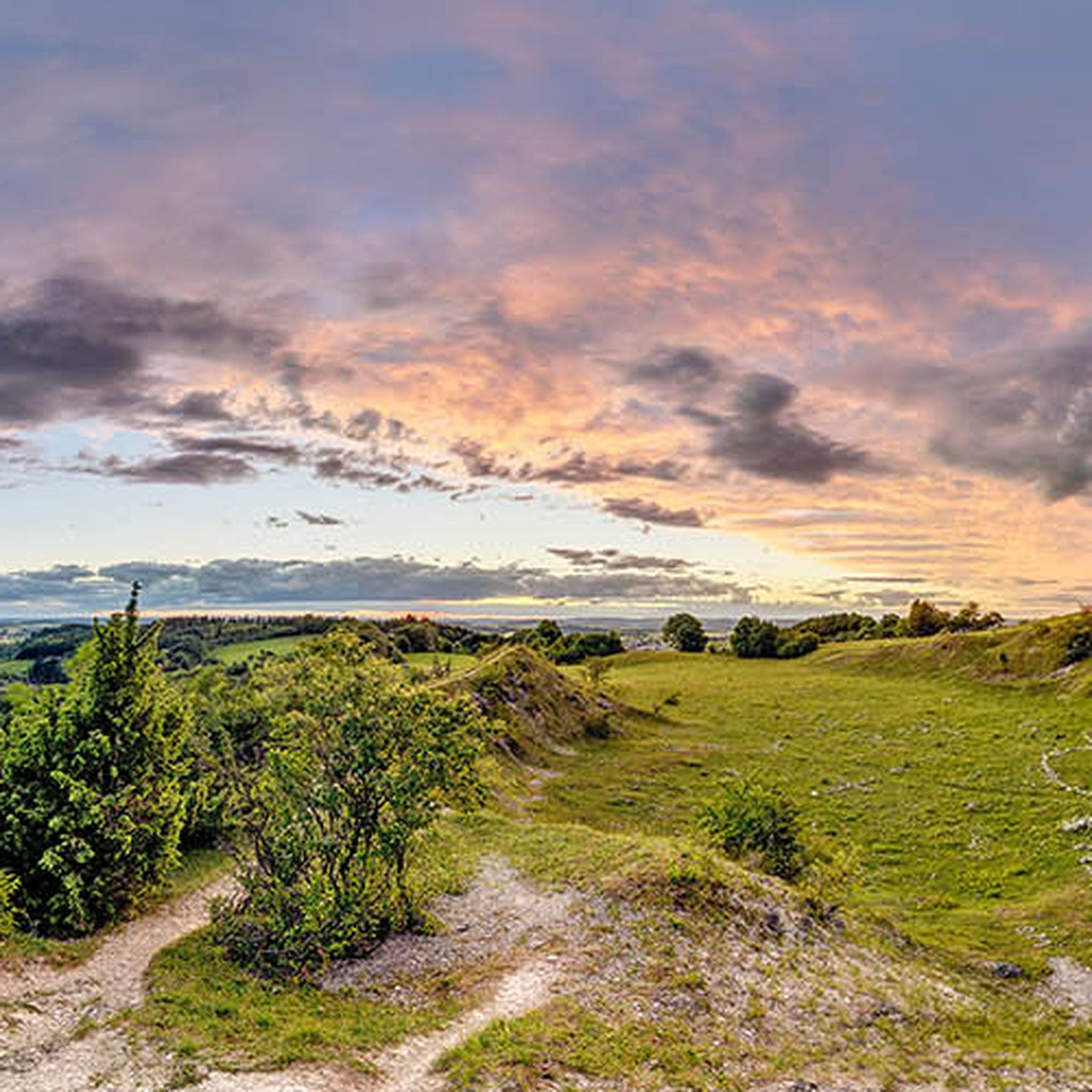
MTB Trails around Lorch
Other adventures around Lorch


Tips from the Community

The castle has its origins in the early 14th century. With its towers and battlements, it really looks like you would imagine a medieval castle to be - a fairytale view directly over the Rhine.
9
0

Ancient pillared temple with a wonderfully open view
10
0

from the castle battlements you always have a great view of the Rhine
15
0
A visit to this castle is worthwhile
12
0

The Goethe Temple built by Count von Ostein in 1790, which was completely destroyed in a bomb attack in November 1944 and rebuilt by the Niederwald Landscape Park Association. The Romantics called it "Monopteros", its rotunda resting on eight Roman columns made of red sandstone, today the columns are white. On September 3, 1814, Johann Wolfgang von Goethe, who was struck by the extremely magnificent beauty of the Rheingau, stood in it.
13
1

The view is really very nice, but the Mouse Tower and the Binger Loch cannot be seen from here.
13
1

The temple itself is a bit bare but a great view.
12
1

"From the Monopteros in the Niederwald, Johann Wolfgang von Goethe admired the "extremely magnificent beauty of the Rheingau" - that was in the late summer of 1814. At that time, the Greek round temple stood in the middle of a landscape park that Count von Ostein had created. The original was destroyed in 1944 and at the beginning of the Rebuilt in the 21st century, so that visitors can now enjoy the view over the Middle Rhine Valley from the Monopteros again. The region has been a UNESCO World Heritage Site since 2002. The unique combination of nature and culture is considered particularly worthy of protection. Not far from the Monopteros, the huge Germania looks towards France. It rises twelve and a half meters from the top base of the Niederwald Monument and weighs 32 tons. Clara, the daughter of the sculptor Johannes Schilling, was the model for the imposing figure, which is intended to commemorate the Franco-Prussian War and the unification of the empire. The bronze statue holds an imperial crown in its right hand, while the left rests on the pommel of a resting sword, which is entwined with laurel as a sign of victory. The dress of Germania is also rich in symbols: eagles, deer, ravens and dragons are reminiscent of old legends, the imperial eagle is considered a symbol of the German Empire. At Germania's feet you can read: "In memory of the unanimous, victorious uprising of the German people and the re-establishment of the German Empire 1870-87". The idea of erecting a monument to the merger of the previously loose alliance of independent principalities had already emerged in 1870. It was quickly agreed that it had to be on the Rhine because the river plays a central role in German history and culture - not least as a border with France, which had ruled on the opposite bank of the Rhine. The location was chosen in the Niederwald near Rüdesheim, located around 80 meters above the river." https://www.kultur-in-hessen.de/projekte/totalkunstwerk-am-rhein-niederwalddenkmal-ruedesheim-teil-1
20
2
Frequently Asked Questions
What unique natural features can I explore in Lorch (Württemberg)?
In Lorch (Württemberg), you can discover the enchanting Schillergrotte, a horseshoe-shaped canyon with impressive rock formations nestled in a dense forest. Another significant area is the Haselbachtal, a protected landscape featuring deeply incised valleys, forests, and diverse natural beauty. The Bachlandschaft Lorch also offers picturesque small waterfalls and meandering streams.
What kind of natural beauty does Lorch (Rheingau) offer?
Lorch (Rheingau), part of the UNESCO World Heritage Upper Middle Rhine Valley, is characterized by its dramatic Rhine Valley landscape, steep vineyards, and slate walls. The Romantisches Lorcher Rheinufer provides scenic views, and the region's natural grandeur can be experienced along the Rheinsteig Trail and the Geological Circular Hiking Trail, which showcases unique rock formations and the interplay of nature and viticulture.
Are there any family-friendly natural monuments in the Lorch area?
Yes, several natural monuments are suitable for families. The Steckeschlääferklamm — Tree Spirits (Baumgeister) Trail is particularly popular, featuring numerous carved tree spirits along a stream, creating a unique and engaging experience for children. The Niederwald monument and the View of the Loreley Rock also offer accessible viewpoints with stunning scenery that families can enjoy together.
What historical or cultural sites are integrated with the natural monuments around Lorch?
The region beautifully blends natural and historical elements. The Niederwald monument, for instance, is a significant historical site commemorating German unification, offering panoramic views. The Monopteros Temple with View of the Rhine is another historical structure providing breathtaking vistas. Additionally, Rheinstein Castle, a restored medieval castle, is dramatically situated amidst the natural landscape of the Rhine Valley.
What outdoor activities can I do near these natural monuments?
The area around Lorch is excellent for various outdoor activities. You can find numerous cycling routes, including those for touring bicycles, with options ranging from easy to difficult. There are also gravel biking trails for mountain biking enthusiasts. For hikers, especially those looking for easier options, there are many trails available. You can explore more about these activities and specific routes on the Cycling around Lorch, Gravel biking around Lorch, and Easy hikes around Lorch guide pages.
Are there specific hiking trails to experience the natural monuments?
Yes, hiking is a primary way to experience the natural monuments. The Schillergrotte in Lorch (Württemberg) is a popular hiking destination, though paths can be steep and require good footwear. In Lorch (Rheingau), the renowned Rheinsteig Trail passes through the area, offering stunning views of the Rhine Valley and access to its natural grandeur. The Geological Circular Hiking Trail also provides insights into the region's unique rock formations. For easier options, check the Easy hikes around Lorch guide.
What should I know about visiting the Schillergrotte in Lorch (Württemberg)?
The Schillergrotte is a unique natural site, a horseshoe-shaped canyon end with impressive rock formations. It's heavily forested and offers a mystical experience. Paths can be steep and sometimes slippery, so good footwear is essential, and it's best visited in dry weather conditions. It's a popular hiking spot and provides a cool retreat during summer.
What makes the Haselbachtal in Lorch (Württemberg) significant?
The Haselbachtal is a designated protected landscape area known for its rugged natural beauty. It features deeply incised valleys (Klingen) formed by numerous spring-fed streams and is predominantly forested. This area is significant for containing several natural monuments and is part of the Welzheimer Wald, making it an ideal location for exploring diverse natural landscapes.
What do visitors enjoy most about the natural monuments around Lorch?
Visitors frequently praise the breathtaking panoramic views, especially from spots like the Niederwald monument and the View of the Loreley Rock. The unique and engaging experience of the Steckeschlääferklamm — Tree Spirits (Baumgeister) Trail is also a highlight, particularly for families. The blend of natural beauty with historical sites and the opportunity for diverse outdoor activities are highly appreciated.
Are there any specific geological features to look out for in the Lorch region?
Yes, the Lorch region, particularly Lorch (Rheingau), is rich in geological features. The dramatic setting of the Rhine Valley with its steeply rising slate walls is a prominent example. The Geological Circular Hiking Trail above Lorch provides specific insights into the geological and landscape developments of the Middle Rhine Valley, showcasing various rock formations and their significance.
What is the best time to visit the natural monuments around Lorch?
The best time to visit largely depends on the activity. Spring and autumn offer pleasant temperatures for hiking and cycling, with vibrant foliage in autumn and blooming nature in spring. Summer provides a cool retreat in forested areas like the Schillergrotte. The panoramic views from the Rhine Valley are stunning year-round, though some paths might be slippery in wet or icy conditions.
Are there any natural monuments that offer impressive viewpoints?
Absolutely. The Niederwald monument is renowned for its panoramic views of the Rheingau and the Rhine River. The View of the Loreley Rock offers iconic vistas of the Rhine and the legendary rock formation. Additionally, the Monopteros Temple with View of the Rhine provides a magnificent perspective of the Rhine Valley.
Most popular routes around Lorch
Most popular attractions around Lorch

Get inspired with the komoot mobile app


Explore more
Extend your search for the best caves by checking out these guides of the top ones around Lorch:
