Top 4 Caves around Greiz
Best caves around Greiz offer a glimpse into the region's subterranean landscape. Greiz, situated in the Vogtland region, features a mix of natural and man-made underground structures. These sites provide insights into historical uses and geological formations. The area is characterized by its diverse natural features and historical significance.
Best caves around Greiz
- The most popular caves is Grotto in Hades, a cave that features an art installation with filigree glass bats. This grotto was found under Aumaer Straße,…
Last updated: June 23, 2026
Greiz Rock Cellar Complex
Highlight • Cave
Translated by Google •
Tip by

Grotto in Hades
Highlight • Cave
Translated by Google •
Tip by
Sign up now to discover places like this
Get recommendations on the best single tracks, peaks, & plenty of other exciting outdoor places.
Sign up for free
Bergkeller Stolln 1 Ronneburg
Highlight • Cave
Translated by Google •
Tip by
Etolina Stolln
Highlight • Historical Site
Translated by Google •
Tip by
Stangenkeller Strolin 1
Highlight • Historical Site
Mining expedition 1602/03;
from around 1667 use as a storage source for spa and spa history - storage of mineral bottles and shipping all over the world
1952/53 Bismuth tunneling of 50m
Translated by Google •
Tip by

Start today with a free account
Your next adventure awaits.
Login or Signup
Popular around Greiz

Around Thuringia — 7 stages through Germany's green heart
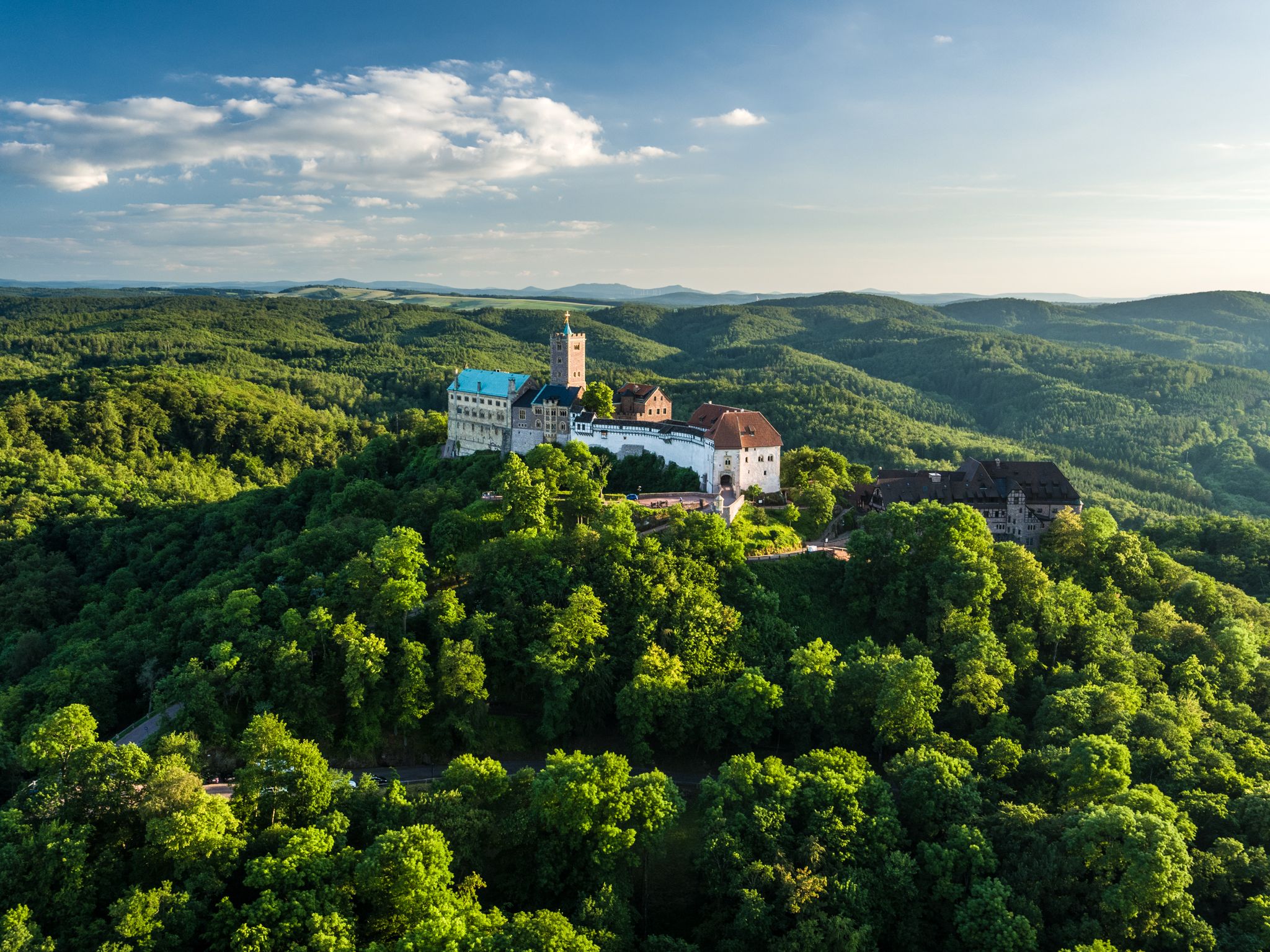
Thuringia CultureRoutes: hiking through history and nature

Gravel and road cycling in the Vogtland region
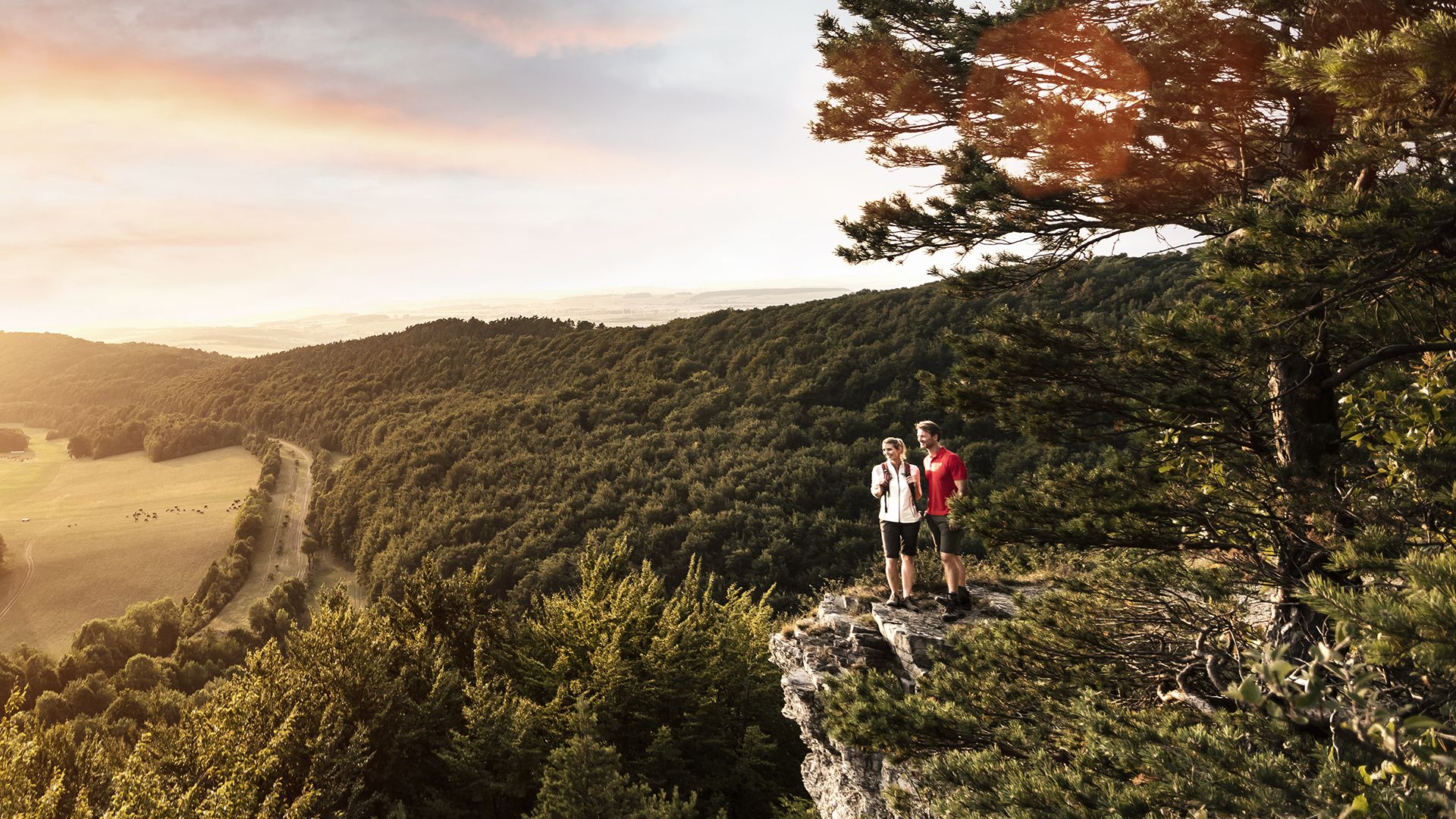
Spend time outdoors – active hikes in Germany’s Thuringia
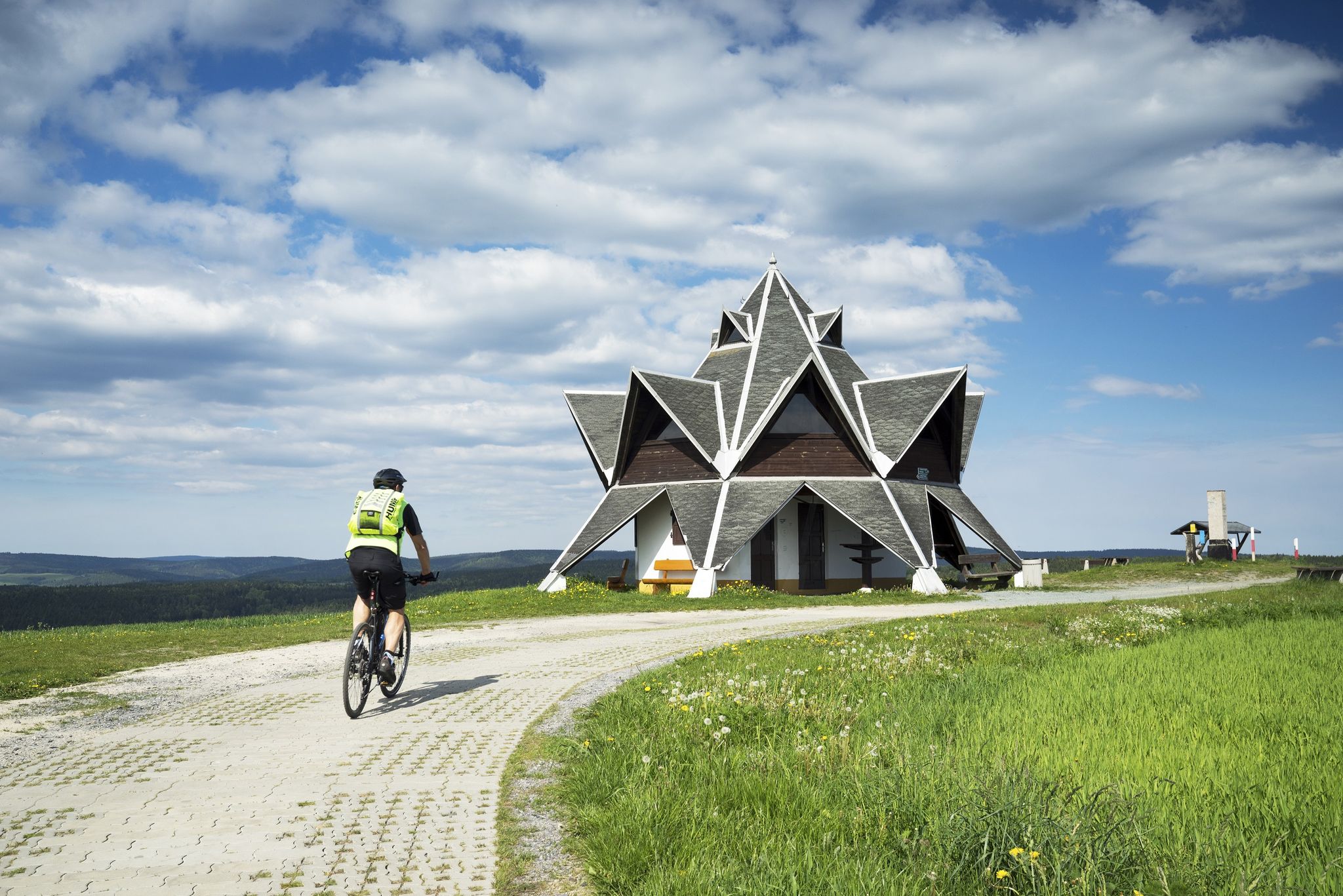
Explore Germany’s Vogtland — loop Tours for keen cyclists
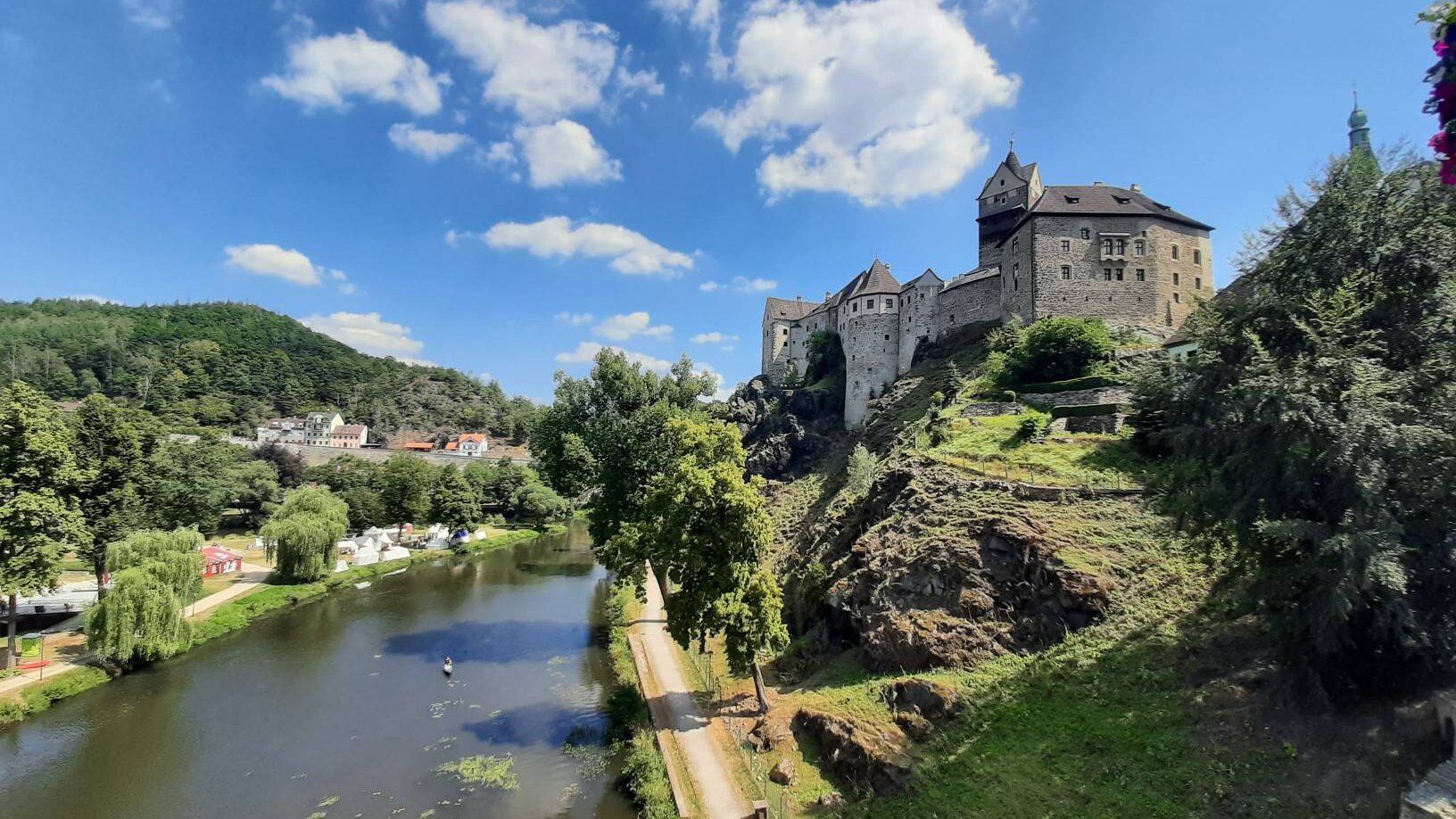
Through the heart of Europe – riding the Euregio Egrensis

The 11 most beautiful cycle Tours in Germany’s Saale-Unstrut region
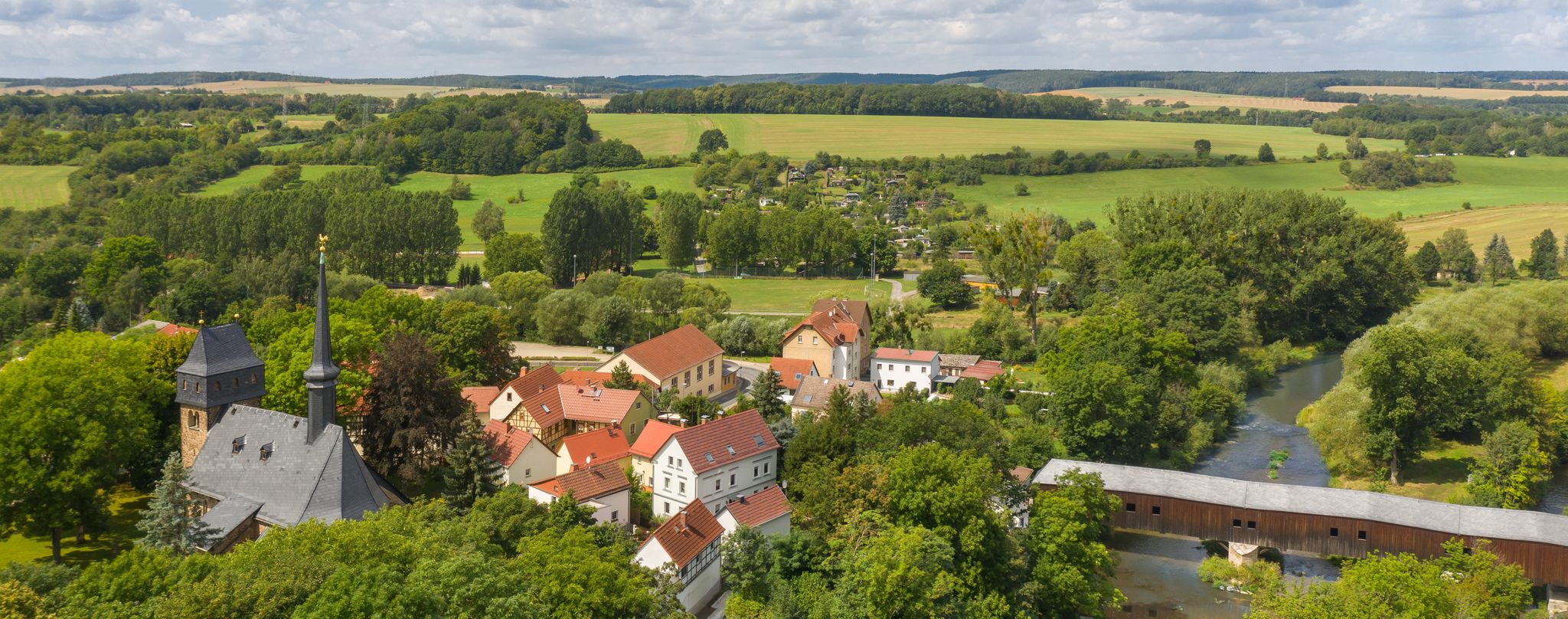
Hiking and biking on the trail of the Reeves – Vogtland Culture Trail
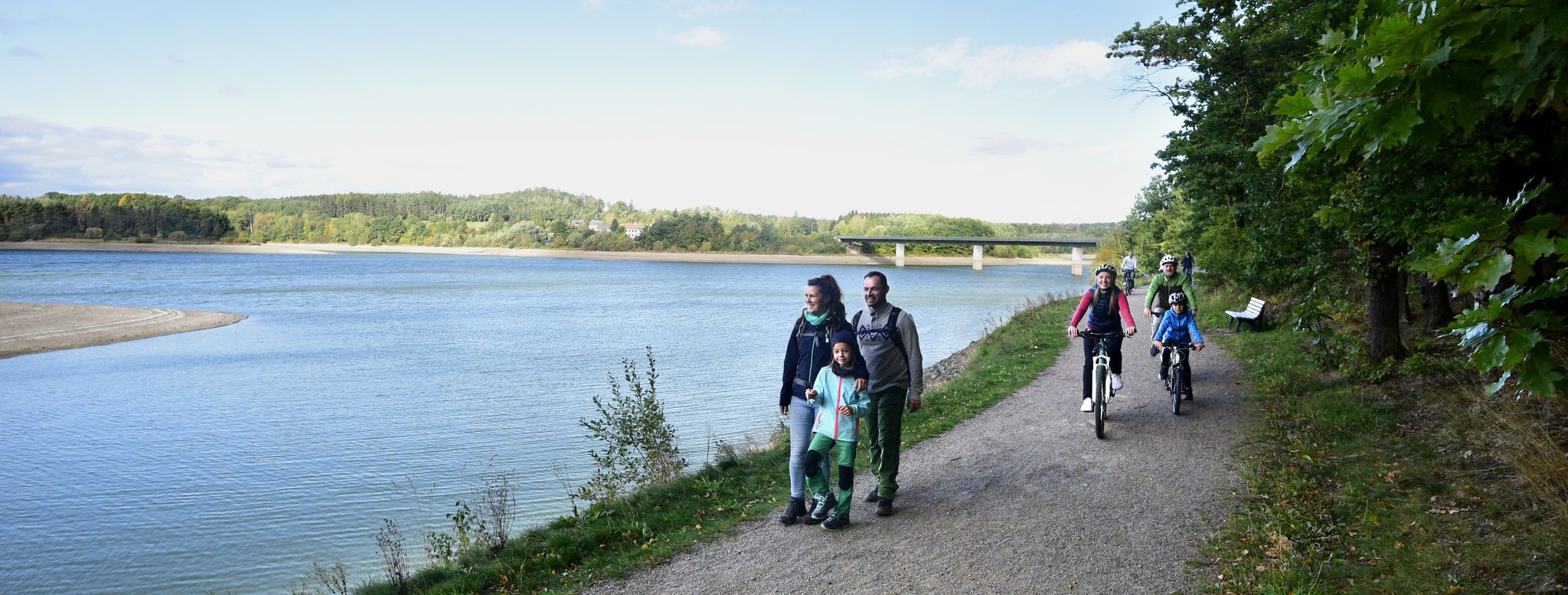
Family fun on foot and bike — explore Germany’s Vogtland
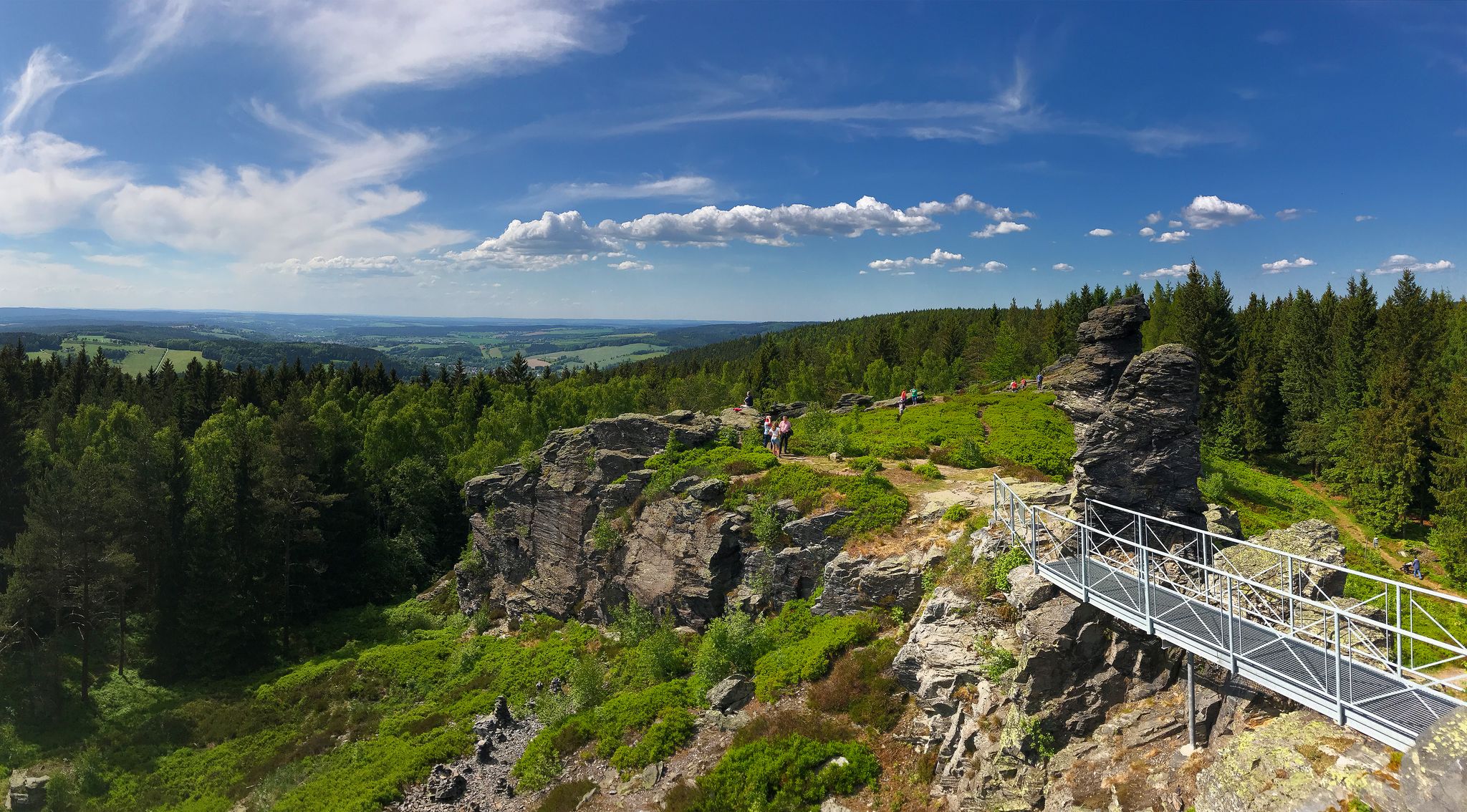
Experience the sounds of nature — hikes in the Vogtland Region
Other adventures around Greiz


Tips from the Community

The Greiz rock cellar complex, built by private individuals or small businesses between the 17th and 18th centuries, is located in the lower part of the Greiz Castle Hill. Letters of request were submitted to the prince for the construction of the cellars, who, through lease agreements, permitted the undermining of the Castle Hill. The cellars were carved into the rock individually, each in different sizes and lengths. The individual chisel marks are still clearly visible in them, testifying to the painstaking work of the builders. A total of 19 cellars were created in the entrance area of the Castle Hill. These were used for storing food, beer, and chemicals. The usable area of the cellars is approximately 900 m² with a usable volume of approximately 2000 m³. Source: https://www.greiz.de/tourismus-kultur/tourismus/sehenswertes/stadtrundgang
2
0

It is the largest rock cellar complex in East Thuringia.
17
0
A shoe factory stood on this site in the 20th century. It was founded by Adolph Zimmer. In 1923, he expanded the factory grounds with a building along Aumaer Straße. Chemicals were stored in this cellar. After shoe production ceased in 1990, the factory building stood empty. It was demolished in 2009 as part of the city center redevelopment. During the demolition, this grotto was discovered beneath Aumaer Straße.
15
0
Stolln 2 is also in the immediate vicinity.
9
0
There is also a beautiful spa park with lots of seating options.
9
0
according to the notice: Mining expedition 1602/03; from around 1667 use as a storage source for spa and spa history - storage of mineral bottles and shipping all over the world 1952/53 Bismuth tunneling of 50m
2
0

The artists Wolfgang R. Funk and Frank Lohse created the cave installation "Im Hades" in a cave of unknown origin. Filigree bats made of glass float through "Hades", as the two artists call their installation.
0
0

A bit inconspicuous, if you're not careful you'll pass by very quickly and unfortunately there's nothing special to see.
3
0
Frequently Asked Questions
What is the most notable show cave near Greiz?
The most notable show cave in the region is the Drachenhöhle Syrau (Dragon's Cave Syrau), located in Syrau, Saxony. It features impressive dripstone formations, underground lakes, and a unique rock formation known as "Drache Justus." Guided tours typically last about an hour and conclude with a laser show. You can find more information about it on Wikipedia.
Are there any caves around Greiz with unique art installations?
Yes, the Grotto in Hades features an art installation by Wolfgang R. Funk and Frank Lohse. It showcases filigree glass bats floating through the space, which was discovered under Aumaer Straße beneath a former shoe factory site.
Which caves near Greiz offer insights into historical mining or storage practices?
The Stangenkeller Strolin 1 has a rich history, with mining expeditions dating back to 1602/03. It was later used for storing mineral bottles for spa and health purposes. Additionally, the Bergkeller Stolln 1 Ronneburg is a passable historical site that can be utilized for events or exhibitions, with Stolln 2 also nearby.
What kind of geological features can I expect to see in the Drachenhöhle Syrau?
The Drachenhöhle Syrau is renowned for its stunning natural dripstone formations, including stalagmites, stalactites, and delicate "macaroni" tubes. Visitors can also observe "stone curtains," clear underground lakes, and a petrified waterfall. Notable chambers include the "Chaos-Dom" and the largest room, "Walhalla."
Are there any large rock cellar complexes in the Greiz area?
Yes, the Greiz Rock Cellar Complex is the largest in East Thuringia. These tunnels were dug into the Schlossberg rock by private individuals in the 18th century, though their entrances are now closed.
What is the typical duration of a visit to the Drachenhöhle Syrau?
Guided tours at the Drachenhöhle Syrau typically last about an hour. The tour covers approximately 350 meters of the cave's total 550-meter length and involves navigating around 330 steps.
Are there any historical underground sites near Greiz that are less developed than show caves?
Yes, the Etolina Stolln is a historical site near Greiz. While it might be less developed than a show cave, it offers a glimpse into the region's underground history. There is also a beautiful spa park with seating options nearby.
What outdoor activities can I do near the caves around Greiz?
The region around Greiz offers various outdoor activities. You can find numerous hiking trails, including easy routes like "Moorerlebnispfad im Pöllwitzer Wald" or more challenging ones like the "Elsterperlenweg – southern loop." For cyclists, there are road cycling routes, and running trails are also available, such as the "Stairway of Suffering – View of Kuhberg loop from Ronneburg."
Is the Drachenhöhle Syrau accessible for most visitors?
Yes, the Drachenhöhle Syrau is well-equipped for tourists. It features electric lighting and established walkways, making it a comfortable experience. Visitors descend 81 steps to enter the cave and navigate around 330 steps during the tour.
What is the best time to visit the Drachenhöhle Syrau?
The Drachenhöhle Syrau is a show cave, meaning it typically maintains a consistent cool temperature year-round. This makes it a suitable destination in various seasons. It's best to check their official website for specific opening hours, especially during off-peak seasons or holidays.
Are there any legends or historical anecdotes associated with caves in the broader Greiz region?
While not a developed show cave, the "Venezianer-Höhle" near the "Hoher Stein" area has historical anecdotes. It was reportedly used as a refuge by two reclusive individuals and is associated with legends of "Venetianer" (gold seekers) searching for gold in riverbank caves in the Göltzschtal.
Most popular routes around Greiz
Most popular attractions around Greiz

Get inspired with the komoot mobile app


Didn’t find what you were looking for?
Discover more caves around Greiz region by region:
Explore more
Extend your search for the best caves by checking out these guides of the top ones around Greiz:
