Top 20 Natural Monuments around Balingen
Best natural monuments around Balingen are situated in the Zollernalbkreis district of Germany, an area characterized by its diverse natural landscape. The region is part of the Swabian Alb, featuring prominent peaks, geological fault lines, and unique rock formations. These sites offer insights into the area's geological history and provide opportunities for outdoor exploration. The landscape is shaped by significant natural features, including the Albtrauf escarpment.
Best natural monuments around Balingen
- The most popular natural monuments is View of Hohenzollern…
Last updated: May 10, 2026
View of Hohenzollern Castle from the Zeller Horn
Highlight • Viewpoint
Showing Translation
Tip by

Hangender Stein Viewpoint
Highlight • Viewpoint
Showing Translation
Tip by

Sign up now to discover places like this
Get recommendations on the best single tracks, peaks, & plenty of other exciting outdoor places.
Sign up for free
Hohenzollern Castle
Highlight • Viewpoint
Translated by Google •
Tip by
Hohenzollerngraben
Highlight • Gorge
Translated by Google •
Tip by

Ladder of Hossingen
Highlight (Segment) • Trail
Translated by Google •
Tip by

Sign up for free to discover even more natural monuments around Balingen.
Sign up for free
Already have an account?
Start today with a free account
Your next adventure awaits.
Login or Signup
Popular around Balingen
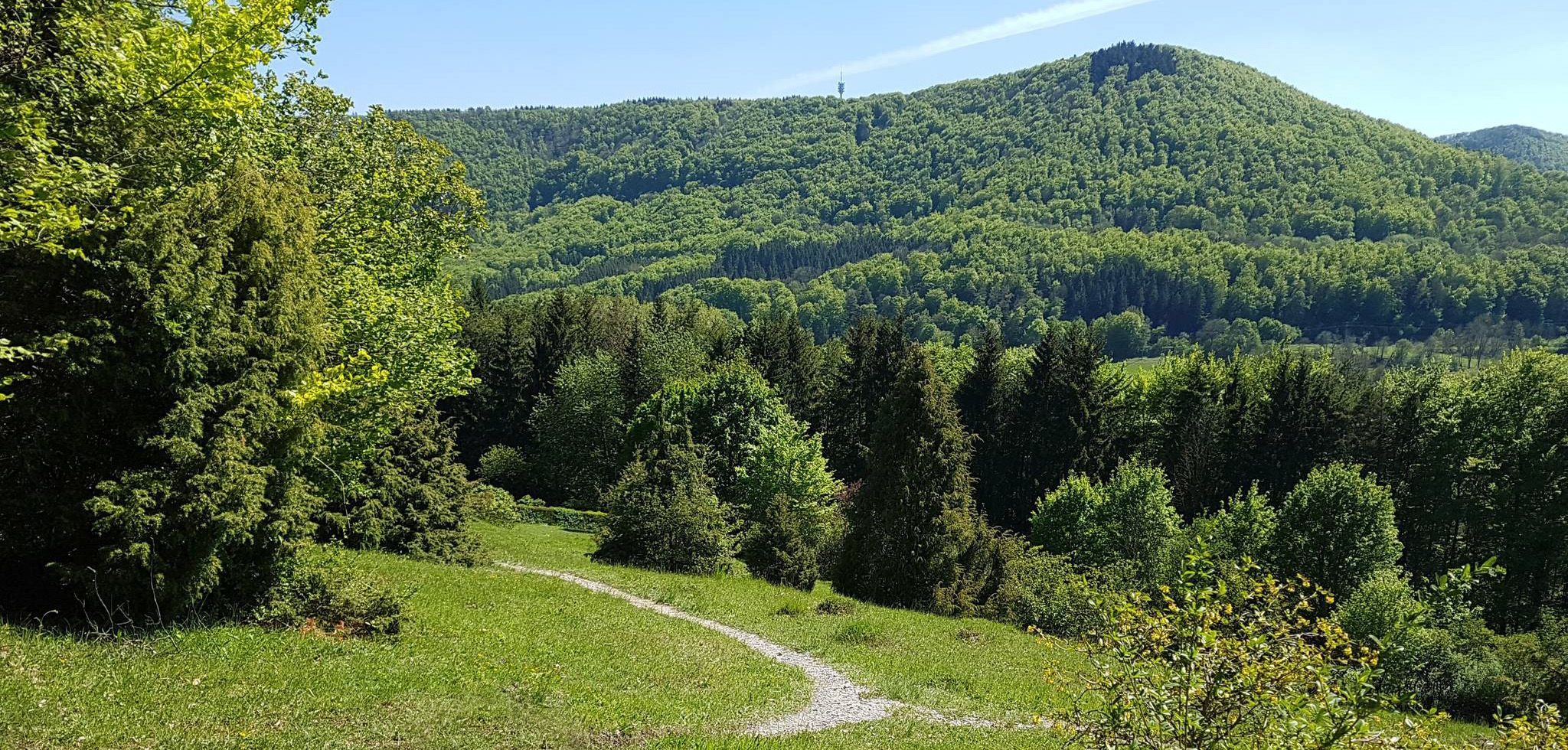
Spätzle Cross — 7 days on the Swabian Alb
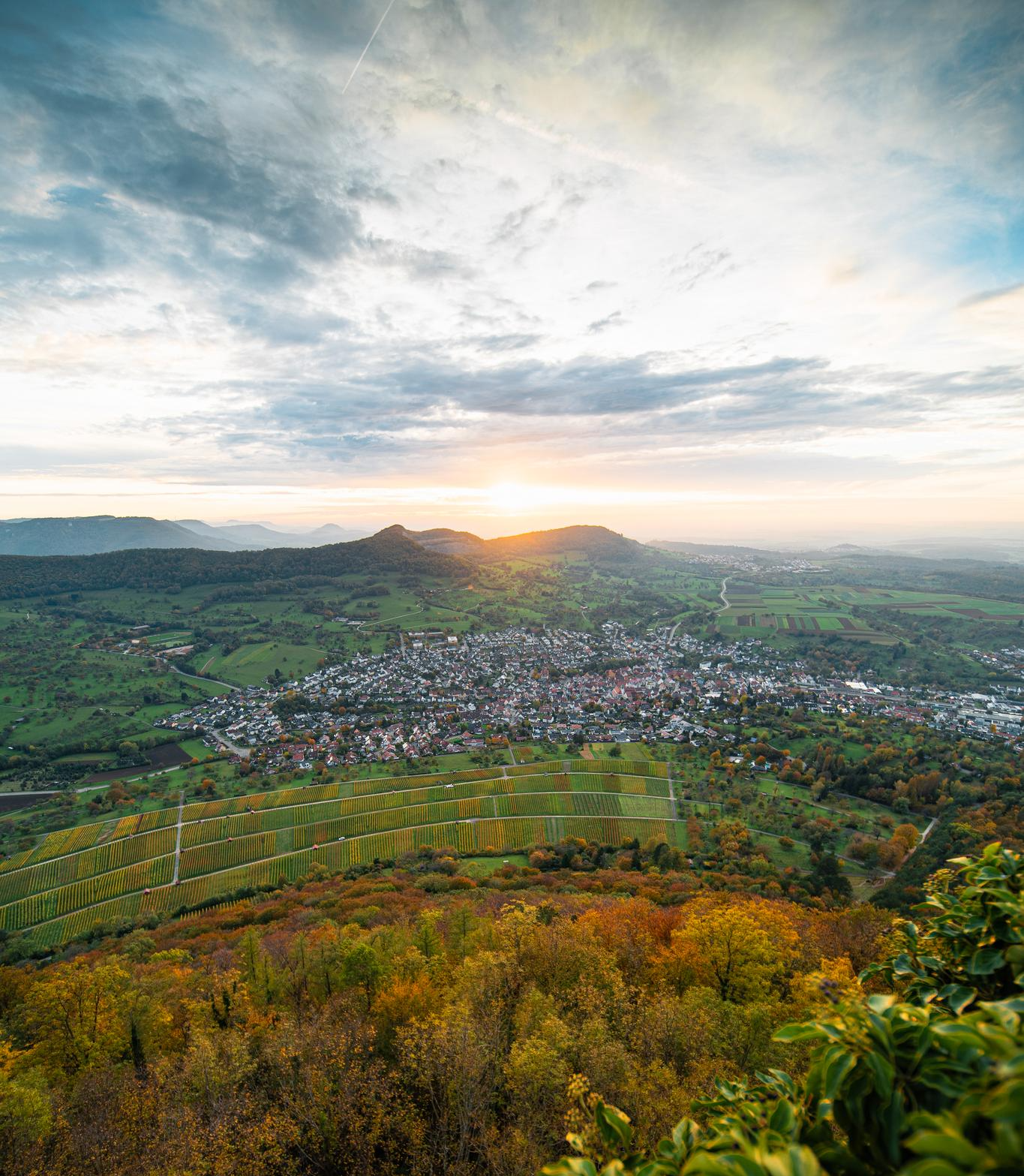
E-bike pleasure rides in the Swabian Alb
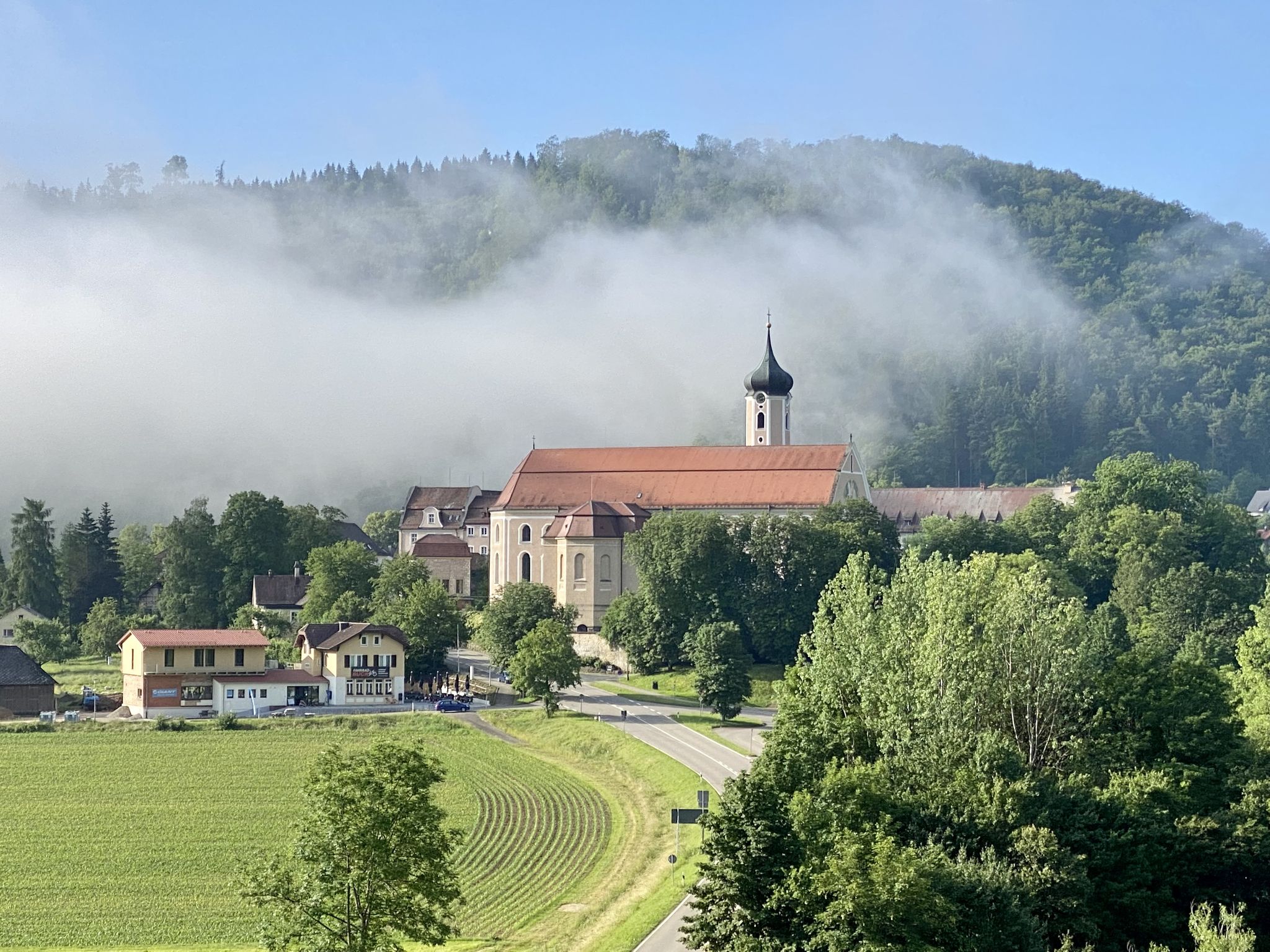
A heavenly hike on the Beuron Way of St. James
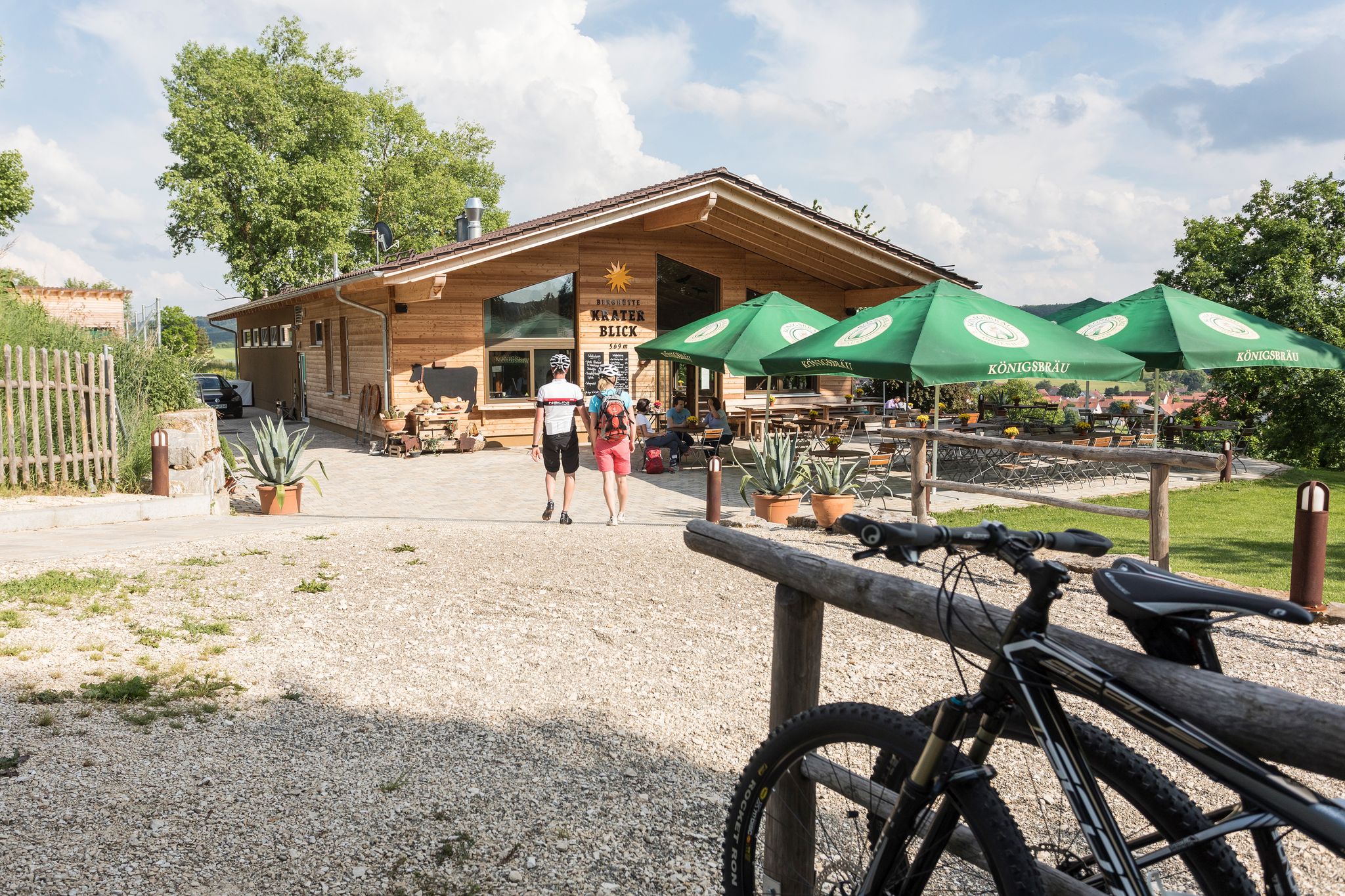
Cycling with all your senses on the Swabian Alb
Cycle the Swabian Alb Cycle Path to Lake Constance
9 beautiful day rides in the Swabian Jura in Germany
Ride in Germany’s Zollernalb – Albtrauf and Hohenzollern mountains
Alb-Crossing in Germany – traversing the Swabian Alb by bike
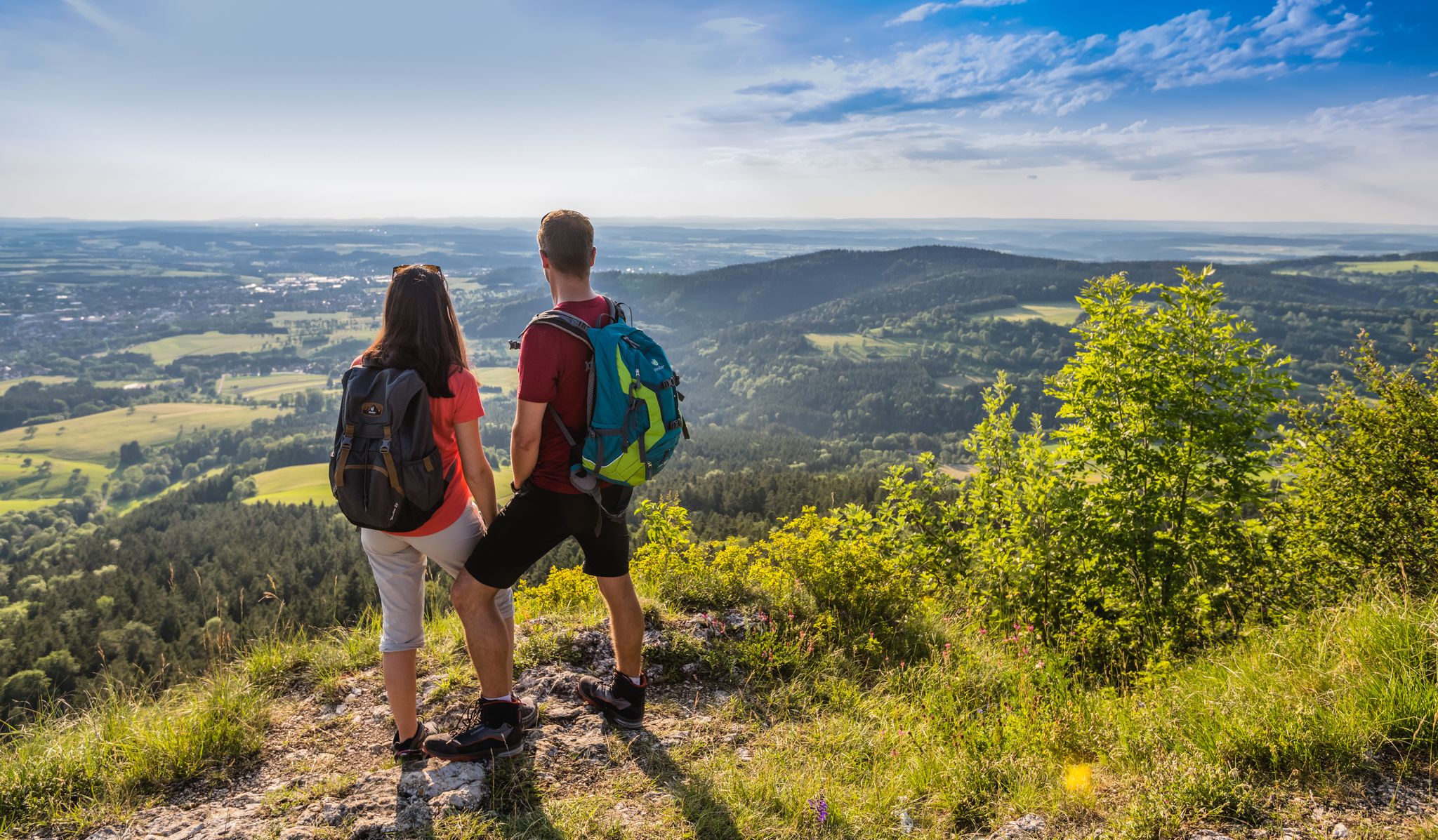
The Swabian Albsteig (HW1) – 16 stages of panoramic views
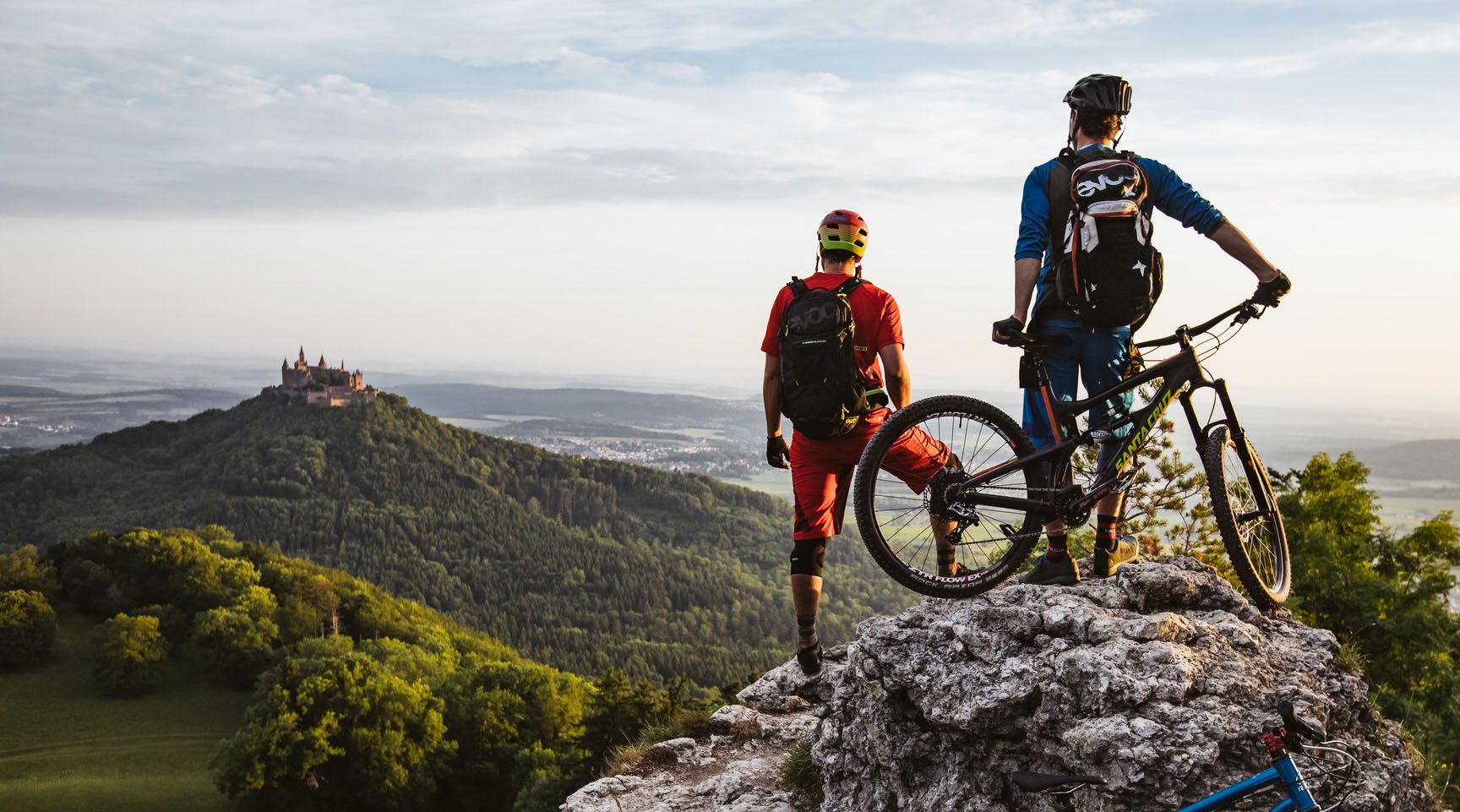
Alb instead of Alps — mountain bike action on the Swabian Alb
Other adventures around Balingen


Tips from the Community

A geological peculiarity is included in the tour.
5
0

The Hohenzollern Graben is a geological fault line that stretches from southwest Germany to Austria. It was created by tensions in the Earth's crust that led to shifts millions of years ago. The rift is particularly striking along the Swabian Alb, where it clearly shapes the landscape. Rock layers are exposed here that would otherwise remain hidden. The area is of great interest to geologists because it provides deeper insights into the development of Central Europe.
2
0

There are always impressive cracks on the edge of the cliff, but these have nothing to do with the Zollerngraben. The fault zone even runs across the Albtrauf and is actually higher than the surrounding area.
4
0

The Hohenzollern Graben was formed 15 million years ago as a result of the tectonic tensions caused by the folding of the Alps under the pressure of the African plate and the associated uplift of the Swabian Alb. The enormous forces created cracks, crevices and trenches. Although it is a collapse area, the terrain inside the graben towers above its surroundings. This so-called relief reversal is particularly evident in the example of the Hohenzollern, where a height difference of up to 350 meters is reached. As a witness mountain, it owes its position and formation to the harder, more erosion-resistant types of rock inside the graben. On the Alb plateau, too, the hilly, wooded terrain along the graben stands out from the flatter, unforested surroundings outside the graben. Source: https://de.wikipedia.org/wiki/Hohenzollerngraben#Entstehung If the above is correct, this is nothing more than a crack/cleft but not the Zollerngraben.
5
0

Postcard view ! Very popular vantage point.
20
0
Impressive place with a wonderful view.
17
1
The Hohenzollerngraben or Zollerngraben is the name given to the geological rift in the southwestern Swabian Alb in Baden-Württemberg, which is over 30 kilometers long and on average 1.5 kilometers wide. https://www.zollernalb.com/attraktionen/hohenzollerngraben-7eefd052cc
20
0
Frequently Asked Questions
What are some of the most impressive natural monuments to visit around Balingen?
Beyond the well-known viewpoints, you can explore the Hohenzollerngraben, a significant geological fault line that shapes the landscape. The Plettenberg, one of the highest mountains in the Swabian Alb, offers unique views and geological interest with its active limestone quarry. The Lochenstein provides expansive panoramas, and the Zillhausen waterfall showcases exposed geological layers.
What kind of geological features can I explore near Balingen?
Balingen is rich in geological features. The Hohenzollerngraben is a major fault line exposing ancient rock layers. The Plettenberg mountain is known for its limestone quarry where fossils have been discovered. Additionally, the historic Schwefelbrunnen in Balingen is a natural sulfur spring originating from 180-million-year-old rock formations, and the Zillhausen waterfall plunges 26 meters, revealing layers of the Brown Jurassic.
Are there family-friendly natural monuments or activities around Balingen?
Yes, several natural monuments are suitable for families. Hohenzollern Castle, while a historical site, is listed as family-friendly and offers an engaging experience. Many of the viewpoints, like the View of Hohenzollern Castle from the Zeller Horn, are accessible via trails that can be enjoyed by families, often with relatively easy approaches.
What outdoor activities can I do near these natural monuments?
The natural monuments around Balingen are excellent starting points for various outdoor activities. You can find numerous hiking trails, including easy options like the "Hüllenbuch – View of Hausen am Tann loop" or "Roschbach Waterfall – View of Hundsrücken loop." For more challenging routes, consider trails around the Lochenstein or Plettenberg. There are also running trails available, such as the "Running loop from Engstlatt." You can explore more options in the Hiking around Balingen guide or the Easy hikes around Balingen guide.
What are the best viewpoints in the Balingen area?
The region offers several stunning viewpoints. The View of Hohenzollern Castle from the Zeller Horn provides iconic postcard-worthy views of the castle. The Hangender Stein Viewpoint offers a wonderful panorama from its unique rock formation. The Lochenstein summit also provides expansive vistas of Balingen, the Black Forest, and even the Alps on clear days. Another great spot is the View of Hohenzollern Castle from Trauffelsen East.
Are there any historical sites among the natural monuments?
While primarily natural, the region's history is intertwined with its landscape. Hohenzollern Castle, first documented in 1267, is a prominent historical site situated on the 850-meter high Zollerberg, offering both cultural and scenic appeal. The Schwefelbrunnen in Balingen also has historical significance, as its sulfur water has been valued for beneficial effects since the Middle Ages.
What is the best time of year to visit the natural monuments around Balingen?
The natural monuments around Balingen can be enjoyed throughout the year, with each season offering a different experience. Spring and autumn provide pleasant temperatures for hiking and vibrant natural colors. Summer is ideal for longer explorations, while winter can transform the landscape into a serene, snow-covered wonderland, though some trails might require appropriate gear.
How accessible are the natural monuments, and is there parking available?
Many natural monuments in the Balingen area are accessible via well-maintained hiking trails. For instance, the Lochenstein is easily accessible from a parking lot, requiring only about a half-hour hike to reach its summit. Specific parking information varies by location, but generally, trailheads for popular sites have designated parking areas nearby.
What do visitors enjoy most about the natural monuments in Balingen?
Visitors frequently praise the breathtaking panoramic views, especially from spots like the Zeller Horn and Hangender Stein Viewpoint. The geological uniqueness of sites like the Hohenzollerngraben also fascinates many. The opportunity for peaceful breaks amidst stunning scenery and the well-maintained trails for hiking are consistently highlighted as enjoyable aspects.
Are there any natural monuments that are particularly good for a challenging hike?
For those seeking a challenge, the Plettenberg, as one of the highest mountains in the Swabian Alb, offers demanding trails to its 1002-meter summit. The Lochenstein also provides various trails, some of which can be more strenuous, especially when combined with longer routes along the Albtrauf. The Hangender Stein Viewpoint is also categorized as challenging in some contexts, often due to the terrain leading up to it.
Can I find information about the geology of the region while visiting the natural monuments?
Yes, the region is excellent for learning about geology. The Zillhausen waterfall is part of a geological hiking trail featuring ten information boards that explain the exposed layers of the Brown Jurassic. The Hohenzollerngraben is a prime example of tectonic activity, with visible rock layers providing insights into Central Europe's geological development.
Most popular routes around Balingen
Most popular attractions around Balingen

Get inspired with the komoot mobile app


Explore more
Extend your search for the best caves by checking out these guides of the top ones around Balingen:
