Top 20 Natural Monuments in Croatia
Best natural monuments in Croatia include a diverse range of landscapes, from cascading waterfalls and crystalline lakes to rugged mountains and enchanting sea caves. Many of these natural wonders are preserved within the country's national parks. Croatia's geography features a blend of Mediterranean and subalpine climates, supporting varied ecosystems. The country offers numerous opportunities to explore unique geological formations and rich biodiversity.
Best natural monuments in Croatia
- The most popular natural monuments is Upper Lakes Waterfalls, Plitvice Lakes National Park, a waterfall that is part of a UNESCO World Heritage Site. It is renowned for its series of 16 terraced lakes, interconnected by waterfalls and cascades exhibiting mesmerizing colors.
- Another must-see spot is Milanovački Waterfall, a waterfall within Plitvice Lakes National Park. Visitors can explore paths along the waterfront and from upper canyon viewpoints, experiencing the beauty of the Lower Lakes.
- Visitors also love Veliki Prstavak Waterfall, Plitvice Lakes' second highest cascade at 24 meters. Boardwalks allow for close appreciation of this karst phenomenon, where various falls tumble from the lakes above.
- Croatia is known for its waterfalls, lakes, and mountain ranges. These include diverse landscapes such as the dramatic cliffs of Kornati National Park and the gorges of Paklenica National Park.
- The natural monuments in Croatia are appreciated by the komoot community. The guide features 622 highlights, with more than 2200 photos and over 2700 upvotes from visitors.
Last updated: October 10, 2026
Upper Lakes Waterfalls, Plitvice Lakes National Park
Highlight • Waterfall
Translated by Google •
Tip by

Plitvice Lakes National Park
Highlight • Lake
It is world-famous for its cascading lakes and still harbors all animal species in the protected area that were native to this region before human settlement. Due to the untouched nature, animals such as brown bears, which have already been eradicated elsewhere in Europe, can still be found there.
Showing Translation
Tip by

Sign up now to discover places like this
Get recommendations on the best single tracks, peaks, & plenty of other exciting outdoor places.
Milanovački Waterfall
Highlight • Waterfall
Here you can book your tickets online with a suitable time slot for admission. It worked great!
Translated by Google •
Tip by

Veliki Prstavak Waterfall
Highlight • Waterfall
Tip by

View of the Skradinski Buk waterfall
Highlight • Viewpoint
Tip by
Great Cascades (Velike Kaskade), Plitvice Lakes National Park
Highlight • Waterfall
Translated by Google •
Tip by
Plitvice Lakes National Park
Highlight • Lake
Translated by Google •
Tip by
Viewpoint with a great view of the lakes
Highlight • Viewpoint
Translated by Google •
Tip by

Vojak Lookout Tower
Highlight • Summit
Tip by

Paklenica National Park — Gorges and Waterfalls
Highlight • Gorge
We were there in April and it was nice and empty.
I can only recommend the low season for traveling and hiking. There are some places on the main path to fill the bottles with fresh spring water!
Translated by Google •
Tip by

Sign up for free to discover even more natural monuments in Croatia.
Already have an account?
Start today with a free account
Your next adventure awaits.
Popular around Croatia
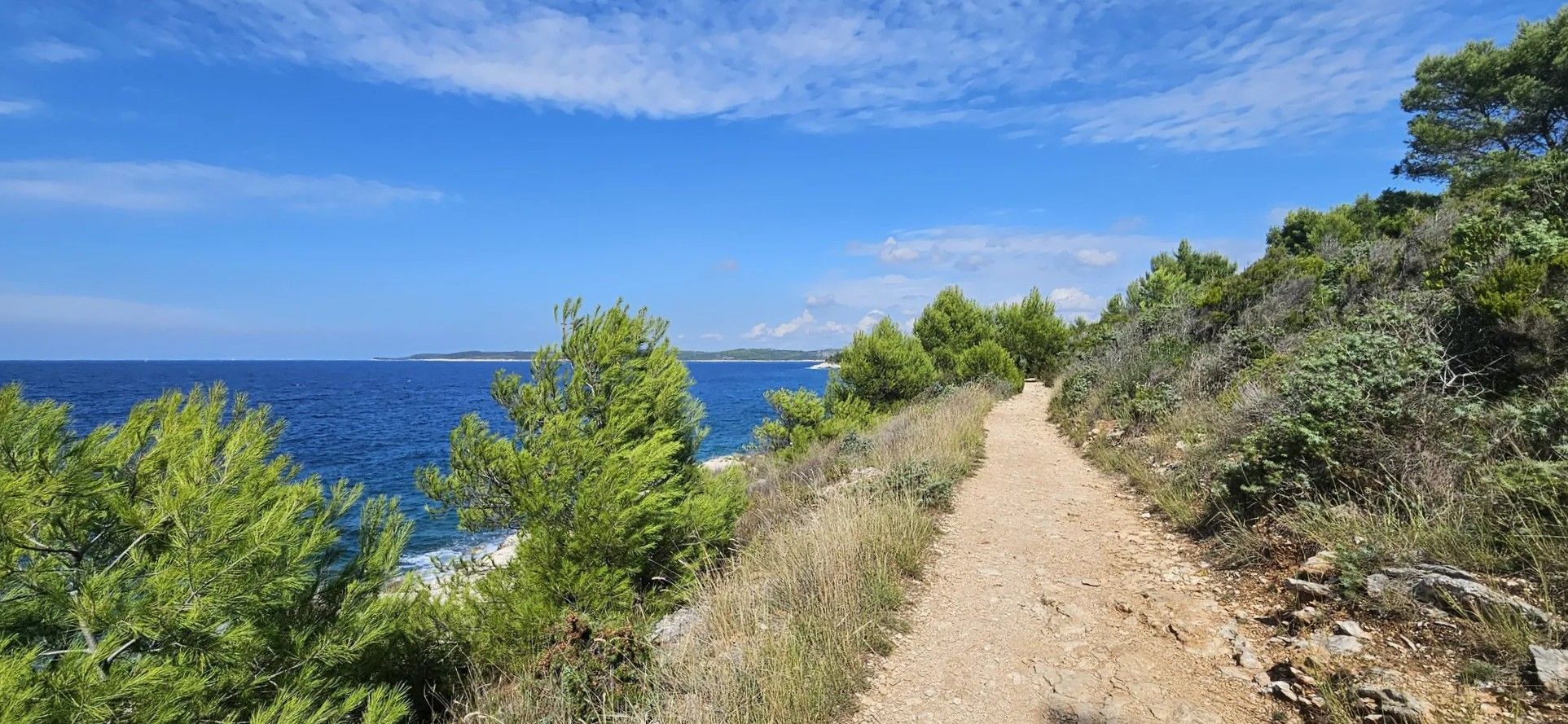
From Sea to Summit: Trail Running in Croatia
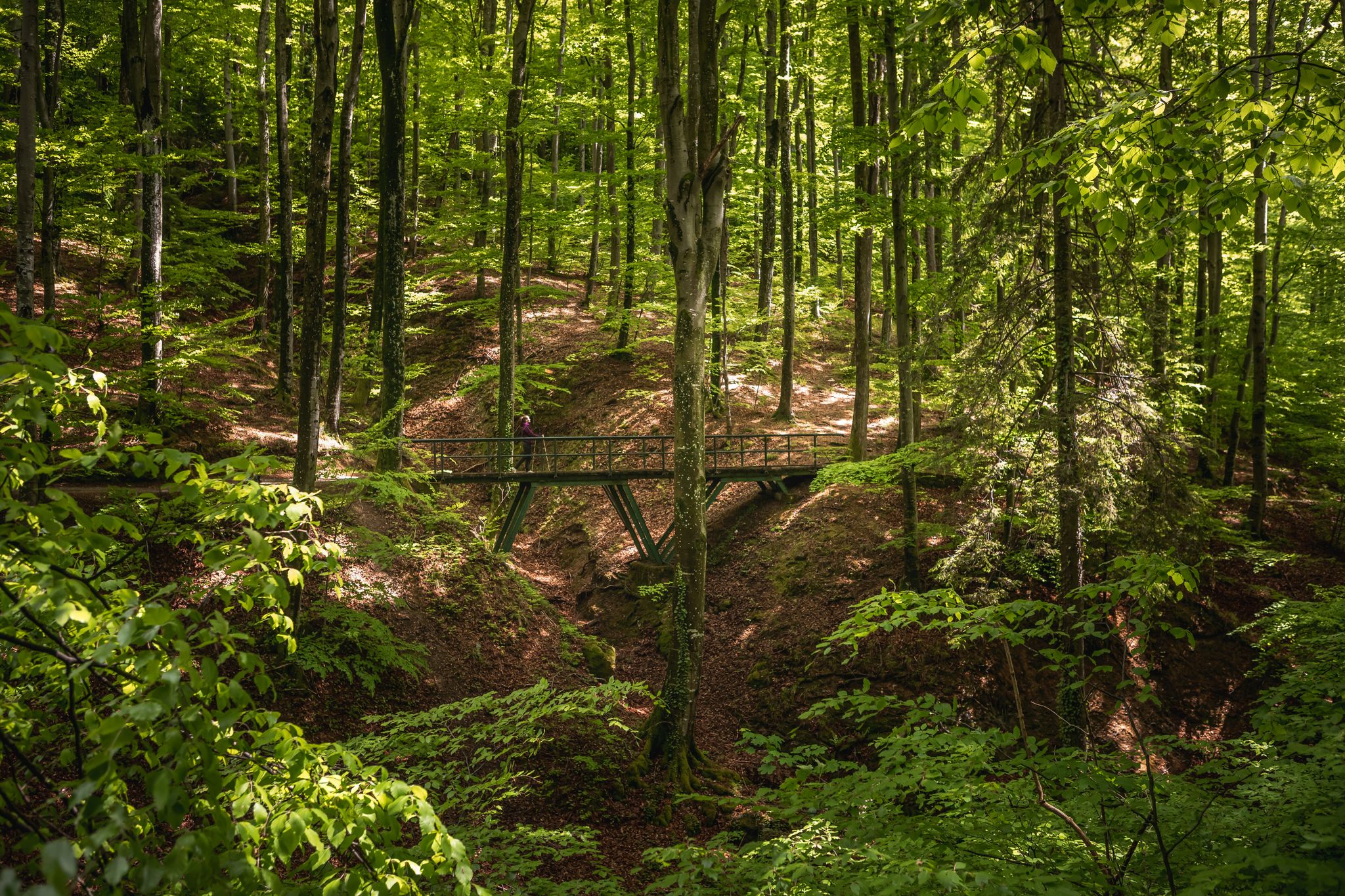
Discover the wild side of Zagreb – Medvednica Transversal
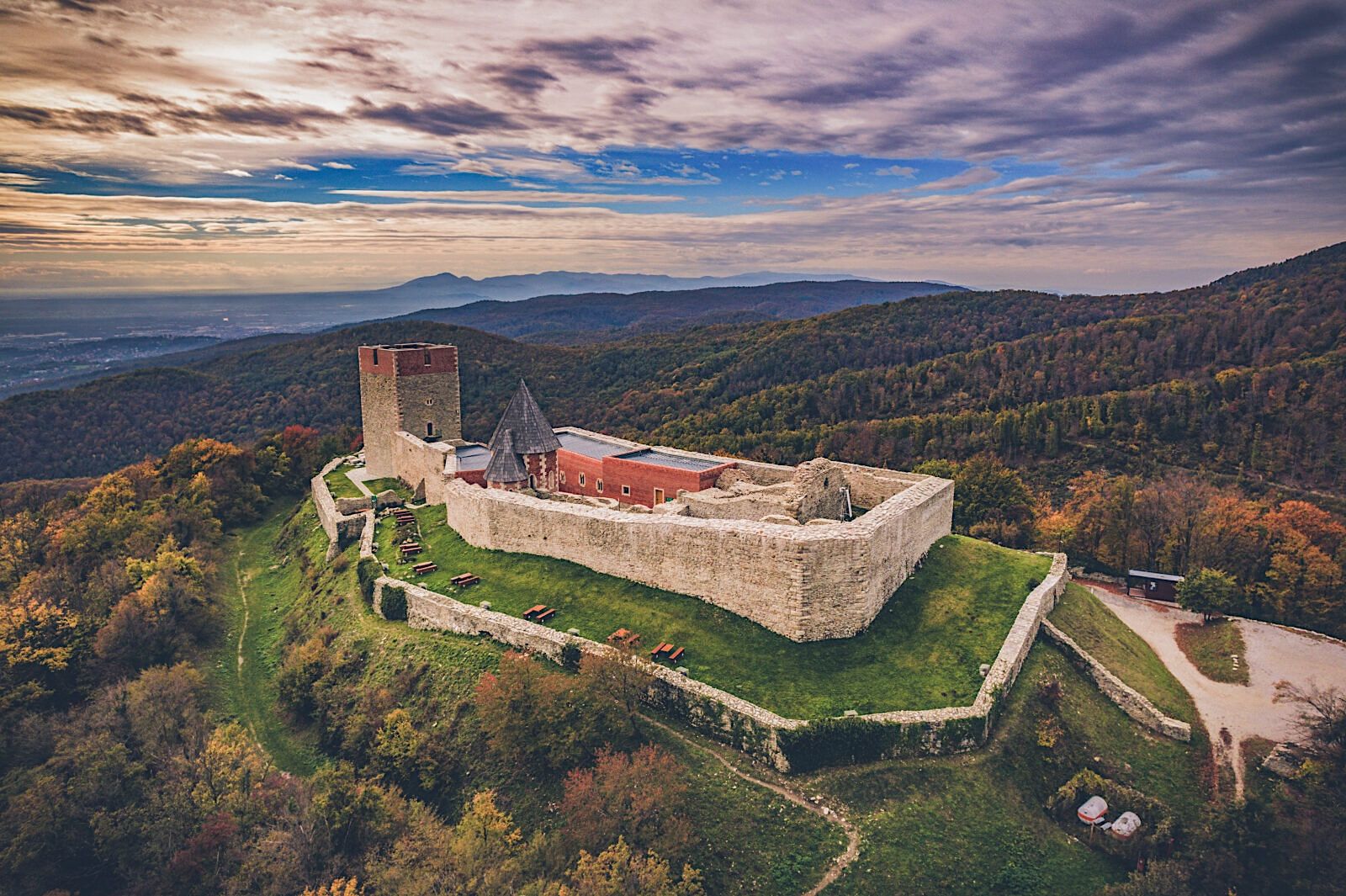
Medvednica Nature Park – the most scenic hikes above Zagreb
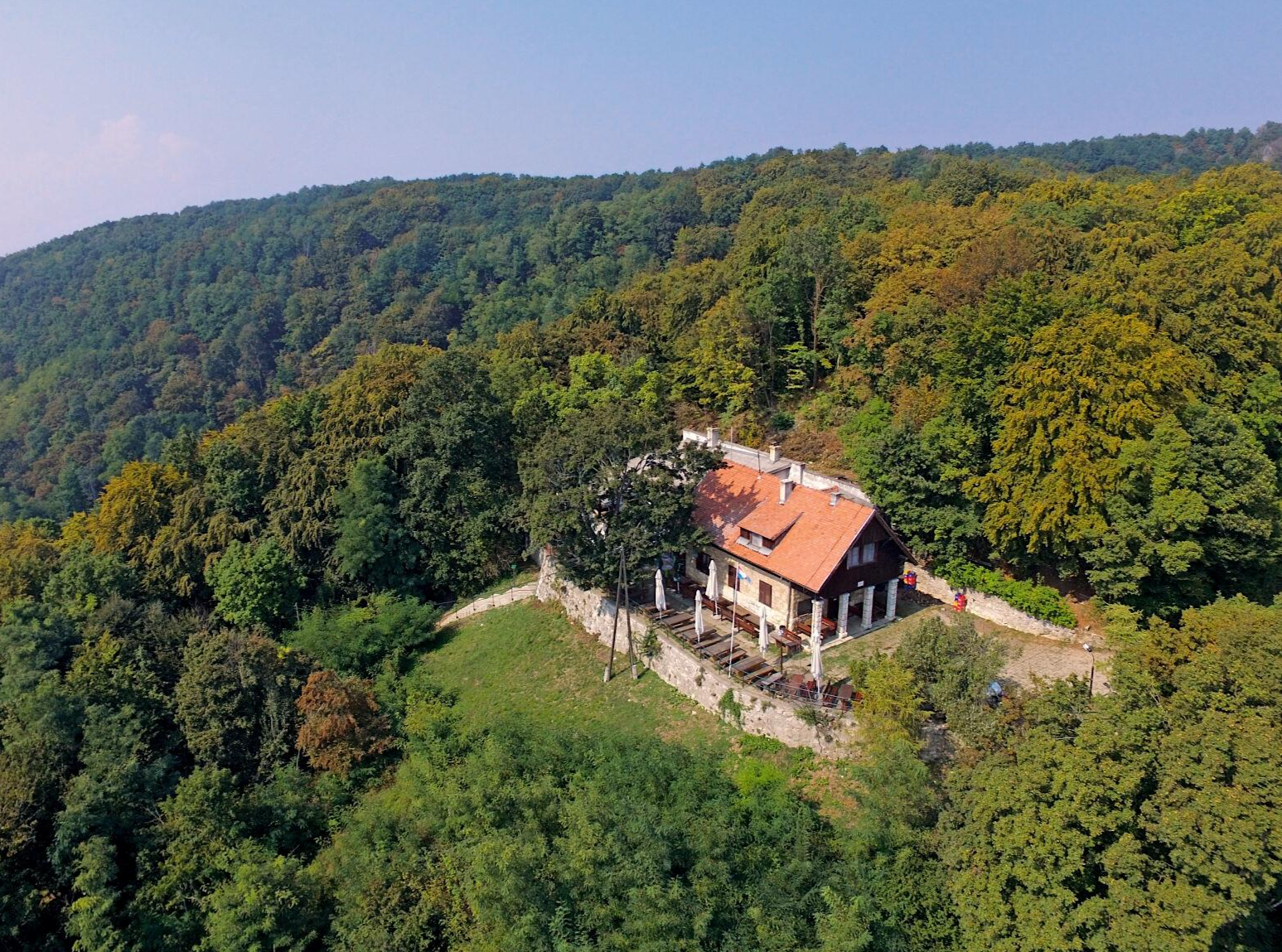
Medvednica Nature Park – beautiful day hikes to mountain huts

Triathlon 360 – my journey around the world
From Bavaria to the Adriatic - My Bikepacking Adventure to Croatia 2023
EuroVelo 9 – The Amber Route from the Baltic to Adriatic Sea
Slovenian mountains to island hopping around the Adriatic Crest
The Dinaric Alps – explore the Adriatic Sea in a different way
The Ciro Trail — Along the railtrail from Mostar to Dubrovnik
Other adventures in Croatia


Tips from the Community

National Park Paklenica is one of the most visited National Parks Hr
2
0

Water flows down beautifully 😀 what a force
18
0
Nice view from the bridge
20
0
All the tips are correct and all the photos are beautiful, but they do not match the experience of being here...
20
0
One word is enough: ENJOY!
23
0
I have seen a lot of the world, this is really a gem!
20
0
When rock crystals end up in lakes, this beautiful azure blue color is created.
20
0

Krka National Park was established in 1955. The park's territory was classified as a rare natural asset and an important area as early as 1948. Between 1985 and 1997, the area of the national park was expanded to a total of 109 km².
24
1
Frequently Asked Questions
What are some of the most popular natural monuments in Croatia?
Croatia is home to many stunning natural monuments. Among the most popular are the Upper Lakes Waterfalls, Plitvice Lakes National Park, renowned for its terraced lakes and cascades. Visitors also highly rate the View of the Skradinski Buk waterfall in Krka National Park, and the dramatic gorges of Paklenica National Park.
Are there family-friendly natural monuments in Croatia?
Yes, many natural monuments in Croatia are suitable for families. Plitvice Lakes National Park, with its boardwalks and boat rides, offers an engaging experience for all ages, particularly around the Great Cascades. Krka National Park also features easy trails and boat excursions. Brijuni National Park is particularly family-friendly, offering ancient ruins, lush landscapes, and a unique safari park with exotic animals.
What kind of outdoor activities can I do near Croatia's natural monuments?
Croatia's natural monuments offer diverse outdoor activities. Near the waterfalls of Plitvice Lakes, you can enjoy extensive hiking, with routes like the "Milanovački Waterfall – Veliki Prstavak Waterfall loop". Paklenica National Park is a haven for hikers and climbers, offering over 120 miles of trails and 360 rock climbing routes. For mountain enthusiasts, there are challenging routes like the "Cica Voda Spring – View of Paklenica Gorge loop".
What is the best time to visit the natural monuments in Croatia?
The best time to visit Croatia's natural monuments largely depends on the experience you seek. Spring and early autumn offer pleasant weather, fewer crowds, and lush scenery, ideal for hiking and exploring. Summer is popular for swimming and boat tours, especially in coastal parks like Kornati and Mljet. For the most intense blue glow at the Blue Grotto, visit between 11 AM and noon on sunny days.
Are there any natural monuments in Croatia with significant historical or cultural sites?
Yes, several natural monuments in Croatia blend natural beauty with rich history. Krka National Park features historic monasteries like Visovac and Krka (Holy Archangel), accessible by boat. Mljet National Park hosts a 12th-century Benedictine monastery on an islet within Veliko Jezero. Brijuni National Park is notable for its Roman ruins, Byzantine castrums, and even dinosaur footprints, alongside its natural landscapes.
What unique natural features can I expect to see in Croatia's national parks?
Croatia's national parks showcase a variety of unique natural features. Plitvice Lakes National Park is famous for its travertine barriers forming 16 terraced lakes. Kornati National Park boasts dramatic cliffs rising 60 to 80 meters from the sea and crystal-clear waters teeming with marine life. Risnjak National Park, named after the lynx, is a mountainous, heavily forested area serving as a natural link between the Alps and the Balkan mountains, home to all three major European predators.
How long should I plan to spend at Plitvice Lakes National Park?
To fully experience Plitvice Lakes National Park, it's recommended to dedicate a full day. This allows ample time to explore both the Upper and Lower Lakes, walk the extensive boardwalks, and utilize the park's boat and 'train' transport options. Many visitors find that an early start helps to avoid the largest crowds and enjoy the serene beauty of highlights like the Milanovački Waterfall and Veliki Prstavak Waterfall.
Can I find viewpoints with panoramic vistas in Croatia's natural monument areas?
Absolutely. Croatia offers numerous viewpoints within its natural monuments. The Vojak Lookout Tower, located in Učka Nature Park, provides spectacular panoramic views stretching to the Adriatic Sea and the Julian Alps. In Plitvice Lakes, the paths along the waterfront and from upper canyon viewpoints offer stunning perspectives of the lakes and waterfalls, such as the View of Lake Gavanovac and the waterfalls.
What makes Kornati National Park a 'nautical paradise'?
Kornati National Park, an archipelago of almost 90 islands, islets, and reefs, is often called a 'nautical paradise' due to its crystal-clear waters, dramatic cliffs, and countless secluded coves. It's an exceptional destination for sailing, yachting, diving, and snorkeling, offering a chance to experience untouched marine nature with over 60 species of corals and 180 species of fish.
Is it possible to swim near waterfalls in Croatia's national parks?
While swimming was once permitted in certain areas, for preservation purposes, direct swimming under iconic waterfalls like Skradinski Buk in Krka National Park has been prohibited since 2021. However, some parks, particularly coastal ones like Mljet National Park, offer opportunities for swimming in its picturesque saltwater lakes, Veliko Jezero and Malo Jezero, or in designated coastal areas.
Are there any UNESCO World Heritage Sites among Croatia's natural monuments?
Yes, Plitvice Lakes National Park is a prominent UNESCO World Heritage Site, recognized for its stunning series of 16 terraced lakes interconnected by waterfalls and cascades. Its unique geological formations, created by travertine barriers, and its rich biodiversity make it a globally significant natural wonder. You can learn more about its designation on the UNESCO website.
What is the Blue Grotto and how can I visit it?
The Blue Grotto (Modra Špilja) is a sea cave on Biševo Island, near Vis, famous for its spectacular natural blue illumination. Sunlight enters through an underwater opening, reflecting off the white seafloor to create an otherworldly glowing blue effect. Visitors can experience this unique phenomenon via guided boat tours, with the most intense blue glow typically occurring between 11 AM and noon on sunny days.
Most popular routes in Croatia
Most popular attractions in Croatia

Get inspired with the komoot mobile app


Didn’t find what you were looking for?
Find even more amazing natural monuments in Croatia by checking out the top Highlights region by region:
Explore more
Extend your search for the best caves by checking out these guides of the top ones in Croatia:
