Top 20 Natural Monuments at the Algarve
Best natural monuments at the Algarve showcase a diverse landscape, from dramatic coastlines to serene wetlands and mountainous regions. The region features golden-yellow cliff formations, sea caves, and extensive natural parks. These areas are characterized by unique rock formations, diverse ecosystems, and significant biodiversity. The Algarve offers a variety of natural features for exploration and observation.
Best natural monuments at the Algarve
- The most popular natural monuments is Natural Arch at Praia da Marinha, a natural monument that serves…
Last updated: October 10, 2026
Natural Arch at Praia da Marinha
Highlight • Natural Monument
Translated by Google •
Tip by

Benagil Caves
Highlight • Cave
Translated by Google •
Tip by
Sign up now to discover places like this
Get recommendations on the best single tracks, peaks, & plenty of other exciting outdoor places.
Ponta da Piedade — Cliffs and Rock Formations
Highlight • Natural Monument
Translated by Google •
Tip by

Carvalho Beach
Highlight • Beach
Translated by Google •
Tip by

Fishermen's Trail Coastal Cliffs (Rota Vicentina, Algarve)
Highlight • Trail
Translated by Google •
Tip by

Cabo de São Vicente Lighthouse
Highlight • Monument
Showing Translation
Tip by

Amado Beach
Highlight • Beach
Translated by Google •
Tip by

Camilo Beach
Highlight • Natural Monument
Tip by

Farol de Alfanzina
Highlight • Monument
Translated by Google •
Tip by

Burgau Beach
Highlight • Beach
Translated by Google •
Tip by

Sign up for free to discover even more natural monuments at the Algarve.
Already have an account?
Start today with a free account
Your next adventure awaits.
Popular around Algarve
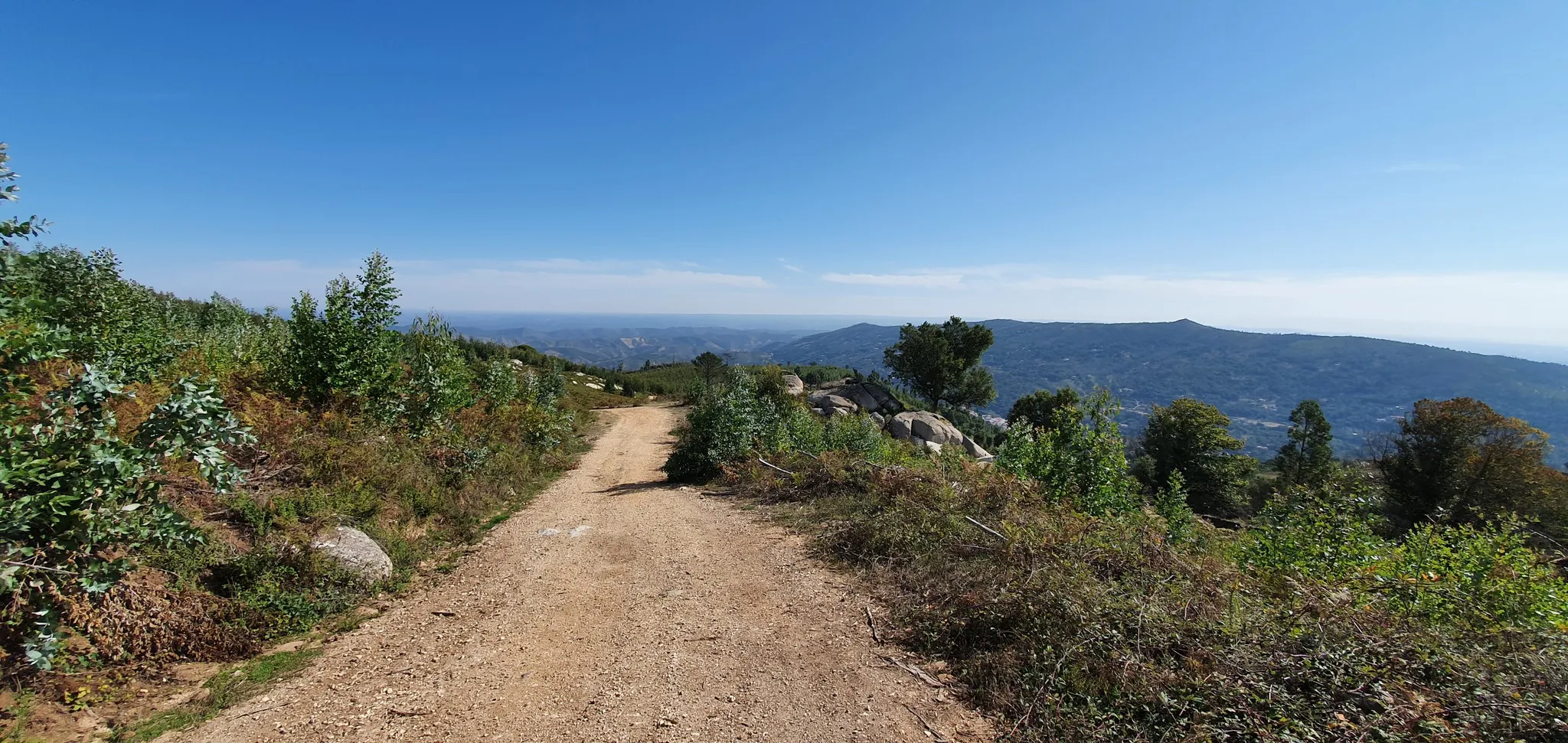
Via Algarviana (GR 13) - hidden corners of the south
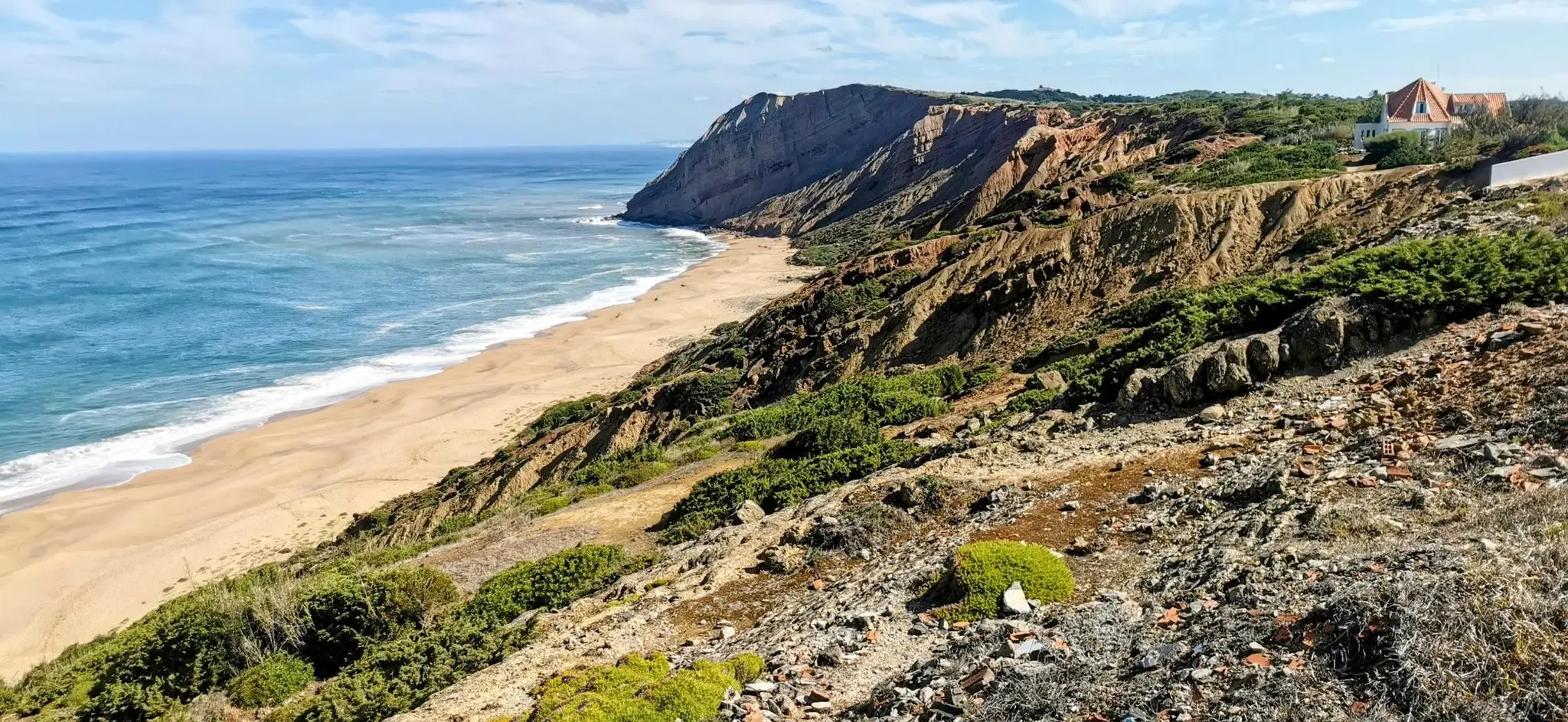
EuroVelo 1 Portugal – Cycle the Atlantic Coast
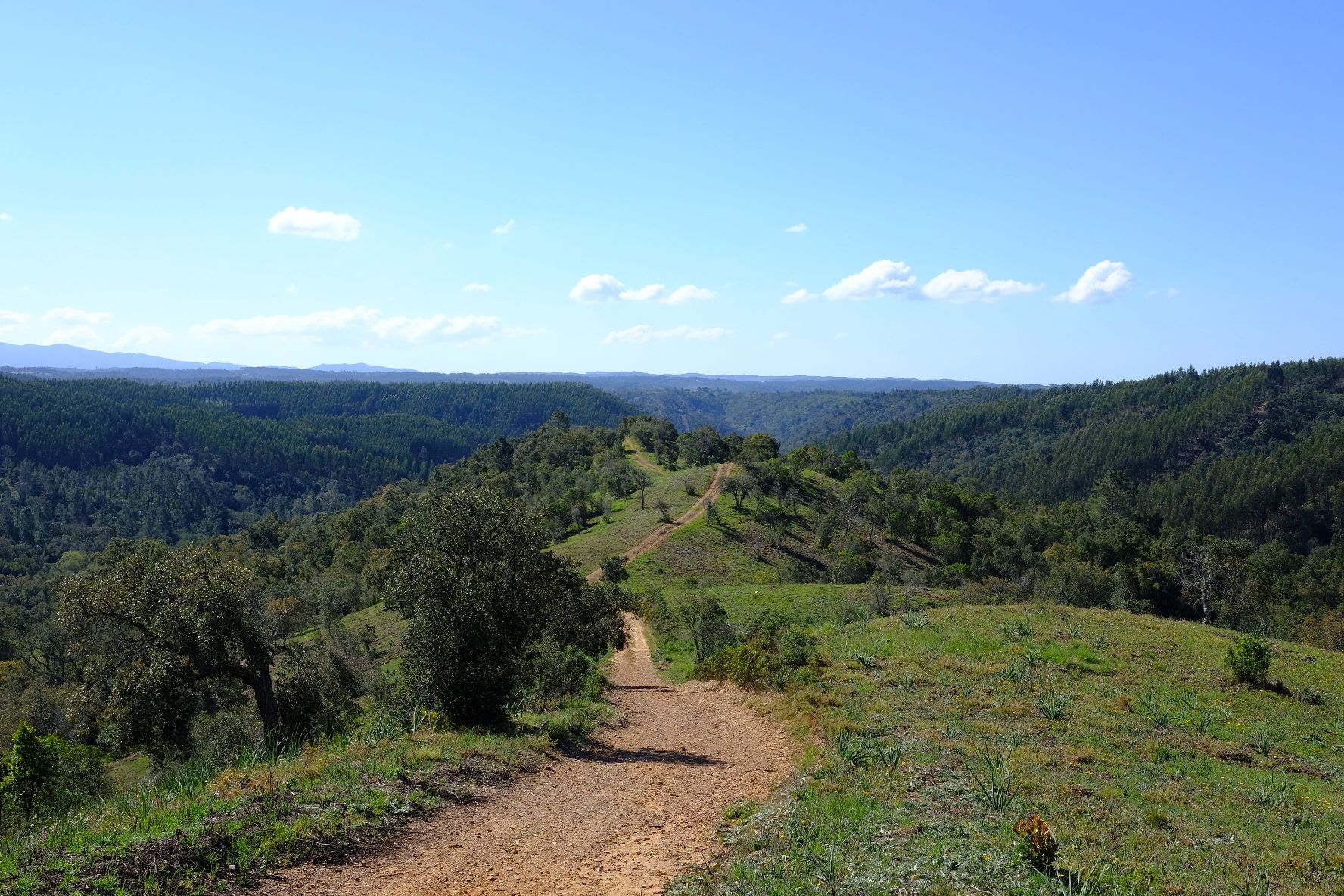
Caminho Histórico – Discover Portugal's beauty and history
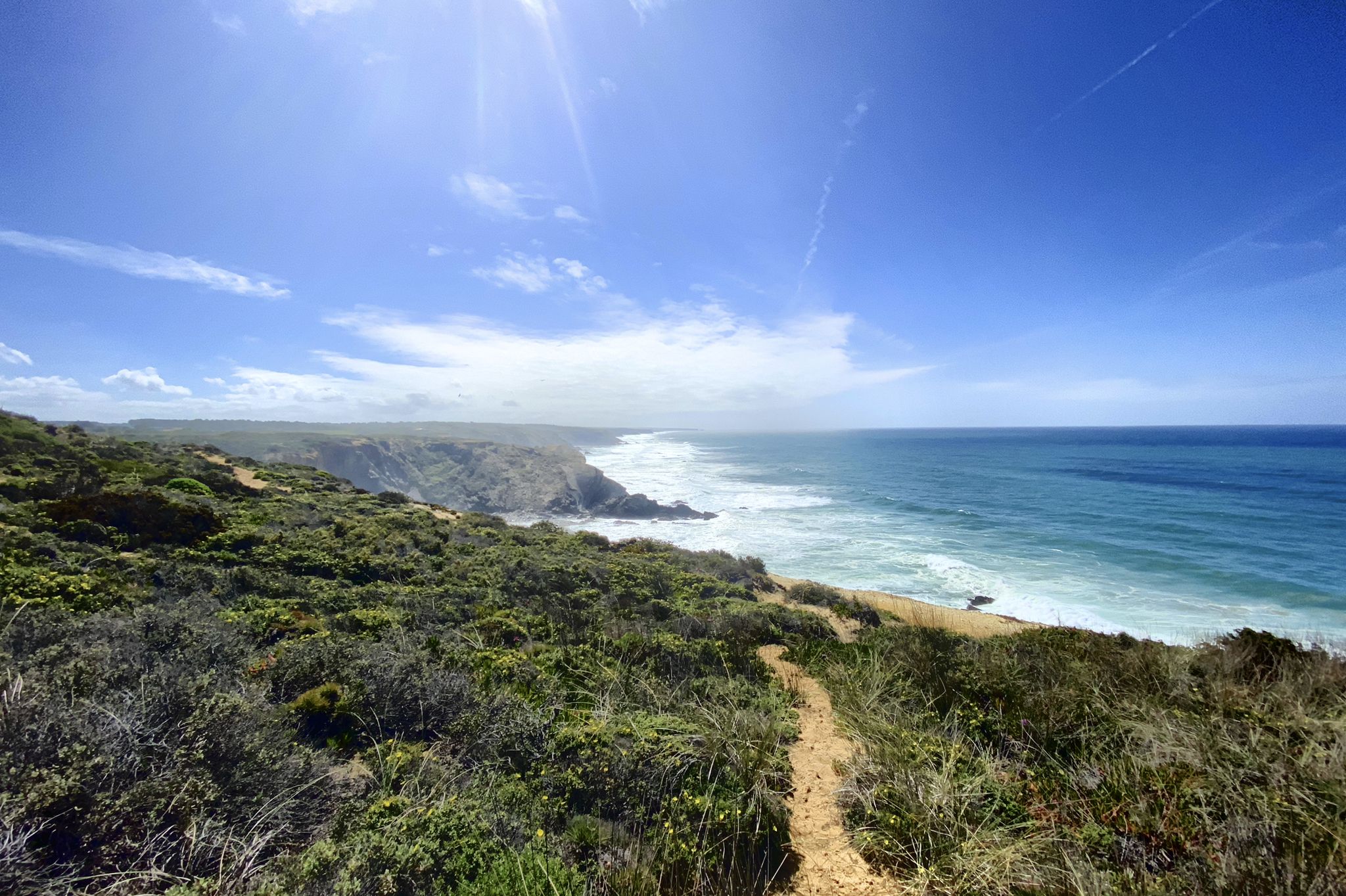
Trilho dos Pescadores – Portugal's Fishermen's Trail
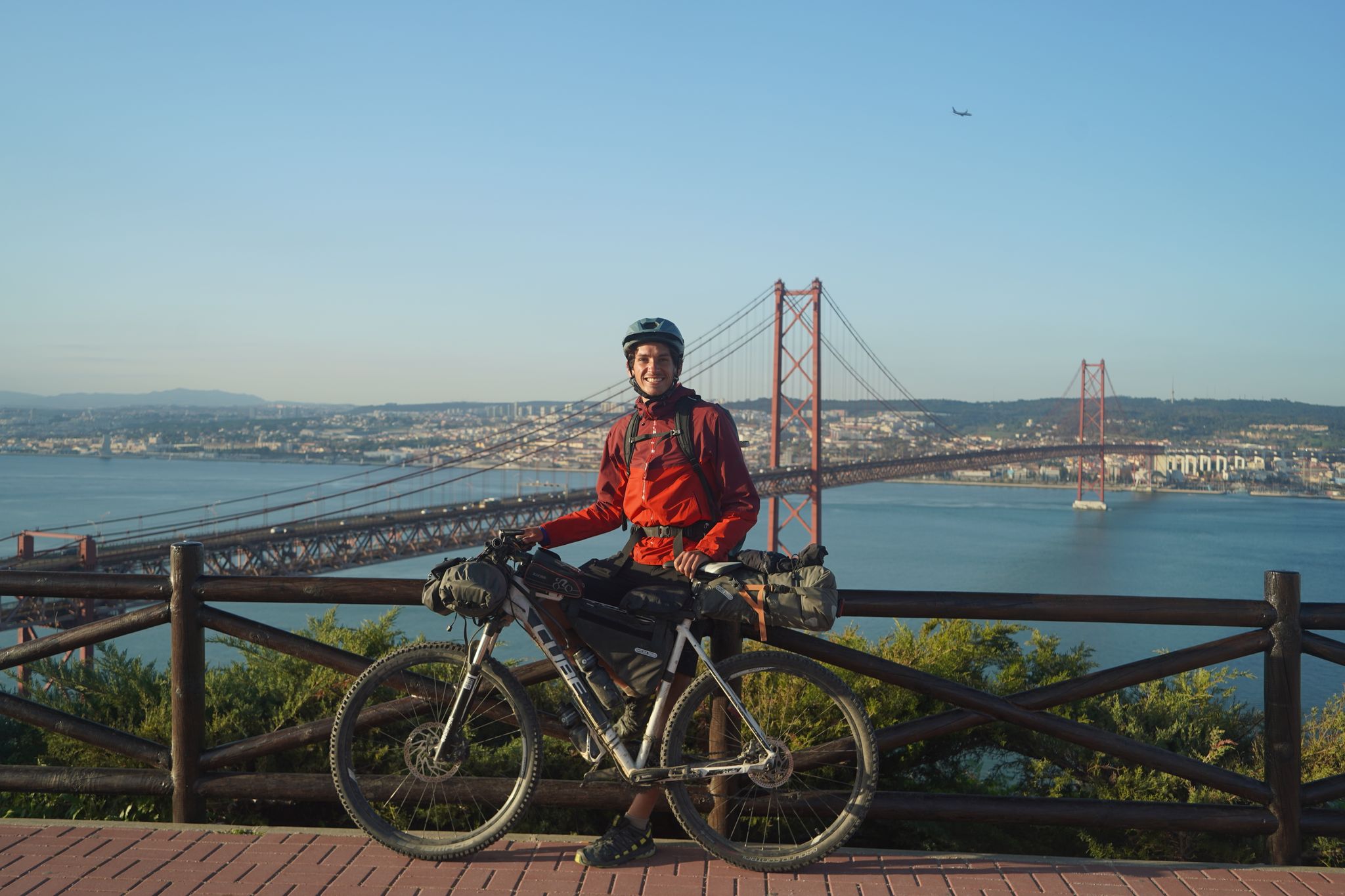
Road to Lisbon – bikepacking the Alps, Pyrenees and Picos de Europa
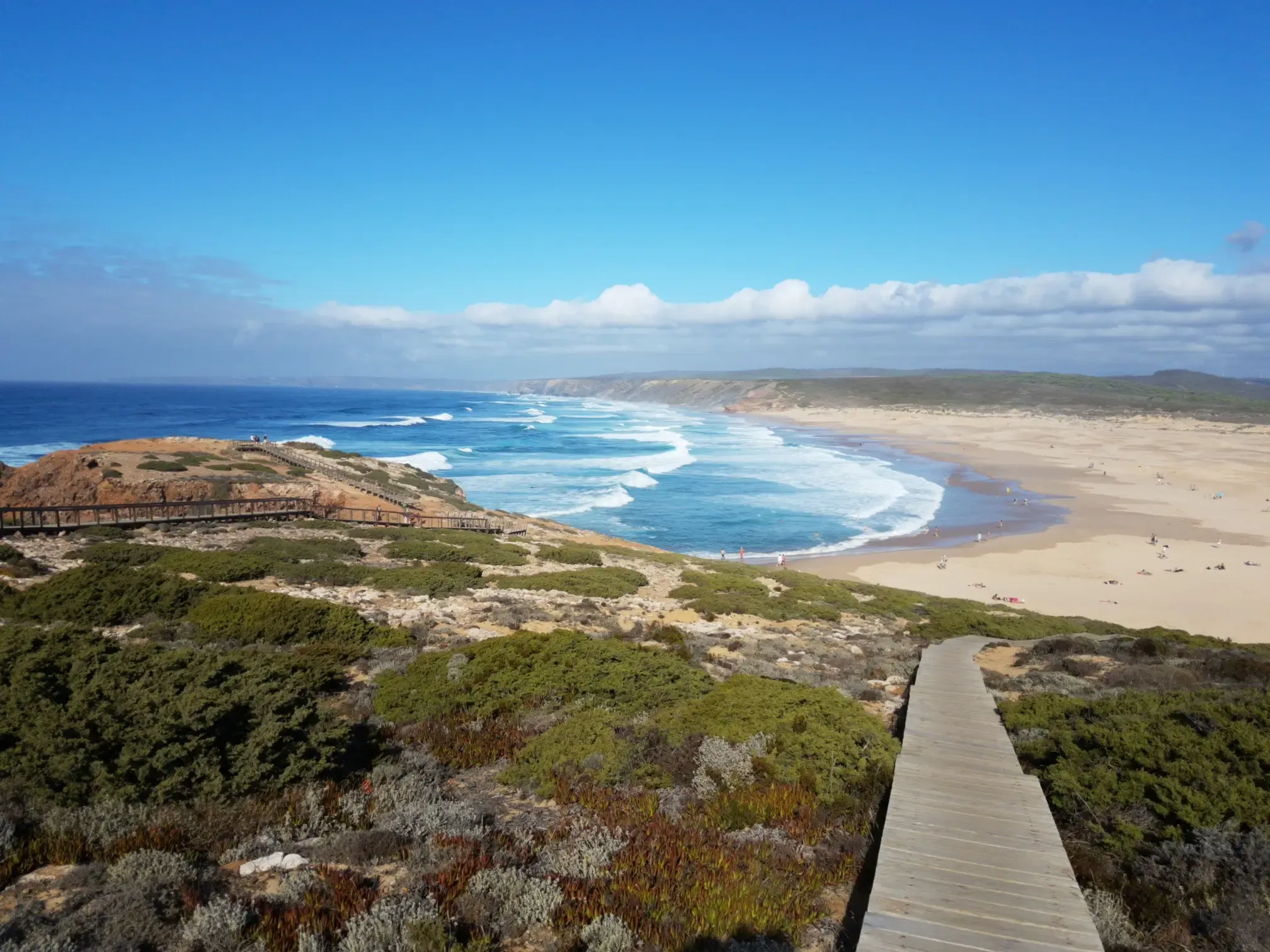
Lisbon to Santo António – The Atlantic Coast of Portugal (south)
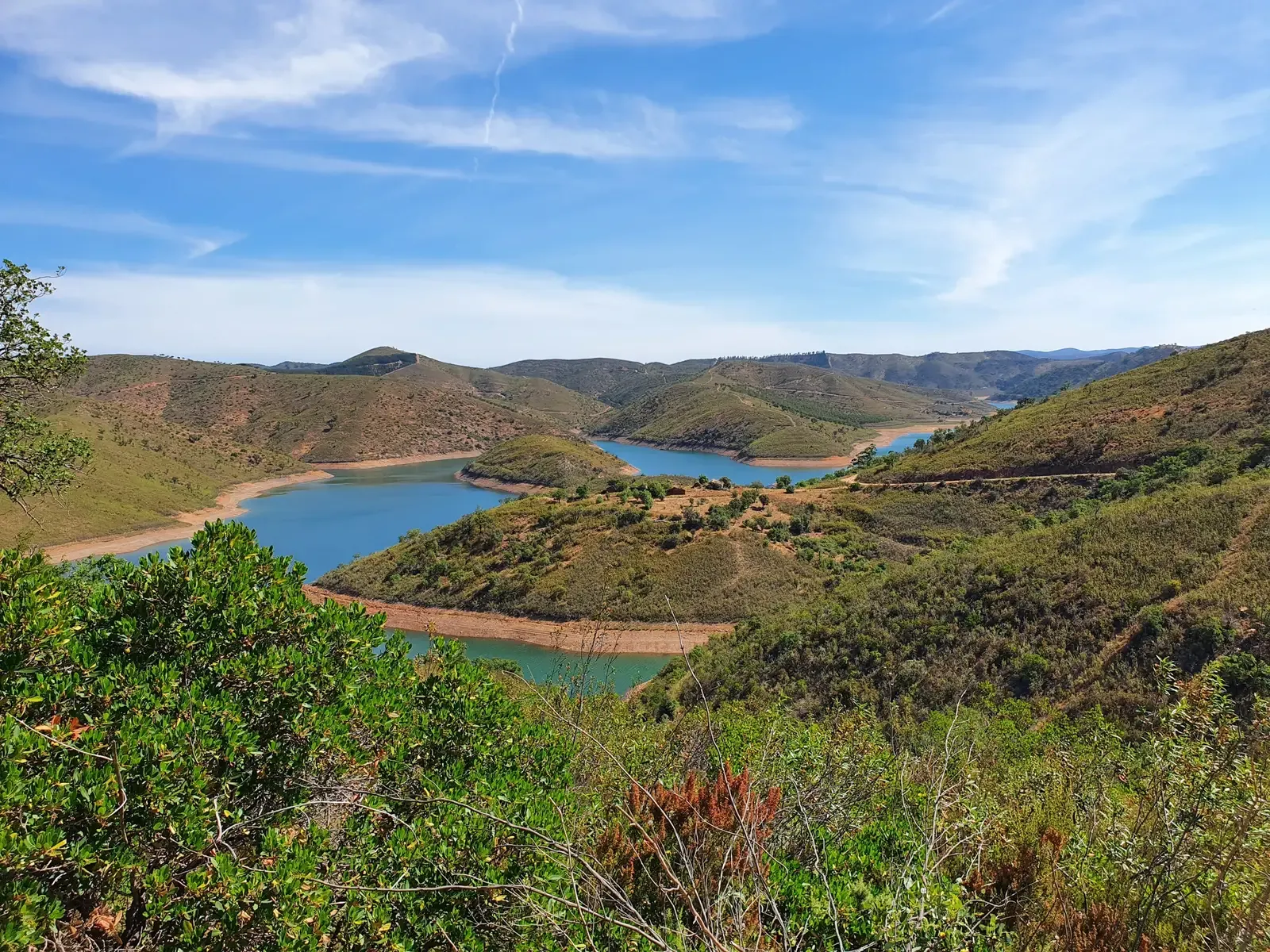
The secret Algarve – Algarviana Way
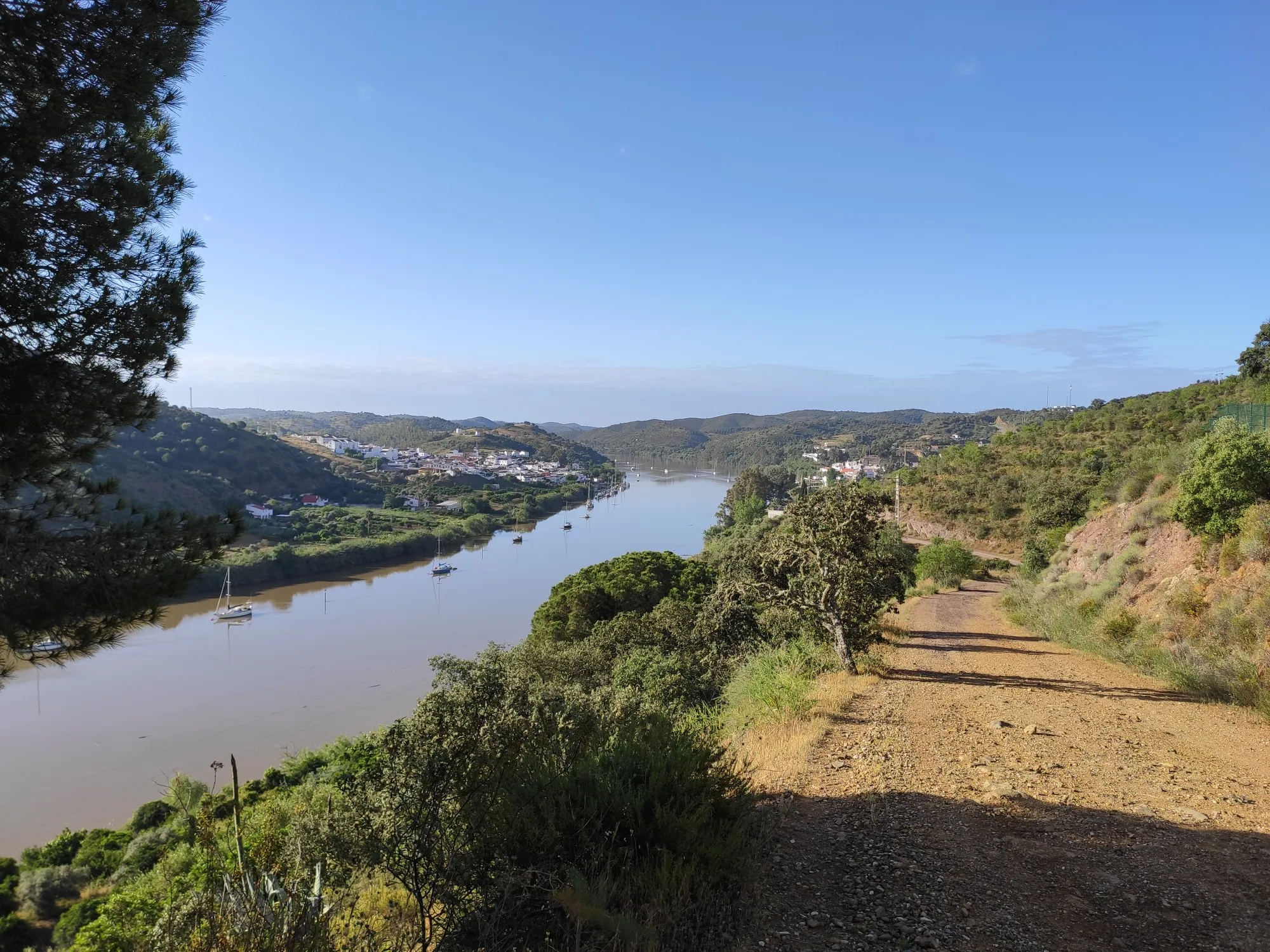
Stories of a river - Great Guadiana Route (GR 15)
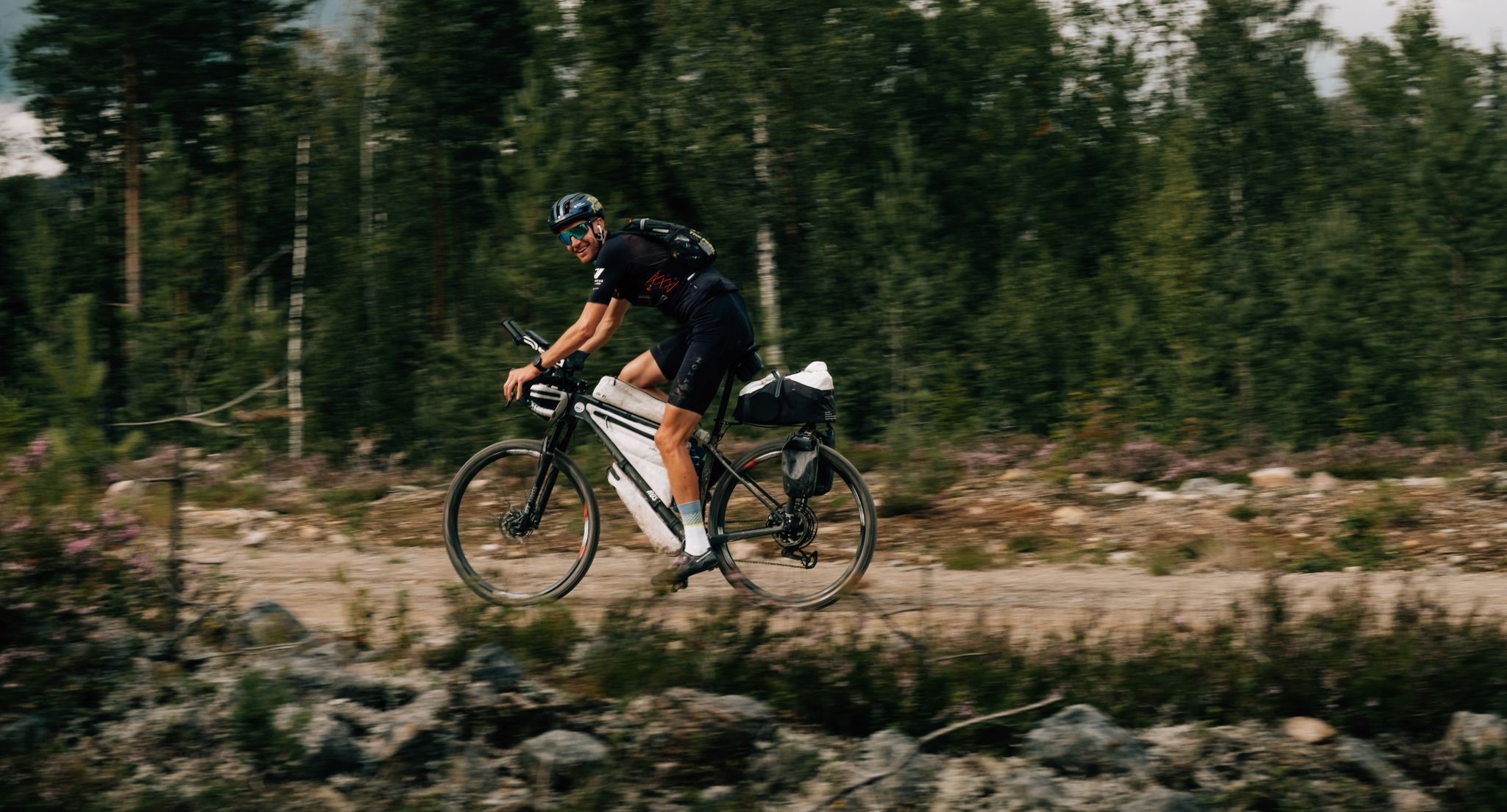
European D̶I̶V̶I̶D̶E̶ Connect Trail Project – a journey across Europe
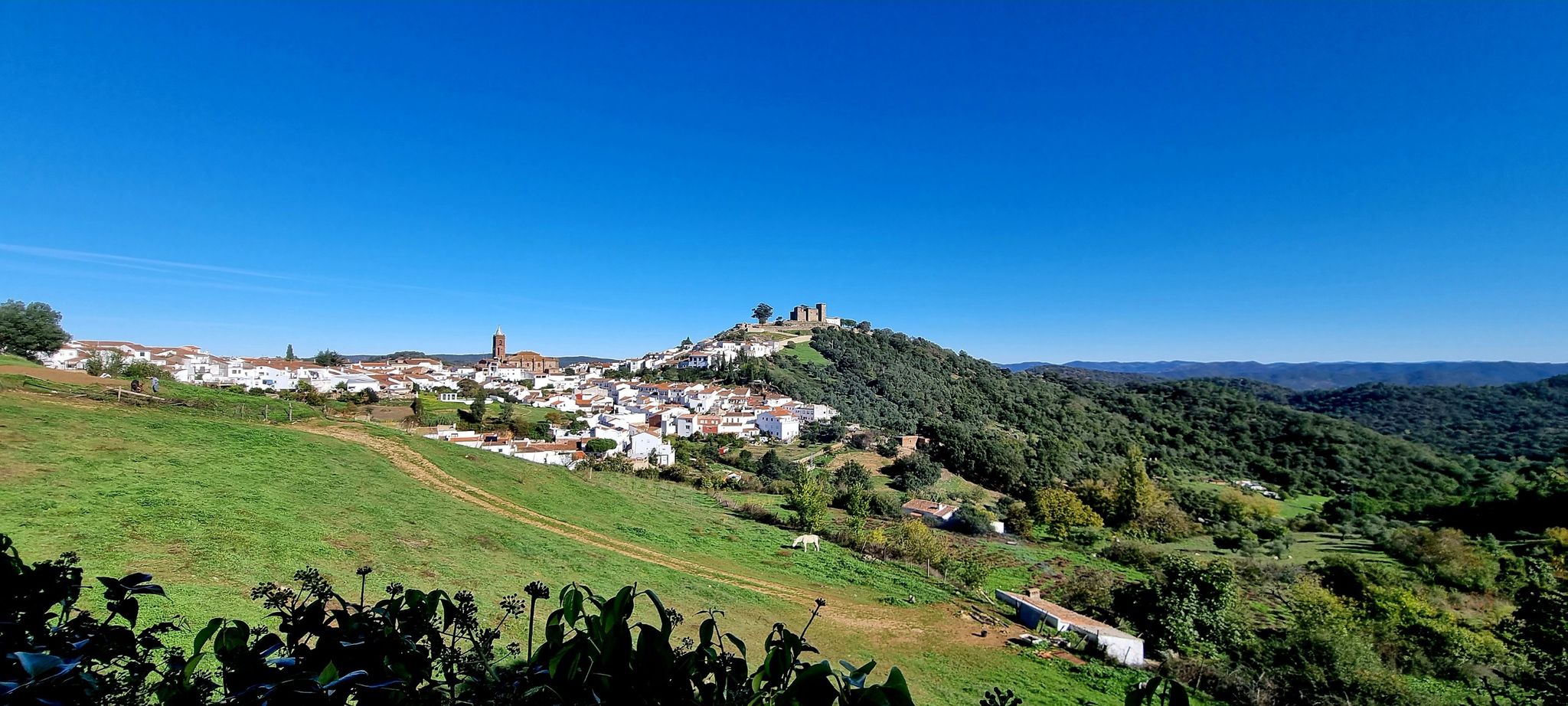
European Divide Trail across the Iberian Peninsula – south
Other adventures at the Algarve


Tips from the Community

…an easy-to-walk path with fantastic views 🥾👀
3
0
…a scenic hiking trail that is easy to walk!! 🥾👀
3
0

Five kilometers from Sagres rises the mythical Cabo de São Vicente, the last gaze of land for explorers setting off towards the unknown of the vast ocean. Wild, windy, and imposing, this promontory of steep cliffs plunges into the Atlantic, crowned by one of Europe's most powerful lighthouses. Called by the Romans Promontorium Sacrum, the "end of the world" was for centuries a sacred place, shrouded in legends and mysteries. Today, it remains a pilgrimage point for sailors, hikers, and dreamers, where the horizon seems to dissolve into infinity.
2
0

Burgau Beach (Praia de Burgau) is located in a sheltered bay at the foot of the village and is surrounded by high cliffs. The sand is fine and golden, and the water is usually calm, making it ideal for swimming and families. From the beach, you have beautiful views of the coast, and there are restaurants and cafes within walking distance.
2
0
The Farol de Alfanzina is a lighthouse in Portugal, located on the southern coast of the Algarve region. This lighthouse helps ships navigate safely along the coastline, especially around the dangerous rocks and cliffs in that area.
2
0

A wonderful, scenic coastal path.
3
1
Cape St. Vincent is a cape in the Algarve region of Portugal. Cape St. Vincent forms the southwestern point of mainland Europe. Cape St. Vincent is named after Vincent of Zaragoza. The cape is located approximately six kilometers west of the village of Sagres.
10
0

Praia da Marinha is a beach in the Algarve, the southernmost Portuguese province. It belongs to the administrative area of Lagoa and is located in the so-called "Rock Algarve". Many holidaymakers from the nearby resort of Carvoeiro, about 5 km away, use the beach for swimming, diving and snorkeling. There is a free car park here (but you should get there early!). It is the starting point for the coastal hike to Benagil with its great rock formations.
6
0
Frequently Asked Questions
What are some of the most iconic natural monuments to visit in the Algarve?
Beyond the well-known Benagil Caves and Ponta da Piedade, you should also explore the Natural Arch at Praia da Marinha, which is an ideal starting point for cliff hikes along the coast. Another stunning spot is Carvalho Beach, known for its unique access through a tunnel carved into the rock. For a different coastal experience, Amado Beach offers dramatic red cliffs and is popular for surfing.
What kind of natural features can I expect to see at the Algarve's natural monuments?
The Algarve's natural monuments showcase a diverse range of features. You'll find spectacular golden-yellow cliff formations, intricate sea caves, and natural arches along the coastline. Inland, there are serene wetlands, lagoons, and lush mountains like the Monchique range. These areas are rich in biodiversity, offering unique ecosystems from dramatic seascapes to tranquil marshlands.
Are there popular hiking trails that connect several natural monuments?
Yes, the Algarve is home to some exceptional coastal trails. The Seven Hanging Valleys Trail is a prime example, stretching between Marinha Beach and Vale Centeanes Beach, offering continuous stunning views and passing directly over the famous Benagil Cave. Another significant route is the Fishermen's Trail, part of the Rota Vicentina, which provides dramatic coastal walks along the Southwest Alentejo and Vicentine Coast Natural Park.
What outdoor activities can I do near the Algarve's natural monuments?
The region offers a wide array of outdoor activities. You can embark on scenic hikes, explore cycling routes, or even enjoy waterfall hikes in areas like the Monchique Mountains. For instance, you can find various hiking routes and cycling tours throughout the Algarve, including challenging trails and more relaxed options. Water-based activities like kayaking, stand-up paddleboarding, and boat tours are also popular for exploring sea caves and grottoes.
When is the best time to visit the natural monuments in the Algarve?
The best time to visit the Algarve's natural monuments is generally during the spring (April to June) and early autumn (September to October). During these periods, the weather is pleasant, ideal for hiking and exploring, and the crowds are smaller than in the peak summer months. Summer (July and August) is also popular, but it can be very hot, and attractions tend to be more crowded.
Are there family-friendly natural monuments or activities in the Algarve?
Absolutely. Many natural monuments offer family-friendly experiences. For example, Camilo Beach and Burgau Beach are great for families, offering beautiful sandy shores. The Ria Formosa Natural Park is excellent for families, with boat tours, birdwatching, and opportunities to explore unique ecosystems. Easy hiking trails, such as the 'Rocha da Pena — circular route (PR18 LLE)' mentioned in the hiking guide, are also suitable for families.
What are some significant natural parks or reserves in the Algarve?
The Algarve is home to several vital natural parks and reserves. The Ria Formosa Natural Park is a picturesque labyrinth of barrier islands and wetlands, crucial for migratory birds. The Southwest Alentejo and Vicentine Coast Natural Park offers a wild, rugged coastline perfect for nature enthusiasts. Additionally, the Ria de Alvor Nature Reserve and the Castro Marim and Vila Real de Santo António Marsh Natural Reserve are important wetland areas known for birdwatching.
Are there any natural monuments with historical significance?
Yes, Cabo de São Vicente (Cape St. Vincent) holds immense historical significance. Located at the southwesternmost tip of mainland Europe, it was known as the 'end of the world' to early explorers. It features breathtaking cliffs and a historic lighthouse, offering dramatic views of the Atlantic Ocean and a sense of its past importance in maritime history.
What do visitors enjoy most about the Algarve's natural monuments?
Visitors frequently praise the breathtaking views and spectacular rock formations. Many highlight the unique experience of exploring sea caves by boat or kayak, and the continuous stunning vistas along coastal trails like the Seven Hanging Valleys. The diverse landscapes, from golden cliffs to serene wetlands, and the opportunity for birdwatching and nature walks are also highly appreciated.
Are there any natural monuments in the Algarve that are less coastal and more inland?
Certainly. The Monchique Mountains offer a refreshing contrast to the coast, with lush valleys, rolling hills, and cork forests. Its highest peak, Foia, provides breathtaking panoramic views across the entire Algarve. Another inland gem is the Rocha da Pena National Reserve, a craggy limestone escarpment deep in the countryside, known for its challenging hiking routes and rich biodiversity, including 450 different plant species.
Where can I find information about parking near popular natural monuments?
Parking availability varies by location. For popular spots like Ponta da Piedade or Praia da Marinha (the starting point for the Seven Hanging Valleys Trail), it's advisable to arrive early, especially during peak season, as parking lots can fill up quickly. Some areas, particularly within natural parks, may have designated parking areas, but public transport access can be limited. Always check local signage for specific parking regulations.
Can I explore the Benagil Cave from above, or do I need a boat?
While you can view the area around Benagil Cave from the clifftop paths, including parts of the Seven Hanging Valleys Trail, to truly experience the famous sunlit dome and sandy beach inside, you need to access it by water. This can be done via boat tours, kayak, or stand-up paddleboard. Swimming to the cave is generally not recommended due to strong currents and boat traffic.
Most popular routes at the Algarve
Most popular attractions at the Algarve

Get inspired with the komoot mobile app


Didn’t find what you were looking for?
Find even more amazing natural monuments at the Algarve by checking out the top Highlights region by region:
Explore more
Extend your search for the best caves by checking out these guides of the top ones at the Algarve:
