Top 20 Natural Monuments in Umbria
Natural monuments in Umbria encompass a diverse landscape, from mountains and lakes to waterfalls and caves, earning it the moniker "Green Heart of Italy." The region features significant geological formations and varied ecosystems, supporting a range of flora and fauna. These natural sites offer opportunities to observe Umbria's distinct geographical features and its historical interaction with human activity. The area provides a setting for outdoor activities within its natural reserves and parks.
Best natural monuments in Umbria
- The most popular natural monuments is Marmore Falls, a waterfall that is a controlled flow waterfall with a total height of 165 m. This site is notable for being one of Europe's tallest man-made waterfalls, originally created by the Romans.
- Another must-see spot is Summit of Monte Cucco, a summit rising to 1,566 m above sea level. Visitors can expect panoramic views and explore a mountain known for its extensive cave systems and rounded crests.
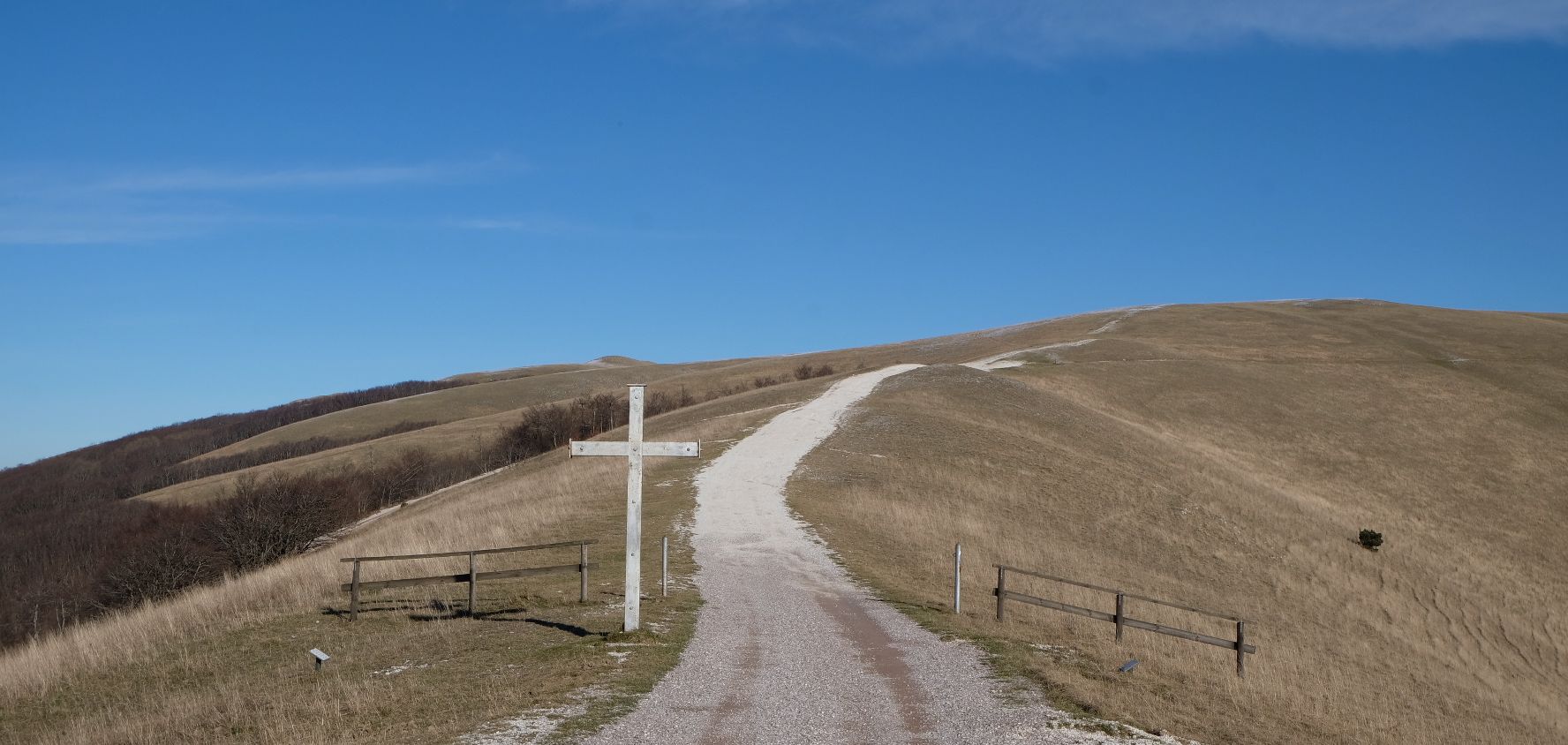
- Visitors also love Croce di Sasso Piano (Sasso Piano Cross), a summit at 1124 m. This location offers panoramic views of the Umbrian landscape and the town of Assisi.
- Umbria is known for its waterfalls, mountain summits, and expansive lakes. The region offers a variety of natural monuments to see and explore, including large parks and unique geological formations.
- The natural monuments in Umbria are appreciated by the komoot community, with 199 upvotes and 138 photos shared by visitors.
Last updated: October 10, 2026
Marmore Falls
Highlight • Waterfall
Translated by Google •
Tip by

Marmore Falls
Highlight • Waterfall
Tip by

Sign up now to discover places like this
Get recommendations on the best single tracks, peaks, & plenty of other exciting outdoor places.
Croce di Sasso Piano (Sasso Piano Cross)
Highlight • Summit
The large, massive limestone boulders on the plateau appear to have been shaped for the use of hikers, who find this an ideal place for rest and reflection.
"Cities, villages, castles, churches, farmhouses, rivers, streams, blue forests, lonely peaks, rich pastures, gentle olive groves, arduous plains appear from above as if in the magic of a vision" (Arnaldo Fortini).
Translated by Google •
Tip by

Third Drop of Marmore Falls
Highlight • Waterfall
Translated by Google •
Tip by

Monte Subasio Summit
Highlight • Summit
Translated by Google •
Tip by
Summit of Monte Cucco
Highlight • Summit
Translated by Google •
Tip by

Fontana Maggiore, Perugia
Highlight • Monument
Built by Umberto the Master, between 1278 and 1280, to celebrate the arrival of water in the acropolis of the city, thanks to the new aqueduct.
Translated by Google •
Tip by

Flower Fields of Castelluccio di Norcia
Highlight • Natural Monument
Translated by Google •
Tip by

Piano Grande Castellucio
Highlight • Natural Monument
Translated by Google •
Tip by

Clitunno Springs
Highlight • Lake
Dream apartments, treat yourself to the relaxation you deserve.
A gastronomic experience in the Parco della Poesia and a garden with tables for pampering yourself.
From here, O Clitumnus, the white herds and the bull, the greatest holocaust, have repeatedly dipped into your sacred waters, bringing Roman triumphs to the temples of the gods.
History
Have you ever seen the Fonti del Clitunno? If not, and I don't think so, otherwise you would have told me about it, go and see.
"I saw it recently and regret having done it too late."
Thus wrote Pliny the Younger to a friend, and his advice still holds true today. The Fonti del Clitunno as we see them today are different from those of the first century, during Pliny's time. A violent earthquake in 444 AD changed the face of the area and was likely the cause of the narrowing of the Clitunno River, which had previously been navigable. The layout of the Clitunno springs as we see them today is thanks to the patient work of Paolo Campello della Spina, who, between 1860 and 1865, removed the earth to make room for the pond and encouraged the growth of vegetation that still characterizes the Clitunno springs today. A few years later, Giosue Carducci wrote the barbaric ode "Alle Fonti del Clitunno."
Text/Source: Fonti del Clitunno - Ristorante Pizzeria, Campello Sul Clitunno
fontidelclitunno.it
Translated by Google •
Tip by

Sign up for free to discover even more natural monuments in Umbria.
Already have an account?
Start today with a free account
Your next adventure awaits.
Popular around Umbria
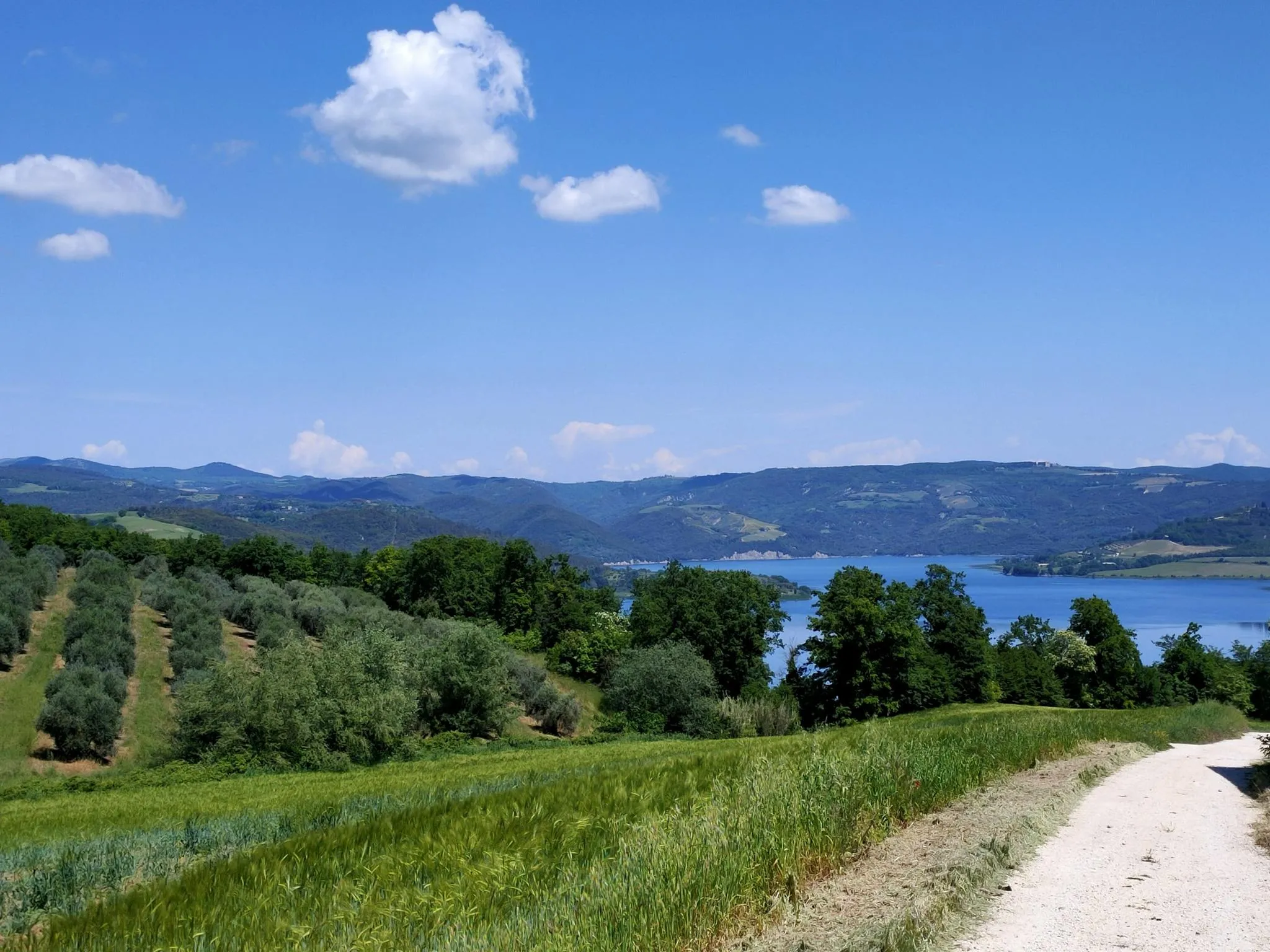
Italian Coast2Coast – From Portonovo to Orbetello
Via Romea Germanica – History, nature and spirituality
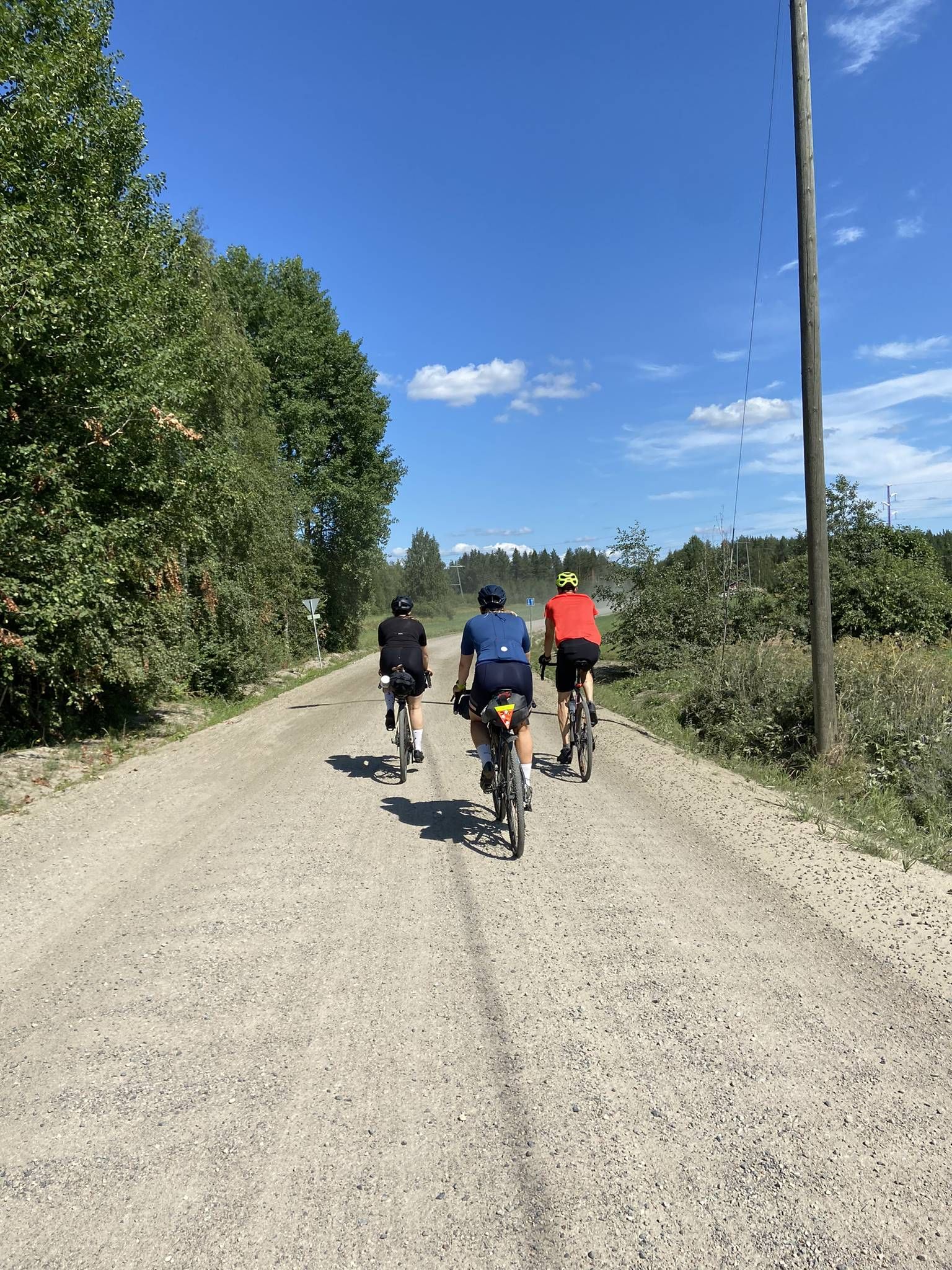
Naples to North Cape — Two friends, one purpose and many scoops of ice-cream
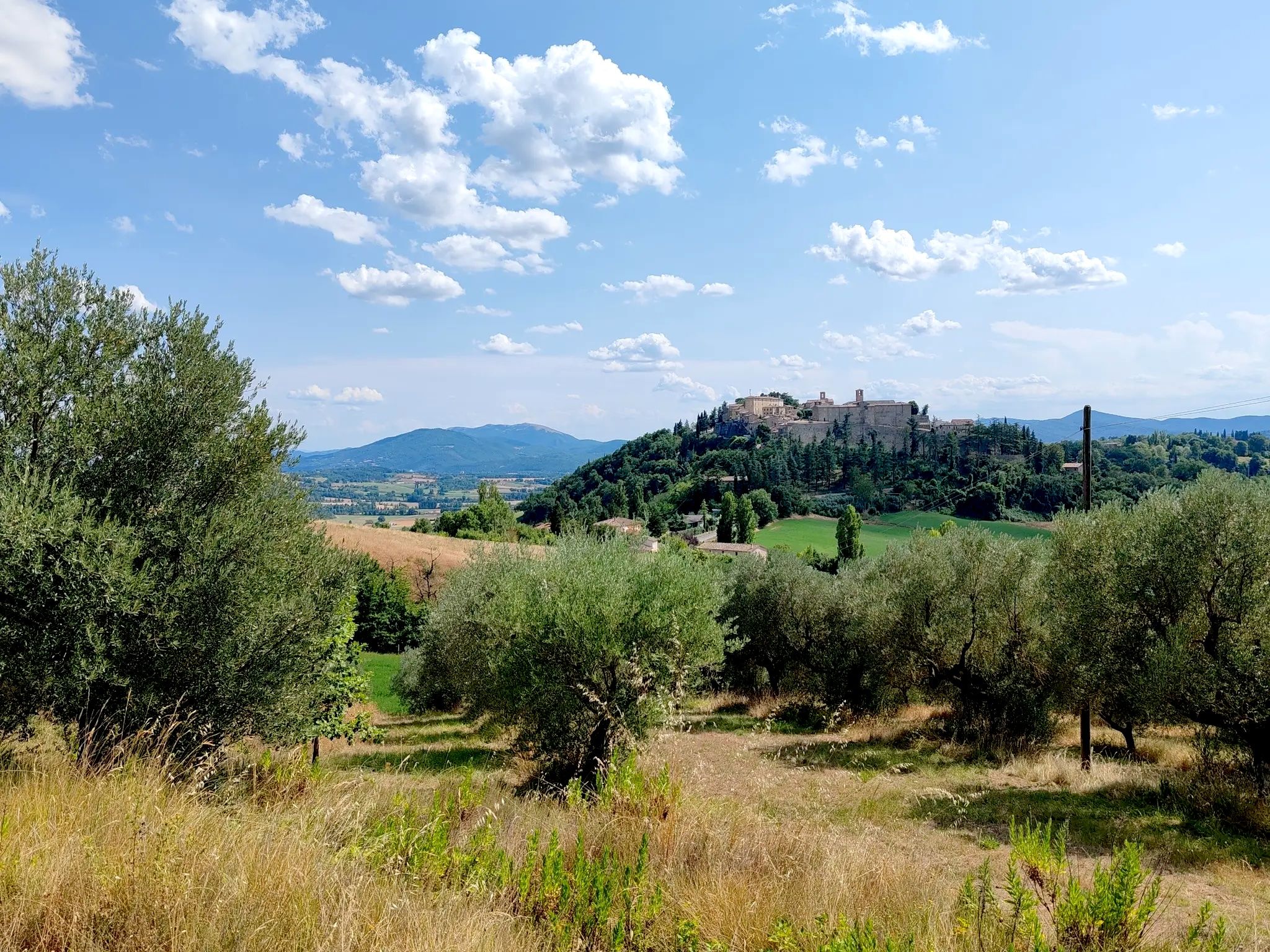
Day rides in the heart of Umbria – a Journey through History
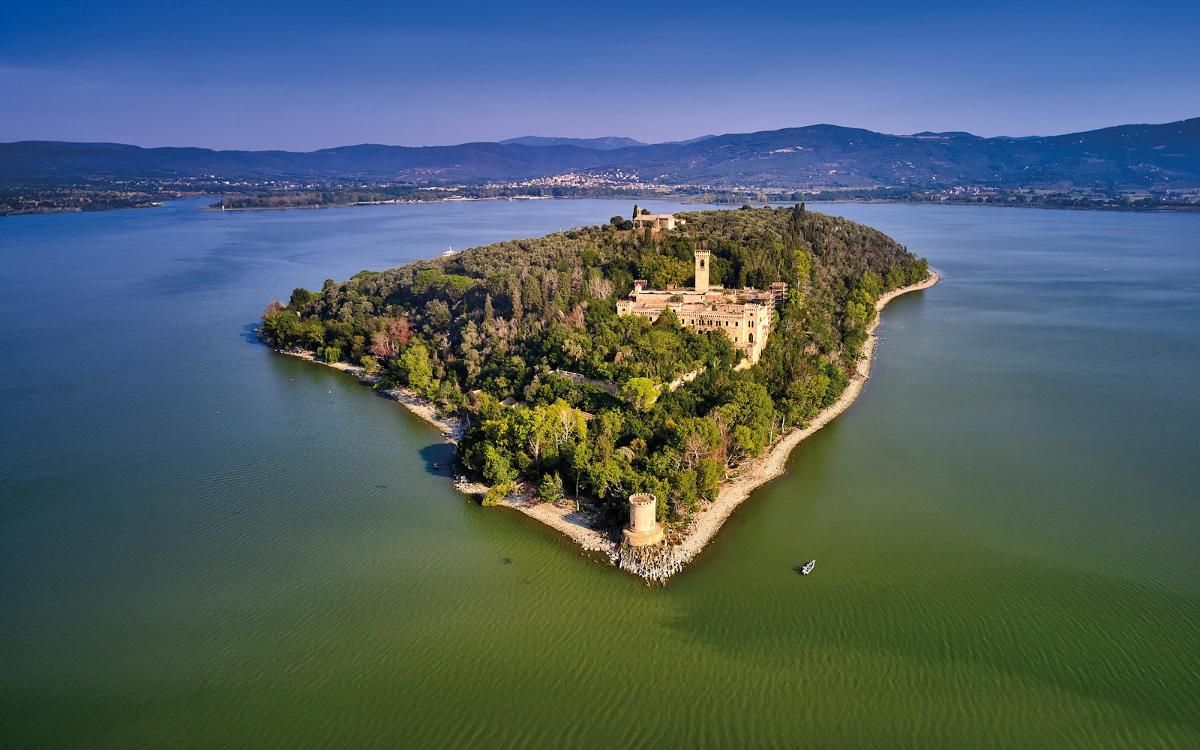
Trasimeno cycle route – Trasimeno for all
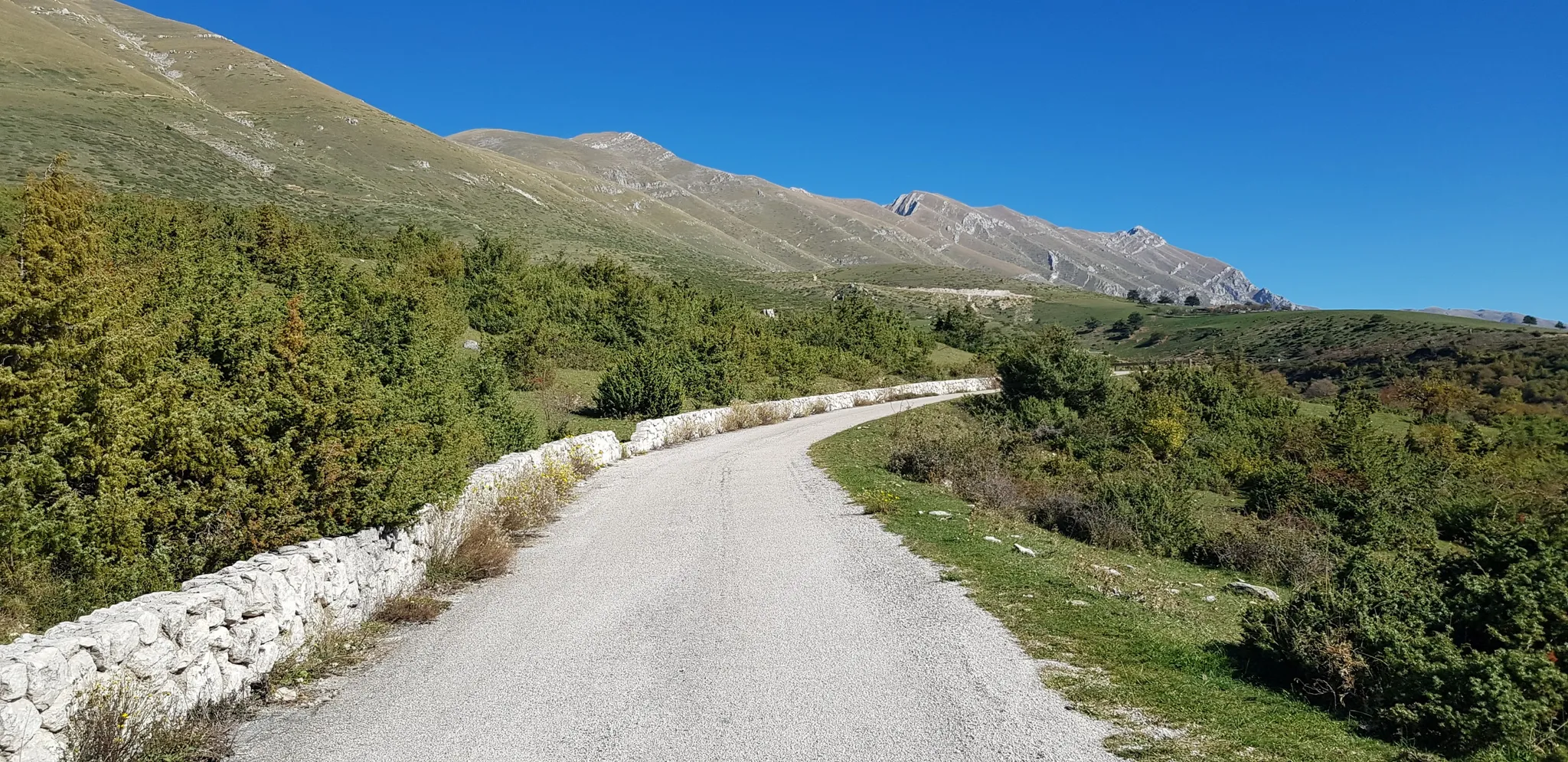
The Apennine Cycleway (Part 2) - From Umbria to Calabria
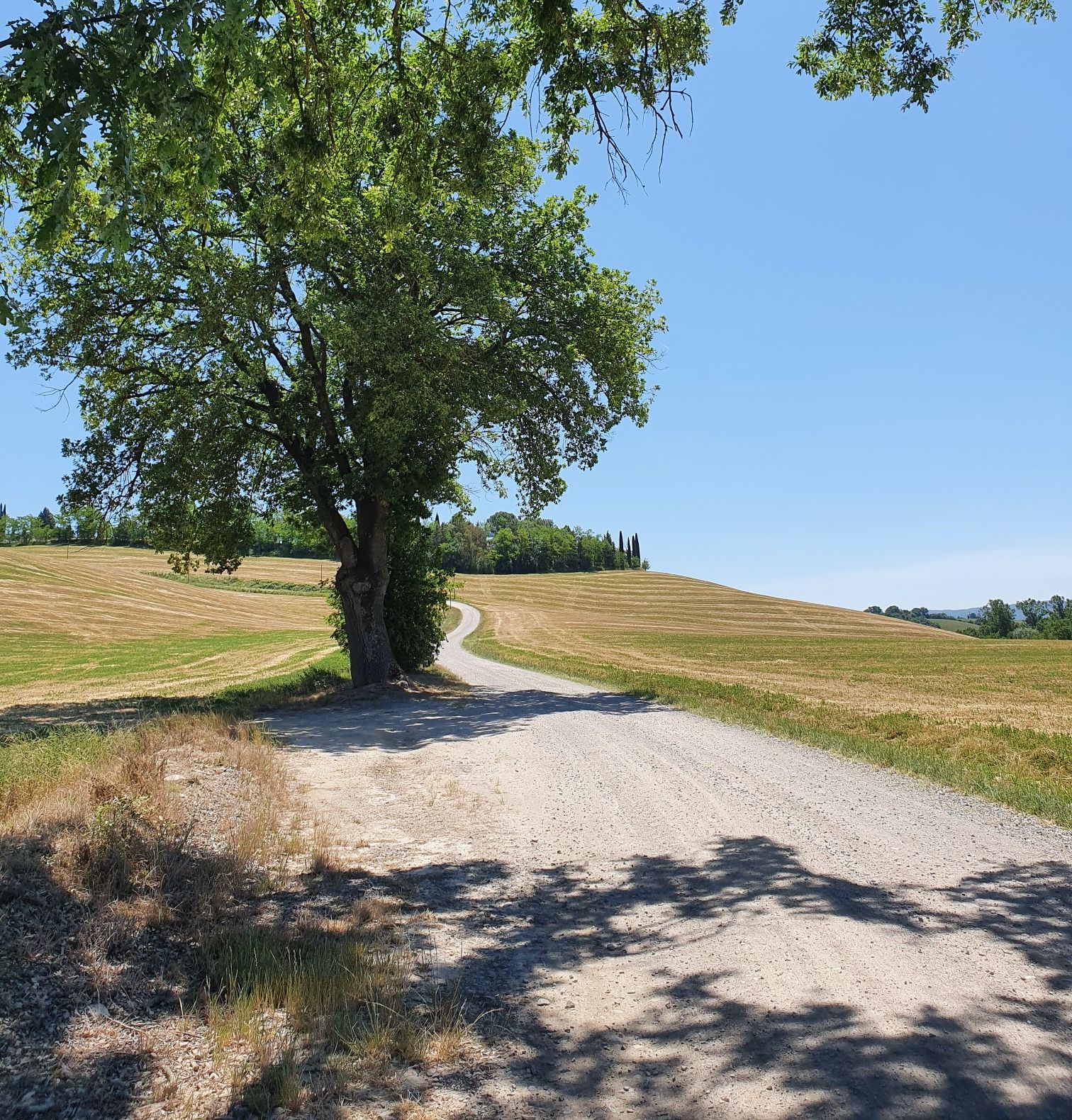
Ciclovia dei due mari - By bike from the Tyrrhenian Sea to the Adria
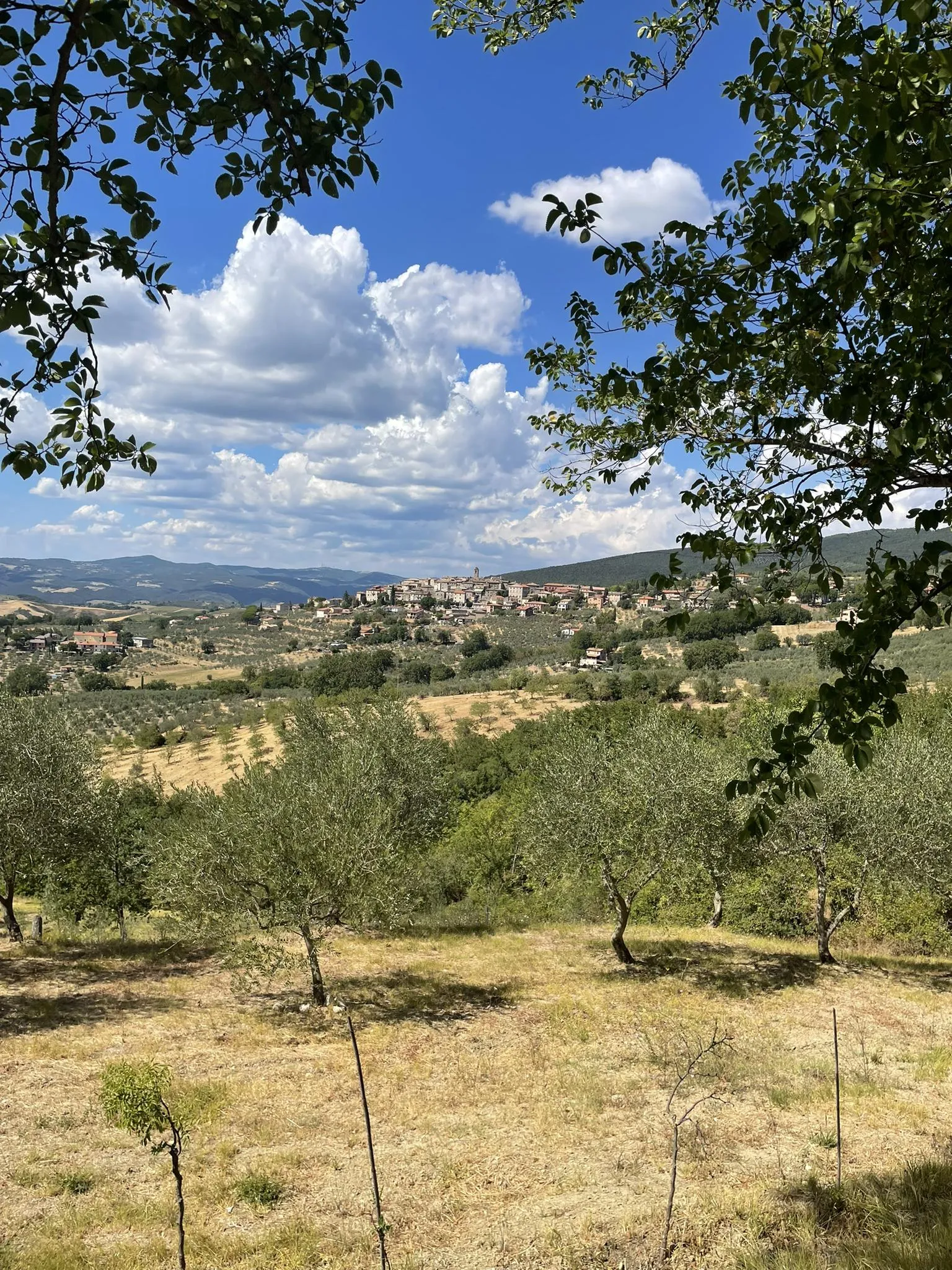
Hiking in Italy’s Umbria region – Cammino dei Borghi Silenti
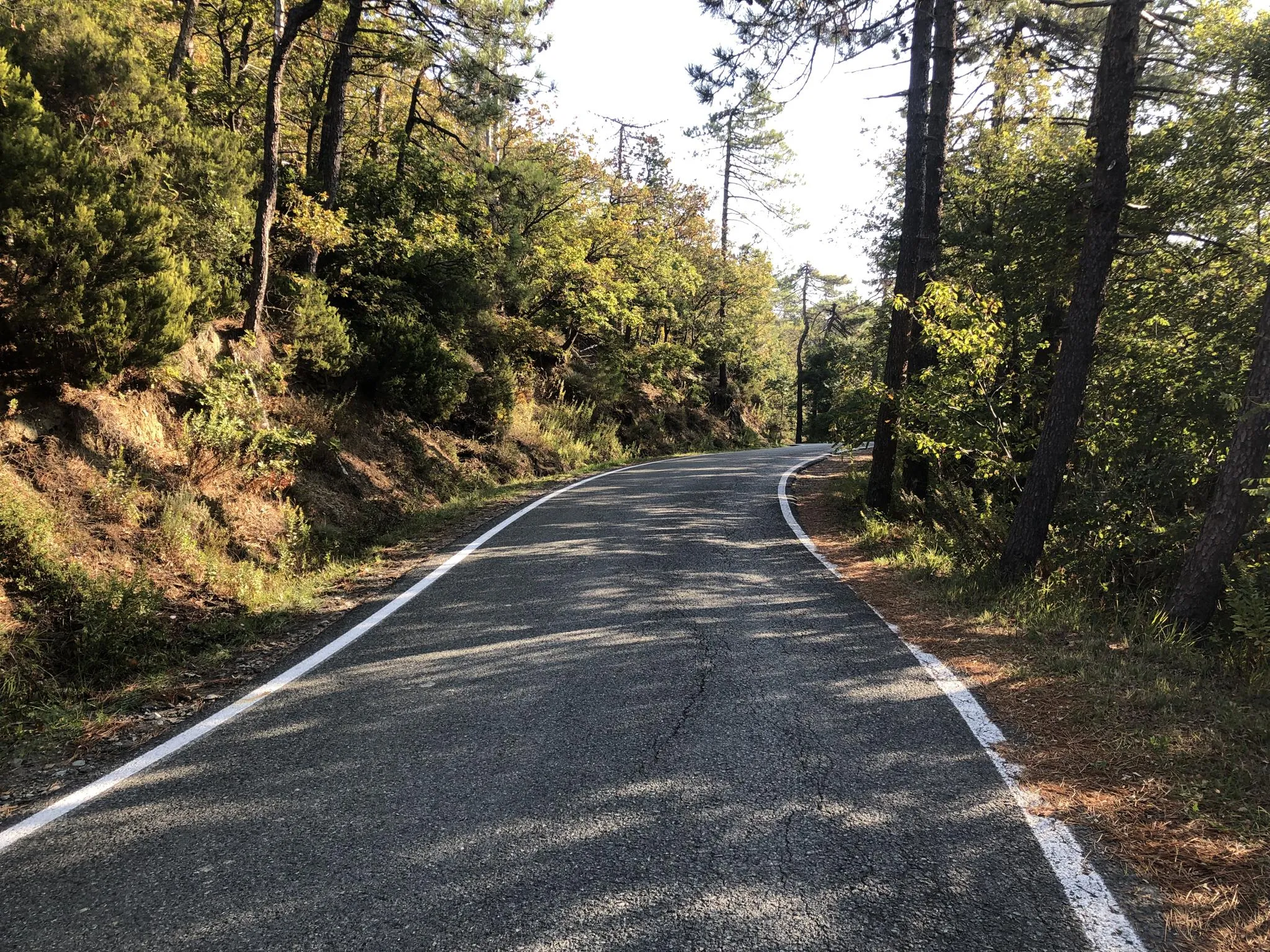
Apennine Cycle Route (Part 1) - From Liguria to Umbria
In the footsteps of St. Francis - Cammino di Assisi
Other adventures in Umbria


Tips from the Community

If you pass by, stop, it's a beautiful place. The entrance to the park is paid but it's a magical place. In summer, however, there are a lot of people
0
0
lots of people in the summer season
0
0
Beautiful place to stop and walk in the park (even if it has a fee).
0
0

Work on the waterfalls began in 54 BC by the consul Appius Claudius Pulchrus. With the fall of the Western Roman Empire, the maintenance of the canal ended, and only in the 15th century was a new canal built. Further work was carried out in the subsequent decades. https://it.wikipedia.org/wiki/Cascata_delle_Marmore
2
0
If you only view the waterfalls from the terrace, you don't need a rain cape. However, if you want to go to the upper part of the waterfall, it is advisable to buy one on-site (at the ticket office) or bring one with you.
2
0

In front of this small sacred monument, known as Croce di Sasso Piano, which crowns the summit of the same name, I wish to offer those who linger here a brief reflection by Saint Francis of Assisi: + “And we give you [God-Father] thanks, ... because through his cross and his blood and his death you wanted to redeem us, who were captive.” (NbR XXIII, 3)
0
0

The climb to the top is worth it 👍💪🇮🇹
2
0

What can I say, simply fantastic.
0
0
Frequently Asked Questions
What are some of the most popular natural monuments in Umbria?
Beyond the well-known highlights, visitors frequently enjoy the spectacular Marmore Falls, Europe's tallest man-made waterfall. Another favorite is the Summit of Monte Cucco, offering panoramic views and known for its extensive cave systems. The Croce di Sasso Piano (Sasso Piano Cross) also provides breathtaking vistas of the Umbrian landscape and Assisi.
Are there family-friendly natural monuments in Umbria?
Yes, several natural monuments are suitable for families. Marmore Falls is a great option, with various viewpoints and paths for different activity levels. The area around Third Drop of Marmore Falls is also considered family-friendly. Lake Trasimeno offers beaches and water activities that can be enjoyed by all ages.
What outdoor activities can I do near Umbria's natural monuments?
Umbria's natural monuments are perfect for outdoor enthusiasts. You can find numerous hiking trails, from easy walks to challenging ascents, especially in areas like Monti Sibillini National Park and Monte Subasio Park. Other popular activities include mountain biking, paragliding, hang-gliding (especially at Monte Cucco and Monte Subasio), rafting on the Nera River near Marmore Falls, and various water sports on Lake Trasimeno. For specific routes, explore guides like Waterfall hikes in Umbria or Hiking in Umbria.
When is the best time to visit the natural monuments in Umbria?
The best time to visit largely depends on your preferred activities. Spring (April-June) is ideal for hiking and enjoying wildflowers, such as the famous 'fiorita' at the Piana di Castelluccio in Monti Sibillini National Park during May and June. Summer (July-August) is perfect for water activities at Lake Trasimeno or Lake Piediluco, and for cooling off near Marmore Falls. Autumn (September-October) offers pleasant temperatures for hiking and beautiful foliage. Winter provides opportunities for different activities, though some higher-altitude trails might be less accessible.
Do any natural monuments in Umbria have historical significance?
Absolutely. The most prominent example is Marmore Falls, which is Europe's tallest man-made waterfall, originally created by the Romans in 271 B.C. to divert the Velino River. The area around Monte Subasio also holds historical and spiritual significance, as the Via di Francesco (St. Francis' Way) traverses it.
What kind of flora and fauna can I expect to see in Umbria's natural parks?
Umbria, the 'Green Heart of Italy,' boasts rich biodiversity. In Monti Sibillini National Park, you might spot wildlife like wolves, deer, foxes, falcons, and even the rare golden eagle, alongside wildflowers such as edelweiss and orchids. Lake Trasimeno is a haven for birdwatchers. Near Marmore Falls, you can find typical Mediterranean scrub flora and unique bird species like the Dipper and River Kingfisher. Monte Subasio Park is known for dense forests and meadows carpeted with wildflowers in spring and summer.
Are there easy hiking trails available near Umbria's natural monuments?
Yes, many natural areas in Umbria offer easy hiking options. For instance, the Marmore Falls area has paths of varying difficulty, including easier ones suitable for a leisurely stroll. You can find more easy routes in guides like Easy hikes in Umbria, which includes the 'Marmore Falls Loop' and 'Way of St. Francis: Assisi Loop'.
What makes Monti Sibillini National Park a unique destination?
Monti Sibillini National Park, spanning parts of Umbria and Marche, is unique for its historic peaks exceeding 2000 meters and glacially-carved valleys. It's an adventurer's paradise with extensive hiking trails and is renowned for its rich biodiversity. A highlight is the 'fiorita' between May and June, when the Piana di Castelluccio plateau transforms into a vibrant display of blooming wild poppies.
What should I know before visiting Marmore Falls?
Before visiting Marmore Falls, it's important to know that it's a controlled flow waterfall. The water is released at specific times, creating a spectacular 'wow effect.' Check the official website for the current water release schedule and opening times, as there is an entrance fee. Visitors recommend arriving for the water release to experience the falls at their fullest. There are multiple viewpoints and paths to explore.
What activities are available at Lake Trasimeno?
Lake Trasimeno, Umbria's largest lake, offers a wide range of activities. You can enjoy aquatic sports like canoeing, kayaking, sailing, and waterskiing. The lake also features beautiful beaches for relaxation, and a 50-kilometer path encircles the lake, perfect for cycling. It's also a great spot for birdwatching and experiencing traditional events like the Palio delle Barche in late July.
Can I explore caves in Umbria's natural monuments?
Yes, Umbria is home to impressive cave systems. Monte Cucco Park is particularly known for its extensive underground network, including the Grotta di Monte Cucco, one of Europe's most spectacular limestone caves with nearly 30 km of galleries. Guided tours are available to explore these fascinating speleological sights.
Are there any less crowded natural sights in Umbria?
While popular sites like Marmore Falls can attract crowds, you can find more serene experiences. Lake Piediluco, for example, is considered one of the most spectacular lakes and has historically attracted artists seeking its idyllic character, offering a peaceful environment. Exploring the less-trafficked trails within Monte Subasio Park can also provide a tranquil experience away from the main tourist hubs.
Most popular routes in Umbria
Most popular attractions in Umbria

Get inspired with the komoot mobile app


Didn’t find what you were looking for?
Find even more amazing natural monuments in Umbria by checking out the top Highlights region by region:
Explore more
Extend your search for the best caves by checking out these guides of the top ones in Umbria:
