Top 20 Natural Monuments around Frankfurt an der Oder
Best natural monuments around Frankfurt an der Oder offer diverse landscapes shaped by the Oder river and its surrounding areas. The region features green spaces, unique geological formations, and bodies of water that provide opportunities for outdoor activities. These natural sites contribute to the area's character, blending natural beauty with historical significance. The landscape is characterized by its riverine environment and forested sections.
Best natural monuments around Frankfurt an der Oder
- The most popular natural monument is Großer Stein (Rosengarten), a natural monument that is one of several erratic stones protected as nature reserves in the Frankfurt city forest. It is one of the seven named erratic blocks found in the city forest.
- Another must-see spot is Lennépark Frankfurt (Oder), a historic park. This park is one of Germany's oldest public parks, offering beautifully landscaped areas for relaxation.
- Visitors also love Helenesee Main Beach, a clean lake with many beaches. This lake, formed from a former open-pit mine, is known for its clear water.
- Frankfurt an der Oder is known for its lakes, parks, and unique geological formations like erratic stones. The region offers a variety of natural monuments to explore, from river islands to forested areas.
- The natural monuments around Frankfurt an der Oder are appreciated by the komoot community, with over 190 upvotes and more than 130 photos shared.
Last updated: October 10, 2026
Comic Fountain (The East Shines) at Brunnenplatz
Highlight • Monument
Translated by Google •
Tip by

Helenesee Main Beach
Highlight • Beach
Translated by Google •
Tip by

Sign up now to discover places like this
Get recommendations on the best single tracks, peaks, & plenty of other exciting outdoor places.
Großer Stein (Rosengarten)
Highlight • Natural Monument
Near the Eduardspring forester's house there are granite blocks known as mushroom stones and caps because of their shapes.
Other stones are the Rosengarten twin stone weighing 70 tons, the Kanzelstein weighing 150 tons, the Näpfchenstein, the Große Stein, the große and kleine Försterstein, the Erratic at the Stern and the Trassenstein.
These stones weigh between 5 and 28 tons.
In the city forest you can discover the wildlife park, which was created on a former shooting range.
Hikers on the hiking trails in the city forest can visit old pedunculate oaks, and bathers can use the surrounding lakes.
(Source: Wikipedia)
Translated by Google •
Tip by

Lennépark Frankfurt (Oder)
Highlight (Segment) • Natural
On the so-called snail mountain, at the northern end of the park, the creator monument (to the creators of the park) was erected in 1886.
Translated by Google •
Tip by

Rest hut at the forest playground
Highlight • Natural Monument
Translated by Google •
Tip by

Katja Lake
Highlight • Lake
Showing Translation
Tip by

Cup-marked Stone (Nuhnen)
Highlight • Natural Monument
The stone is located near Nuhnen on a small island covered with trees in the middle of an agricultural field between Nuhnenstrasse and the federal highway 12. Like other boulders in Frankfurt (Oder), it is protected as a natural monument. One of them is also called Näpfchenstein and is located further northwest in the city forest.
The round, irregularly shaped boulder was drifted to its current location during the last ice age. Its volume is about 5.5 m³ and its mass is about 15 tons.
The term bowl stone refers to several round depressions about 4 cm in diameter and about 8 cm deep on the surface. There is no verifiable information about the meaning or interpretation of the depressions. An article in the Journal of Ethnology from 1875 saw the site, like other bowl stones, as a prehistoric sacrificial site. According to the text “Frankfurt (Oder) – as it was” from the city archives of Frankfurt (Oder), they come from attempts to crush boulders in order to use them as building material. To do this, hardwood wedges were driven into the depressions and soaked with water. The swelling wood should burst the stone. The foundation and base of St. Mary's Church were built from such granite blocks.
Source: de.wikipedia.org/wiki/N%C3%A4pfchenstein_(Nuhnen)
There is a second Näpfchenstein in the city area. It is located in the Rosengartener Forest.
Translated by Google •
Tip by
Trassenstein
Highlight • Natural Monument
Translated by Google •
Tip by
Blanke Hölle
Highlight (Segment) • Lake
The remaining lakes in the Frankfurt district are actually called Höllen. Only one in the Oder-Spree area is called Biegener Helle.
In total, only four of the seven bodies of water in the strip have a name. Not all of them always have water. In the Hohenwalder area there is the sheep hell, the crooked hell and the blank hell.
Translated by Google •
Tip by

Water cascade in Lenné Park, Frankfurt (Oder)
Highlight • Waterfall
Translated by Google •
Tip by
Sign up for free to discover even more natural monuments around Frankfurt an der Oder.
Already have an account?
Start today with a free account
Your next adventure awaits.
Popular around Frankfurt an der Oder
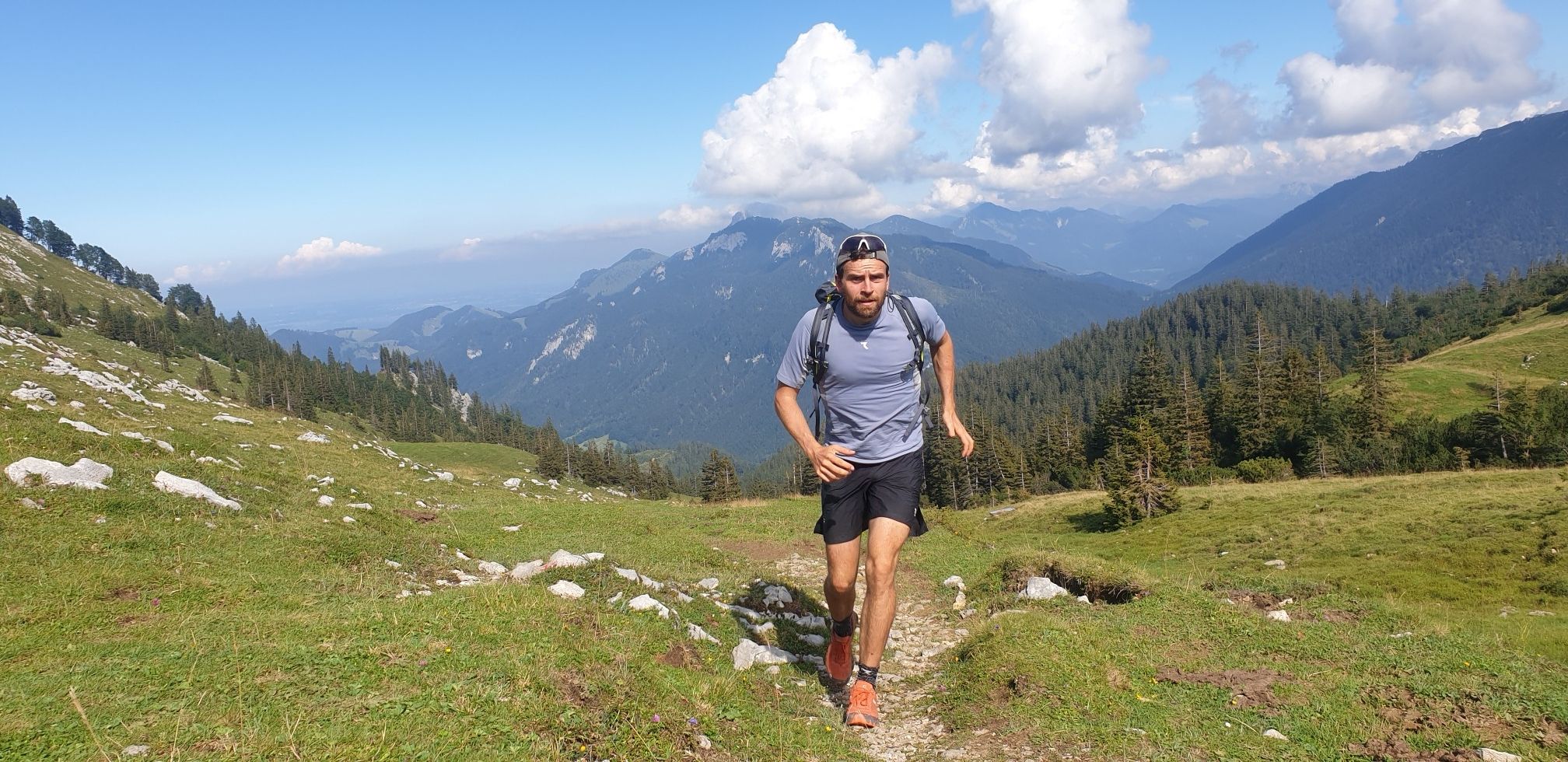
Triathlon around Germany
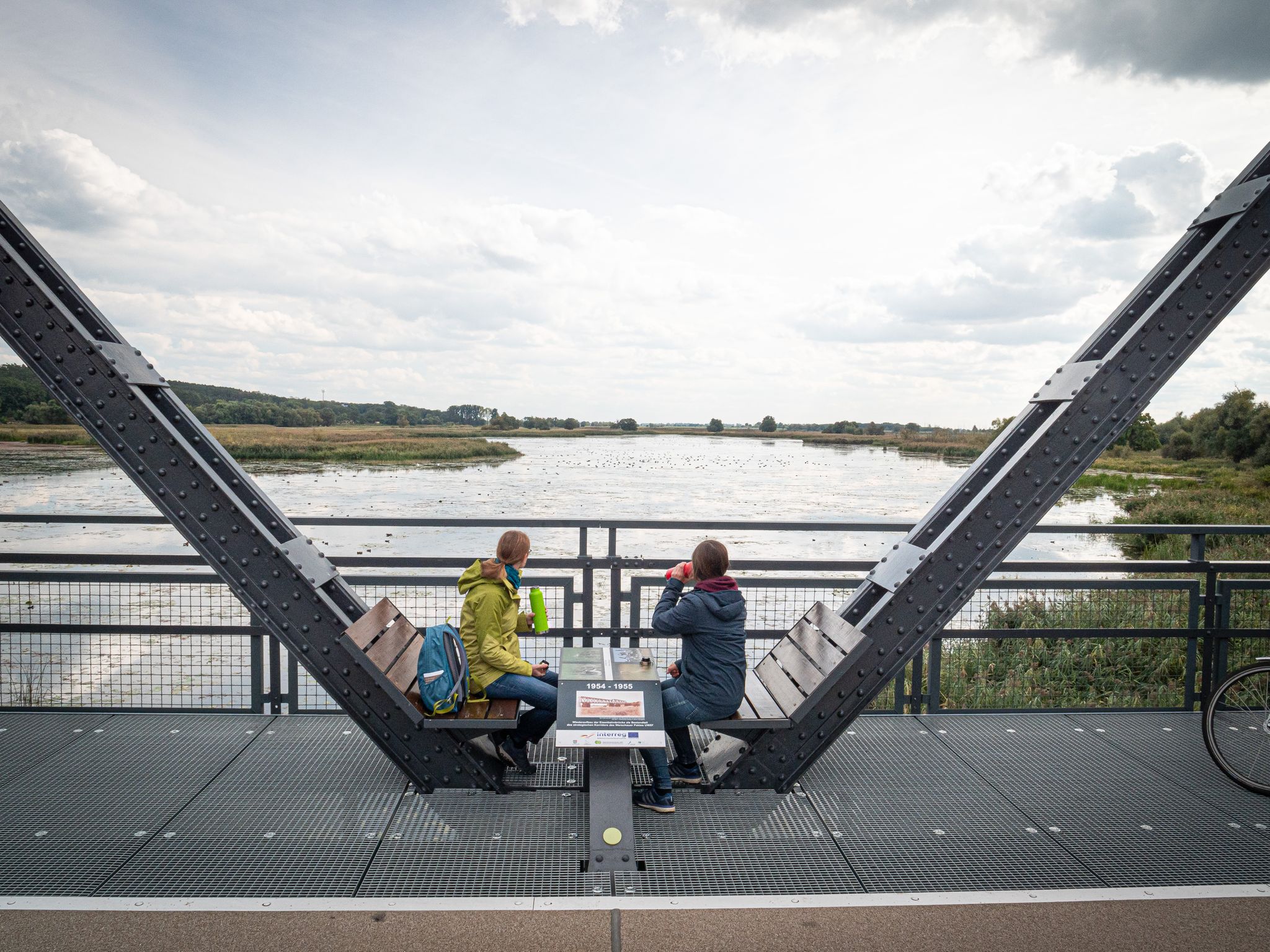
Travelling without boundaries – German-Polish cycling trips
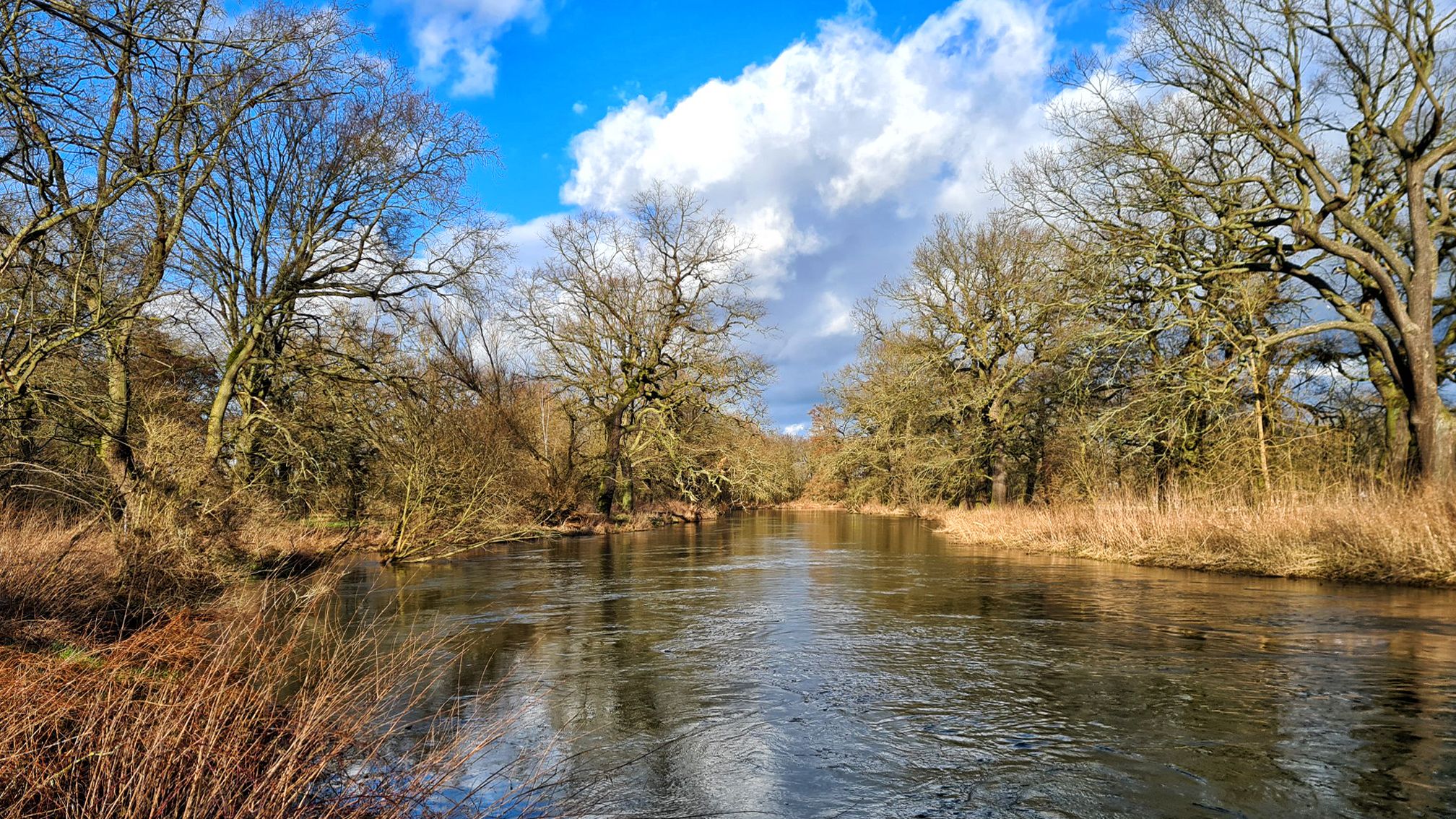
Stage hike 'From the Oder to the Elbe and on to the Saale'
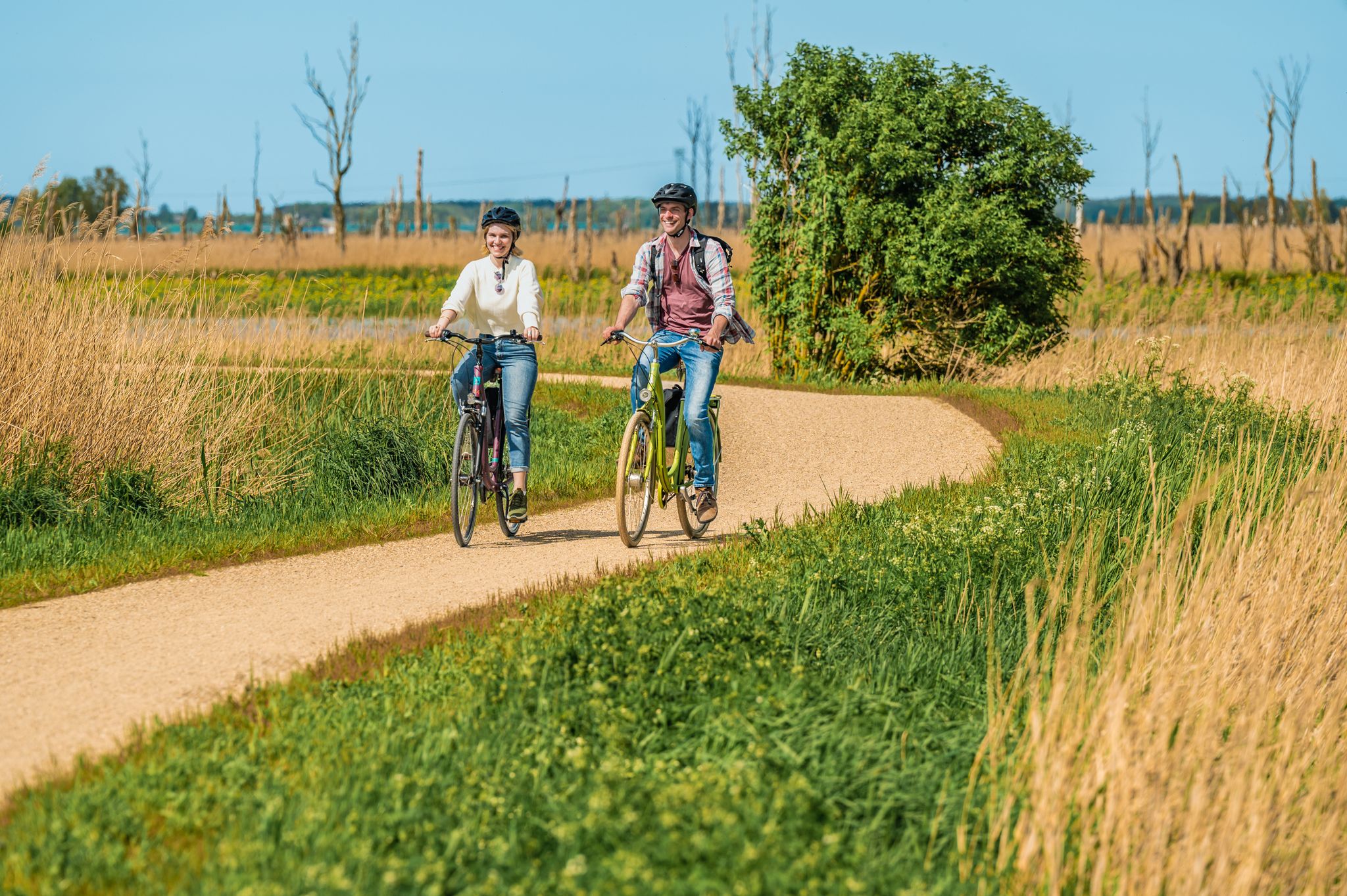
Oder-Neisse Cycle Path – experience nature, discover culture!
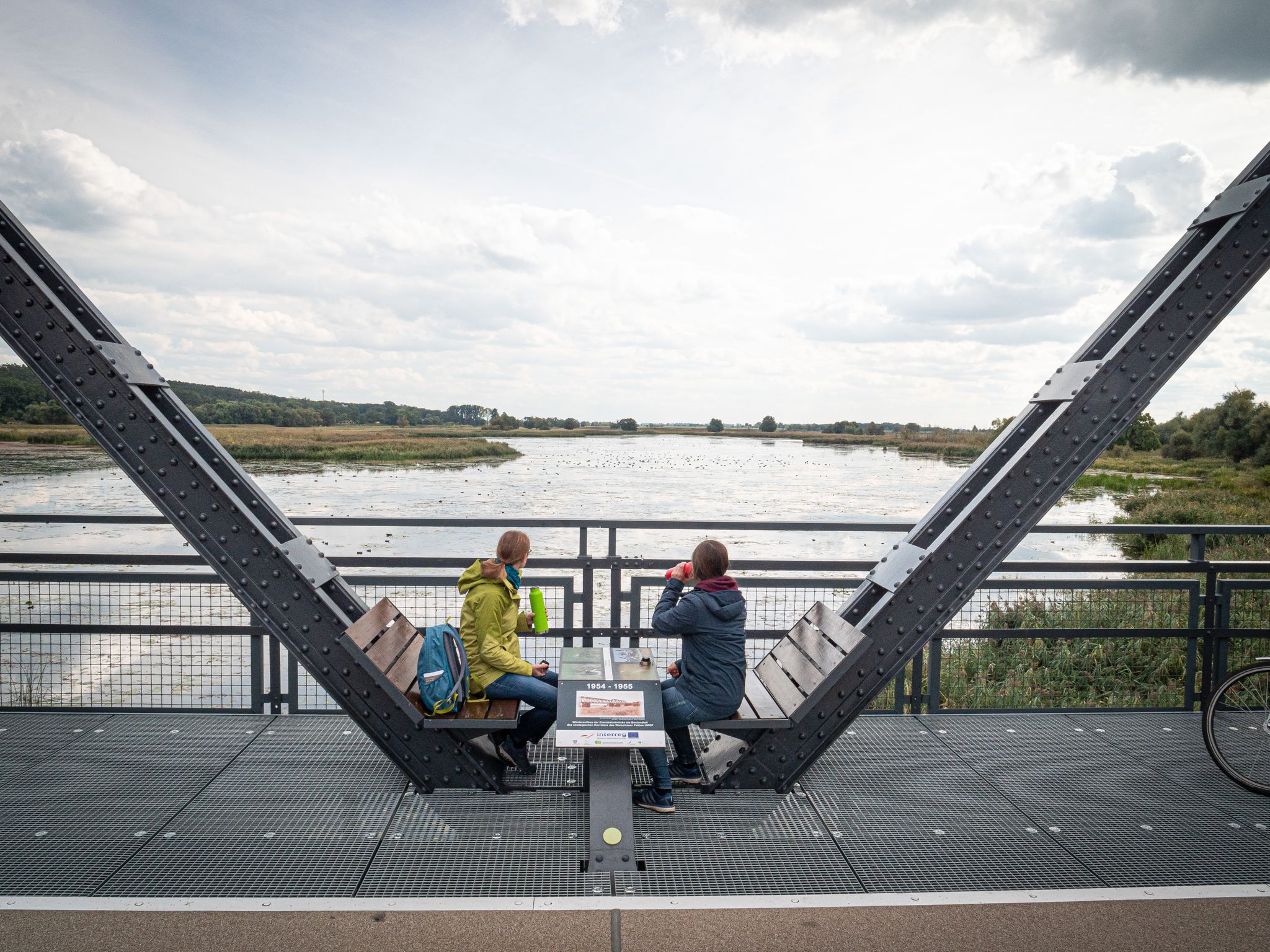
Grenzenlos unterwegs - Deutsch-Polnische Wander Ausflüge

Oder-Neiße-Radweg - Radfahren im Seenland Oder-Spree
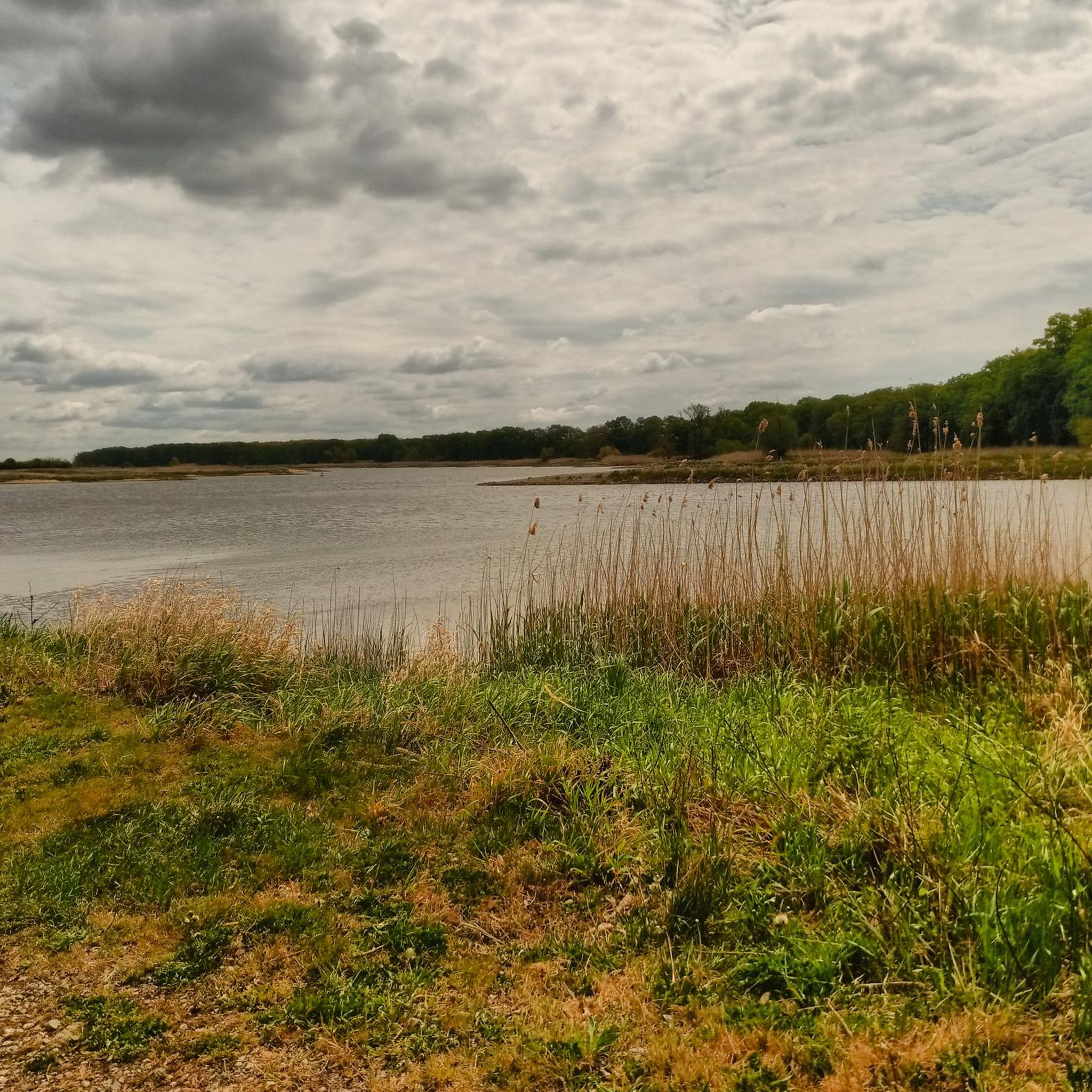
Cycling around Frankfurt an der Oder
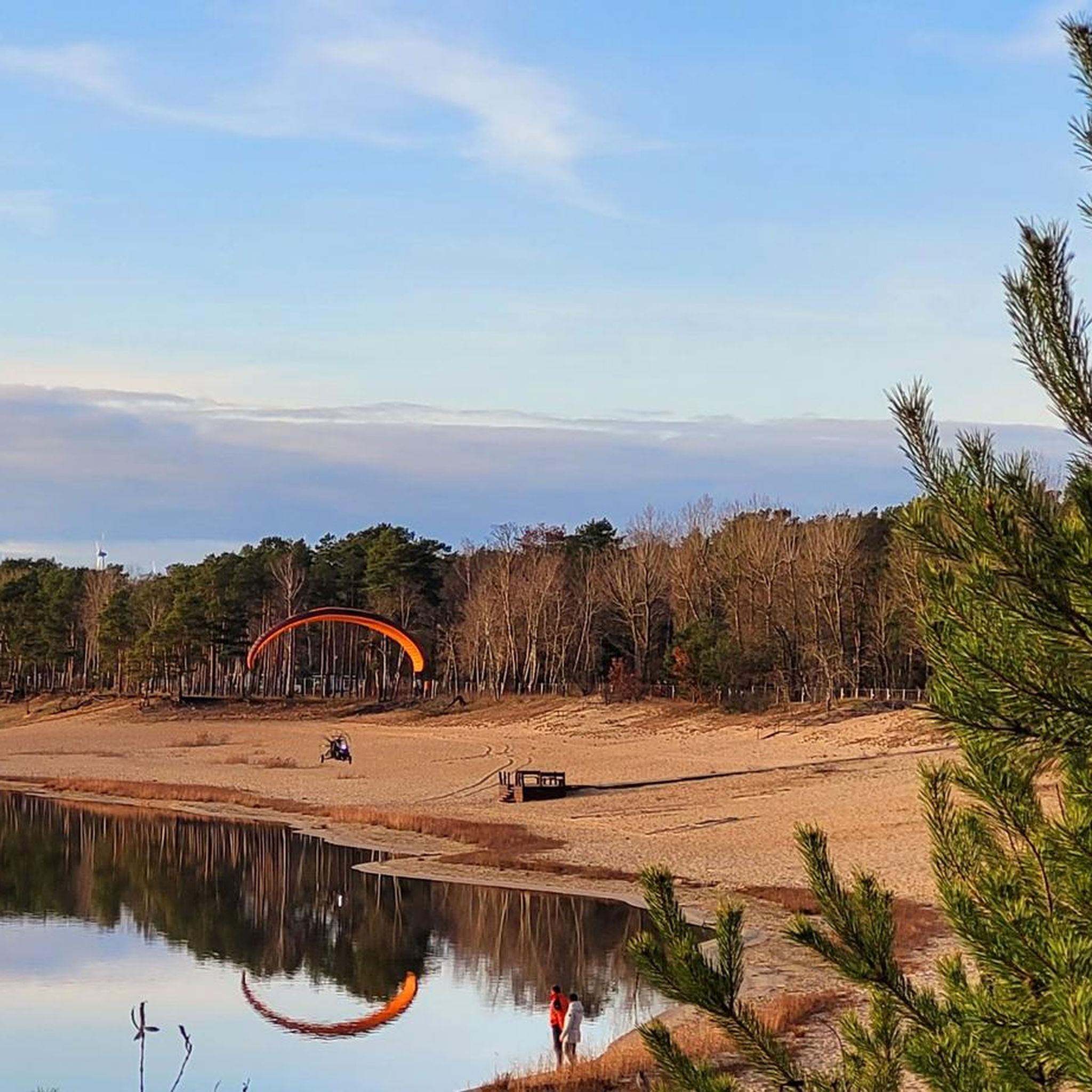
Road Cycling Routes around Frankfurt an der Oder
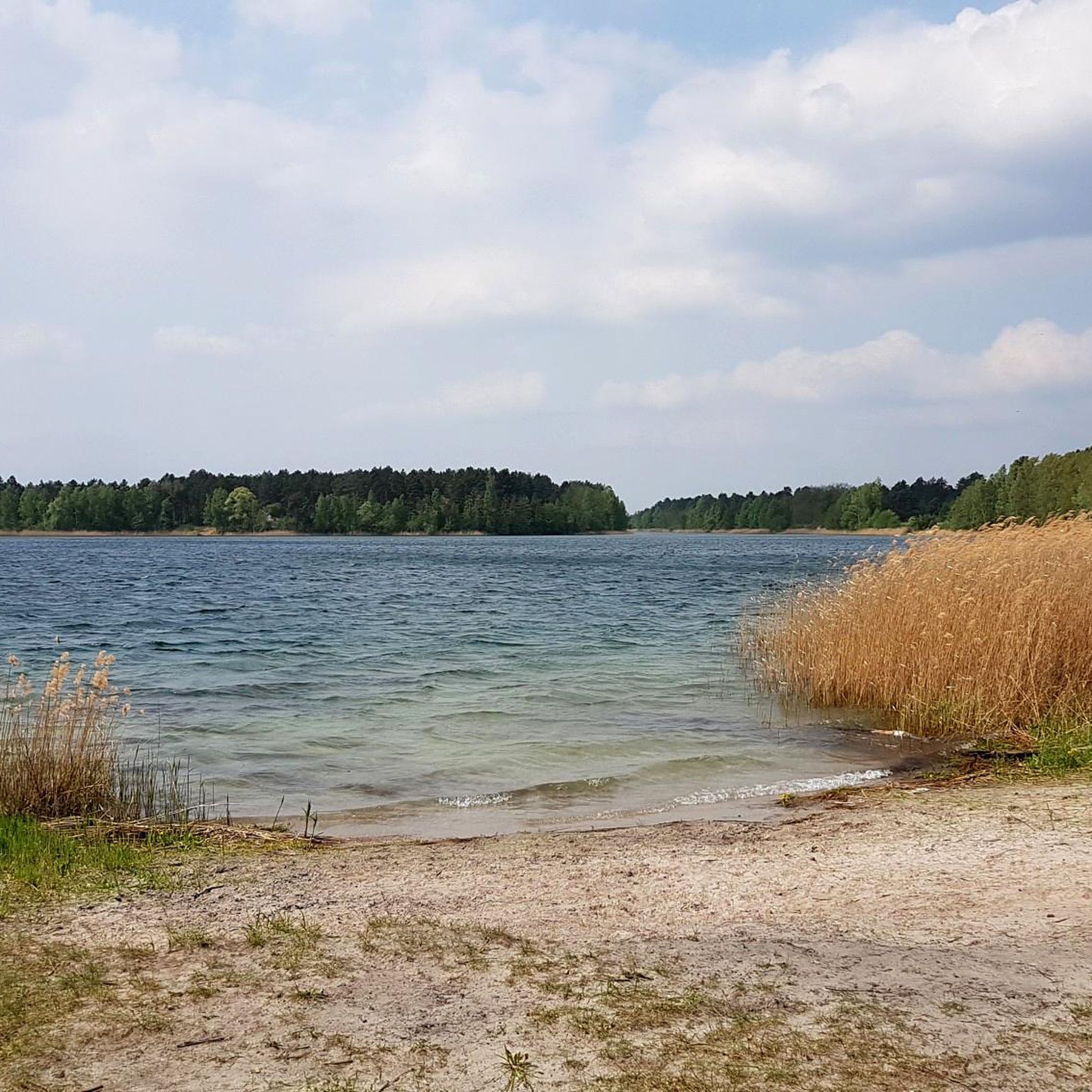
Hiking around Frankfurt an der Oder
Running Trails around Frankfurt an der Oder
Other adventures around Frankfurt an der Oder


Tips from the Community

Access to Katjasee with bathing area.
2
0
Easily accessible swimming spot on Lake Katja.
2
0

A sign on the forest path would be helpful here.
0
0
Ideal for packing a snack when it rains.
0
0

The waterfall Kaskade is a waterfall in the park in Frankfurt (Oder).
3
4
Lennepark is an 8.9 hectare park, approximately 900 m long and 95 m wide, with an artificial waterfall, flowing water, fountain and ponds.
2
3

When water flows, you are transported to the mountain world
1
4

First of all: Lake Helene is a place that makes the heart of every nature lover beat faster. As a relic of a former opencast mine, this lake offers an impressive panorama and a deep history. Once referred to as the "bathtub of Frankfurt", Lake Helene in times past attracted up to 120,000 bathers daily seeking the freshness and clarity of the water. But, as is sometimes the case, such wonderful places also hide their own secrets and challenges. Due to repeated embankment slides, bathing operations were stopped in the entire northern area of the lake - a scenario that makes the hearts of bathing lovers heavy. The extent of the landslides is so significant that extensive investigations and drilling up to 40 meters deep are currently being carried out to ensure the stability of the lake. The consequences of these changes are noticeable. Large events such as the famous Helenebeach festival have to pause and it is uncertain when the swimming season can resume. According to forecasts, this could not happen before 2026. But in the midst of these challenges, people's resilience and innovative spirit are also evident. Despite all the adversities, the surrounding area and campsites remain open, smaller events are organized and visitors are invited to enjoy the vastness and tranquility of the area. The history of Lake Helene goes back a long way - it emerged from the former "Helene" brown coal mine, which was operated from 1943 to 1958. After it closed, the open pit filled with groundwater and became the scenic body of water we know today. While it has repeatedly faced landslides and closures in recent decades, Lake Helene remains an impressive testament to the past and a place that must be protected and preserved. For all cyclists and nature lovers: Even if jumping into the cool water is currently not possible, Lake Helene still offers a picturesque backdrop and pure relaxation. It's always worth a stop - be it to admire the breathtaking nature, find out about the history of the lake or simply to enjoy a moment of peace.
1
0
Frequently Asked Questions
What are some lesser-known natural monuments worth exploring around Frankfurt an der Oder?
Beyond the most popular spots, consider visiting the Glacial erratic at Stern, another impressive erratic stone in the city forest. For a unique historical natural monument, the Cup-marked Stone (Nuhnen) offers a glimpse into ancient times. The Trassenstein is also a notable erratic stone nestled within the forest, perfect for those seeking a quieter natural experience.
Are there family-friendly natural monuments in Frankfurt an der Oder?
Absolutely! Many natural monuments are suitable for families. The Lennépark Frankfurt (Oder) is a historic public park with beautifully landscaped areas for relaxation. Helenesee Main Beach, a clean lake with various beaches, is also very popular, though it's important to note that bathing operations have been temporarily suspended in some areas due to embankment slides. Additionally, the Großer Stein (Rosengarten) and the Glacial erratic at Stern are accessible and offer interesting natural features for children to explore.
What kind of natural features can I expect to see at these monuments?
The natural monuments around Frankfurt an der Oder showcase diverse landscapes. You'll find impressive erratic stones like the Großer Stein (Rosengarten), which are geological remnants from the Ice Age. The region also features several beautiful lakes, such as Helenesee Main Beach, Blanke Hölle, and Katja Lake, many of which are former open-pit mines now filled with clear water. Beyond these, you can explore historic parks like Lennépark and forested areas.
Are there any natural monuments with historical significance?
Yes, several natural monuments also hold historical value. The Lennépark Frankfurt (Oder) is one of Germany's oldest public parks, designed in 1845 by Peter Joseph Lenné. The Cup-marked Stone (Nuhnen) is another site with historical significance, hinting at ancient human activity in the region. Additionally, lakes like Helenesee and Katja Lake are former open-pit mines, telling a story of industrial history transformed into natural beauty.
What outdoor activities can I do near the natural monuments?
The area around Frankfurt an der Oder offers a variety of outdoor activities. You can find numerous MTB trails for cycling enthusiasts, as well as hiking routes that allow you to explore the diverse landscapes. For those who enjoy a good run, there are also dedicated running trails. Many of these routes pass by or through the natural monuments, offering scenic views and opportunities for active recreation.
What is the best time of year to visit the natural monuments in Frankfurt an der Oder?
The best time to visit largely depends on what you wish to experience. For vibrant floral displays, late March to early May is ideal to see the Adonis florets on the Adonisröschen Slopes (Odertal Frankfurt-Lebus). Spring and autumn offer pleasant temperatures for hiking and exploring the parks and forests. Summer is perfect for enjoying the lakes, though be aware of any current bathing restrictions at places like Helenesee. Winter can also be beautiful for tranquil walks, especially if there's snow.
Are there any natural monuments suitable for dog walking?
Yes, several natural monuments are dog-friendly. The Großer Stein (Rosengarten) and the surrounding city forest are excellent for walks with your dog. Many of the trails and paths through the forested areas and around the lakes, such as Sheep Pond, are also suitable for dogs, provided they are kept on a leash where required.
Where can I find picturesque views or viewpoints among the natural monuments?
For stunning vistas, the Oder Slopes Near Lebus offer picturesque views of the Old Oder. The Helenesee Main Beach also provides an impressive panorama, especially given its history as a former open-pit mine. The Botanical Garden, while not listed as a highlight, features a beautiful viewpoint overlooking the Lienauteich. Erratic stones like the Großer Stein (Rosengarten) are often situated in scenic spots within the city forest.
What wildlife and flora can be observed in the natural monuments?
The region is rich in biodiversity. On Ziegenwerder Island, you might spot red deer, various rare birds, or even beavers. The Adonisröschen Slopes (Odertal Frankfurt-Lebus) are famous for their vibrant Adonis florets blooming in spring. The Botanical Garden showcases diverse plant species, while the Wildpark (Wildlife Park) on the city's outskirts is home to over three hundred animals, offering a unique opportunity to observe local wildlife in a natural setting.
Are there circular walking routes available near these natural sites?
Yes, there are several options for circular walks. Ziegenwerder Island features a circular path that allows you to explore its diverse landscape, from wild natural areas to designed park sections. Many of the hiking routes and running trails around Frankfurt an der Oder are designed as loops, offering convenient ways to experience the natural beauty without retracing your steps.
What are the accessibility options for natural monuments in Frankfurt an der Oder?
While specific accessibility details vary, parks like the Lennépark Frankfurt (Oder) generally offer well-maintained paths suitable for strollers and some wheelchairs. Ziegenwerder Island also has a circular path that is relatively flat. For other natural sites, especially those in forested or sloped areas, terrain might be more challenging. It's advisable to check specific location details if you require full accessibility.
Are there cafes or places to eat near the natural monuments?
Yes, you can find dining options near some of the natural monuments. Ziegenwerder Island, for example, has a beer garden, perfect for a refreshment after a walk. In the city center, near Lennépark, you'll find various cafes and restaurants. For natural areas further afield, it's a good idea to pack snacks or check local listings for nearby establishments before your visit.
Most popular routes around Frankfurt an der Oder
Most popular attractions around Frankfurt an der Oder

Get inspired with the komoot mobile app


Explore more
Extend your search for the best caves by checking out these guides of the top ones around Frankfurt an der Oder:
