Top 9 Natural Monuments around Flensburg
Best natural monuments around Flensburg showcase the region's diverse natural beauty in northern Germany, situated at the westernmost inlet of the Baltic Sea. This area, forming a natural border with Denmark, features a variety of captivating natural monuments and significant natural areas. Visitors can explore ancient trees, expansive nature reserves, and the unique Flensburg Fjord, highlighting the region's ecological importance.
Best natural monuments around Flensburg
- The most popular natural monuments is Twedter Feld Nature Reserve, a natural monument that…
Last updated: June 23, 2026
Twedter Feld Nature Reserve
Highlight (Segment) • Natural
Translated by Google •
Tip by

Mückenteich
Highlight • Lake
Translated by Google •
Tip by

Sign up now to discover places like this
Get recommendations on the best single tracks, peaks, & plenty of other exciting outdoor places.
Sign up for free
Water Lily Pond in Naturschutzgebiet Twedter Feld
Highlight (Segment) • Lake
Translated by Google •
Tip by

Bald Cypress Natural Monument
Highlight • Natural Monument
Translated by Google •
Tip by

Sophienquelle
Highlight • Natural Monument
Translated by Google •
Tip by

Large Piece about the Right Hand and Firefighting Pond at Fördegymnasium
Highlight • Monument
Translated by Google •
Tip by
Two Copper Beeches at the Danish Consulate
Highlight • Natural Monument
Translated by Google •
Tip by

The Ruethstein
Highlight • Natural Monument
Translated by Google •
Tip by

Start today with a free account
Your next adventure awaits.
Login or Signup
Popular around Flensburg
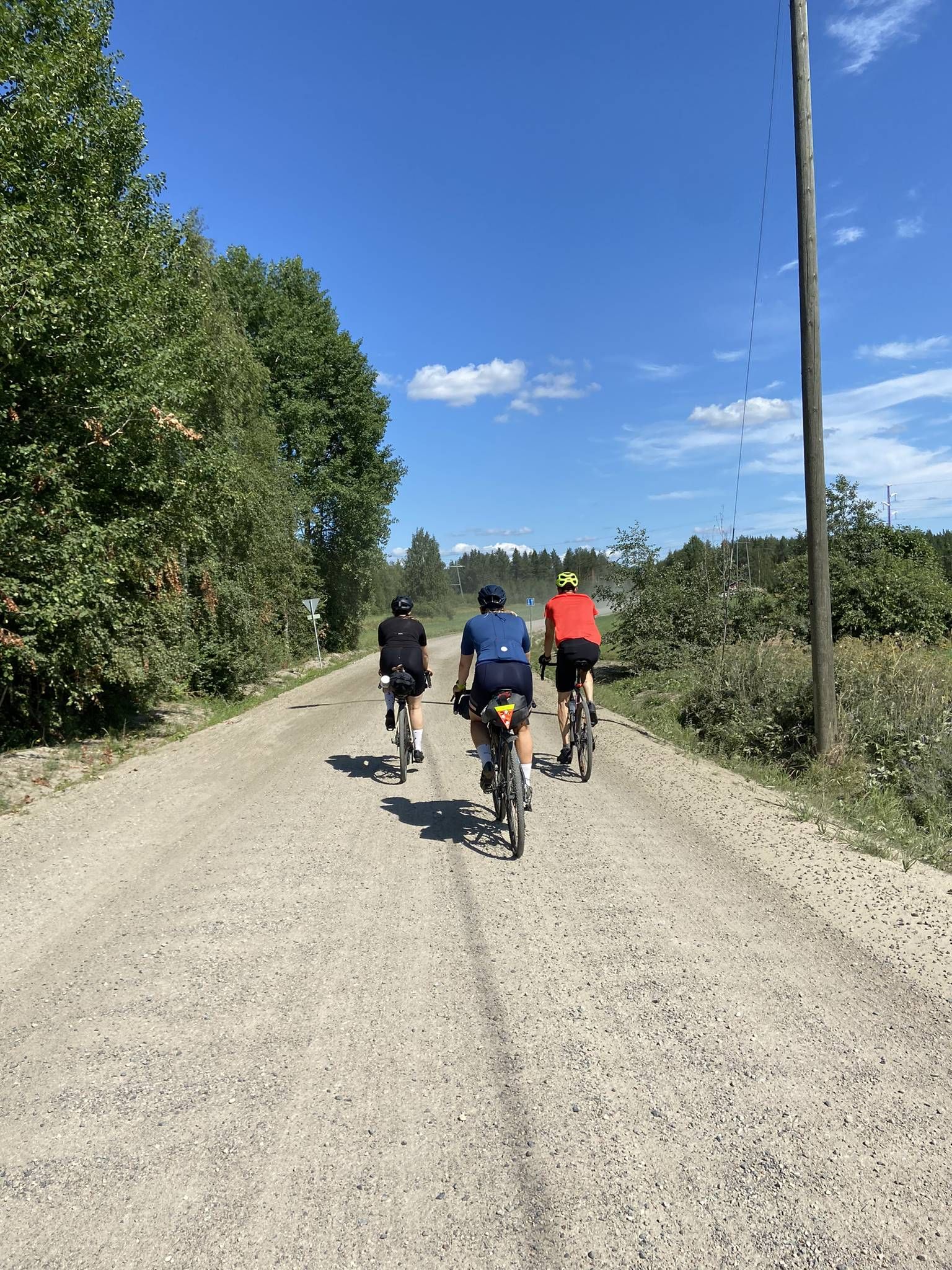
Naples to North Cape — Two friends, one purpose and many scoops of ice-cream
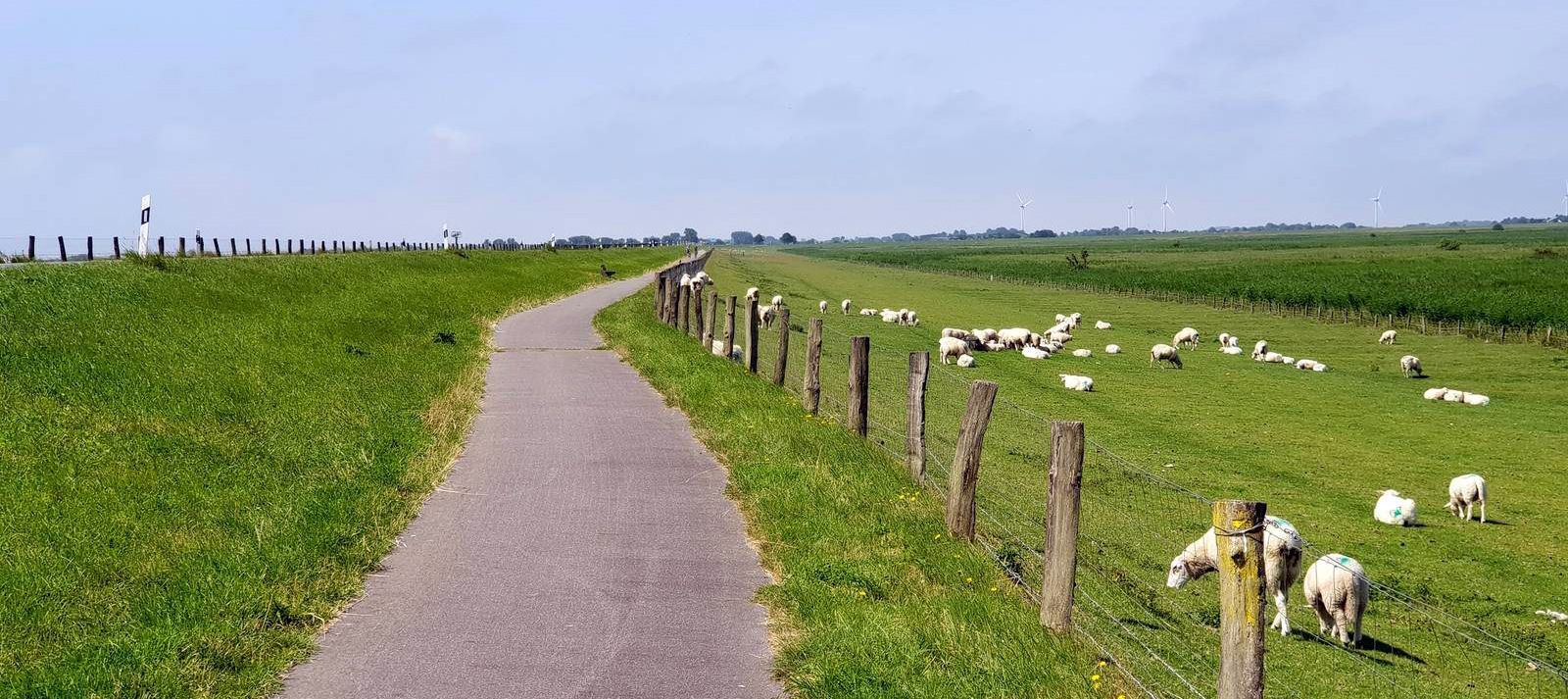
The Schleswig-Holstein Cheese Road in 8 stages
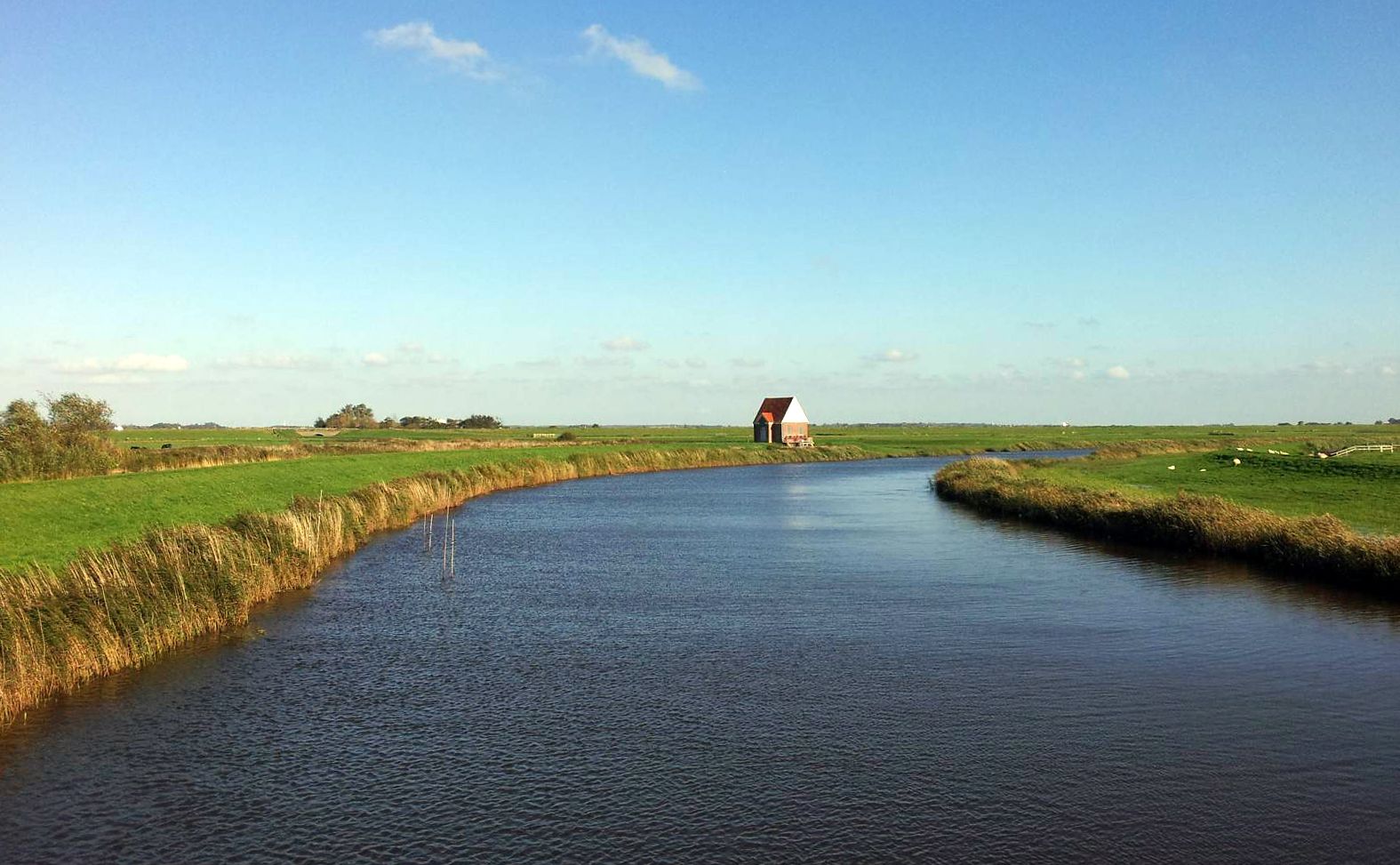
Border Route — in 3 days from the North Sea to the Baltic Sea
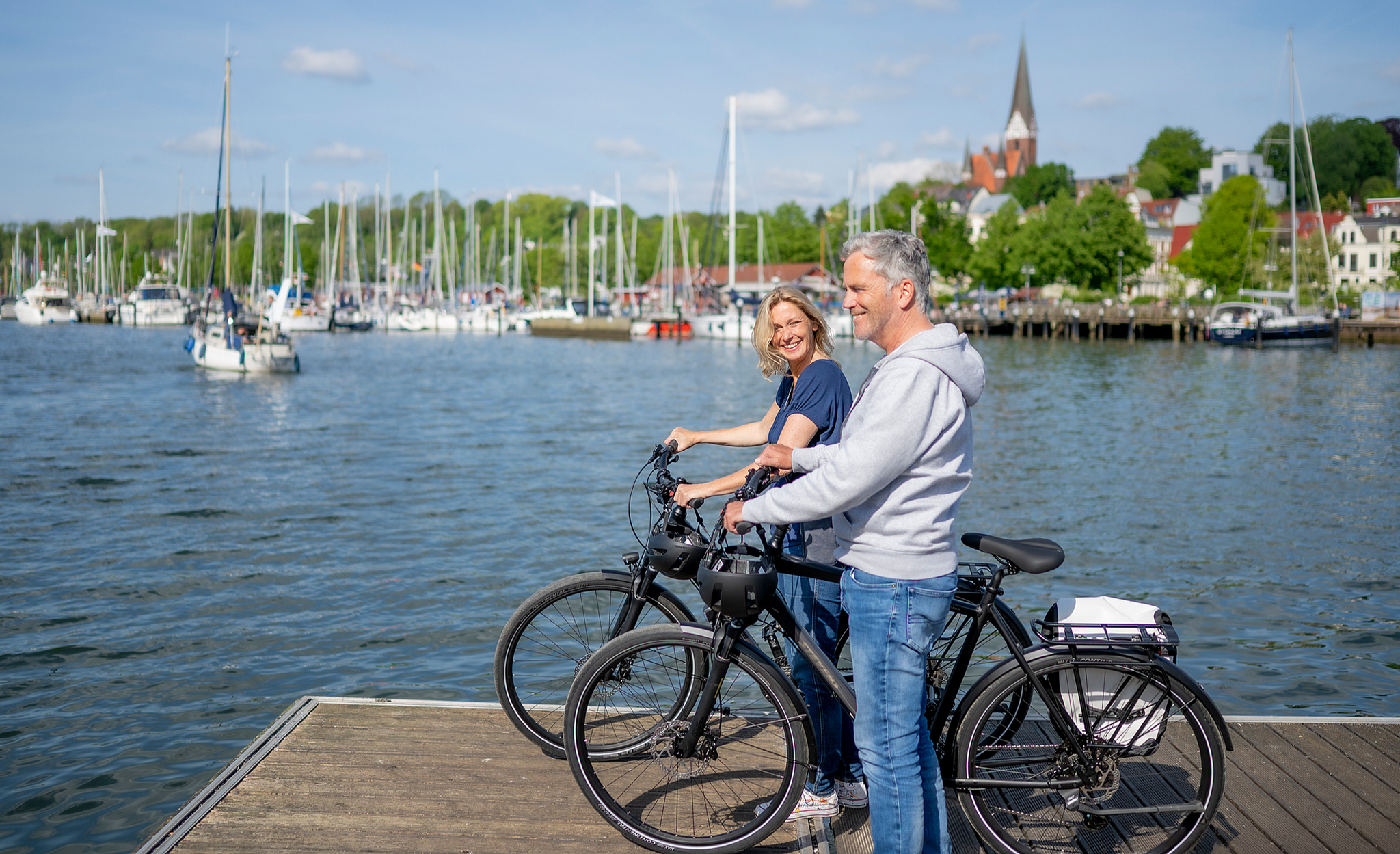
Erlebniskilometer in Schleswig-Holstein – Natur & Geschichte
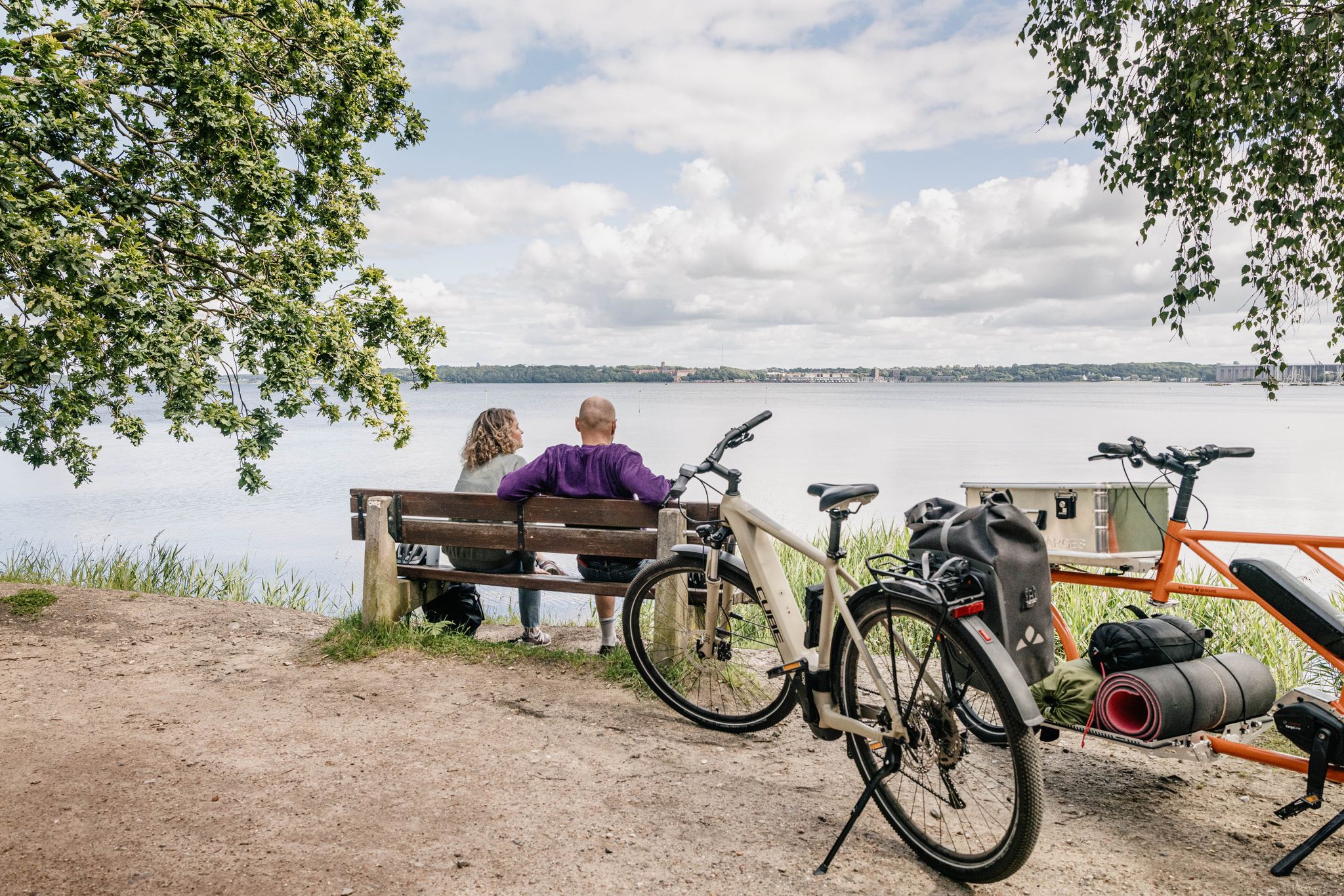
German and Danish culture on the Border Route
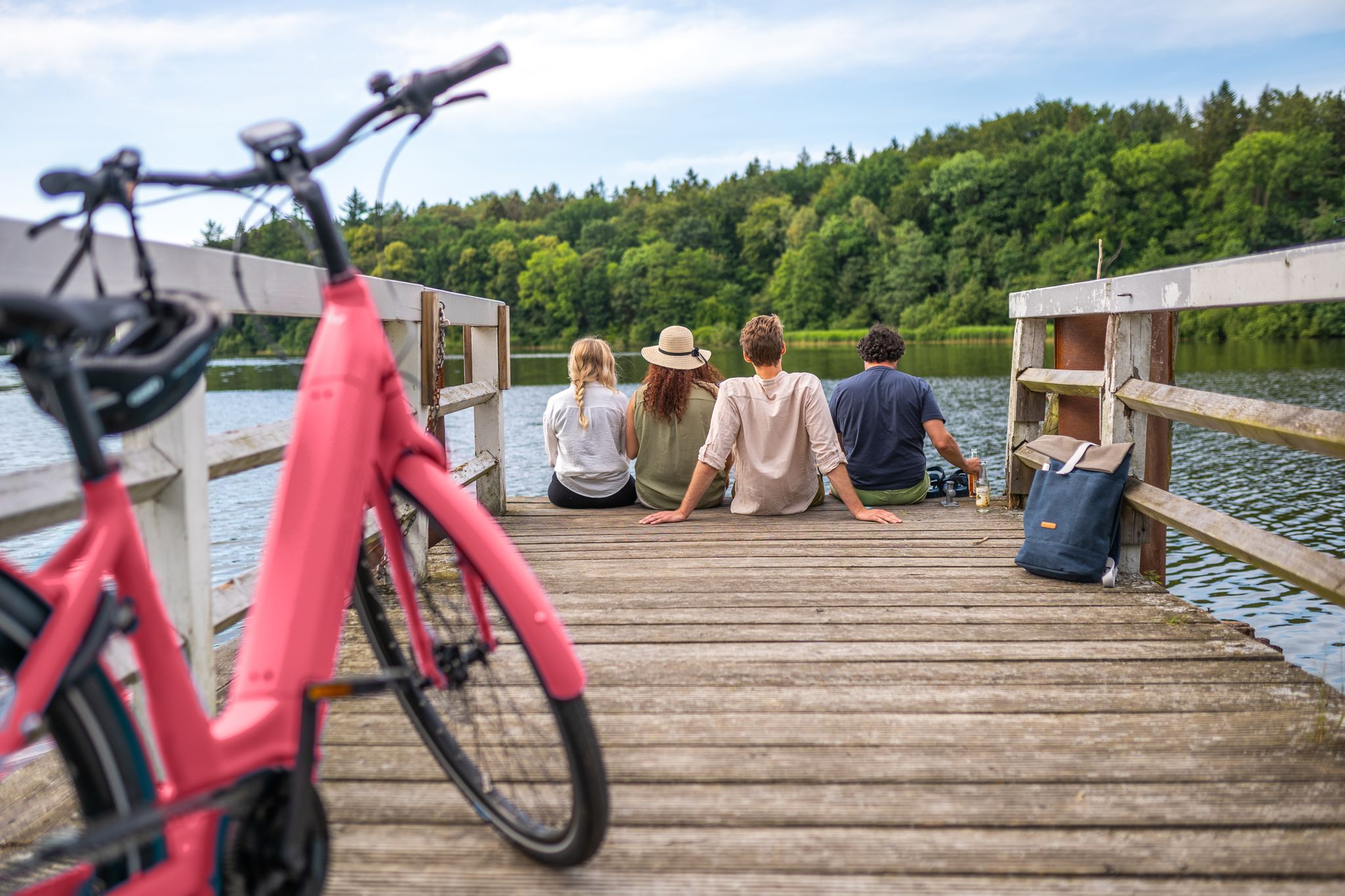
2,919 kilometres of adventure – cycling trails in Schleswig-Holstein
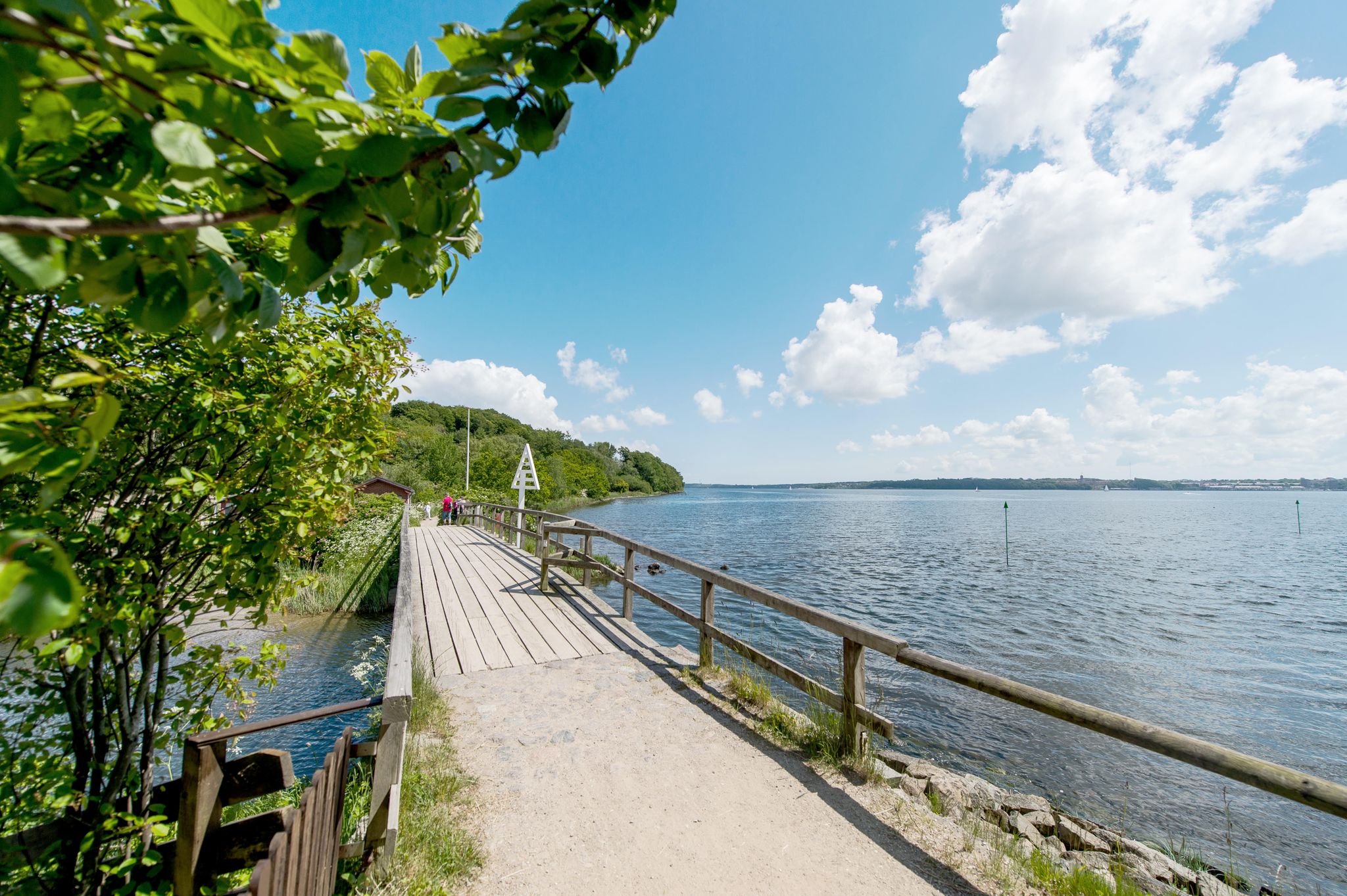
Two countries, one region – cycling Tours on the Flensburg Fjord
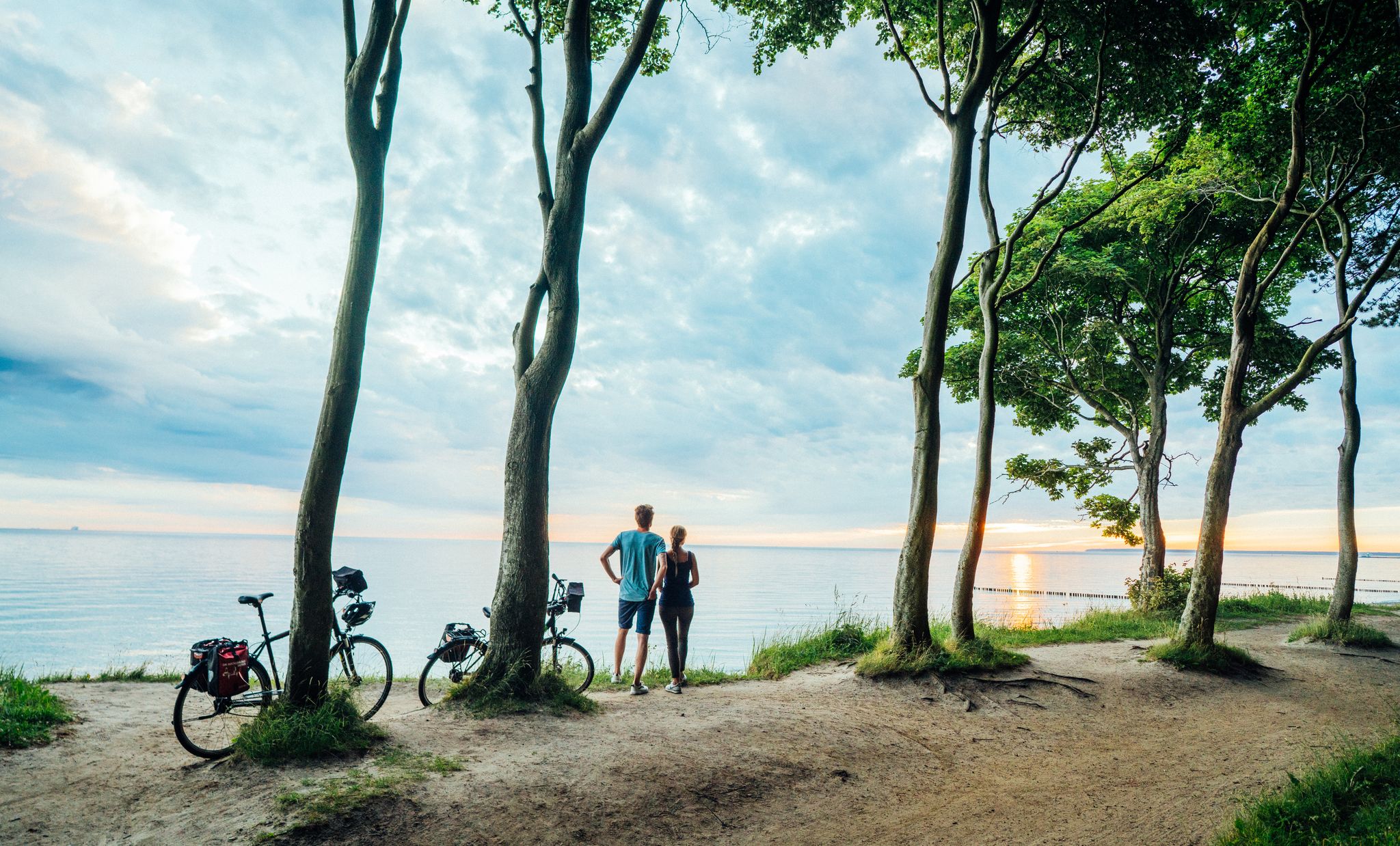
Bicycle touring on the Baltic Sea Cycle Path
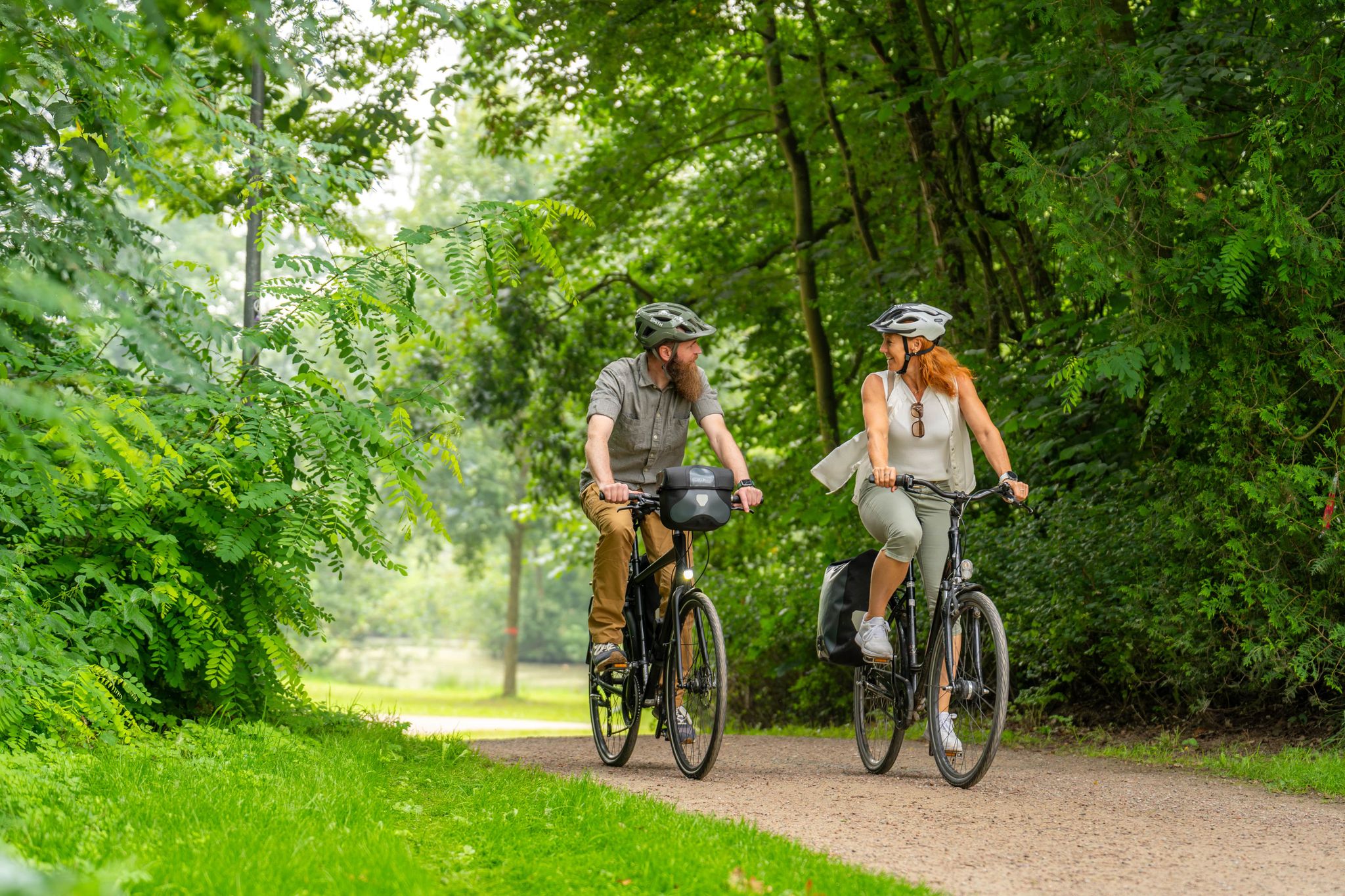
Radfernwege im Grünen Binnenland in Schleswig-Holstein
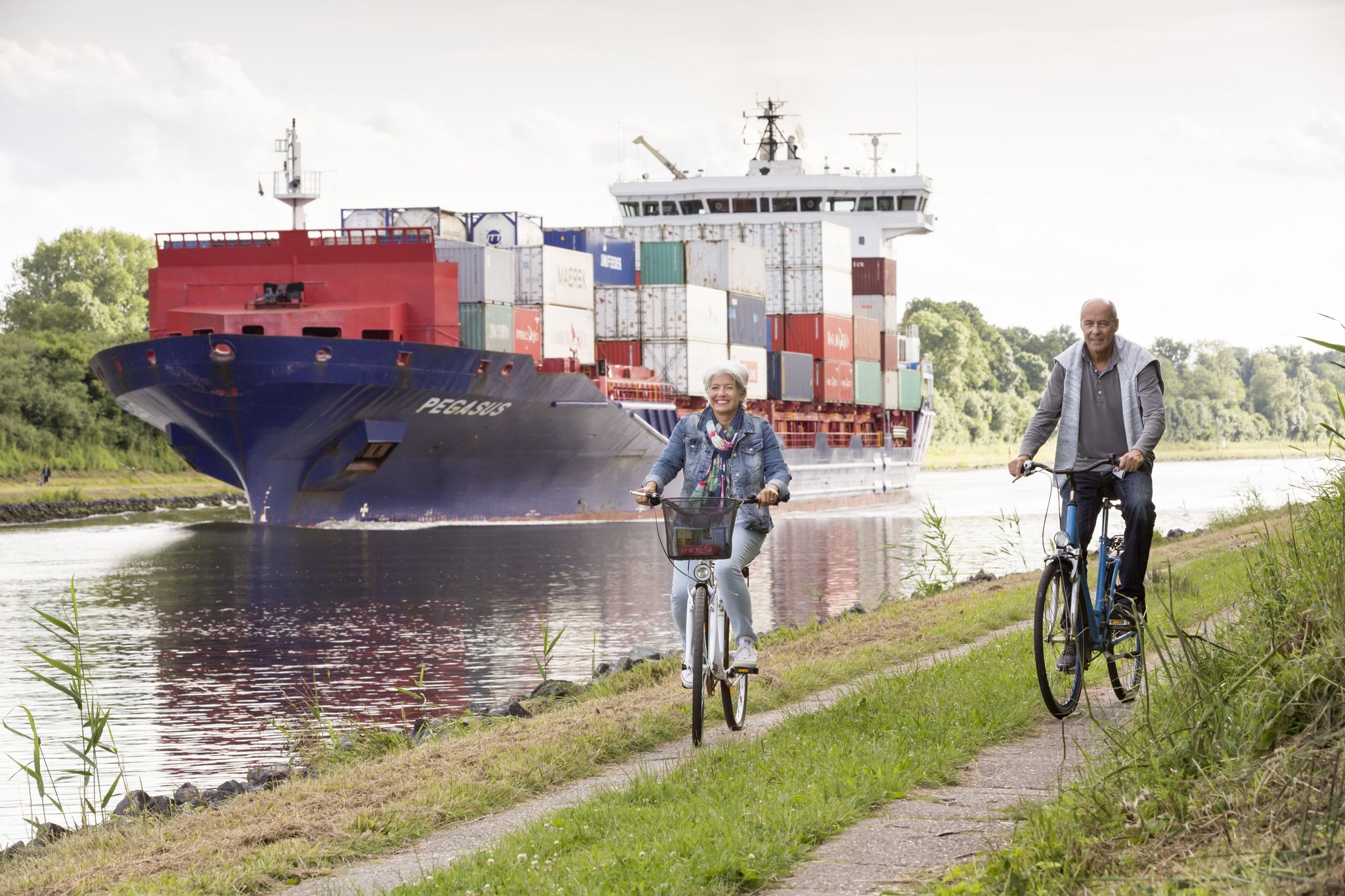
Radfernwege im Binnenland Schleswig-Holstein
Other adventures around Flensburg


Tips from the Community

A giant bald cypress... just one of the numerous natural monuments in Flensburg: https://de.wikipedia.org/wiki/Liste_der_Naturdenkmale_in_der_Stadt_Flensburg
1
0

These two copper beeches stand on the property in front of the Danish Consulate. They are being protected for their beauty and uniqueness.
0
0

Double, triple, quadruple as HL... Why?
1
0

ABOUT THE FIGURE: Volker Tiemann: Great piece about the right hand (2008, bronze) Between Fridtjof Nansen School and Fördegymnasium, Elbestrasse 10-20, 24943 Flensburg Description In earlier times - in some countries to this day - men were often placed on high pedestals in a state-supporting gesture so that the common people could look up to them in awe. The sculptor Volker Tiemann takes up this motif in his “Large Piece about the Right Hand” and turns it into the absurd. SOURCE: https://sh-kunst.de/volker-tiemann-grosses-stueck-ueber-die-rechte-hand/
0
0
You can take a nice break here. Steps lead down to the fire pond. There are seating options there
0
0

Here is a very remarkable bald cypress
7
1

Nice place by the pond. Unfortunately many trees were destroyed by a storm. But the walk around the pond is still worth it.
2
0
Frequently Asked Questions
What are some of the most popular natural monuments to visit in Flensburg?
Among the most appreciated natural monuments in Flensburg is the Twedter Feld Nature Reserve, known for its rich biodiversity including over 300 flowering plant species and 107 bird species. Visitors also enjoy the serene Mückenteich, a peaceful pond perfect for a walk or rest, and the Water Lily Pond in Naturschutzgebiet Twedter Feld, offering beautiful views of water lilies amidst the forest.
Are there any family-friendly natural monuments around Flensburg?
Yes, several natural monuments in and around Flensburg are great for families. The Twedter Feld Nature Reserve and its Water Lily Pond are popular choices, offering easy paths and opportunities for wildlife spotting. The Mückenteich is also suitable for a relaxing family stroll. Additionally, the Marienhölzung forest, a significant landscape protection area, features extensive paths, playgrounds, and a wildlife enclosure with fallow deer and wild boars, making it ideal for families.
What kind of unique trees can I see as natural monuments in Flensburg?
Flensburg is home to several protected individual trees. You can find a remarkable Bald Cypress Natural Monument. Other notable trees include the impressive Linde (Lime Tree) on Stuhrsallee, designated as Natural Monument No. 2, and the striking Two Copper Beeches at the Danish Consulate, known for their vibrant purple-red foliage. There's also a significant Hainbuche (Hornbeam) on Waitzstraße, recognized for its size and age.
What outdoor activities can I do near the natural monuments in Flensburg?
The natural monuments around Flensburg offer a variety of outdoor activities. For hiking, you can explore easy trails in areas like the Marienhölzung forest or the Twedter Feld Nature Reserve. The Flensburg Fjord and Holnis Peninsula are excellent for longer hikes, cycling, and water sports. If you enjoy running, there are numerous running trails, including routes along the Flensburg Fjord. Gravel biking enthusiasts can find moderate to difficult routes that take you through scenic landscapes and along the fjord.
Are there any natural monuments in Flensburg that are wheelchair accessible?
Yes, some natural monuments in Flensburg offer wheelchair accessibility. The Bald Cypress Natural Monument is noted as wheelchair accessible. Additionally, the Lime Tree Natural Monument on Stuhrsallee is also listed with wheelchair accessibility, allowing more visitors to enjoy these unique natural features.
What natural features can I expect to see in the Flensburg region beyond individual trees?
Beyond individual protected trees, the Flensburg region boasts diverse natural features. The Twedter Feld Nature Reserve offers a mosaic of wetlands, deciduous forests, meadows, and ponds, supporting rich flora and fauna. The expansive Flensburg Fjord, a western inlet of the Baltic Sea, features scenic landscapes, sea cliffs, secluded bays, and sandy beaches. The Holnis Peninsula is a nature reserve with unspoiled beaches and salt marshes, crucial breeding grounds for various bird species. The Marienhölzung forest provides a diverse, multi-layered tree population and the picturesque Schwanenteich (Swan Pond).
What is the best time of year to visit the natural monuments around Flensburg?
The best time to visit the natural monuments around Flensburg largely depends on your interests. Spring and summer (April to September) are ideal for enjoying the lush greenery, flowering plants, and birdwatching, especially in areas like the Twedter Feld Nature Reserve and the Holnis Peninsula. Autumn offers stunning foliage, particularly from trees like the Bald Cypress and Copper Beeches. Winter can provide a peaceful, serene experience, though some paths might be less accessible depending on weather conditions.
Are there any historical or cultural sites integrated with the natural monuments?
Yes, the Christiansenpark Ost, designated as Natural Monument No. 1, is a landscaped garden with significant historical and cultural elements. It features a grotto housing an ancient stone coffin over 2000 years old and has connections to the nearby Museumsberg and Alter Friedhof (Old Cemetery). The park also serves as a postcolonial memorial site, offering a blend of natural beauty and historical context.
Where can I observe wildlife near Flensburg's natural monuments?
For wildlife observation, the Twedter Feld Nature Reserve is an excellent choice, home to over 107 bird species, various insects, amphibians (including European tree frogs), reptiles, and bats. The Holnis Peninsula nature reserve is a vital breeding ground for bird species like shelducks, oystercatchers, and lapwings. The Marienhölzung forest also features a wildlife enclosure where you can observe fallow deer and wild boars.
What do visitors enjoy most about the natural monuments in Flensburg?
Visitors particularly appreciate the tranquility and natural beauty of the sites. Many enjoy the peaceful walks around ponds like Mückenteich and the scenic paths through forests, especially those offering views of water lilies at the Water Lily Pond. The rich biodiversity and opportunities for birdwatching in areas like the Twedter Feld Nature Reserve are also highly valued by the komoot community.
Are dogs allowed on trails near Flensburg's natural monuments?
Many natural areas around Flensburg are dog-friendly, provided dogs are kept on a leash. For instance, the Water Lily Pond in Naturschutzgebiet Twedter Feld is explicitly listed as dog-friendly. The extensive network of paths in the Marienhölzung forest is also a popular spot for dog walkers. Always check local signage for specific regulations in protected areas.
Most popular routes around Flensburg
Most popular attractions around Flensburg

Get inspired with the komoot mobile app


Explore more
Extend your search for the best caves by checking out these guides of the top ones around Flensburg:
