Top 20 Natural Monuments in Fuerteventura
Natural monuments in Fuerteventura showcase a diverse landscape, from ancient rock formations to vast sand dunes and volcanic cones. The island, designated a Biosphere Reserve and Starlight Reserve, is recognized for its unique geological features and ecological importance. These sites offer insights into the island's natural heritage and provide varied outdoor exploration opportunities. Fuerteventura's natural environment is home to significant biodiversity and offers numerous viewpoints across its varied terrain.
Best natural monuments in Fuerteventura
- The most popular natural monuments is Pico de la Zarza summit, a summit that is the remnant of a stratovolcano. This rewarding ascent leads to the highest mountain on Fuerteventura, offering extensive views.
- Another must-see spot is Ajuy Caves (Cuevas de Ajuy), a cave system accessible from the beach. Visitors can explore these ancient geological formations, which are home to marine life, via a path and steep staircase.
- Visitors also love Presa de las Peñitas, a man-made monument within a gorge. This area, originally a reservoir, now features natural stone pools and is used by numerous bird species.
- Fuerteventura is known for its volcanic cones, sand dunes, and ancient rock formations. The island offers a wide variety of natural monuments to see and explore, from coastal features to mountain summits.
- The natural monuments in Fuerteventura are appreciated by the komoot community, with more than 900 upvotes and over 1000 photos shared across its highlights.
Last updated: April 24, 2026
Pico de la Zarza summit
Highlight • Summit
Translated by Google •
Tip by

Pico de la Zarza
Highlight • Summit
Translated by Google •
Tip by

Sign up now to discover places like this
Get recommendations on the best single tracks, peaks, & plenty of other exciting outdoor places.
Sign up for free
Presa de las Peñitas
Highlight • Monument
Translated by Google •
Tip by

Matorral Beach
Highlight • Beach
Translated by Google •
Tip by

Ajuy Caves (Cuevas de Ajuy)
Highlight • Cave
Translated by Google •
Tip by

Sign up for free to discover even more natural monuments in Fuerteventura.
Sign up for free
Already have an account?
Start today with a free account
Your next adventure awaits.
Login or Signup
Popular around Fuerteventura
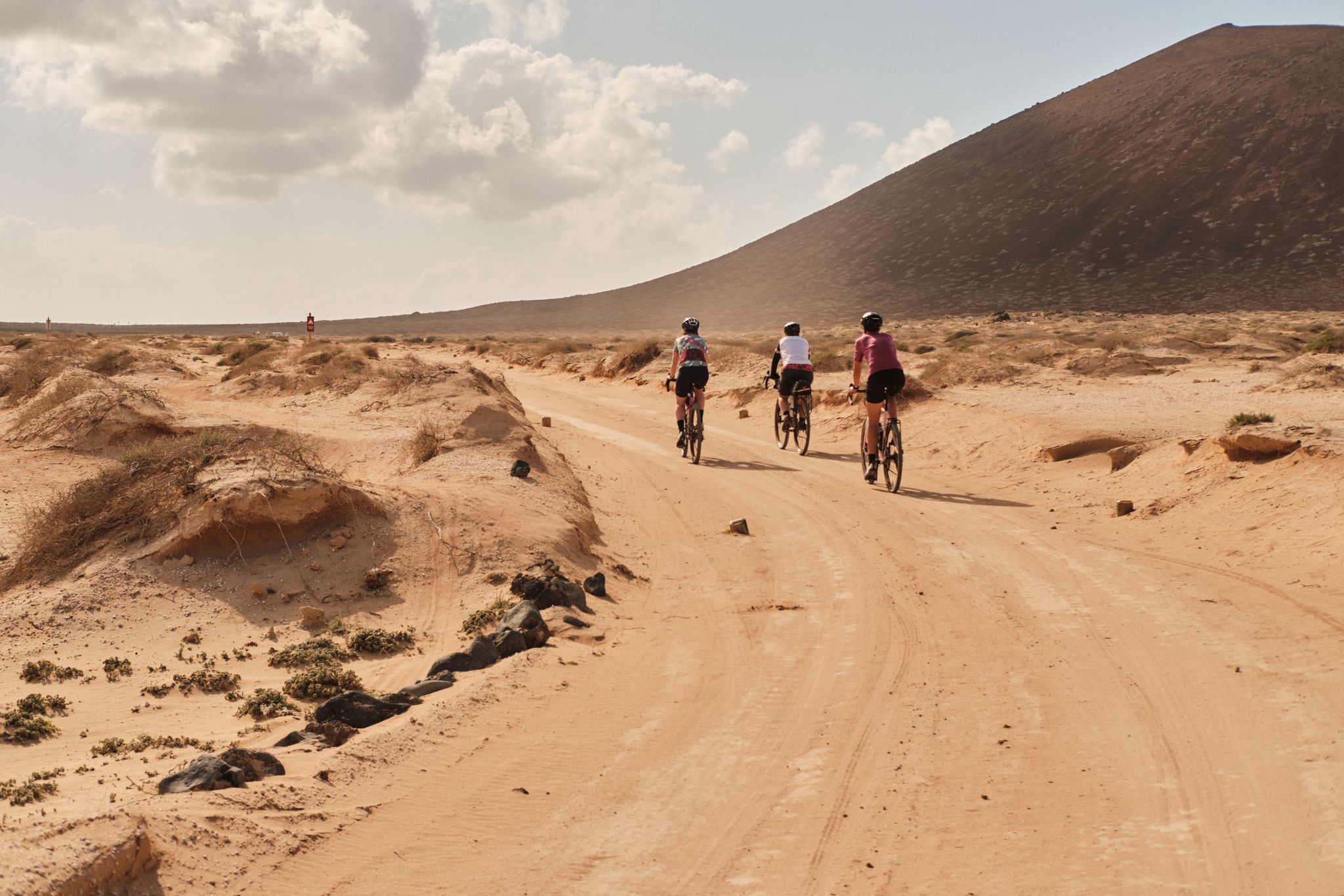
GranGuanche gravel – Komoot women's rally 2023
GranGuanche Audax Trail – my first ultra race on the Canary Islands
Bikepack in the Canary Islands – surprising adventures in the sun
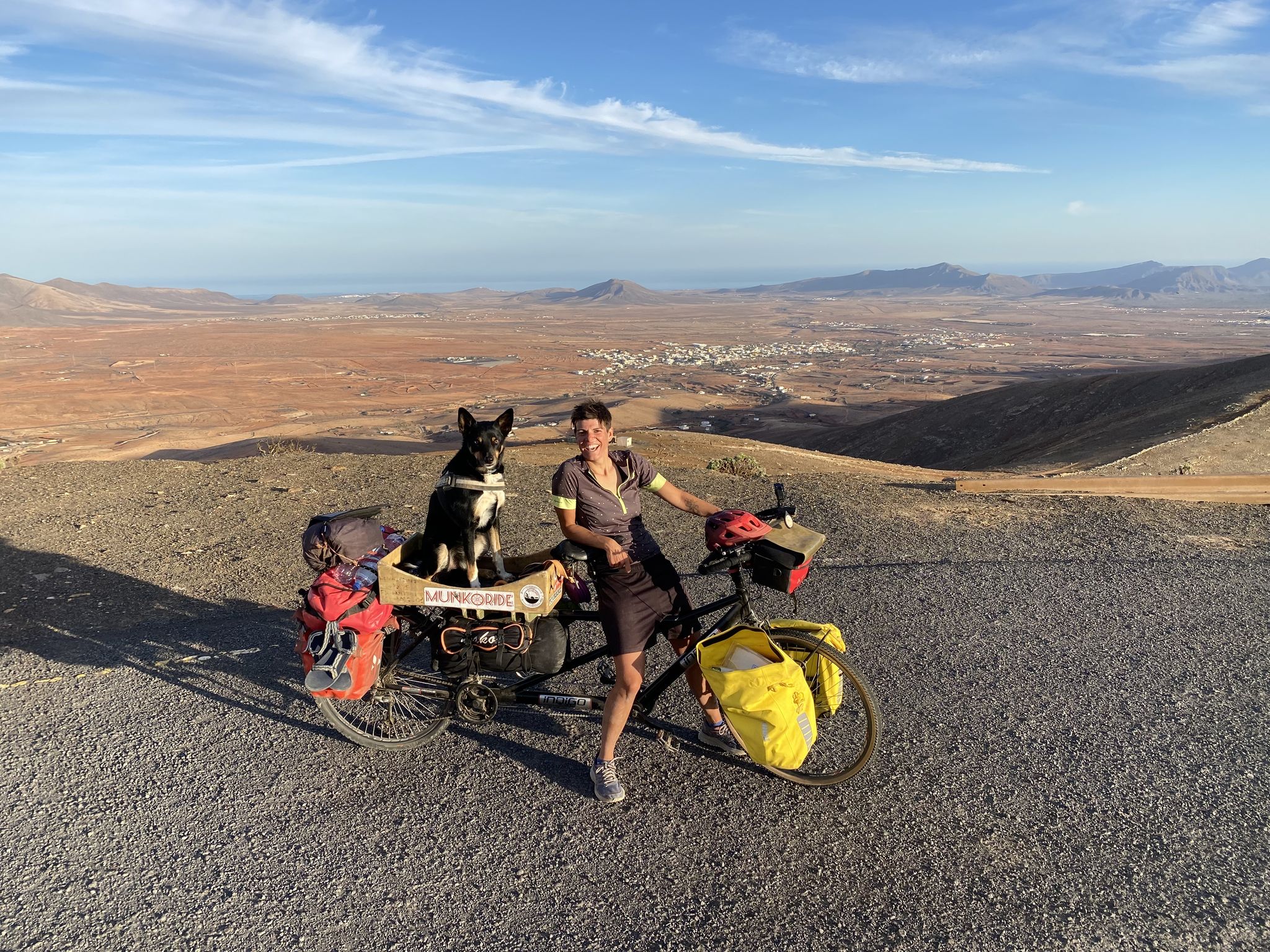
A lunar expedition – Fuerteventura on wheels
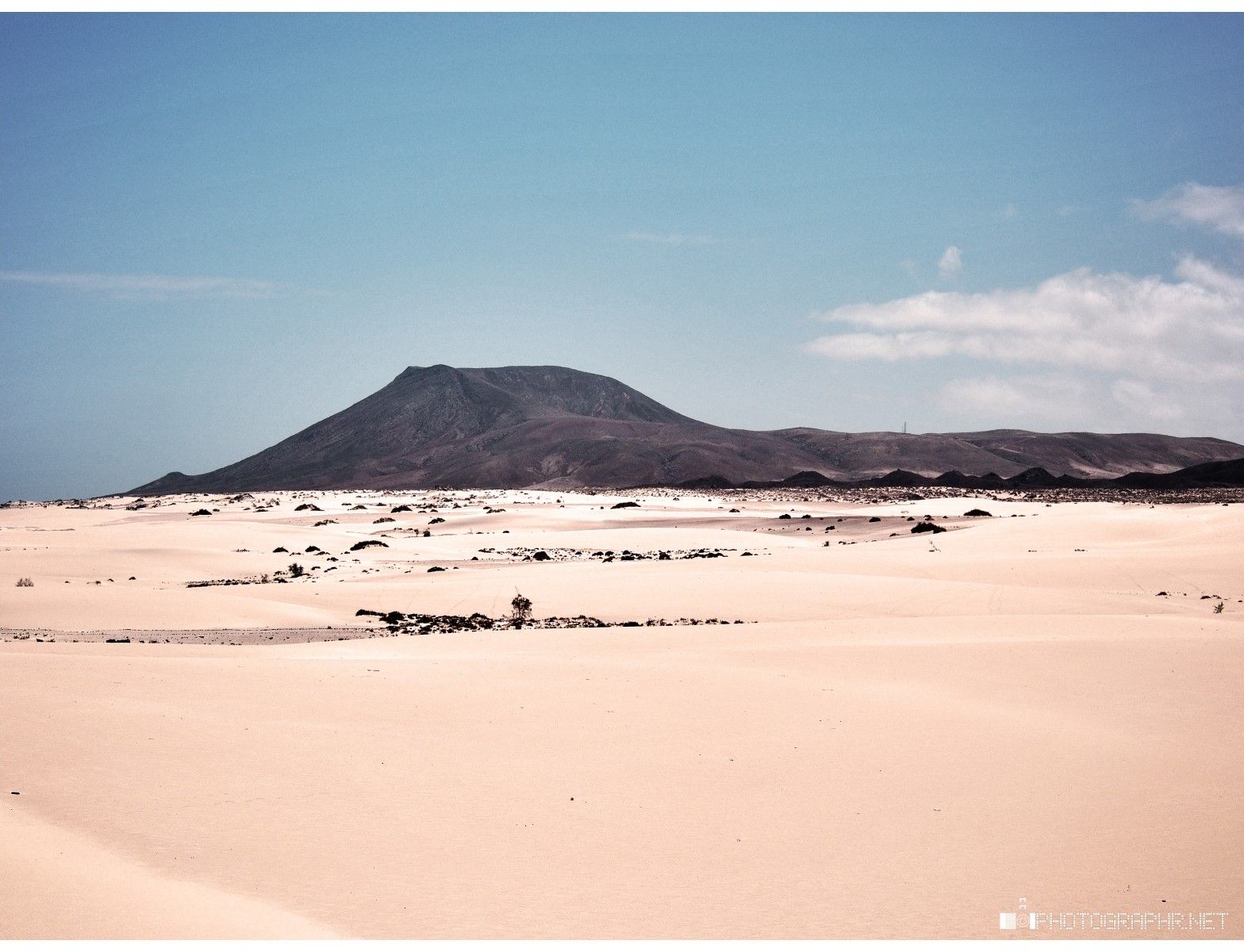
Land of sand and sea – Fuerteventura Nature Trail (GR 131)
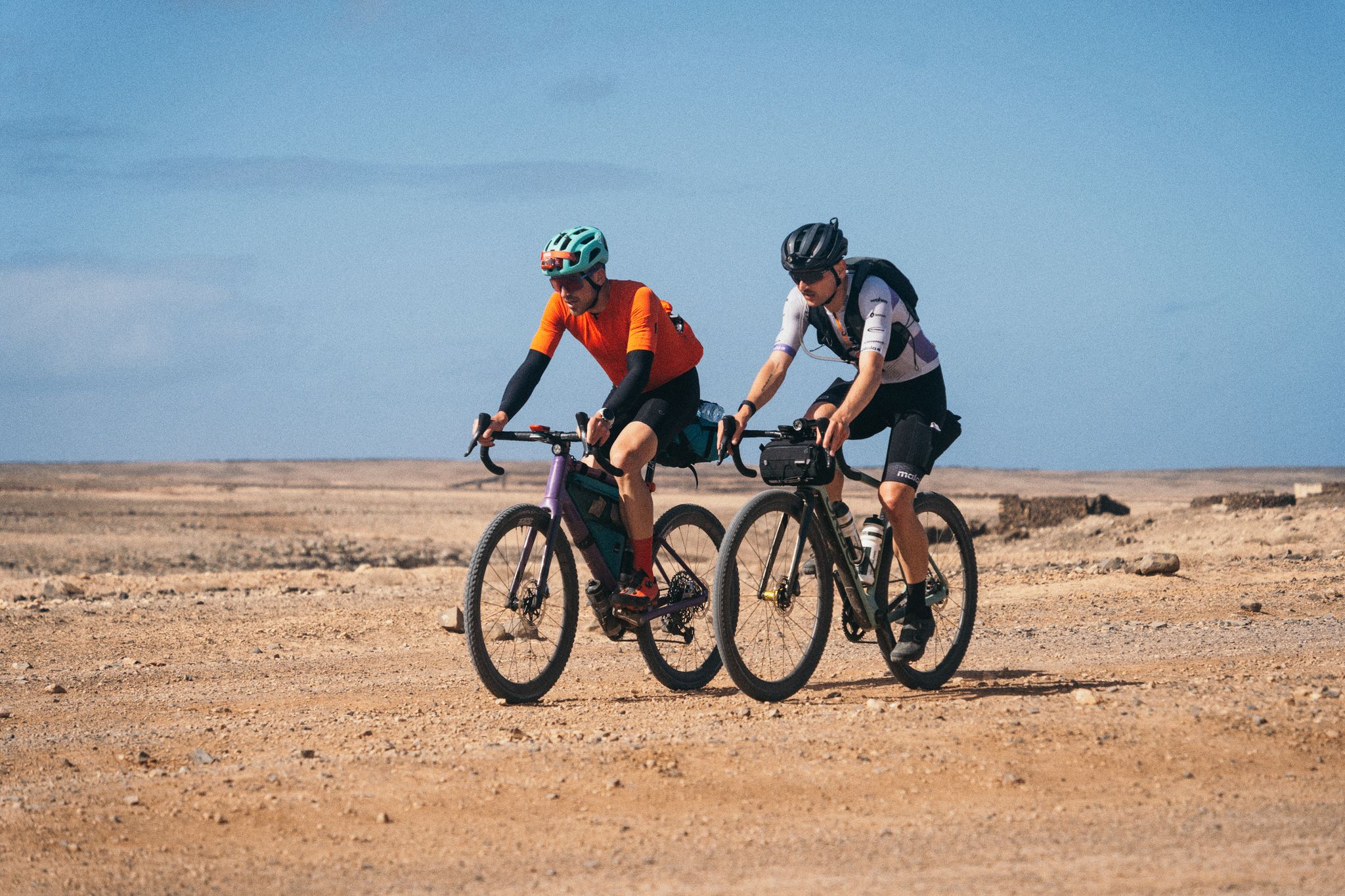
GranGuanche Audax Gravel — five islands in two and a half days
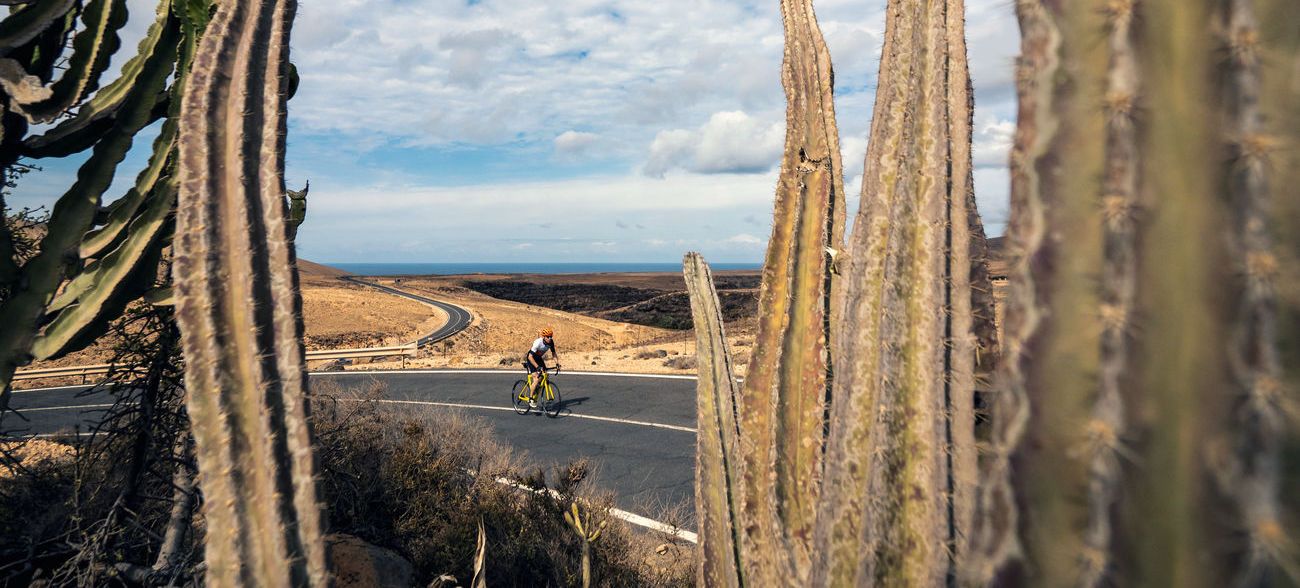
On TOUR in Fuerteventura: dream tours in the Canary Islands
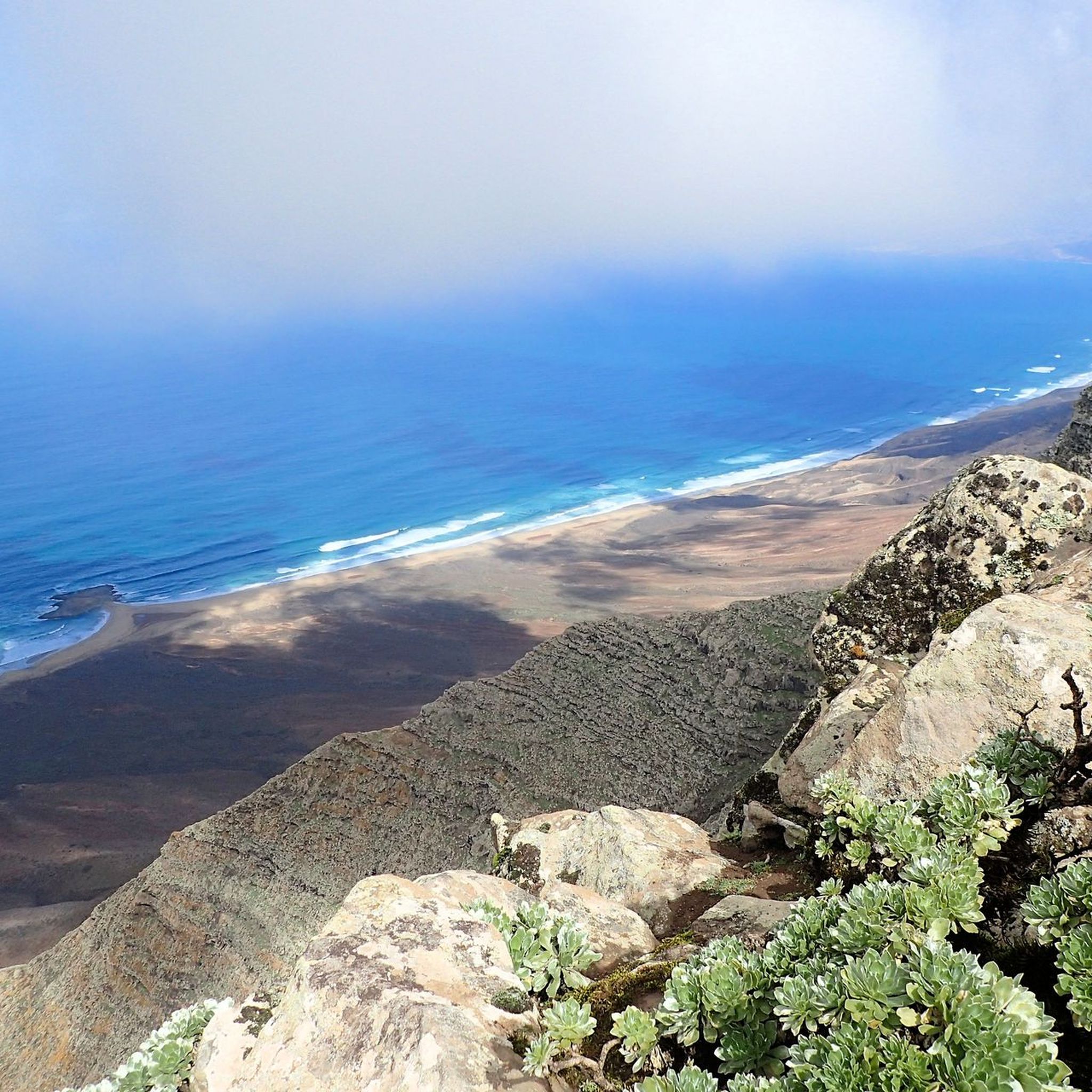
Hiking in Fuerteventura
Road Cycling Routes in Fuerteventura
Running Trails in Fuerteventura
Other adventures in Fuerteventura


Tips from the Community

The hike up Fuerteventura's highest mountain should be undertaken in sunny weather and with as little wind as possible. If trade wind clouds hang over the summit, you won't see anything.
2
0

A strenuous trail, especially the final stretch is very steep. Not for beginners, but worth the effort!
3
0

A path leads from the beach to Caleta Negra (Black Bay), from where a steep staircase leads down to the caves. Tip: Wear sturdy shoes!
41
2
Stingrays and angel sharks, for example, live inside the caves. An overview of the cave formations can be obtained along a path up to the cliff.
57
0

Interesting information about the history of the Pico de la Zarza: https://de.m.wikipedia.org/wiki/Pico_de_la_Zarza
1
0

Absolutely recommended in cloudless weather
2
0


Impressive view over the pirate caves... that's how you imagine it, isn't it?😉
15
0
Frequently Asked Questions
What unique geological features can I explore in Fuerteventura's natural monuments?
Fuerteventura offers a rich geological tapestry. You can explore ancient rock formations at the Ajuy Caves (Cuevas de Ajuy), which are part of the island's oldest rock complex. Volcanic origins are evident at the well-preserved Calderón Hondo Volcano, offering panoramic views from its crater. The island also features spectacular sand dunes in Corralejo Natural Park and the striking rock arch of Arco de las Peñitas, formed by wind erosion.
Are there any natural monuments in Fuerteventura with historical or cultural significance?
Yes, Tindaya Mountain Natural Monument is particularly significant. It's not only a prominent geological feature but also holds cultural value due to aboriginal podomorphic engravings found on its peak, believed to have had religious importance. Visiting Tindaya offers a glimpse into the island's ancient past and sacred landscapes.
Which natural monuments are suitable for families with children?
For families, the Matorral Beach offers wide sandy areas and the adjacent Humedal Saladar de Jandia nature reserve for bird spotting. The Ajuy Caves (Cuevas de Ajuy) are also accessible via a walking path from the beach, providing an engaging exploration for older children. Additionally, the easy hike to Calderón Hondo Volcano is a great option for families to experience volcanic landscapes.
What kind of wildlife can I expect to see in Fuerteventura's natural parks?
Fuerteventura's natural parks are vital for biodiversity. Jandía Natural Park, for instance, is a Special Protection Area for Birds (ZEPA) and a breeding ground for numerous species. The salt marshes of Lobos Island and the Humedal Saladar de Jandia near Matorral Beach are home to rare birds from Europe and North Africa. The Presa de las Peñitas area also attracts various bird species to its natural stone pools.
Are there hiking opportunities near Fuerteventura's natural monuments?
Absolutely. Fuerteventura offers diverse hiking trails. You can find routes like the 'Arco de las Peñitas from Vega de Río Palmas' which takes you through the Barranco de las Peñitas, or the 'Calderón Hondo - Lajares Trail' for an easier volcanic ascent. For more options, explore the hiking guide for Fuerteventura.
What are the best natural monuments for panoramic views?
For breathtaking panoramic views, the summit of Pico de la Zarza, the highest mountain on Fuerteventura, is highly recommended. The Calderón Hondo Volcano also offers a fantastic 360º view of northern Fuerteventura from its rim. Additionally, the viewpoints within Jandía Natural Park provide extensive vistas of its wild landscapes and coastline.
Can I go cycling or running near the natural monuments?
Yes, the island provides excellent opportunities for both. You can find gravel biking routes that offer views of Cofete Beach or the Atlantic Coast. For runners, there are trails like the 'Volcán Calderón Hondo y Montaña Colorada - circular' or routes near Faro de la Entallada. Discover more options in the gravel biking guide and the running trails guide for Fuerteventura.
What should I know before visiting the Ajuy Caves?
The Ajuy Caves (Cuevas de Ajuy) are accessible via a path from the beach, followed by a steep staircase. It is highly recommended to wear sturdy shoes for safety and comfort. You can explore the ancient geological formations and observe marine life within the caves, especially at low tide.
What makes Lobos Island Natural Park a unique destination?
Lobos Island, a short distance from Corralejo, is a pristine natural haven characterized by its volcanic landscapes, unique flora and fauna, and biologically important salt marshes. It's a significant nesting ground for various bird species like Herring gulls and Cory shearwaters. It's ideal for hiking, enjoying unspoiled nature, and snorkeling in its clear waters.
What is the best time to visit Fuerteventura's natural monuments?
Fuerteventura enjoys a mild climate year-round, making its natural monuments accessible in most seasons. However, for hiking and outdoor activities, the cooler months from October to May are often preferred to avoid the peak summer heat. Always be prepared for wind, which is common on the island, and ensure you have adequate sun protection and water.
Are there any natural monuments that are particularly good for birdwatching?
Yes, several sites are excellent for birdwatching. Jandía Natural Park is a designated Special Protection Area for Birds (ZEPA). The salt marsh nature reserve Humedal Saladar de Jandia, located behind Matorral Beach, is home to rare birds. Lobos Island also serves as a nesting ground for various bird species, and the natural stone pools at Presa de las Peñitas attract numerous avian visitors.
What can I expect when visiting Corralejo Natural Park?
Corralejo Natural Park is famous for its spectacular sand dunes, which create a unique desert-by-the-sea landscape. This vast area of white sand, constantly shaped by the wind, offers a breathtaking contrast with the turquoise ocean. It's a must-visit for its stunning scenery and opportunities for long walks along the extensive coastline.
Most popular routes in Fuerteventura
Most popular attractions in Fuerteventura

Get inspired with the komoot mobile app


Explore more
Extend your search for the best caves by checking out these guides of the top ones in Fuerteventura:
