Top 20 Natural Monuments in the Weinviertel
Best natural monuments in the Weinviertel showcase a diverse landscape characterized by rolling hills, basins, and vineyards. The region features unique ecological and geological formations, including ancient dry grasslands, significant river floodplains, and distinctive limestone cliffs. These areas preserve valuable natural history and provide habitats for various plant and animal species. The Weinviertel's natural monuments offer insights into the region's varied topography and geological past.
Best natural monuments in the Weinviertel
- The most popular natural monuments is Devín Castle,…
Last updated: October 10, 2026
Devín Castle
Highlight • Castle
Translated by Google •
Tip by

Holy stone with former pilgrimage church
Highlight • Historical Site
Translated by Google •
Tip by

Sign up now to discover places like this
Get recommendations on the best single tracks, peaks, & plenty of other exciting outdoor places.
Buschberg Summit Cross
Highlight • Summit
The Buschberghütte, Austria's lowest mountain shelter, is nearby.
Translated by Google •
Tip by

Groß-Enzersdorfer Arm
Highlight • River
Translated by Google •
Tip by

Summit cross on Waschberg
Highlight • Summit
Translated by Google •
Tip by

Donauradweg Gravel Section, Nationalpark Donau-Auen
Highlight • Cycleway
Translated by Google •
Tip by

Orth an der Donau in the Donau-Auen National Park
Highlight (Segment) • Settlement
Translated by Google •
Tip by

Orther Islands
Highlight • Lake
While the first four islands already rise high out …
Translated by Google •
Tip by

Roseldorf Rest Area and Biotope
Highlight • Natural Monument
Tip by

Heiliger Stein (Mitterretzbach)
Highlight • Natural Monument
Beautiful view from the elliptical lookout into the Weinviertel …
Translated by Google •
Tip by
Sign up for free to discover even more natural monuments in the Weinviertel.
Already have an account?
Start today with a free account
Your next adventure awaits.
Popular around Weinviertel
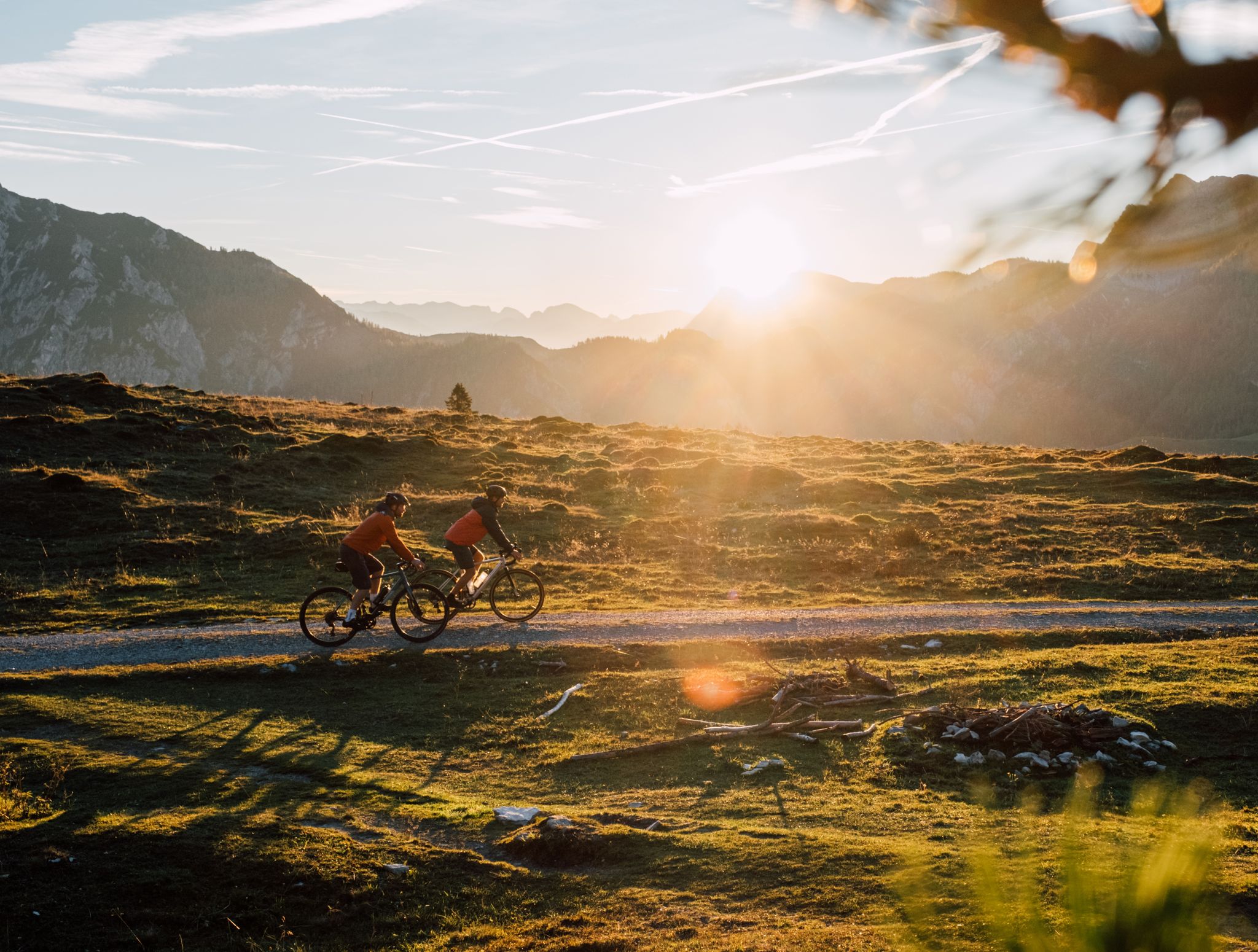
Beyond the pavement – explore Austria's wild nature on a gravel bike
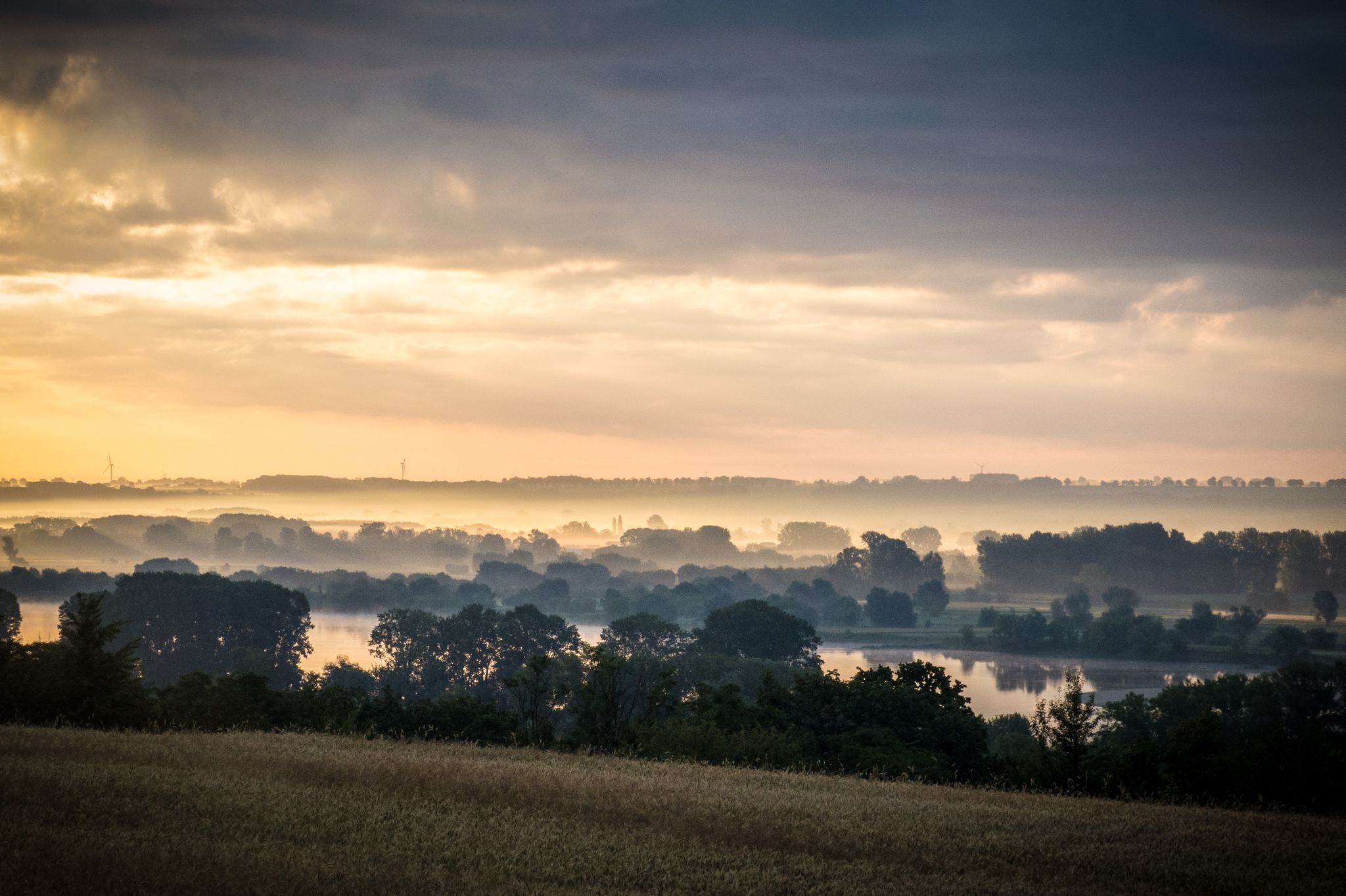
EuroVelo 9 – The Amber Route from the Baltic to Adriatic Sea
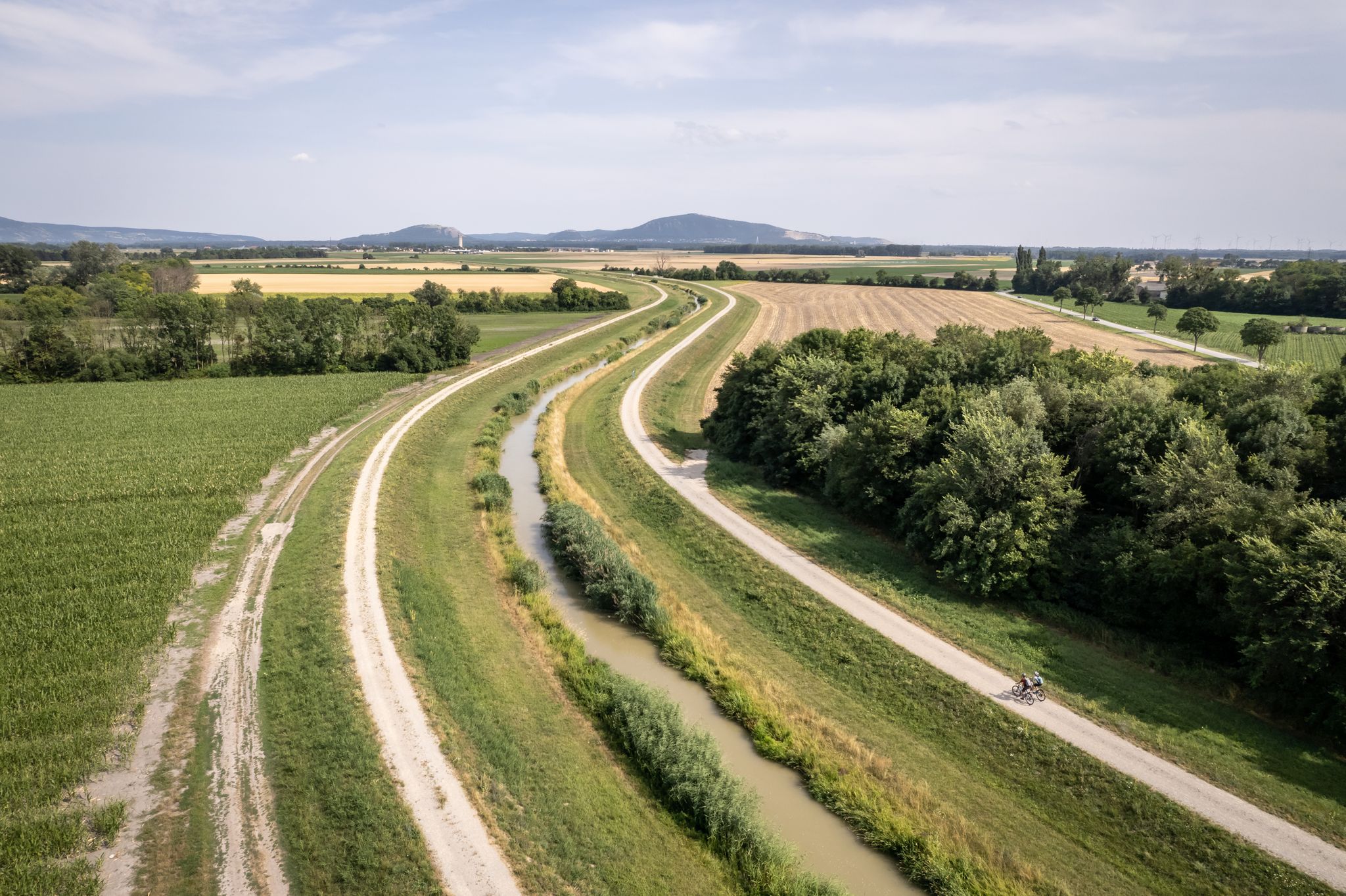
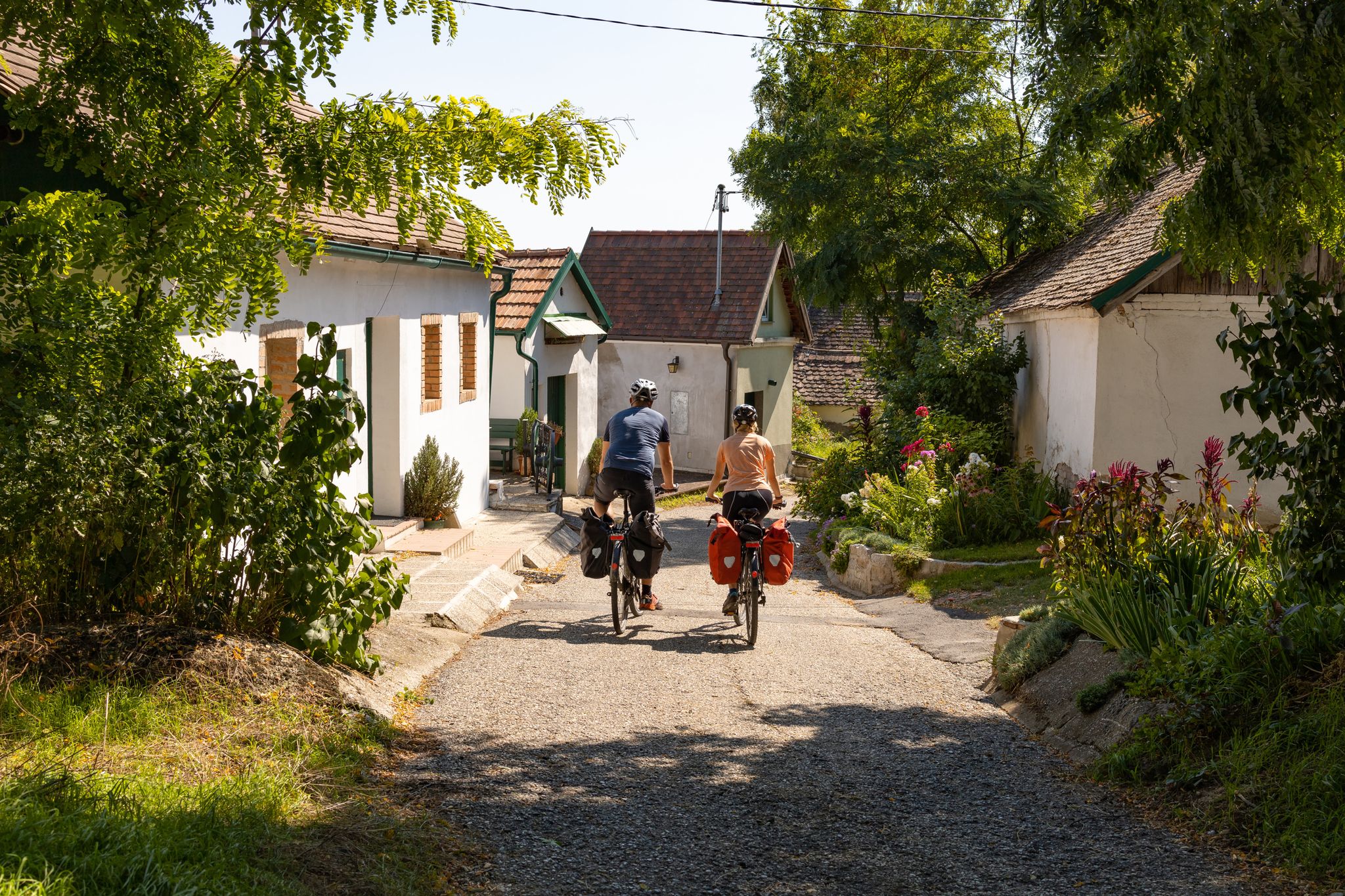
To the Weinviertel! – joyous cycling on Vienna's doorstep
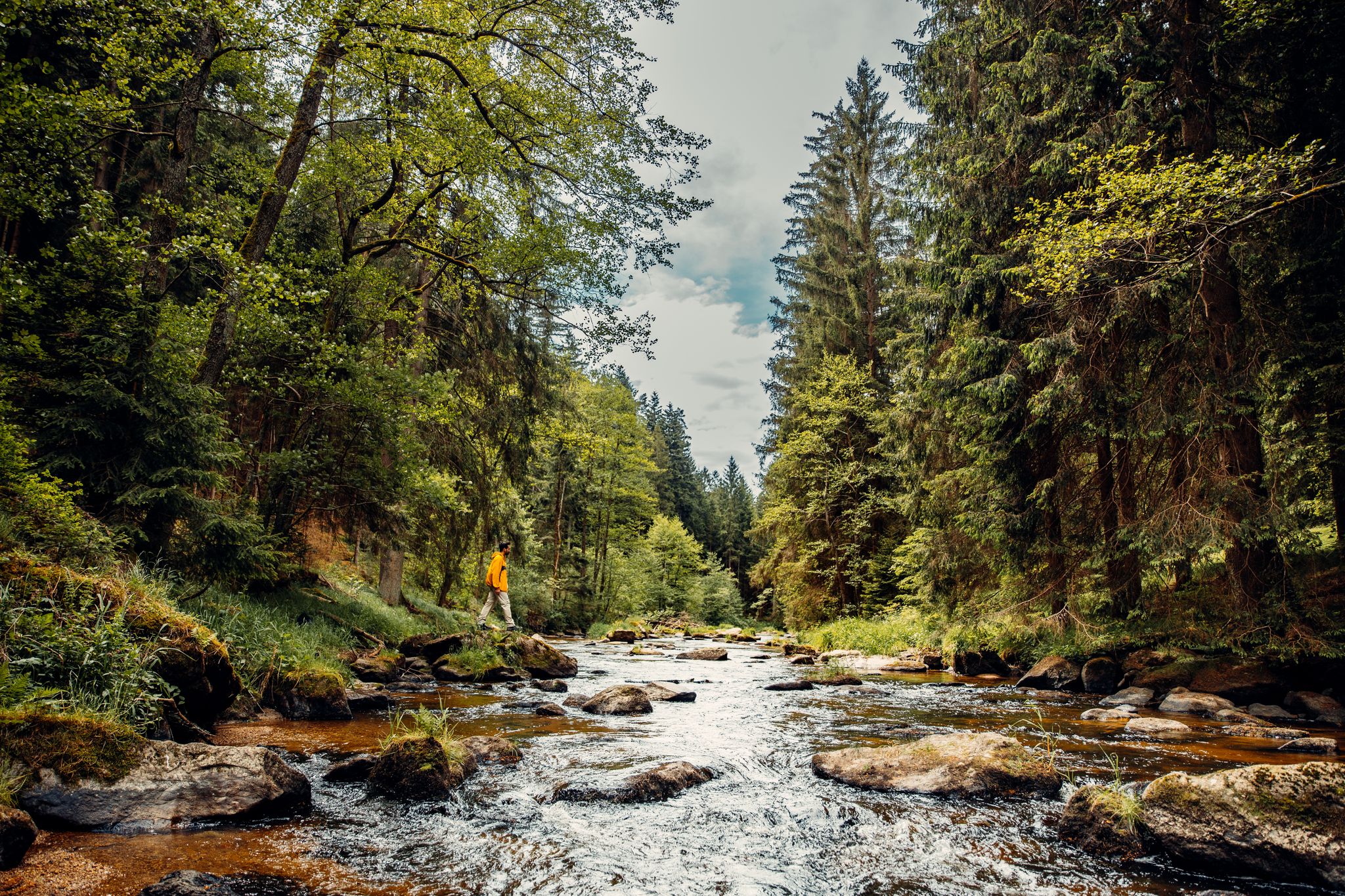
Cliffs, a gorge and vineyards – day hikes in the Waldviertel
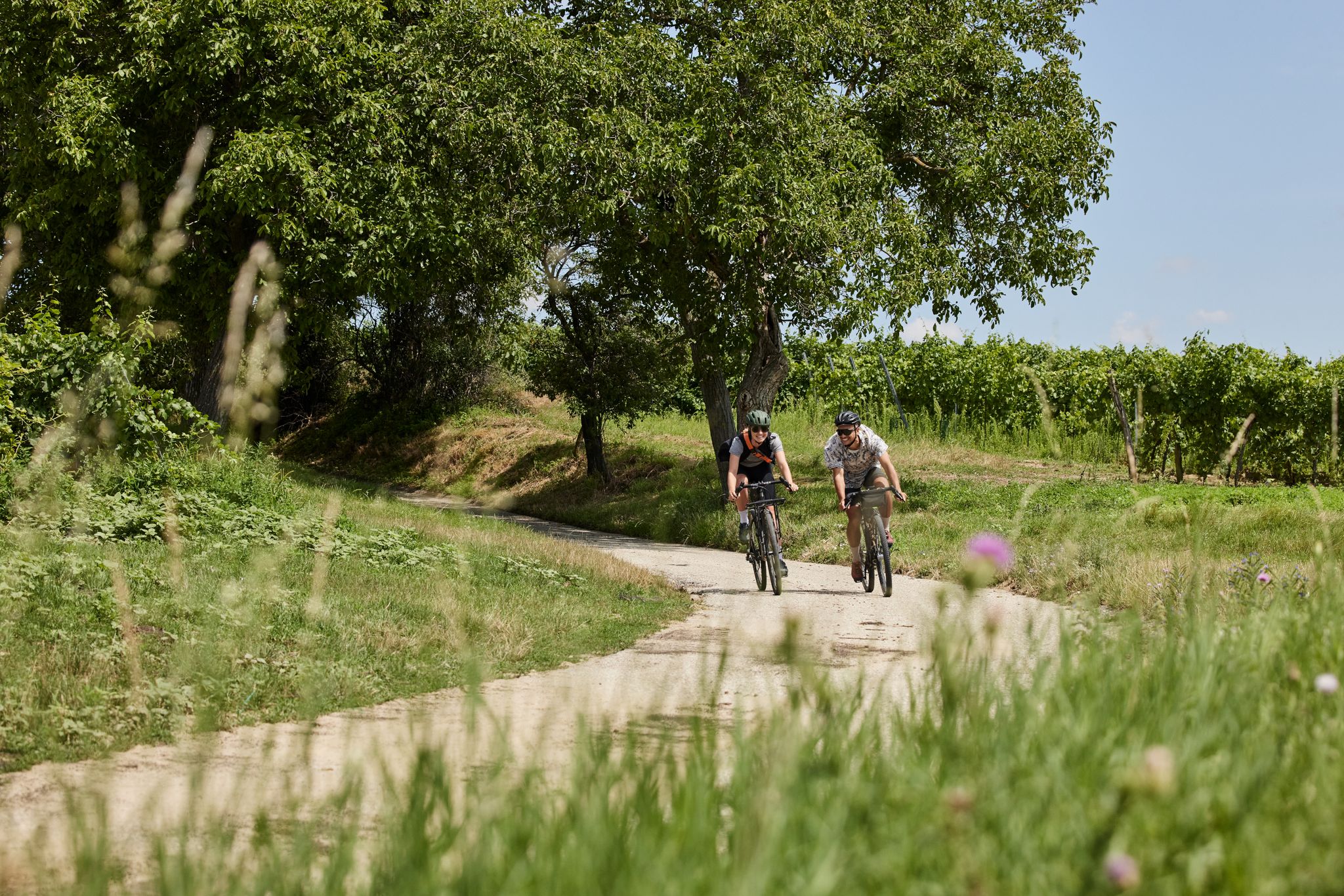
Cycling between the vines – wine routes in the Weinviertel
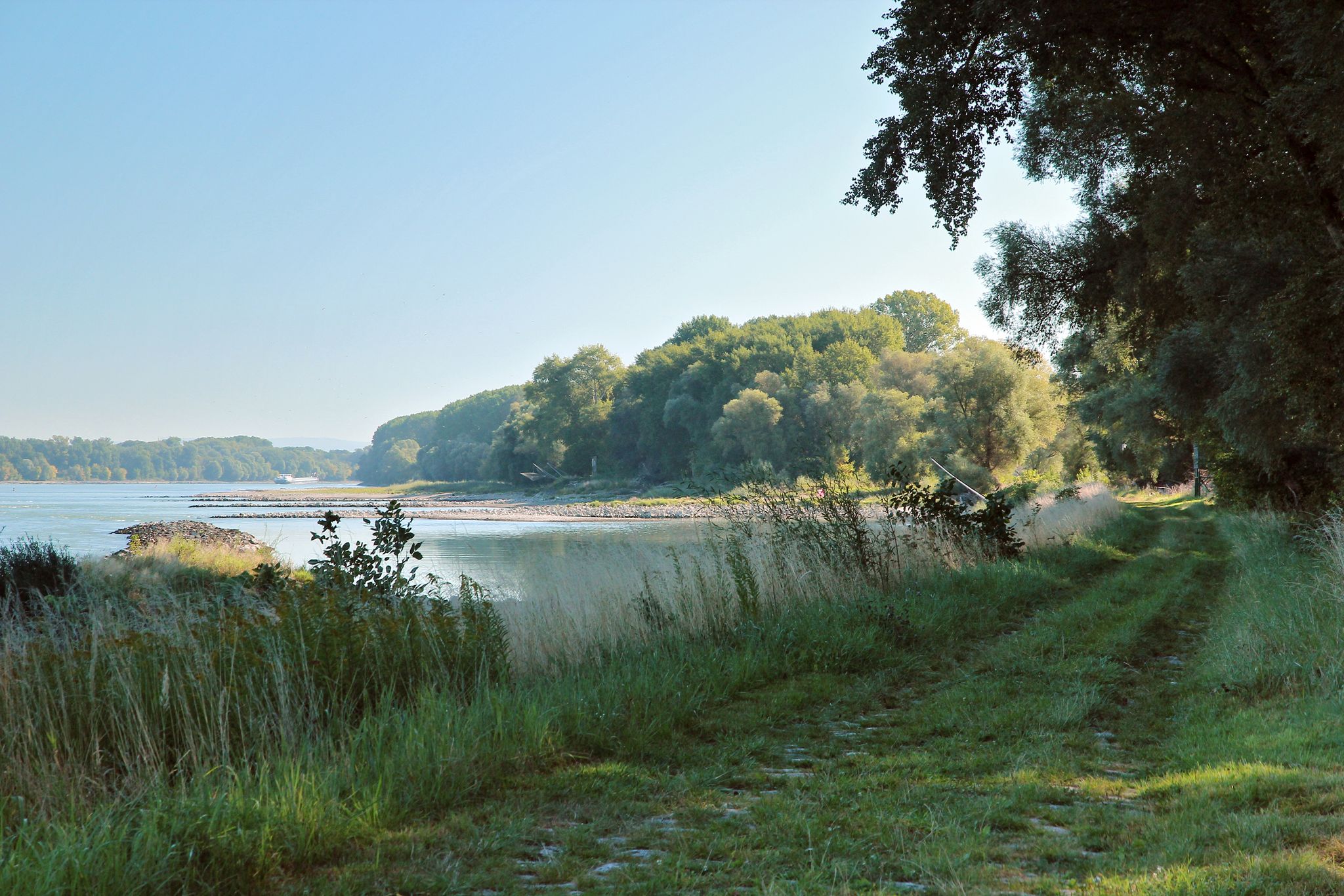
From Vienna to the state border at Hainburg - Tours in the National Park Donau-Auen
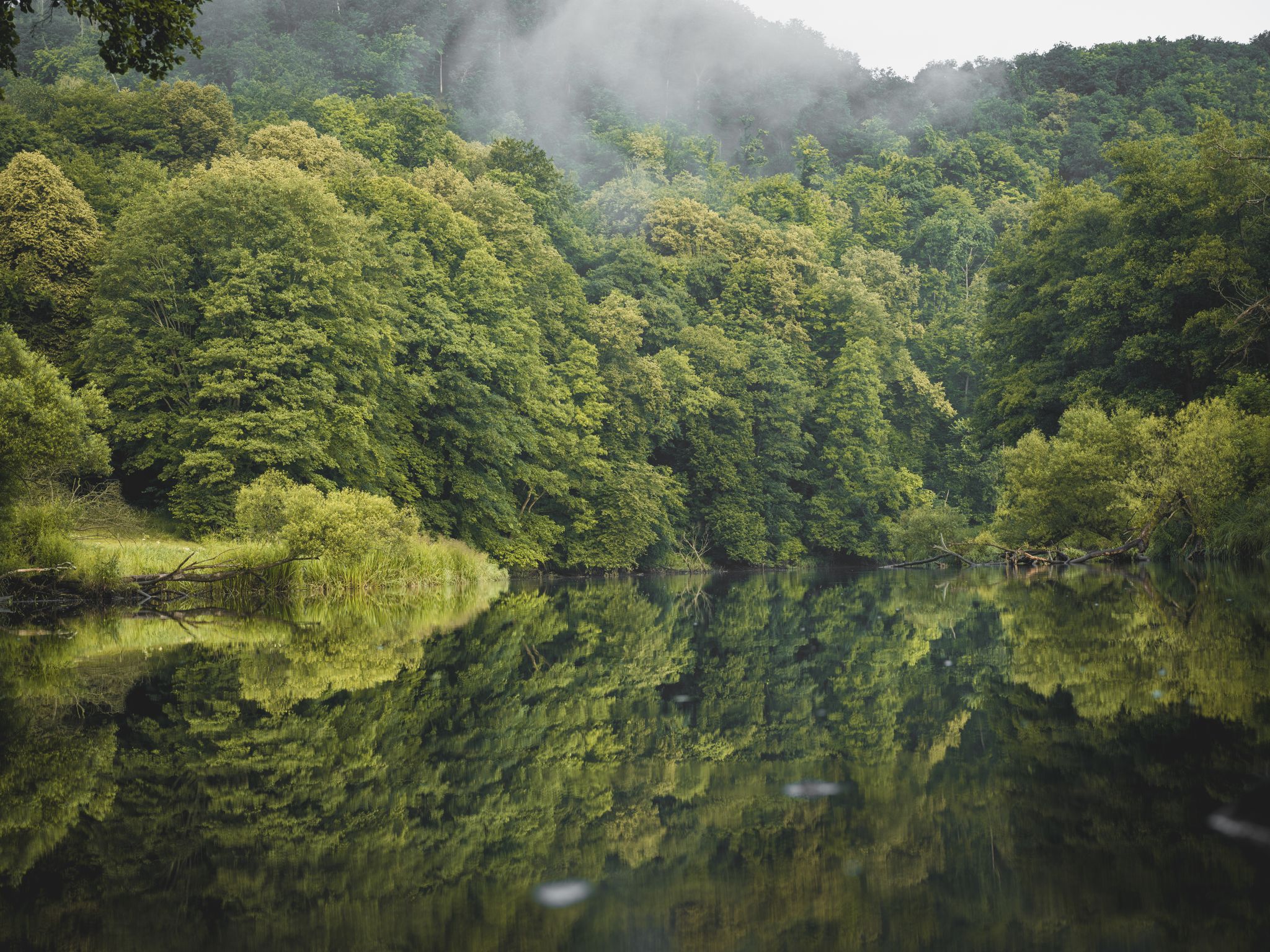
Discover the Thayatal National Park
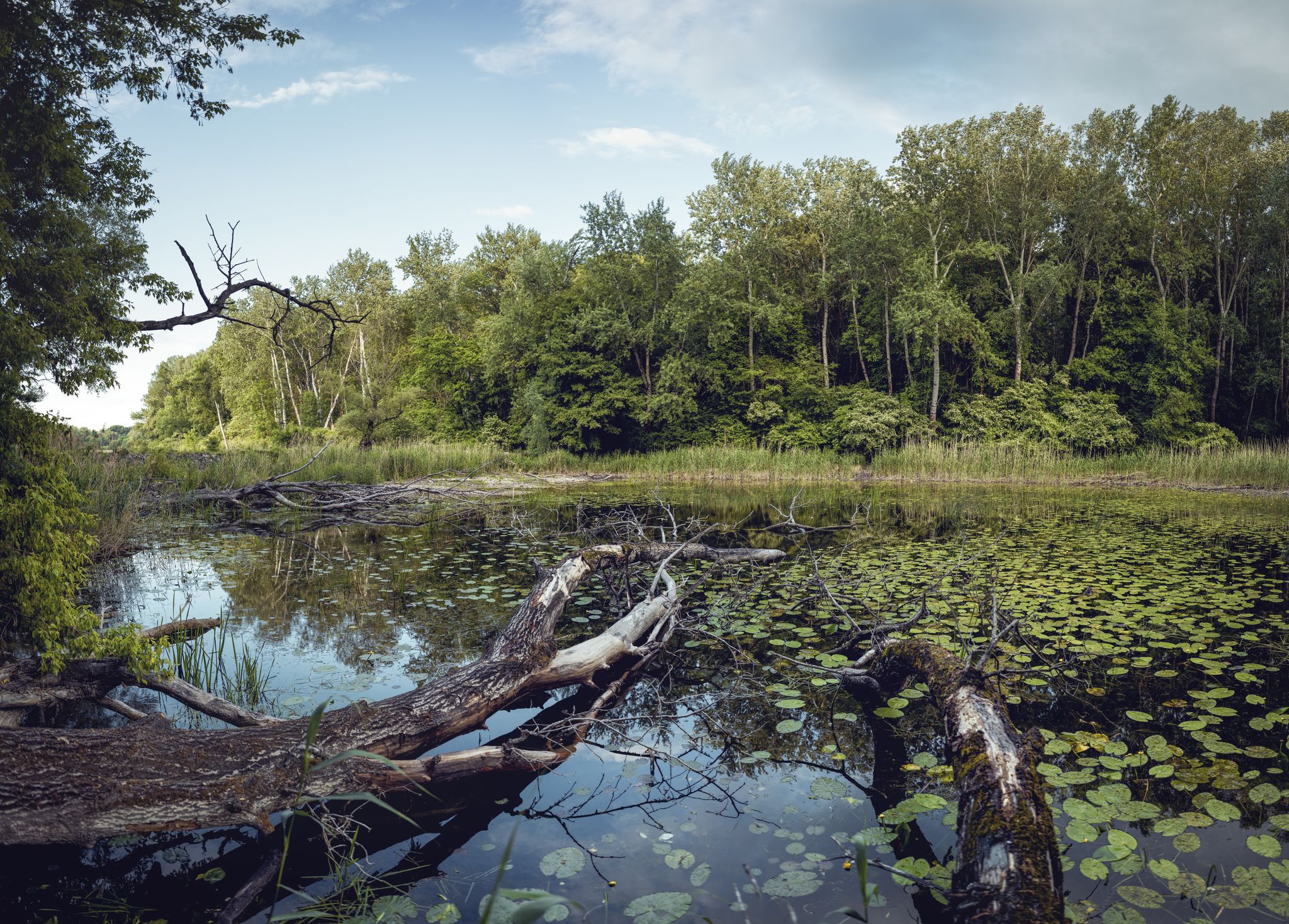
Discover the Donau-Auen National Park
The most beautiful bike discovery Tours in Lower Austria
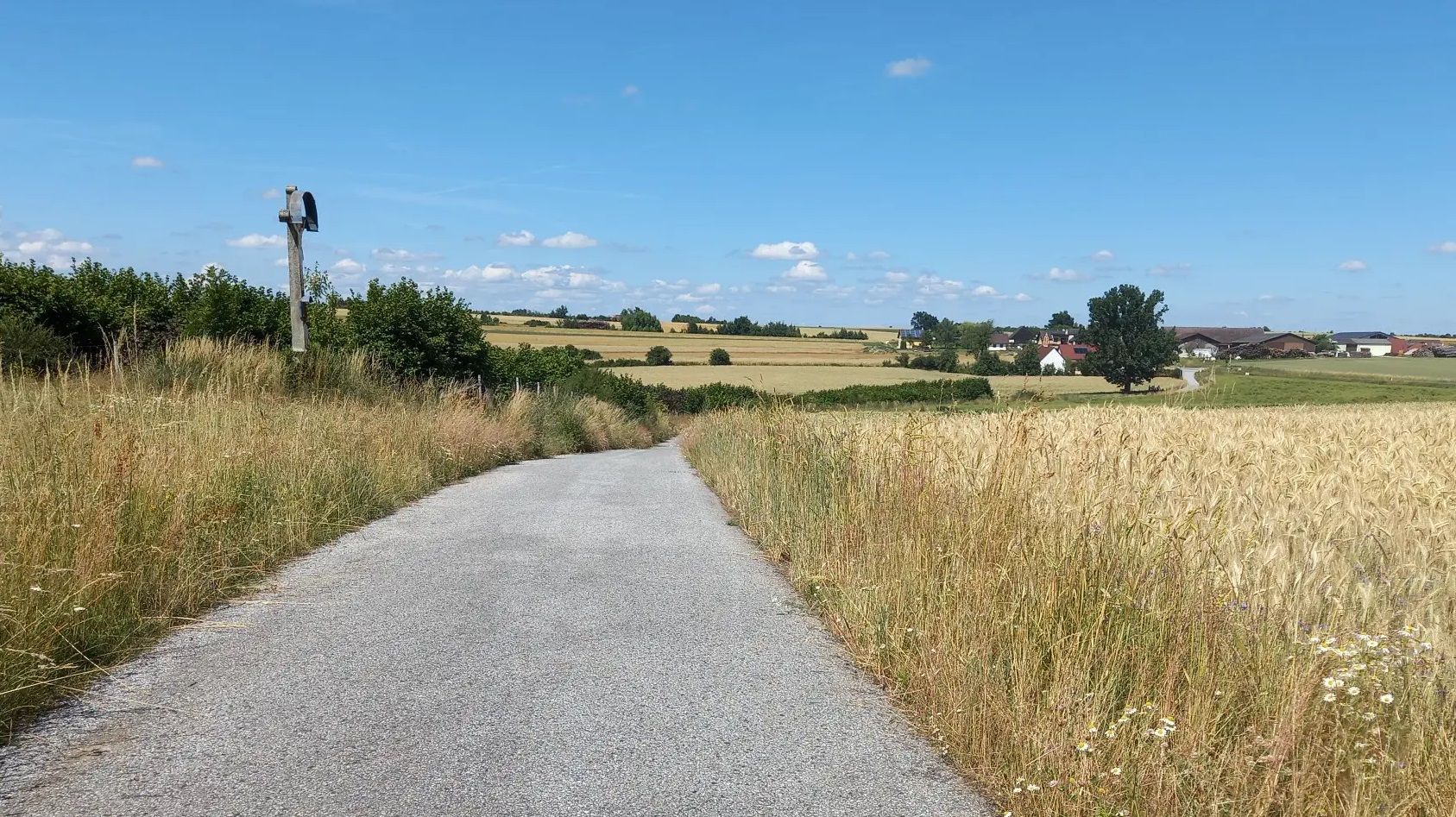
Cycling away from the crowds – Austria’s Kamp-Thaya-March Cycle Route
Other adventures in the Weinviertel


Tips from the Community

Since the end of July (!) only a narrow trickle... even though the water stretch, which extends from the Alte Donau through Stadlau, through the Mühlwasser over Aspern, over the Esslinger Furt and the Groß-Enzersdorfer arm down to the natural 2nd basin of the Danube-Oder Canal, is officially and actually supplied with water from Vienna. However, according to the method "Too much to die, too little to live."
1
0

The almost standing body of water offers great photo opportunities with reflections.
0
0

Rest area with a huge stone table and a small biotope, behind it a small wooden bridge
0
0

Nice stop with a huge stone table. Wetland biotope, a small bridge and a nice opportunity for a detour through almost invisible path along the small stream.
1
0

Nice but is jazzed up way too much as a highlight
0
0

The Danube-Auen National Park is a 9,600 hectare national park that stretches from Vienna to the mouth of the March in Lower Austria on the border with Slovakia. It is one of the largest, largely intact floodplain landscapes in Central Europe along the Danube. The area is 38 kilometers long and measures barely four kilometers at its widest point.
3
0

Here you can enjoy the view over the Weinviertel and southern Bohemia.
0
0

Beautiful view of the Orther Islands from the shore path. The islands themselves are difficult to access due to the dense undergrowth.
0
0
Frequently Asked Questions
What are some highly-rated natural monuments in the Weinviertel?
Visitors frequently appreciate several natural monuments in the Weinviertel. Among the most popular is Devín Castle, known for its historical significance and views of the Morava and Danube rivers. Another highly-rated spot is the Summit cross on Waschberg, offering unique views and home to endangered ground squirrels and rare plant species. The Buschberg Summit Cross, the highest point in the Leiser mountains, also provides extensive panoramic views.
Are there family-friendly natural monuments to visit in the Weinviertel?
Yes, several natural monuments in the Weinviertel are suitable for families. The Holy stone with former pilgrimage church offers a beautiful setting with historical elements. Orth an der Donau in the Donau-Auen National Park provides a natural environment with facilities. The Roseldorf Rest Area and Biotope is a great spot for nature lovers with a cycling path and fruit nature trail. Additionally, the Donauradweg Gravel Section within the Donau-Auen National Park is family-friendly for cycling.
What kind of unique geological features can I explore in the Weinviertel?
The Weinviertel boasts diverse geological formations. The Waschberg Zone, a narrow band of towering limestone cliffs extending from Stockerau to Falkenstein, showcases the region's tectonic history. The Mühlberg Nature Reserve preserves rare Hainsalbei-Furchenschwingel dry grasslands, a significant example of the Pannonian region's natural history. You can also observe impressive yellow-grey loess formations along sunken pathways and cellar lanes, which are characteristic of the Weinviertel's landscape.
Where can I find significant wildlife observation opportunities?
For wildlife enthusiasts, the European Bee-Eater Colony near Nappersdorf-Kammersdorf is a must-see. While the nesting area is protected, visitors can observe these vibrant birds from a designated banker. The Thayatal National Park is another excellent location, preserving one of Central Europe's last near-natural valley landscapes and home to over 40% of native plant species and rare animals along the Thaya River. The Roseldorf Recreation Area also features a unique biotope that provides a habitat for various birds, frogs, and wild animals.
Are there good hiking opportunities near the natural monuments?
Yes, the Weinviertel offers various hiking opportunities. The Leiser Berge Nature Park is a popular hiking destination with trails leading to the Buschberg. The Thayatal National Park features the Thayatal Trail and the Merkersdorf circular hiking trail, offering stunning views like the "Umlaufblick." For easy hikes, you can explore routes like the "Hardegg circular hiking trail" in Thayatal National Park or various Danube rounds in the Donau-Auen National Park. You can find more details on hiking routes in the Easy hikes in the Weinviertel guide.
What cycling routes are available near the natural monuments?
The region provides excellent cycling opportunities. The Kamptal-Schönberg Nature Park offers trails along the meandering Kamp River, through vineyards and forests. The Donauradweg Gravel Section in the Donau-Auen National Park is a scenic route along the Danube. For more extensive cycling tours, consider routes like the "Wine Tour with insights: Weinviertel DAC Cycling Tour" or the "Sylvaner Wine Cycling Route." Detailed cycling routes can be found in the Cycling in the Weinviertel guide.
Can I find historical sites among the natural monuments?
Absolutely. Devín Castle is a prominent historical crossroads that served as a Roman military base and now hosts expositions on Slavic history. The Holy stone with former pilgrimage church features one of Austria's most beautiful cup stones, attributed to ancient cults. The Geological Formations of the Waschberg Zone themselves are a testament to millions of years of geological history, forming a natural boundary within the Weinviertel.
What is the best time of year to visit the natural monuments in the Weinviertel?
The Weinviertel's natural monuments can be enjoyed throughout the year, but spring and autumn are particularly pleasant for outdoor activities like hiking and cycling, with milder temperatures and vibrant landscapes. Spring brings blooming flora, while autumn offers beautiful fall foliage and harvest season in the vineyards. Summer is ideal for water-related activities in areas like the Donau-Auen National Park, though it can be warmer. Winter can offer serene, snow-covered landscapes for those who enjoy cooler weather.
Are there any nature parks that encompass multiple natural monuments?
Yes, the Weinviertel is home to several nature parks that protect and showcase multiple natural monuments. The Leiser Berge Nature Park in the eastern Weinviertel is a popular hiking destination featuring the Buschberg and the "Weinviertel Kalkklippenzone." The Thayatal National Park, shared with the Czech Republic, preserves a near-natural valley landscape along the Thaya River. Additionally, the Kamptal-Schönberg Nature Park offers a blend of river landscapes, vineyards, and forests.
What are the 'Orther Islands' and what can I do there?
The Orther Islands are a natural monument located within the Donau-Auen National Park. They are characterized by their unique riverine landscape, offering opportunities for exploration, particularly for those interested in the natural environment of the Danube floodplains. Visitors can enjoy the natural beauty, observe local flora and fauna, and engage in activities like walking or cycling along the river.
Can I find places to eat or drink near the natural monuments?
Yes, you can find options for refreshments. For instance, the Golden Spring Inn is a highlight that serves as a restaurant and cafe. Near the Buschberg Summit Cross, you'll find the Buschberghütte, Austria's lowest mountain shelter, which provides a place to rest and eat. Many towns and villages throughout the Weinviertel, especially those near popular natural sites, offer cafes and restaurants.
What is the significance of the 'Holy Stone' in Mitterretzbach?
The Heiliger Stein (Mitterretzbach) is a natural monument with significant historical and cultural importance. It is an ancient bowl stone, considered one of the most beautiful in Austria, estimated to be at least 50,000 years old. It is associated with ancient cults, particularly the cult of the dead and fertility rituals, and was believed to have healing properties. It's a place of both natural beauty and historical intrigue.
Most popular routes in the Weinviertel
Most popular attractions in the Weinviertel

Get inspired with the komoot mobile app


Didn’t find what you were looking for?
Find even more amazing natural monuments in the Weinviertel by checking out the top Highlights region by region:
Explore more
Extend your search for the best caves by checking out these guides of the top ones in the Weinviertel:
