Santa Rosa And San Jacinto Mountains National Monument
Santa Rosa And San Jacinto Mountains National Monument
Top 16 Natural Monuments in Santa Rosa And San Jacinto Mountains National Monument
Best natural monuments in Santa Rosa And San Jacinto Mountains National Monument are found within a diverse landscape characterized by dramatic elevation changes. This area transitions from arid desert to alpine forests, featuring unique palm oases and extensive wilderness. The region holds cultural value as ancestral lands of the Agua Caliente Cahuilla Indians, who manage significant palm oases. Its varied ecosystems support a wide array of flora and fauna, making it a destination for exploring unique geological features and diverse…
Last updated: April 24, 2026
San Jacinto Peak
Highlight • Summit
Tip by

Tahquitz Peak
Highlight • Summit
Tip by
Sign up now to discover places like this
Get recommendations on the best single tracks, peaks, & plenty of other exciting outdoor places.
Sign up for free
Andreas Canyon creek crossing
Highlight • Bridge
Tip by

San Jacinto Wilderness
Highlight • Forest
Tip by
Palm Canyon
Highlight • Canyon
Tip by
Sign up for free to discover even more natural monuments in Santa Rosa And San Jacinto Mountains National Monument.
Sign up for free
Already have an account?
Start today with a free account
Your next adventure awaits.
Login or Signup
Popular around Santa Rosa And San Jacinto Mountains National Monument

Pacific Crest Trail from Mexico to Canada – 4,200 kilometres of wilderness
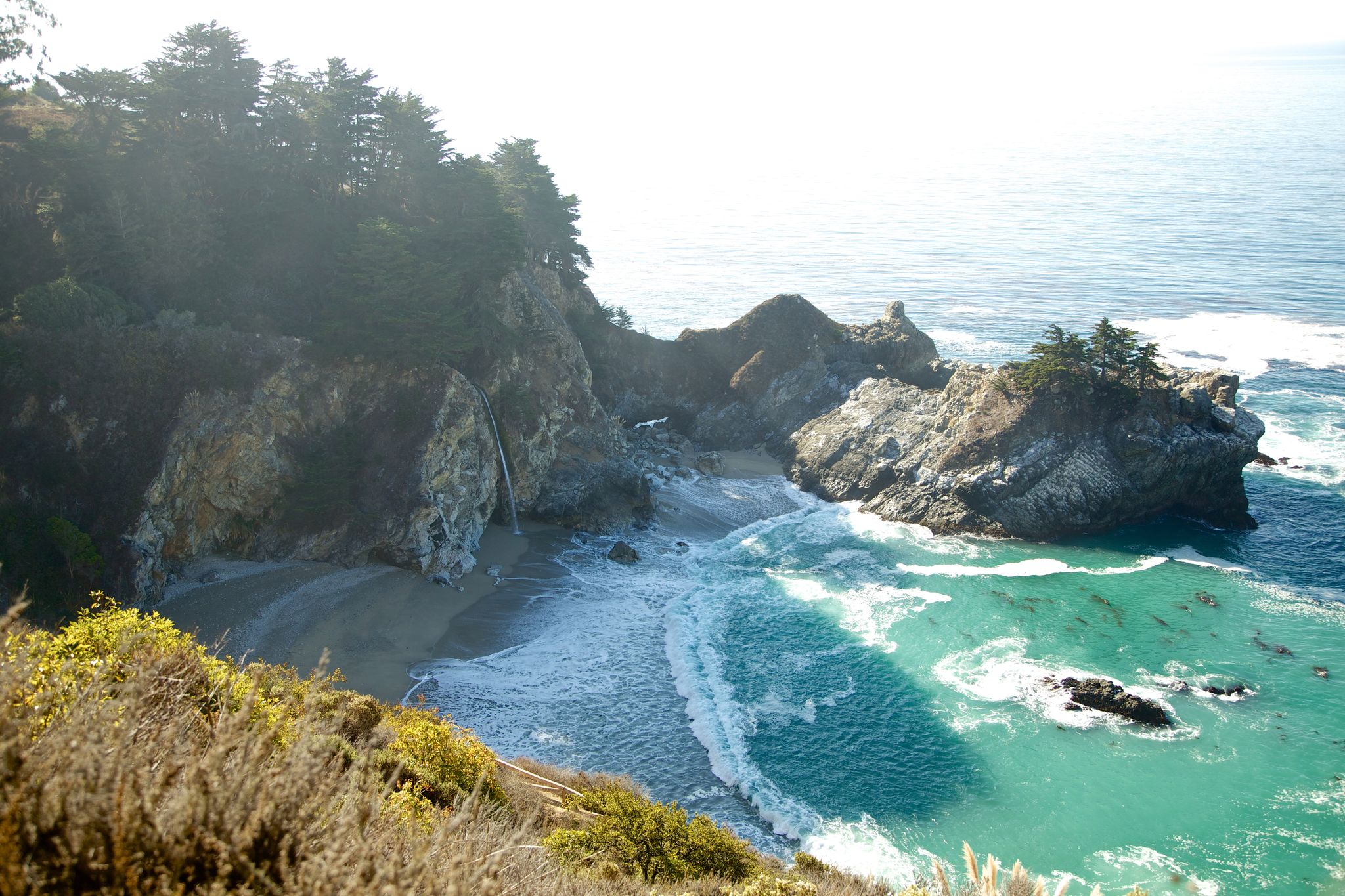
The tour of your life – music trails on the Pacific coast
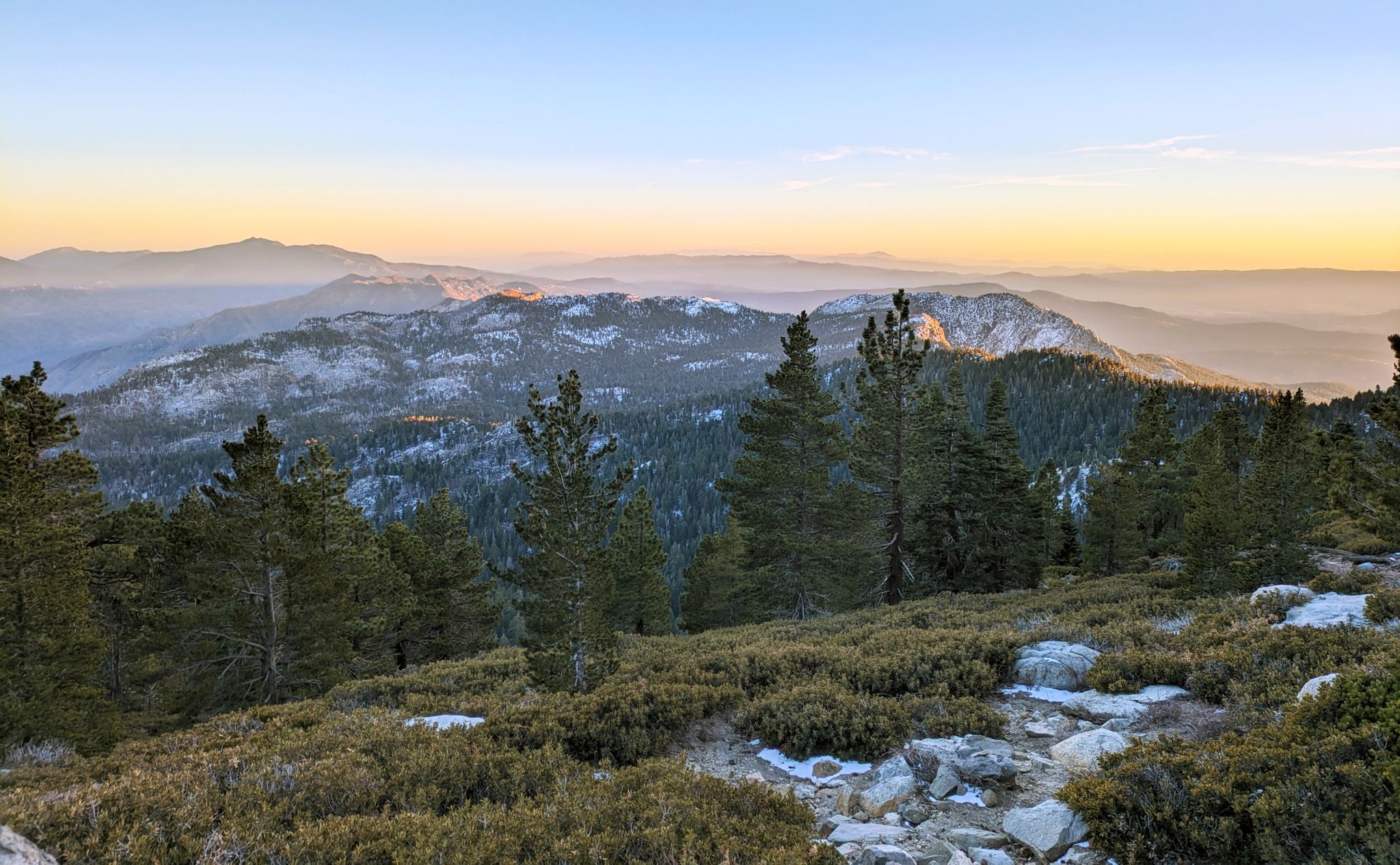
Climbing Mount San Jacinto on the Deer Springs Trail
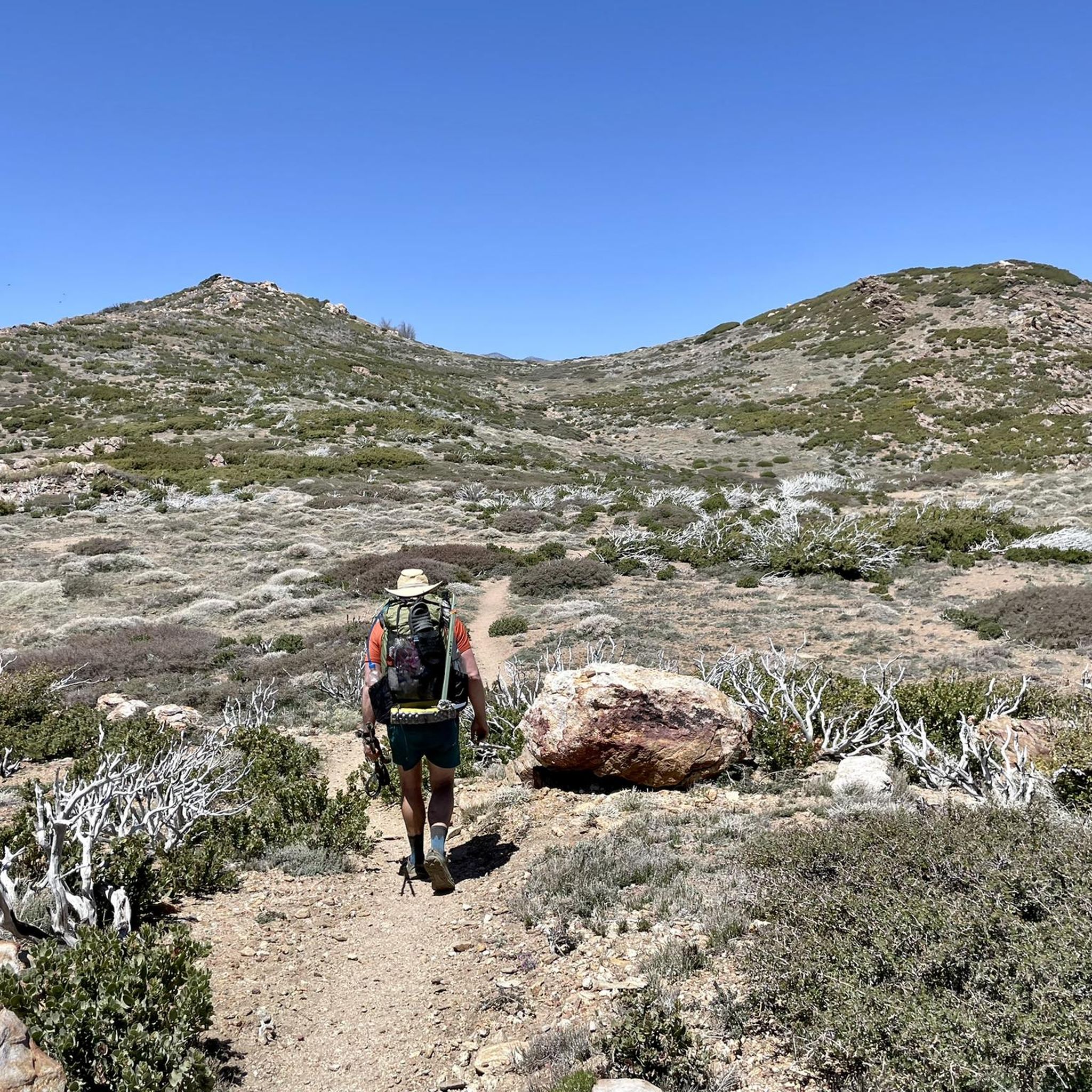
Hiking in Santa Rosa And San Jacinto Mountains National Monument
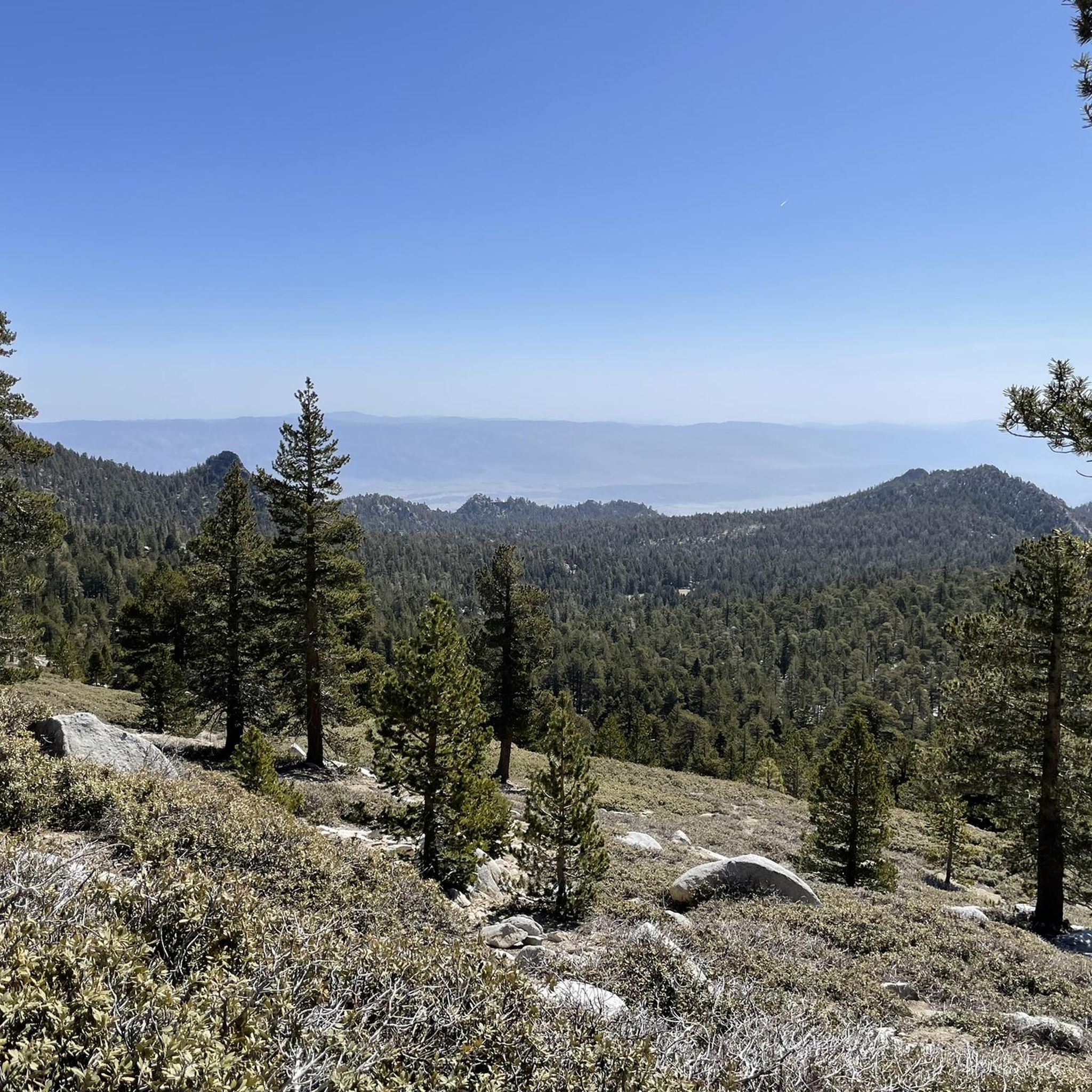
Running Trails in Santa Rosa And San Jacinto Mountains National Monument
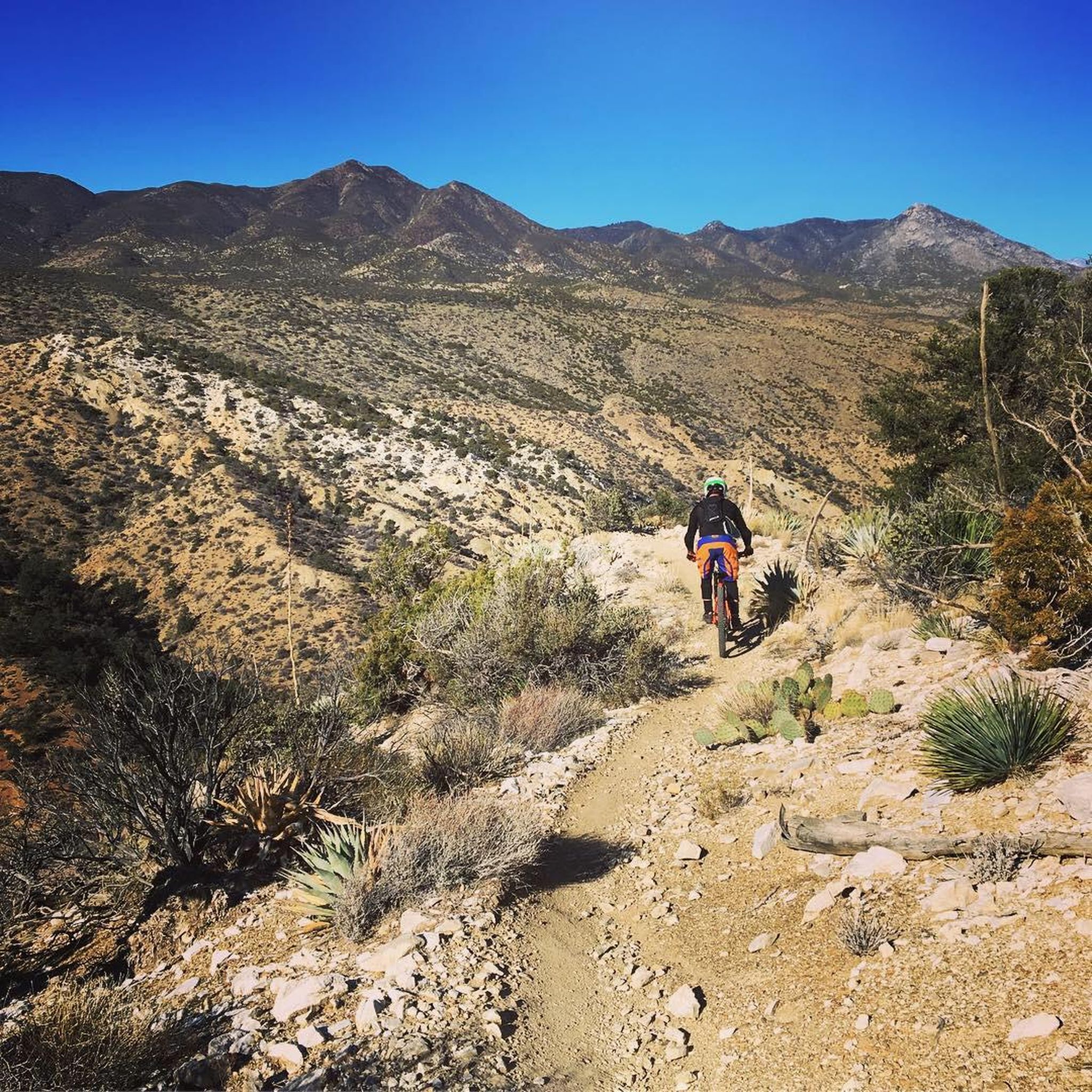
MTB Trails in Santa Rosa And San Jacinto Mountains National Monument
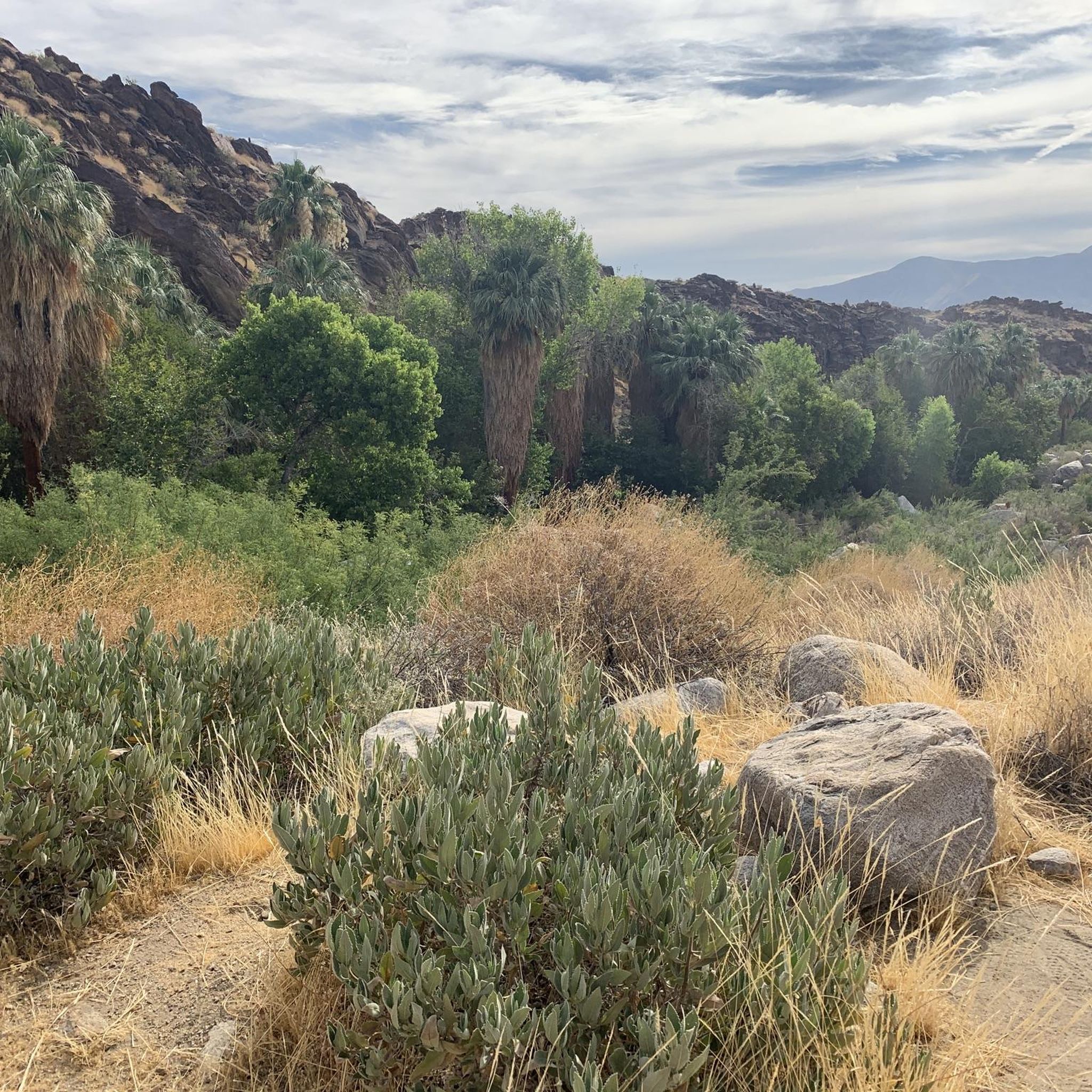
Cycling in Santa Rosa And San Jacinto Mountains National Monument
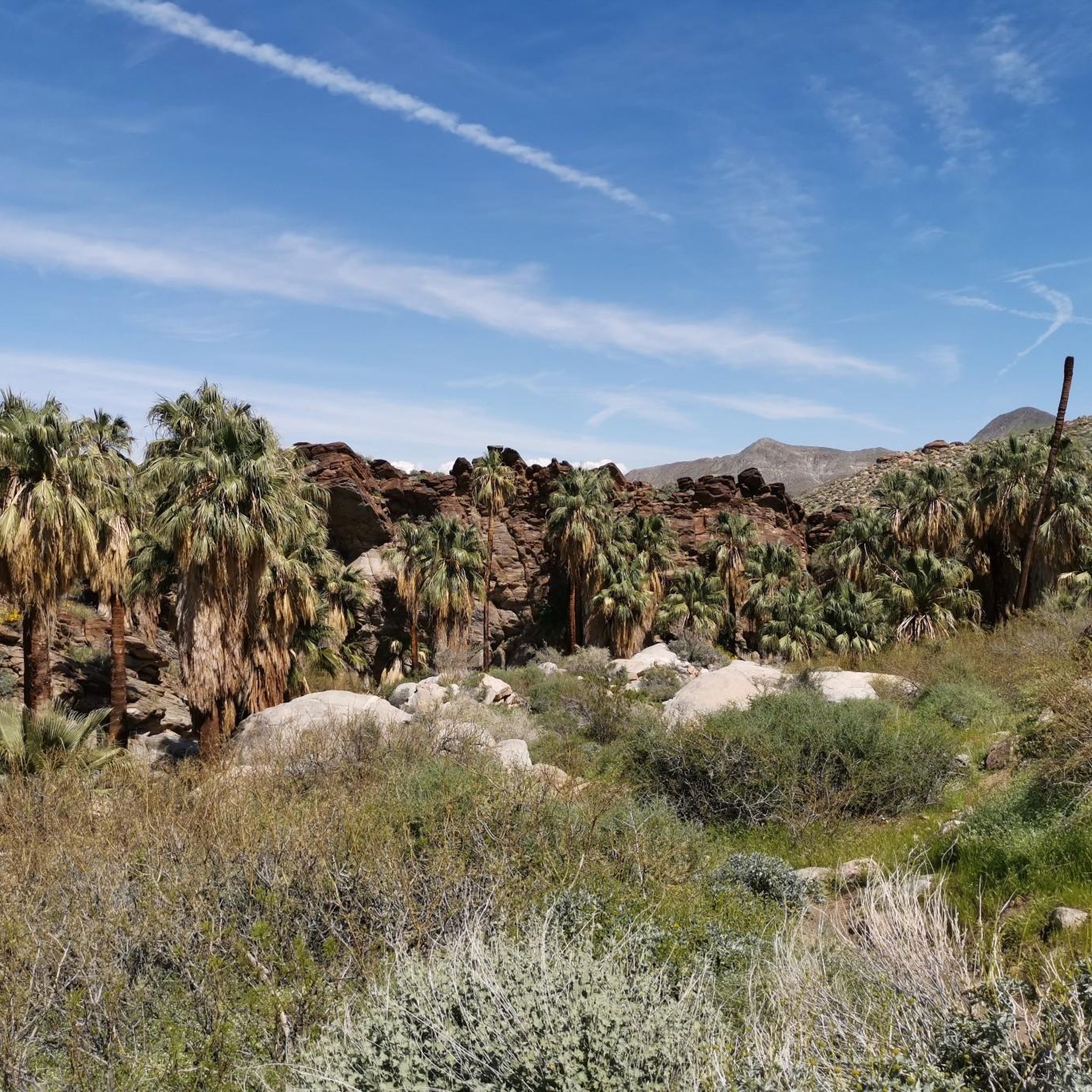
Road Cycling Routes in Santa Rosa And San Jacinto Mountains National Monument
Other adventures in Santa Rosa And San Jacinto Mountains National Monument


Tips from the Community

Beautiful little trail in the desert. Enjoyed the water rushing through the path that the Palm Trees created.
0
0

With 10,883 feet, Mount San Jacinto is the highest peak in the San Jacinto Mountains. There is a network of hiking trails around the summit and the San Jacinto State Park itself. If the weather turns for the worst, you can find shelter in a little hut close to the summit. You can either take a hike from Idyllwild on the west side of the mountain or Palm Springs on the east side. There is also an aerial tramway you can use to get into the San Jacinto Wilderness. If you feel adventurous, you can cross the mountain range using the Pacific Crest Trail.
0
0

Reaching this point, hikers are halfway finished with the loop. The creek crossing has a wood boardwalk over it to avoid wet feet. This water source is reliable but bringing water is still highly recommended due to the heat this area can experience.
0
0
This structure sits on Tahquitz Peak, at an elevation of 8,846 feet. The fire lookout was built in 1937, and is the highest lookout tower in the San Bernardino National Forest. It is maned by volunteers!
0
0

Small Waterfall, also a nice picknick location
1
0
At about half of the trail, where you return back to the parking lot on the other side of the creek
1
0
Tahquitz Peak is a great hiking destination with picture postcard views to the southeast and the Salton Sea. It got its name from a Native American legend saying that a demon wanted to possess the area. When the demon was killed, the spirit escaped and is now living in a cave in the San Jacinto Wilderness. San Bernadino National Forest operates the seasonal fire lookout at the summit of Tahquitz Peak which is mainly staffed by volunteers and is also the highest within the National Forest. The trail up to the mountain can be very dangerous in winter conditions, so bring proper gear. You need to obtain a free of charge wilderness permit from the Ranger Station in Idyllwild or call (909) 382-2921.
2
0
What a fantastic place among the desert and at the foot of majestic San Jacinto? Dozens of tall palm trees form a beautiful contrast to the otherwise quite barren landscape. To hike here, you will have to pay a fee that includes the access to Andreas Canyon and Murray Canyon as well.
4
0
Frequently Asked Questions
What unique natural features can I expect to see in the Santa Rosa and San Jacinto Mountains National Monument?
The monument is characterized by dramatic elevation changes, transitioning from arid desert to alpine forests. You can explore unique palm oases, such as those found in Palm Canyon, and experience snow-capped peaks like San Jacinto Peak. The diverse ecosystems support a wide array of unique flora and fauna, including rare plants and the endangered Peninsular bighorn sheep.
Are there specific geological formations worth visiting?
Yes, the monument features several notable geological formations. The Palm Canyons (including Palm, Andreas, and Murray Canyons) are famous for their unique palm oases and interesting rock formations carved by water over millennia. San Jacinto Peak itself is a dramatic fault-block escarpment, one of the steepest in North America.
What are some popular hiking destinations within the monument?
Popular hiking destinations include San Jacinto Peak, which offers a network of trails and an emergency hut near the summit. Tahquitz Peak is another challenging hike with panoramic views. For a unique desert experience, explore Palm Canyon with its towering palm trees.
Are there family-friendly natural monuments or trails?
Yes, the Andreas Canyon creek crossing is part of a family-friendly loop trail. The Palm Canyons, including Andreas Canyon, offer relatively accessible paths where families can enjoy the unique palm oases and natural beauty.
What is the best time of year to visit the natural monuments?
The best time to visit depends on the elevation you plan to explore. Lower desert areas are most pleasant in cooler months (fall to spring). Higher elevations, like Tahquitz Peak, can be very dangerous in winter conditions due to snow and ice, making spring through fall ideal for high-altitude hikes.
Do I need permits to access certain areas or trails?
Yes, for certain areas, permits are required. For example, to hike to Tahquitz Peak or camp in the San Jacinto Wilderness, you need to obtain a free wilderness permit from the Ranger Station in Idyllwild or the Valley Ranger Station on the Palm Springs Aerial Tramway side. There is also a fee to access the Indian Canyons, which include Palm, Andreas, and Murray Canyons.
Beyond hiking, what other outdoor activities can I do near these natural monuments?
The region offers a variety of outdoor activities. You can find numerous mountain biking trails, including the challenging Palm Canyon Epic. There are also many cycling and road cycling routes available, such as the Green Palms loop via Palm Springs CV Link Bike Path. For more details, explore the MTB Trails, Cycling, and Road Cycling Routes guides for the area.
Do these natural monuments have cultural or historical significance?
Yes, the area holds significant cultural value. The Palm Canyons, including Palm, Andreas, and Murray Canyons, are ancestral homes of the Agua Caliente Cahuilla Indians, who manage these lands. Additionally, Tahquitz Peak is named after a Native American legend.
Is the Palm Springs Aerial Tramway considered part of the natural monument experience?
While a man-made facility, the Palm Springs Aerial Tramway Mountain Station serves as a crucial gateway to the natural monument's higher elevations. It transports visitors to an altitude of 8,516 feet, providing access to observation decks, restaurants, and over 50 miles of hiking trails within the San Jacinto Wilderness, allowing for an accessible way to experience the subalpine and alpine environments.
What are some notable viewpoints in the monument?
Excellent viewpoints include the summit of San Jacinto Peak, offering panoramic vistas across the region. Tahquitz Peak provides stunning views to the southeast and the Salton Sea. The Palm Springs Aerial Tramway Mountain Station also offers observation decks with expansive views of the desert floor and surrounding mountains.
Are there challenging hikes available for experienced trekkers?
Absolutely. The monument is known for its challenging terrain. Hikes to San Jacinto Peak and Tahquitz Peak are considered challenging, especially given the significant elevation gains. The San Jacinto Wilderness also offers extensive trails, including a section of the Pacific Crest Trail, suitable for experienced hikers.
Most popular routes in Santa Rosa And San Jacinto Mountains National Monument
Most popular attractions in Santa Rosa And San Jacinto Mountains National Monument

Get inspired with the komoot mobile app


Explore more
Extend your search for the best caves by checking out these guides of the top ones in Santa Rosa And San Jacinto Mountains National Monument:
