Attractions and Places To See in Parque Natural Aguas De Ramón - Top 11
Best attractions and places to see in Parque Natural Aguas De Ramón, nestled in the Andes foothills on the eastern edge of Santiago, Chile, offers a diverse natural landscape. The park is characterized by its sclerophyllous forests, impressive mountains, and numerous waterfalls. It provides a range of outdoor activities, including trekking trails that lead to scenic viewpoints and natural features. This region is a significant natural area near the capital, known for its biodiversity.
Best attractions and places to see…
Last updated: July 6, 2026
Alto de las Vizcachas Hill
Highlight • Viewpoint
Translated by Google •
Tip by

Apoquindo Waterfall
Highlight • Waterfall
Translated by Google •
Tip by

Sign up now to discover places like this
Get recommendations on the best single tracks, peaks, & plenty of other exciting outdoor places.
Sign up for free
Altas Cumbres Viewpoint
Highlight • Viewpoint
Translated by Google •
Tip by

Cerro La Cruz Summit
Highlight • Summit
Translated by Google •
Tip by

Rock Viewpoint
Highlight • Viewpoint
Translated by Google •
Tip by
Sign up for free to discover even more attractions in Parque Natural Aguas De Ramón.
Sign up for free
Already have an account?
Start today with a free account
Your next adventure awaits.
Login or Signup

Tips from the Community

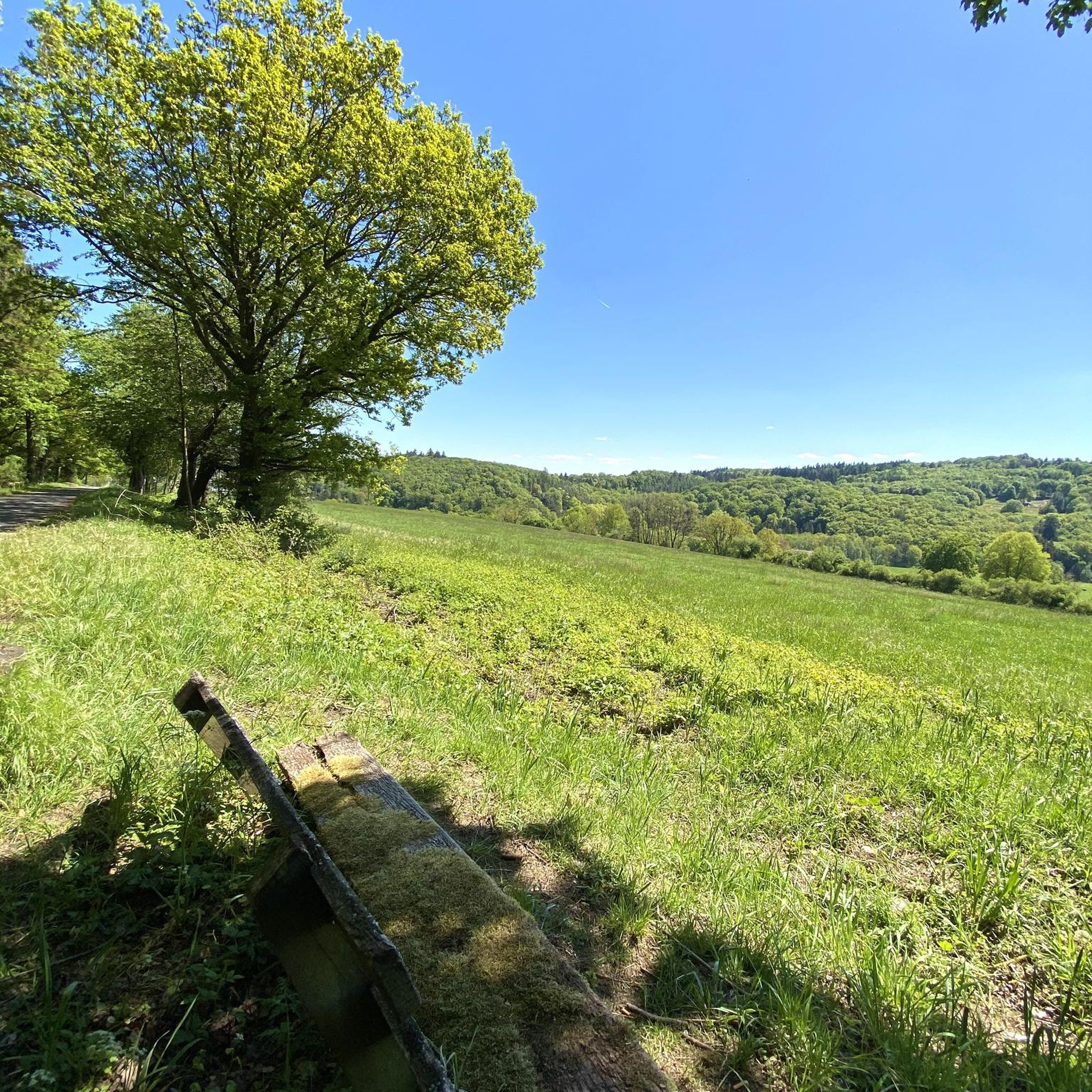
Beautiful viewpoint! Los Peumos trail, a lovely route to end with a refreshing swim
0
0

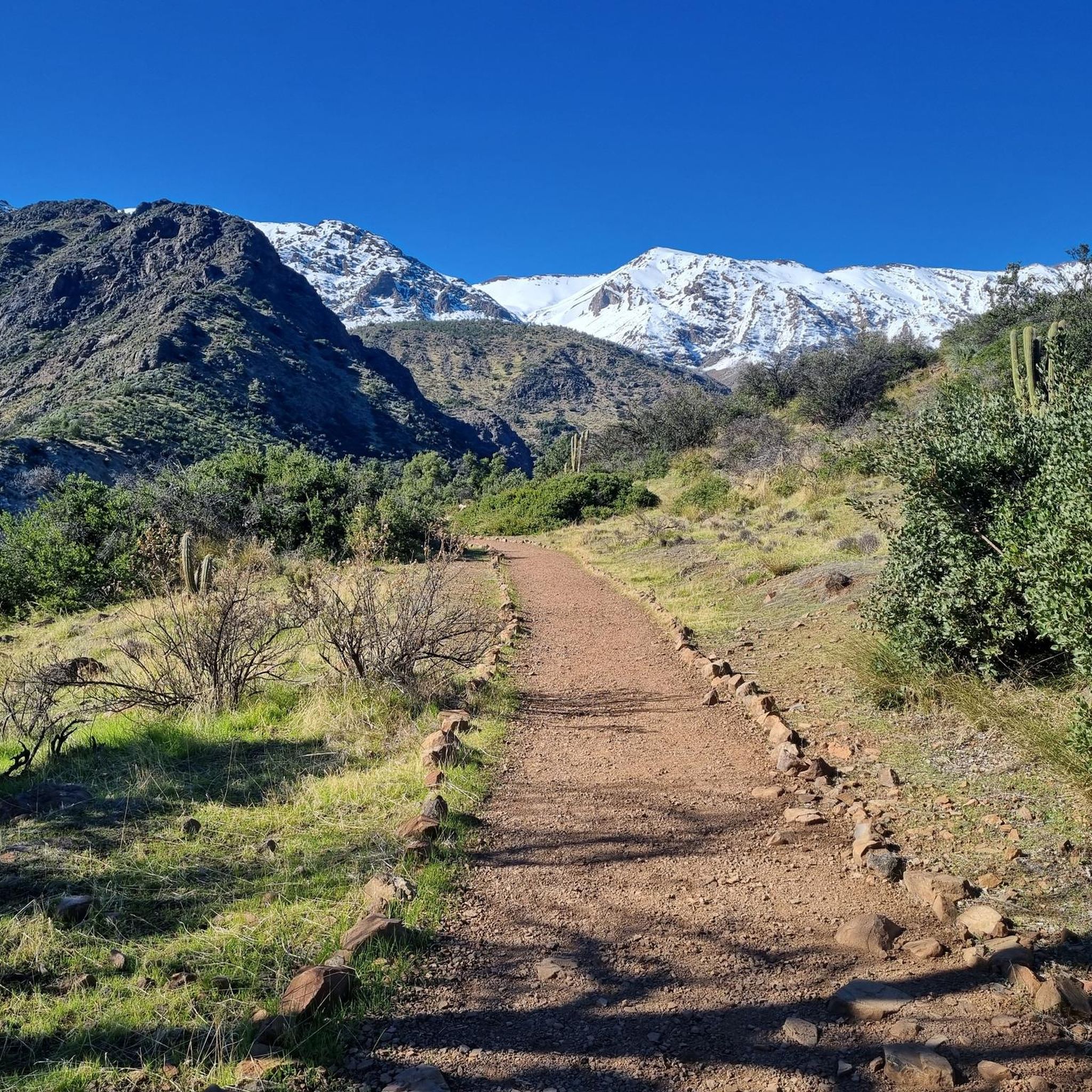
The Mirador de la Roca viewpoint, in the Aguas de Ramón Natural Park, is a natural balcony with sweeping views of the valley and the rugged foothills of the Andes. Access is via a well-marked trail that combines shade with more exposed sections. It's a perfect spot to enjoy the scenery before continuing your hike; wear comfortable shoes and bring water, especially on hot days.
0
0
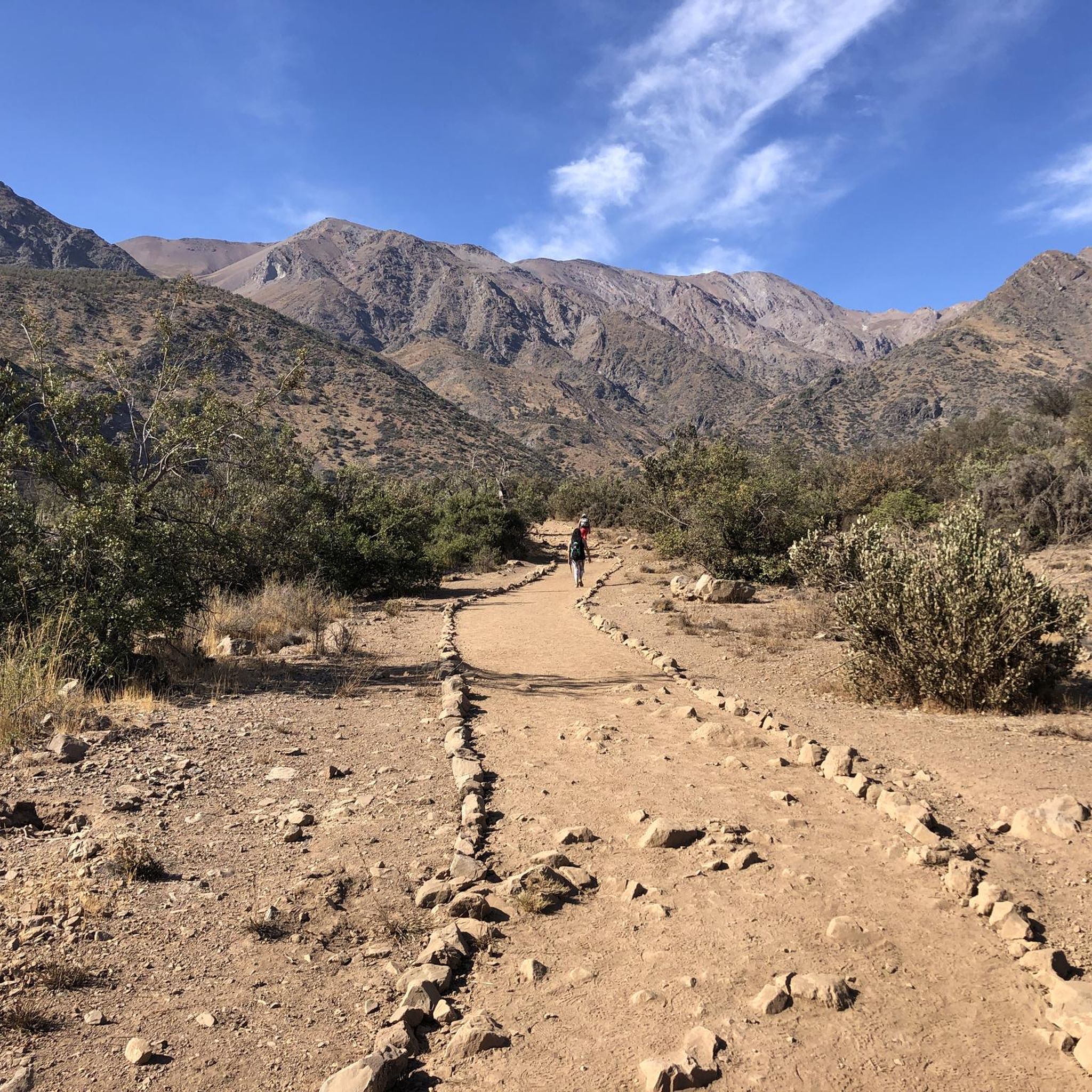
The Altas Cumbres viewpoint, in Aguas de Ramón Natural Park, offers a sweeping view of the foothills mountains and the valleys surrounding Santiago. It's a very rewarding end to a steady, well-marked climb. Sturdy footwear and plenty of water are recommended, as much of the route is exposed and sunny.
0
0

This waterfall is a highly recommended spot in the region. You reach it via a moderately technical trail. The route is a bit long, so it's best to bring all the necessary equipment, water, and food.
0
0

It's a beautiful summit with a great view in all directions. The ascent route is well-marked (there's even a solar charging station along the way, if you need it). I did a circular route: the main ascent route has many steps leading to a rocky scramble, while the other route is a bit more natural and less crowded.
0
0

At 2552 m, Cerro La Cruz towers imposingly over the Chilean capital Santiago and offers a phenomenal view of Santiago and the Chilean Andes, including the glaciated Cerro el Plomo. Technically, the summit is not difficult to climb, but you need to have stamina, as there are a few meters of altitude to overcome.
1
0


Lower carefully. Lots of people trekking.
0
0
Frequently Asked Questions
What natural features can I explore in Parque Natural Aguas De Ramón?
Parque Natural Aguas De Ramón is rich in natural beauty, featuring impressive mountains, sclerophyllous forests, and several waterfalls. A prominent natural highlight is the spectacular Apoquindo Waterfall, a 30-meter cascade. The park also includes the Esteros de Ramón, a permanent stream, and various peaks like Cerro San Ramón and Cerro Provincia.
Are there any significant viewpoints in Parque Natural Aguas De Ramón?
Yes, the park offers several viewpoints with breathtaking panoramas. The Altas Cumbres Viewpoint provides sweeping views of the foothills and valleys surrounding Santiago. Another notable spot is the El Encañado Viewpoint, offering a beautiful panorama, and the Alto de las Vizcachas Hill summit, which offers great views in all directions. For an expansive view of Santiago and the Andes, consider the Cerro La Cruz Summit.
What kind of wildlife might I encounter in Parque Natural Aguas De Ramón?
The park is a haven for endemic flora and fauna, characterized by its sclerophyllous forests. While specific wildlife sightings can vary, visitors often have the chance to observe various bird species and other local animals adapted to the Andean foothills ecosystem.
What are some popular hiking trails in Parque Natural Aguas De Ramón?
The park boasts a variety of well-maintained trekking routes. The most popular is the challenging Salto de Apoquindo Trail, leading to the impressive waterfall. Other popular options include the moderate Sendero Los Peumos, which winds through a sclerophyllous forest, and the easy Canto del Agua trail, ideal for families.
Are there trails suitable for different fitness levels in the park?
Absolutely. Parque Natural Aguas De Ramón caters to various fitness levels. For an easy, family-friendly walk, the Canto del Agua trail is perfect. The Sendero Los Peumos offers a moderate intensity hike with scenic views. For those seeking a more demanding adventure, the Salto de Apoquindo Trail is a long and moderately technical route.
What unique trail experiences does the park offer?
Beyond traditional hiking, the park features charming hanging bridges along several trails, adding an adventurous element. It also offers a unique barefoot trail for a different sensory experience. Additionally, the Ruta Paleontológica is an educational route leading to a replica of an excavation site where remains of the ancient Gonfoterio Stegomastodon were discovered.
Are there family-friendly activities or trails in Parque Natural Aguas De Ramón?
Yes, the park is suitable for families. The Canto del Agua trail is an easy, short route perfect for children, offering picnic areas for relaxation. The park also features an Environmental Education Center where families can learn about conservation and the local ecosystem.
What historical or educational points of interest can I find in the park?
The park offers the Ruta Paleontológica, a moderate-low intensity educational route that leads to the site where remains of the Gonfoterio Stegomastodon, an ancient elephant-like species, were discovered. There's also an Environmental Education Center where visitors can learn about the park's biodiversity and conservation efforts.
What outdoor activities can I do near these attractions?
Beyond exploring the attractions, Parque Natural Aguas De Ramón is a hub for outdoor activities. You can find numerous hiking trails, including the challenging Salto de Apoquindo Trail and the scenic Sendero Los Peumos. For mountain biking enthusiasts, there are various MTB trails, and runners can enjoy several running routes. You can find more details on these activities in the hiking guide, MTB trails guide, and running trails guide for the region.
What do visitors enjoy most about Parque Natural Aguas De Ramón?
Visitors frequently praise the park for its stunning natural beauty, particularly the impressive Apoquindo Waterfall and the panoramic views from summits like Alto de las Vizcachas Hill and Cerro La Cruz Summit. The well-maintained trails catering to various difficulties, from easy family walks to challenging ascents, are also highly appreciated.
What is the best time to visit Parque Natural Aguas De Ramón?
While the park is accessible year-round, the best time to visit often depends on your preferred activity. Spring (September to November) and autumn (March to May) generally offer pleasant temperatures for hiking. During summer (December to February), it can be quite warm, especially on exposed trails, so an early start is recommended. Winter (June to August) can bring cooler temperatures and occasional snow at higher elevations, offering a different, serene experience.
What should I wear and bring for a visit to Parque Natural Aguas De Ramón?
For hiking, sturdy footwear is highly recommended, especially for trails with varied terrain or rocky sections. Given that much of the park's routes can be exposed and sunny, bringing plenty of water, sun protection (hat, sunscreen), and layers of clothing is advisable. For longer or more technical trails, carrying essential equipment and sufficient food is also important.
Most popular routes in Parque Natural Aguas De Ramón

Get inspired with the komoot mobile app


Explore more
Still not found the Highlight you’re looking for? See guides of the top attractions in other regions:
