Top 10 Natural Monuments in Área De Proteção Ambiental Marimbus/Iraquara
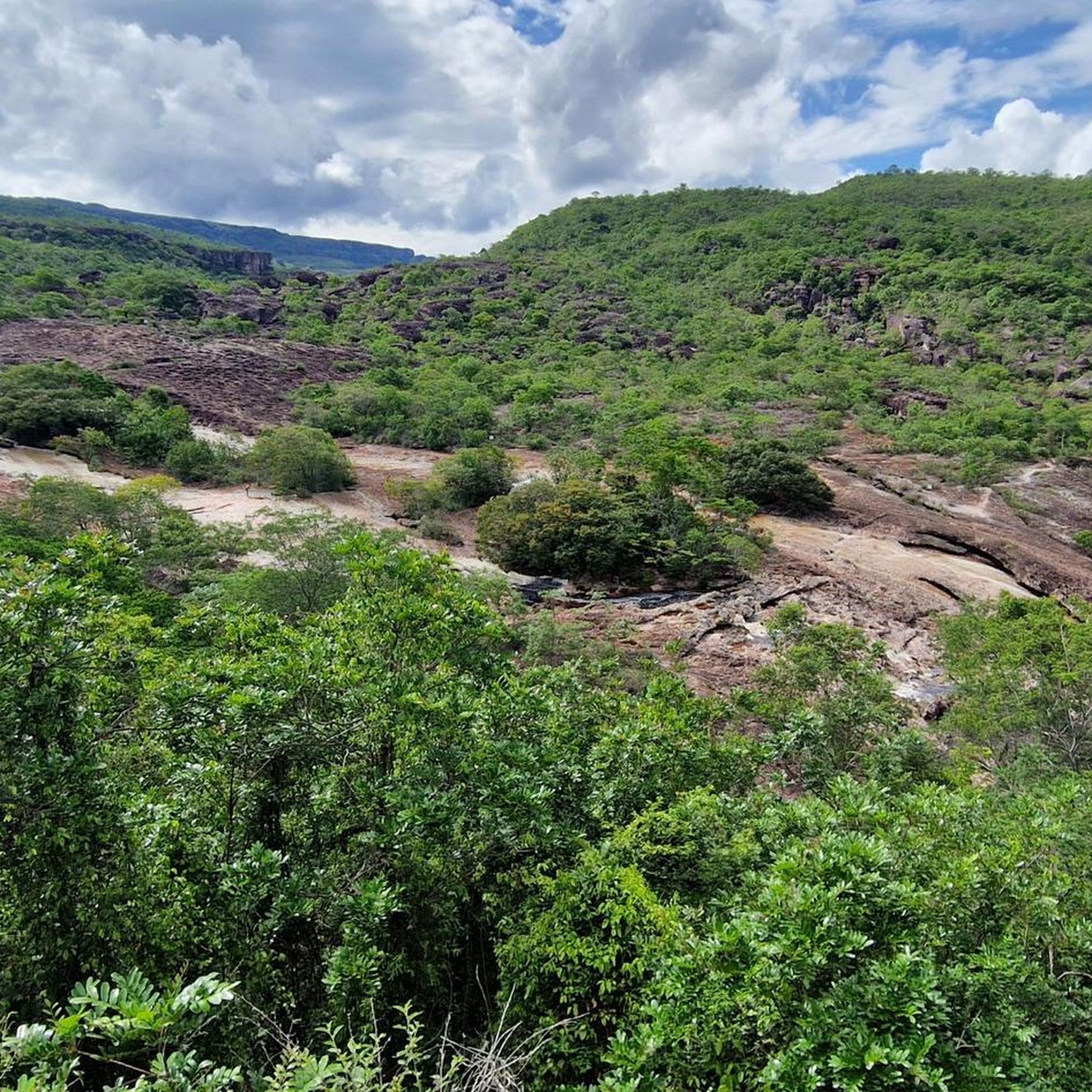
Natural monuments in Área De Proteção Ambiental Marimbus/Iraquara are found within a significant conservation area in Brazil's Chapada Diamantina region. This area spans 125,400 hectares and features diverse ecosystems, including expansive wetlands, ancient cave systems, and prominent mountain formations. It is known for its rich biodiversity and unique geological features, offering a range of natural attractions. The region protects important cultural aspects, with local communities coexisting with nature.
Best natural monuments in Área De Proteção Ambiental Marimbus/Iraquara
- The most popular…
Last updated: July 6, 2026
Ribeirão do Meio
Highlight • Waterfall
Translated by Google •
Tip by

Cachoeira da Primavera
Highlight • Waterfall
Translated by Google •
Tip by

Sign up now to discover places like this
Get recommendations on the best single tracks, peaks, & plenty of other exciting outdoor places.
Sign up for free
Morro do Pai Inácio viewpoint
Highlight • Viewpoint
Entry costs 12 real per person and …
Translated by Google •
Tip by

Gruta da Lapa
Highlight • Cave
Translated by Google •
Tip by
Cachoeira do Mosquito
Highlight • Waterfall
Translated by Google •
Tip by
Sign up for free to discover even more natural monuments in Área De Proteção Ambiental Marimbus/Iraquara.
Sign up for free
Already have an account?
Start today with a free account
Your next adventure awaits.
Login or Signup
Popular around Área De Proteção Ambiental Marimbus/Iraquara
Tips from the Community

The tour starts in the national park. In this part of the national park, hikes are only possible with a guide. But it's worth it.
0
0

A swim in the natural pool is a delight! And many also take the opportunity to slide down the rocky slab.
2
0

The hike from Lencois to the cave entrance takes about 1 hour 30 minutes.
0
0
There is a barrier about 7 km before the hiking car park, which opens at around 8 a.m. Fee: 60 reals per person. The hike to the waterfall only takes about 30 minutes and is easy to find even without a guide. There is a covered bar in the parking lot.
0
0
The gate on Main Street is open every day from 9 a.m. to 5 p.m. Then you can drive the vehicle up the first part. If you get there earlier, you can walk past the gate and walk about 35 minutes to the upper parking lot.
0
0

Cachoeira do Mosquito. A beautiful waterfall located on private property. The name of the waterfall goes back to the time when small diamonds were found in the ground, called mosquitoes by the prospectors.
3
0
This mountain dominates the landscape of Chapada Diamantina. From the top (+/- 600 meters ascent) you have a great view of the region. Entry costs 12 real per person and must be paid at the guardhouse at the foot of the trailhead.
6
0
The Gruta da Lapa is part of a 42 km long system of caves. Currently, only 850 meters of this paradise is open to visitors. A visit begins with a steep descent along a path and stairs. The route in the cave begins with a descent of 70 meters. Access is only allowed with a local guide. It is forbidden to enter the caves with sandals or slippers. Closed shoes are mandatory.
8
0
Frequently Asked Questions
What are some of the most unique natural features to explore in Área De Proteção Ambiental Marimbus/Iraquara?
The region is renowned for its diverse natural features. You can explore the unique Marimbus Wetland, often called the 'mini-Pantanal,' with its labyrinth of lagoons and channels perfect for canoe trips and wildlife observation. Additionally, the area boasts extensive cave systems, including the impressive Gruta da Lapa, known for its underground river and stunning mineral formations.
Are there opportunities for wild swimming in the natural monuments of Área De Proteção Ambiental Marimbus/Iraquara?
Yes, there are several excellent spots for wild swimming. The Ribeirão do Meio waterfall features a natural pool ideal for a refreshing dip, and many visitors enjoy sliding down its rocky slab. The Roncador River also offers giant natural pools and 'natural jacuzzis,' while the Gruta da Pratinha is famous for its crystal-clear natural pools, perfect for swimming and snorkeling.
What kind of cave systems can be explored in the Iraquara region?
Iraquara is known as the 'Brazilian capital of caves,' with over 100 mapped systems. These include Lapa Doce, one of Brazil's largest caves, and Torrinha Cave, celebrated for its rich mineral formations. Gruta da Pratinha offers unique clear natural pools for swimming, while Gruta Azul also allows for swimming and snorkeling. Many of these caves require local guides for exploration.
What are the best viewpoints for panoramic scenery in Área De Proteção Ambiental Marimbus/Iraquara?
For breathtaking panoramic views of the Chapada Diamantina landscape, Morro do Pai Inácio viewpoint is a must-visit. It's especially popular for watching the sunset. Morro do Camelo also offers significant scenic vistas of the region.
Are there any family-friendly natural monuments or activities in the area?
Many natural monuments offer family-friendly activities. Canoe trips through the Marimbus Wetland are suitable for all ages, providing opportunities for birdwatching and spotting wildlife. The natural pools of the Roncador River and Gruta da Pratinha are great for swimming. The hike to Cachoeira do Mosquito is relatively easy and suitable for families.
What outdoor activities can I do near these natural monuments?
The region offers a variety of outdoor activities, particularly hiking. You can find numerous trails, including challenging routes like the Trilha Cachoeira do Sossego, or moderate options such as the Ribeirão do Meio loop. For more details on hiking routes, you can explore the Hiking in Área De Proteção Ambiental Marimbus/Iraquara guide.
Are there specific hiking trails that lead to waterfalls in the area?
Yes, the region is rich in waterfall hikes. Popular options include the trail to Cachoeira da Primavera, which often requires a guide, and the path to Cachoeira do Mosquito. For a comprehensive list of routes, refer to the Waterfall hikes in Área De Proteção Ambiental Marimbus/Iraquara guide.
What should I know about visiting the cave systems, such as Gruta da Lapa?
When visiting cave systems like Gruta da Lapa, it's important to note that access is typically only allowed with a local guide. Closed shoes are mandatory for safety, and you may need a flashlight as it can be pitch dark inside. These caves offer a unique experience to see impressive stalagmites and stalactites.
What do visitors enjoy most about the natural monuments in this region?
Visitors frequently highlight the stunning natural beauty and the variety of experiences. Many appreciate the refreshing swims in natural pools like those at Ribeirão do Meio and the panoramic views from Morro do Pai Inácio viewpoint, especially at sunset. The unique geological formations within the caves also leave a lasting impression.
Is there any historical or cultural significance to the Área De Proteção Ambiental Marimbus/Iraquara?
Yes, the region holds both historical and cultural significance. The formation of the Marimbus wetland, for instance, is linked to 18th-century mining activities. Additionally, some cave systems contain ancient rock paintings, indicating human presence thousands of years ago. The APA is also crucial for preserving cultural aspects, with local communities living in harmony with nature and maintaining ancient customs.
What is the best time to visit Área De Proteção Ambiental Marimbus/Iraquara to explore its natural monuments?
The Chapada Diamantina region generally experiences a dry season from May to September, which is often considered ideal for hiking and exploring natural monuments as trails are less muddy and waterfalls are still active. The rainy season, from October to April, can make some areas more challenging to access, but also brings lush greenery and fuller waterfalls.
Are there any specific permits or guides required to visit certain natural monuments?
Yes, some natural monuments, particularly within the national park boundaries or intricate cave systems like Gruta da Lapa and Cachoeira da Primavera, require the accompaniment of a local guide. It's advisable to check specific requirements for each site before your visit.
Most popular routes in Área De Proteção Ambiental Marimbus/Iraquara
Most popular attractions in Área De Proteção Ambiental Marimbus/Iraquara

Get inspired with the komoot mobile app


Explore more
Extend your search for the best caves by checking out these guides of the top ones in Área De Proteção Ambiental Marimbus/Iraquara:
